From stone markers hidden in coastal villages to temple complexes that chart centuries of belief, Japan’s historical sites are woven into both landscape and daily life. A clear, organized list helps you spot themes, group nearby stops, and decide whether to dig into a particular era or region on a visit.
There are 104 Historical Places in Japan, ranging from Adashino Nenbutsu-ji Temple to Zuigan-ji Temple; entries are organized by Prefecture, Era/Period, and Significance, which you’ll find below.
How can I use this list to plan a visit?
Use the Prefecture column to cluster sites by geography, the Era/Period to build a themed itinerary (e.g., Nara-period sites or samurai-era locations), and the Significance field to prioritize must-sees versus niche interests; after choosing targets, check local transport, opening hours, and any access rules before you go.
Do I need reservations or special permits to visit these places?
Most sites are publicly accessible, but some temples, private gardens, and archaeological areas have limited hours, seasonal access, or guided-entry requirements—always confirm on official pages or local tourism sites and book in advance for special tours or group visits.
Historical Places in Japan
| Name | Prefecture | Era/Period | Significance |
|---|---|---|---|
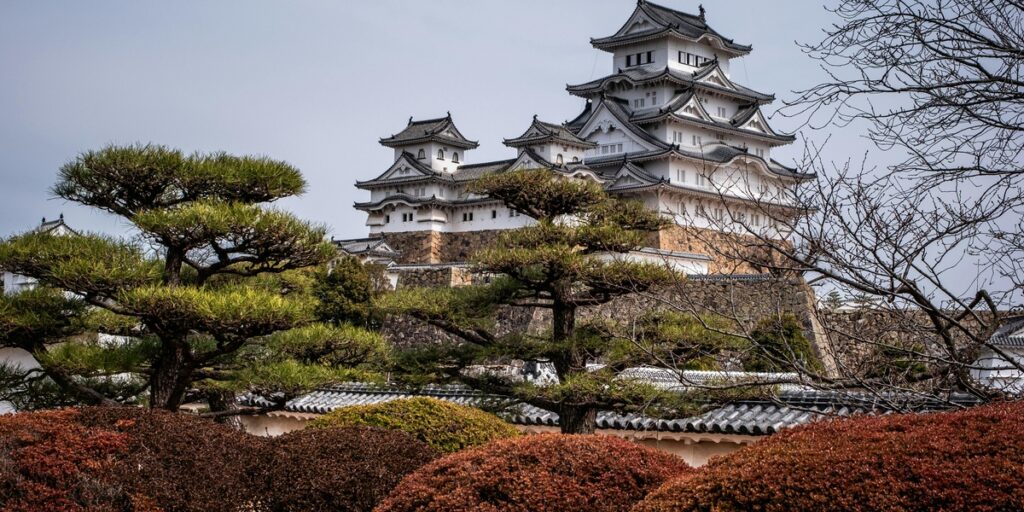
| Himeji Castle | Hyogo | Edo (c. 1609) | Japan’s finest feudal castle; a pristine UNESCO World Heritage site. |
| Kinkaku-ji (Golden Pavilion) | Kyoto | Muromachi (1397) | Iconic Zen temple completely covered in gold leaf. |
| Itsukushima Shrine | Hiroshima | Heian (12th century) | UNESCO site famous for its “floating” torii gate in the sea. |
| Todai-ji Temple | Nara | Nara (8th century) | Houses the world’s largest bronze Buddha statue (Daibutsu) within a massive hall. |
| Atomic Bomb Dome | Hiroshima | Taisho (1915) | Preserved ruin serving as a memorial to the 1945 atomic bombing. |
| Fushimi Inari-taisha | Kyoto | Nara (est. 711) | Celebrated for its thousands of vibrant red torii gates forming tunnels. |
| Shirakawa-go Historic Village | Gifu | Edo | UNESCO site known for its traditional gassho-zukuri thatched-roof farmhouses. |
| Matsumoto Castle | Nagano | Sengoku (late 16th c.) | One of Japan’s most beautiful original castles; a National Treasure. |
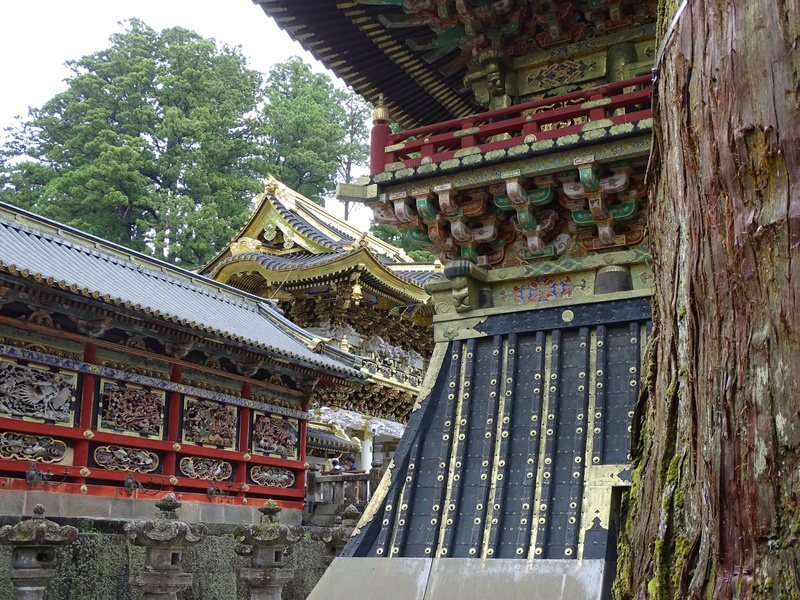
| Nikko Toshogu Shrine | Tochigi | Edo (1617) | Lavish mausoleum of Tokugawa Ieyasu; a stunning UNESCO site. |
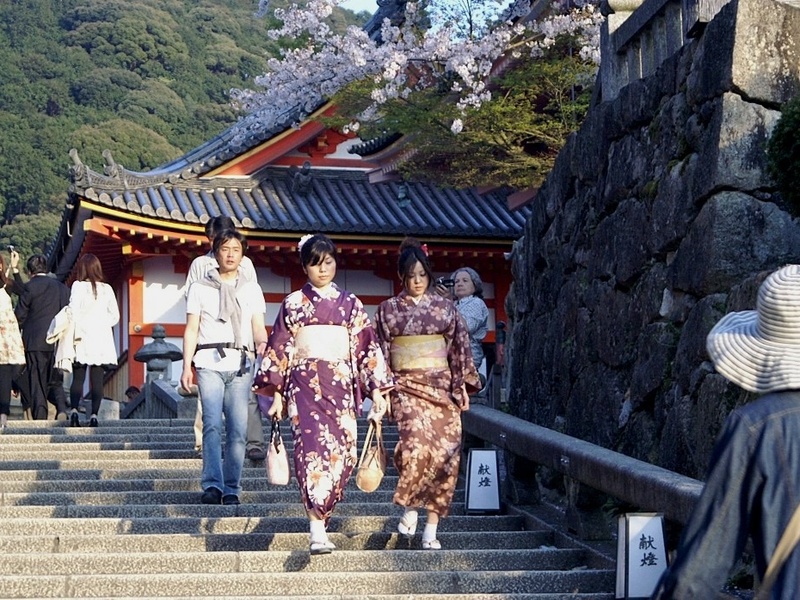
| Kiyomizu-dera Temple | Kyoto | Heian (778) | Famous for its large wooden stage built entirely without nails. |
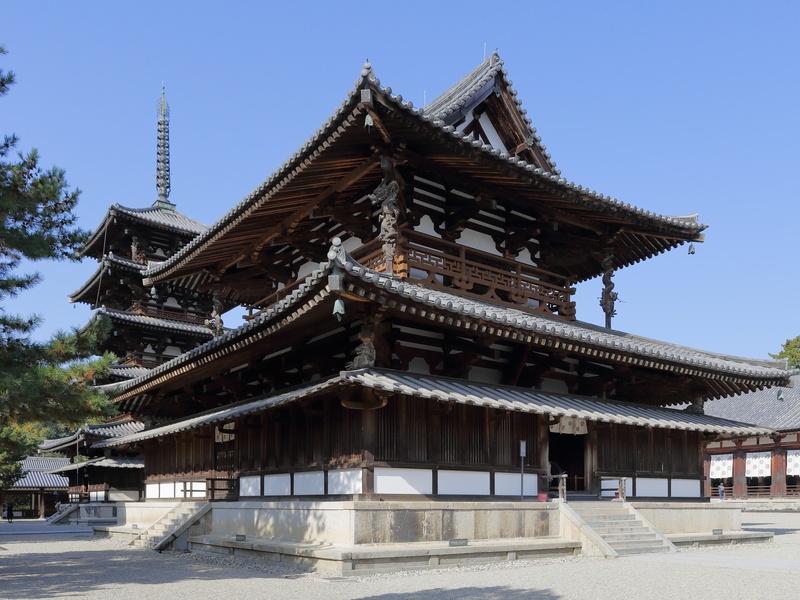
| Horyu-ji Temple | Nara | Asuka (7th century) | Contains the world’s oldest surviving wooden structures; a UNESCO site. |
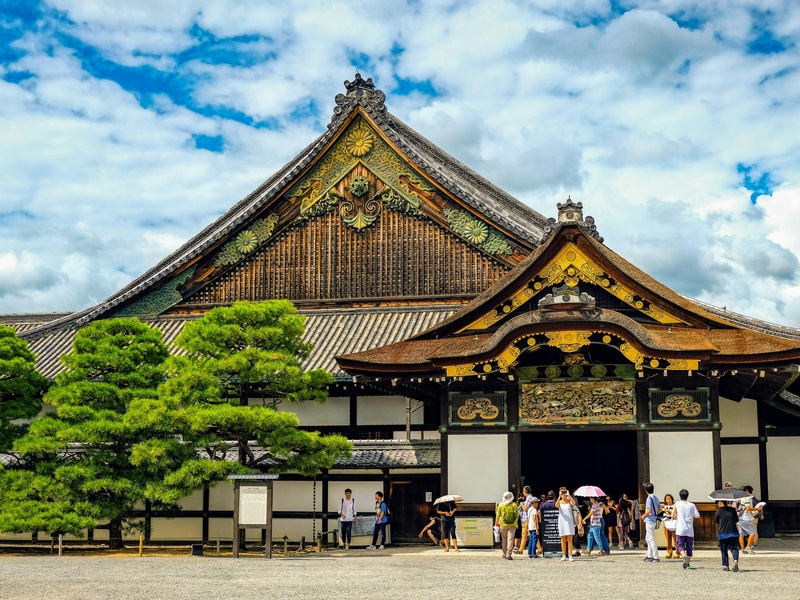
| Nijo Castle | Kyoto | Edo (1603) | Shogun’s Kyoto residence, featuring “nightingale floors” and ornate palaces. |
| Ginkaku-ji (Silver Pavilion) | Kyoto | Muromachi (1490) | Elegant Zen temple renowned for its sublime moss and sand gardens. |
| Kenrokuen Garden | Ishikawa | Edo | Considered one of Japan’s “Three Great Gardens,” a masterpiece of landscaping. |
| Byodo-in Temple | Kyoto | Heian (1053) | Its iconic Phoenix Hall is featured on the Japanese 10-yen coin. |
| Osaka Castle | Osaka | Azuchi-Momoyama (1583) | Major landmark castle central to Japan’s 16th-century unification wars. |
| Kumamoto Castle | Kumamoto | Edo (1607) | A massive and highly regarded example of Japanese castle architecture. |
| Sanjusangen-do Temple | Kyoto | Kamakura (1266) | Houses 1,001 life-sized, gold-leafed statues of the goddess Kannon. |
| Great Buddha of Kamakura | Kanagawa | Kamakura (c. 1252) | Monumental outdoor bronze statue of Amida Buddha at Kotoku-in temple. |
| Gokayama Historic Village | Toyama | Edo | Secluded UNESCO site with traditional gassho-zukuri farmhouses. |
| Ryoan-ji Temple | Kyoto | Muromachi (1450) | Home to Japan’s most famous and enigmatic Zen rock garden. |
| Ise Grand Shrine | Mie | Ancient (Kofun period) | Shinto’s most sacred shrine, dedicated to the sun goddess Amaterasu. |
| Izumo-taisha Shrine | Shimane | Ancient | One of Japan’s oldest and most important shrines, with mythical origins. |
| Hikone Castle | Shiga | Edo (1622) | An original, well-preserved feudal castle listed as a National Treasure. |
| Inuyama Castle | Aichi | Sengoku (1537) | One of Japan’s oldest original standing castles; a National Treasure. |
| Katsura Imperial Villa | Kyoto | Edo (17th century) | Widely considered a masterpiece of Japanese architecture and garden design. |
| Korakuen Garden | Okayama | Edo | One of Japan’s “Three Great Gardens,” known for its spacious lawns. |
| Tsumago-juku | Nagano | Edo | A beautifully preserved post town on the historic Nakasendo trail. |
| Magome-juku | Gifu | Edo | Restored post town on the Nakasendo trail with a stone-paved street. |
| Kurashiki Bikan Historical Quarter | Okayama | Edo | Preserved canal area with traditional rice granaries and merchant houses. |
| Sekigahara Battlefield | Gifu | Sengoku (1600) | Site of the decisive battle that established the Tokugawa shogunate. |
| Sannai-Maruyama Site | Aomori | Jomon (c. 3900 BCE) | Major archaeological site of a large, reconstructed prehistoric settlement. |
| Yoshinogari Historical Park | Saga | Yayoi | Large, reconstructed archaeological site of a moated Yayoi period village. |
| Dejima | Nagasaki | Edo (1636) | Former Dutch trading post; Japan’s sole window to the West for centuries. |
| Tomioka Silk Mill | Gumma | Meiji (1872) | Japan’s first modern silk factory; a key industrialization UNESCO site. |
| Glover Garden | Nagasaki | Meiji | Historic hillside residences of Western merchants from the Bakumatsu-Meiji Restoration period. |
| Shuri Castle | Okinawa | Ryukyu Kingdom | Historic palace of the Ryukyu Kingdom, a symbol of Okinawan culture. |
| Hirosaki Castle | Aomori | Edo (1611) | Famous for its well-preserved keep, gates, and surrounding cherry blossoms. |
| Chuson-ji Temple | Iwate | Heian (12th century) | UNESCO site famous for its lavishly decorated Golden Hall (Konjikido). |
| Mount Koya (Koyasan) | Wakayama | Heian (819) | Mountaintop center of Shingon Buddhism, with Japan’s largest cemetery. |
| Nagasaki Peace Park | Nagasaki | Showa (1955) | Memorial park commemorating the 1945 atomic bombing of the city. |
| Gion District | Kyoto | Edo | Famous historic geisha district with traditional wooden machiya townhouses. |
| Senso-ji Temple | Tokyo | Asuka (est. 645) | Tokyo’s oldest temple and a major center of popular worship. |
| Meiji Jingu Shrine | Tokyo | Taisho (1920) | Shrine dedicated to the deified spirits of Emperor Meiji and Empress Shoken. |
| Imperial Palace East Garden | Tokyo | Edo | Site of the former Edo Castle, the center of shogunal power. |
| Uji Bridge | Kyoto | Asuka (646) | One of Japan’s oldest bridges, prominently featured in The Tale of Genji. |
| Asuka-dera Temple | Nara | Asuka (596) | One of Japan’s oldest Buddhist temples, marking the religion’s introduction. |
| Nagoya Castle | Aichi | Edo (1612) | Major castle known for its iconic golden tiger-headed fish (kinshachi). |
| Kairakuen Garden | Ibaraki | Edo (1841) | One of Japan’s “Three Great Gardens,” particularly famous for plum blossoms. |
| Takeda Castle Ruins | Hyogo | Muromachi (1443) | Stunning mountaintop ruins often called Japan’s “Castle in the Sky”. |
| Ouchi-juku | Fukushima | Edo | Former post town with a unique row of traditional thatched-roof buildings. |
| Nakagusuku Castle Ruins | Okinawa | Ryukyu Kingdom (15th c.) | Impressively preserved castle ruins from the Ryukyu Kingdom; UNESCO site. |
| Kumano Kodo Pilgrimage Routes | Wakayama/Nara/Mie | Heian | Ancient network of UNESCO-listed pilgrimage trails through the Kii Mountains. |
| Kumano Nachi Taisha | Wakayama | Ancient | A key shrine on the Kumano Kodo, paired with Japan’s tallest waterfall. |
| Enryaku-ji Temple | Shiga | Heian (788) | Vast, influential monastery complex on Mount Hiei overlooking Kyoto. |
| Dazaifu Tenmangu Shrine | Fukuoka | Heian (919) | Major shrine dedicated to the deified scholar Sugawara no Michizane. |
| Iwami Ginzan Silver Mine | Shimane | Sengoku (16th c.) | UNESCO World Heritage site that was a major silver producer for centuries. |
| Zuigan-ji Temple | Miyagi | Heian (est. 828) | Most important Zen temple in northern Japan, rebuilt by Date Masamune. |
| Ritsurin Garden | Kagawa | Edo | A large, historic garden designated a Special Place of Scenic Beauty. |
| Dogo Onsen Honkan | Ehime | Meiji (1894) | One of Japan’s oldest and most famous bathhouses. |
| Kotohira-gu Shrine (Kompira-san) | Kagawa | Muromachi | Major shrine famous for its long, 1,368-step stone staircase approach. |
| Aizu-Wakamatsu Castle | Fukushima | Muromachi (1384) | A key site in the Boshin War, known for samurai loyalty. |
| Takayama Old Town | Gifu | Edo | Beautifully preserved historic merchant town in the Hida Mountains. |
| Kegon Falls | Tochigi | Ancient | One of Japan’s most famous waterfalls, a site of historic reverence. |
| Tofuku-ji Temple | Kyoto | Kamakura (1236) | Major Zen temple famous for its spectacular autumn colors and bridges. |
| Nanzen-ji Temple | Kyoto | Kamakura (1291) | One of Kyoto’s most important Zen temples, with a large brick aqueduct. |
| Goryokaku Fort | Hokkaido | Edo (1866) | Massive, star-shaped Western-style citadel, site of the Boshin War’s final battle. |
| Kofuku-ji Temple | Nara | Asuka (669) | Major temple with a famous five-story pagoda, a symbol of Nara. |
| Kasuga-taisha Shrine | Nara | Nara (768) | Nara’s most celebrated shrine, famous for its thousands of bronze lanterns. |
| Mount Yoshino | Nara | Heian | UNESCO site renowned for thousands of cherry trees and Shugendo history. |
| Zenko-ji Temple | Nagano | Asuka (7th century) | Holds what is believed to be the first Buddhist statue brought to Japan. |
| Odawara Castle | Kanagawa | Muromachi (15th c.) | Important stronghold of the powerful Hojo clan during the Sengoku period. |
| To-ji Temple | Kyoto | Heian (796) | Features Japan’s tallest wooden pagoda, a five-story National Treasure. |
| Atsuta Shrine | Aichi | Ancient | One of Shinto’s most important shrines, housing the sacred sword Kusanagi. |
| Saitobaru Kofun Group | Miyazaki | Kofun (3rd-7th c.) | One of Japan’s largest concentrations of ancient burial mounds. |
| Mozu-Furuichi Kofun Group | Osaka | Kofun (3rd-6th c.) | UNESCO site of colossal tombs, including that of Emperor Nintoku. |
| Sanbutsu-ji Temple (Nageiredo) | Tottori | Heian | Features a dramatic hall built into a sheer cliff face. |
| Iga Ueno Castle | Mie | Azuchi-Momoyama (1585) | Known for having Japan’s highest stone walls, built by a castle expert. |
| Katsuren Castle Ruins | Okinawa | Ryukyu Kingdom (12th c.) | UNESCO World Heritage site ruins of an ancient Okinawan gusuku. |
| Zakimi Castle Ruins | Okinawa | Ryukyu Kingdom (15th c.) | UNESCO site known for its beautiful and robust arched stone gates. |
| Hakone Checkpoint | Kanagawa | Edo | Reconstruction of a major checkpoint on the Tokaido highway. |
| Toshodai-ji Temple | Nara | Nara (759) | Founded by the Chinese monk Ganjin; its main hall is a National Treasure. |
| Yakushi-ji Temple | Nara | Asuka (680) | Famous for its beautiful, symmetric layout and iconic East Pagoda. |
| Motsu-ji Temple | Iwate | Heian (12th c.) | Known for its large Pure Land Garden, part of the Hiraizumi UNESCO site. |
| Daitoku-ji Temple | Kyoto | Kamakura (1315) | Large walled temple complex with many significant sub-temples and gardens. |
| Heian Jingu Shrine | Kyoto | Meiji (1895) | Built to commemorate Kyoto’s 1,100th anniversary, dedicated to past emperors. |
| Tenryu-ji Temple | Kyoto | Muromachi (1339) | Major Zen temple in Arashiyama, a UNESCO World Heritage site. |
| Daigo-ji Temple | Kyoto | Heian (874) | UNESCO site known for its five-story pagoda and historic cherry blossom viewing. |
| Ninna-ji Temple | Kyoto | Heian (888) | Former imperial residence, known for its late-blooming Omuro cherry trees. |
| Urakami Cathedral | Nagasaki | Meiji (1895) | Rebuilt after the atomic bombing; a major historic Catholic site. |
| Oura Church | Nagasaki | Edo (1864) | Japan’s oldest standing church; a National Treasure and UNESCO site. |
| Kanazawa Castle | Ishikawa | Sengoku (1583) | Seat of the powerful Maeda clan, one of Japan’s wealthiest families. |
| Higashi Chaya District | Ishikawa | Edo | One of Kanazawa’s beautifully preserved historic teahouse and geisha districts. |
| Uchiko Town | Ehime | Meiji/Taisho | Preserved town known for wealth from its historic wax and paper production. |
| Adashino Nenbutsu-ji Temple | Kyoto | Heian | Temple known for its thousands of stone statues memorializing the dead. |
| Maruoka Castle | Fukui | Sengoku (1576) | Claims to be the oldest castle keep in Japan; a compact, original structure. |
| Bitchu Matsuyama Castle | Okayama | Kamakura (1240) | Japan’s highest-elevation original castle, located on a steep mountain. |
| Shugakuin Imperial Villa | Kyoto | Edo (17th c.) | Sprawling villa and gardens with stunning borrowed scenery of surrounding hills. |
| Okayama Castle | Okayama | Sengoku (1597) | Known as “Crow Castle” for its black exterior, across from Korakuen. |
| Arima Onsen | Hyogo | Ancient | One of Japan’s oldest hot spring towns, with a history spanning millennia. |
| Sankeien Garden | Kanagawa | Meiji (1906) | Spacious traditional garden featuring numerous historic buildings relocated from across Japan. |
| Shimabara Castle | Nagasaki | Edo (1624) | Castle at the center of the Shimabara Rebellion, a major peasant uprising. |
| Engaku-ji Temple | Kanagawa | Kamakura (1282) | A leading Zen temple in Kamakura, home to Japan’s largest temple bell. |
| Tomioka Hachimangu Shrine | Tokyo | Edo (1627) | Largest Hachiman shrine in Tokyo, associated with the origins of sumo wrestling. |
Images and Descriptions
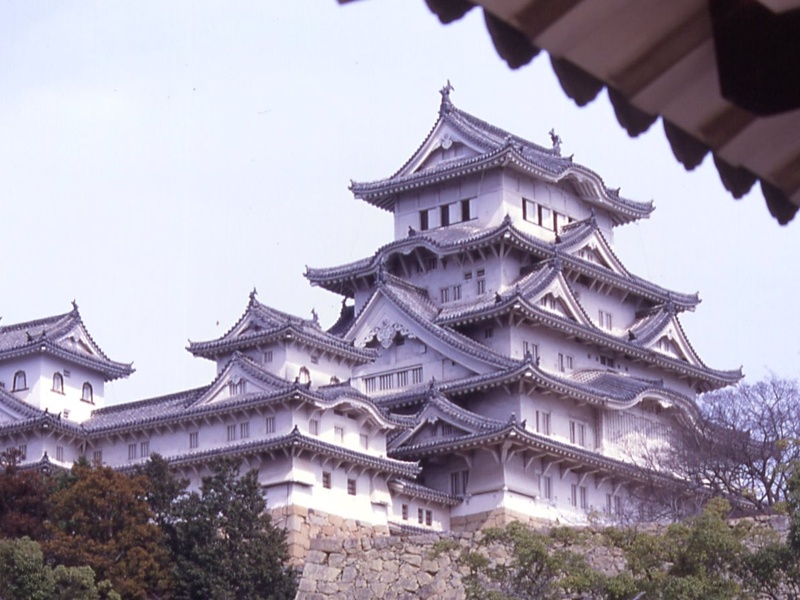
Himeji Castle
Himeji Castle is a large hilltop castle in Hyogo Prefecture. It dates mainly to the early 17th century (Edo period) and preserves original wooden structures. It serves as a prime example of Japanese castle architecture and military design, which is why it features in lists of important historical places in Japan.
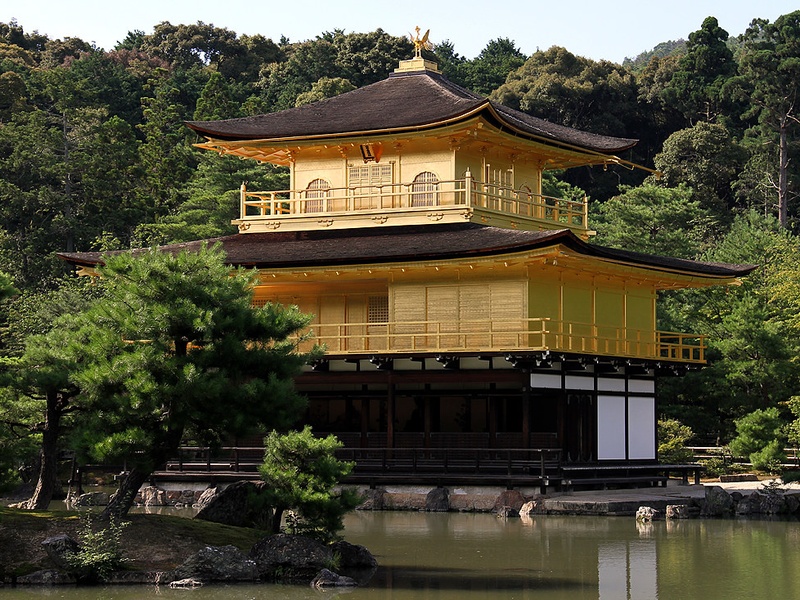
Kinkaku-ji (Golden Pavilion)
Kinkaku-ji is a temple in Kyoto with a top two floors covered in gold leaf. It traces its form to the Muromachi period (14th–16th centuries). It stands out for its beauty, garden setting, and status as a cultural icon of Japan.
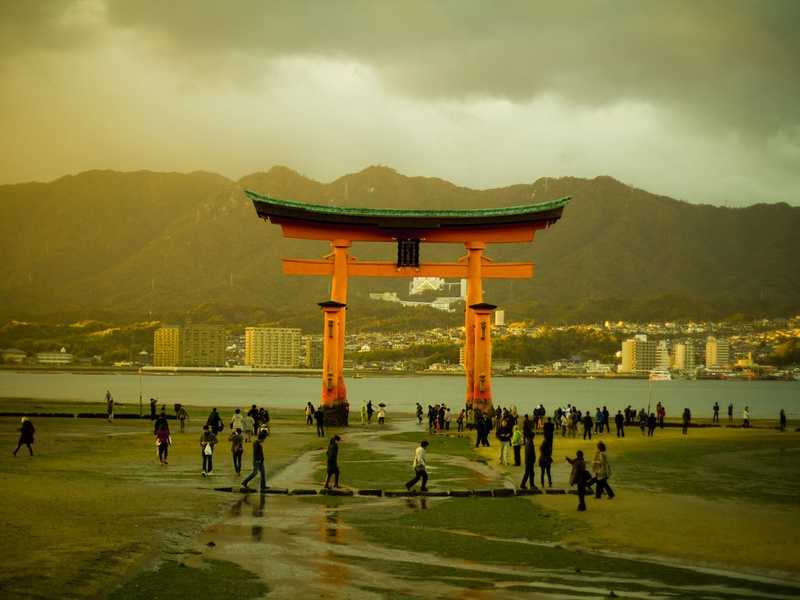
Itsukushima Shrine
Itsukushima Shrine sits on an island in Hiroshima Prefecture and features the famous floating torii gate. The shrine complex dates to Heian and later periods and shows Shinto shrine architecture adapted to tidal shorelines. It is included for its unique setting and World Heritage status.
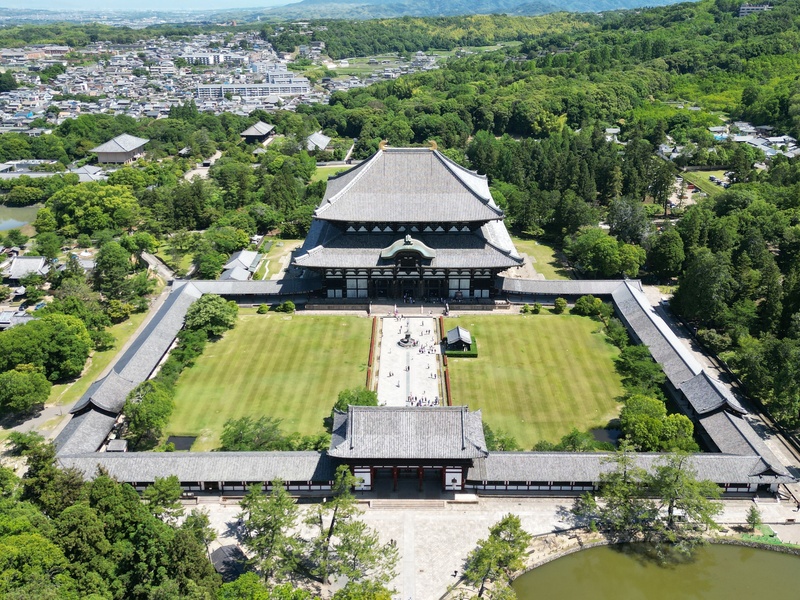
Todai-ji Temple
Todai-ji is a large Buddhist temple in Nara that houses a giant bronze Buddha statue from the 8th century (Nara period). The temple building is one of the largest wooden structures in the world. It represents early state Buddhism and Nara-era culture.
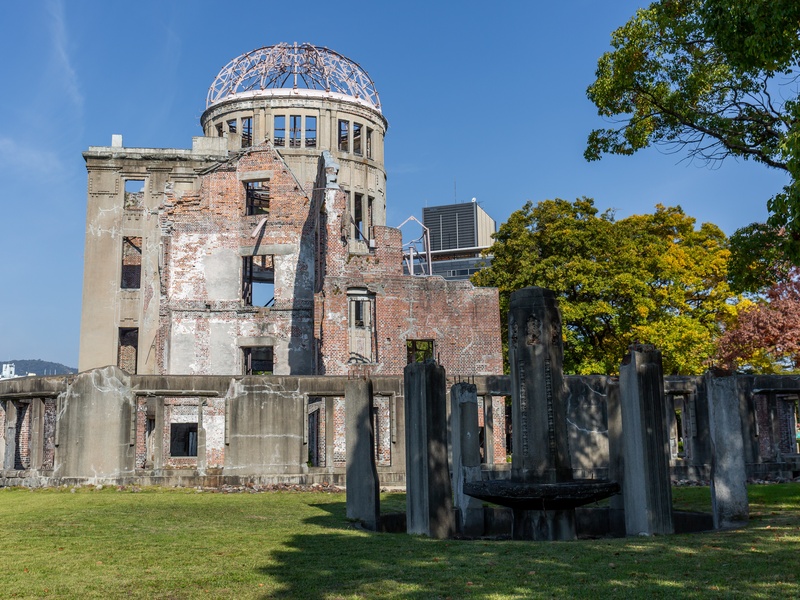
Atomic Bomb Dome
The Atomic Bomb Dome in Hiroshima is the preserved ruin of a prewar industrial building damaged by the 1945 atomic bombing. It dates to the early 20th century and stands as a memorial to wartime devastation and peace. It appears on heritage lists for its historical and civic significance.
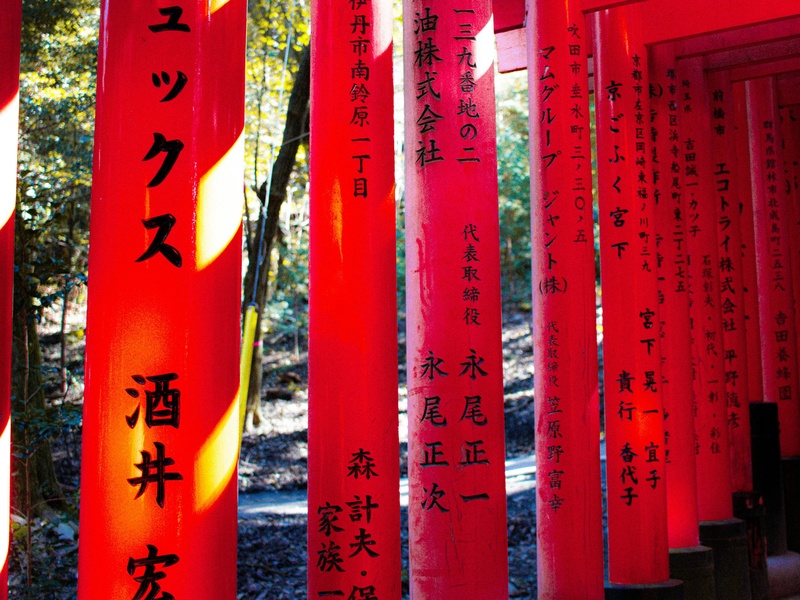
Fushimi Inari-taisha
Fushimi Inari-taisha is a Shinto shrine in Kyoto famous for thousands of vermilion torii gates along mountain paths. Its origins go back to the medieval period, but the route and shrines grew over centuries. It represents popular folk religion and pilgrimage routes.
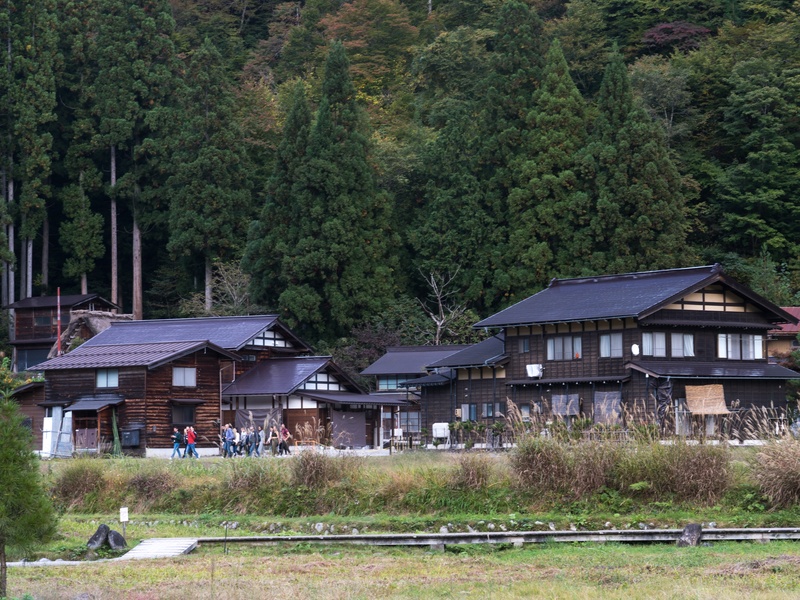
Shirakawa-go Historic Village
Shirakawa-go in Gifu Prefecture preserves traditional gassho-zukuri thatched farmhouses from the Edo period and earlier. The village shows mountain farming life and vernacular architecture. It is included for its well-preserved rural heritage and UNESCO status.
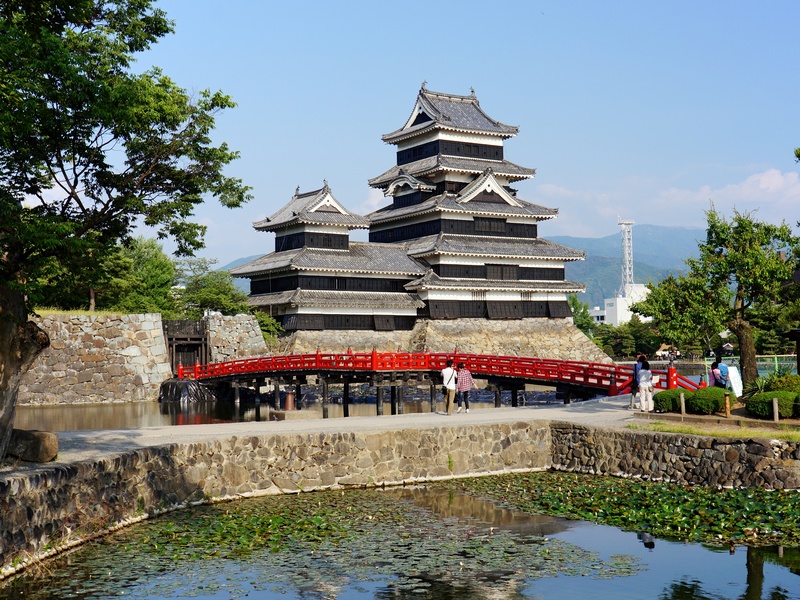
Matsumoto Castle
Matsumoto Castle is a black-walled feudal castle in Nagano Prefecture with original keep structures from the late 16th century (Sengoku to Azuchi-Momoyama periods). It retains its moat and defensive design. It is notable as one of Japan’s original castles and a key historical site.
Nikko Toshogu Shrine
Nikko Toshogu is a lavish Tokugawa-era shrine complex in Tochigi Prefecture built in the early 17th century. It honors Tokugawa Ieyasu and shows ornate carvings and colorful decoration. It represents Edo-period political culture and elite religious patronage.
Kiyomizu-dera Temple
Kiyomizu-dera is a large Buddhist temple in Kyoto founded in the late 8th century and rebuilt in later periods. The wooden stage overlooking Kyoto is a famous feature. The temple serves as a major example of temple architecture and historic pilgrimage routes.
Horyu-ji Temple
Horyu-ji in Nara Prefecture preserves some of the oldest surviving wooden buildings in the world from the 7th–8th centuries (Asuka period). The complex reflects early Buddhist architecture and state support for Buddhism. It is included for its exceptional age and historical value.
Nijo Castle
Nijo Castle in Kyoto is a samurai and shogunal palace built in the early 17th century (Edo period). It contains ornate interiors and defensive moats. It represents Tokugawa political authority and palace architecture.
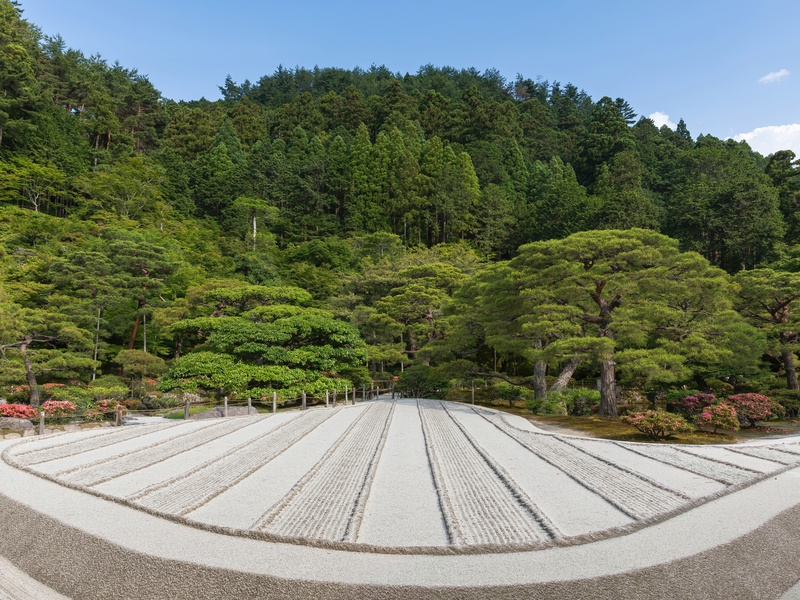
Ginkaku-ji (Silver Pavilion)
Ginkaku-ji in Kyoto is a Zen temple associated with the late 15th century Muromachi period. It features a refined garden and understated architecture. It is included for its influence on Japanese aesthetics and garden design.
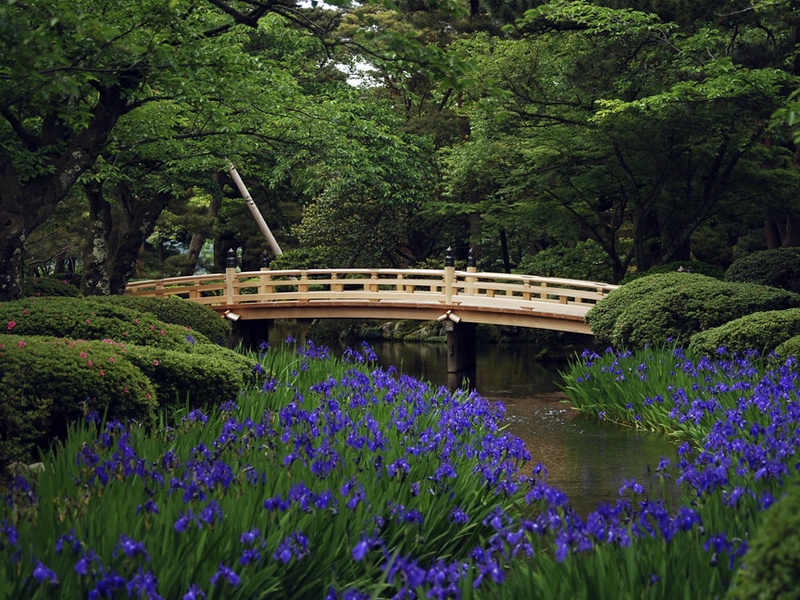
Kenrokuen Garden
Kenrokuen is a large strolling garden in Kanazawa, Ishikawa Prefecture, developed mainly in the Edo period. It blends design elements valued as the six ideal garden qualities. It appears on lists for its high-quality landscape and historical continuity.
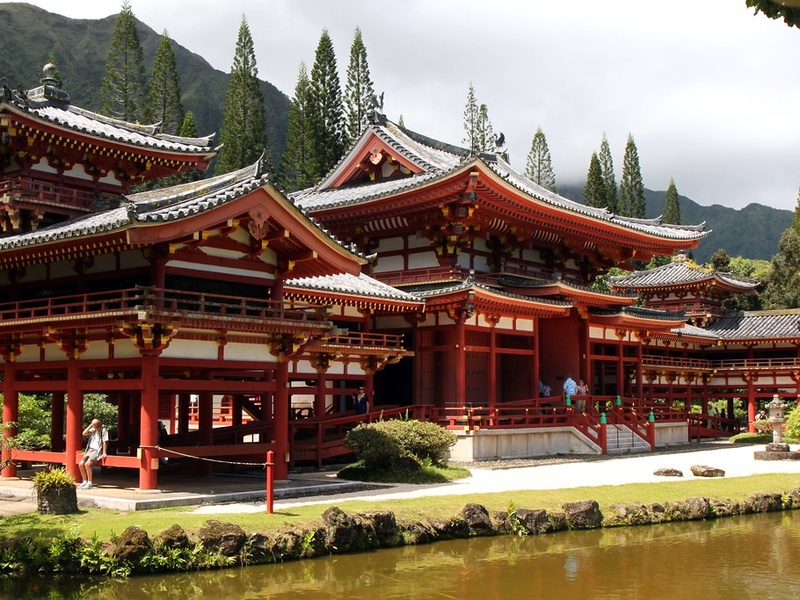
Byodo-in Temple
Byodo-in in Uji, Kyoto Prefecture, is best known for its Phoenix Hall, a Heian-period Buddhist building from the 11th century. It preserves Heian-era religious architecture and Pure Land Buddhist imagery. It features on lists for its artistic and historical importance.
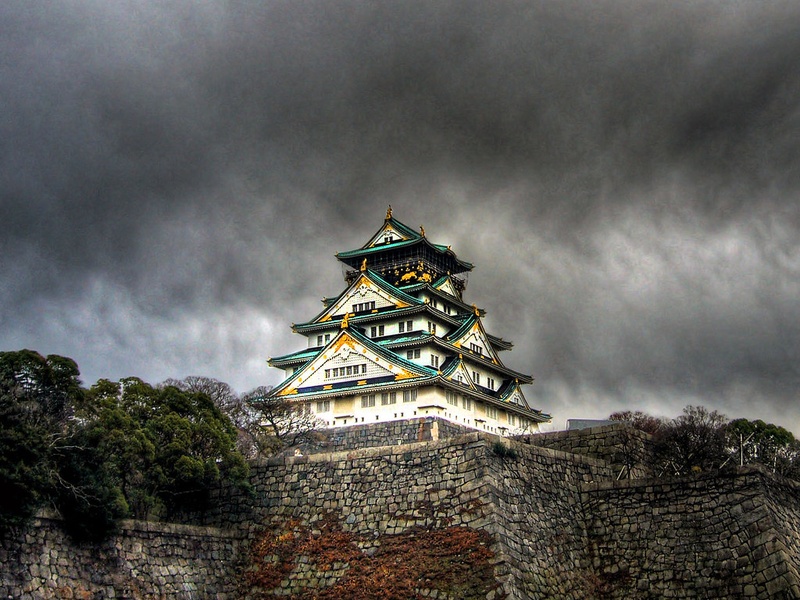
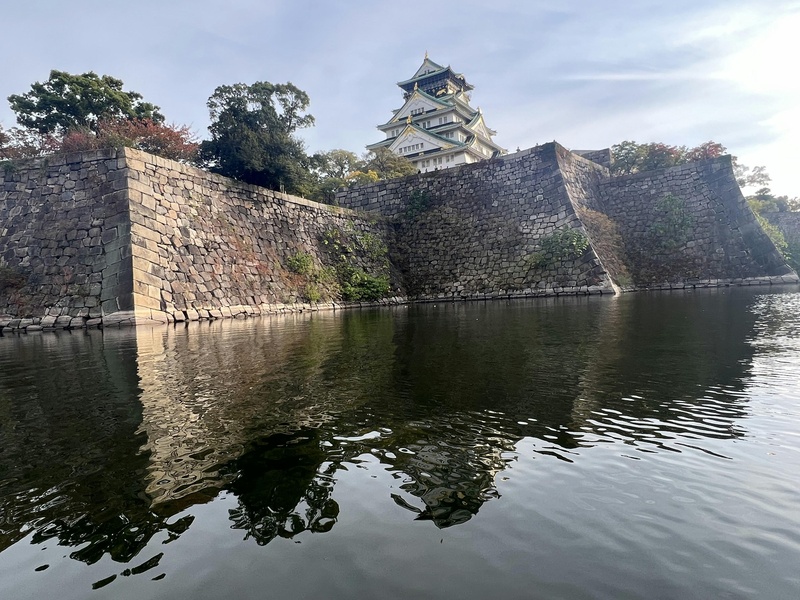
Osaka Castle
Osaka Castle is a prominent urban castle in Osaka with foundations and appearance dating to the late 16th century (Azuchi-Momoyama period), though much has been reconstructed. It symbolizes unification efforts of that era and acts as a museum and park today.
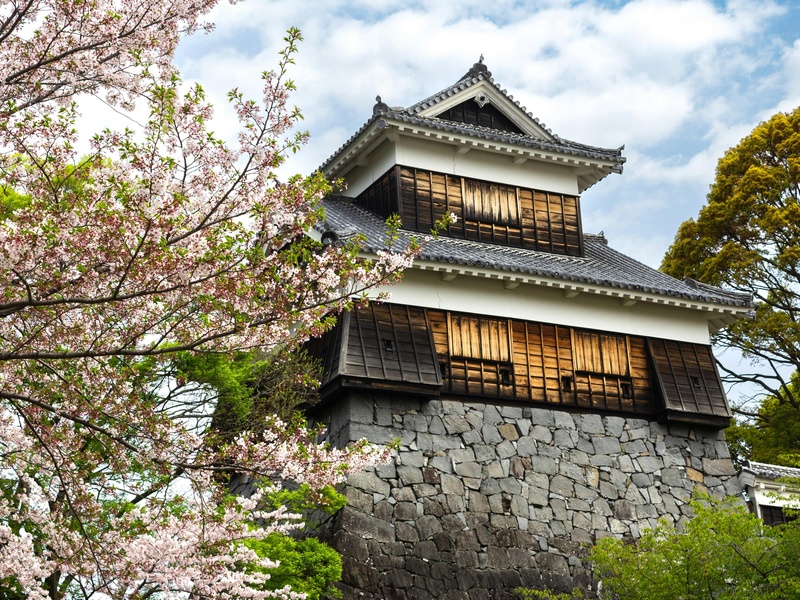
Kumamoto Castle
Kumamoto Castle in Kumamoto Prefecture is a large castle complex originally built in the early 17th century. It combines imposing stone walls and wooden structures and played roles in the Meiji-era Satsuma Rebellion. It is included for its architectural scale and regional history.
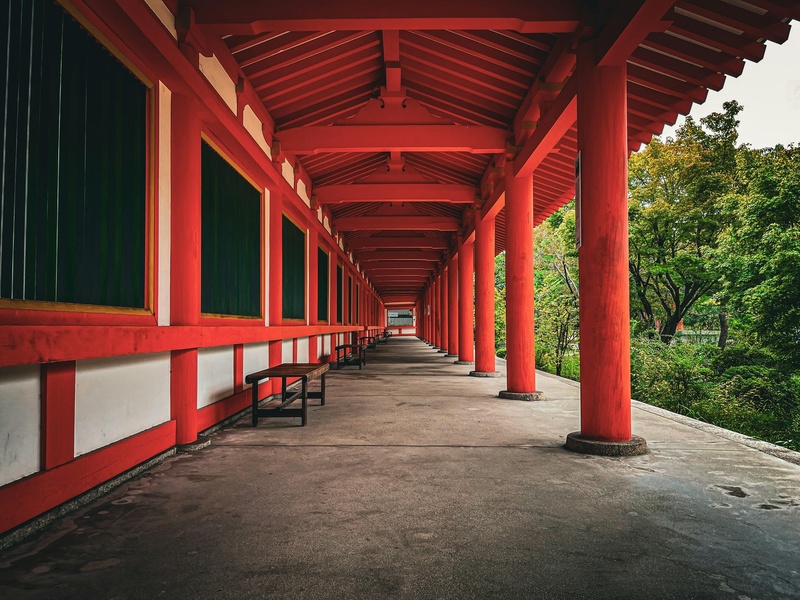
Sanjusangen-do Temple
Sanjusangen-do is a Kyoto temple known for its long wooden hall housing 1,001 statues of Kannon, dating from the 12th to 13th centuries. The temple showcases Kamakura-period sculpture and devotional practice. It remains a major cultural site.
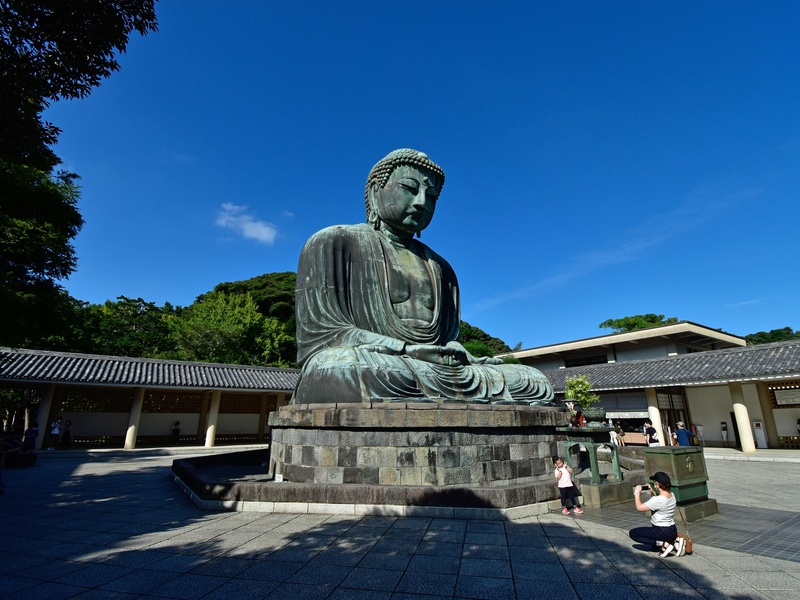
Great Buddha of Kamakura
The Great Buddha (Daibutsu) in Kamakura is a large outdoor bronze Amitabha Buddha statue from the 13th century (Kamakura period). It survives with a simple open-air setting after earlier halls were lost to storms. It represents medieval Buddhist art and local devotion.
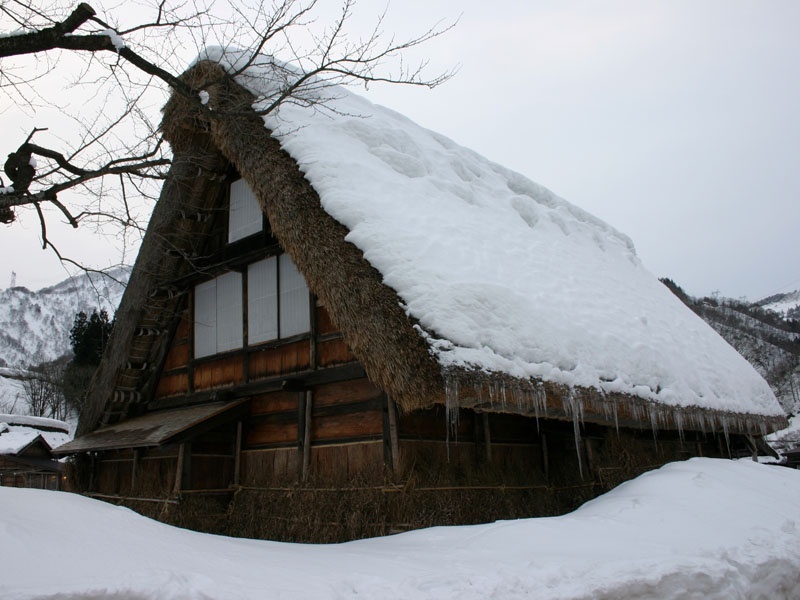
Gokayama Historic Village
Gokayama in Toyama Prefecture preserves gassho-zukuri farmhouses like those in Shirakawa-go, from the Edo and later periods. The villages show traditional mountain life and craft. They appear for vernacular architecture and rural cultural landscapes.
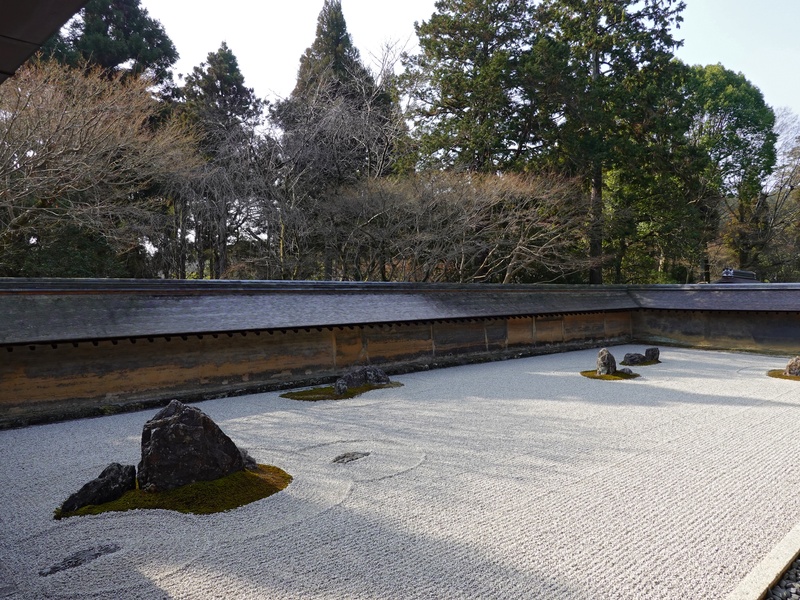
Ryoan-ji Temple
Ryoan-ji in Kyoto is a Zen temple famed for its dry rock garden, created in the 15th century (Muromachi period). The simple arrangement of stones and gravel influences modern ideas of Japanese garden aesthetics. It is included for cultural and artistic significance.
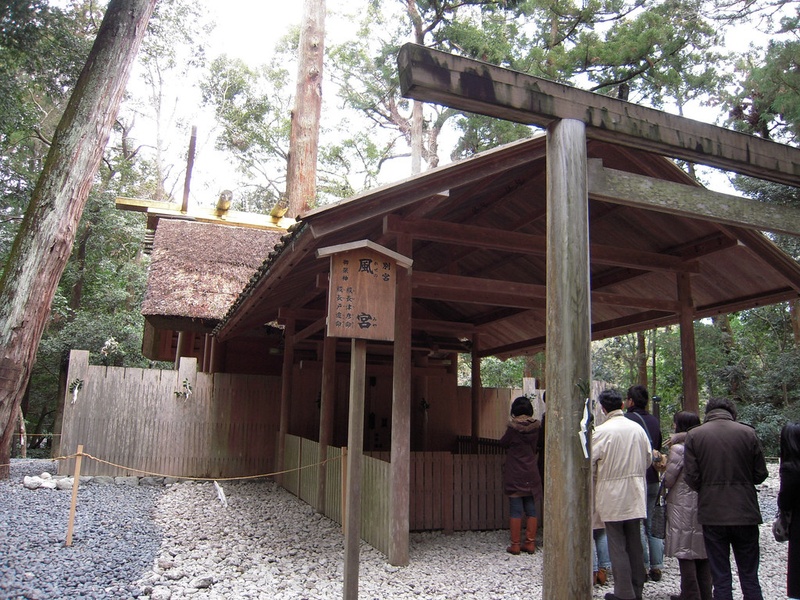
Ise Grand Shrine
Ise Grand Shrine in Mie Prefecture is Japan’s most important Shinto shrine, with roots in the early centuries and ritual rebuilding every 20 years (Shikinen Sengu). It honors the sun goddess Amaterasu. It ranks among top historical religious sites for ritual continuity and national importance.
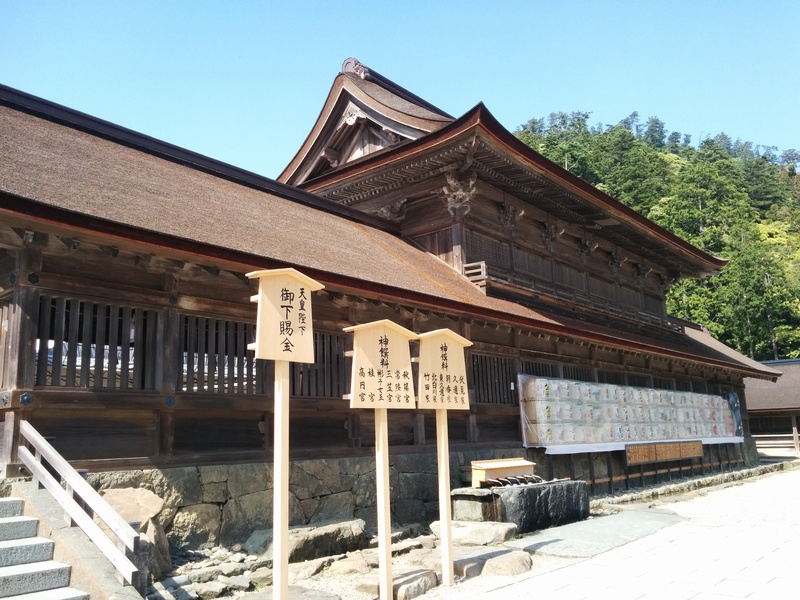
Izumo-taisha Shrine
Izumo-taisha in Shimane Prefecture is one of Japan’s oldest Shinto shrines, with legends and structures traced to ancient times. The shrine is central to myths about kami and national religious history. It features for its antiquity and mythic role.
Hikone Castle
Hikone Castle in Shiga Prefecture preserves an original early 17th-century keep and defensive works. It exemplifies Edo-period castle architecture and local daimyo power. It is included for its authenticity and museum displays.
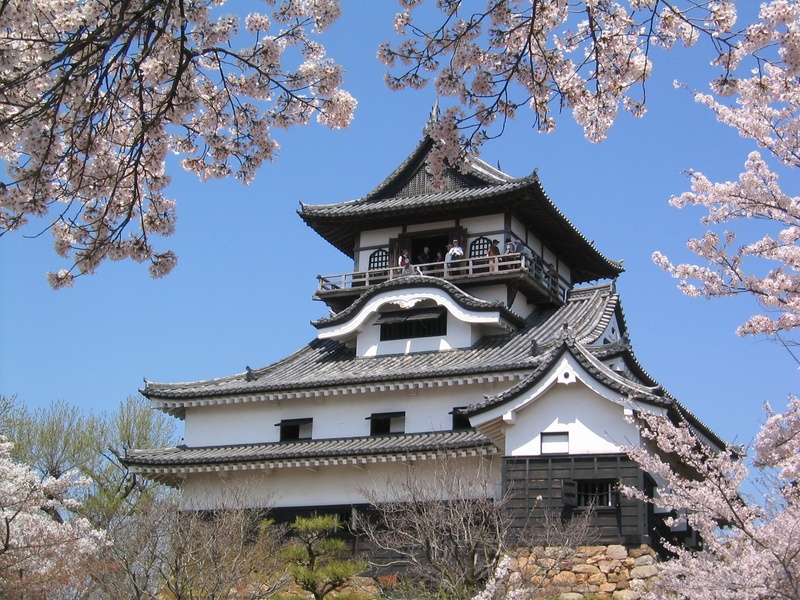
Inuyama Castle
Inuyama Castle in Aichi Prefecture is an original wooden castle keep dating to the early 17th century. It stands on a river bluff and retains much early fabric. It is included as one of Japan’s oldest surviving castle towers.
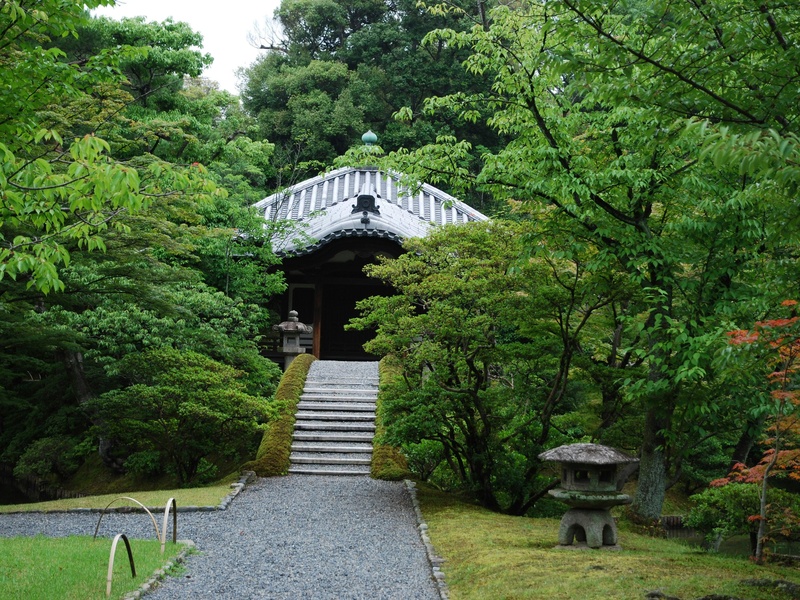
Katsura Imperial Villa
Katsura Imperial Villa in Kyoto is a refined early 17th-century aristocratic villa and garden complex. It showcases classical tea-house architecture and modular design. It appears for architectural purity and influence on Japanese aesthetics.
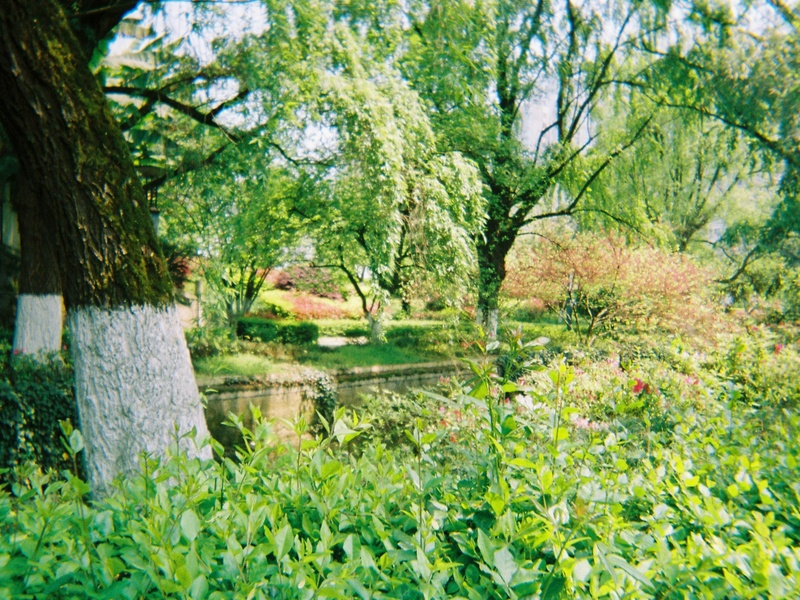
Korakuen Garden
Korakuen in Okayama is an Edo-period strolling garden developed by the daimyo in the 17th century. It balances scenic views, ponds, and pavilions. It is noted as one of Japan’s three great gardens and for landscape preservation.
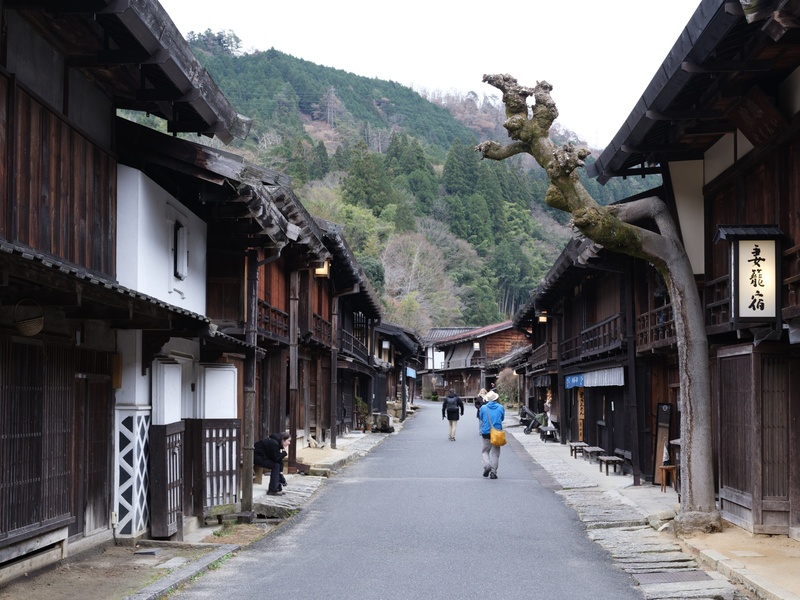
Tsumago-juku
Tsumago-juku in Nagano Prefecture is a preserved post town on the old Nakasendo route with Edo-period houses and strict preservation rules. It shows travel and communication in the premodern era. It is included for its authentic townscape and walkable heritage.
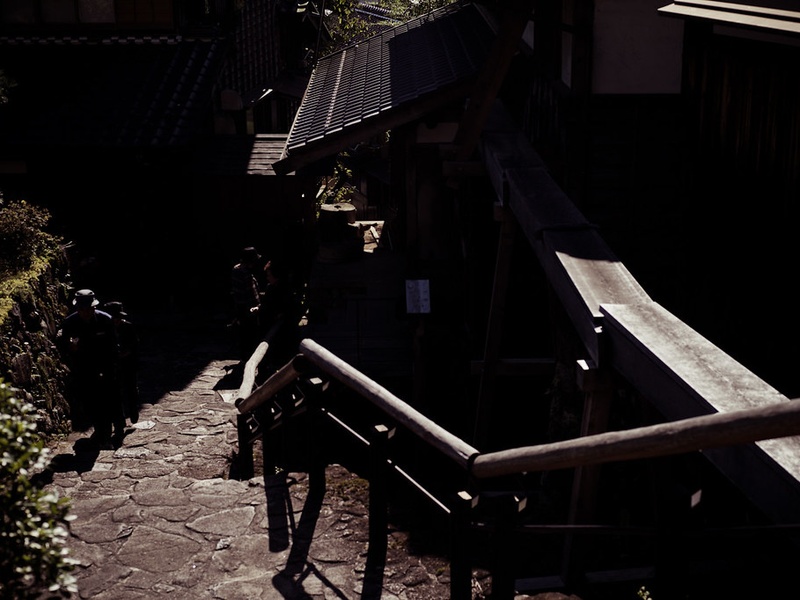
Magome-juku
Magome-juku in Gifu Prefecture is another well-preserved Nakasendo post town with restored buildings and cobbled streets dating to the Edo period. It illustrates mountain-stage travel and merchant life. It appears for its scenic historic route and visitor trails.
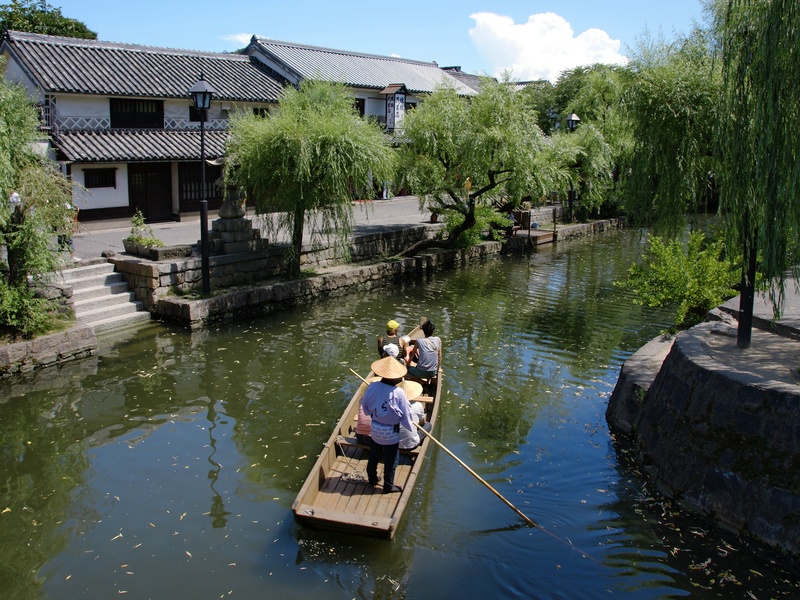
Kurashiki Bikan Historical Quarter
Kurashiki’s Bikan Quarter in Okayama features white-walled storehouses and canal-side streets from the Edo and Meiji periods. The area retains merchant-class architecture and museums. It is included for commercial heritage and urban townscapes.
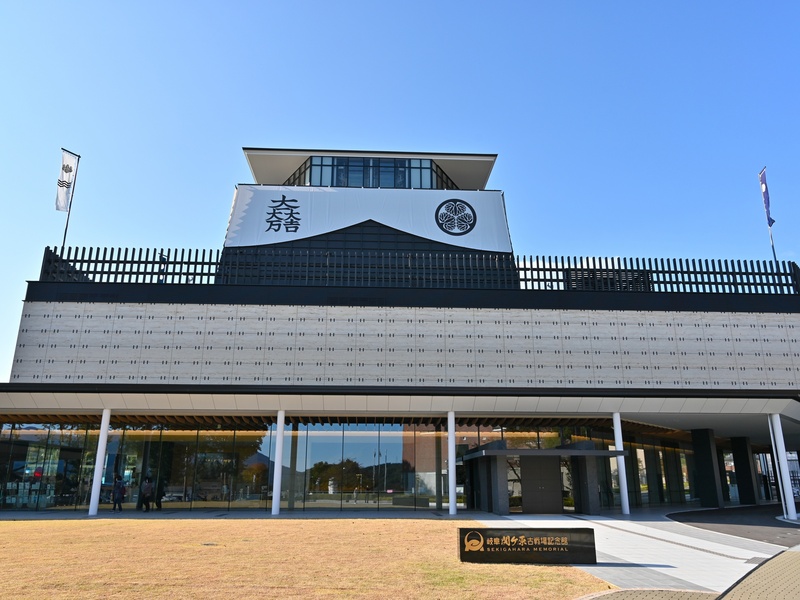
Sekigahara Battlefield
Sekigahara in Gifu Prefecture is the site of the decisive 1600 battle that shaped Tokugawa dominance. The field contains memorials, markers, and a museum. It appears for its major role in Japan’s political history.
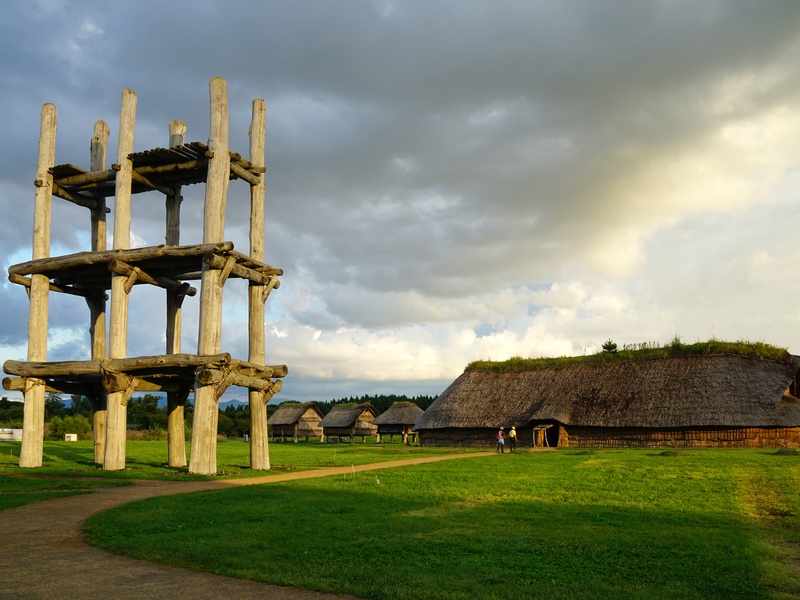
Sannai-Maruyama Site
Sannai-Maruyama in Aomori Prefecture is a large Jomon-period settlement site with pit dwellings and longhouse remains dating to 3,000–2,000 BCE. Excavations reveal prehistoric village life and craft. It is included for its archaeological importance.
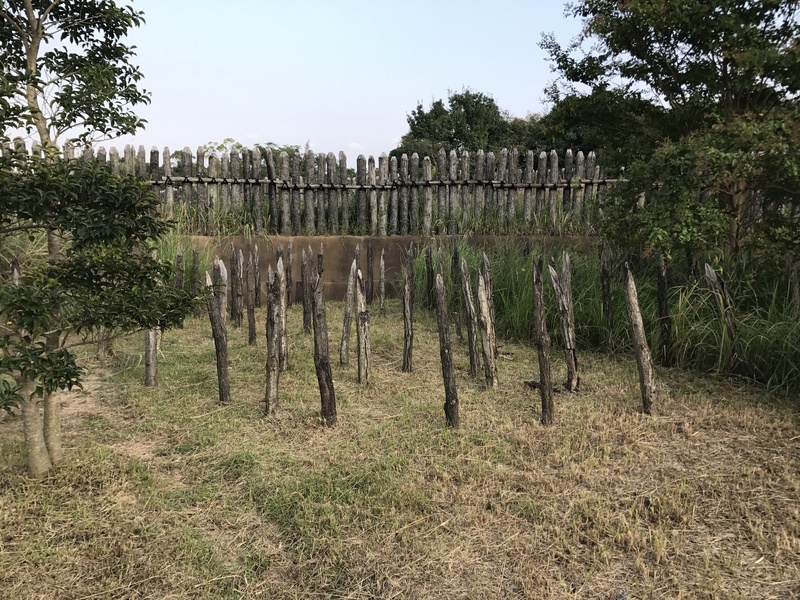
Yoshinogari Historical Park
Yoshinogari in Kyushu is a reconstructed Yayoi-period settlement with moats, raised storehouses, and dwellings from the 1st millennium BCE to early CE. It illustrates the shift to wet-rice agriculture and social change. It is included for prehistoric to protohistoric insight.
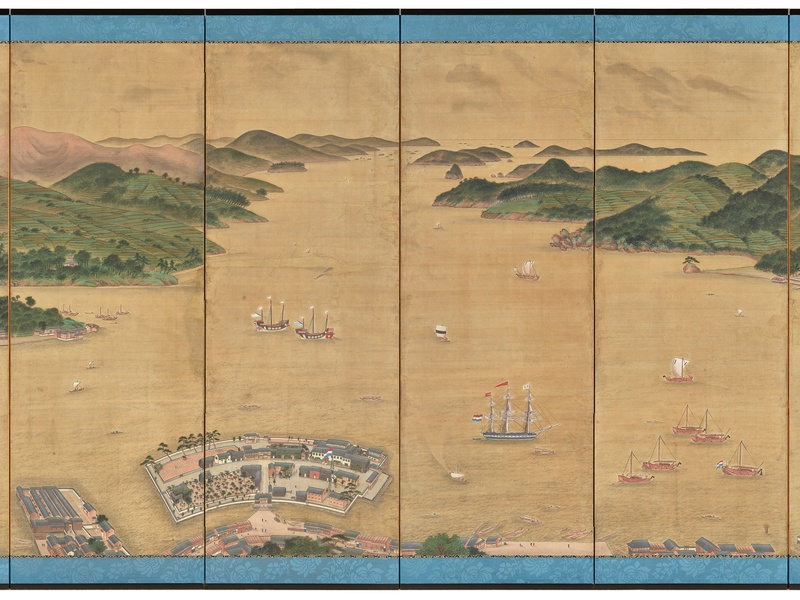
Dejima
Dejima in Nagasaki was an artificial island that served as Holland’s trading post during Japan’s early modern isolation (17th–19th centuries). Reconstructed warehouses and layout show controlled foreign contact. It features for economic and cultural exchange history.
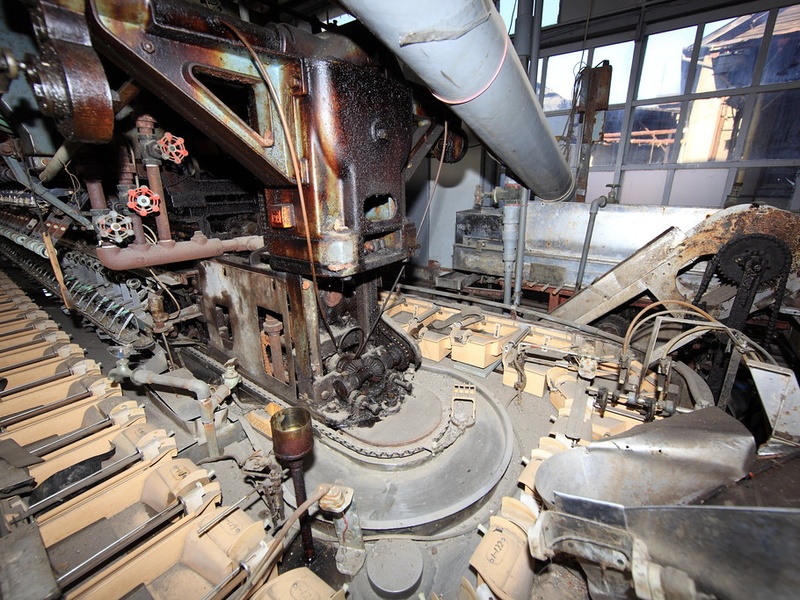
Tomioka Silk Mill
Tomioka Silk Mill in Gunma Prefecture is a modern industrial site founded in 1872 to modernize silk production in Meiji Japan. The complex includes factory buildings and worker housing. It is listed for industrial heritage and modernization history.
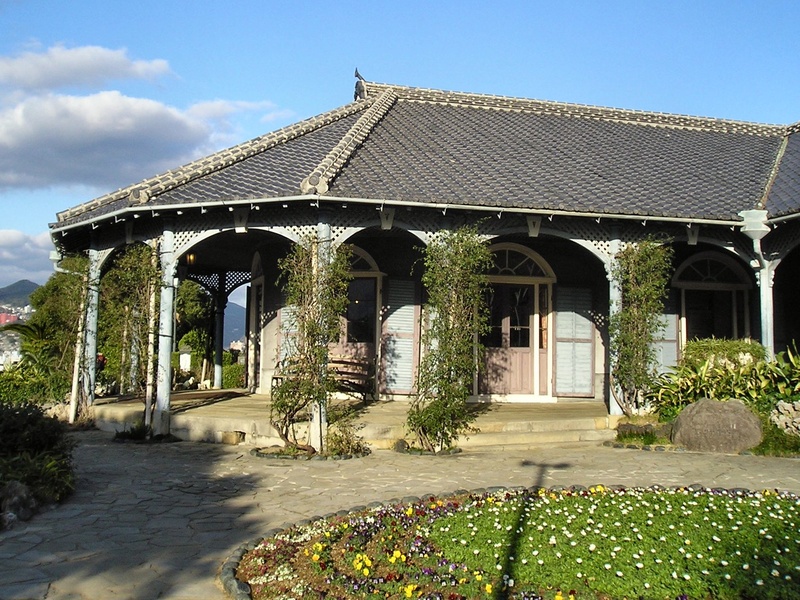
Glover Garden
Glover Garden in Nagasaki preserves Meiji-era Western-style houses of foreign residents, including the Glover residence. It shows early Western influence on trade, shipbuilding, and local culture. It is included for Meiji-era international connections.
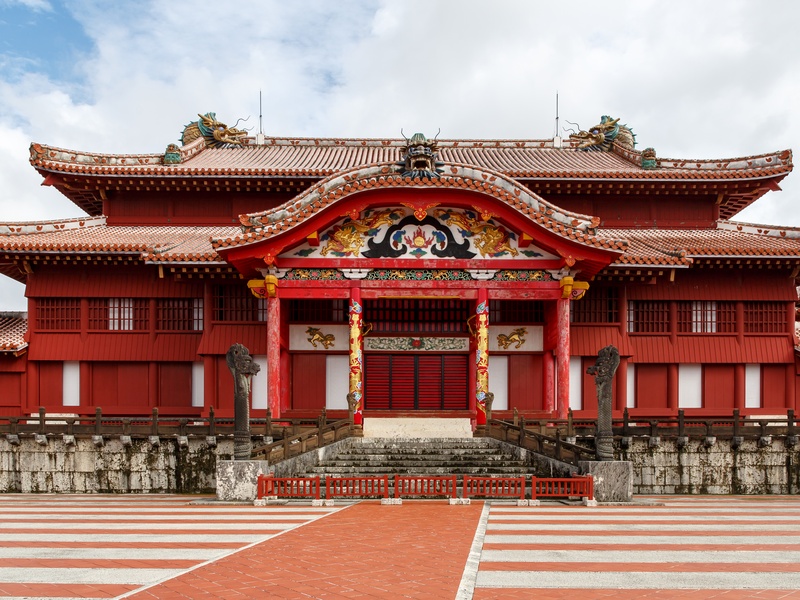
Shuri Castle
Shuri Castle in Okinawa was the royal palace of the Ryukyu Kingdom with roots from medieval to early modern times. It shows unique Ryukyuan architecture and cultural links to China. It appears for its regional political history and cultural distinctiveness.
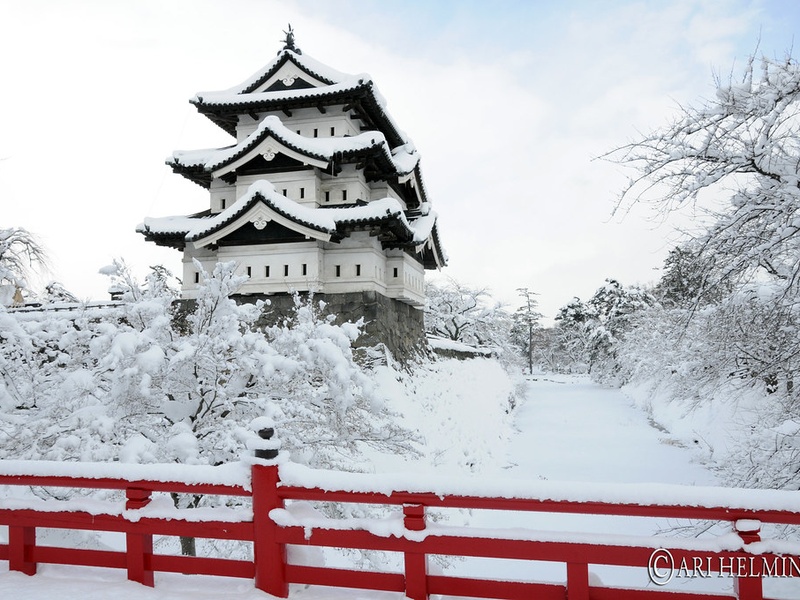
Hirosaki Castle
Hirosaki Castle in Aomori Prefecture has a rebuilt keep on original stone walls and a castle park known for cherry blossoms, with origins in the early Edo period. The site shows regional daimyo administration and seasonal cultural use. It is included for its preserved castle grounds.
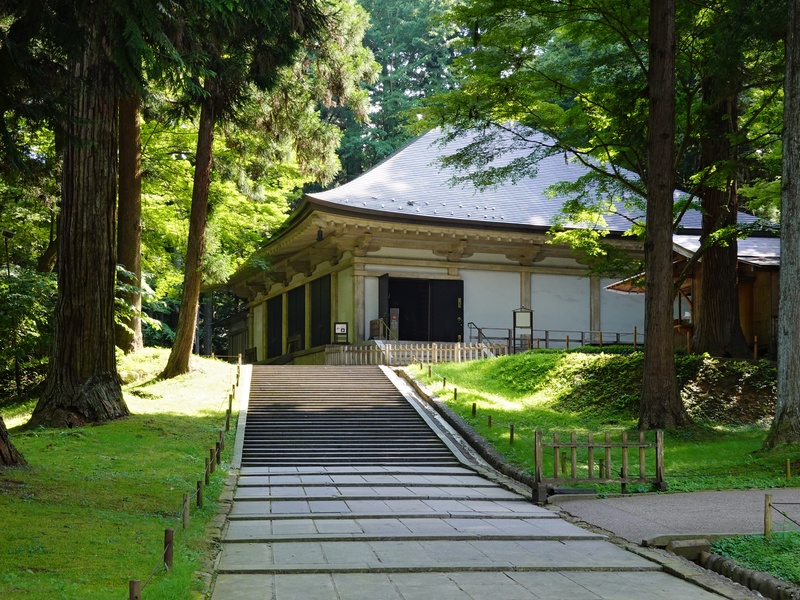
Chuson-ji Temple
Chuson-ji in Iwate Prefecture is a Heian- to Kamakura-period temple complex famous for its Konjiki-do (golden hall) from the 12th century. It preserves Buddhist art and funerary halls of northern samurai families. It appears for regional religious history.
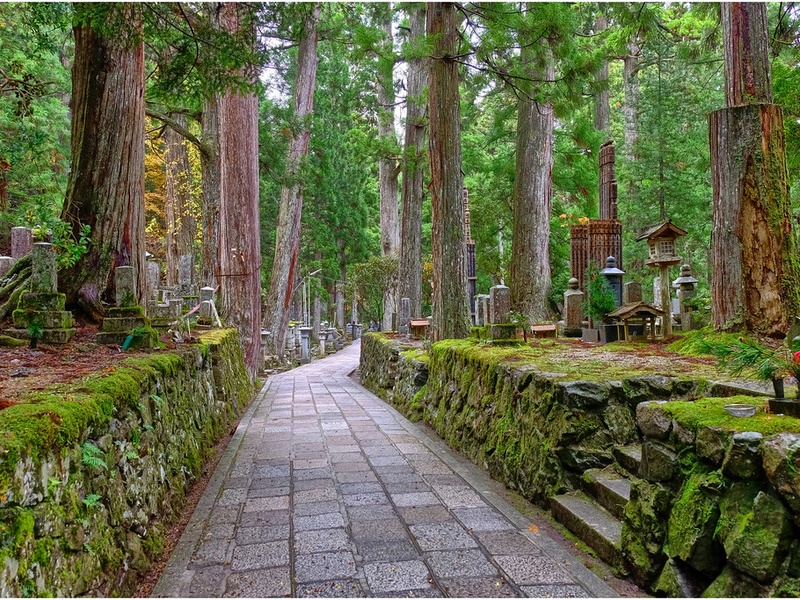
Mount Koya (Koyasan)
Mount Koya in Wakayama Prefecture is the center of Shingon Buddhism founded in the 9th century by Kobo Daishi. The mountain holds temples, a large cemetery, and monastic complexes. It is included for its long religious tradition and pilgrimage culture.
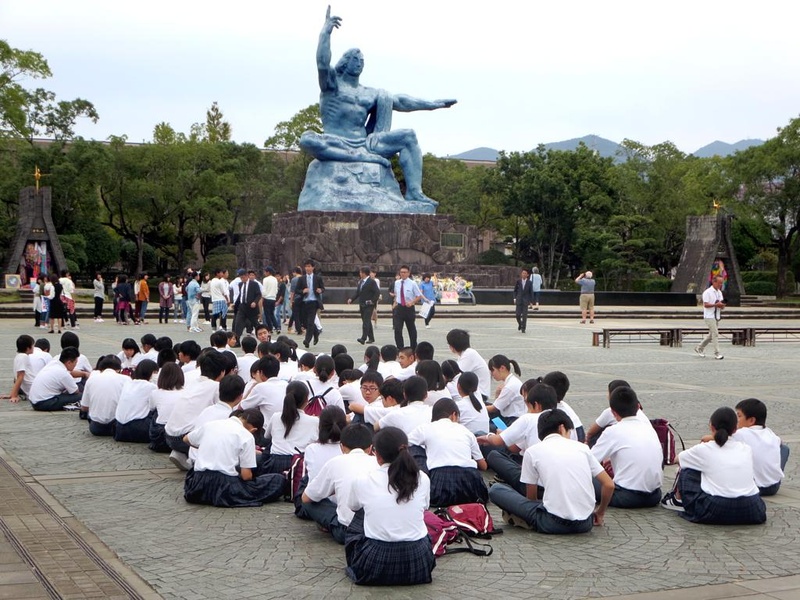
Nagasaki Peace Park
Nagasaki Peace Park commemorates the 1945 atomic bombing and promotes peace education. It includes monuments, a museum, and preserved sites. It is included for modern history and civic remembrance.
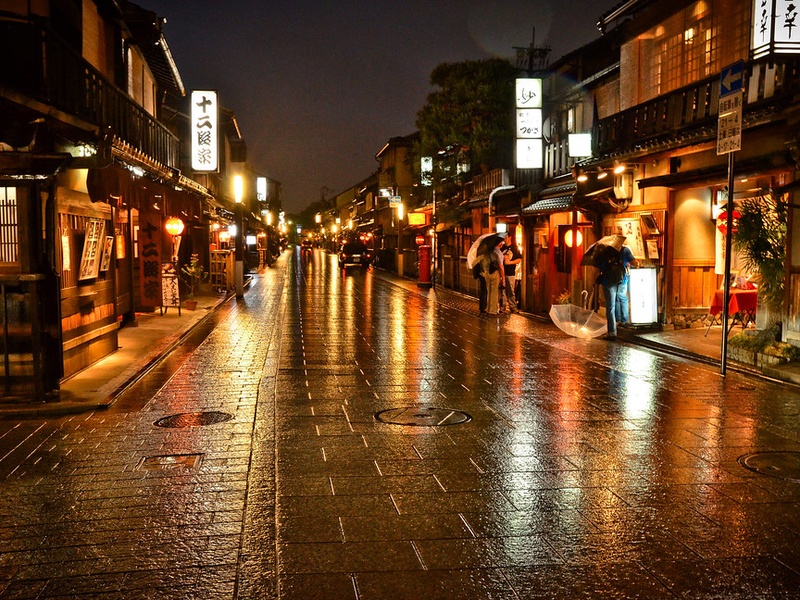
Gion District
Gion in Kyoto is a historic entertainment and geisha district with wooden machiya townhouses and tea houses dating to the Edo period. It offers examples of urban cultural practice and traditional performing arts. It is included for living cultural heritage.
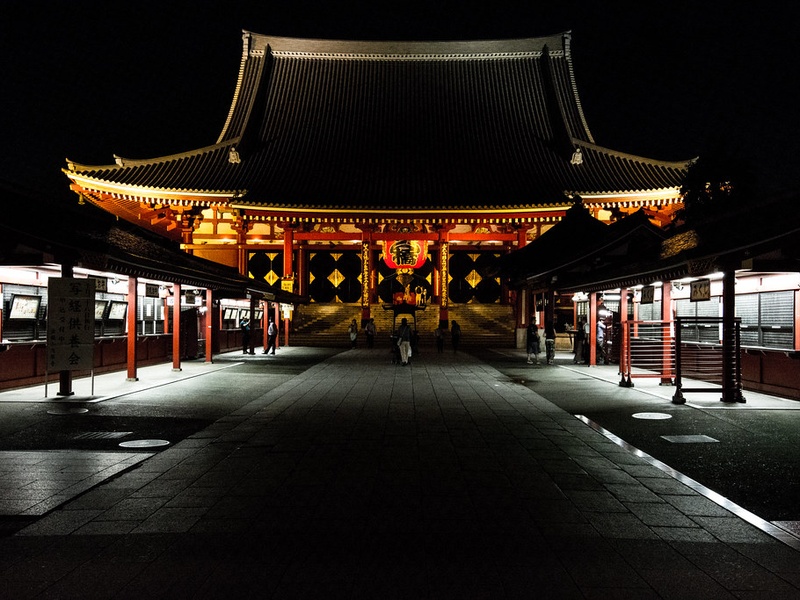
Senso-ji Temple
Senso-ji in Tokyo is an ancient Buddhist temple in Asakusa with origins in the 7th century and rebuilts through later eras. The temple façade and shopping street reflect popular religious life and urban pilgrimage. It features as a major historic and cultural landmark.
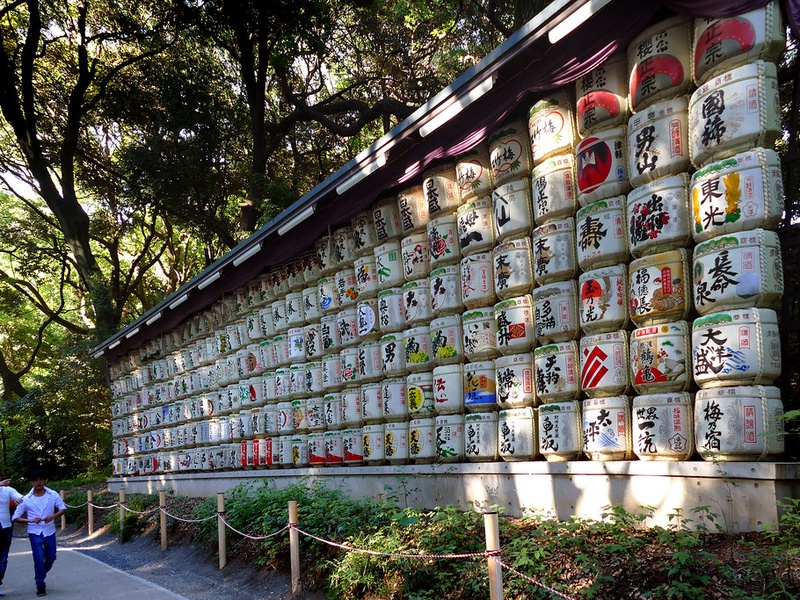
Meiji Jingu Shrine
Meiji Jingu in Tokyo is a Shinto shrine dedicated to Emperor Meiji and Empress Shoken, completed in the early 20th century. The shrine grounds and rituals reflect modern nation-building and Shinto revival. It is included for modern religious and cultural significance.
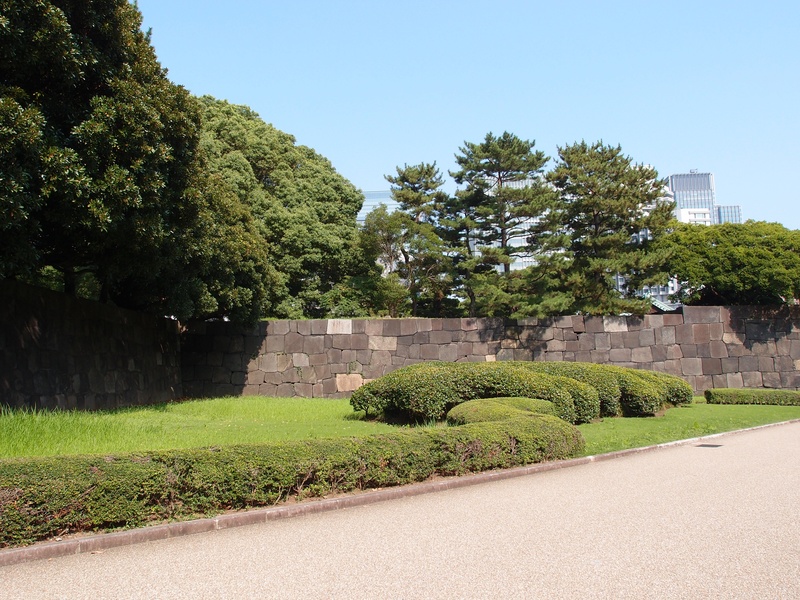
Imperial Palace East Garden
The Imperial Palace East Garden in Tokyo sits on former Edo Castle grounds and preserves gardens, moats, and stonework from feudal and Meiji eras. It shows layers of urban history and castle landscaping. It is included for accessible imperial and castle heritage.
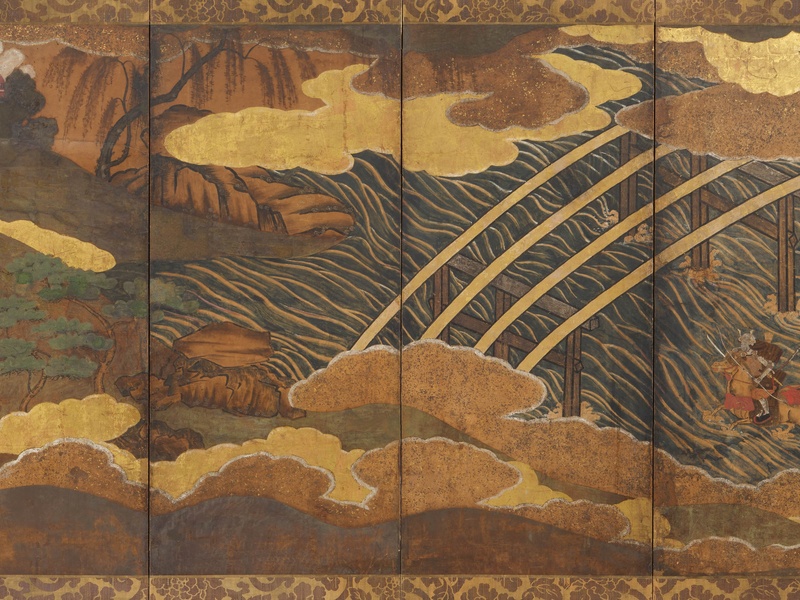
Uji Bridge
Uji Bridge in Uji, Kyoto Prefecture, stands near classic Heian-period sites and literary associations. The bridge area connects to Byodo-in and Uji tea culture. It is included for historic landscape links and cultural resonance with classical literature.
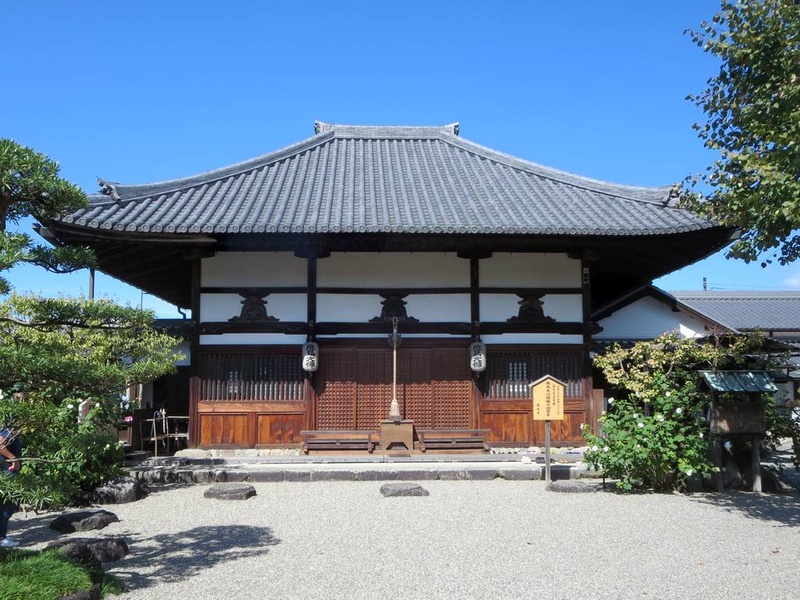
Asuka-dera Temple
Asuka-dera in Nara Prefecture is one of Japan’s earliest Buddhist temples, founded in the 7th century (Asuka period). It holds early statues and shows the introduction of Buddhism into state culture. It appears for its role in Japan’s religious origins.
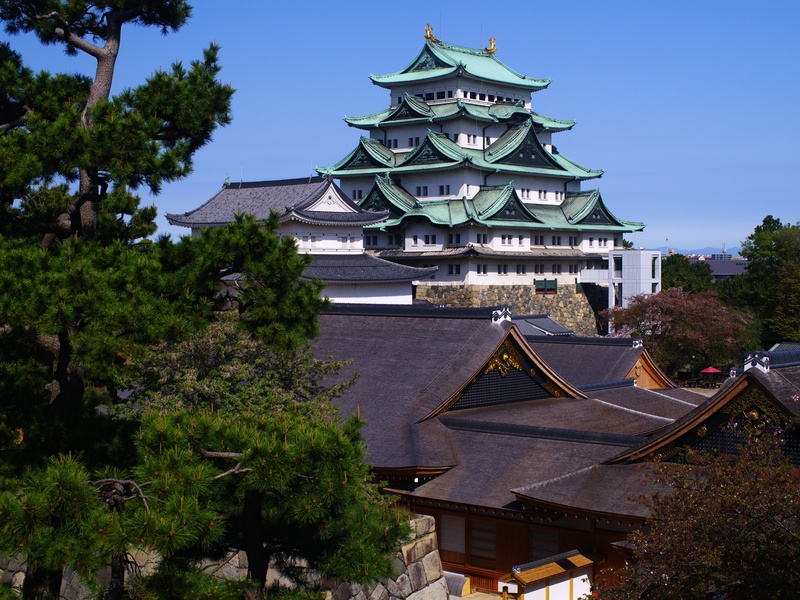
Nagoya Castle
Nagoya Castle in Aichi Prefecture was built in the early Edo period as a major daimyo stronghold, known for golden shachihoko roof ornaments. Much has been reconstructed after wartime loss. It is included for political history and urban development under Tokugawa rule.
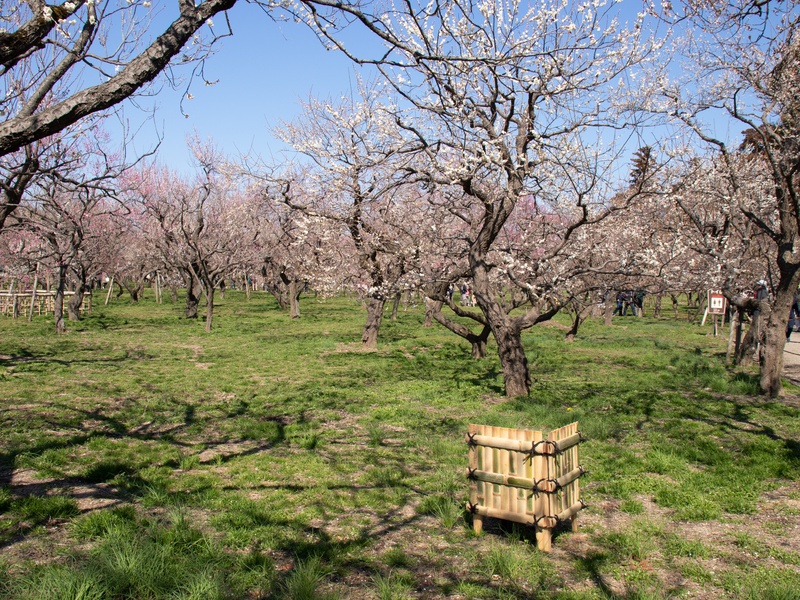
Kairakuen Garden
Kairakuen in Mito, Ibaraki Prefecture, is an Edo-period garden created in the early 19th century, famed for plum blossoms. It blends scenic design and public use promoted by the Tokugawa branch daimyo. It is included for horticultural and cultural history.
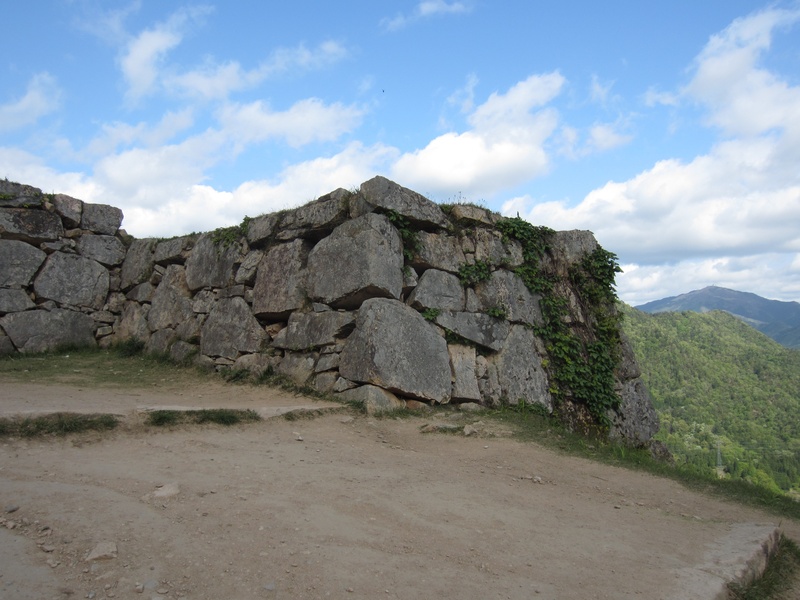
Takeda Castle Ruins
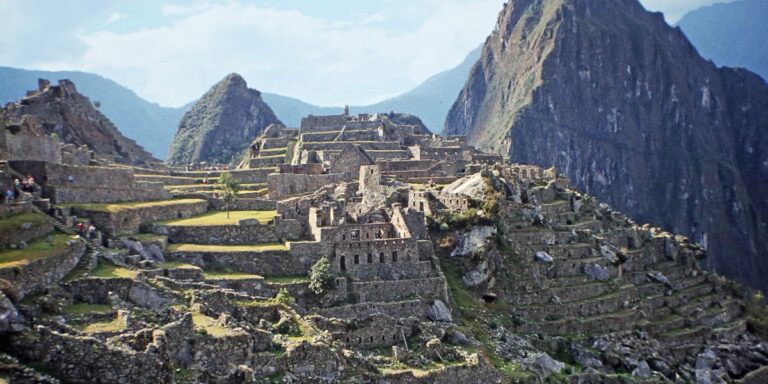
Takeda Castle Ruins in Hyogo Prefecture are the stone foundations of a mountain-top castle from the 15th–17th centuries. The site provides dramatic ruins often called the ‘Machu Picchu of Japan.’ It is included for scenic ruins and medieval military history.
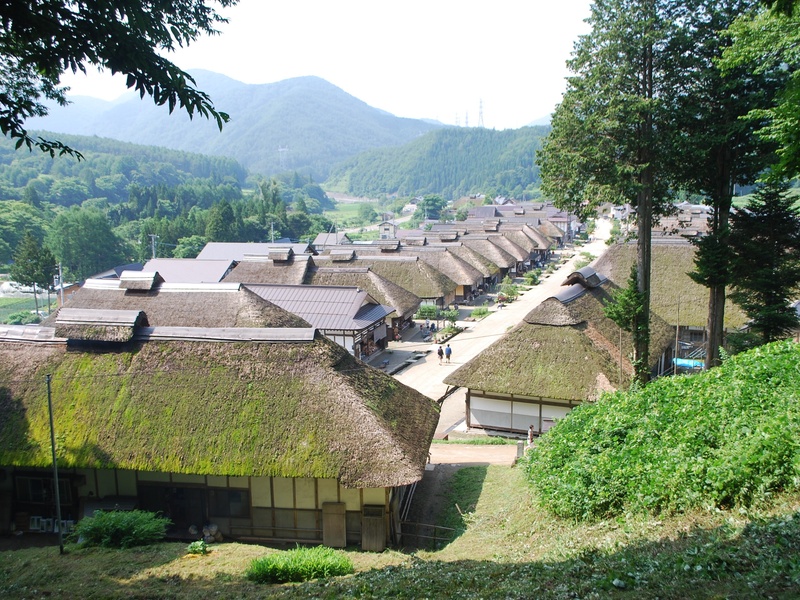
Ouchi-juku
Ouchi-juku in Fukushima Prefecture is a preserved Edo-period post town with thatched-roof buildings along the old Aizu-Nishi Kaido. The town displays rural travel commerce and traditional architecture. It appears for authentic townscape preservation.
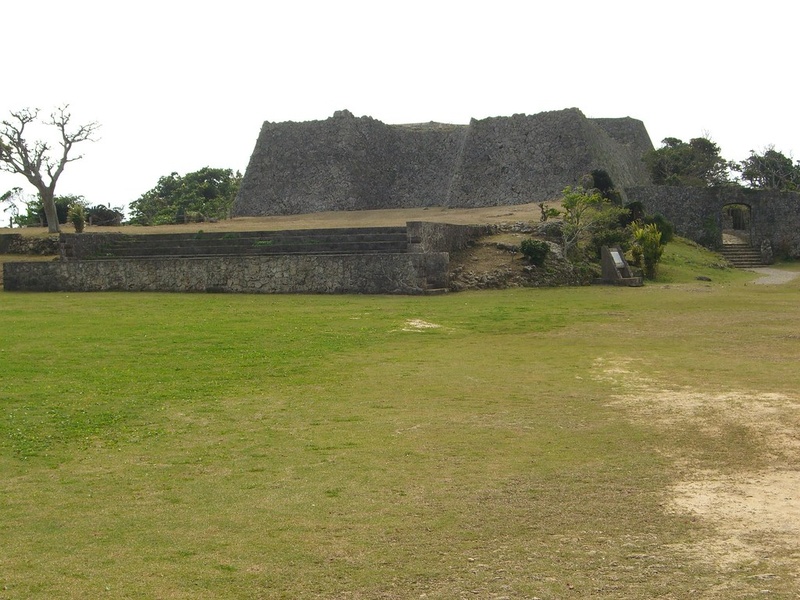
Nakagusuku Castle Ruins
Nakagusuku Castle Ruins in Okinawa are medieval gusuku (Ryukyuan fort) stone walls dating from the 14th–15th centuries. The site shows Ryukyuan fortification style and regional political history. It is included for Ryukyu Kingdom heritage.
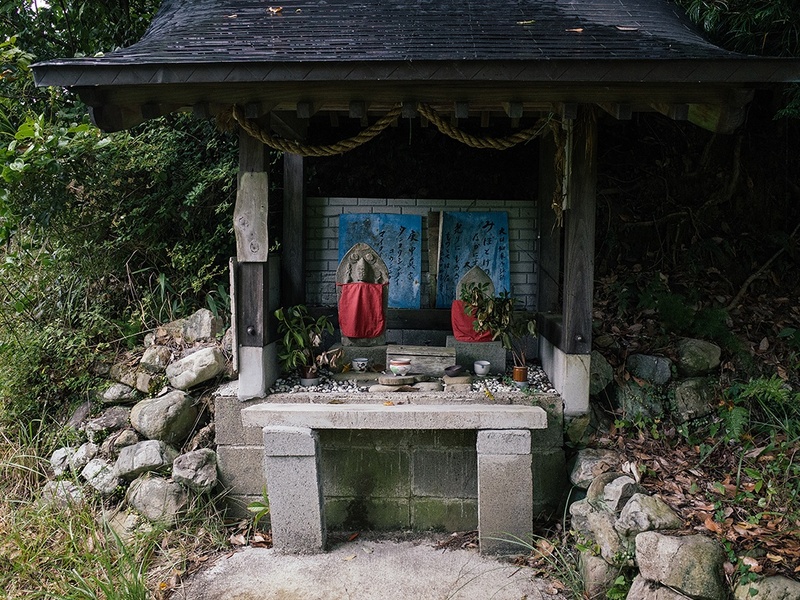
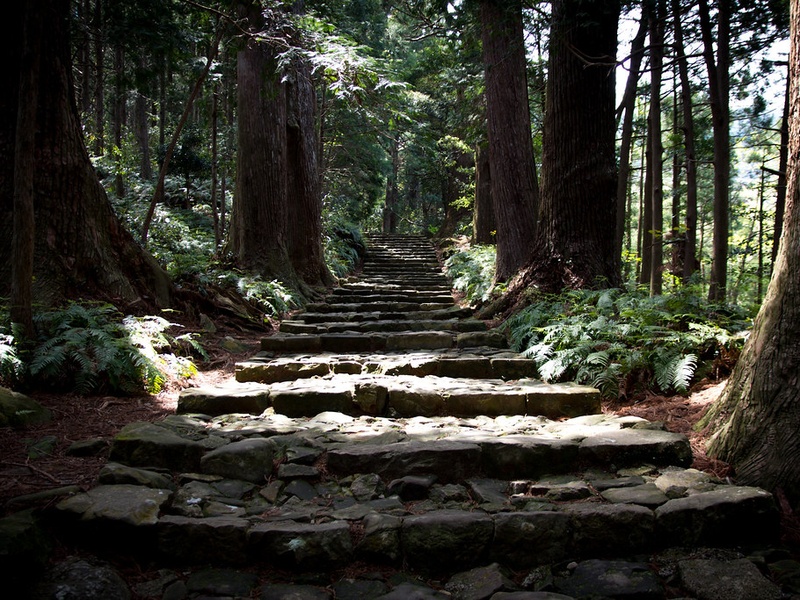
Kumano Kodo Pilgrimage Routes
Kumano Kodo are networks of sacred pilgrimage trails across the Kii Peninsula used since ancient times and developed in medieval and early modern periods. Trails link shrines, forests, and hot springs. They are included for religious landscape and pilgrimage continuity.
Kumano Nachi Taisha
Kumano Nachi Taisha is a major shrine on the Kii Peninsula famed for the nearby Nachi waterfall and long religious history. Structures combine Shinto and Buddhist traditions from medieval eras. It appears for sacred geography and pilgrimage significance.
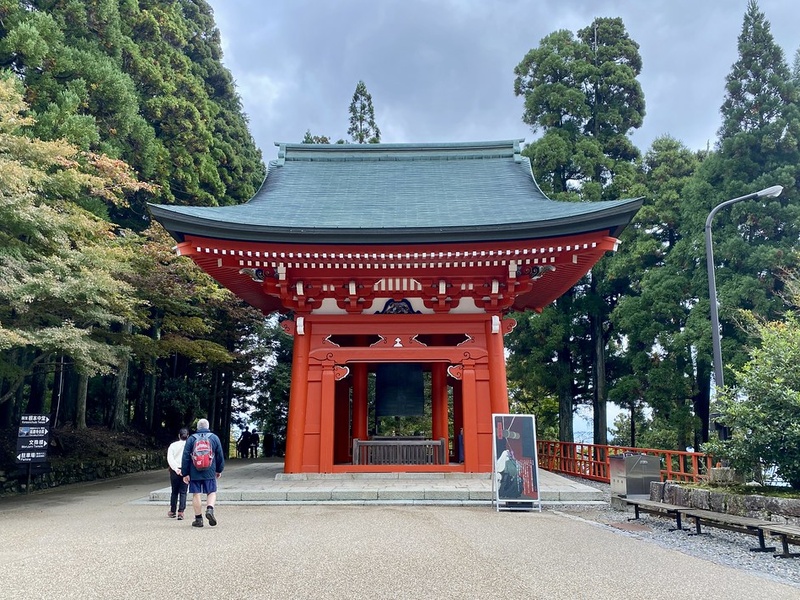
Enryaku-ji Temple
Enryaku-ji on Mount Hiei near Kyoto is the head temple of the Tendai school, founded in the late 8th century. The complex played a key role in medieval Buddhist training and politics. It is included for religious influence and historic monastic architecture.
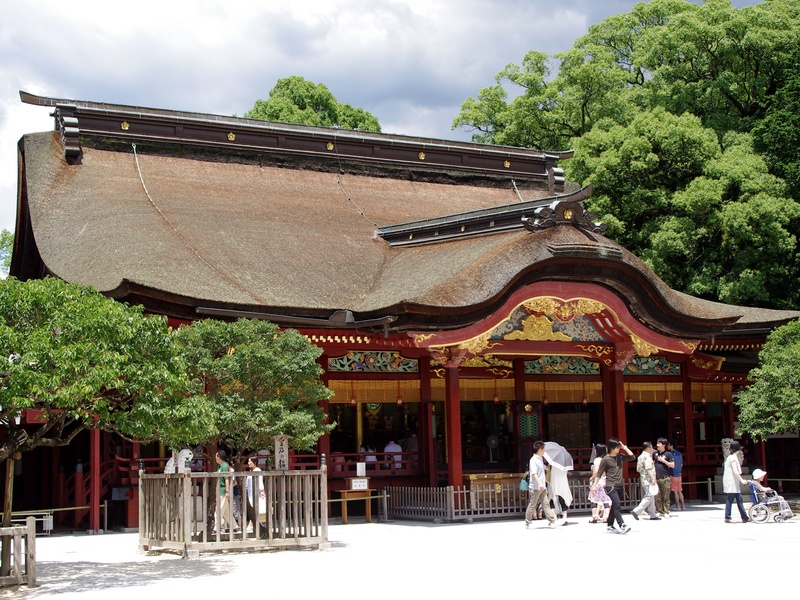
Dazaifu Tenmangu Shrine
Dazaifu Tenmangu in Fukuoka Prefecture honors the scholar-official Sugawara no Michizane and dates to the 10th century. It attracts scholarly devotion and retains historic structures and gardens. It is included for cultural and educational associations.

Iwami Ginzan Silver Mine
Iwami Ginzan in Shimane Prefecture is a large early modern silver mining complex active from the 16th to 19th centuries. The landscape includes mine workings, towns, and ports. It features for industrial history and global trade impacts.
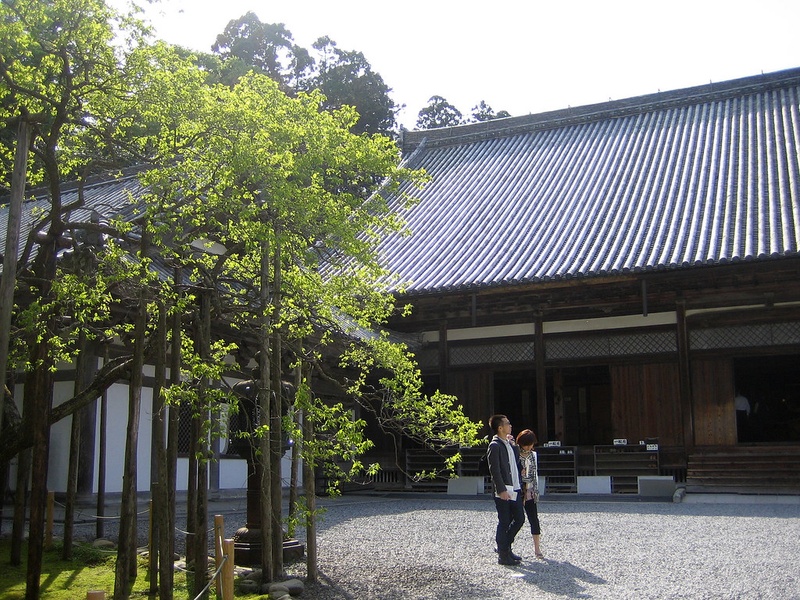
Zuigan-ji Temple
Zuigan-ji in Miyagi Prefecture is a Zen temple with mountain halls and exquisite wood and lacquer work developed in the early modern period. It serves as a regional religious center and museum of art. It is included for craftsmanship and coastal monastic culture.
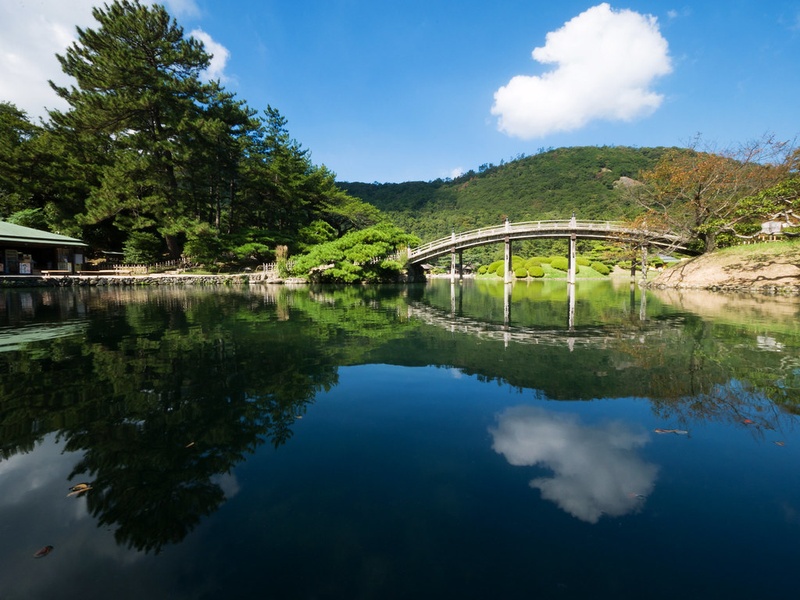
Ritsurin Garden
Ritsurin Garden in Takamatsu, Kagawa Prefecture, is a large Edo-period strolling garden with ponds, hills, and tea houses. It exemplifies daimyo garden design and scenic composition. It appears for landscape preservation and aesthetic value.
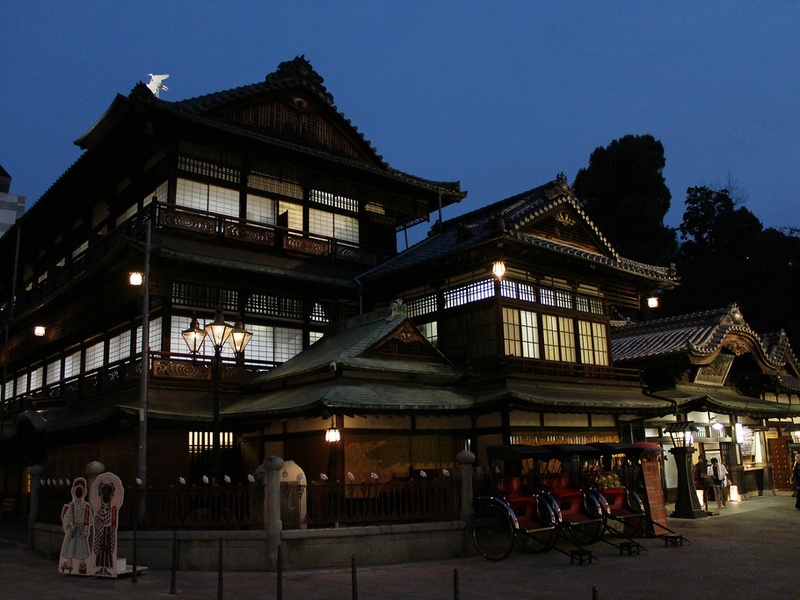
Dogo Onsen Honkan
Dogo Onsen Honkan in Ehime Prefecture is a historic public bathhouse with wooden architecture from the late Meiji period. It represents Japan’s hot-spring culture and civic leisure history. It is included for architectural character and cultural continuity.
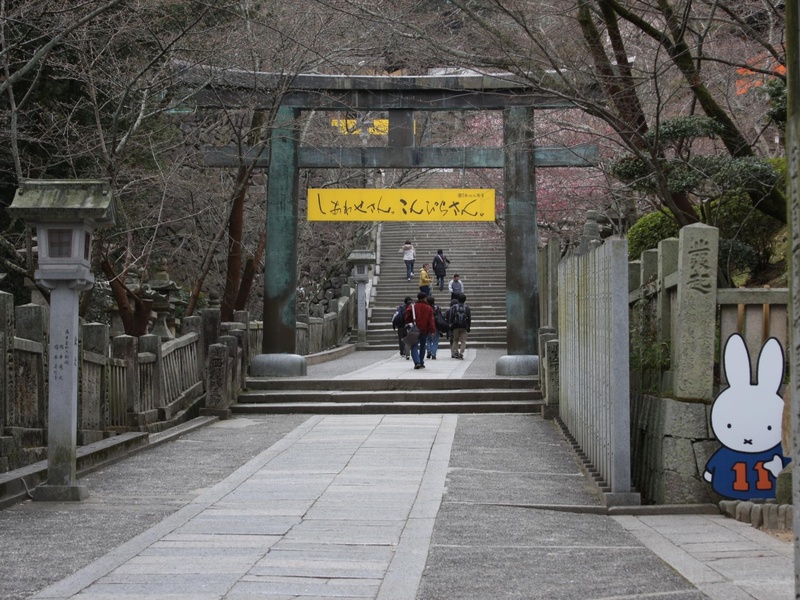
Kotohira-gu Shrine (Kompira-san)
Kotohira-gu on Shikoku island is a major pilgrimage shrine complex with many steps and structures developed over centuries. The shrine honors sea safety and merchants. It appears for regional pilgrimage traditions and scenic ascent.
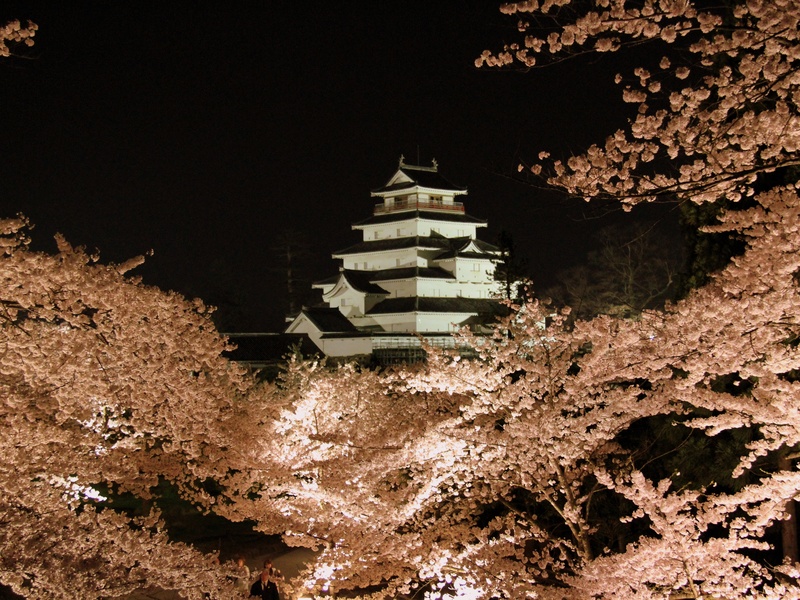
Aizu-Wakamatsu Castle
Aizu-Wakamatsu Castle (Tsuruga Castle) in Fukushima Prefecture is a rebuilt castle with historic roots in the Sengoku and Edo periods and ties to the Boshin War. It hosts a museum on samurai history. It is included for military and regional heritage.
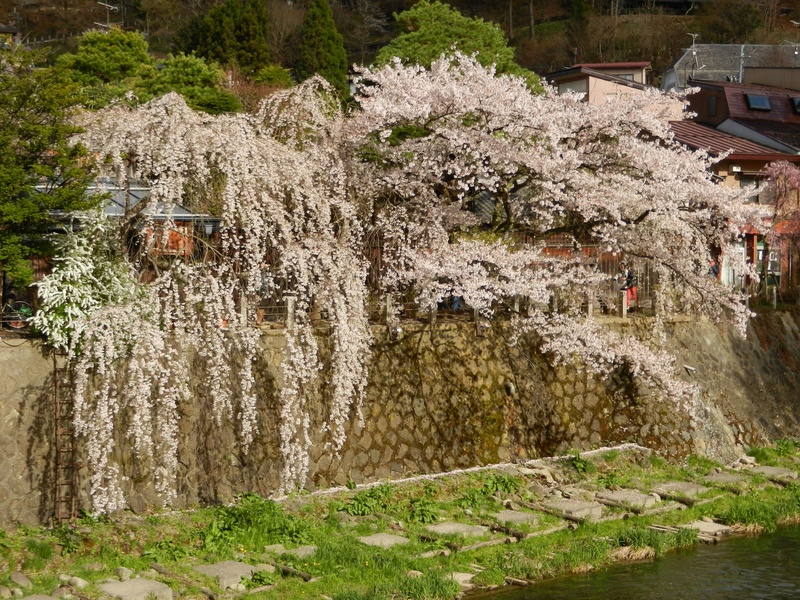
Takayama Old Town
Takayama Old Town in Gifu Prefecture retains Edo-period merchant houses, festivals, and wooden streets in a mountain setting. It shows local craft, sake production, and traditional town life. It is included for well-preserved urban vernacular and festivals.
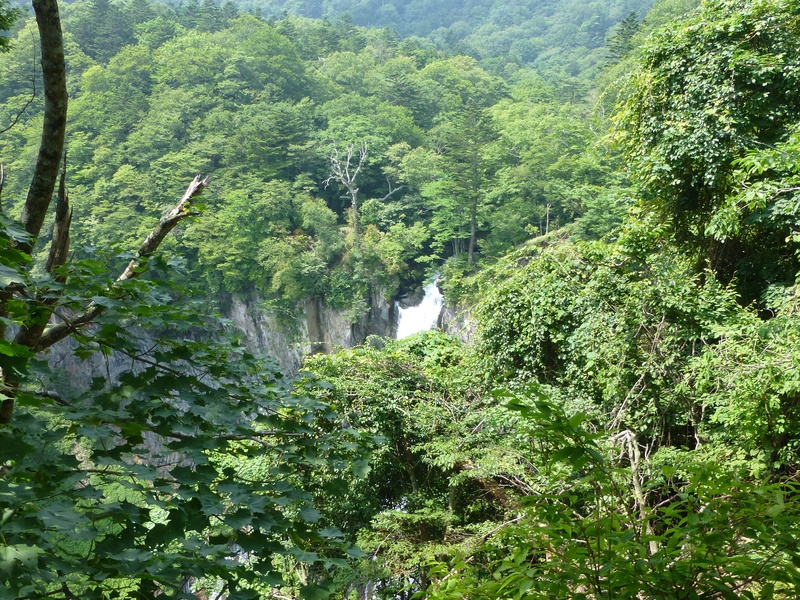
Kegon Falls
Kegon Falls in Tochigi Prefecture is a dramatic 97-meter waterfall near Lake Chuzenji valued since the Meiji period for scenic tourism. The surrounding area contains temples and scenic trails. It appears for natural heritage linked to cultural appreciation.
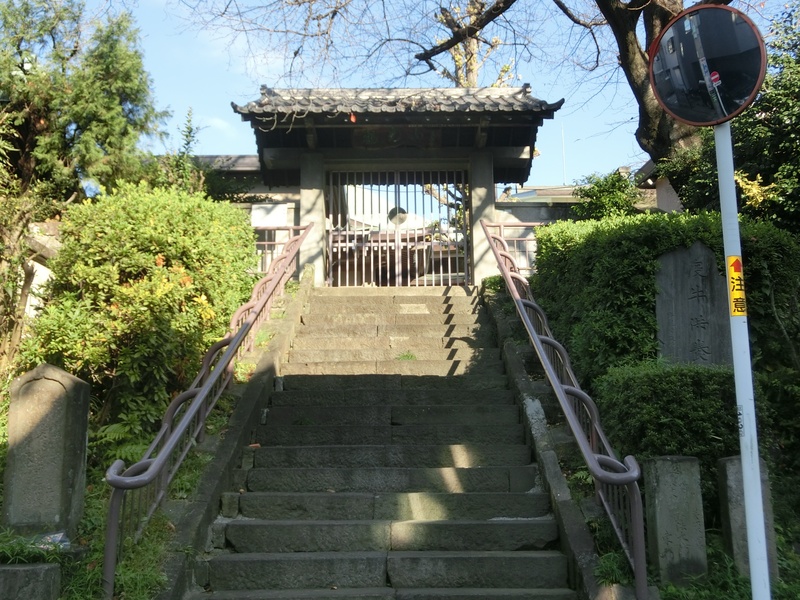
Tofuku-ji Temple
Tofuku-ji in Kyoto is a large Zen temple complex established in the 13th century and famous for autumn leaves and bridge architecture. It includes multiple sub-temples and gardens. It is included for Zen temple layout and seasonal景観.
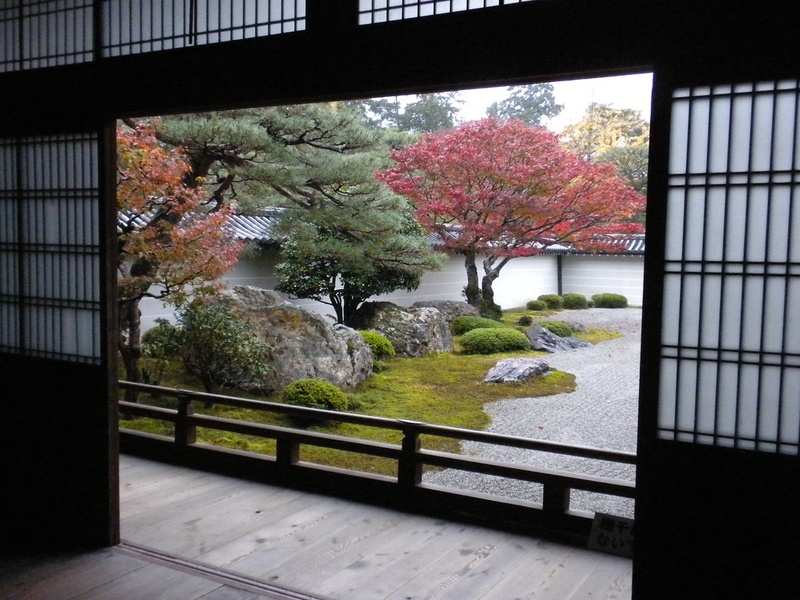
Nanzen-ji Temple
Nanzen-ji in Kyoto is a major Zen temple founded in the 13th century with large gates, sub-temples, and notable gardens. It influenced Zen culture and temple architecture. It is included for religious and architectural importance.
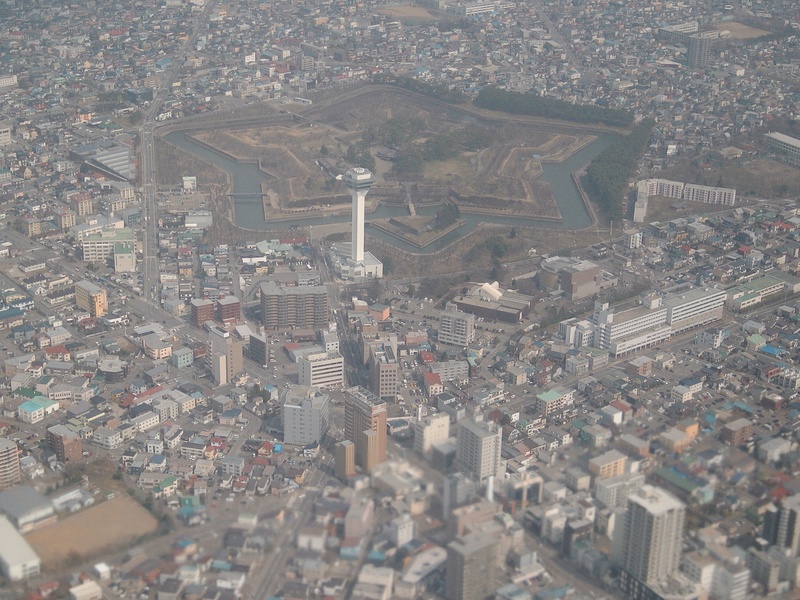
Goryokaku Fort
Goryokaku in Hakodate, Hokkaido, is a star-shaped Western-style fort built in the late Edo period for modern defense. It played a role in the Boshin War and later became a public park. It is included for military modernization and unique layout.
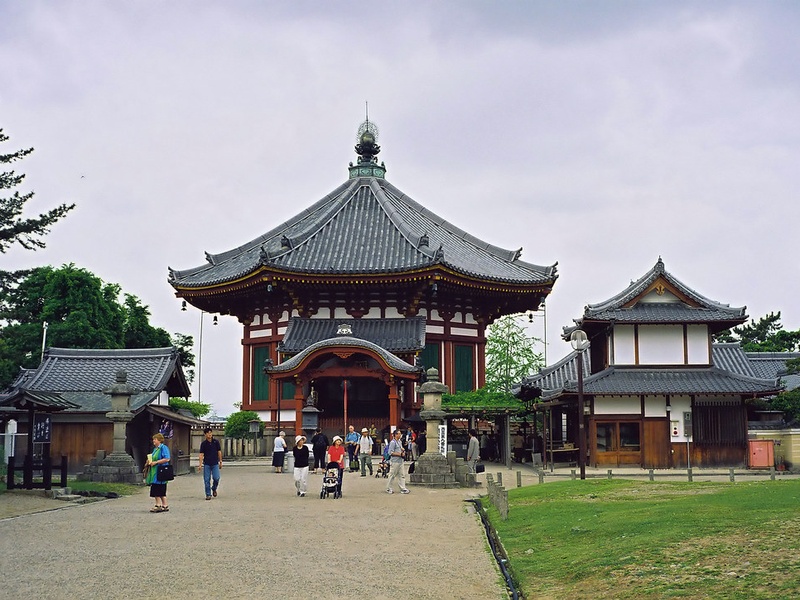
Kofuku-ji Temple
Kofuku-ji in Nara is a historic Buddhist temple with origins in the 7th century and major reconstruction in the Nara and later periods. The site has pagodas and art connected to powerful families. It is included for early capital religious history.
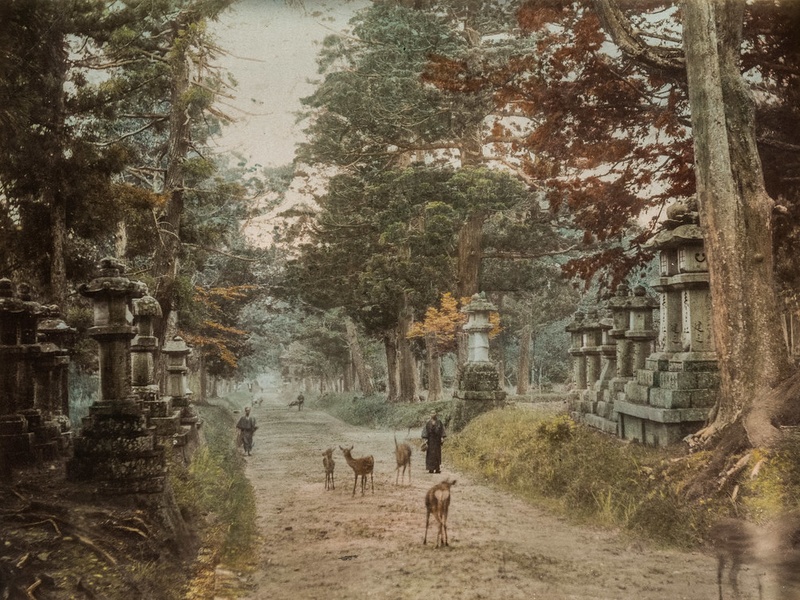
Kasuga-taisha Shrine
Kasuga-taisha in Nara is a Shinto shrine founded in the 8th century associated with the Fujiwara clan. It features lanterns and wooded approach paths. It appears for its aristocratic ties and long ritual tradition.
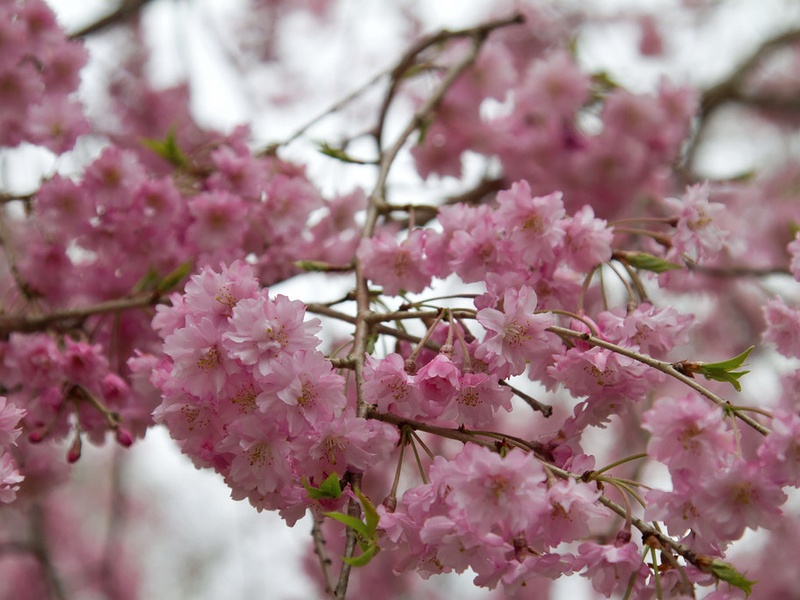
Mount Yoshino
Mount Yoshino in Nara Prefecture is famous for thousands of cherry trees planted across slopes and has long religious and poetic associations from Heian times. The area includes temples and pilgrimage routes. It is included for cultural landscape and seasonal significance.
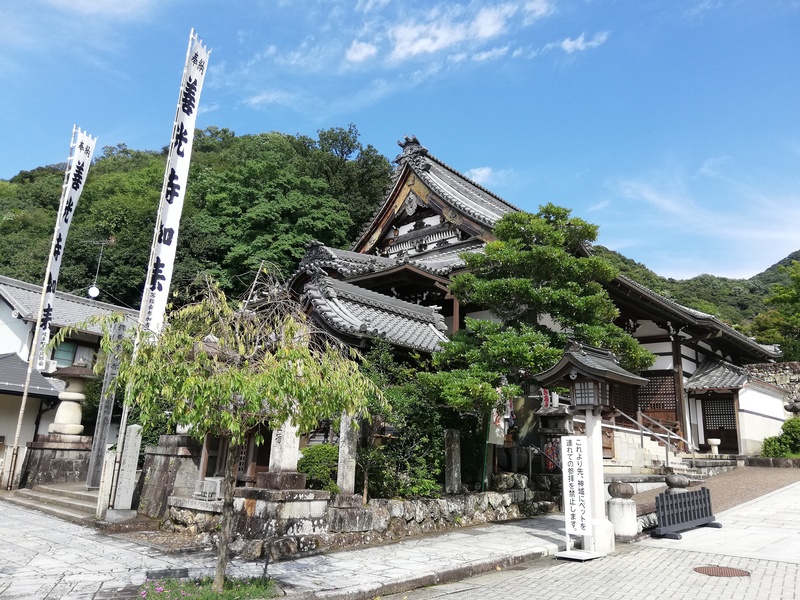
Zenko-ji Temple
Zenko-ji in Nagano Prefecture is a popular Buddhist temple with origins in the 7th century and a long history of popular worship. It houses an important hidden Buddha image and upholds pilgrim traditions. It is included for accessible religious heritage.
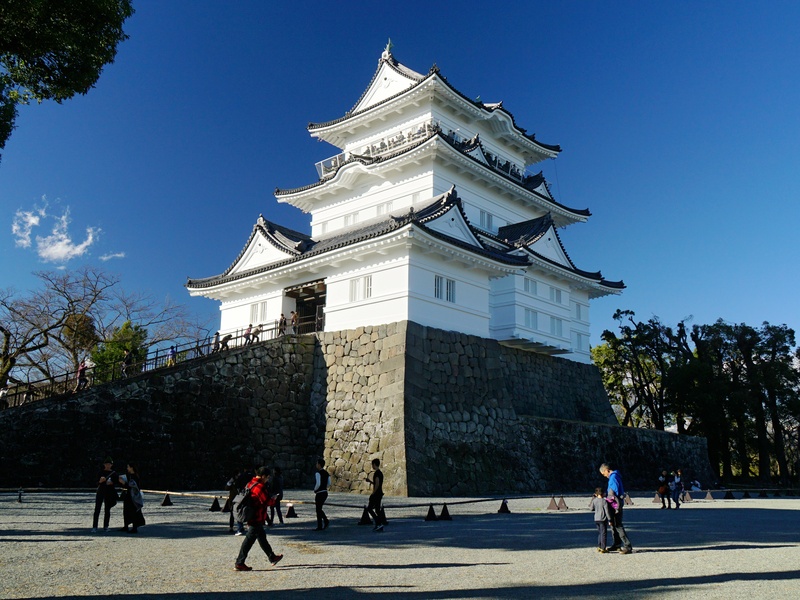
Odawara Castle
Odawara Castle in Kanagawa Prefecture is a coastal fortress with medieval and early modern ties to the Hojo clan, rebuilt as a museum. It illustrates regional power, siege history, and castle town development. It is included for strategic historical role.
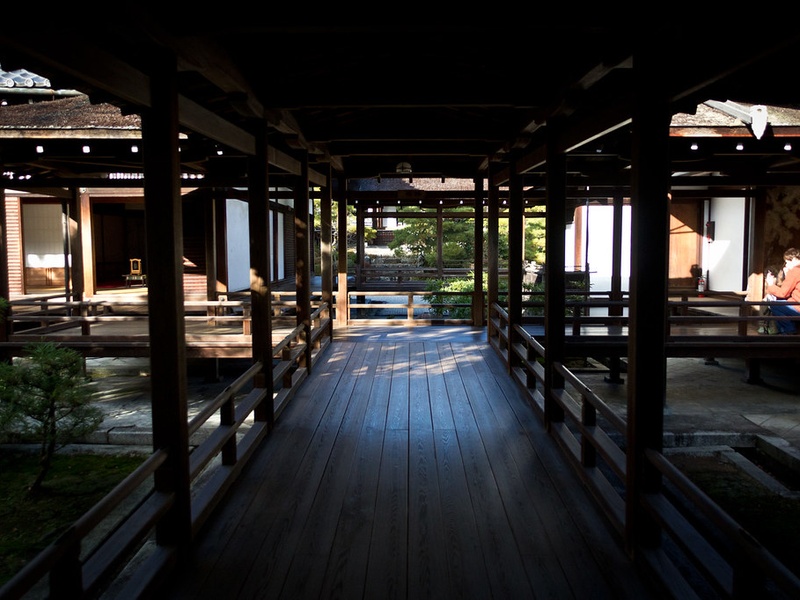
To-ji Temple
To-ji in Kyoto is a temple dating to the Heian period, known for its five-story pagoda and monthly flea market tradition. It served as a major Shingon center. It is included for its iconic skyline and long cultural functions.
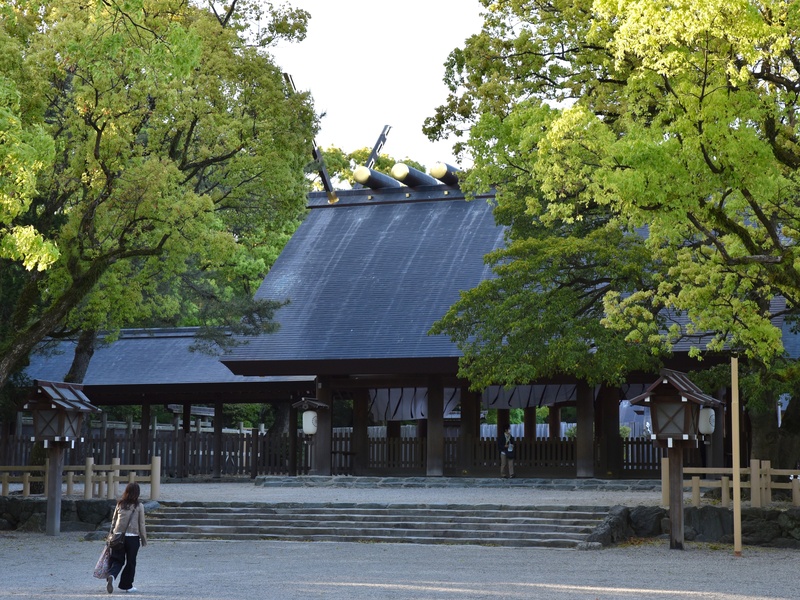
Atsuta Shrine
Atsuta Shrine in Nagoya is a major Shinto shrine reputed to house the sacred Kusanagi sword and with origins in ancient times. It preserves imperial and ritual traditions and large shrine grounds. It appears for national religious importance.
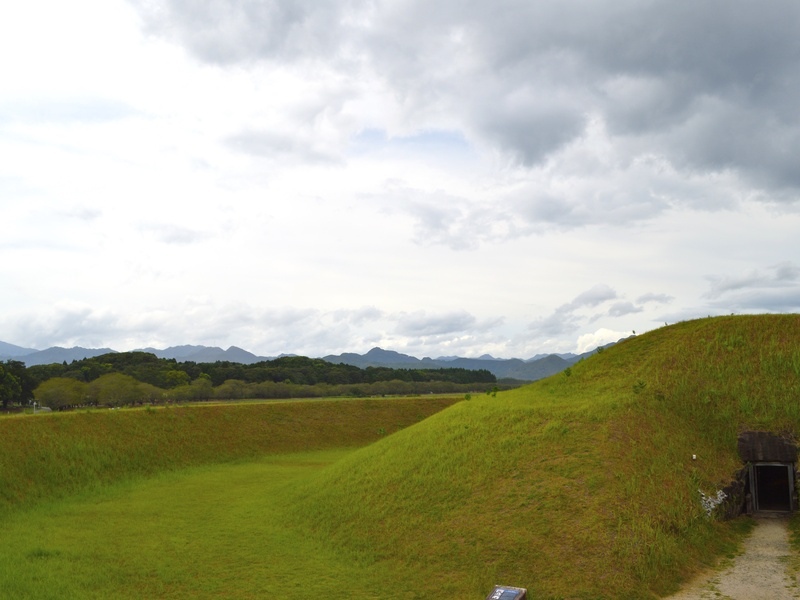
Saitobaru Kofun Group
Saitobaru in Miyazaki Prefecture is a cluster of ancient burial mounds (kofun) from the 4th–7th centuries. The mounds show early state formation and elite burial practices. The site is included for archaeological and prehistoric insight.
Mozu-Furuichi Kofun Group
Mozu-Furuichi in Osaka is a large ensemble of keyhole-shaped kofun tombs from the 4th–6th centuries, connected to early rulers. The group provides evidence of protohistoric political structures. It is included for monumental ancient funerary landscape.
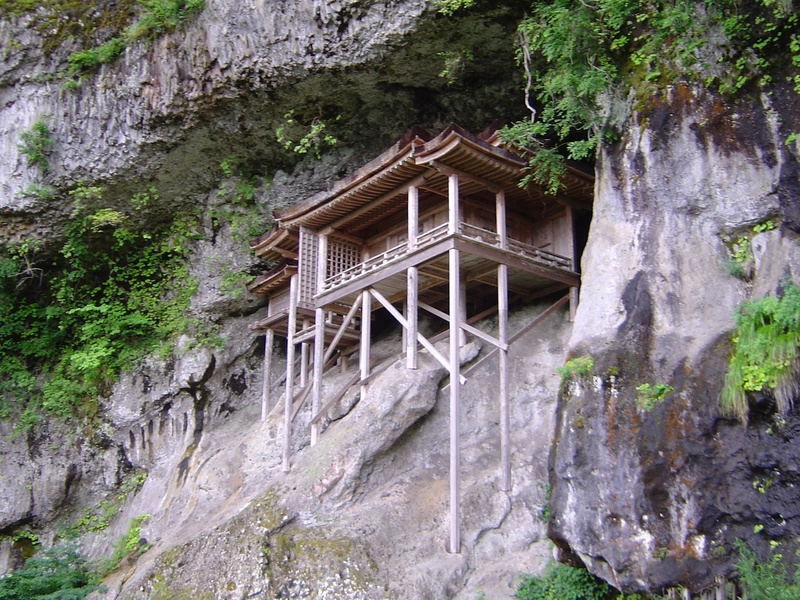
Sanbutsu-ji Temple (Nageiredo)
Sanbutsu-ji’s Nageiredo hall in Tottori Prefecture is a cliff-hugging shrine hall from medieval times with dramatic location and ascetic associations. The precarious structure shows mountain worship and devotional practice. It is included for rare cliff architecture and religious daring.
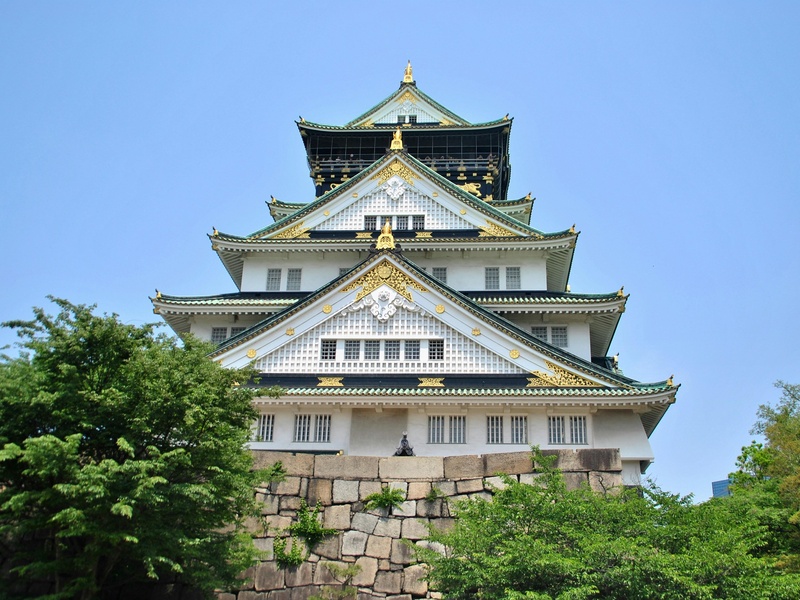
Iga Ueno Castle
Iga Ueno Castle in Mie Prefecture is linked to the historic Iga ninja region and retains a reconstructed keep on earthen walls from the early modern era. It highlights local military culture and ninja folklore. It appears for regional martial heritage.
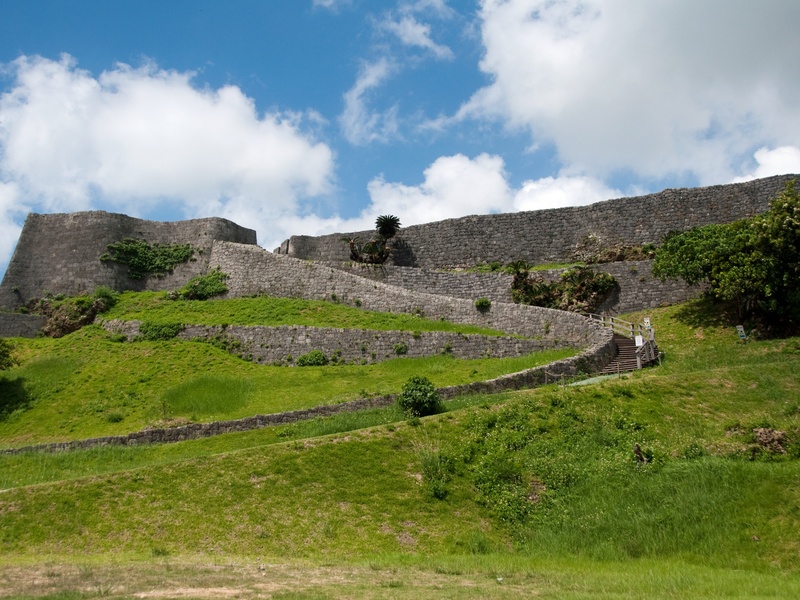
Katsuren Castle Ruins
Katsuren Castle Ruins in Okinawa are remains of a 13th–15th-century gusuku with stone walls and coastal views tied to Ryukyuan polity. The site shows Ryukyu maritime connections and island fortification. It is included for unique island kingdom heritage.
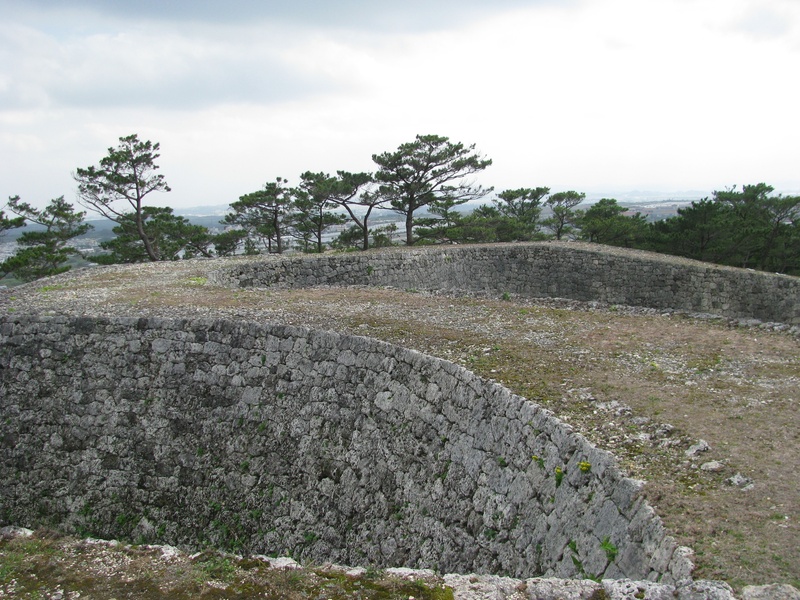
Zakimi Castle Ruins
Zakimi Castle Ruins in Okinawa feature 15th-century stone fortress walls built before central Ryukyu unification. The site demonstrates early Ryukyuan masonry and regional power centers. It is included for Ryukyu architectural history.
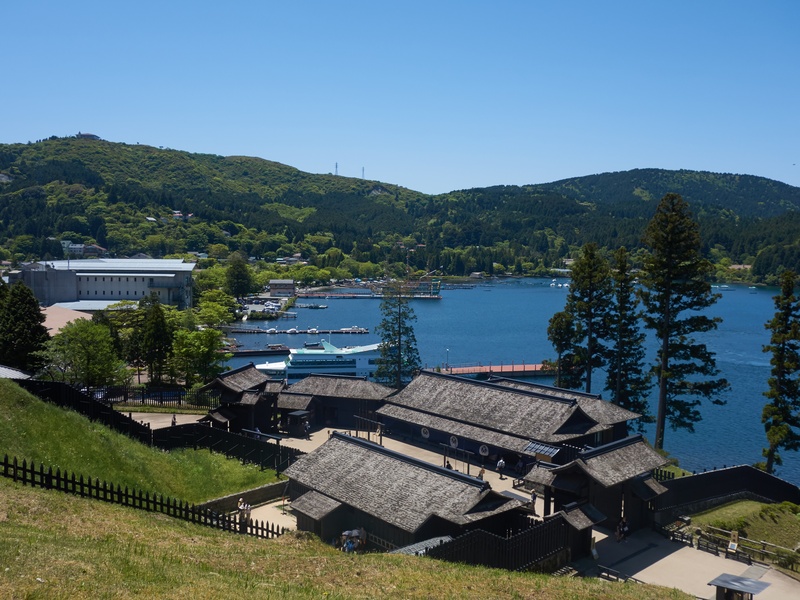
Hakone Checkpoint
Hakone Checkpoint in Kanagawa Prefecture was a Tokugawa-era border control station on the Tokaido road with reconstructed guardhouses and exhibits. It shows travel regulation and security in the Edo period. It appears for transportation and governance history.
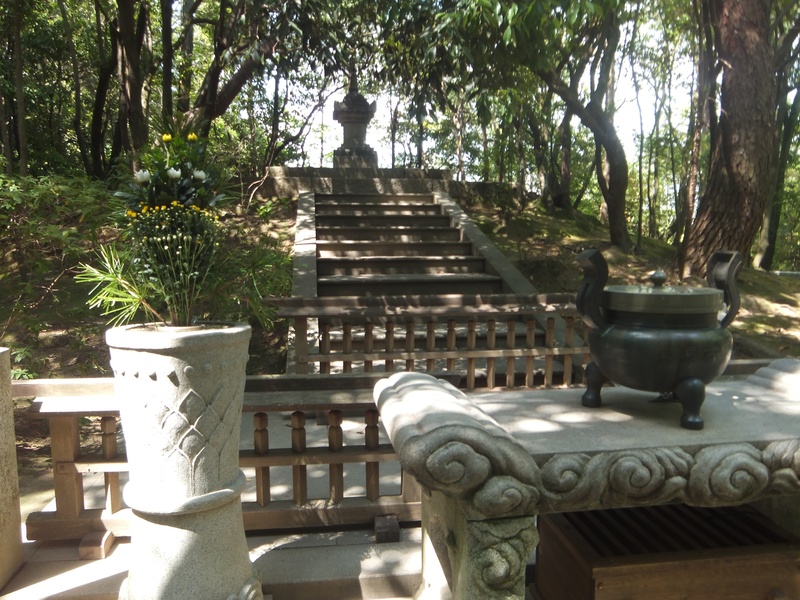
Toshodai-ji Temple
Toshodai-ji in Nara was founded in the 8th century by the Chinese monk Ganjin and preserves Nara-period Buddhist halls. It played a role in training clergy and cultural exchange. It is included for early Buddhist institutional history.
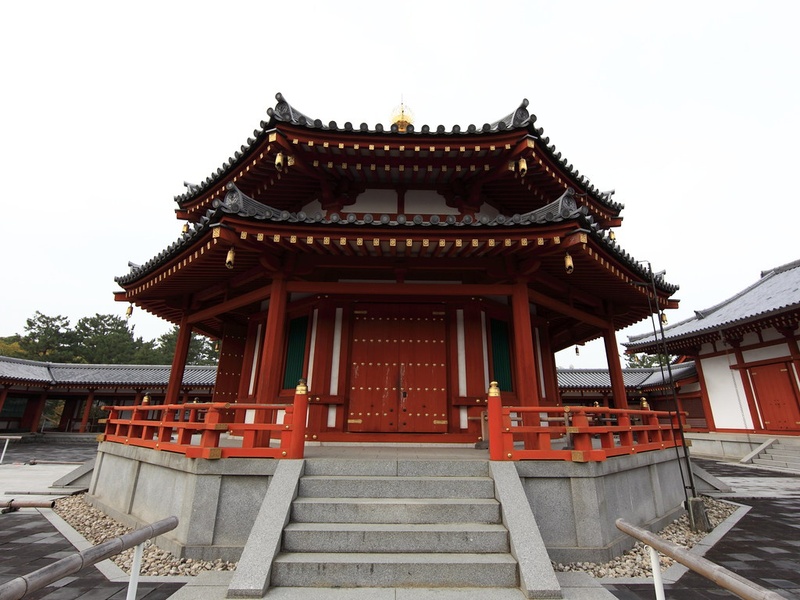
Yakushi-ji Temple
Yakushi-ji in Nara is a major ancient temple established in the late 7th century with notable pagodas and sculptures. It serves as an example of early state-sponsored Buddhism. It appears for art history and early temple layout.
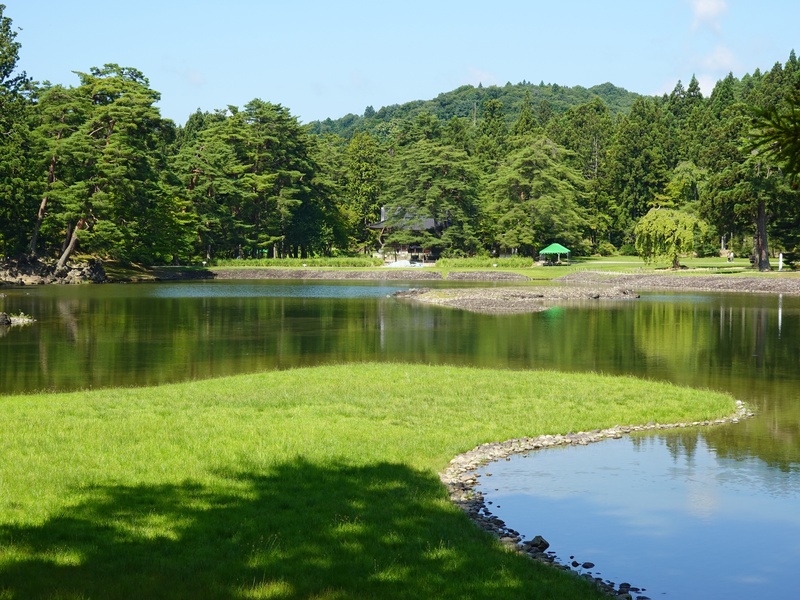
Motsu-ji Temple
Motsu-ji in Iwate Prefecture is a Heian-period Pure Land Buddhist temple with a famed garden centered on a pond and island, now partly ruins. It illustrates medieval garden design and aristocratic worship. It is included for picturesque medieval garden remnants.
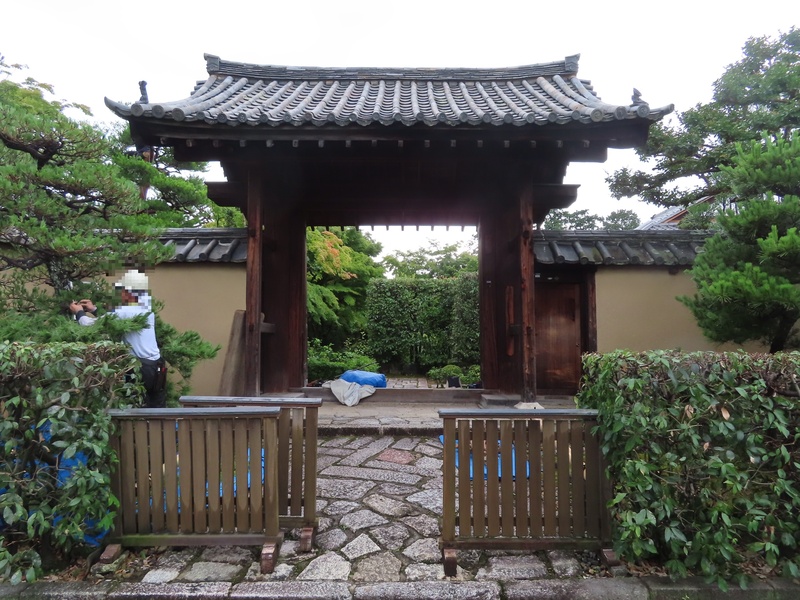
Daitoku-ji Temple
Daitoku-ji in Kyoto is a large Rinzai Zen temple complex developed across medieval and early modern times with many sub-temples and tea gardens. It influences tea ceremony and Zen arts. It is included for cultural arts and monastic networks.
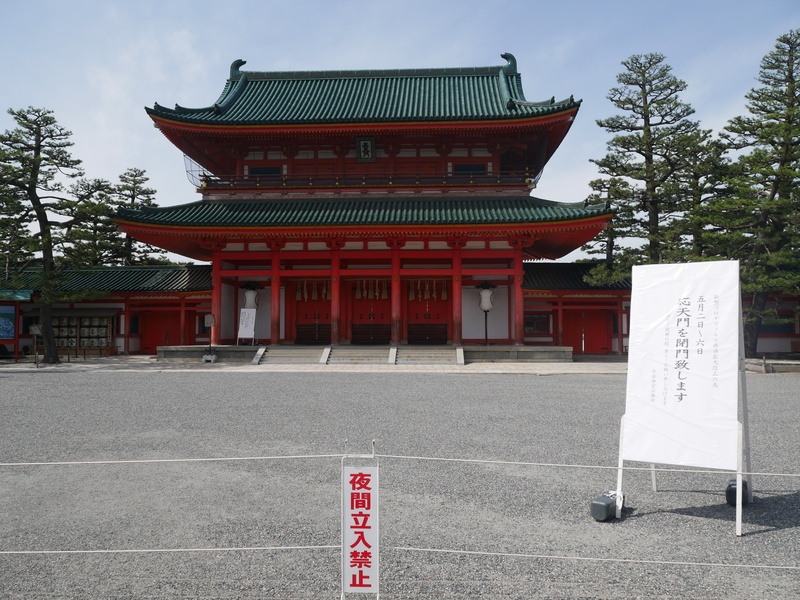
Heian Jingu Shrine
Heian Jingu in Kyoto is a modern shrine built in 1895 to commemorate the ancient capital and the Heian period, with large torii and gardens. It recreates Heian-style architecture on a modern scale. It appears for cultural memory and festival life.
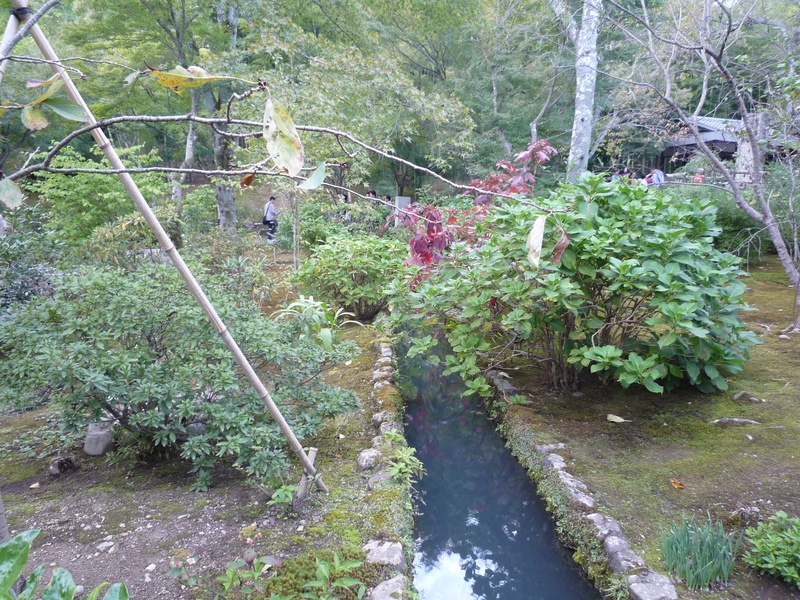
Tenryu-ji Temple
Tenryu-ji in Kyoto is a major Zen temple founded in the 14th century with an important landscape garden overlooking Arashiyama. It combines Zen architecture and scenic design. It is included for temple gardens and medieval patronage.
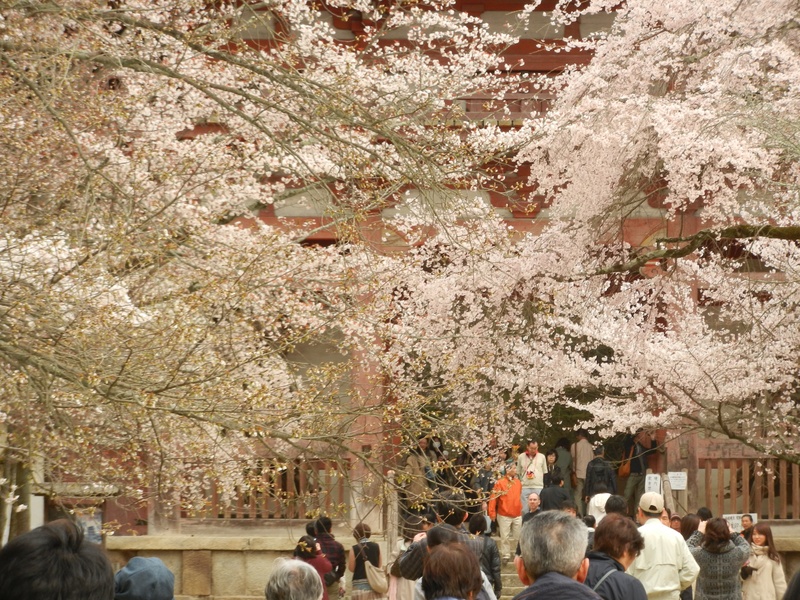
Daigo-ji Temple
Daigo-ji in Kyoto is a large temple complex with Heian and later-era buildings and famed cherry blossoms in a valley setting. It holds important art and historic halls. It appears for layered temple history and festival culture.
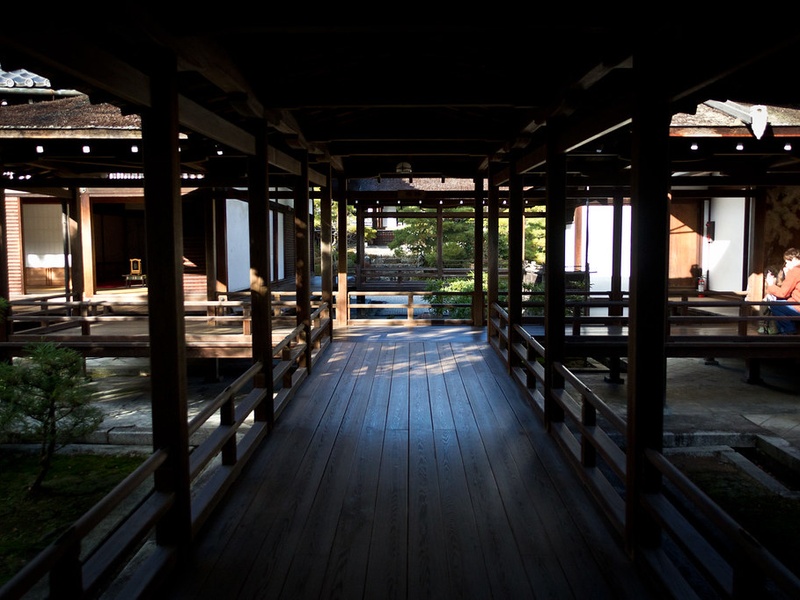
Ninna-ji Temple
Ninna-ji in Kyoto is the head temple of the Omuro school with origins in the late 9th century and significant early modern buildings and gardens. It shows imperial patronage and monastic life. It is included for temple heritage and architecture.
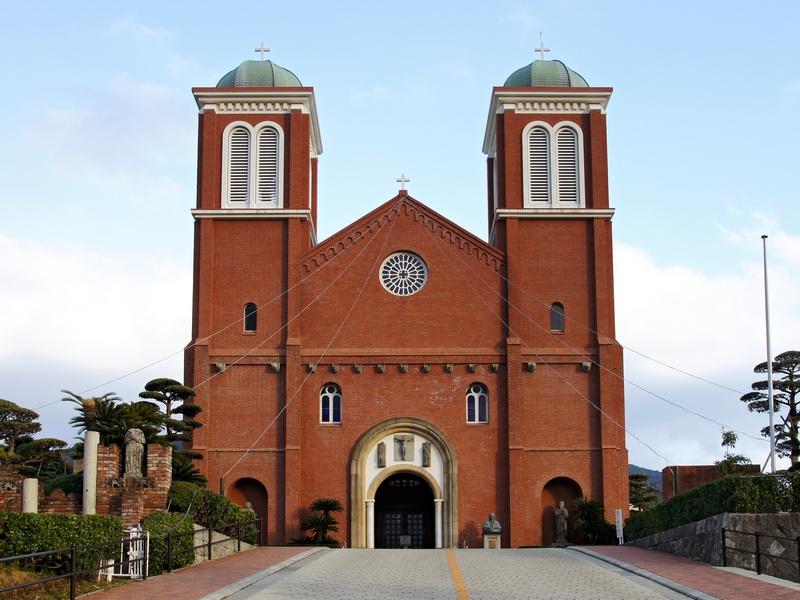
Urakami Cathedral
Urakami Cathedral in Nagasaki was a major Catholic church rebuilt after wartime destruction and originally dates to the Meiji period when Christianity re-emerged. It symbolizes Christian history and postwar recovery. It is included for religious minority history.
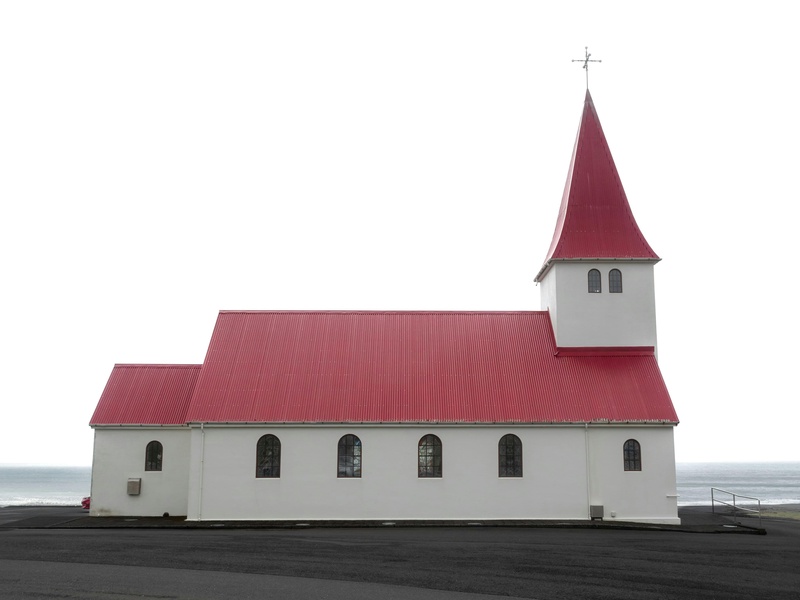
Oura Church
Oura Church in Nagasaki is a wooden Catholic church from the mid-19th century associated with early foreign missionary activity and the discovery of hidden Christians. It represents the reintroduction of Christianity in modern Japan. It is included for early overseas contact history.
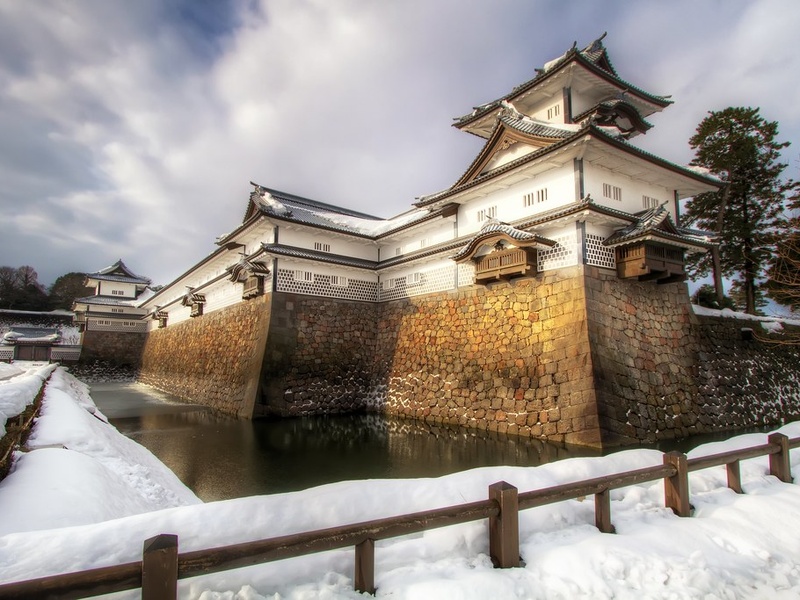
Kanazawa Castle
Kanazawa Castle in Ishikawa Prefecture was the seat of the Maeda clan and features reconstructions and restored gates and walls from the Edo period. The adjacent Kenrokuen garden enhances its setting. It appears for daimyo governance and urban planning.
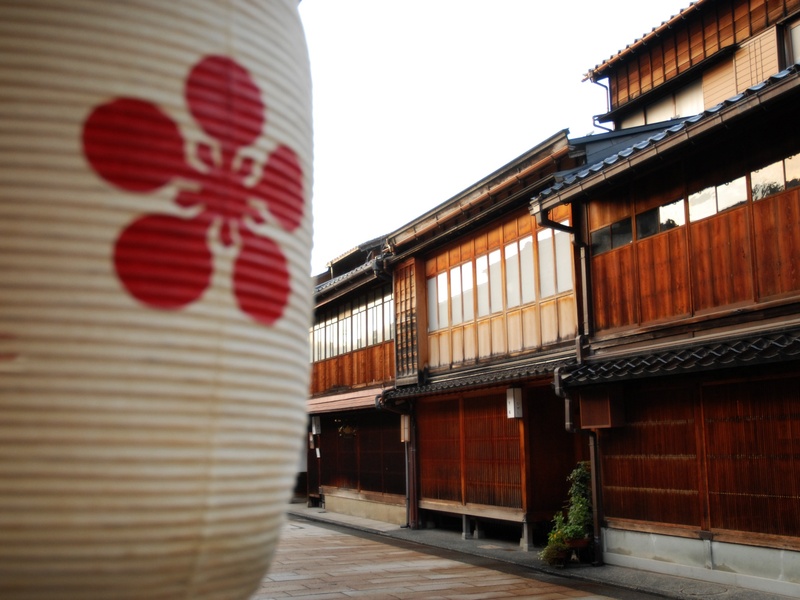
Higashi Chaya District
Higashi Chaya District in Kanazawa is a preserved geisha-tea house quarter with wooden façades and artisan shops dating to the Edo period. It showcases entertainment district architecture and local crafts. It is included for living traditional townscape.
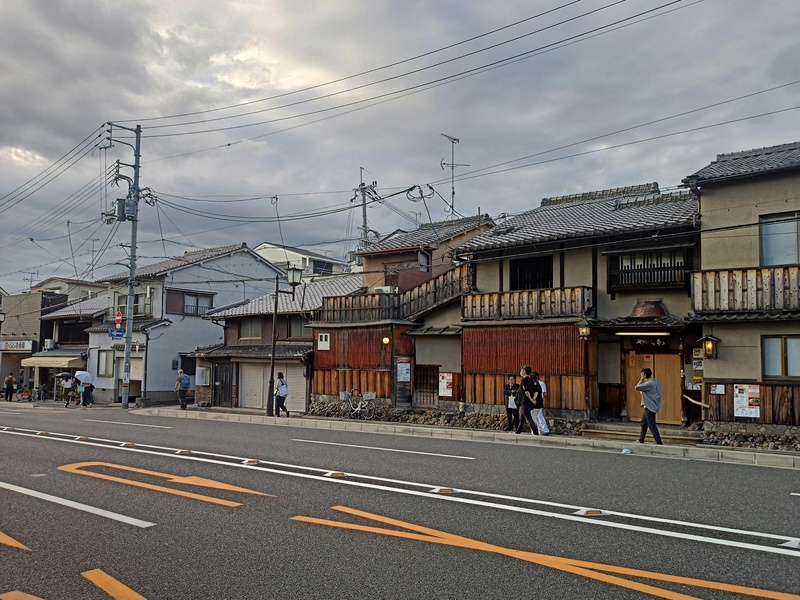
Uchiko Town
Uchiko in Ehime Prefecture is a historic town with well-preserved merchant houses and a kabuki theater from the Edo and Meiji periods, linked to oil and wax trade. The town illustrates rural urbanism and local industry. It appears for restoration and craft heritage.
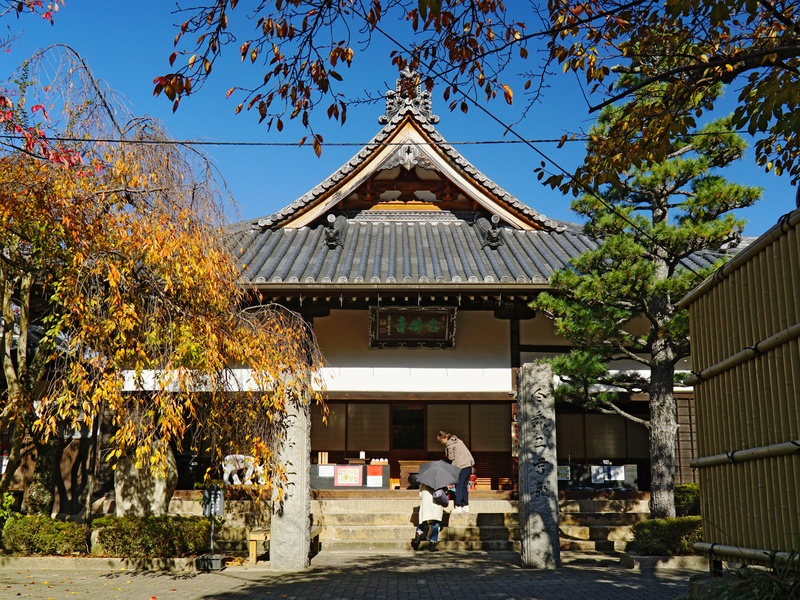
Adashino Nenbutsu-ji Temple
Adashino Nenbutsu-ji in Kyoto is a temple on a hilltop with thousands of stone memorial statues commemorating the dead, dating back to medieval times. The site reflects Buddhist funerary practice and rural memorial landscapes. It is included for cultural mourning traditions.
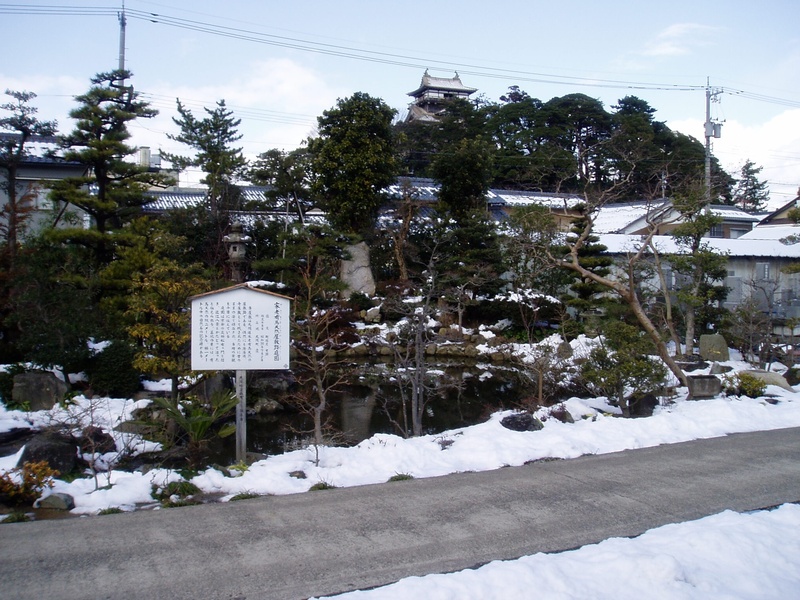
Maruoka Castle
Maruoka Castle in Fukui Prefecture claims one of the oldest existing wooden keeps, dating to the early 17th century. The small hilltop castle retains original construction in parts. It is included for castle heritage and regional history.
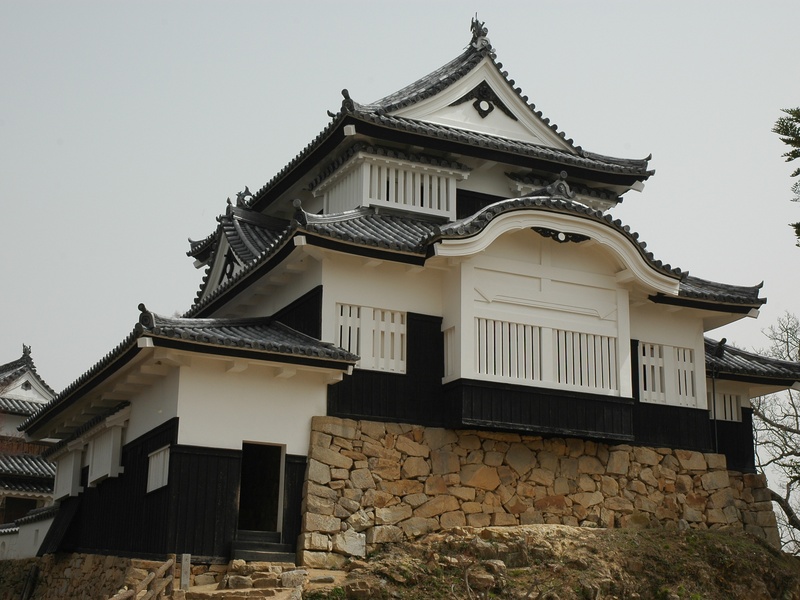
Bitchu Matsuyama Castle
Bitchu Matsuyama Castle in Okayama Prefecture is a rare mountain-top castle with an original keep from the early 17th century. It remains in a largely original state and offers views over the town. It is included for authenticity and castle atmosphere.
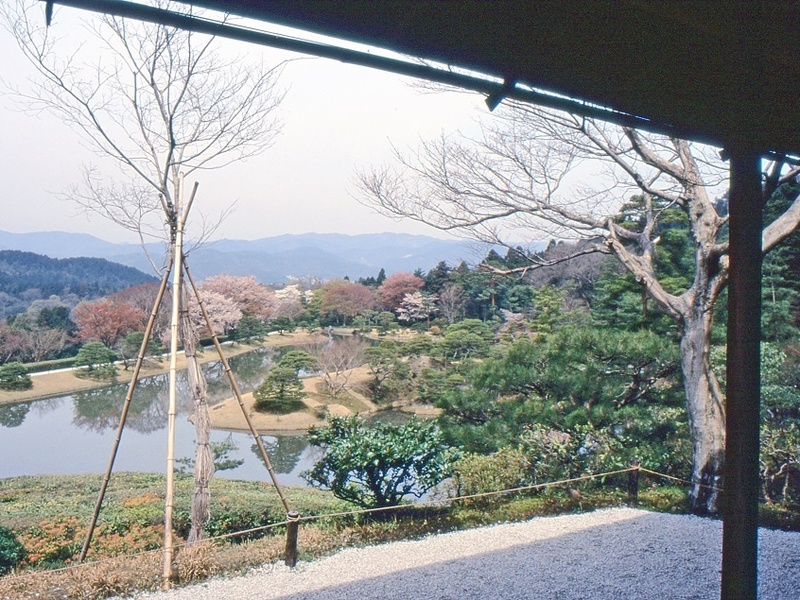
Shugakuin Imperial Villa
Shugakuin Imperial Villa near Kyoto is a carefully designed imperial mountain villa and gardens from the 17th century with scenic borrowed landscapes. It shows elite landscape design and imperial taste. It appears for high-style garden design and restricted access.
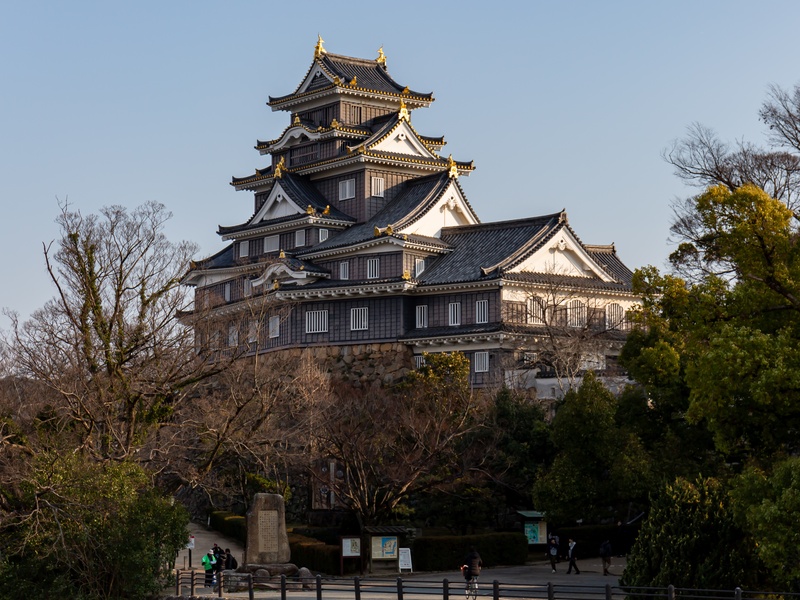
Okayama Castle
Okayama Castle is a black-walled feudal castle rebuilt after wartime loss, originally dating to the late 16th century. It sits next to Korakuen Garden and highlights regional daimyo culture. It is included for castle-town relations and historical reconstruction.
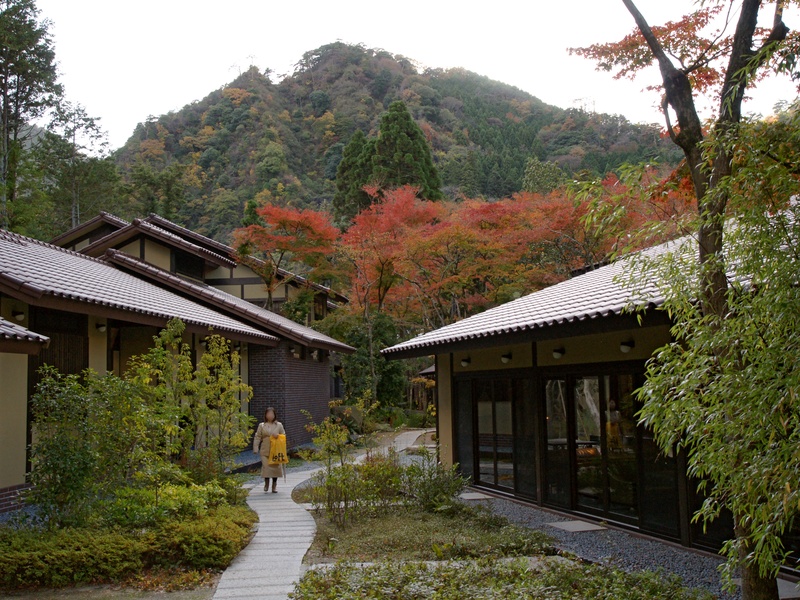
Arima Onsen
Arima Onsen near Kobe is one of Japan’s oldest hot-spring towns with records from medieval times and traditional bathhouses and ryokan. It represents onsen culture and historical leisure. It is included for historic wellness culture and long-standing visitor traditions.
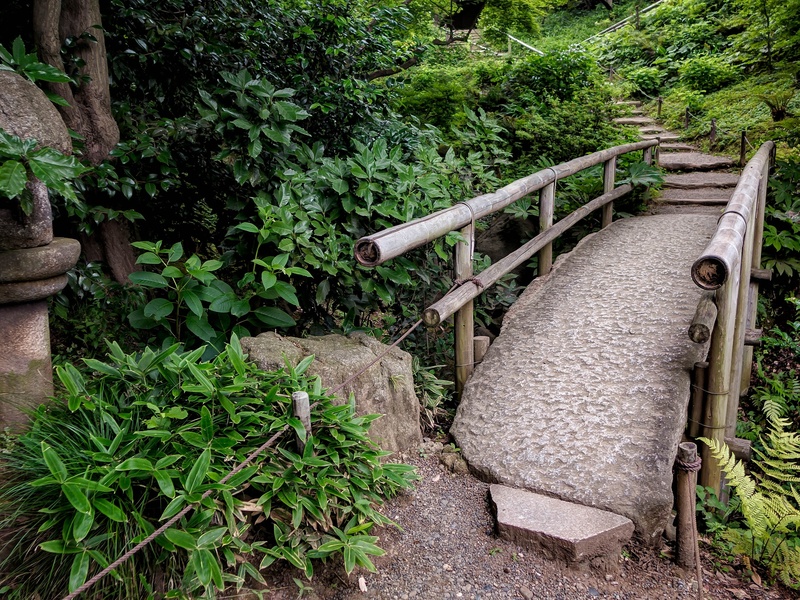
Sankeien Garden
Sankeien in Yokohama is a large private garden assembled in the early 20th century that preserves historic buildings relocated from across Japan. It blends Edo and Meiji structures with landscape design. It appears for preservation of architectural samples and garden art.
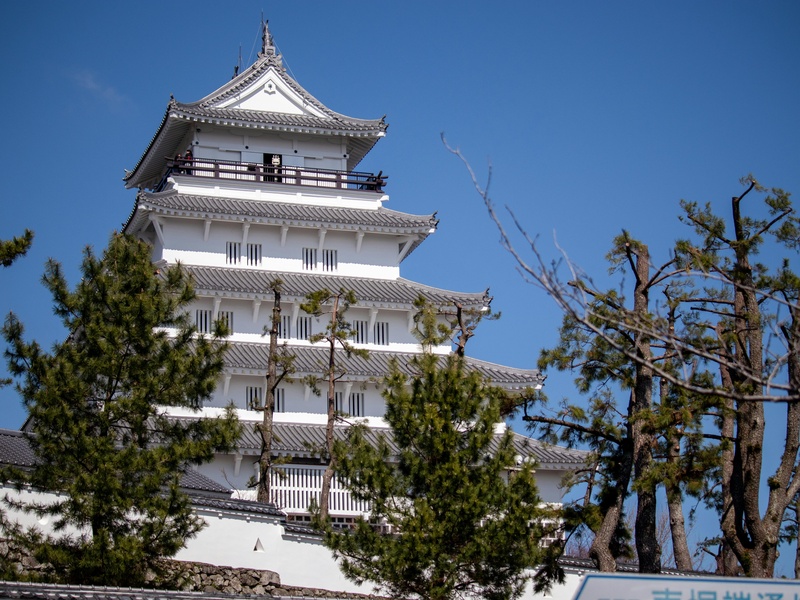
Shimabara Castle
Shimabara Castle in Nagasaki Prefecture is a restored early 17th-century castle tied to local rebellion history and coastal defense. The museum covers local history and Christianity-era conflicts. It is included for regional military and social history.
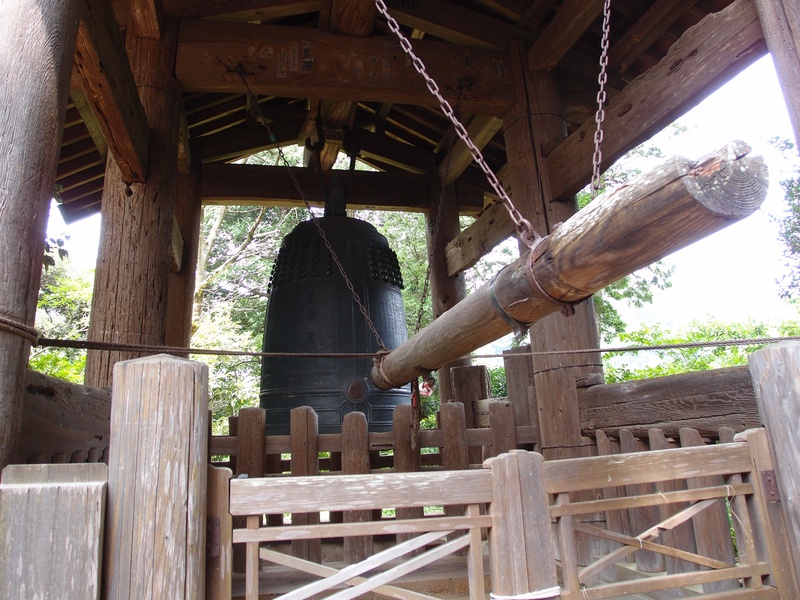
Engaku-ji Temple
Engaku-ji in Kamakura is a major Zen temple founded in the late 13th century after the Mongol invasions and contains national treasures and graves of historical figures. It shows Kamakura-period Zen culture. It is included for its historic role in medieval samurai culture.
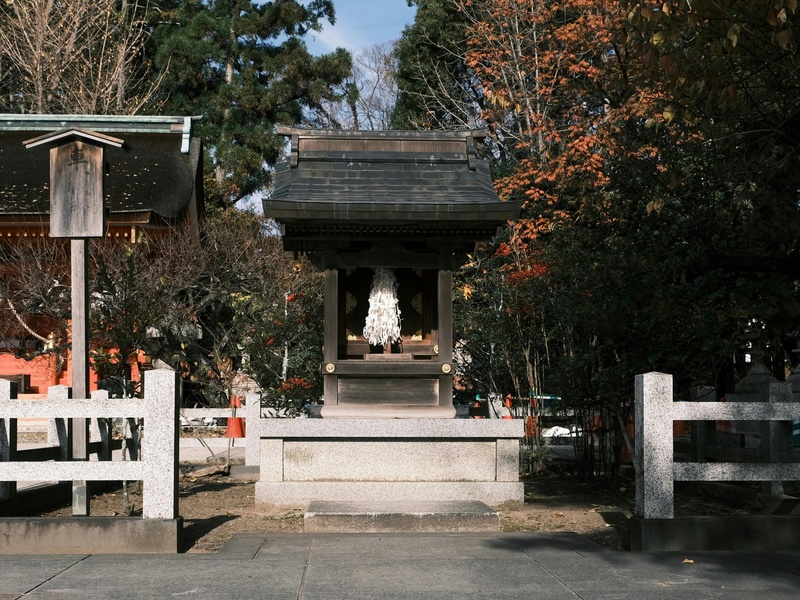
Tomioka Hachimangu Shrine
Tomioka Hachimangu Shrine is a local Shinto shrine with historic ties to regional samurai and community rites, often preserving festivals and early modern structures. It illustrates local shrine traditions and communal history. It is included for regional cultural practice.