What is the Netherlands known for
In the 17th century Dutch Golden Age, Amsterdam became a global trading hub and the Dutch East India Company (VOC), founded in 1602, pioneered multinational commerce and financial innovation. That era set cultural and commercial rhythms that still matter: art collections, merchant cityscapes and trade networks shaped institutions that influence modern urban design, climate adaptation, and global supply chains. The Netherlands combines a deep cultural legacy with modern engineering, design-led cities, progressive social policy, and everyday practices that influence life beyond its borders. Below are eight defining things the country is known for across culture, infrastructure, innovation and daily life, with concrete examples you can visit or study further.
Culture & Heritage
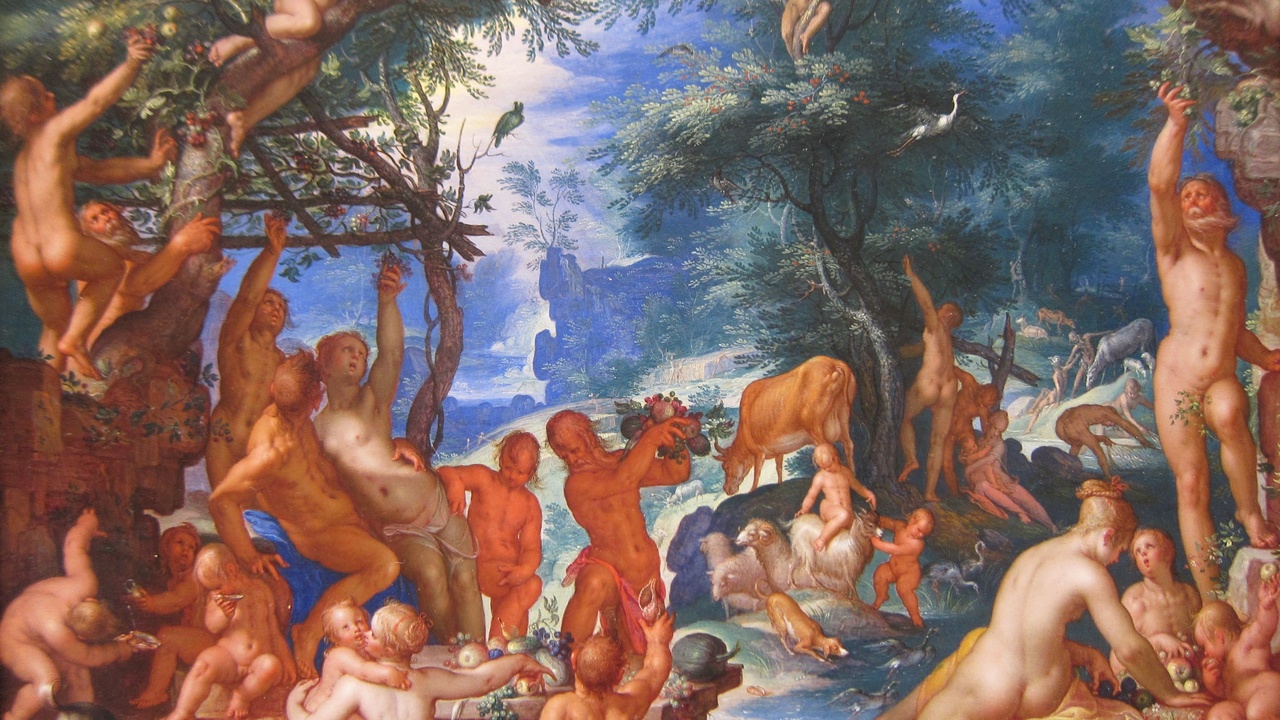
Cultural foundations from the Golden Age to today give the Netherlands a global reputation for art, museum practice and conserved urban landscapes. World-class collections, preserved canal districts and living craft traditions draw millions of visitors while shaping how museums and cities present history.
1. Iconic art and museums
Dutch art and museums are a defining global reason the country is famous. The Rijksmuseum houses Rembrandt’s The Night Watch and other Dutch Golden Age masterpieces, the Van Gogh Museum (opened 1973) holds the largest Van Gogh collection, and the Mauritshuis displays Vermeer’s Girl with a Pearl Earring. Together these museums receive millions of visitors annually and set standards in conservation and public programming.
Beyond visitor numbers, Dutch institutions export conservation expertise and collaborate on education programs worldwide, from training restorers to digital catalogue projects. A single painting like The Night Watch functions as both cultural anchor and tourist magnet, sustaining local economies and scholarship.
2. Historic canals and cityscapes
The Netherlands’ canals and preserved towns are instantly recognizable. Amsterdam’s Canal Ring (Grachtengordel) was built in the 17th century and is a UNESCO World Heritage site, while cities such as Delft retain intact historic centers and craft traditions like blue Delftware.
Canals still shape city life: they attract tourism, host festivals and boat tours, and offer lessons for placemaking and waterfront regeneration. The narrow merchant houses and stepped gables are as much an urban-design case study as they are a photo subject.
Engineering, Water Management & Food Systems
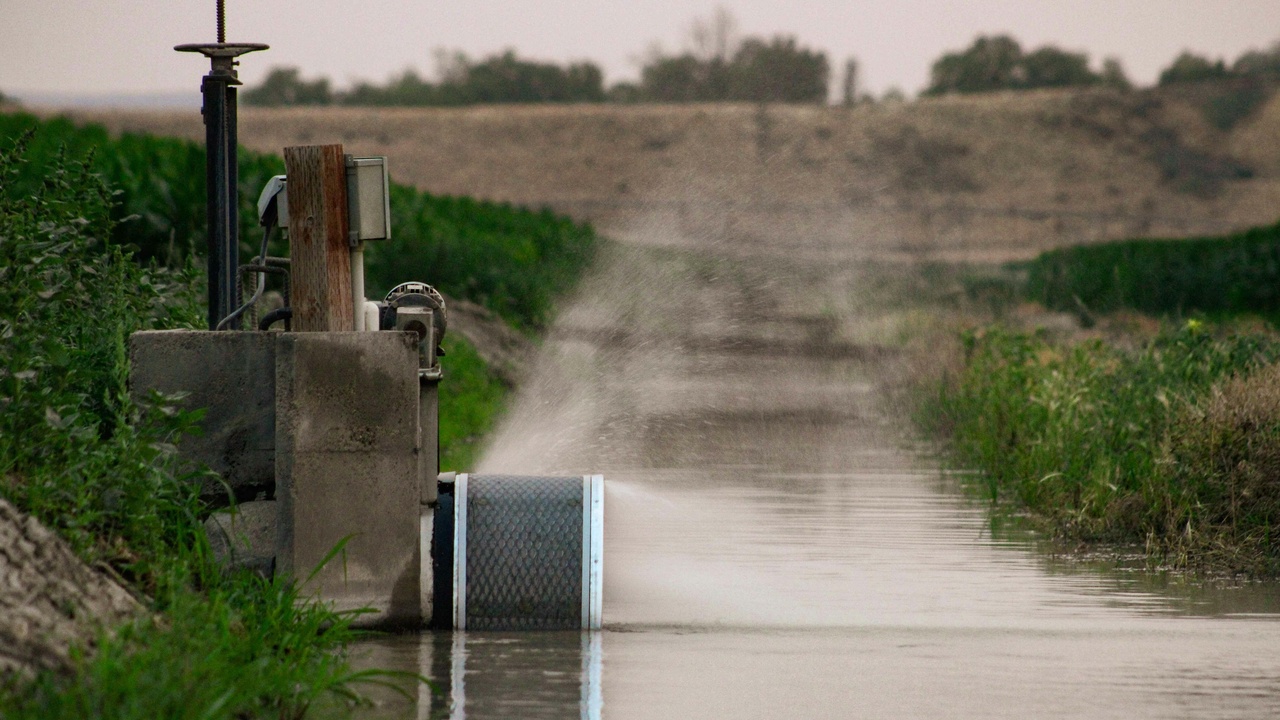
Practical engineering and intensive agriculture are pillars of the Dutch global profile. Centuries of reclaiming land and post‑disaster investments produced world-leading flood defenses, while compact, high-tech greenhouse clusters support a disproportionate share of worldwide floriculture and vegetable exports.
3. Water management and the Delta Works
Dutch water engineering is a global model for climate adaptation. The catastrophic North Sea flood of 1953 prompted the Delta Works, an extensive program of dams, sluices and storm surge barriers built in phases from the 1950s onward. That national program transformed low-lying provinces and continues to evolve as sea levels and storm risks change.
A showcase example is the Maeslantkering near Rotterdam, a movable storm surge barrier completed in the late 1990s that closes automatically when extreme water levels threaten. Dutch firms and institutes regularly consult abroad, exporting expertise for flood protection projects in Asia, Africa and North America.
4. High-tech agriculture and flower exports
The Netherlands is a world leader in intensive, export-focused agriculture and floriculture. Greenhouse clusters in Westland and other regions use climate control, LED lighting and precision irrigation to deliver high yields on limited land, while Wageningen University drives much of the applied research behind those gains.
Economically, the country is the world’s largest exporter of flowers and plants by value. Keukenhof opens each spring (typically March to May) to showcase bulb varieties, and Royal FloraHolland in Aalsmeer operates one of the world’s largest flower auctions and logistics networks.
Daily Life, Policy & Mobility
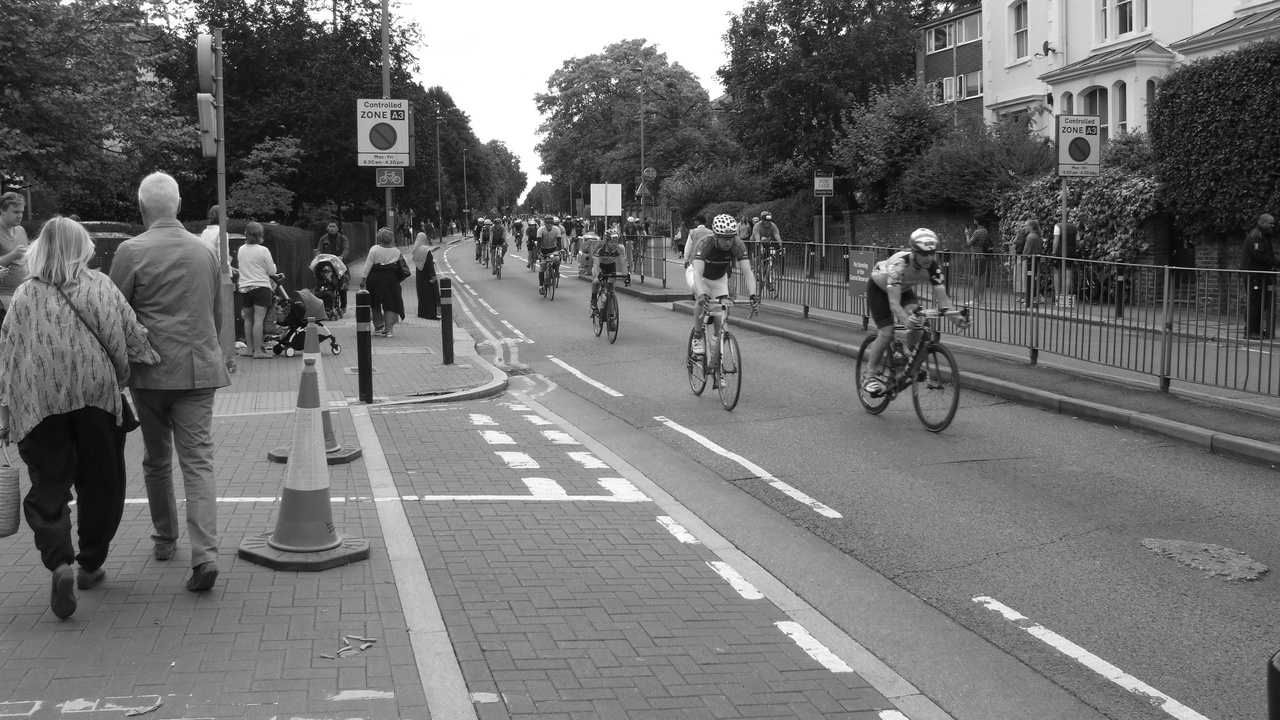
Everyday practices and policy choices make the Netherlands feel different from many other countries. Cycling infrastructure, progressive laws and compact, transit-rich cities shape daily routines for residents and visitors alike.
5. Cycling culture and urban mobility
Cycling is central to Dutch daily life and urban design. There are roughly 23 million bicycles for about 17.6 million residents, and many short trips are made by bike rather than car, especially in cities like Amsterdam and Utrecht.
Dedicated infrastructure, protected lanes and large parking hubs — for example Utrecht’s multi‑storey bicycle garages near the central station — reduce car dependence, improve safety and deliver public‑health benefits. Dutch companies such as VanMoof have also turned domestic bike culture into exportable products.
6. Progressive social policy and quality of life
The Netherlands is known for landmark progressive policies that shape social life and international perceptions. It was the first country to legalize same‑sex marriage in 2001 and legalized euthanasia in 2002 under a regulated framework with strict eligibility criteria.
Those policy choices, paired with strong public services and compact urban planning, contribute to high rankings on quality‑of‑life indicators and influence debates on human rights and end‑of‑life care worldwide.
Design, Business & Global Influence
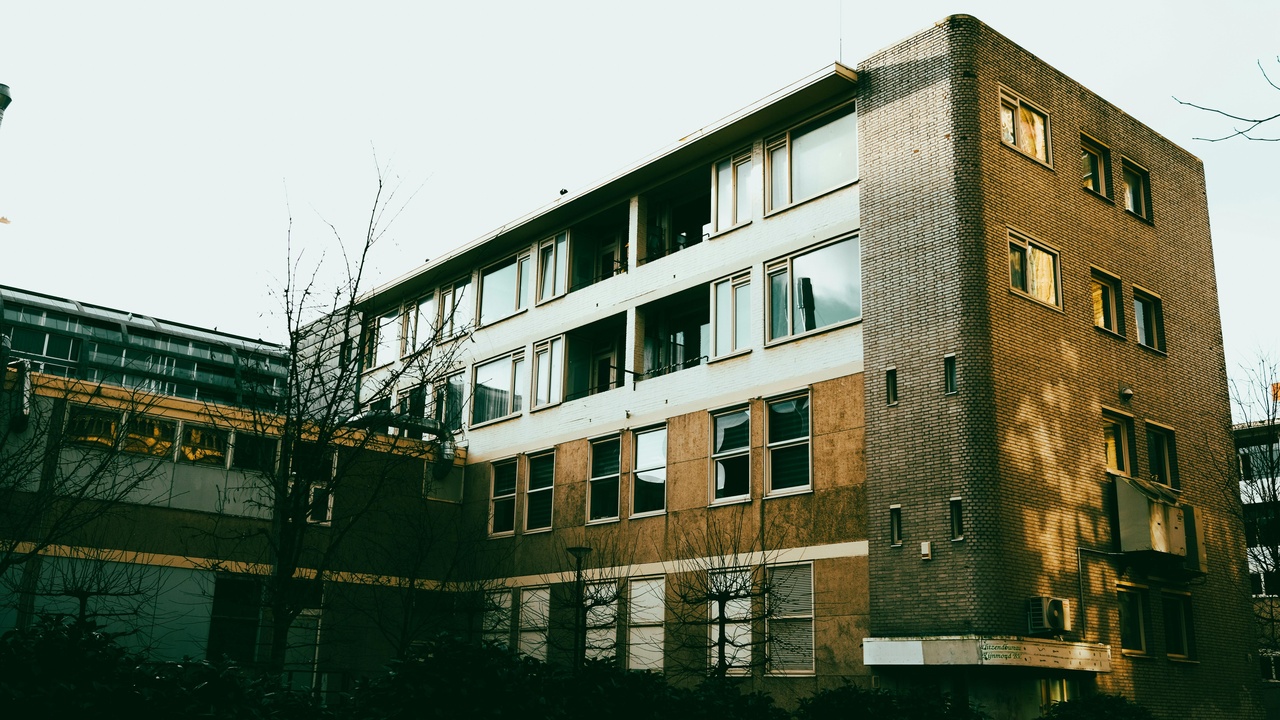
Dutch design sensibilities, historic firms and contemporary architecture help the country project soft power through products, buildings and creative industries. Eindhoven and Rotterdam are hubs for industrial design and modern urban form.
7. Tulips, horticulture symbols and floral exports
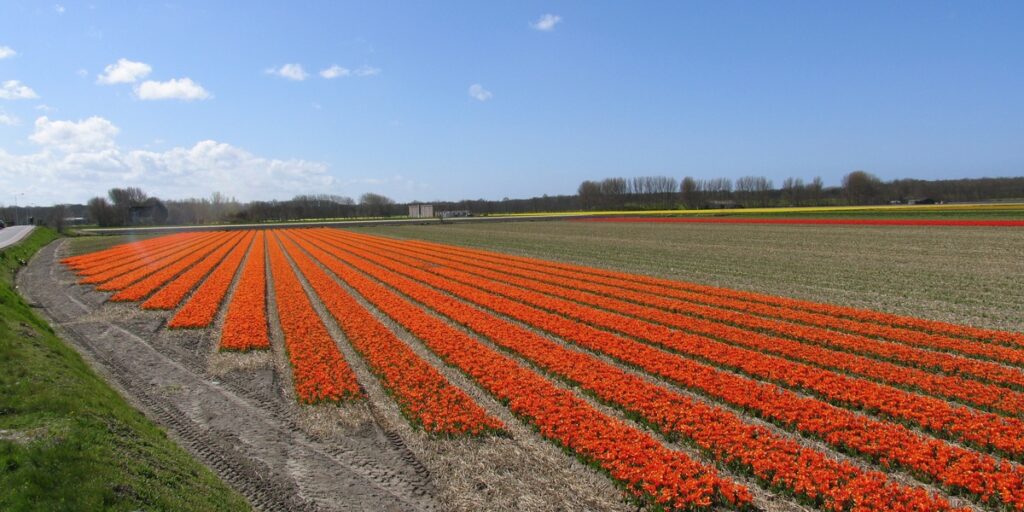
Tulips and floriculture are potent national symbols. Keukenhof is among the world’s largest flower gardens and draws visitors each spring, while regions like the Bollenstreek display vast seasonal bulb fields that have become an iconic image of the Netherlands.
Behind the scenery is a functioning global supply chain: Aalsmeer’s Royal FloraHolland auction is a logistics and trading hub that moves cut flowers worldwide, reinforcing the country’s economic role in global floriculture.
8. Design, tech companies and creative industries
The Netherlands punches above its weight in design, technology and creative exports. Philips was founded in Eindhoven in 1891 and helped establish a tradition of industrial innovation, while contemporary collectives like Droog and designers such as Marcel Wanders have shaped global design trends.
Rotterdam’s skyline and architecture firms demonstrate a willingness to experiment with scale and material, and a growing start‑up scene links design thinking with tech entrepreneurship to create exportable products and services.
Summary
The eight highlights above show how history, engineering, everyday habits and creative industries combine to make the Netherlands notable on several fronts. From Golden Age museums to the Delta Works, and from cycling lanes to flower auctions, the country mixes cultural reach with practical innovation.
- Cultural reach: museums, artists and preserved canal cities continue to attract global attention.
- Engineering leadership: post‑1953 investments like the Delta Works and Maeslantkering offer practical models for climate adaptation.
- Everyday life: high bike ownership, compact cities and progressive policies shape a distinct quality of life.
- Global influence: design, horticulture and companies from Philips to Royal FloraHolland amplify the Netherlands’ footprint.
Interested in learning more or planning a visit? Consider a museum day in Amsterdam, a Delta Works tour, or a spring trip to Keukenhof to see how these eight elements come together on the ground.