Australia covers about 7.7 million square kilometers and is home to a surprising mix of deserts, rainforests, reefs, and cities. With roughly 26 million people spread along coasts and inland towns, the country’s scale creates striking contrasts: coral atolls off the northeast, ancient rock formations in the centre, and cool temperate forests in the south. That variety helps explain why people ask what is australia known for — it’s not a single thing but a distinct combination of natural wonders, unique wildlife, living Indigenous cultures, world-class cities, and notable scientific and sporting achievements. The Great Barrier Reef earned UNESCO World Heritage status in 1981, and that single date points to the global significance of many Australian places and innovations. Below are 10 things Australia is known for, explained with examples and surprises.
Natural Wonders & Landscapes
Australia’s vastness produces dramatic landscapes: the world’s largest reef systems, ancient sandstone monoliths, and the red saltbush plains of the Outback. Many sites have UNESCO recognition or strong conservation protections, and these places shape national identity and drive tourism from Cairns to the Red Centre.
1. The Great Barrier Reef — the world’s largest coral system
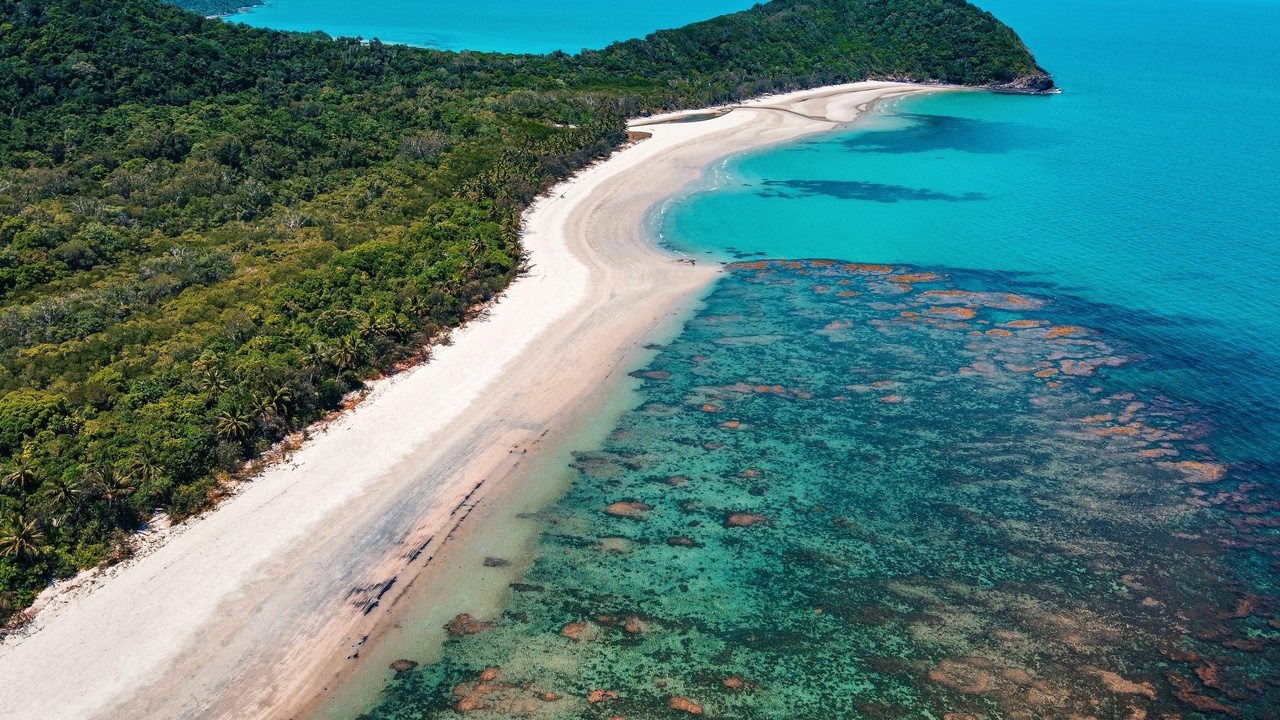
The Great Barrier Reef is the world’s largest coral reef system, stretching roughly 2,300 km along Queensland’s coast. It was inscribed as a UNESCO World Heritage site in 1981, and in recent decades scientists have tracked repeated coral bleaching events tied to warming oceans.
Beyond its conservation status, the reef supports a major tourism industry — snorkeling and diving operators based in Cairns and the Whitsundays bring millions of day-trippers and overnight visitors — and it’s a living laboratory for climate-change and restoration research (reef-monitoring programs and restoration trials are now common in university and government projects).
2. Unique wildlife — marsupials and endemic species
Australia is famous for animals found almost nowhere else: kangaroos, koalas, wombats, wallabies and the platypus. The continent has more than 300 native mammal species, many of which evolved in isolation after Australia split from Gondwana.
These species underpin wildlife tourism and conservation work — state-based koala hospitals in Queensland and New South Wales, platypus spotting on Tasmanian streams, and community-run sanctuaries offer hands-on encounters while highlighting threats like habitat loss and disease.
3. Dramatic interior landscapes — Uluru and the Outback
The Outback, with its vast open plains and red earth, is a defining Australian image, and Uluru (Ayers Rock) is its most iconic monolith. Rising about 348 m above the surrounding plain, Uluru is a geological landmark and a sacred site for the Anangu people.
Visitors combine road trips along routes like the Stuart Highway with Indigenous-guided experiences at Uluru-Kata Tjuta and cultural walks at Kata Tjuta. The Desert’s ecology also attracts researchers studying arid-zone adaptation and water management in harsh environments.
Culture, Heritage & Cities

Australia balances ancient Indigenous cultures with lively, multicultural cities. With about 26 million residents, urban centres like Sydney and Melbourne are hubs for the arts, food and education while Indigenous languages, stories and law remain living parts of the national fabric.
4. Ancient Indigenous cultures and living heritage
Aboriginal and Torres Strait Islander cultures are among the world’s oldest continuous cultures, spanning tens of thousands of years. Living languages, songlines, and sacred sites continue to anchor community life and land management practices.
Examples include rock art in Kakadu National Park, the Uluru-Kata Tjuta Cultural Centre, and growing Indigenous-led tourism enterprises. Events like NAIDOC Week celebrate culture while Indigenous ranger programs increasingly lead conservation work on country.
5. Multicultural cities — Sydney, Melbourne and lively urban scenes
Australia’s major cities are globally connected and culturally diverse. Sydney and Melbourne consistently rank among the world’s most liveable cities and host millions of residents alongside hundreds of thousands of international students who enrich food, festivals and startup scenes.
Melbourne’s laneways and café culture, Sydney’s waterfront festivals and multicultural food events, plus major arts festivals (Melbourne International Comedy Festival, Vivid Sydney) make urban life a major draw for visitors and new residents alike.
6. Iconic architecture — the Sydney Opera House and Harbour Bridge
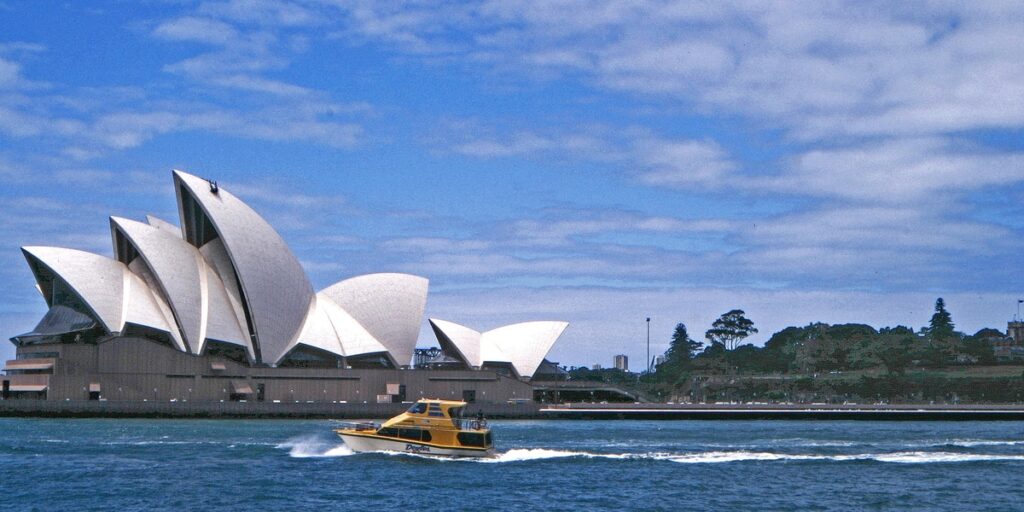
The Sydney Opera House is instantly recognisable worldwide and was awarded UNESCO World Heritage status in 2007. Together with the adjacent Harbour Bridge, these structures define Australia’s international image and host hundreds of performances and major events each year.
Tourist activities such as BridgeClimb Sydney and year-round seasons at the Opera House support the performing-arts economy, attract around 8 million visits annually, and provide a stage for international touring companies and local artists.
Economy, Science & Global Contributions
Australia plays a disproportionate role in global trade and research: a top commodity exporter and a source of notable scientific breakthroughs. Resource revenues fund research and infrastructure while universities and agencies like CSIRO produce innovations with worldwide reach.
7. Mining and natural resources — an export powerhouse
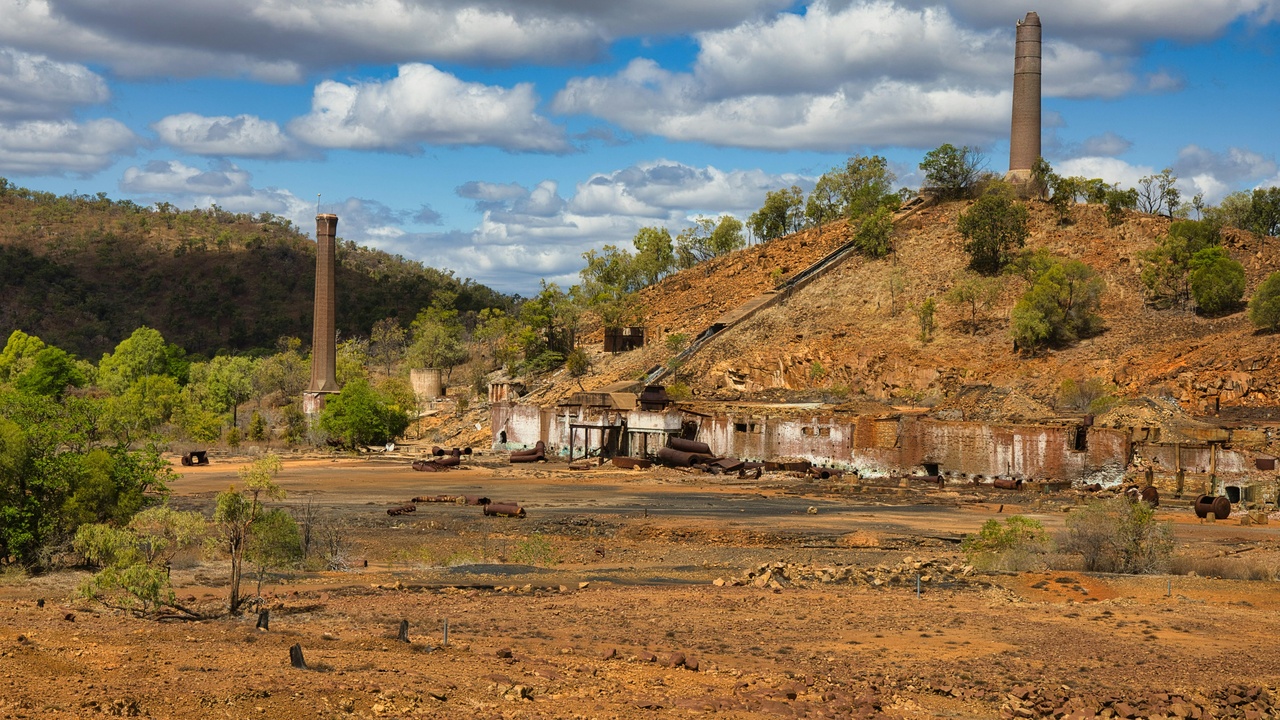
Mining and resource exports are central to Australia’s economy — the country is the world’s largest exporter of iron ore and a major coal supplier. These exports generate significant export revenue and support regional employment and port infrastructure.
Major companies such as BHP and Rio Tinto run large-scale operations in the Pilbara region of Western Australia, shipping ores to markets across Asia from specialised export terminals that move millions of tonnes annually.
8. Scientific and medical contributions — vaccine and research milestones
Australia has produced medical advances with global impact. Professor Ian Frazer and colleagues developed the HPV vaccine (Gardasil) in the late 1990s and early 2000s, with approvals and rollout around 2006, that now prevent cervical cancer in many countries.
Institutions such as CSIRO and Australian universities also contribute to astronomy, environmental science and tech transfer — CSIRO research played a role in technologies that led to modern Wi‑Fi and other commercial spin-outs.
Sport, Food & Everyday Lifestyle

Sport, outdoor living and a strong food-and-wine culture are central to daily life and tourism. From packed stadiums to relaxed barbecues on the beach, these pastimes reflect climate, migration and regional produce that Australians celebrate year-round.
9. Sporting culture — cricket, AFL, rugby and outdoor life
Sport is woven into social life: cricket’s Ashes tests, the AFL Grand Final and rugby internationals draw huge interest. Stadiums like the Melbourne Cricket Ground hold around 100,000 spectators for marquee events, and community clubs are the backbone of grassroots participation.
Australia also excels at international competitions, particularly in swimming at the Olympics, and major events boost tourism and local economies across host cities.
10. Food, wine and the outdoors — from barbecues to Barossa
Australian cuisine blends Indigenous ingredients, multicultural influences and strong regional wine industries. The Barossa Valley and Hunter Valley are internationally recognised wine regions, and cellar-door wine tourism is a major draw for visitors.
Everyday cultural touchstones — Tim Tams, vegemite and the ubiquitous backyard barbecue — sit alongside vibrant seafood and farmers’ markets in coastal towns, creating a food scene that’s both familiar and regionally distinctive.
Summary
Australia’s appeal comes from a mix of extraordinary natural sites, distinctive wildlife, deep Indigenous heritage, strong economic and scientific output, and an outdoor, sports-minded culture that visitors and locals enjoy.
- The Great Barrier Reef spans about 2,300 km (UNESCO World Heritage site since 1981).
- Unique fauna — more than 300 native mammal species — makes Australia an ecological standout.
- Uluru and other sacred landscapes anchor living Indigenous cultures and cultural tourism.
- Australia’s research contributions include Gardasil (rollout around 2006) and innovations from CSIRO and universities.
- Sport, wine regions like the Barossa Valley, and lively cities give everyday life its flavour.
If you’re asking what is australia known for, these ten highlights are a good place to start — and they’re a reminder to visit responsibly, support conservation, and back Indigenous-led initiatives when you travel or learn more.