Grenada earned the nickname “The Spice Isle” in the 18th century after nutmeg and cocoa transformed its economy and shaped the island’s hillsides and estates. That spice legacy left more than fragrant farms — it helped preserve steep forests, craggy ridgelines, and bays that make the island feel dramatically varied despite being only about 344 square kilometres.
The compact size is a big advantage: you can hike a rainforest trail in the morning, snorkel a sculpted reef at midday, and still catch sunset at Grand Anse Beach. Picture an early-morning scramble above a misty crater lake, then coral-studded water and submerged statues an hour later.
Below are 10 adventurous things to do in grenada that deliver real thrills, scenery, and local flavor, with practical tips so you can stack activities across a short trip.
Ready? Let’s start with the island’s wild interior.
Land Adventures: Rainforest Hikes, Waterfalls, and Historic Estates
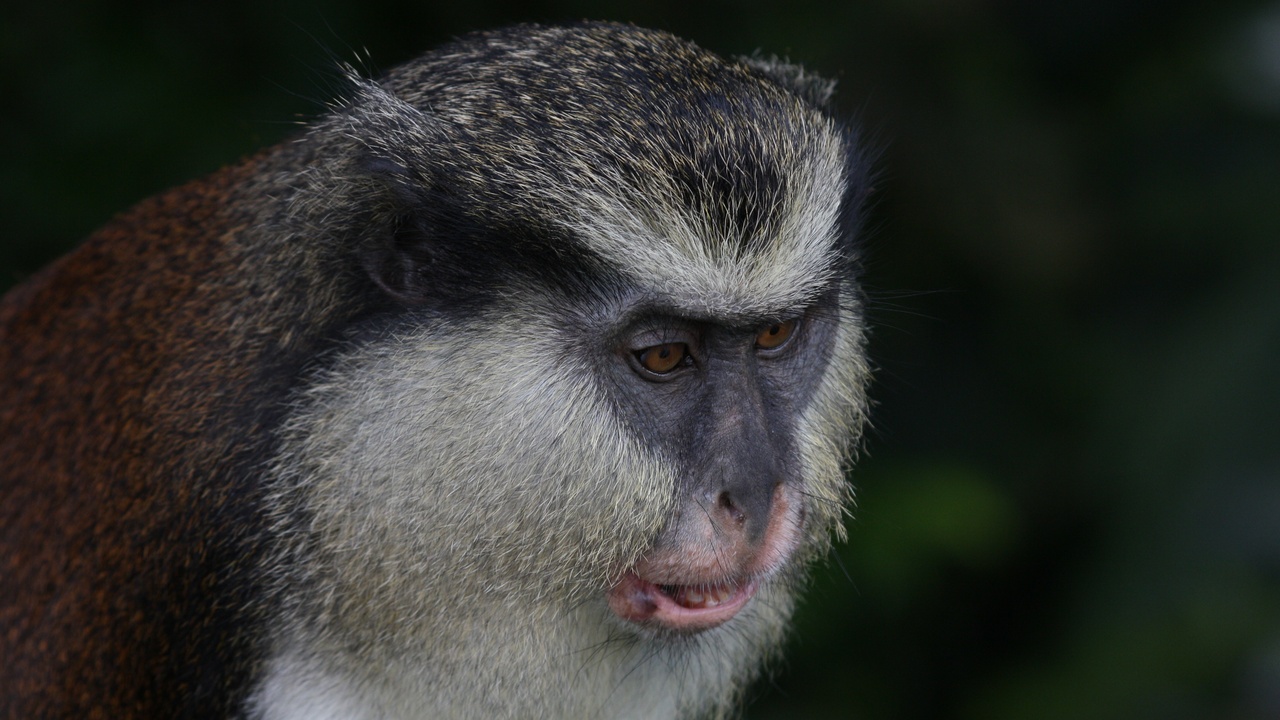
Grenada’s interior rises quickly from the coast to ridgelines and volcanic peaks (Mount St. Catherine tops out near 840 m), so trails feel more remote and rewarding than you’d expect on a small island. Most land adventures are within a 45–75 minute drive of St. George’s, making day trips easy to combine with beach time.
Pack good shoes, a light rain jacket, plenty of water, and consider hiring a local guide for less-frequented trails. The island’s biodiversity includes cloud-forest ferns and rare birds — notably the critically endangered Grenada dove — so look but tread lightly.
Below are three concrete ways to explore the hills: crater-lake hikes, short waterfall excursions, and a sensory visit to a working cacao estate.
1. Hike Grand Etang and Mount St. Catherine
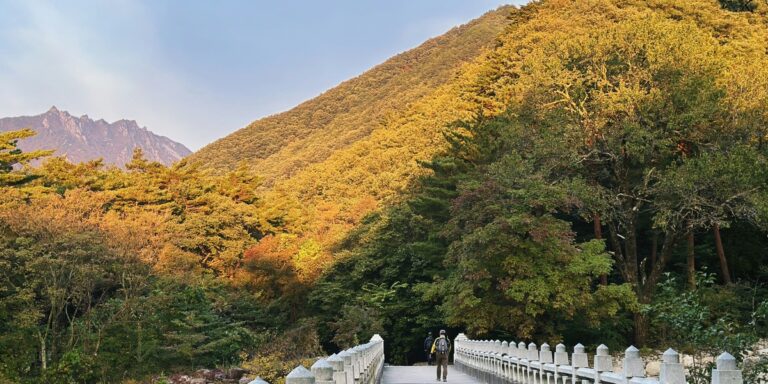
Grand Etang National Park is the island’s most accessible rainforest and the gateway to trails that range from a gentle lake loop to steeper routes toward Mount St. Catherine (≈840 m). The park protects a crater lake and cloud-forest habitat, and paths are generally well kept for day hikers.
For best results, start at dawn when the air is cool and parrots are active. Bring rain gear and insect repellent — the cloud forest gets brief squalls and leeches can appear on wet trails. Guided hikes add tree and fern lore and improve sightings of endemic species.
Short options include a 1–2 hour lake loop that’s full of birdlife, while full-day routes toward the mountain reward you with expansive island views. Spotting the Grenada dove is rare, but vigilant birders report other specialties like the brown quail and various parrots.
2. Swim and relax at Grand Anse Beach (and try surfing)
Grand Anse is Grenada’s signature beach: roughly 3 km of soft sand framed by calm swimming zones and pockets where beginner surfers can catch small, friendly breaks. It’s only a short drive from St. George’s and has rental shops and instructors on hand.
Early-morning swims are serene, then grab breakfast at a beachside café. If you want activity, book a half-day surf lesson or a stand-up paddleboard session; instructors tailor lessons for families and first-timers.
Always check local tide and current advice from lifeguards or your hotel, and use reef-safe sunscreen to protect the nearshore ecology.
3. Explore Belmont Estate: Cacao, history, and hands-on tours
Belmont Estate is a working plantation and living museum where cocoa, spices, and estate history come together. Tours cover cacao fermentation, drying and bean-to-bar chocolate making, and the estate’s 18th-century architecture.
Tours typically last 1–2 hours and are family friendly; you can take a chocolate-making workshop or sample single-origin Grenadian bars. The smell of fermenting cocoa and the taste notes — citrus, nutmeg, floral — make the visit very sensory.
Belmont also highlights sustainable farming practices and provides a clear connection between the island’s spice history and its modern culinary scene, so it’s both a cultural and tasty stop.
Sea & Water Adventures: Diving, Snorkeling, and Island Hopping
Grenada is a top Caribbean destination for divers and snorkelers: clear water, healthy reef slopes, and unique attractions attract both novices and advanced divers. Daily trips run from St. George’s, and conservation-minded operators are common.
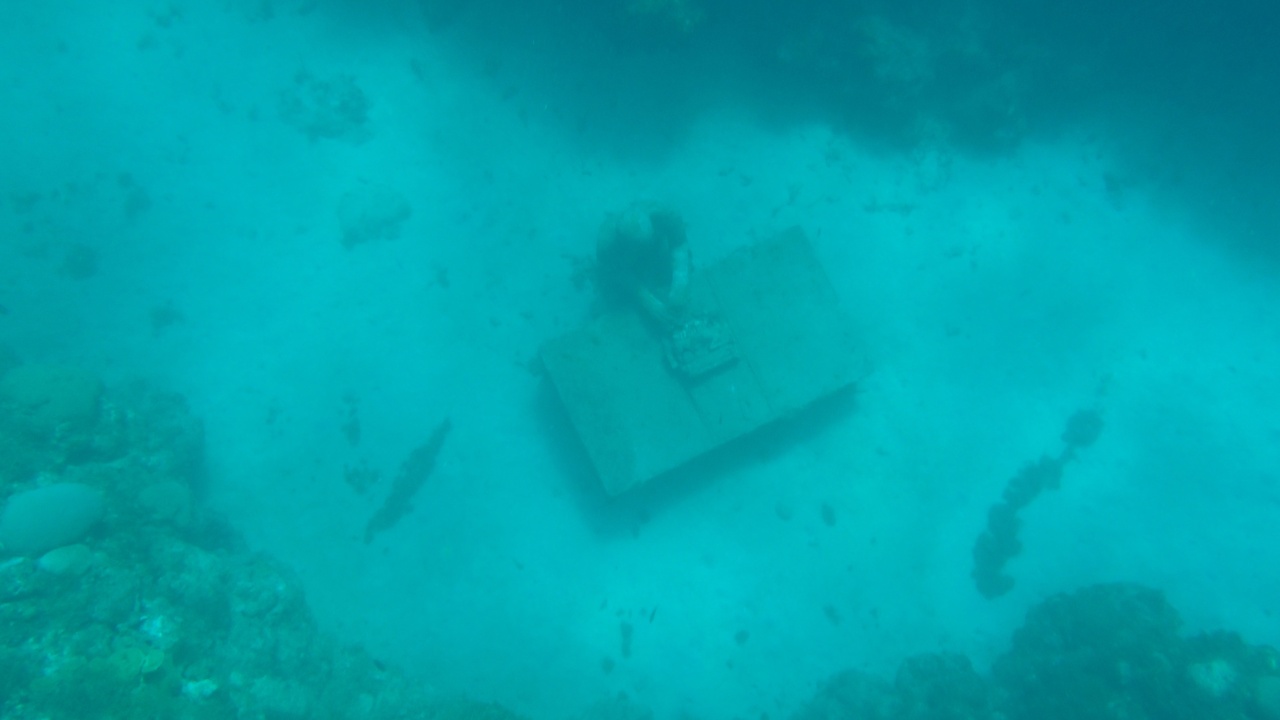
For anyone plotting adventurous things to do in grenada, the Molinere Underwater Sculpture Park is a perfect example of art meeting marine restoration. Certification is required for some deeper wreck dives, so check operator credentials and dive limits before booking.
Beyond the sculpted reef, wrecks and wall dives offer bigger coral heads and occasional pelagics, and short sails open quieter anchorages at Carriacou and Petite Martinique for a different pace of island life.
4. Dive the Molinere Underwater Sculpture Park
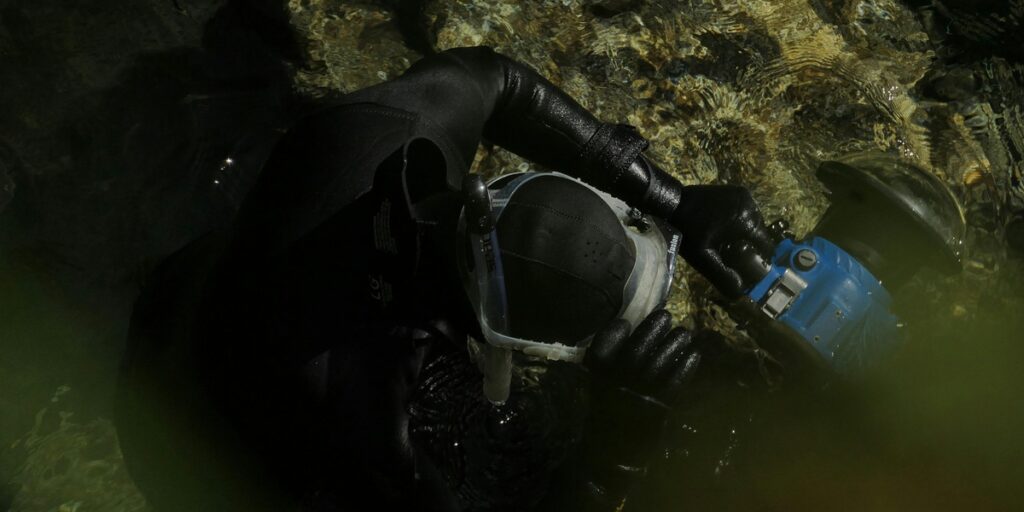
The Molinere Underwater Sculpture Park (installed by Jason deCaires Taylor in 2006) blends public art with reef restoration. Life-sized sculptures provide substrate for coral and algae, and schools of fish weave through the figures.
Snorkelers can follow shallow circuits while certified divers explore slightly deeper installations. Guides explain how the sculptures accelerate reef growth and why this artificial reef benefits marine life and local dive economies.
Book through a licensed local operator, respect reef etiquette (no touching), and consider a guided snorkel if you want interpretation and safe access to the site’s best viewpoints.
5. Explore wreck and reef dives for intermediate to advanced divers
Grenada has several compelling wreck and wall dives that attract divers looking for swim-throughs, large coral heads, and sightings of turtles and rays. Local shops run guided boat dives, nitrox fills, and PADI advanced courses.
Most operators offer half-day two-tank trips from St. George’s, and night dives reveal another side of reef life. Check depth profiles and operator safety records before booking, and plan dives around the best visibility months.
Expect to see green and hawksbill turtles, trumpetfish, and schooling reef fish; occasional visits from larger predators make offshore trips especially rewarding during peak seasons.
6. Sail or island-hop to Carriacou and Petite Martinique
Short sails connect Grenada to quieter sister islands Carriacou and Petite Martinique, ideal for travelers who want classic sailing, simple guesthouses, and traditional island culture. Carriacou has a long boat-building tradition and calm bays for snorkeling.
Options range from day sails to overnight charters; many companies run multi-day hops with snorkeling stops and village visits. The best months for smooth conditions are typically in the dry season, but local captains know microclimates.
Onshore, look for small regattas, hill climbs with panoramic views, and family-run inns that serve fresh seafood and island hospitality.
Wildlife & Adventure Sports: Rivers, Canopies, and Deep-Sea Action
This category covers adrenaline and wildlife experiences: river tubing, canopy ziplines, big-game fishing, and mangrove kayaking. Seasonal windows matter for things like turtle nesting and peak fishing months, so plan with local guides.
Certified operators handle technical activities and provide safety briefings. Book guided trips for equipment, local knowledge, and to ensure your adventure supports community livelihoods.
Below are four accessible ways to get your heart rate up and your camera loaded.
7. River tubing and waterfall hikes (Annandale, Seven Sisters)
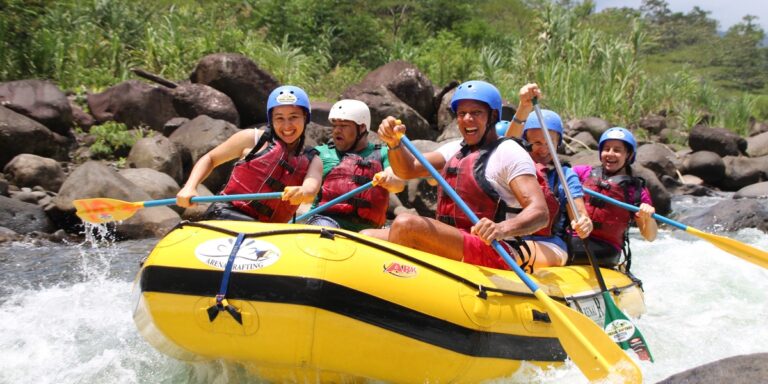
A short drive inland unlocks mellow river tubing and waist-deep waterfall pools that work well for groups and families. Guided tubing trips typically supply helmets and life jackets and steer you to safe swim spots.
Annandale Falls is only about a 30–40 minute drive from St. George’s and offers an easy trail to a scenic plunge pool. Seven Sisters Falls requires a slightly longer approach but rewards you with cascading pools and cliff-jump opportunities under guide supervision.
Combine a half-day tubing trip with a village lunch to make a full cultural-and-adventure outing that also channels spending into local guide businesses.
8. Ziplining and canopy tours for panoramic thrills
Commercial zipline courses send you across ridgelines and above canopy for fast runs and big views. Courses vary in length and difficulty; operators provide harnesses, helmets, and a briefing before your first line.
Zipline runs are great for travelers short on time who still want an adrenaline burst. Ask operators about age and weight limits, safety certifications, and combo tours that pair ziplines with a nearby waterfall or hike.
A typical half-day combo might include three to five zip runs plus a short nature walk and picnic — perfect for a morning outing followed by an afternoon at the beach.
9. Big-game fishing and marine wildlife charters
Grenada’s deep waters support sportfishing for marlin, tuna, and mahi-mahi. Local charters depart from St. George’s with experienced captains, modern tackle, and options from half-day trips to multi-day expeditions.
Novices can join hands-on trips that teach basic techniques; skilled anglers can chase tournament-style catches or book longer trips for blue-water species. Seasonal peaks vary by species, so ask captains about current hotspots.
Practice catch-and-release where appropriate, follow captain guidance on handling, and check whether a tournament calendar aligns with your travel dates if you want to watch or compete.
10. Kayak mangroves and coastal reserves (Levera) to spot turtles and birds
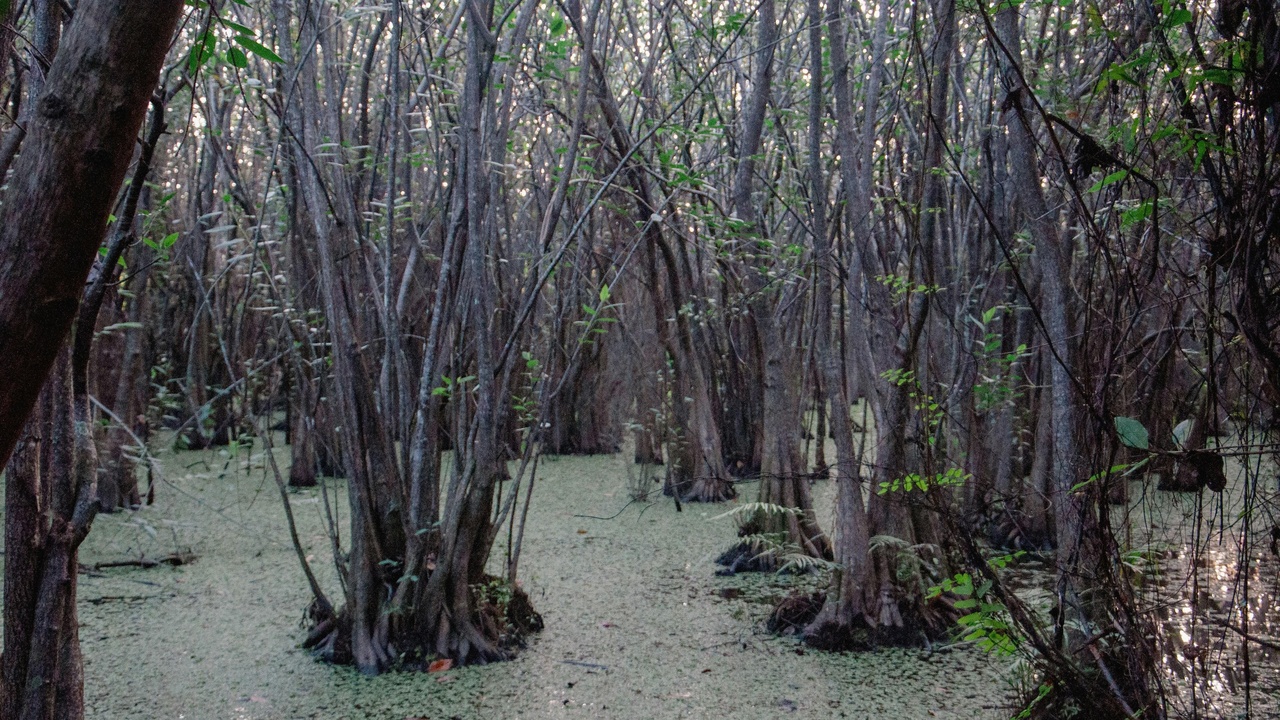
Levera National Park’s mangroves and sandflats are ideal for low-impact wildlife viewing by kayak. Guided paddles typically last 2–3 hours and focus on shorebirds, mangrove ecology, and seasonal sea turtle nesting on nearby beaches.
Mornings and late afternoons offer the best light and the quietest wildlife encounters. Guides emphasize conservation-minded behavior, such as keeping distance from nesting sites and avoiding flash photography near turtles.
Kayaking here is both gentle exercise and a window into fragile coastal habitats — take binoculars and a dry bag for cameras and sunscreen.
Summary
- Small island, big variety: Grenada’s 344 km² lets you combine rainforest hikes, reef snorkels, and estate tours in a short trip.
- Mix land and sea: stack a Grand Etang morning with a Molinere snorkel and a Grand Anse sunset to get maximum variety in two to three days.
- Choose certified guides: operators offer safety equipment, local knowledge, and conservation-friendly practices that protect wildlife and support communities.
- Pick adventures that match your fitness and pace: one land-based and one water-based activity per 48–72 hours is a sensible way to balance thrills and recovery.