Since 2013 the Central African Republic has seen recurring waves of violence that have displaced more than 600,000 people and left whole towns half-abandoned. The 2013 Seleka coup and the backlash from anti-Balaka militias reshaped security across the country, turning some urban centers into magnets for armed groups, extortion networks, and humanitarian bottlenecks. That trend matters: civilians face restricted movement, markets and schools close, and aid convoys are frequently delayed or attacked.
This piece identifies eight urban centers that stand out as particularly hazardous, explains why each town is risky, and shows what those hotspots mean for aid workers, researchers, and policymakers. We group the cities by the dominant driver of violence — urban clashes, resource competition, and border/transit risks — to make clear where and why urgency is highest. For context: Bangui hosts roughly 700,000–800,000 residents and remains the political and humanitarian hub, while repeated waves of violence since 2013 continue to produce new displacement. The list names the most dangerous cities in the central african republic and explains the practical effects on civilians and relief operations.
Conflict and Insecurity Hotspots
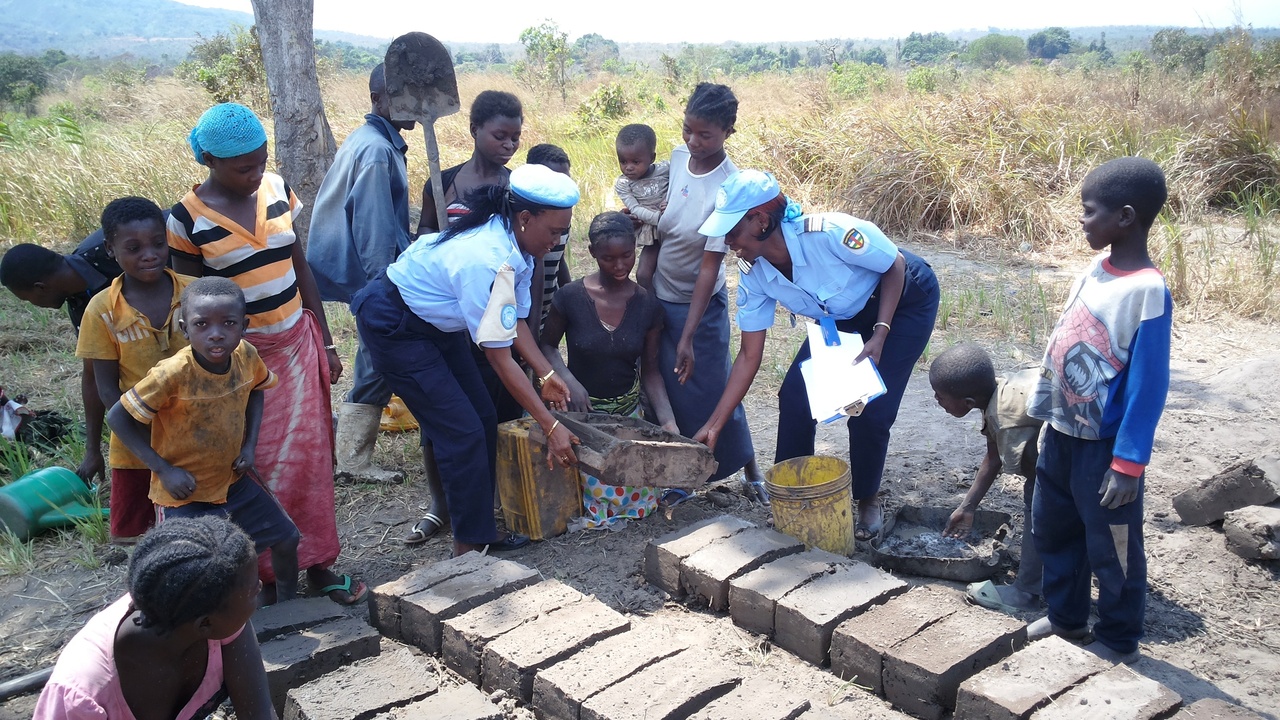
Large swathes of the CAR remain under the shadow of armed factions and sectarian tensions, so cities frequently become focal points for violence rather than safe refuges. The UN peacekeeping mission (MINUSCA) has presence in many urban areas and has helped blunt some large-scale offensives, but localized armed control, checkpoints, and sporadic firefights still shape daily life.
Displaced populations tend to concentrate in and around towns, creating dense IDP settlements that overwhelm local services and attract further predation. UN OCHA and MINUSCA reporting show that urban neighborhoods often change hands, making humanitarian access unpredictable and increasing civilian exposure to looting, forced recruitment, and abrupt displacement.
1. Bangui — Capital under pressure
Bangui, the national capital, remains a hotspot for political demonstrations, neighborhood-level clashes, and criminal activity despite the concentration of international actors there. With an estimated population between 700,000 and 800,000, the city has seen waves of sectarian violence since the 2013 Seleka coup that continue to shape its security landscape.
Neighborhoods such as PK5 have alternated between being commercial hubs and de facto armed-group enclaves, producing checkpoints that constrict movement and limit access to markets, schools, and clinics. MINUSCA patrols and checkpoints are visible in many districts, but their presence has not removed the threat of targeted killings, robberies, or sudden outbreaks of violence that force businesses to close and aid programs to reroute.
2. Bossangoa — Recurrent clashes in western centers
Bossangoa, a regional hub to the northwest of Bangui, has experienced repeated spikes of violence tied to communal tensions and armed-group activity. UN OCHA and ICRC situation updates have documented episodes when entire neighborhoods emptied out and tens of thousands were displaced during intense clashes in past reporting years.
The town’s market closures and interrupted schooling are common outcomes after each flare-up. Displaced families often shelter in makeshift camps on the town perimeter or move to nearby villages, stretching already limited humanitarian supplies. Bossangoa’s location near key supply routes also makes it tactically useful for militias seeking access to goods and recruits.
3. Batangafo — Towns caught between armed groups
Batangafo exemplifies a town where shifting frontlines produce chronic insecurity: control between rival armed factions changes repeatedly, and that volatility translates into sieges, sudden displacements, and expanding IDP sites. Humanitarian agencies have reported intermittent attacks on convoys and blockades that delayed life-saving assistance in years including 2016–2018.
For residents, the result is uncertain access to food and medicine, shops that open unpredictably, and frequent decisions about whether to stay or move. Aid organizations often have to reroute supplies or pause programs when security deteriorates, leaving already vulnerable families without predictable assistance.
Economic and Resource Tension Zones
Competition over natural resources — gold, diamonds, timber — fuels violence in many parts of the CAR. Artisanal mining zones, where state presence is limited, draw armed actors seeking revenue and local actors who are vulnerable to extortion, forced labor, and recruitment. NGO reports (including fieldwork-style reporting) repeatedly link resource corridors to violent predation.
In those towns, illicit economies replace formal governance: miners pay taxes to armed groups, traders alter routes to avoid checkpoints, and communities suffer the long-term consequences of lost incomes and environmental damage. Humanitarian access is often constrained in mining areas, and periodic fighting around sites produces new waves of internal displacement.
4. Bria — Mining hub and flashpoint
Bria sits along a gold–diamond corridor that has repeatedly attracted armed factions seeking to control extraction and transit. Historical sieges and violent confrontations around mining camps have caused displacement and interrupted local economies in several reporting years documented by UN field teams and NGOs.
Militant control of mines often means steady extortion of miners and drivers, reducing household incomes and pushing some civilians into riskier work or migration. Attacks on convoys and outbreaks of communal violence have forced humanitarian agencies to negotiate access or temporarily suspend operations, prolonging civilian suffering.
5. Carnot — Diamonds, banditry, and flight
Carnot, in the country’s southwest, illustrates how diamond wealth and weak governance produce banditry and targeted predation. Reports from NGOs and UN agencies have described looting of stores, ambushes on transport routes, and local surges in people fleeing to safer areas or across borders.
The economic fallout is tangible: traders avoid risky roads, children are sometimes pulled from school to work in mining sites, and clinics see an influx of trauma cases after violent incidents. Humanitarian snapshots often show spikes of displacement tied to periods of intensified mining-area conflict.
6. Ndélé — Resource lines and contested towns
Ndélé occupies a strategic position on transit routes used to move resources and goods, and that makes it a recurring site of contestation between local militias and armed groups. UN and NGO reporting have recorded convoy attacks and attacks on traders that have made road transport intermittently unsafe in specific years.
When transit is disrupted, farmers can’t reach markets and aid deliveries stall, which amplifies food insecurity and health risks. Periodic clashes create an unpredictable environment that undermines recovery and discourages return for people displaced during prior outbreaks.
Border and Transit Danger Zones
Towns near international frontiers and major transit corridors face a distinct set of risks: armed actors use borders to resupply or flee, cross-border raids destabilize local markets, and refugee or returnee flows strain social services. Regional spillover from Chad, Sudan, and the Democratic Republic of the Congo makes some border towns especially volatile.
That dynamic complicates humanitarian planning. Aid agencies must factor in cross-border movement, potential attacks on convoys, and rapidly changing local populations when designing operations. In practice, that often means pre-positioning supplies, negotiating access with multiple actors, and accepting a higher operational risk profile.
7. Berbérati — Border pressure and banditry
Berbérati, in the southwest, is affected by cross-border criminality and waves of refugees and returnees. UNHCR and other agencies have recorded spikes in arrivals in specific years, and security reports note periodic road ambushes that disrupt the timber and agricultural trades linking Berbérati to neighboring countries.
The town’s clinics and shelters often absorb people fleeing nearby violence, stretching scarce resources. Merchants delay shipments or reroute them to avoid known ambush points, which raises prices and constrains local access to essential goods. Those supply interruptions have immediate effects on food and medical availability.
8. Kaga-Bandoro — Transit hub turned hazard
Kaga-Bandoro has alternated between serving as a logistical node for humanitarian operations and becoming a scene of acute violence when armed actors contest checkpoints or target supply convoys. UN situation reports document episodes when convoys were interdicted, delaying food and medical shipments.
When supply lines are cut, civilians face shortages of essential items and clinics run low on medicines. Repeated blockades and clashes also discourage traders from returning, prolonging economic decline and reducing incentives for displaced people to go home.
Summary
- Three drivers explain why these urban centers are dangerous: sustained armed-group presence and sectarian clashes, competition over natural resources that finances predation, and border/transit dynamics that allow fighters and smuggling to persist.
- Humanitarian access remains precarious: checkpoints, convoy attacks, and changing neighborhood control repeatedly force agencies to reroute or pause assistance, leaving IDP camps and local clinics under-resourced.
- Local economic damage compounds insecurity — markets shrink, traders avoid routes, and children may be pulled into mining or forced labor — making recovery slow even when violence subsides.
- Policymakers, donors, and aid actors should prioritize monitoring and targeted support for the most dangerous cities in the central african republic, fund flexible humanitarian programming that can adapt to shifting frontlines, and back regional cooperation (including MINUSCA-supported efforts) to limit cross-border exploitation.