A single night in November 1989 — the Velvet Revolution — transformed a country long trapped behind the Iron Curtain into a dynamic European republic whose cultural and industrial footprints are felt worldwide.
Today’s Czechia is compact but packed with history and innovation: roughly 10.5 million people, an EU member since 2004, and institutions that reach back centuries (Charles University was founded in 1348). These eight highlights illuminate what makes the country notable across culture, food and drink, industry, and landscapes.
If you’ve ever asked what is the czech republic known for, this piece gives a clear, travel-friendly guide — grouped into four categories so you can plan a museum day, a brewery crawl, a factory visit, or a nature weekend with equal confidence (sources: UNESCO and CzechTourism where relevant).
Culture & Heritage
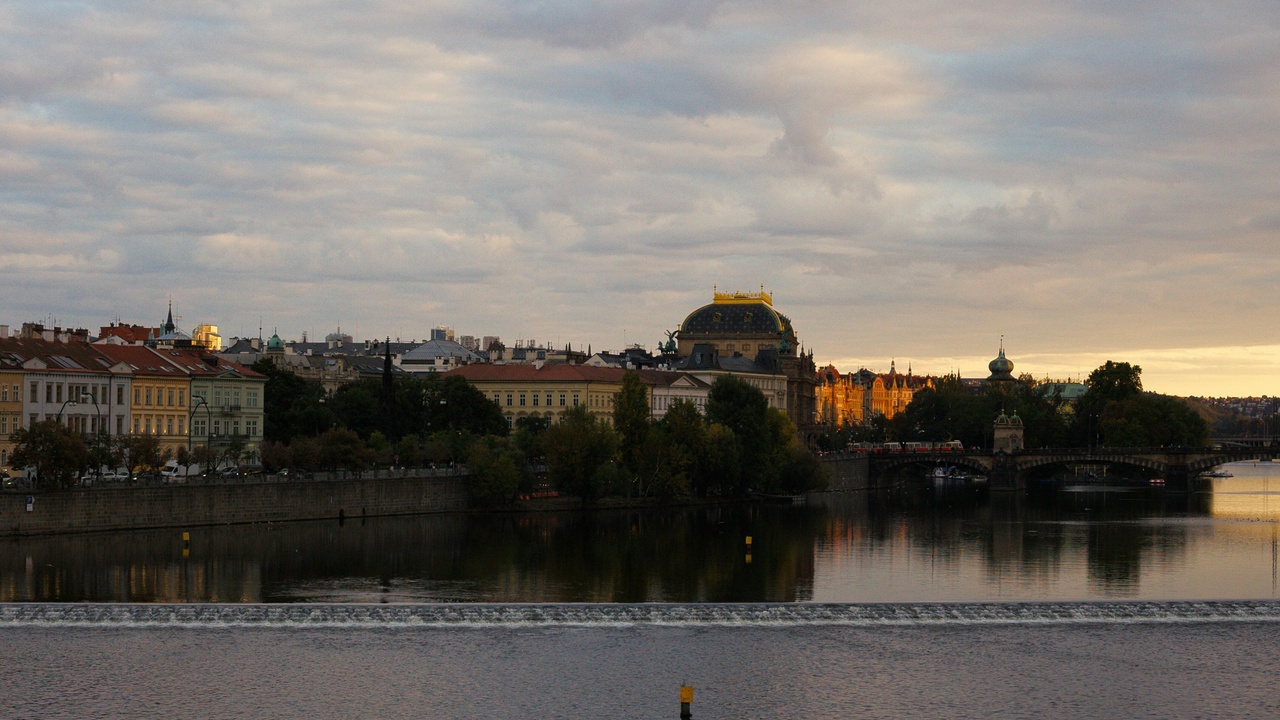
Bohemia and Moravia carry millennia of built heritage, with a dense concentration of Gothic, Baroque and Romanesque sites anchored in Prague, the country’s cultural heart. Historic institutions and events link medieval universities to modern revolutions: Charles University (1348) and the Velvet Revolution (1989) bookend centuries of intellectual life. UNESCO recognizes multiple Czech sites, and Prague’s pre-pandemic visitor numbers topped roughly 8 million a year (CzechTourism), making heritage tourism a major draw for scholars and leisure travelers alike.
1. Medieval and Architectural Heritage (Prague and Beyond)
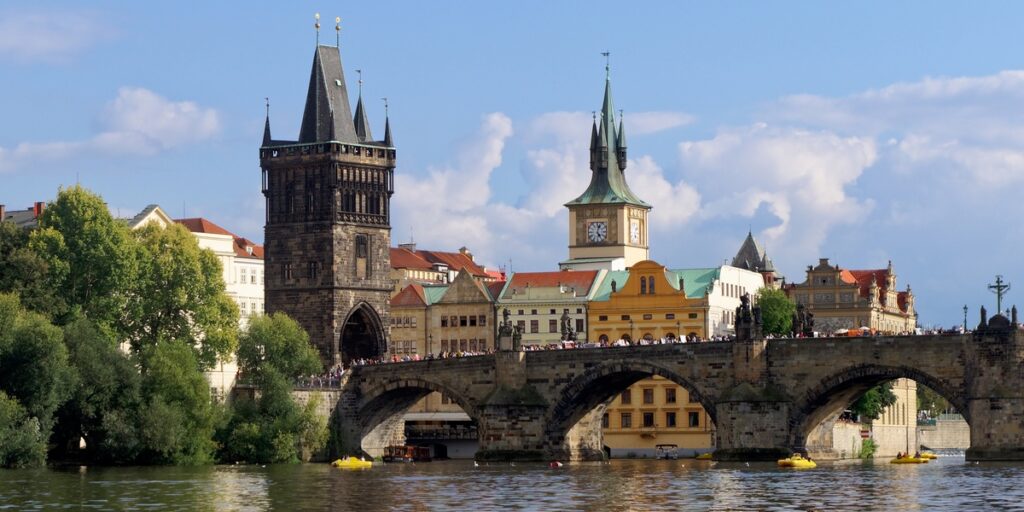
The Czech Republic is world-famous for remarkably well-preserved medieval and historic architecture. Prague Castle has been a seat of power since the 9th–10th century, and landmarks in the Old Town date back to the 14th century, giving the city an almost continuous architectural timeline.
For travelers this matters practically: narrow cobbled streets, fortified churches, and baroque squares make for predictable film locations and rich guided tours. Outside Prague, Český Krumlov — a compact, UNESCO-listed town — offers an intact castle complex and river meanders that feel frozen in time (UNESCO lists it for its outstanding preservation).
2. Classical Music, Literature, and Intellectual Traditions
Czech lands have produced composers and writers whose influence is global. Antonín Dvořák (1841–1904) and Bedřich Smetana remain staples of concert halls, while Franz Kafka’s Prague-inspired prose draws literary pilgrims to small museums and walking routes.
Music festivals and institutions amplify that legacy: the Prague Spring International Music Festival (founded 1946) attracts international orchestras, and the Czech Philharmonic performs regularly at major venues. Museums dedicated to Kafka and music archives make the country a living classroom for classical and literary studies.
Food & Drink
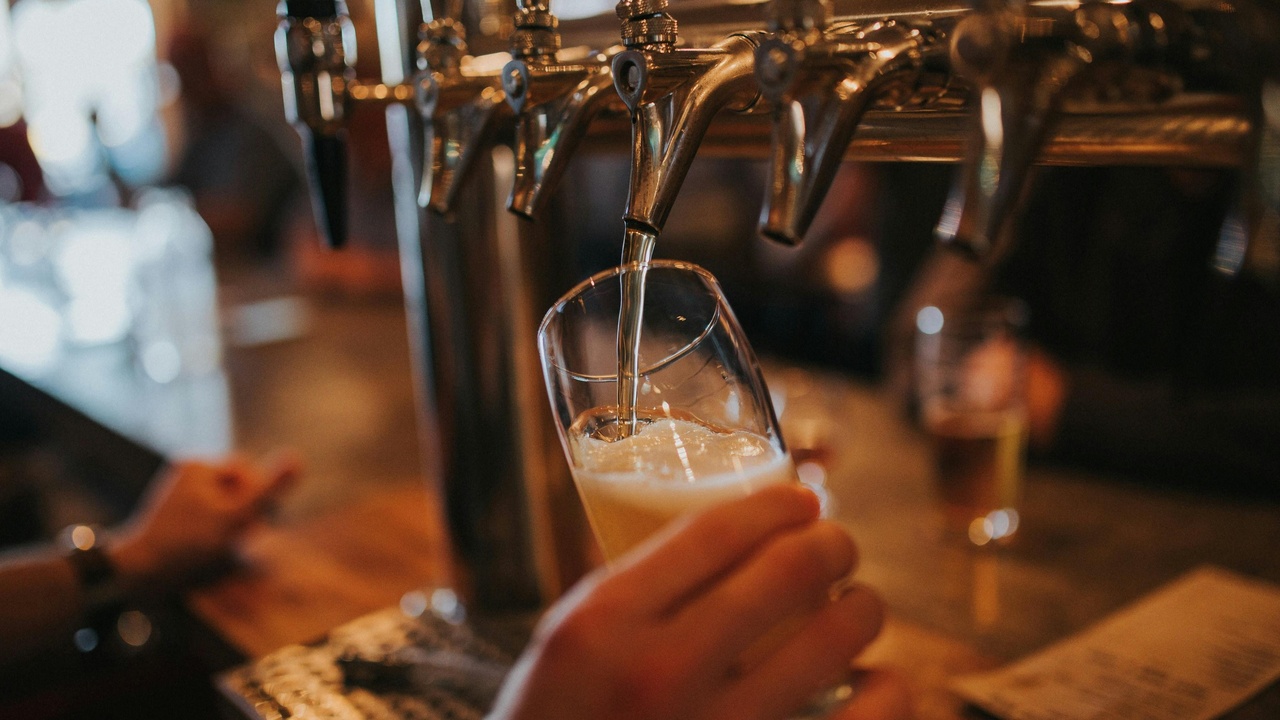
Few countries punch as far gastronomically as the Czech Republic: it gave the world Pilsner beer in Plzeň (1842) and supports a hearty, Central European culinary tradition. Czechs consistently rank among the highest beer consumers per capita, and local cuisine — think dumplings and braised meats — pairs naturally with brewery visits and regional wine tastings in Moravia.
3. Beer and Brewing — Pilsner Origin and Drinking Culture
“Pilsner” traces to the city of Plzeň in 1842, when Pilsner Urquell produced a pale lager that reshaped beer styles worldwide. That historic recipe still draws brewery tours and tastings to the original cellars.
The Czech Republic regularly appears near the top of per-capita beer-consumption lists (historical figures often cited around 100–140 liters per person annually), which explains the country’s lively pub culture and recent craft-beer renaissance in Prague, Brno, and small towns. Legacy brewers like Budějovický Budvar and dozens of microbreweries continue to expand export markets.
4. Comfort Food and Pastries — What to Eat in Czechia
Traditional Czech cuisine is comforting and straightforward: svíčková (marinated beef with cream and dumplings), goulash, roast pork with sauerkraut and dumplings are national favorites. Those dishes reflect agrarian roots and Central European seasonality.
Sweet treats also define the streetscape. Trdelník (a spit-baked pastry) appears at markets and festivals, while koláče and other pastries show up in cafés. For wine lovers, Moravia offers tasting routes and vineyards that pair well with local cheese and smoked meats.
Industry & Innovation
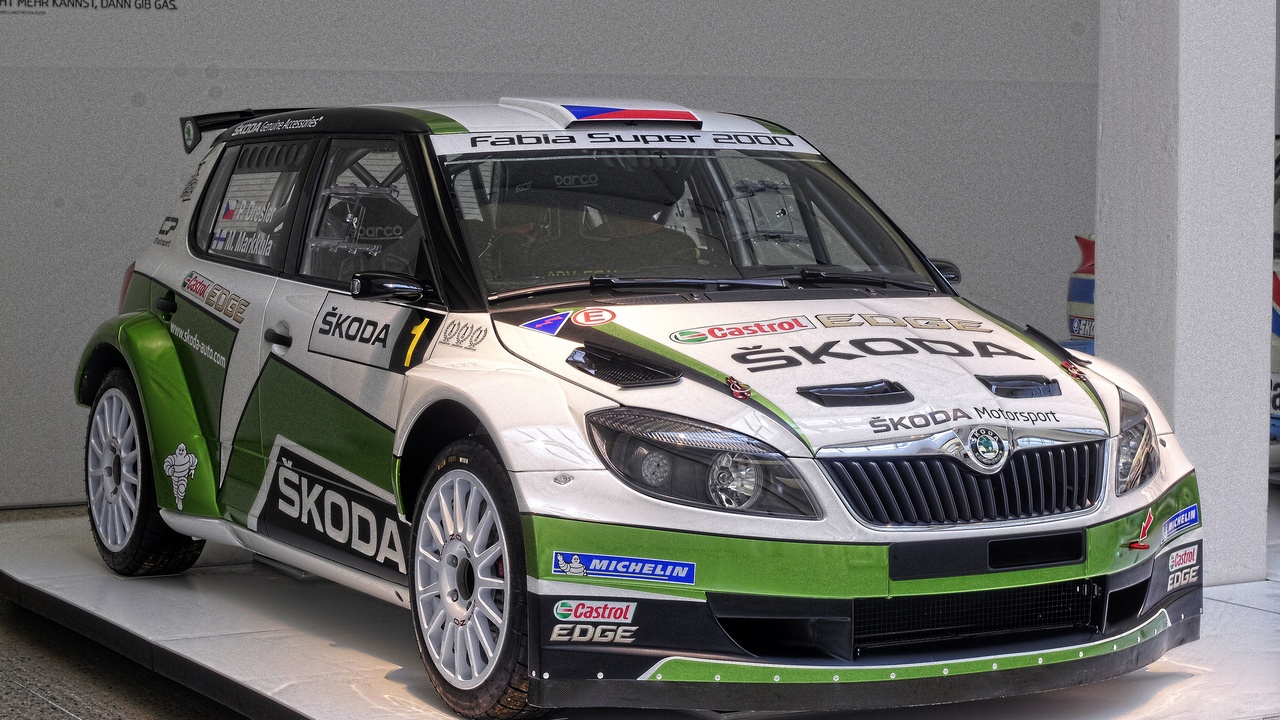
The Czech Republic melds a long manufacturing tradition with growing tech clusters. From 19th-century automaking roots to world-famous glassmaking, the country now hosts major automotive plants, precision engineering suppliers, and a lively startup scene in cities such as Brno and Prague.
5. Automotive and Engineering Prowess (Škoda and Beyond)
Automaking in the Czech lands dates back to Laurin & Klement, founded in 1895, which later evolved into Škoda Auto. Today Škoda is one of Central Europe’s largest automakers and a key employer in regions like Mladá Boleslav, with a large supplier network supporting EU manufacturing chains.
That industrial muscle translates to R&D, parts exports, and vocational training programs that keep the engineering talent pipeline full. International collaborations mean Czech-made components end up across Europe, not just in domestic-branded cars.
6. Glass, Crystal, and Design — Bohemian Craftsmanship
Bohemian glass and crystal remain luxury exports and design icons. Historic centers such as Karlovy Vary, Harrachov, and Nový Bor long produced hand-blown and cut crystal for chandeliers, tableware, and art pieces.
Brands like Moser and Preciosa continue that heritage with museum displays, factory tours, and contemporary design collaborations. Visitors can see skilled glassblowers in action and purchase pieces ranging from souvenir tumblers to bespoke art installations.
Landscapes, Tourism & Outdoor Culture
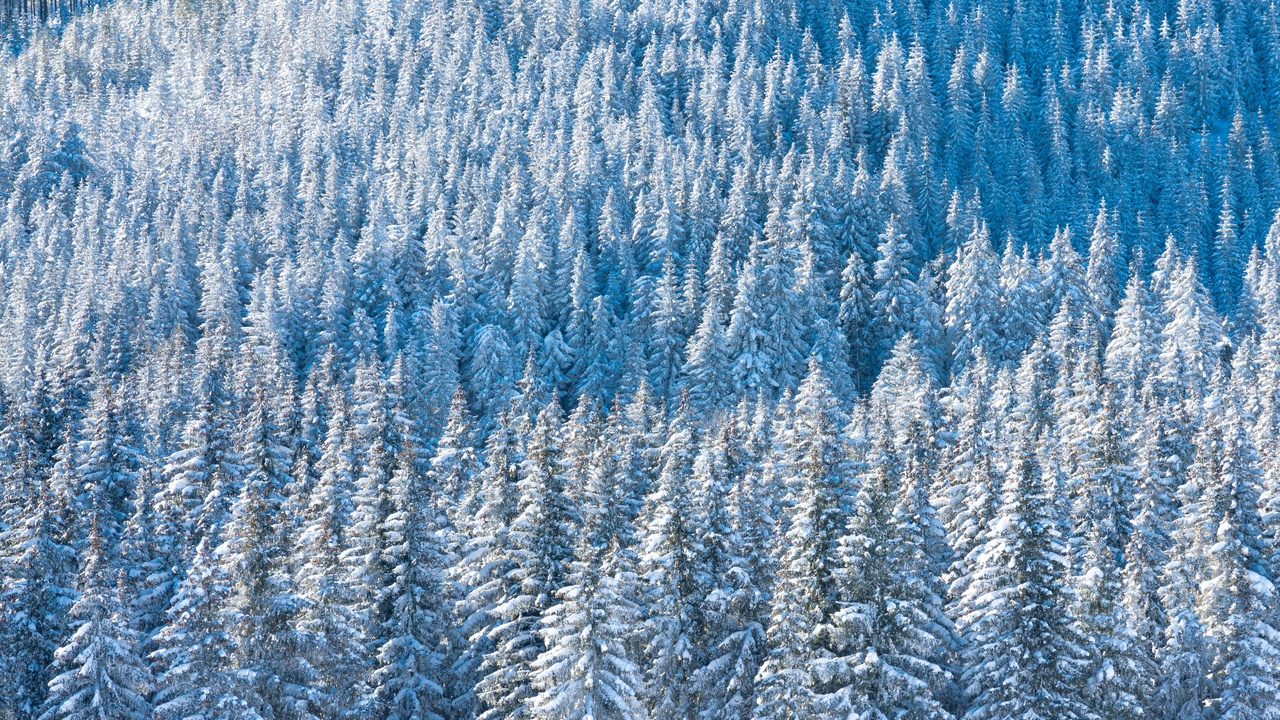
Despite its modest size (about 78,000 sq km), the Czech Republic packs a surprising range of landscapes: sandstone gorges, national parks, ski areas, and classic spa towns. Short travel times mean you can pair a city break with countryside hiking or a weekend in a thermal resort.
7. National Parks and Outdoor Adventures
Compact geography makes outdoor trips accessible. Bohemian Switzerland features dramatic sandstone formations and the Pravčická brána natural arch, while Krkonoše National Park contains the country’s highest peak, Sněžka, popular with hikers and winter sports enthusiasts.
Well-marked trails, cycling routes, and climbing areas suit a range of abilities, and many routes are reachable within a couple of hours from Prague or Brno. Seasonal variety means skiing in winter and wildflower meadows in summer.
8. Spa Towns and Wellness Tourism (Karlovy Vary and Mariánské Lázně)
Spa culture is a signature Czech draw, flourishing in the 19th century when European elites visited thermal springs for health and leisure. Karlovy Vary and Mariánské Lázně still showcase elegant colonnades, mineral springs, and spa resorts offering medical and wellness packages.
Karlovy Vary also hosts the annual Karlovy Vary International Film Festival, which brings global visitors in July, while spa treatments and architectural promenades remain a steady magnet for health tourism year-round.
Summary
- Mediator of eras: medieval architecture and institutions like Charles University sit alongside post-1989 modern life.
- Food and drink matter: Pilsner’s 1842 origins and a high beer-consumption culture pair with hearty dishes and Moravian wines.
- Industry meets craft: Škoda and supplier networks anchor modern manufacturing while Bohemian glass (Moser, Preciosa) powers luxury exports.
- If you’re still wondering what is the czech republic known for, start with Prague’s squares, a brewery tour in Plzeň, a glass workshop in Karlovy Vary, and a hike in Bohemian Switzerland — then plan your return visit.