Germany’s linguistic map reflects centuries of regional identities, cross-border communities and changing political lines. Outside standard German you’ll find small but persistent languages tied to specific towns and border areas, each with its own history and current challenges.
There are 9 Indigenous Languages in Germany, ranging from Danish (in Germany) to Yiddish. For each language I list Region(s),Speakers (est.),Legal status & vitality so you can quickly compare where they survive and how protected they are — you’ll find below.
Are any of these languages protected or taught in schools in Germany?
Yes — protection and teaching vary by state and by language: Danish and Frisian enjoy formal recognition and classroom support in parts of Schleswig-Holstein and Lower Saxony, while smaller languages often rely on community schools, cultural associations and regional minority rights frameworks rather than nationwide programs.
How reliable are the speaker estimates and what affects a language’s vitality?
Speaker numbers are often estimates drawn from censuses, academic studies and community counts; they can be low or outdated for very small groups. Vitality depends on intergenerational transmission, local education, media presence and legal recognition — stronger support in these areas generally means a healthier future for the language.
Indigenous Languages in Germany
| Name | Region(s) | Speakers (est.) | Legal status & vitality |
|---|---|---|---|
| Low German (Plattdeutsch) | Lower Saxony,Schleswig-Holstein,Mecklenburg-Vorpommern,Hamburg,Bremen,North Rhine-Westphalia | 2,000,000 | Regionally recognised; UNESCO: definitely endangered |
| Upper Sorbian | Saxony (Upper Lusatia,around Bautzen) | 20,000 | Recognised minority; UNESCO: vulnerable |
| Lower Sorbian | Brandenburg (Lower Lusatia,around Cottbus) | 7,000 | Recognised minority; UNESCO: severely endangered |
| North Frisian | Schleswig-Holstein (North Sea coast,islands,Föhr,Sylt) | 10,000 | Recognised minority; UNESCO: severely endangered |
| Saterland Frisian | Lower Saxony (Saterland area) | 2,000 | Recognised minority; UNESCO: severely endangered |
| Danish (in Germany) | Schleswig-Holstein (Flensburg,northern Schleswig) | 50,000 | Recognised minority; not endangered |
| Romani (Sinti varieties) | Nationwide pockets,notably Bavaria,Berlin,North Rhine-Westphalia | 70,000 | Recognised minority; UNESCO: vulnerable |
| Yiddish | Historic urban centres (Berlin,Frankfurt) and Jewish communities | 20,000 | No official recognition; UNESCO: definitely endangered |
| German Sign Language (DGS) | Nationwide (used across all federal states) | 100,000 | Growing legal recognition; considered vital |
Images and Descriptions

Low German (Plattdeutsch)
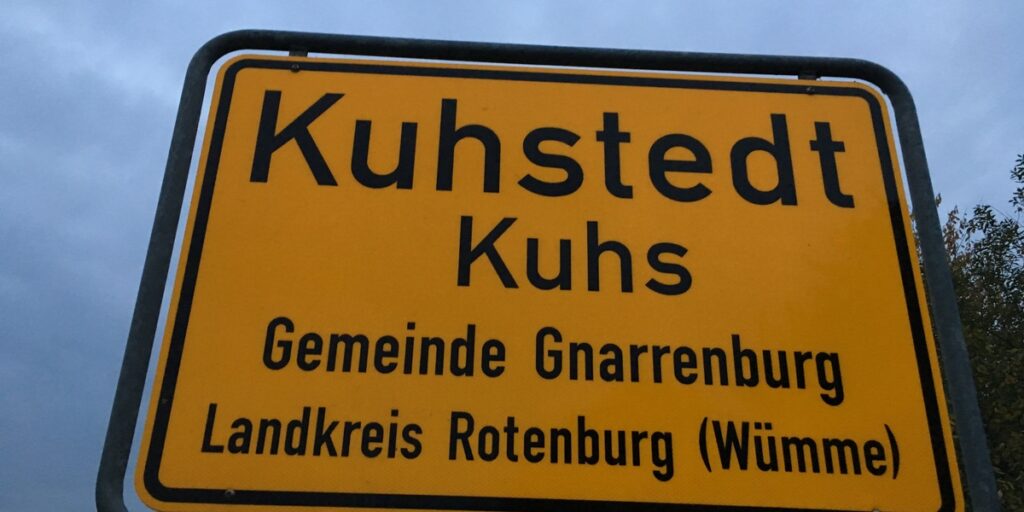
Plattdeutsch is a West Germanic language across northern Germany with roots in Hanseatic trade. Many use it in homes and regional media; revitalisation projects exist but daily use has fallen, especially among younger urban generations.
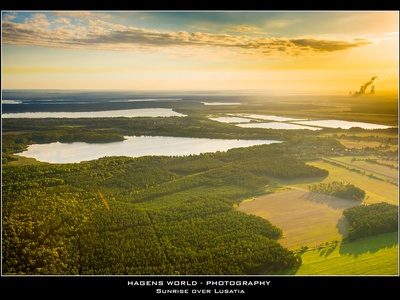
Upper Sorbian
Upper Sorbian is a West Slavic language with a written standard, schools and churches in the Bautzen area. It has strong cultural institutions and local media; community support helps maintain it though numbers remain limited and use is regional.
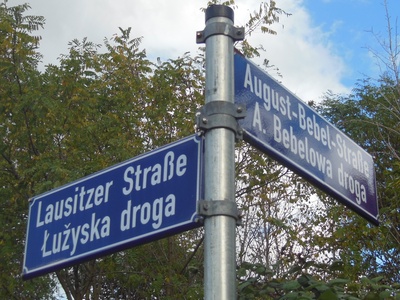
Lower Sorbian
Lower Sorbian is spoken around Cottbus and is closely related to Upper Sorbian but far smaller. It has some school programmes and cultural protection, yet intergenerational transmission has dropped and it faces serious endangerment.
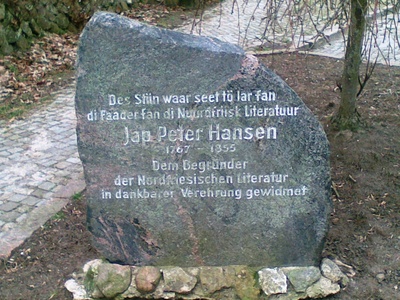
North Frisian
North Frisian comprises many island and coastal dialects with traces of Old Frisian. Local communities and clubs keep it alive, but fragmentation into dialects and small speaker numbers mean its survival is precarious.
Saterland Frisian
Saterland Frisian is the last remnant of East Frisian speech, spoken in a few villages. It is distinct from North Frisian, supported by local schooling and cultural work, but speaker numbers are very small and vulnerable.
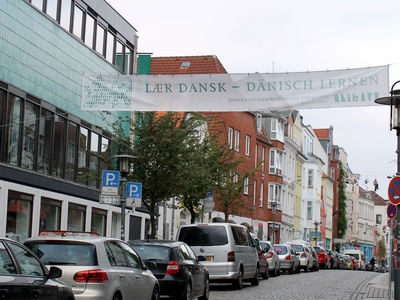
Danish (in Germany)
The Danish minority in northern Schleswig speaks Danish with bilingual schools, newspapers and cultural institutions. Protected by minority rights and strong cross-border links, Danish remains actively used and comparatively vital in this border region.
Romani (Sinti varieties)
Sinti Romani varieties have deep historical roots in Germany and are used in family and cultural life. Recognition and cultural work exist, but dialect diversity and assimilation pressures cause uneven transmission across communities.
Yiddish
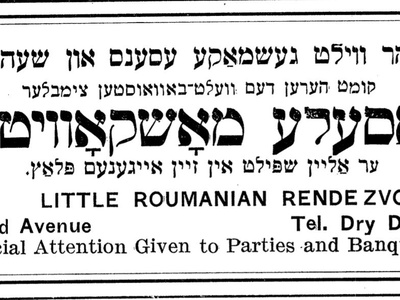
Yiddish developed in medieval German-speaking lands and was widely spoken before WWII. Today it survives among some Jewish communities, religious groups and scholars in Germany, important culturally but reduced in everyday use.
German Sign Language (DGS)
Deutsche Gebärdensprache is the natural sign language of Deaf Germans, used in education, media and community life. Legal recognition and services have improved in recent decades and DGS remains actively transmitted within Deaf communities.