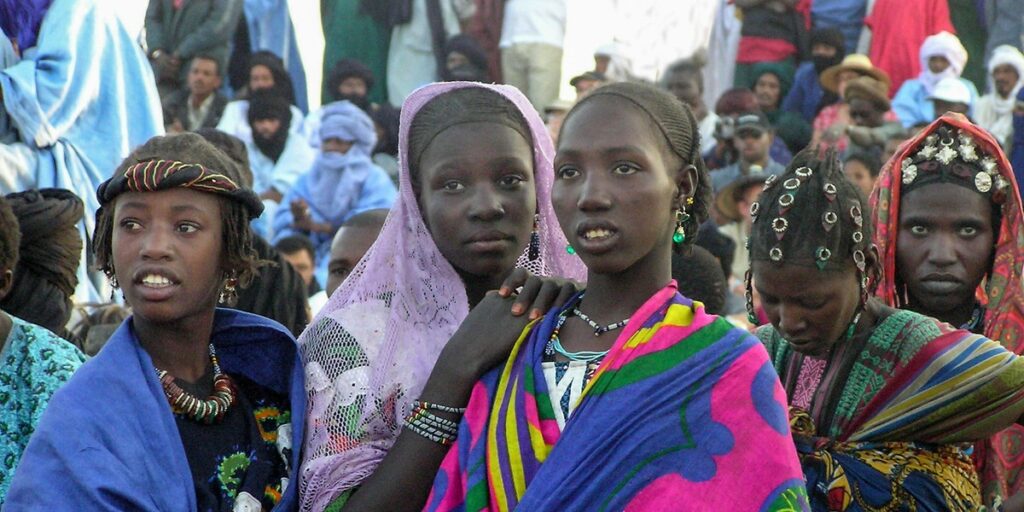
Sudan’s geography and history have created a mosaic of spoken varieties across cities, villages, and nomadic routes. Local speech reflects trade, migration, and ethnic identity, so listening to conversations often reveals more about place and community than maps do.
There are 28 Dialects in Sudan, ranging from Baggara Arabic to Ta’aisha Arabic. For each entry, the list is organized by Region(s), Language group, Key features, with brief notes on pronunciation and distribution — you’ll find below.
How different are these dialects from Standard Arabic?
Many Sudanese varieties are based on Arabic but differ in sounds, vocabulary, and grammar; some are mutually intelligible with Sudanese Arabic, while others include substrate elements from local languages. Expect variation by region rather than a single uniform shift from Modern Standard Arabic.
Which dialects should I focus on for travel or research?
Choose dialects by region: learn Sudanese Arabic for general travel, and consult the list to target regional varieties like Baggara Arabic if you’re visiting Darfur/Kordofan or Ta’aisha Arabic for specific border communities. The table below helps match dialects to field sites and research needs.
Dialects in Sudan
| Name | Region(s) | Language group | Key features |
|---|---|---|---|
| Sudanese Arabic (general) | Nationwide | Arabic | Vernacular continuum, heavy local borrowings |
| Khartoum Arabic | Khartoum,Gezira,River Nile | Arabic | Urban slang, vowel raising, lexical borrowings |
| Northern (Nile) Arabic | Northern state,Dongola,Wadi Halfa | Arabic | Conservative pronunciations, uvular q, Nile lexicon |
| Baggara Arabic | Kordofan,White Nile plains,Darfur fringe | Arabic | Pastoral lexicon, consonant shifts, tribal vocabulary |
| Darfur Arabic (Chadian/Darfurian) | Darfur,western Sudan | Arabic | Chadian influence, Fur/Masalit loans, tonal prosody |
| Port Sudan / Red Sea Arabic | Port Sudan,Red Sea state,Suakin | Arabic | Coastal lexicon, Beja substrate, distinct intonation |
| Kordofan Arabic | North/South Kordofan,Kordofan hills | Arabic | Bedouin features, assimilation, unique lexicon |
| Eastern Sudan Arabic | Kassala,Gedaref,Butana | Arabic | Beja substrate, pharyngealization, pastoral vocabulary |
| Ja’ali Arabic | Northern state,River Nile,Shendi | Arabic | Conservative Nile pronunciations, tribal lexicon |
| Shaigiya Arabic | Northern,River Nile states | Arabic | Nile-specific consonant shifts, local terms |
| Shukriya Arabic | Gezira,Kordofan | Arabic | Agricultural lexicon, Baggara influence |
| Misseriya Arabic | South Kordofan,West Kordofan,Darfur fringe | Arabic | Pastoral terms, migratory lexicon |
| Rizeigat Arabic | Darfur,Kordofan | Arabic | Consonant lenition, Darfur lexical items |
| Ta’aisha Arabic | South Darfur,Nyala region | Arabic | Darfur features, local loanwords |
| Ga’ama (Gawamaa) Arabic | Gezira,Blue Nile fringe | Arabic | Irrigation/agricultural lexicon, mixed features |
| Gezira Arabic | Gezira irrigation area | Arabic | Irrigation vocabulary, mixed rural traits |
| Nuba Mountains Arabic | South Kordofan,Nuba Mountains | Arabic | Nuba substrate, grammatical simplification |
| Beja (Bidhaawyeet) — Hadendowa | Red Sea state,eastern deserts | Beja | Ejective consonants,Cushitic morphology |
| Beja — Bishari | Red Sea Hills,northeast Sudan | Beja | Lexical divergence,tonal contrasts |
| Beja — Amarar | Kassala,Red Sea Hills | Beja | Conservative phonology,consonant clusters |
| Beja — Ababda | Nile valley near Abu Hamad,eastern Sudan | Beja | Strong Arabic loan influence,Nile contact features |
| Beja-influenced Arabic (Beja Arabic) | Red Sea coast,Kassala | Arabic | Beja substrate,mixed grammar,unique lexicon |
| Nobiin (Nile Nubian) | Northern state,along Nile,Wadi Halfa | Nubian | Retroflex sounds,ancient Nubian continuity |
| Dongolawi (Andaandi/Danagla) | Dongola,Dongola province | Nubian | Distinct pronouns,lexical innovations |
| Mahas | River Nile state,Halfa area | Nubian | Archaisms,Nobiin subgroup traits |
| Halfawi (Halfa) | Wadi Halfa area,Northern state | Nubian | Northern archaisms,Arabic loans |
| Kordofan Nubian (Nubian-speaking communities) | Selected Kordofan pockets (historical communities) | Nubian | Scattered varieties,localized retention |
| Rural/Tribal Arabic varieties (umbrella) | Various rural areas across Sudan | Arabic | High internal diversity,substrate effects |
Images and Descriptions
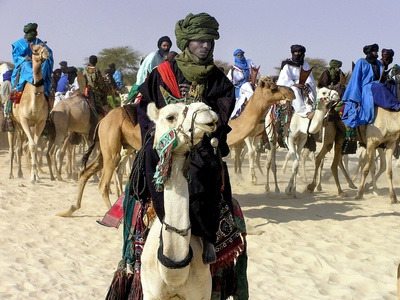
Sudanese Arabic (general)
Everyday spoken Arabic across Sudan; the national vernacular lingua franca with millions of speakers, strong diglossia with Modern Standard Arabic, and many regional subvarieties shaped by local languages and tribal identities.
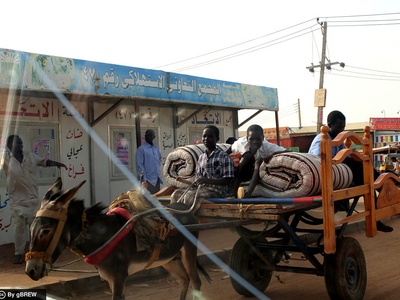
Khartoum Arabic
Urban Sudanese variety centered on Khartoum; widely used in media and interregional commerce. Spoken by city dwellers and migrants, it mixes rural inputs, modern slang, and borrowings from Nubian and Beja speech.
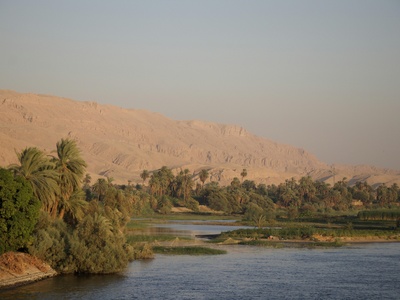
Northern (Nile) Arabic
Spoken along the Nile in northern Sudan; retains conservative pronunciations and older vocabulary. Locally distinct but mutually intelligible with Khartoum Arabic; important among riverine communities and Nubian contacts.
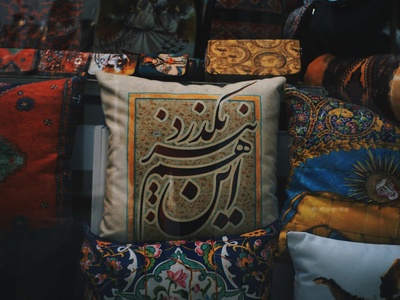
Baggara Arabic
Variety associated with mixed cattle-herding Baggara communities across central and western Sudan. Strongly shaped by pastoral life and intertribal contact; intelligible with other Sudanese Arabic but with recognizable Baggara features.
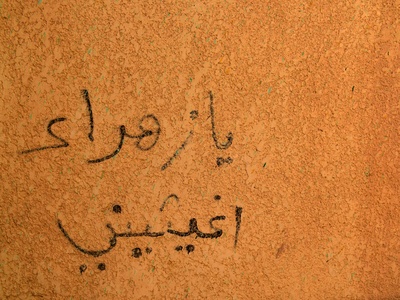
Darfur Arabic (Chadian/Darfurian)
Regional Arabic of Darfur with links to Chadian Arabic; influenced by local non-Arab languages. Prominent among both sedentary and nomadic groups, it serves as a regional marker of identity.
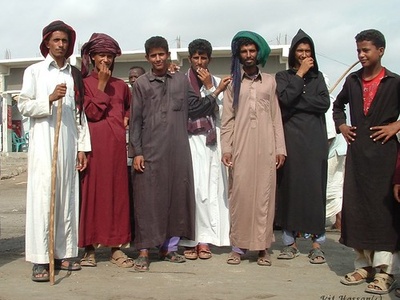
Port Sudan / Red Sea Arabic
Coastal variety mixing Hadhrami, Beja and traditional Arabic elements. Used by traders and port communities; notable for phonetic and lexical traits reflecting long-distance maritime contacts.
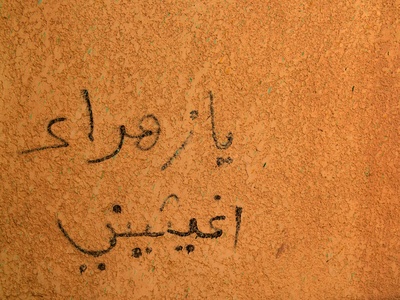
Kordofan Arabic
Rural Kordofan variety blending Bedouin and Baggara speech with heavy substrate influence from Nuba languages; common among farmers and pastoralists in central-west Sudan.
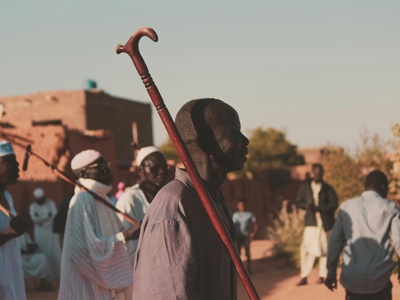
Eastern Sudan Arabic
Spoken in eastern Sudan and Butana; shows heavy Beja and Tigre contact effects. Common in markets and rural areas, it carries distinctive phonetic and lexical markers of eastern identity.

Ja’ali Arabic
Dialect of the Ja’alin Nile tribe; conservative phonology preserves old Nile features. Prominent in riverine culture with a strong tribal identity and recognizable speech patterns.
Shaigiya Arabic
Dialect of the Shaigiya tribe along the Nile; marked by distinctive phonetic shifts and riverine vocabulary, socially salient within the region.
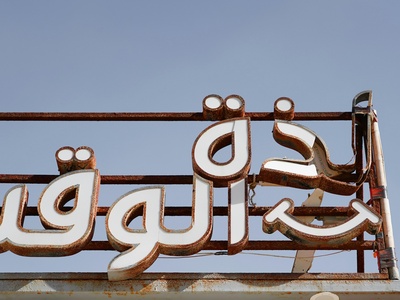
Shukriya Arabic
Dialect associated with the Shukriyya people in central Sudan; combines agricultural vocabulary with features shared with neighboring Baggara and Nile varieties.
Misseriya Arabic
Spoken by the Misseriya cattle-herding group; a well-known Baggara variety used across seasonal migration routes, notable for specialized pastoral vocabulary.
Rizeigat Arabic
Dialect of the influential Rizeigat tribe; widespread in Darfur and parts of Kordofan. Recognized for its particular phonology and social prominence among Darfur Arabs.
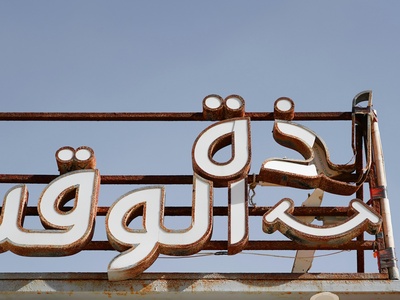
Ta’aisha Arabic
Spoken by the Ta’aisha (Taaisha) tribe in Darfur; part of the Darfur Arabic continuum with local lexical items borrowed from neighboring languages.
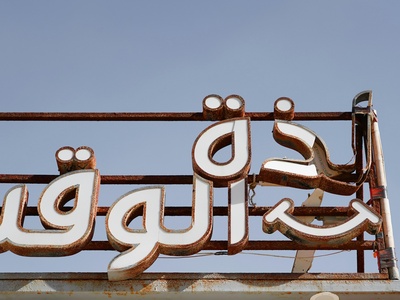
Ga’ama (Gawamaa) Arabic
Dialect of the Ga’ama agricultural community in central Sudan; reflects irrigation life and combines Nile and Kordofan influences, common in rural markets and villages.
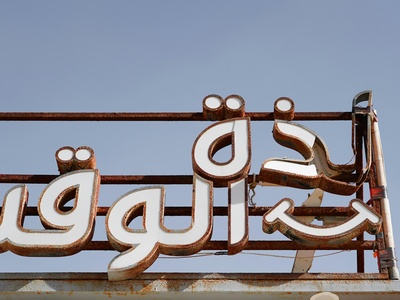
Gezira Arabic
Regional variety of central Gezira farms and towns; a practical lingua franca among farmers with vocabulary tied to irrigation agriculture and local markets.
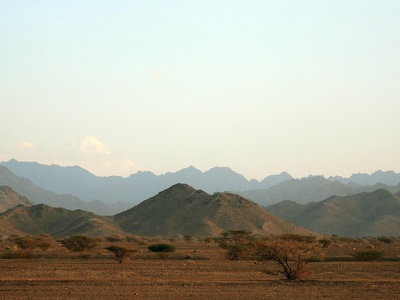
Nuba Mountains Arabic
Arabic used widely as a regional lingua franca in the Nuba Mountains; shaped by numerous local Nuba languages, it shows substrate effects and simplification in some grammatical areas.
Beja (Bidhaawyeet) — Hadendowa
Hadendowa is a major Beja dialect spoken by large nomadic and semi-nomadic communities. Strong oral tradition and Cushitic structure; estimated community size in the hundreds of thousands.
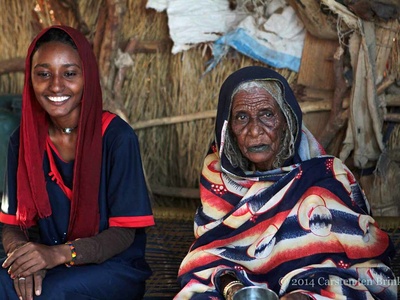
Beja — Bishari
Bishari dialect of Beja in the Red Sea Hills; smaller speaker base, with distinctive vocabulary and prosodic differences from other Beja dialects.
Beja — Amarar
Amarar Beja dialect found in Kassala region; pastoral and trading communities maintain distinctive phonological traits and local oral genres.
Beja — Ababda
Ababda dialect of Beja along the Nile shows intense Arabic contact; often bilingualism shapes the variety and local identity.
Beja-influenced Arabic (Beja Arabic)
Arabic variety heavily influenced by Beja languages used by bilingual communities. Notable for mixed grammatical patterns and coastal trading vocabulary.
Nobiin (Nile Nubian)
Nobiin (Nile Nubian) is the principal Nubian variety in northern Sudan with deep historical roots. Spoken by Nubian communities with documented literature and tens of thousands of speakers.
Dongolawi (Andaandi/Danagla)
Dongolawi Nubian variety around Dongola; locally recognized and sometimes distinguished from Nobiin, with its own phonological and lexical features.
Mahas
Mahas is a Nile Nubian variety spoken by a historically prominent Nubian group; mutually intelligible with other Nile Nubian varieties and culturally influential.
Halfawi (Halfa)
Halfawi Nubian is spoken near Halfa; smaller community with cross-border links to Egyptian Nubian groups and notable Arabic influence.
Kordofan Nubian (Nubian-speaking communities)
Smaller Nubian-speaking pockets historically reported in parts of Kordofan; these varieties reflect migration and long-term contact, with limited documentation but local recognition.
Rural/Tribal Arabic varieties (umbrella)
Collective term for many named tribal dialects across Sudan (small-scale varieties like clan or regional Arabic). Locally recognized and important for social identity; often underdocumented but widely used.