Bangladesh’s landscape is threaded with forts, palaces, temples and archaeological sites that tell stories from different eras—Mughal estates, colonial buildings, Buddhist and pre-Islamic remains. Walking these places offers a compact timeline of the region’s cultural and political shifts.
There are 50 Historical Places in Bangladesh, ranging from Ahsan Manzil to Wari-Bateshwar Archaeological Site. For each entry you’ll find below Location (district, nearest city),Era (century/period),Significance (max 15 words), so you can quickly compare where, when and why each site matters—you’ll find below.
Which of these sites are easiest to visit from Dhaka?
Many sites near Dhaka, like Ahsan Manzil and Lalbagh Fort, are reachable by car or short public transport rides and suit day trips; farther archaeological sites require planning for longer travel and local guides for access and context.
Are permits, fees, or guided tours recommended for these places?
Entry rules vary: some sites charge modest fees, others are free but may need permissions or a guide for archaeological areas—check local authority or heritage board updates before you go.
Historical Places in Bangladesh
| Name | Location (district, nearest city) | Era (century/period) | Significance (max 15 words) |
|---|---|---|---|
| Mahasthangarh | Bogura District,Bogura | 3rd century BCE–11th century CE | Earliest urban archaeological site in Bangladesh; fortified city ruins. |
| Somapura Mahavihara (Paharpur) | Naogaon District,Paharpur | 8th–11th centuries (Pala) | Largest Buddhist monastery in South Asia; UNESCO World Heritage site. |
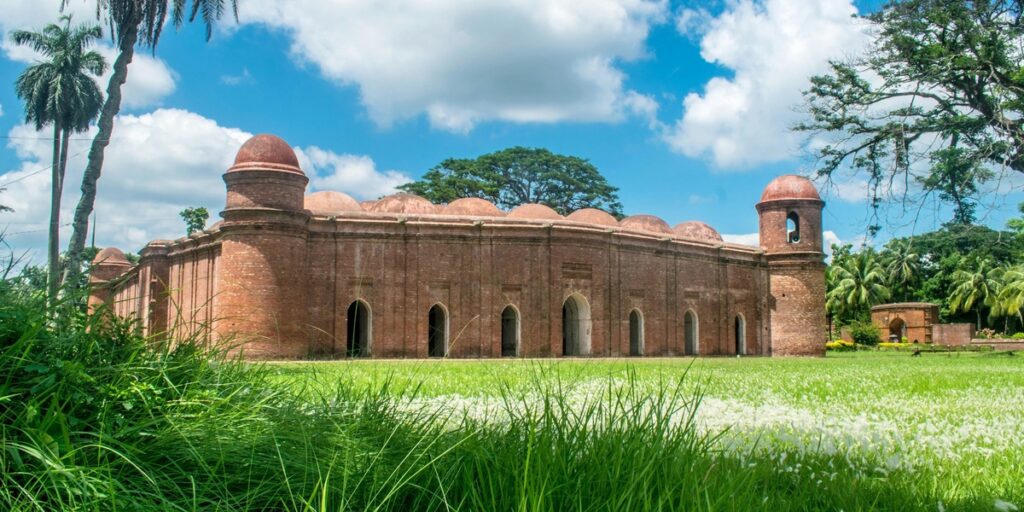
| Historic Mosque City of Bagerhat | Bagerhat District,Bagerhat | 15th century (Sultanate) | Cluster of medieval mosques including Sixty Dome Mosque; UNESCO World Heritage. |
| Sixty Dome Mosque | Bagerhat District,Bagerhat | 15th century (Sultanate) | Iconic multi-domed Sultanate mosque; major architectural landmark. |
| Lalbagh Fort | Dhaka District,Dhaka (Old Dhaka) | 17th century (Mughal) | Incomplete Mughal fort complex with tombs and gardens. |
| Ahsan Manzil | Dhaka District,Dhaka (Sadarghat) | 19th century (Colonial) | Pink palace of Dhaka Nawabs; museum of colonial-era artifacts. |
| Star Mosque (Tara Masjid) | Dhaka District,Dhaka | 18th–20th centuries | Ornately tiled mosque famed for star-patterned mosaics. |
| Armenian Church | Dhaka District,Dhaka (Armanitola) | 18th century | Historic Armenian church reflecting Dhaka’s colonial mercantile past. |
| Sonargaon (Panam Nagar) | Narayanganj District,Sonargaon | 14th–19th centuries | Historic capital and trading town; Panam Nagar’s ruined colonial mansions. |
| Puthia Temple Complex | Rajshahi District,Puthia | 17th–19th centuries | Extensive temple complex noted for terracotta ornamentation. |
| Kantaji Temple | Dinajpur District,Dinajpur | 18th century | Terracotta Hindu temple renowned for intricate terracotta panels. |
| Mainamati-Lalmai Archaeological Site | Cumilla District,Mainamati | 7th–12th centuries (Pala) | Major Buddhist monastery complex with stupas and archaeological museum. |
| Choto Sona Mosque | Chapainawabganj District,Chapainawabganj | 15th–16th centuries (Sultanate) | Sultanate-era mosque once richly gilded; historic stone architecture. |
| Gaur (Gauda) Ruins | Chapainawabganj District,Gauda area | 13th–16th centuries | Ruined medieval Bengal capital with gates, mosques, and palace remnants. |
| Wari-Bateshwar Archaeological Site | Narsingdi District,Wari-Bateshwar | 1st millennium BCE–early historic | Ancient fortified urban settlement and river-port showing early trade. |
| National Martyrs’ Memorial (Jatiyo Smriti Soudho) | Savar,Dhaka District,Savar | 20th century (1971) | Monument commemorating those martyred in the 1971 Liberation War. |
| Liberation War Museum | Dhaka District,Dhaka | 20th century (1971) | Museum documenting the Bangladesh Liberation War and independence struggle. |
| Martyred Intellectuals Memorial | Dhaka District,Mirpur | 20th century (1971) | Memorial for intellectuals assassinated during the 1971 Liberation War. |
| Hajiganj Fort | Narayanganj District,Hajiganj | 17th century (Mughal) | Mughal river fort protecting Dhaka’s river approaches. |
| Sonakanda Fort | Narayanganj District,Sonakanda | 17th century (Mughal) | Riverside fort built to guard the Shitalakshya River approaches to Dhaka. |
| Curzon Hall | Dhaka District,Dhaka University area | Early 20th century (Colonial) | Impressive colonial-era university building and architectural landmark. |
| Bara Katra | Dhaka District,Old Dhaka | 17th century (Mughal) | Large Mughal caravanserai; important remnant of Old Dhaka’s urban fabric. |
| Chhota Katra | Dhaka District,Old Dhaka | 17th century (Mughal) | Smaller Mughal caravanserai adjacent to Bara Katra. |
| Khan Mohammad Mridha Mosque | Dhaka District,Old Dhaka | 18th century | Ornate mosque near Ahsan Manzil noted for terracotta and tile work. |
| Tajhat Palace | Rangpur District,Rangpur | Early 20th century | Zamindar-era palace now housing a regional museum. |
| Dighapatia Palace | Natore District,Dighapatia (Natore) | 19th–20th centuries | Nawab-era palace and museum with colonial-era collections. |
| Varendra Research Museum | Rajshahi District,Rajshahi | Early 20th century | Historic museum preserving regional archaeological and historical artifacts. |
| Dhakeshwari Temple | Dhaka District,Dhaka | 12th century (original) | National Hindu temple; ancient shrine central to Dhaka’s heritage. |
| Binat Bibi Mosque | Dhaka District,Narinda (Old Dhaka) | 15th century (Sultanate) | Among Dhaka’s oldest surviving mosques; early Sultanate architecture. |
| Isa Khan’s Tomb | Narayanganj District,Sonargaon | 16th century (Baro-Bhuiyan) | Mausoleum of Isa Khan, notable medieval chieftain and resistance leader. |
| Hussaini Dalan | Dhaka District,Old Dhaka | 17th century (Mughal) | Historic Shia imambara used annually for Muharram observances. |
| Shah Jalal Dargah | Sylhet District,Sylhet | 14th century | Mausoleum of Sufi saint Shah Jalal; major pilgrimage center. |
| Shah Paran Shrine | Sylhet District,Sylhet | 14th–16th centuries | Shrine of Sufi saint Shah Paran; important regional pilgrimage site. |
| Bayazid Bostami Shrine | Chattogram District,Chittagong | Early medieval (dated) | Sufi saint’s shrine and longstanding pilgrimage and cultural site. |
| Shah Amanat Shrine | Chattogram District,Chittagong | 18th century | Mausoleum of local saint Hazrat Shah Amanat; prominent regional shrine. |
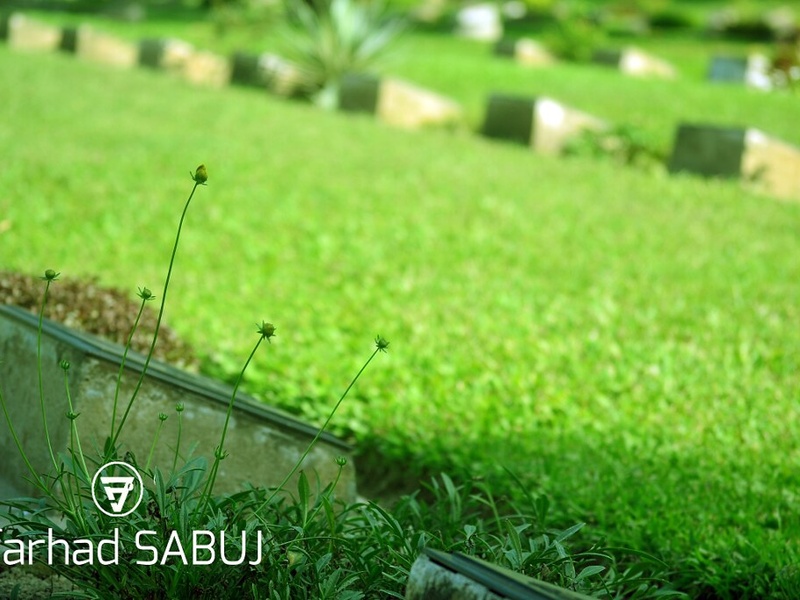
| Chittagong War Cemetery | Chattogram District,Chittagong | 20th century (WWII) | Commonwealth cemetery for World War II casualties in Chittagong. |
| Natore Rajbari | Natore District,Natore | 19th century (Zamindar) | Historic zamindar palace complex central to local administration and heritage. |
| Bagha Mosque | Rajshahi District,Bagha | 16th century (Sultanate) | Sultanate-era mosque noted for terracotta and historic inscriptions. |
| Shankhari Bazar | Dhaka District,Old Dhaka (Wari) | 18th–19th centuries | Historic Hindu artisan quarter with narrow lanes and heritage homes. |
| Shilaidaha Kuthibari | Kushtia District,Shilaidaha | 19th century | Rabindranath Tagore’s country house where he wrote significant works. |
| Bikrampur archaeological sites | Munshiganj District,Bikrampur (Munshiganj) | Medieval period | Ancient capital area with mounds, temples, and archaeological significance. |
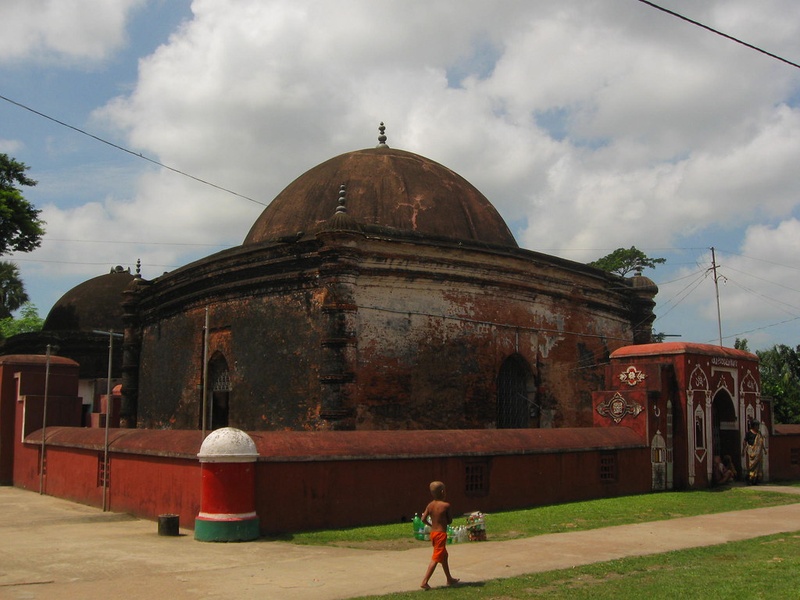
| Khan Jahan Ali’s Tomb | Bagerhat District,Bagerhat | 15th century | Tomb of Khan Jahan Ali, founder of Bagerhat and important Sufi saint. |
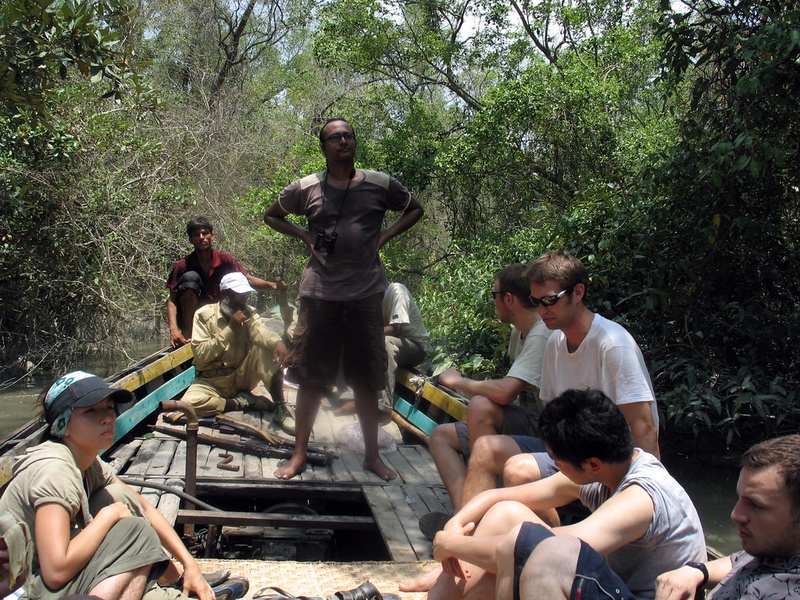
| Sundarbans (Bangladeshi) | Khulna District,Khulna region | Natural, historical usage over centuries | Largest mangrove forest; cultural and historical riverine heritage; UNESCO site. |
| Shaheed Minar (Language Movement Monument) | Dhaka District,Dhaka University area | 20th century (1952) | Monument honoring martyrs of the 1952 Bengali Language Movement. |
| Bangladesh National Museum | Dhaka District,Dhaka | 20th century | National museum preserving archaeological, historical, and cultural collections. |
| Nimtali Deuri | Dhaka District,Old Dhaka | 18th century (Mughal) | Historic Mughal-era administrative residence; now a heritage site and museum. |
| Dhanbari Nawab Bari | Tangail District,Dhanbari | 19th century | Colonial-era zamindar palace with Indo-Saracenic architectural elements. |
| Rayer Bazar Shahi Eidgah | Dhaka District,Rayer Bazar (Dhaka) | 17th century (Mughal) | Historic Mughal-era open-air Eidgah used for communal prayers historically. |
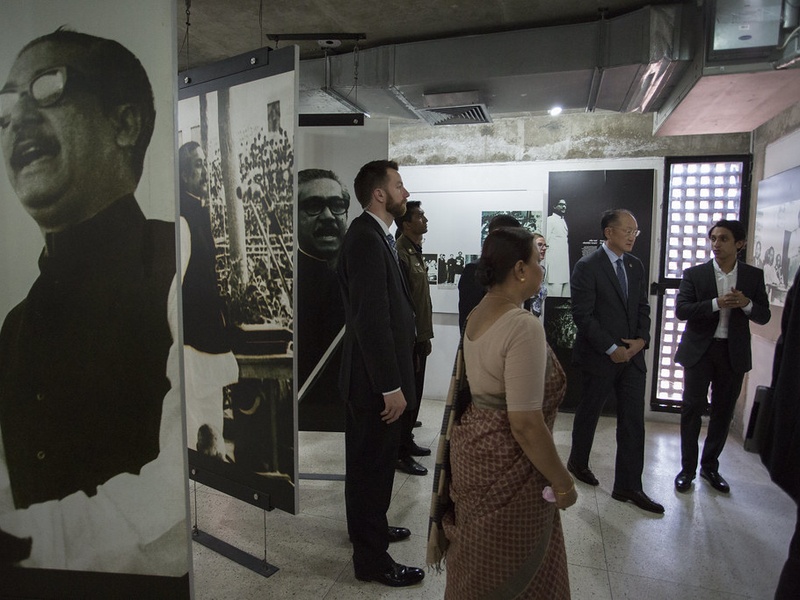
| Bangabandhu Memorial Museum | Dhaka District,Dhanmondi (Dhaka) | 20th century | Preserved home of Sheikh Mujibur Rahman; museum about Bangladesh independence leader. |
| Tungipara Mausoleum (Sheikh Mujib Mausoleum) | Gopalganj District,Tungipara | 20th century | Mausoleum and memorial complex at Sheikh Mujibur Rahman’s burial place. |
Images and Descriptions

Mahasthangarh
Mahasthangarh is an ancient fortified archaeological site in Bogura District. It dates from the 3rd century BCE to early medieval times. The site contains ruins of city walls, mounds, and antiquities that show early urban life in Bengal. It appears in the post as a major ancient city and excavation center.
Somapura Mahavihara (Paharpur)
Somapura Mahavihara at Paharpur in Naogaon District is a large Buddhist monastery from the 8th–12th centuries. It features a central shrine and extensive monastic remains in a cruciform plan. The site is a UNESCO World Heritage Site and a key example of ancient Buddhist architecture in Bangladesh.
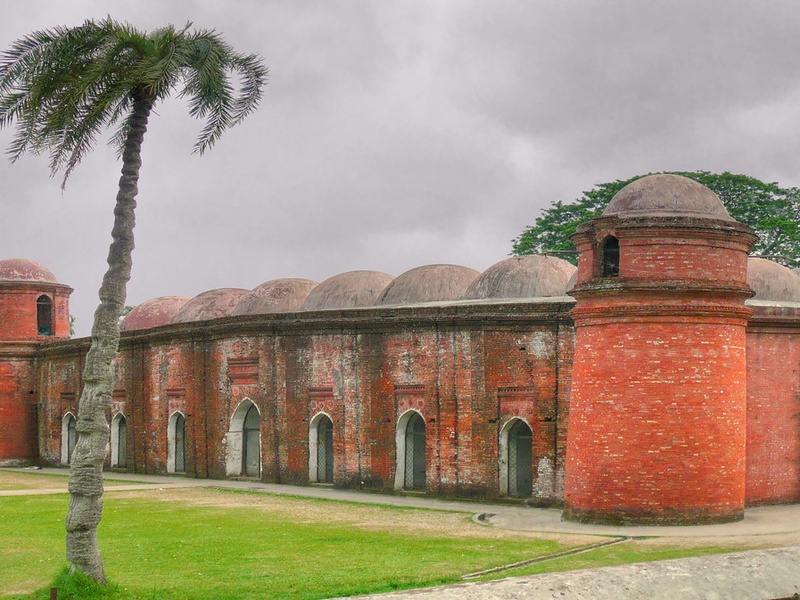
Historic Mosque City of Bagerhat
The Historic Mosque City of Bagerhat lies in Bagerhat District and dates to the 15th century. It includes many mosques, khanqahs, and tombs built under Khan Jahan Ali. The complex shows medieval Islamic urban planning and is a UNESCO World Heritage Site.
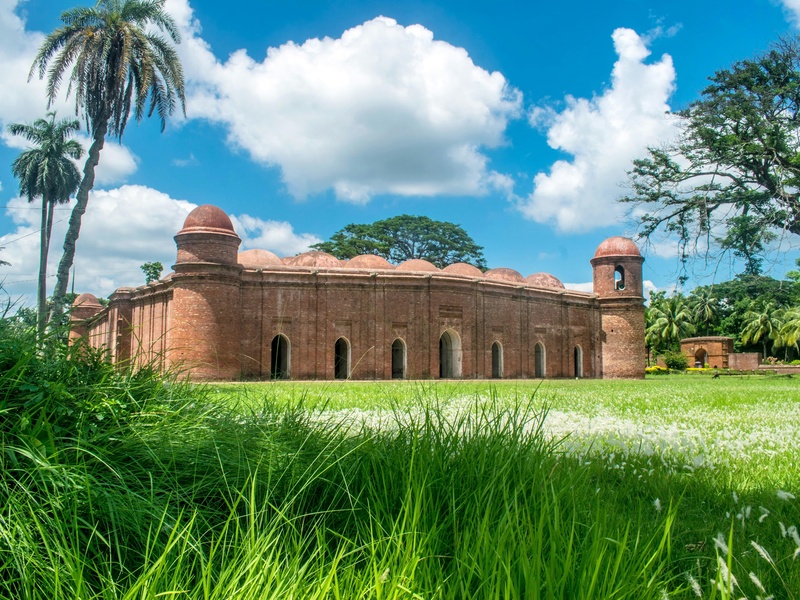
Sixty Dome Mosque
The Sixty Dome Mosque (Shat Gambuj Masjid) stands in Bagerhat and dates to the 15th century. It has many domes and thick walls that show early Sultanate-era mosque design. The mosque is a highlight of Bagerhat and a major pilgrimage and tourist site.
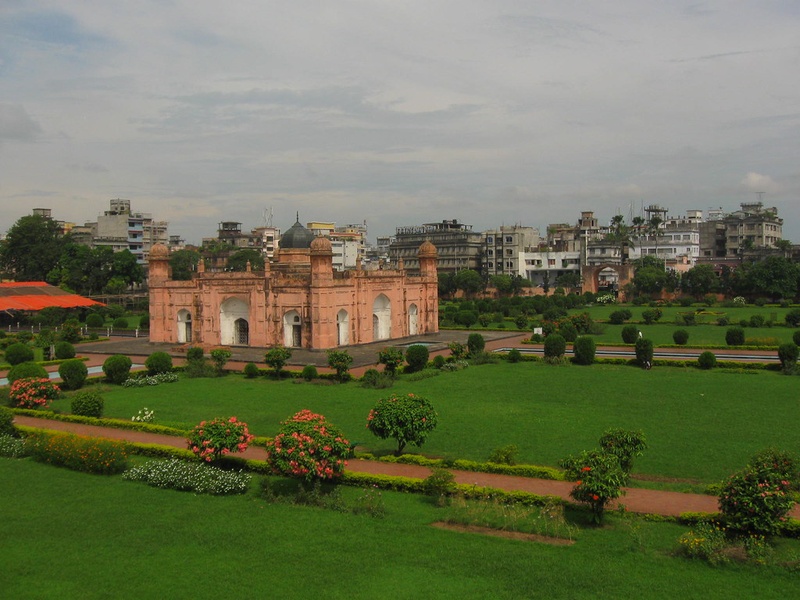
Lalbagh Fort
Lalbagh Fort sits in Old Dhaka and dates to the 17th century Mughal period. It includes fort walls, a mosque, and the unfinished tomb of Shaista Khan’s daughter. The fort is central to Dhaka’s Mughal heritage and draws many visitors.
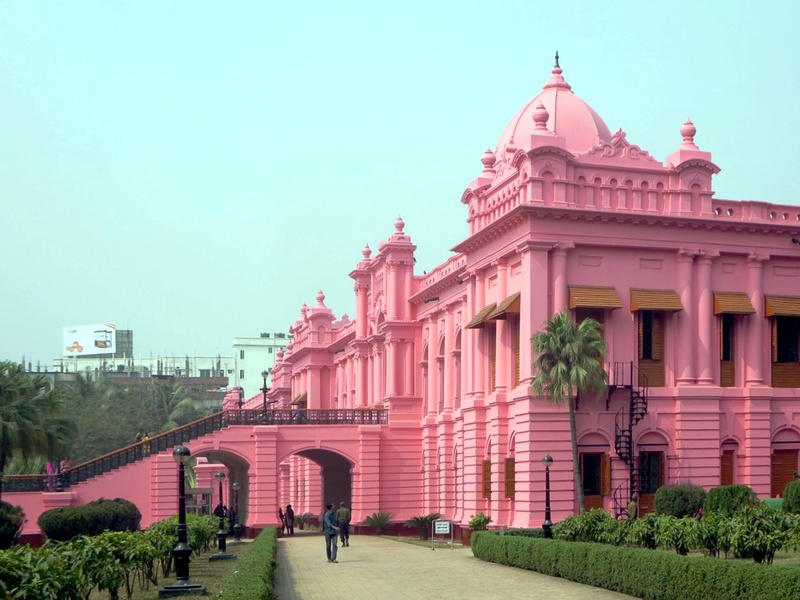
Ahsan Manzil
Ahsan Manzil stands on the Buriganga River bank in Old Dhaka and dates to the 19th century. It served as the residence of the Dhaka Nawab family and shows colonial-era Indo-Saracenic architecture. The palace now houses a museum on local history and rulership.
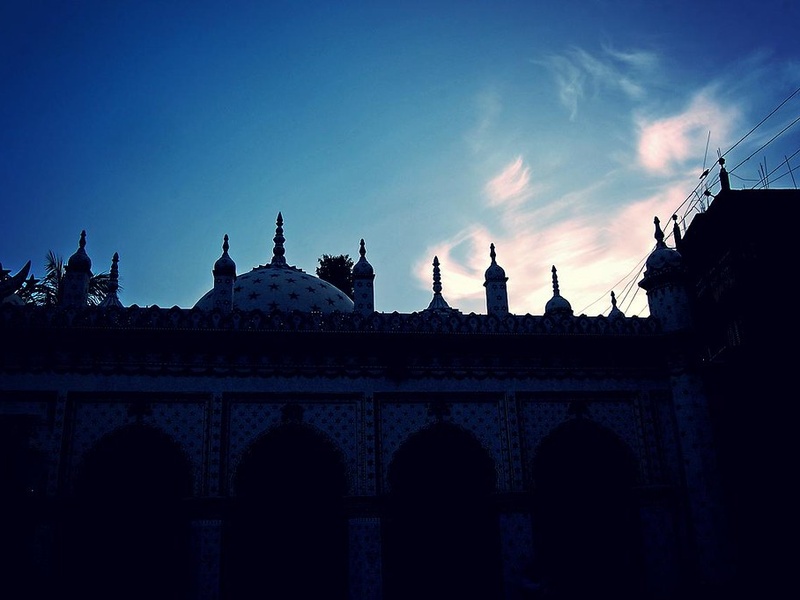
Star Mosque (Tara Masjid)
The Star Mosque is a small mosque in Armanitola, Old Dhaka. It gained fame in the 18th–19th centuries for its star-shaped tile motifs and ornate interior. The mosque represents late medieval and colonial-era devotional art in the city.
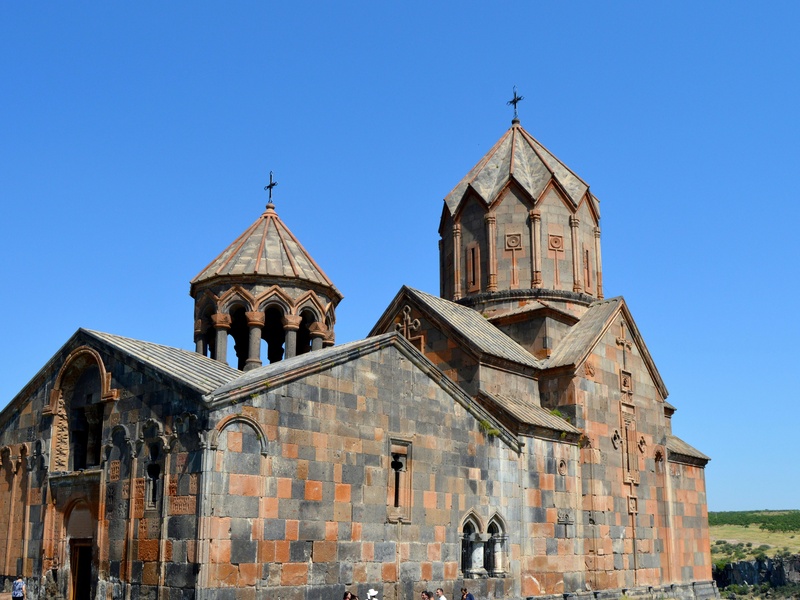
Armenian Church
The Armenian Church lies in Armanitola, Old Dhaka and dates to the late 18th century. It served the Armenian merchant community and shows colonial church architecture. The church is included for its role in Dhaka’s multiethnic trading history.
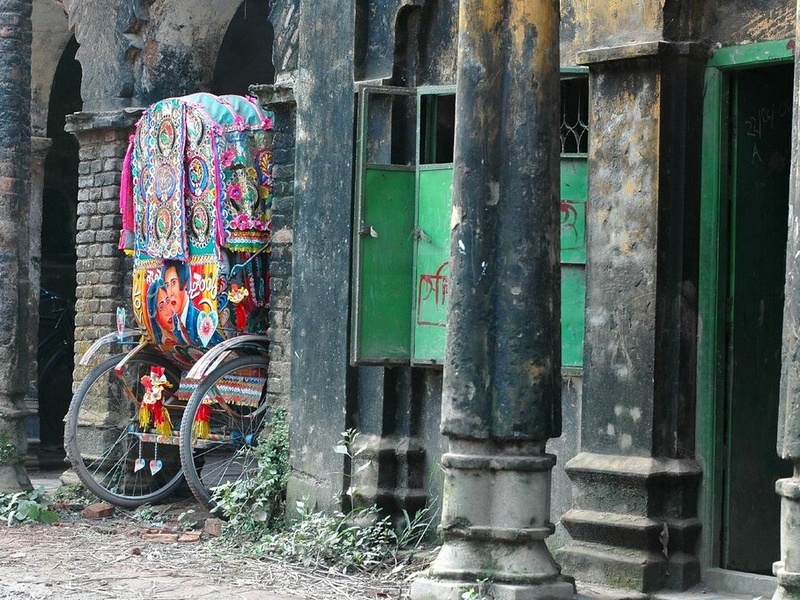
Sonargaon (Panam Nagar)
Sonargaon, near Narayanganj, is a historic riverside town with Panam Nagar ruins from the 17th–19th centuries. It was a medieval capital and a Mughal river port. The site preserves merchant houses, mosques, and a folk museum about Bengal’s river trade.
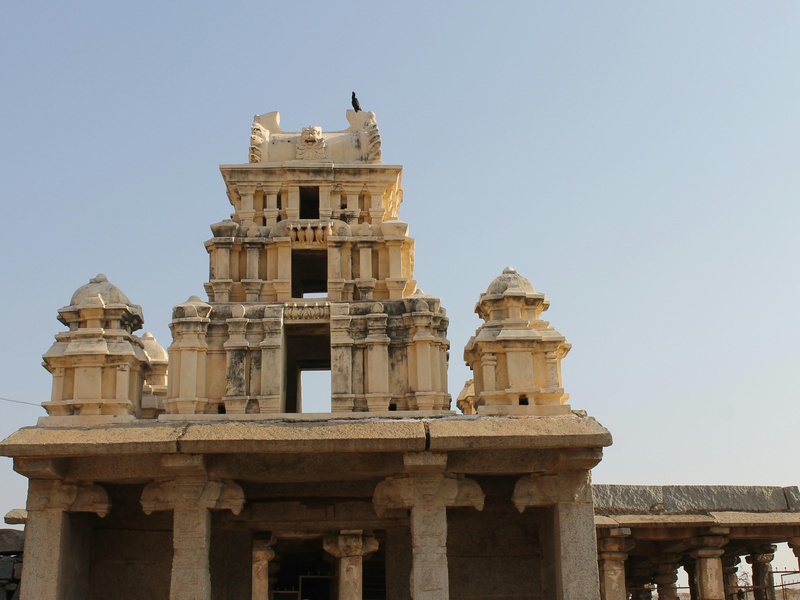
Puthia Temple Complex
Puthia Temple Complex is in Puthia, Rajshahi District and dates mainly to the 18th–19th centuries. It has several Hindu temples with ornate terracotta and stone carvings. The site is a major example of regional temple art and architecture.
Kantaji Temple
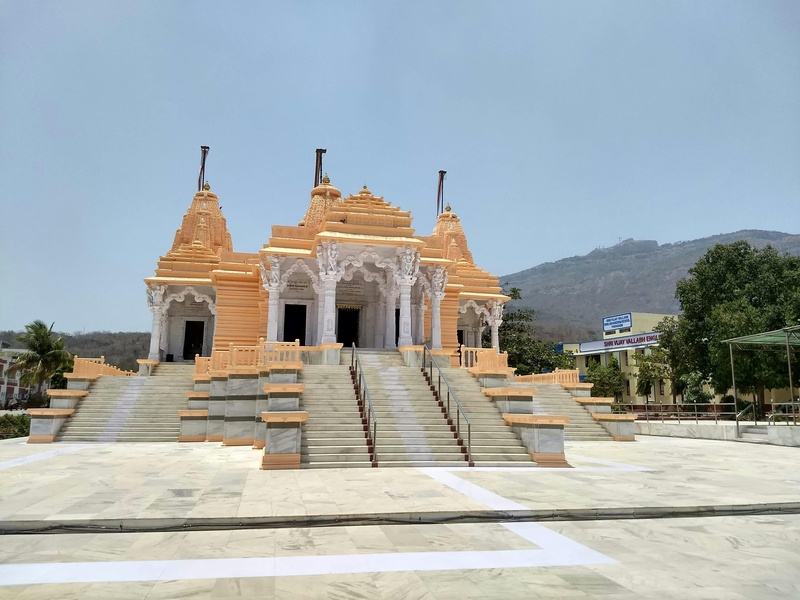
Kantaji Temple (Kantanagar) sits in Dinajpur District and dates to the late 18th century. It is famous for rich terracotta work covering its walls and facades. The temple represents late medieval Hindu devotional architecture in northern Bengal.
Mainamati-Lalmai Archaeological Site
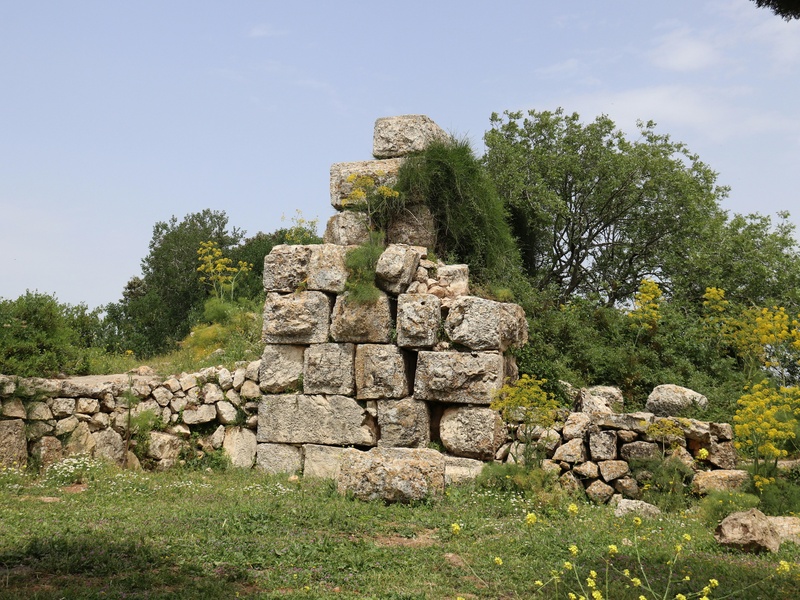
Mainamati-Lalmai is an archaeological complex near Comilla with Buddhist ruins from the 7th–12th centuries. It includes monasteries, stupas, and sculptures on low hills. The site shows the spread of Buddhism and early urban centers in eastern Bengal.
Choto Sona Mosque
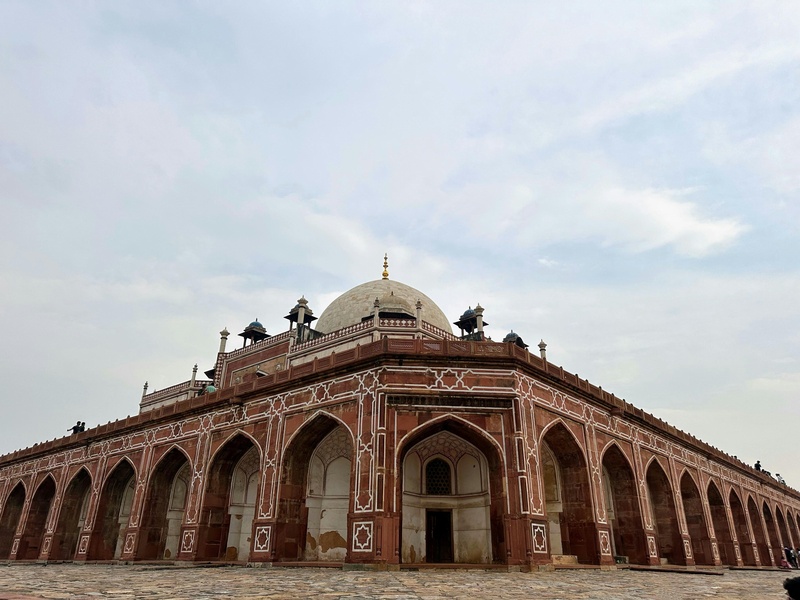
Choto Sona Mosque is in Gaur, Chapainawabganj District and dates to the late 15th–16th centuries under the Bengal Sultanate. It was lavishly decorated and used as a prayer hall for nobility. The mosque illustrates Sultanate-era stone mosque design.
Gaur (Gauda) Ruins
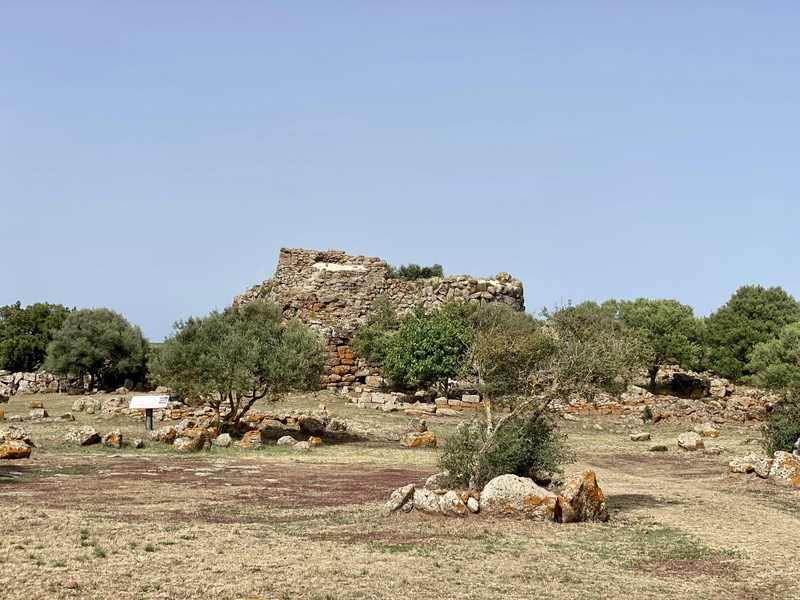
Gaur, straddling Chapainawabganj and Malda (India), is a ruined medieval capital from the 12th–16th centuries. It contains city walls, mosques, and palaces from Sultanate and early Mughal eras. Gaur shows the scale of medieval Bengal’s political centers.
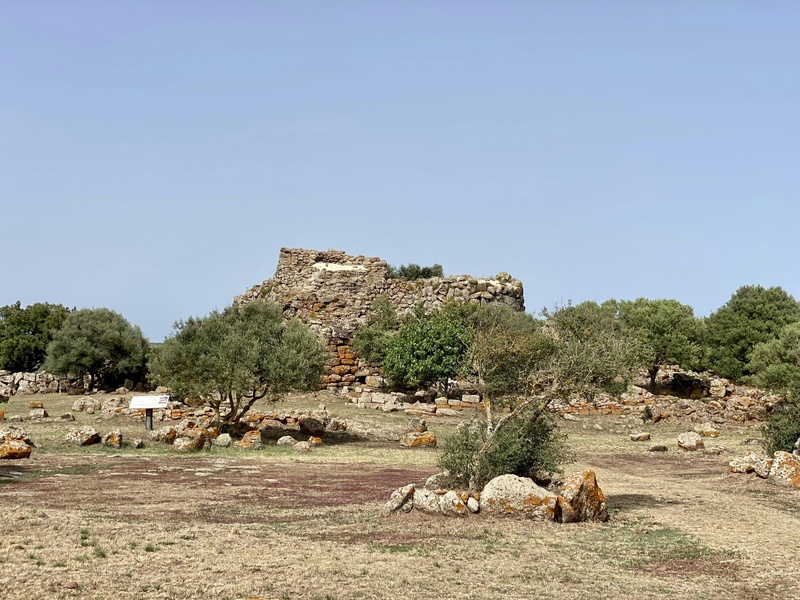
Wari-Bateshwar Archaeological Site
Wari-Bateshwar lies in Narsingdi District and dates back to the early historic period, around the 2nd century BCE to 1st century CE. Excavations show an ancient port town with beads, coins, and fortifications. The site provides evidence of early Bengal trade networks.
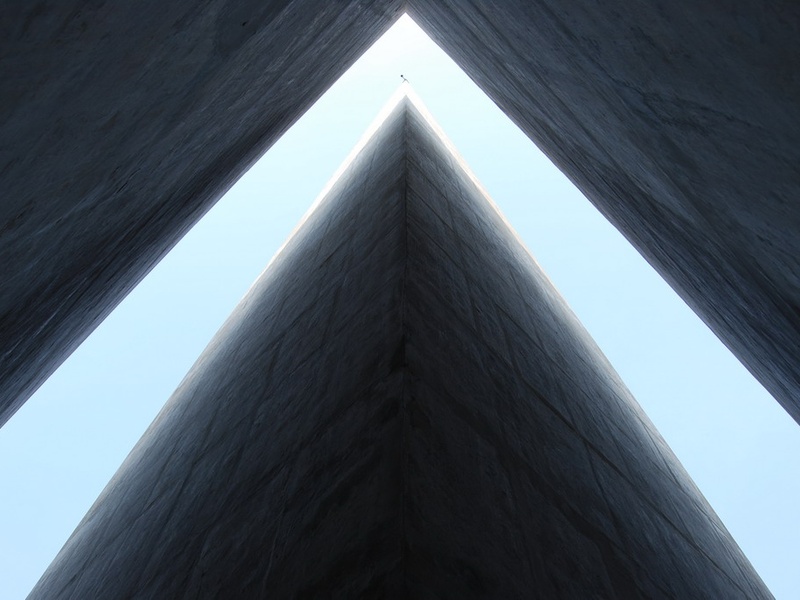
National Martyrs’ Memorial (Jatiyo Smriti Soudho)
The National Martyrs’ Memorial stands in Savar and dates to the 20th century. It honors those who died in the 1971 Liberation War. The monument is a national symbol and a major place for remembrance ceremonies.
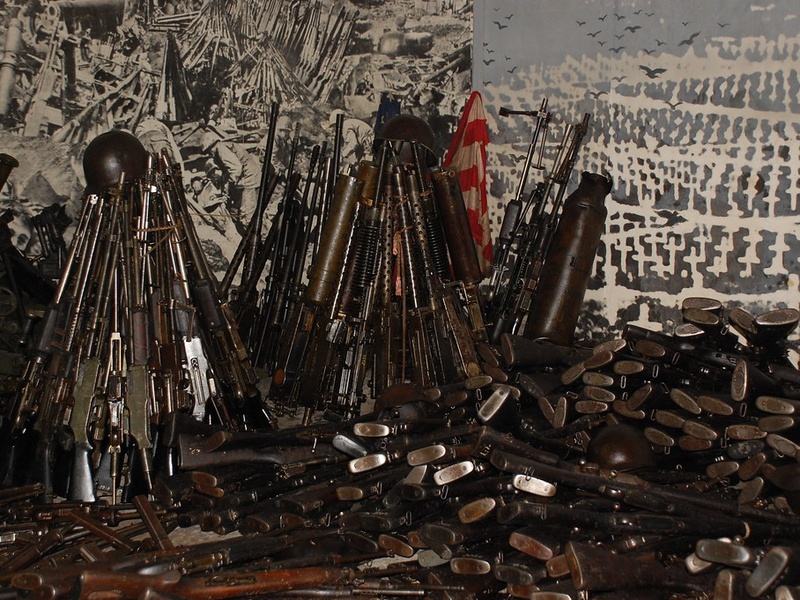
Liberation War Museum
The Liberation War Museum is in Dhaka and documents Bangladesh’s 1971 independence struggle. It holds photos, artifacts, and survivor stories from the war. The museum serves education and commemoration for national history.
Martyred Intellectuals Memorial
The Martyred Intellectuals Memorial lies in Mirpur, Dhaka and commemorates intellectuals killed in 1971. The memorial uses symbolic structures to honor scholars, journalists, and professionals. It marks a solemn part of modern Bangladesh history.
Hajiganj Fort
Hajiganj Fort stands on the Shitalakshya River near Narayanganj and dates to the Mughal period, 17th century. It served as a river defense fort with battlements and cannon placements. The fort shows Mughal river defense strategies.
Sonakanda Fort
Sonakanda Fort sits on the Shitalakshya River near Narayanganj and dates to the 17th century Mughal era. It pairs with Hajiganj Fort to guard the river route to Dhaka. The structure includes bastions and a narrow river entrance design.
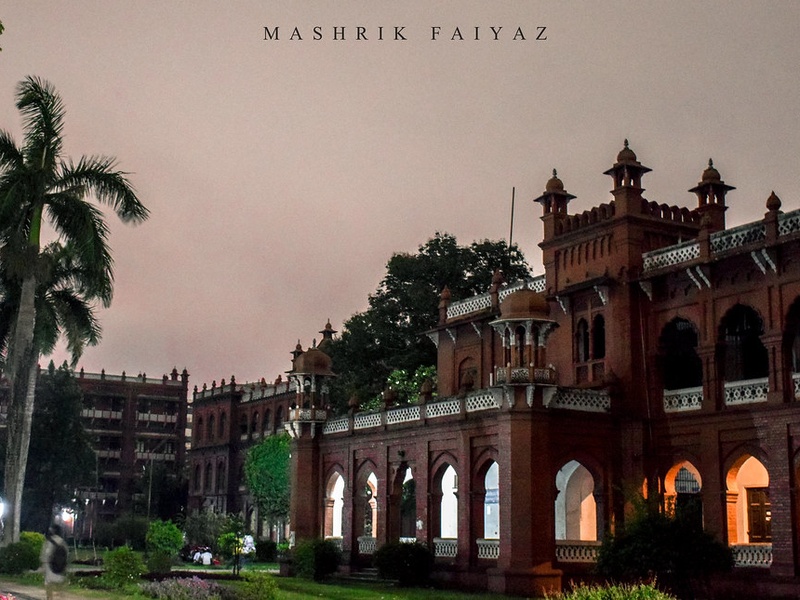
Curzon Hall
Curzon Hall is on the University of Dhaka campus and dates to the early 20th century. It blends Mughal and European styles and houses science faculties. The building is key to Dhaka’s collegiate and colonial architectural heritage.
Bara Katra
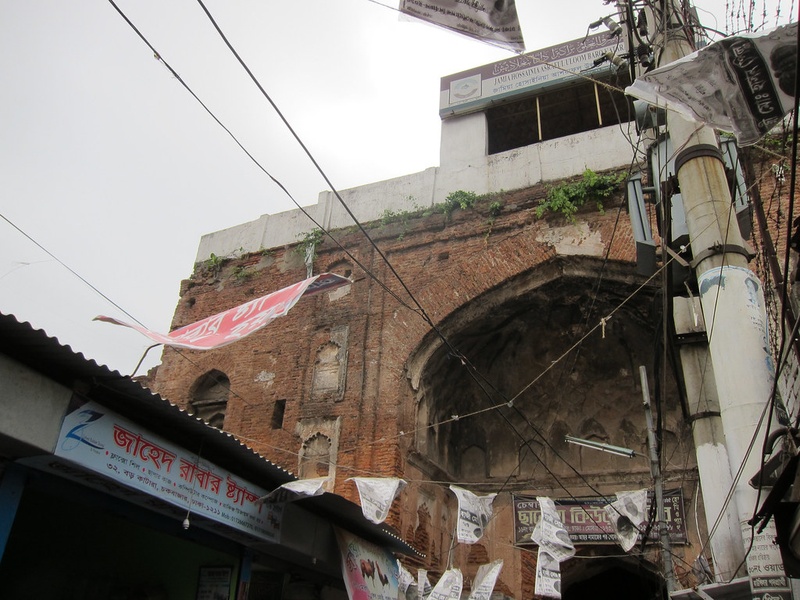
Bara Katra in Old Dhaka is a 17th-century caravanserai built during the Mughal period. It once housed traders and travelers and contains an arched gateway and courtyard. The structure marks Dhaka’s role as a trade hub in Mughal Bengal.
Chhota Katra
Chhota Katra lies near Bara Katra in Old Dhaka and also dates to the 17th century. It functioned as a smaller caravanserai and includes residential cells and courtyards. The site reflects merchant accommodation and urban forms in Mughal times.
Khan Mohammad Mridha Mosque
Khan Mohammad Mridha Mosque sits in Old Dhaka and dates to the 18th century. It shows late Mughal mosque features with terracotta decoration. The mosque is part of Dhaka’s dense religious and architectural landscape.
Tajhat Palace
Tajhat Palace stands in Rangpur and dates to the early 20th century. It served as a zamindar palace with grand halls and gardens. The palace now functions as a museum and cultural center for the region.
Dighapatia Palace
Dighapatia Palace lies in Bogura District and dates to the 19th century. It was the residence of a zamindar family and features neoclassical and Mughal elements. The palace represents colonial-era rural elite architecture.
Varendra Research Museum
Varendra Research Museum is in Rajshahi and houses artifacts from ancient and medieval Bengal. It contains sculptures, coins, and pottery from Mahasthangarh and other sites. The museum supports study of regional history and archaeology.
Dhakeshwari Temple
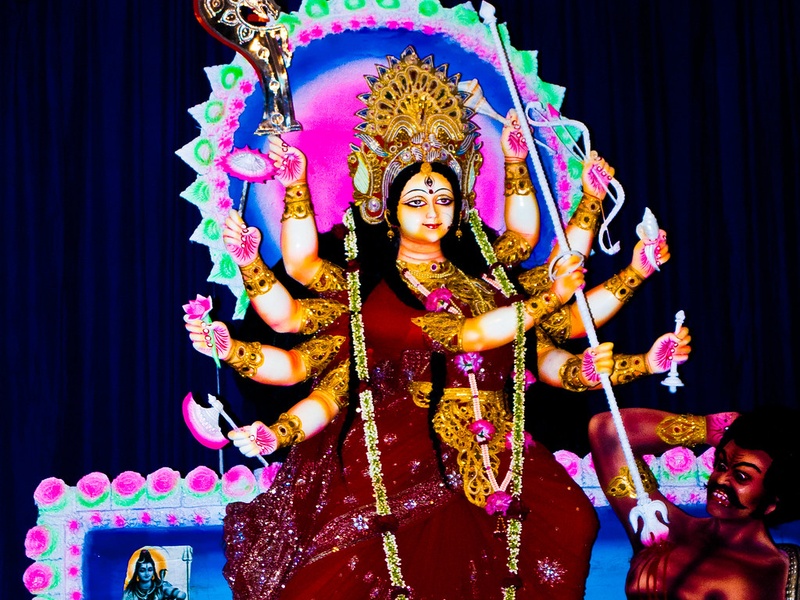
Dhakeshwari Temple in Dhaka is an important Hindu shrine with roots in medieval times and later restorations. It serves as the national temple of Bangladesh and hosts major festivals. The temple symbolizes Hindu heritage in Dhaka.
Binat Bibi Mosque
Binat Bibi Mosque in Narayanganj is one of the oldest mosques in Dhaka region, dating to the 15th century. It has simple stone construction and historic prayer space. The mosque is included for its age and continuous use.
Isa Khan’s Tomb
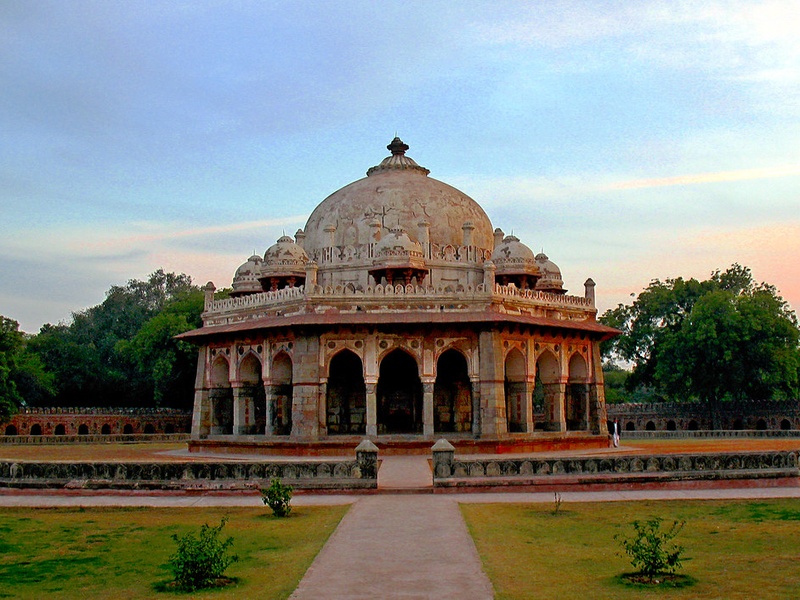
Isa Khan’s Tomb stands in Sonargaon and dates to the 16th century Afghan-Bengal period. It marks the grave of a regional chieftain who resisted Mughal expansion. The tomb shows distinctive terracotta and brick masonry.
Hussaini Dalan
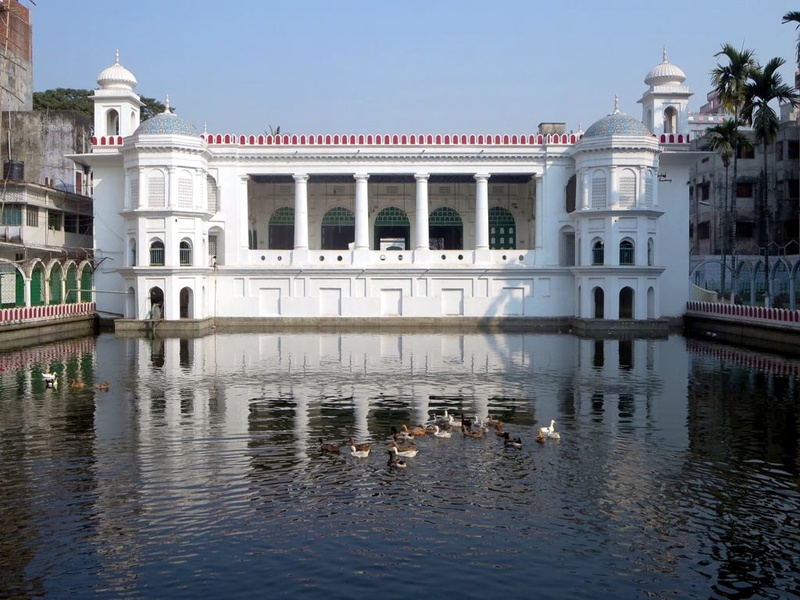
Hussaini Dalan is a Shia shrine in Old Dhaka dating to the 17th century. It hosts Muharram observances and has a large vaulted hall and pond. The building reflects Dhaka’s religious diversity and ritual architecture.
Shah Jalal Dargah
Shah Jalal Dargah in Sylhet is the tomb complex of the 14th-century Sufi saint Shah Jalal. It attracts pilgrims year-round and forms the spiritual heart of Sylhet. The shrine is central to the spread of Islam in northeastern Bengal.
Shah Paran Shrine
Shah Paran Shrine stands near Sylhet and honors a 14th-century Sufi saint and companion of Shah Jalal. It serves as a regional devotional site with regular urs celebrations. The shrine shows Sufi influence in local culture.
Bayazid Bostami Shrine
Bayazid Bostami Shrine in Chattogram is linked to an early Sufi saint and features a tomb and shrine complex. It dates back to medieval times and attracts pilgrims and visitors. The site highlights Sufi traditions in southeastern Bengal.
Shah Amanat Shrine
Shah Amanat Shrine sits in Chattogram and marks the resting place of a local 18th-century saint. It is a popular devotional center with annual observances. The shrine contributes to Chittagong’s spiritual landscape.
Chittagong War Cemetery
Chittagong War Cemetery is a Commonwealth burial ground near Chattogram that holds graves from World War II. It contains well-kept headstones and memorial lawns. The cemetery documents the global wartime presence in the region.
Natore Rajbari
Natore Rajbari lies in Natore and dates mainly to the 18th–19th centuries. It served as the residence of the Rajshahi zamindars and includes palaces, gardens, and temples. The complex reflects zamindari-era social and architectural life.
Bagha Mosque
Bagha Mosque sits in Rajshahi District and dates to the early 16th century under the Bengal Sultanate. It has stone carvings and a large prayer hall with multiple domes. The mosque is an important example of Sultanate architecture in the west.
Shankhari Bazar
Shankhari Bazar is a narrow street in Old Dhaka known for its traditional Hindu artisan houses and shops. The area grew during Mughal and colonial times and retains wood-carved facades and community temples. It illustrates historic urban craft neighborhoods.
Shilaidaha Kuthibari
Shilaidaha Kuthibari lies in Kushtia and is a 19th-century riverside house associated with poet Rabindranath Tagore. Tagore lived and wrote there during the late 1800s and early 1900s. The site holds literary and colonial-era cultural value.
Bikrampur archaeological sites
Bikrampur in Munshiganj District contains multiple archaeological sites from ancient and medieval periods. Finds include Buddhist monasteries, temples, and urban remains dating from the early historic era onward. The area is significant for early Bengal polity and culture.
Khan Jahan Ali’s Tomb
Khan Jahan Ali’s Tomb lies in Bagerhat and dates to the 15th century. It marks the grave of the saint and city-builder who led construction in the region. The tomb is part of the Historic Mosque City of Bagerhat ensemble.
Sundarbans (Bangladeshi)
The Sundarbans in southwestern Bangladesh form the largest mangrove forest in the world and span ancient to modern natural history. The area hosts unique wildlife, including the Bengal tiger, and protects coastal ecology. Parts of the Sundarbans are a UNESCO World Heritage Site.
Shaheed Minar (Language Movement Monument)
Shaheed Minar in Dhaka is a 20th-century monument that honors martyrs of the 1952 Bengali Language Movement. It uses modern sculptural forms and hosts annual Language Day events. The monument symbolizes national identity and language rights.
Bangladesh National Museum
The Bangladesh National Museum in Dhaka displays archaeological, ethnographic, and historical collections from across the country. Exhibits range from ancient artifacts to modern history. The museum supports learning about Bangladesh’s long cultural past.
Nimtali Deuri
Nimtali Deuri stands in Old Dhaka and dates to the late 18th century as a gateway and administrative building for the Nawabs of Dhaka. It features a clock tower and colonial-Mughal architectural blend. The site marks Dhaka’s administrative history.
Dhanbari Nawab Bari
Dhanbari Nawab Bari is a zamindar palace in Tangail District dating to the 19th century. It includes ornate rooms, courtyards, and landscaped grounds. The estate reflects rural elite culture during colonial Bengal.
Rayer Bazar Shahi Eidgah
Rayer Bazar Shahi Eidgah in Dhaka is a large historic open prayer ground with origins in the Mughal and colonial periods. It served as a major communal site for Eid prayers and public gatherings. The Eidgah is part of Dhaka’s social and religious history.
Bangabandhu Memorial Museum
Bangabandhu Memorial Museum in Dhanmondi, Dhaka preserves the home of Sheikh Mujibur Rahman and documents his life and Bangladesh’s independence movement. It contains personal items, photos, and archives. The museum chronicles modern national history.
Tungipara Mausoleum (Sheikh Mujib Mausoleum)
The Tungipara Mausoleum in Gopalganj houses the tomb of Sheikh Mujibur Rahman, the nation’s founding leader. The modern mausoleum and grounds serve as a place of national memory and official visits. It is central to contemporary political heritage.