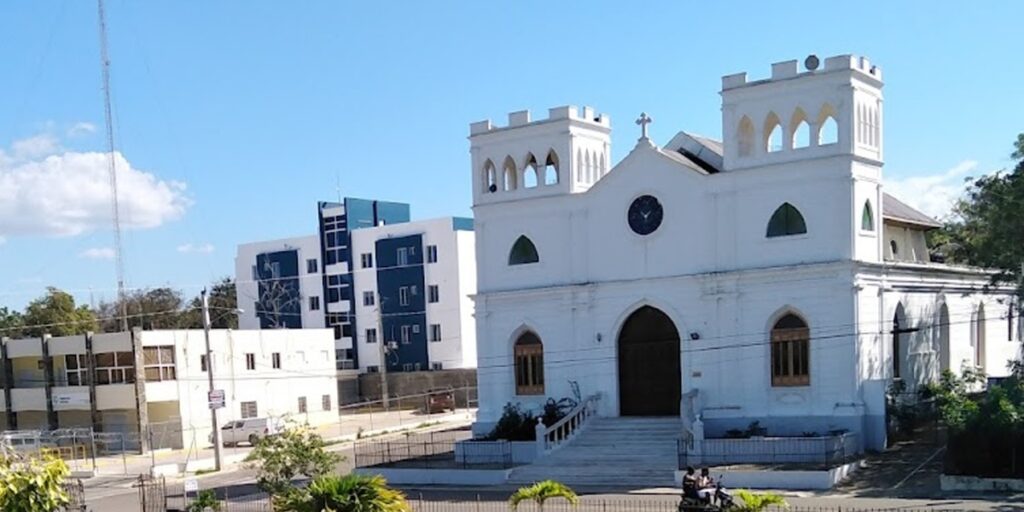
Santo Domingo was the first seat of Spanish colonial rule in the Americas — its Colonial Zone still has streets paved with 500-year-old masonry.
That historical anchor sits alongside sun-drenched beaches, lush national parks and energetic music scenes, making the island a compact, surprisingly varied destination for leisure travelers. Accessibility from major North American and European hubs, a range of experiences from resorts to rustic eco-lodges, and strong value for money all help explain the appeal.
From powdery beaches and year‑round warm weather to vibrant music, rich history, and excellent value, the Dominican Republic offers a surprising mix of reasons that make it a top Caribbean destination.
Below are 10 specific reasons to consider on your next trip, with concrete examples, typical travel times and seasonal tips to help plan. The article moves from natural attractions to culture, activities and practical planning advice.
Beaches & Natural Beauty
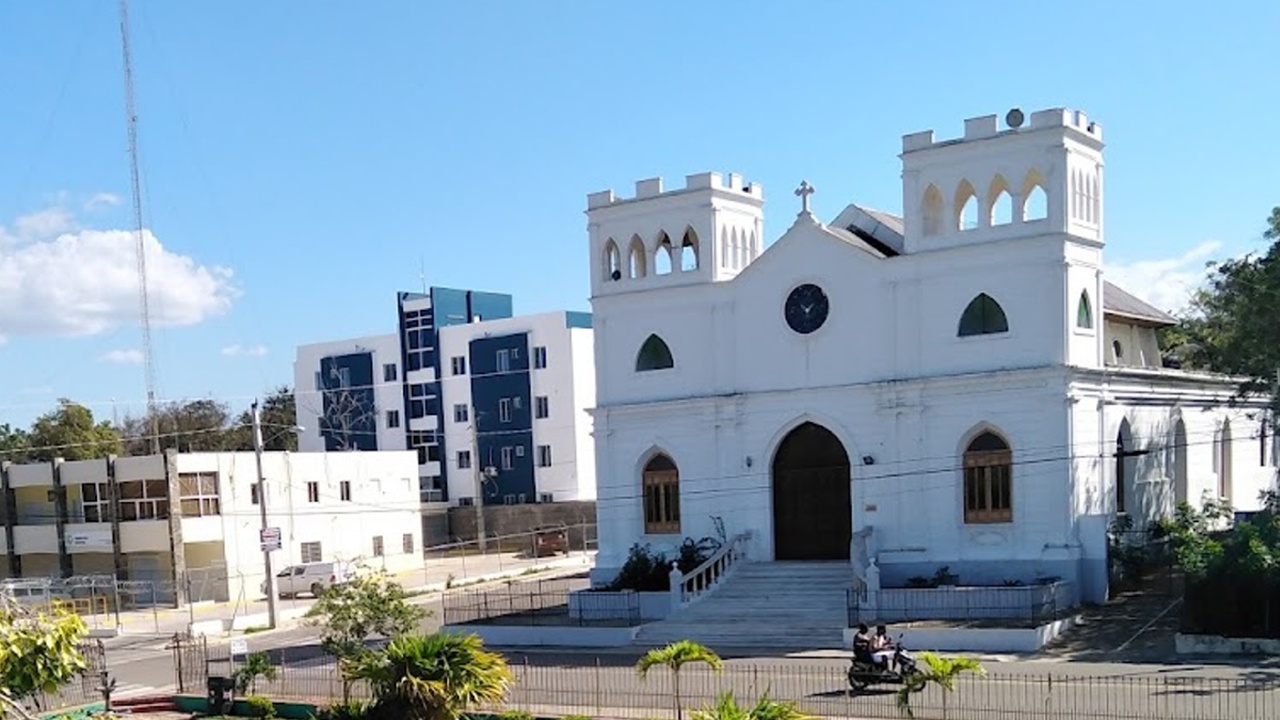
The island’s coastline ranges from broad white-sand resort beaches to offshore cays and dramatic mangrove-fringed bays, plus interior mountains that top 3,000 meters. This section contains three reasons tied to beaches, protected parks and reliable warm weather for outdoor activities.
1. Pristine Caribbean Beaches: Punta Cana, Bávaro and Saona Island
The Dominican Republic is home to some of the Caribbean’s most accessible, well-developed beaches. Punta Cana and adjacent Bávaro rank consistently among the country’s busiest resort corridors thanks to long stretches of white sand, calm swimming zones and a high concentration of all‑inclusive hotels (see the Dominican Ministry of Tourism for visitor figures).
Sea temperatures typically range from about 25–29°C (77–84°F), making beach days pleasant for most of the year. Day trips to Saona Island are a popular option; boat transfers commonly take roughly 45–90 minutes depending on departure point and vessel type, and full-day excursions often run 8–10 hours including transfers.
That combination of calm water, resort infrastructure and organized tours makes Punta Cana and Bávaro especially family- and honeymoon‑friendly.
2. Diverse Ecosystems and Protected Parks
Visitors can explore mangrove forests, coral reefs, dry forest and coastal lagoons across protected areas such as Los Haitises National Park, Cotubanamá (Parque Nacional del Este) and Jaragua National Park. Los Haitises features extensive mangrove channels and cave systems reached by guided boat tour; Cotubanamá protects coral reefs around Saona and Catalina.
For scale: Los Haitises covers roughly 1,600 km² of marine and terrestrial habitat, and Jaragua is part of a larger protected complex exceeding 1,400 km²—official park pages provide exact figures and seasonal access notes (park authorities and the Ministry of Tourism are good sources).
Practical activities include guided mangrove boat trips, cave visits with local guides, and birdwatching for species-rich coastal habitats—these are ideal half- or full-day outings from provincial ports and popular resort areas.
3. Warm, Year-Round Climate and Clear Water Visibility
The DR’s tropical climate makes it a reliable warm-weather choice outside the peak hurricane months. Annual coastal temperatures commonly sit between about 24–31°C (75–88°F), and the most popular tourism window is December–April when trade winds are steady and rainfall is lower.
Hurricane season runs from June–November; most travelers prefer December–April for the calmest seas and lowest rainfall. For snorkeling and diving, visibility often ranges from around 15–30 meters on good days—seasonal variations occur, so consult local dive operators and marine-park advisories for current conditions.
Planning travel for December–April will maximize chances of calm water and strong underwater visibility for reef and wreck dives.
Culture, History & People
The DR is the birthplace of the first European city in the Americas and boasts a lively musical tradition and warm hospitality. Below are two cultural reasons to visit, focused on Santo Domingo’s Colonial Zone and the country’s music, food and festivals.
4. Rich Colonial History: Santo Domingo’s Colonial Zone
Santo Domingo contains the oldest continuously inhabited European settlement in the Americas, founded around 1496. Its Colonial Zone includes landmarks such as the Alcázar de Colón and the Cathedral of Santa María la Menor; UNESCO designated the area a World Heritage Site in 1990 (UNESCO WHC).
Travelers appreciate the compact, walkable streets, museums housed in colonial buildings and the palpable sense of layered history that you can feel on guided walking tours or a leisurely café stop along Calle El Conde.
5. Vibrant Music, Food and Festivals
Music and food are central to the Dominican experience. Merengue and bachata trace key stages of their development to the island; live bands and dance venues are easy to find in cities and resort towns. La Vega Carnival, held in February, is the country’s most famous carnival and showcases elaborate masks and parades.
Culinary highlights include la bandera (rice, beans and meat) and sancocho (a hearty stew); street markets and food stalls offer casual ways to sample typical dishes. For an authentic night out, catch a live merengue band in a small bar or street-side venue.
Activities & Adventure
The island supports an unusually wide range of outdoor pursuits—from world-class kiteboarding and diving to inland trekking and seasonal whale watching. The next three reasons focus on water sports, inland adventure and luxury outdoor amenities.
6. World-Class Water Sports and Scuba Diving
The Dominican Republic is a hub for diving, snorkeling, kiteboarding and windsurfing. Cabarete on the north coast is internationally known for kitesurfing and hosts frequent clinics and competitions, while Bayahibe and Catalina Island near La Romana offer coral gardens and wreck dives.
Dive conditions commonly provide visibility in the 15–30 meter range on good days, with site types including shallow reefs, coral walls and shipwrecks. Local PADI-certified operators run daily trips; book through established centers (many resorts recommend partners) and aim for December–April for the calmest surface conditions.
7. Hiking, Waterfalls and Whale Watching
Inland adventures balance the beach scene. Pico Duarte, the Caribbean’s highest peak, rises to about 3,087 meters (roughly 10,128 ft) and offers multi-day treks as well as shorter trail options. Day hikes and canyoning are available at spots like the Damajagua waterfalls (Seven Waterfalls) near Puerto Plata.
Samaná Bay is a world-class whale-watching destination: humpback whale season runs roughly January–March, and licensed tours depart from Samaná town and Las Terrenas. For safety and conservation, book a licensed guide and expect half‑day excursions during peak season.
8. Golf, Spas and Luxury Outdoor Amenities
The DR hosts numerous championship golf courses and high-end resort amenities that pair outdoor access with comfort. Designers such as Jack Nicklaus and Pete Dye have courses on the island; these properties often bundle green fees, lessons and spa treatments with stays.
For travelers who want active relaxation, resorts typically offer spa packages, guided nature excursions and tailored golf packages—an appealing mix for couples or travelers seeking both activity and pampering.
Practical Benefits & Value
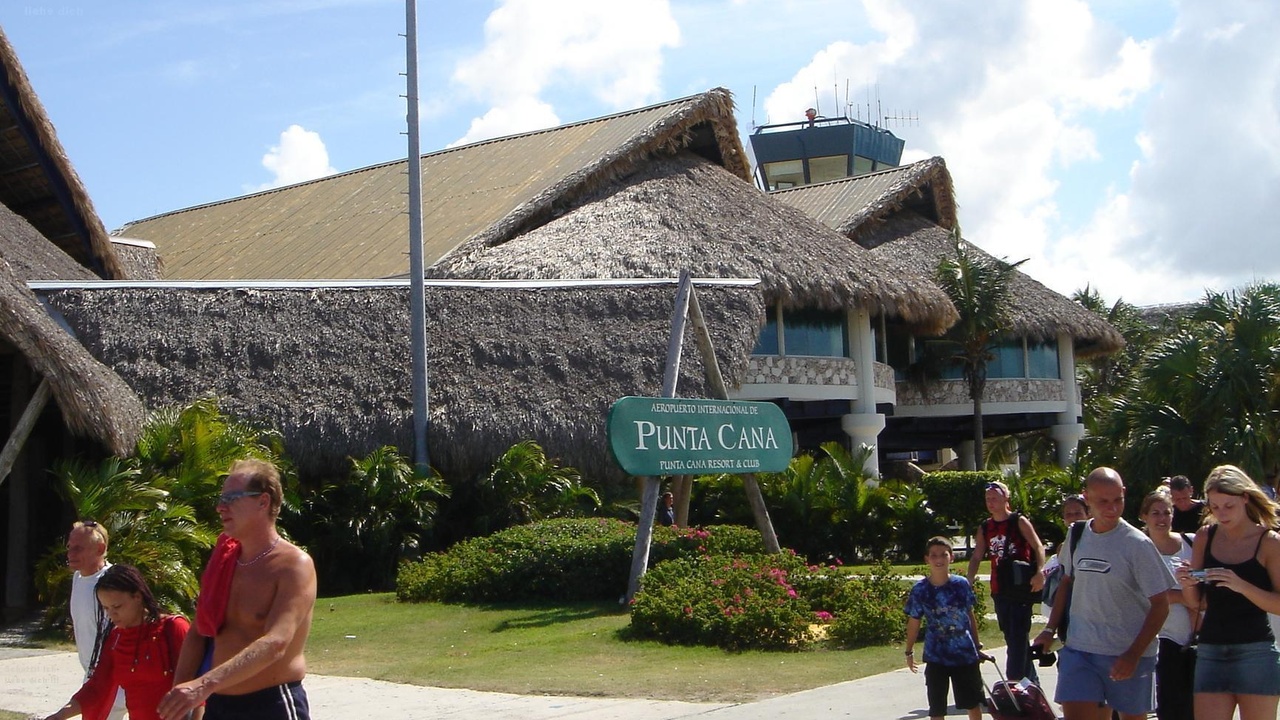
Beyond scenery and culture, affordability, flight access and improving infrastructure make the country straightforward for many travelers. The two reasons below cover value through all‑inclusives and ease of access via major airports.
9. Excellent Value: All-Inclusive Deals and Affordability
All-inclusive resorts are a major draw because they bundle lodging, most meals, many drinks and some activities into a single price—making costs predictable. Typical packages vary widely, but sample ranges for a mid-range all‑inclusive might run from approximately $600–$1,500 per person for a 5‑day stay, while budget travelers can find guesthouses and local dining for much less.
Local prices for food, excursions and taxis are often lower than comparable Caribbean islands, so travelers can mix an all‑inclusive base with a la carte day trips for good value. Check current package rates through reputable tour operators and hotel booking sites for up‑to‑date pricing.
10. Easy Access, Direct Flights and Growing Infrastructure
The Dominican Republic is easy to reach from North America, Europe and parts of Latin America. Primary gateways are Punta Cana International (PUJ), Las Américas in Santo Domingo (SDQ) and Cibao in Santiago (STI). From the U.S. East Coast, typical flight times to Punta Cana are about 3 hours; direct routes from cities such as New York, Miami and Madrid have expanded in recent years.
Airport expansions and resort development have improved arrivals and ground transfers; for precise schedules and route growth consult IATA or the airport authorities for current route maps and seasonal frequencies.
Summary
- Powdery beaches, offshore islands and mountains (Pico Duarte ~3,087 m) offer varied natural experiences.
- Historic Santo Domingo (UNESCO 1990), lively music and festivals (La Vega Carnival in February) provide rich cultural engagement.
- Adventure options from Cabarete kiteboarding and Catalina Island dives to Damajagua hikes and Samaná whale watching (Jan–Mar).
- Strong value via all‑inclusive packages and easy access—major airports PUJ, SDQ and STI with many direct routes and ~3‑hour flights from the U.S. East Coast.
- Consider these reasons to visit the Dominican Republic when planning: check seasonal guidance (humpback whales Jan–Mar, hurricane season Jun–Nov), book licensed guides for nature tours, and compare all‑inclusive packages for best value.