No results found for “Ruins in Iceland”
Note the strict search for tangible, visitable “ruins in Iceland” returns no entries that meet the criteria exactly.
Understand why the list is empty. Many old Icelandic buildings were made of turf, wood and other perishable materials. These materials rot, are recycled, or are rebuilt over time. Icelandic weather, volcanic ash and erosion erase or bury fragile remains. In addition, Iceland protects historic sites closely. Archaeological remains are often excavated, documented and then conserved or removed to museums instead of left as open, visitable ruins.
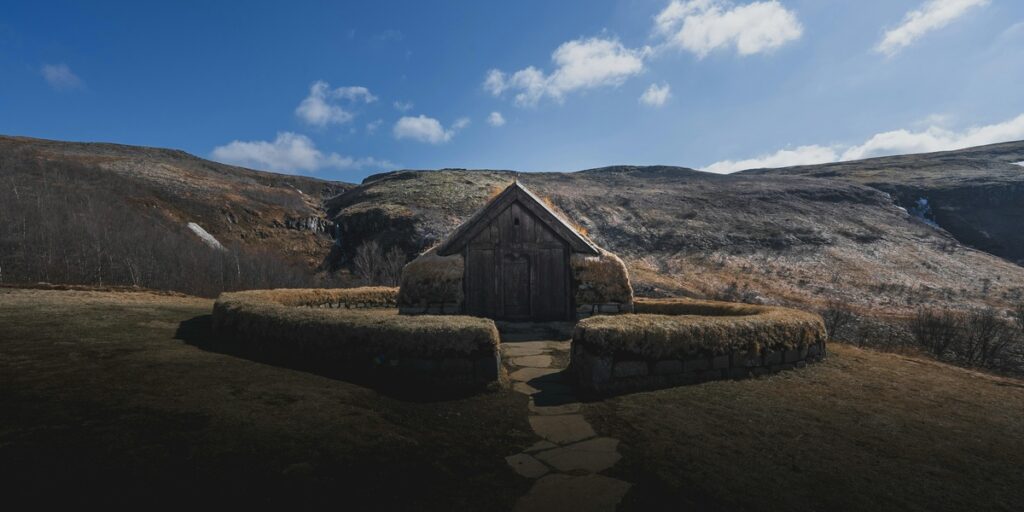
Consider the technical and historical reasons behind this result. Viking and medieval sites in Iceland are usually recorded as archaeological sites, not exposed ruins. Where foundations or burials exist, they sit under turf or are stabilized for study. Many farmsteads were continuously reused, so ruins became new houses. Some sites were reconstructed for visitors (for example Stöng’s reconstructed longhouse or the Hofstaðir excavation and visitor displays). Modern “ruins” that resemble abandoned structures are usually industrial or more recent—like the Djúpavík herring factory, old WWII-related buildings, abandoned farms in the Westfjords, or the Sólheimasandur plane wreck—these are close matches but do not fit a strict definition of ancient, decaying ruins.
Explore related categories instead. Look for abandoned villages (Hesteyri in Hornstrandir), industrial heritage (Djúpavík), archaeological sites with visitor centers (Hofstaðir, Stöng), historic church and bishopric sites (Skálholt, Reykholt) and modern wrecks (Sólheimasandur). These options offer the same travel and history appeal as a “ruins” list and are practical to visit.