Denmark’s landscape holds layers of human stories — from Viking burial mounds and medieval churches to Renaissance castles and coastal forts. Walking these sites gives a sense of how trade, faith and strategy shaped towns and countryside over centuries.
There are 55 Historical Places in Denmark, ranging from Aalborghus Castle to Østerlars Church. Each entry is organized with Location,Era (year/period),Significance / Meaning so you can compare sites, check dates and plan visits, and the full list you’ll find below.
How should I choose which sites to visit if I have limited time?
Decide whether you want a thematic route (Viking-era, royal residences, ecclesiastical architecture) or a geographic one (Copenhagen-focused or Jutland coast). Use the Location,Era (year/period),Significance / Meaning fields to filter for proximity, era or historical interest, then cluster nearby sites into a day or weekend itinerary.
Do these sites typically require advance booking or have seasonal access limits?
Many churches and exteriors are open year-round, but interiors, guided tours and some manor houses or archaeological sites may have seasonal hours or require tickets; check official sites or local tourist offices in advance and look for combined passes or visitor information in the entries below.
Historical Places in Denmark
| Name | Location | Era (year/period) | Significance / Meaning |
|---|---|---|---|
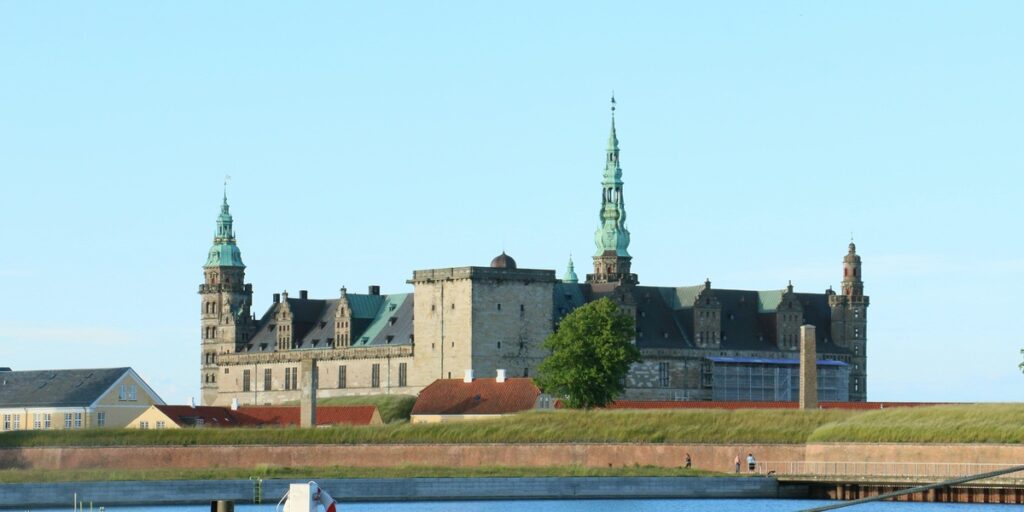
| Kronborg Castle | Helsingør, Zealand | 16th century | Renaissance fortress, Shakespeare’s Hamlet setting and strategic Öresund control |
| Roskilde Cathedral | Roskilde, Zealand | 12th century | Royal burial site of Danish monarchs; UNESCO World Heritage |
| Jelling Stones | Jelling, Jutland | 10th century | Runestones marking Christianization and royal power; UNESCO World Heritage |
| Hammershus | Allinge, Bornholm | 13th century | Northern Europe’s largest medieval fortress ruins on Bornholm |
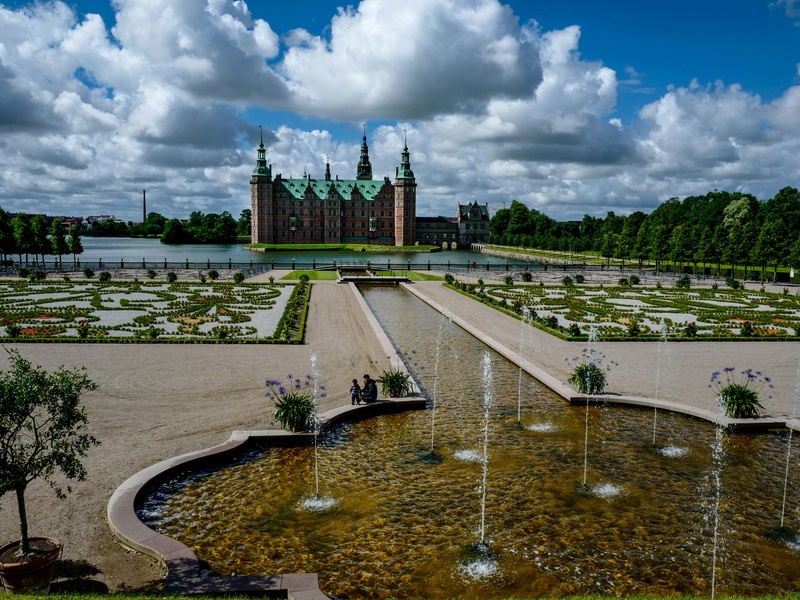
| Frederiksborg Castle | Hillerød, Zealand | 17th century | Royal residence illustrating Danish Renaissance and national history |
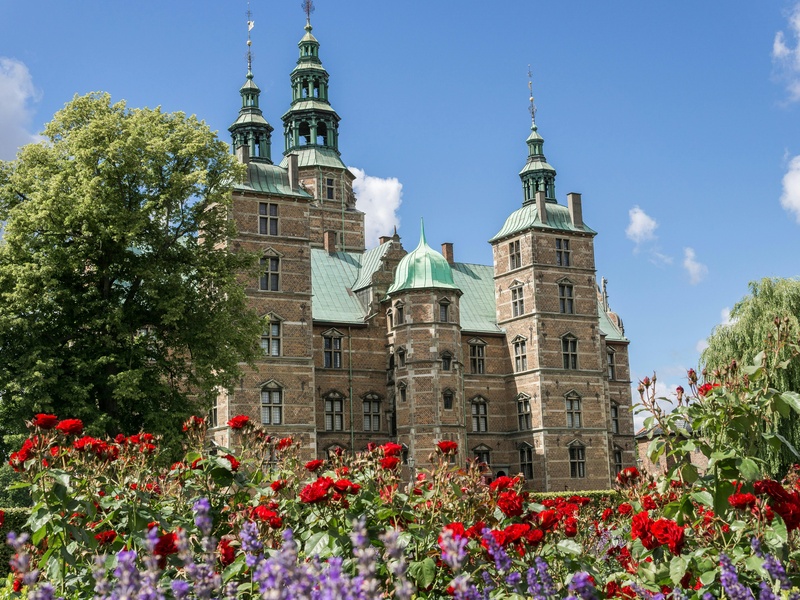
| Rosenborg Castle | Copenhagen, Zealand | 17th century | Renaissance castle housing royal treasury and crown jewels |
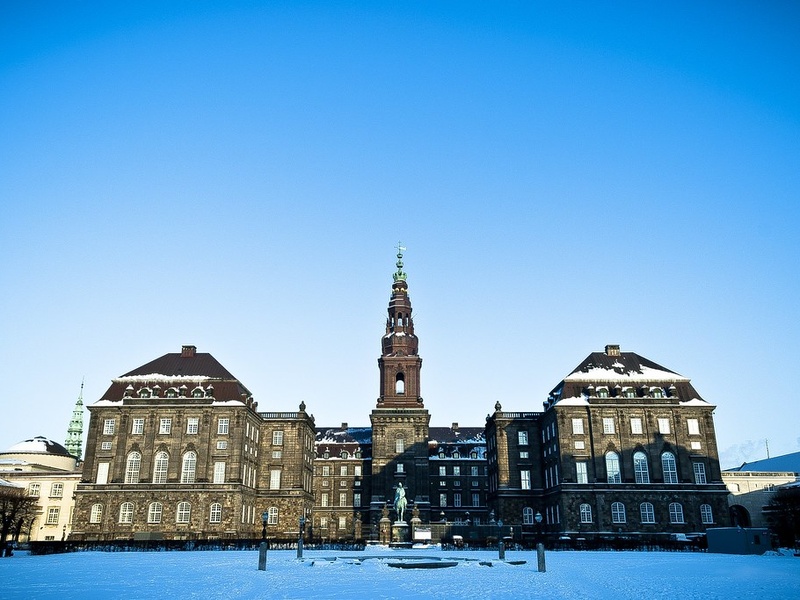
| Christiansborg Palace | Copenhagen, Zealand | 12th century | Seat of Danish Parliament; site of successive castles and palaces |
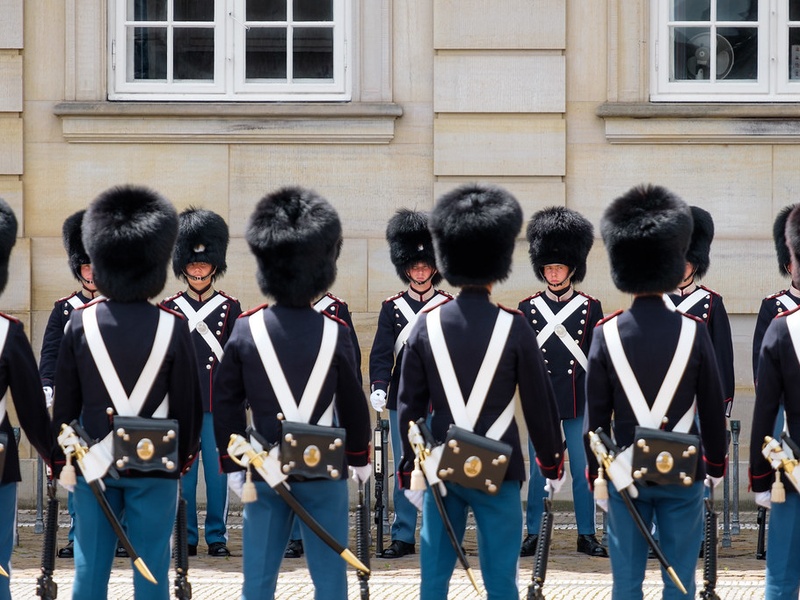
| Amalienborg | Copenhagen, Zealand | 18th century | Royal winter residence and neoclassical palace complex |
| Egeskov Castle | Kværndrup, Funen | 16th century | Well-preserved moated Renaissance castle and historic gardens |
| Odense Cathedral | Odense, Funen | 12th century | Medieval cathedral linked to Hans Christian Andersen’s heritage |
| Aarhus Cathedral | Aarhus, Jutland | 12th century | Denmark’s longest cathedral with medieval architecture and national art |
| Ribe Cathedral | Ribe, Jutland | 12th century | Historic cathedral in Denmark’s oldest town; medieval religious center |
| Lindholm Høje | Aalborg, Jutland | Viking Age (8th–11th c.) | Major Viking burial site and settlement with runic stones |
| Viking Ship Museum | Roskilde, Zealand | Viking Age (11th century) | Recovered Viking ships offering maritime archaeology and reconstructions |
| Fyrkat | Hobro, Jutland | 10th century | Viking ring fortress archaeological site showing military organization |
| Trelleborg (Slagelse) | Slagelse, Zealand | 10th century | Well-preserved Viking ring fortress archaeological remains |
| Nonnebakken | Odense, Funen | Viking Age (10th century) | Remains of Viking fortress; one of Denmark’s ring fortress sites |
| Aggersborg | Løgstør, Jutland | 10th century | Largest Viking ring fortress in Denmark; major archaeological site |
| Stevns Klint | Stevns, Zealand | 66 million BC (K–Pg boundary) | Cliff preserving K–Pg boundary; Højerup Church history; UNESCO site |
| Christiansfeld | Christiansfeld, Jutland | 18th century | Planned Moravian town with preserved architecture; UNESCO World Heritage |
| Gammel Estrup | Auning, Jutland | 16th century | Renaissance manor house and museum of aristocratic life |
| Sønderborg Castle | Sønderborg, Jutland | 12th century | Medieval castle central to Southern Jutland’s history and conflicts |
| Esrum Abbey | Esrum, Zealand | 12th century | Cistercian monastery ruins reflecting medieval monastic life |
| Dragsholm Castle | Dragsholm, Zealand | 13th century | One of Denmark’s oldest secular buildings with medieval and renaissance layers |
| Borgring | Køge, Zealand | 10th century | Circular Viking fortress recently excavated; rare defensive structure |
| Lejre | Lejre, Zealand | Iron Age–Viking Age | Ancient royal seat linked to Norse sagas and archaeological remains |
| The Little Mermaid | Copenhagen, Zealand | 1913 (20th century) | Iconic bronze statue inspired by Hans Christian Andersen’s fairy tale |
| Børsen (Old Stock Exchange) | Copenhagen, Zealand | 17th century | Distinctive Renaissance building with dragon spire, historic marketplace |
| Rundetårn (Round Tower) | Copenhagen, Zealand | 17th century | 17th-century astronomical tower and observatory with preserved ramp |
| Nyborg Castle | Nyborg, Funen | 12th century | Medieval royal fortress; site of early Danish parliament (Danehof) |
| Tranekær Castle | Tranekær, Funen | 13th century | Castle on Langeland with medieval origins and continuous habitation |
| Gavnø Castle | Næstved, Zealand | 16th century | Manor with baroque gardens and notable art collections |
| Mariager Abbey | Mariager, Jutland | 12th century | Ruins of medieval Bridgettine monastery and pilgrimage site |
| Aalholm Castle | Nysted, Zealand | 12th century | Historic medieval castle complex on Lolland with long defensive history |
| Frederiksberg Palace | Frederiksberg, Zealand | 18th century | Baroque palace and former royal summer residence with gardens |
| Kastellet | Copenhagen, Zealand | 17th century | Well-preserved star fortress and public park in Copenhagen harbor |
| Den Gamle By | Aarhus, Jutland | Various (16th–20th c.) | Open-air museum exhibiting historic Danish town architecture and life |
| Christiansø Fortress | Christiansø (Ertholmene), Bornholm | 17th century | Fortified island complex protecting eastern Danish waters |
| Dybbøl Banke | Sønderborg, Jutland | 1864 (19th century) | Site of 1864 Second Schleswig War battle; national memory and museum |
| Aalborghus Castle | Aalborg, Jutland | 16th century | Renaissance castle used by governors with preserved medieval core |
| Koldinghus | Kolding, Jutland | 13th century | Royal castle turned ruin and museum reflecting Danish medieval conflicts |
| H.C. Andersen’s Birthplace | Odense, Funen | 19th century | Childhood home of Hans Christian Andersen, now a museum |
| Viborg Cathedral | Viborg, Jutland | 12th century | Important medieval cathedral with frescoes and ecclesiastical history |
| Sorø Abbey | Sorø, Zealand | 12th century | Cistercian monastery ruins and burial site of Danish royalty |
| Borreby Castle | Skælskør, Zealand | 16th century | Renaissance manor known for historic architecture and film locations |
| Frederik’s Church (The Marble Church) | Copenhagen, Zealand | 18th–19th century | Large baroque church with prominent dome near Amalienborg |
| Kalø Castle Ruin | Rønde, Jutland | 14th century | Picturesque medieval ruin on a peninsula, accessible by foot or boat |
| Liselund Manor | Møn, Zealand | 18th century | Romantic manor and landscaped park reflecting late-18th-century tastes |
| Østerlars Church | Østerlars, Bornholm | 12th century | One of Denmark’s largest round churches used defensively in Middle Ages |
| Nylars Church | Nylars, Bornholm | 12th century | Medieval round church with frescoes, typical of Bornholm’s fortification churches |
| Moesgaard Museum | Højbjerg (Aarhus), Jutland | Prehistoric (Bronze/Iron Age) | Museum with archaeological collections including the Grauballe Man bog body |
| Spøttrup Castle | Spøttrup, Jutland | 16th century | Well-preserved medieval fortress manor in Jutland |
| Søborg Castle Ruin | Søborg, Zealand | 12th century | Ruined medieval hilltop castle with strategic historical importance |
| Middelaldercentret | Nykøbing Falster, Zealand | Medieval (13th–15th c.) | Living-history museum reconstructing medieval life and siege machinery |
| Vordingborg Castle (Goose Tower) | Vordingborg, Zealand | 12th century | Ruined castle with iconic Goose Tower, medieval royal stronghold |
Images and Descriptions
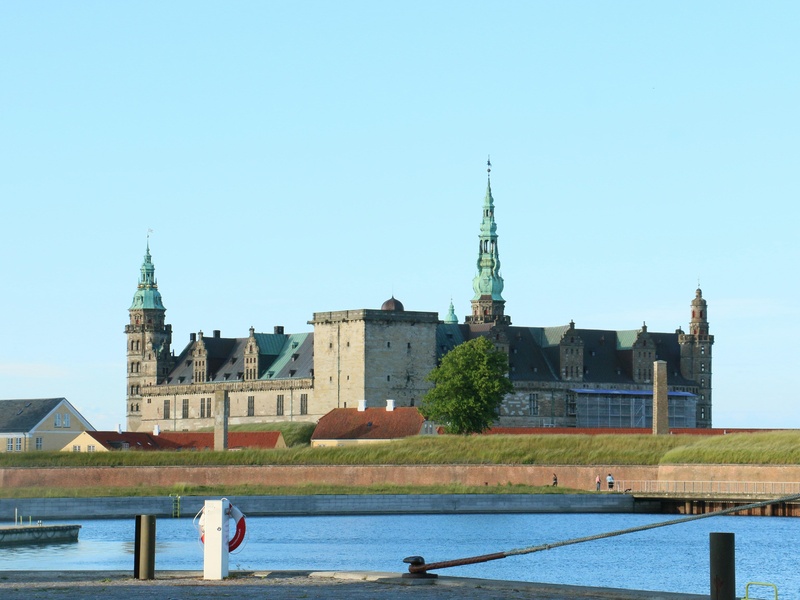
Kronborg Castle
Kronborg Castle stands at the tip of Helsingør and dates to the 16th century. It served as a royal fortress and customs post and features Renaissance architecture. It is a UNESCO World Heritage Site and a key stop for visitors interested in Denmark’s royal and maritime history.
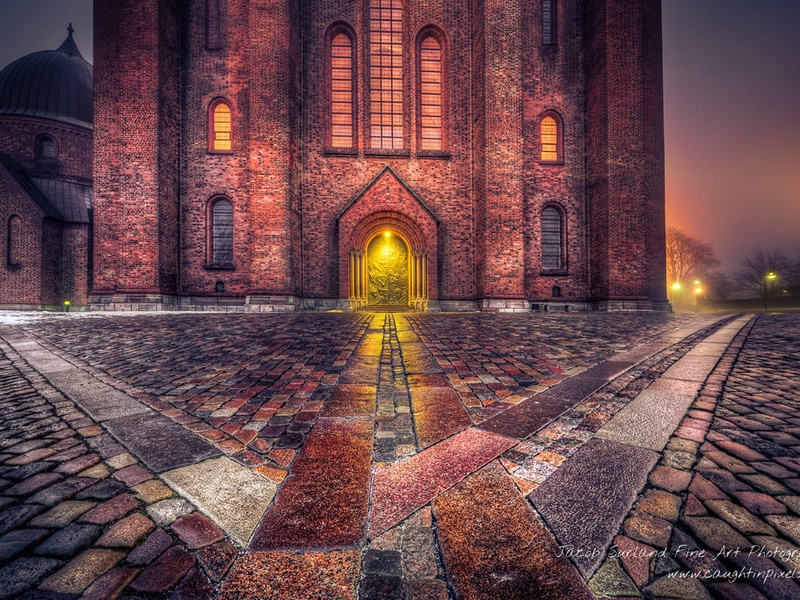
Roskilde Cathedral
Roskilde Cathedral is a brick Gothic church from the 12th century in Roskilde. It serves as the burial place for Danish monarchs and shows royal funerary art across centuries. It is a UNESCO World Heritage Site and a central site for Danish history.
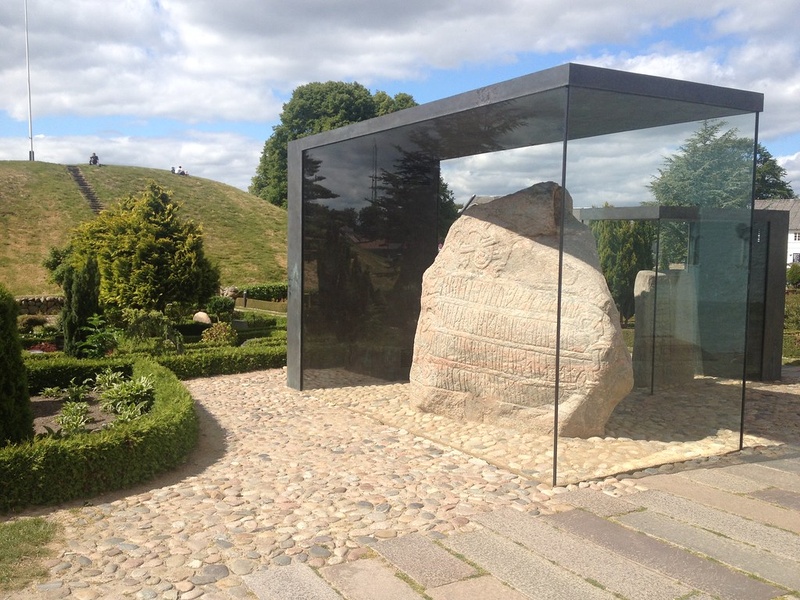
Jelling Stones
The Jelling Stones are two large 10th-century runestones set by King Harald Bluetooth. They mark the conversion of Denmark to Christianity and the founding of the Danish kingdom. The stones are part of the Jelling Monuments, a UNESCO World Heritage Site.
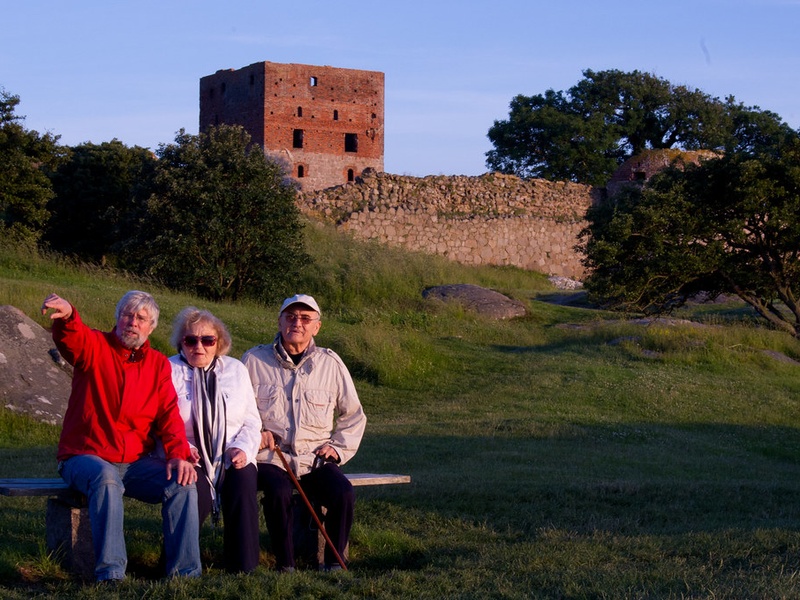
Hammershus
Hammershus is a vast medieval castle ruin on Bornholm from the 13th century. It served as a stronghold and refuge for bishops and nobles. It is one of Northern Europe’s largest castle ruins and illustrates medieval power struggles.
Frederiksborg Castle
Frederiksborg Castle in Hillerød is a grand early 17th-century palace in Dutch Renaissance style. It later became a museum of national history and holds royal portraits and art. The castle sits in a large baroque garden and attracts cultural visitors.
Rosenborg Castle
Rosenborg Castle sits in central Copenhagen and dates to the early 17th century. It houses the Danish crown jewels and royal collections. The castle is a well-preserved example of Christian IV’s reign and sits in King’s Garden.
Christiansborg Palace
Christiansborg Palace on Slotsholmen in Copenhagen is the seat of Denmark’s parliament, supreme court, and prime minister. The site holds layers of royal and political history across centuries. Parts of the palace include royal reception rooms and archaeological ruins.
Amalienborg
Amalienborg is an 18th-century palace complex in Copenhagen and the winter home of the Danish royal family. Four identical rococo mansions surround an octagonal square. The site shows modern monarchy in a historic urban setting.
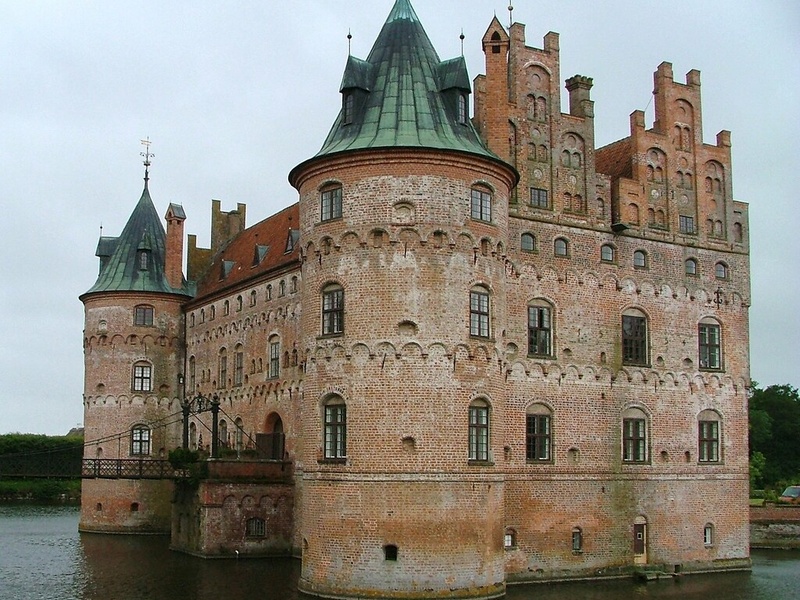
Egeskov Castle
Egeskov Castle on Funen is a well-preserved 16th-century moated Renaissance castle. It retains original defensive features and period interiors. The estate also features gardens, museums, and family-friendly exhibits.
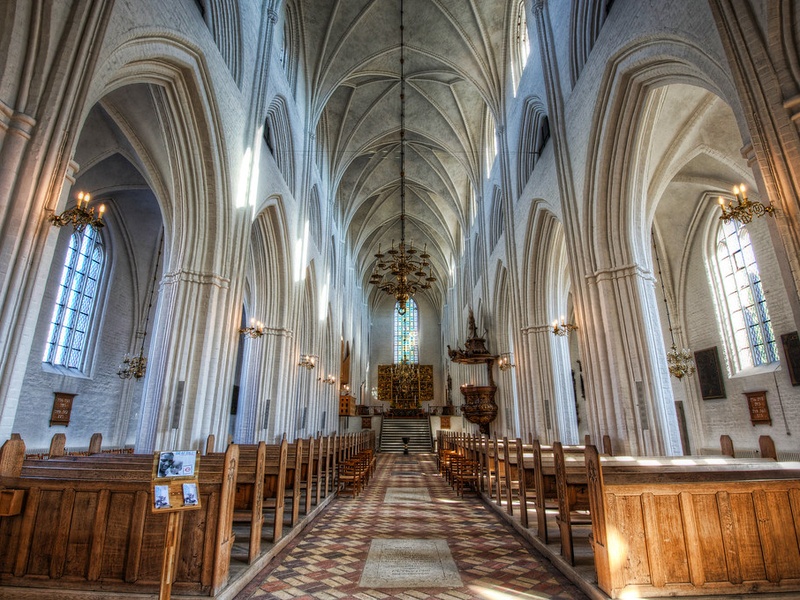
Odense Cathedral
Odense Cathedral, also called St. Canute’s Cathedral, is a medieval church with core parts from the 11th–13th centuries. It stands in the city linked to Hans Christian Andersen’s life. The cathedral shows Gothic architecture and medieval tombs.

Aarhus Cathedral
Aarhus Cathedral is the long, aisled church in Aarhus with origins from the 12th century. It serves as the city’s main church and contains notable frescoes and a carved pulpit. The cathedral anchors Aarhus’s medieval center.
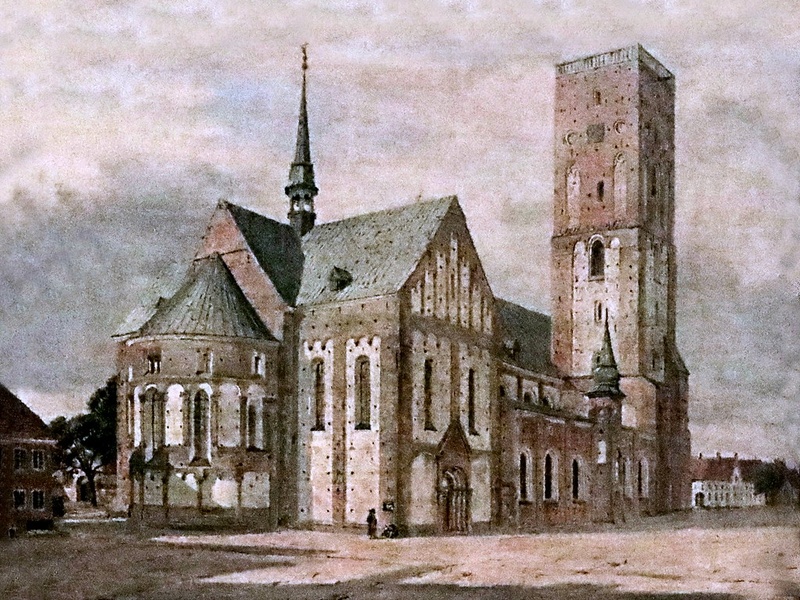
Ribe Cathedral
Ribe Cathedral sits in Denmark’s oldest town and dates back to the 12th century. It blends Romanesque and Gothic styles and holds local ecclesiastical artifacts. The cathedral reflects Ribe’s role as an early religious and trading center.
Lindholm Høje
Lindholm Høje near Aalborg is a large Viking and Iron Age burial site with stone ships and grave markers. The site shows ancient burial customs and offers a clear view of coastal settlement patterns. Interpretive trails and a small museum explain the finds.
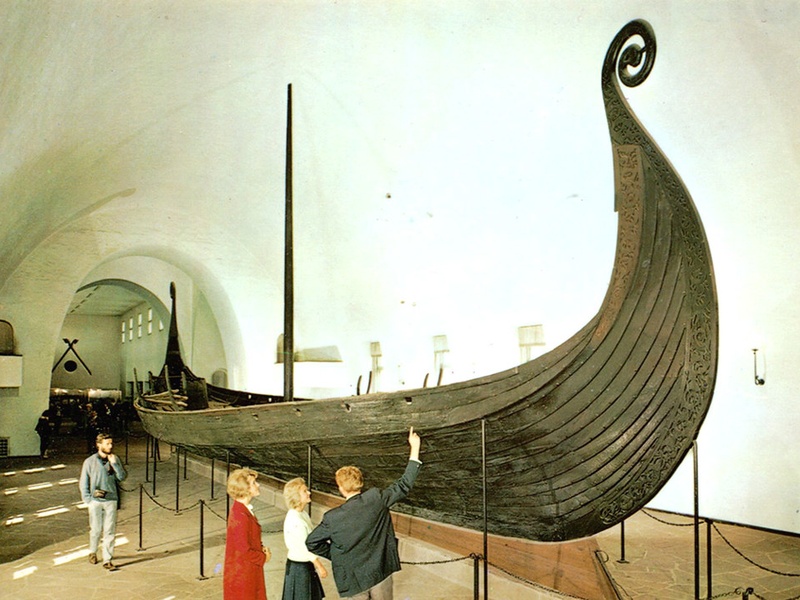
Viking Ship Museum
The Viking Ship Museum in Roskilde displays Viking ships recovered from the fjord and reconstructions. It focuses on shipbuilding, seafaring, and archaeological methods from the Viking Age. The museum offers boat sails, workshops, and waterside exhibitions.
Fyrkat
Fyrkat is a circular Viking ring fortress near Hobro from the 10th century. Excavations reveal timber houses, workshops, and defensive earthworks. The site illustrates the organized military architecture of the Viking period.
Trelleborg (Slagelse)
Trelleborg near Slagelse is a 10th-century Viking ring fortress with a precise circular plan. Archaeology reveals housing, crafts, and a structured military layout. The site connects to royal Viking strategies and central control.
Nonnebakken
Nonnebakken is the site of a Viking fort in Odense that once formed part of Denmark’s defensive ring. Archaeology shows earthworks and timber constructions from the Viking Age. The location highlights Odense’s early strategic importance.
Aggersborg
Aggersborg near Aggersund is one of the largest Viking ring fortresses and dates to the 10th century. It served as a military and administrative center on the Limfjord. The site underlines the scale of Viking-age fortification.
Stevns Klint
Stevns Klint is a dramatic chalk cliff on Zealand that preserves the Cretaceous–Paleogene boundary. The cliffs record a global extinction event and show clear geological layers. Stevns Klint is a UNESCO World Heritage Site and a unique natural-historical place.
Christiansfeld
Christiansfeld is an 18th-century Moravian Church town on Funen with uniform architecture and a planned street grid. The town reflects pietist community planning and social history. It is a UNESCO World Heritage Site for its cultural layout and preservation.
Gammel Estrup
Gammel Estrup is a well-preserved manor house complex and museum in Jutland. Buildings span late medieval and early modern periods and show noble household life. The estate presents rural aristocratic history and craftsmen’s workshops.
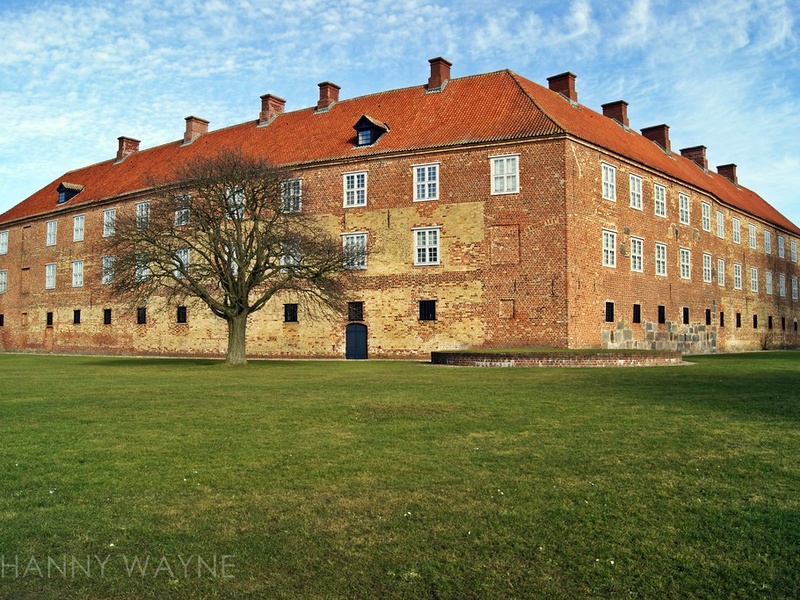
Sønderborg Castle
Sønderborg Castle on Als dates back to the 12th century and evolved into a Renaissance fortress. It houses a museum about southern Jutland’s history and the 1864 war. The castle sits on a harbor and demonstrates regional conflicts.
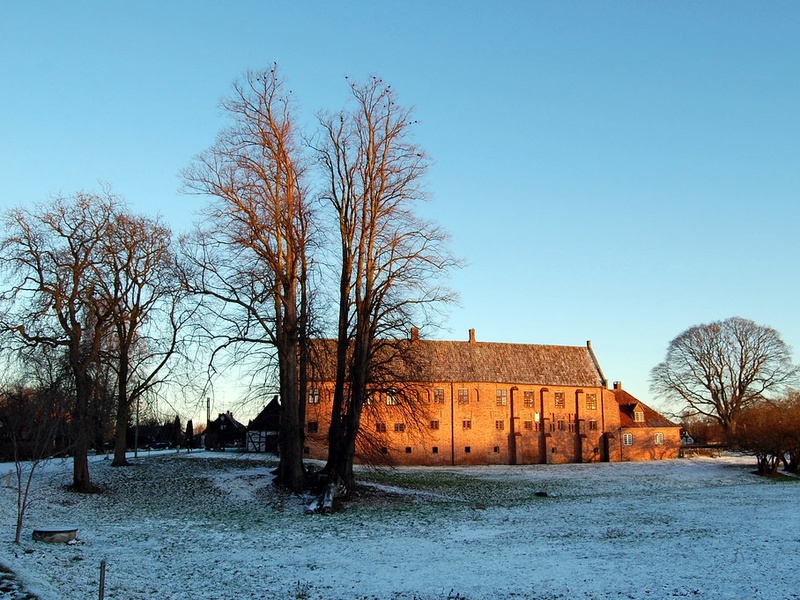
Esrum Abbey
Esrum Abbey near Gribskov is a former Cistercian monastery founded in the 12th century. Surviving buildings and ruins show monastic life and medieval agriculture. The site includes a museum and park in a quiet forest setting.
Dragsholm Castle
Dragsholm Castle on Zealand has medieval origins and houses baroque and later interiors. It is one of Denmark’s oldest secular buildings and contains hotel and museum spaces. Legends and ghost stories add to its cultural appeal.
Borgring
Borgring is a newly studied Viking ring fortress near Køge from the 10th century. Earthworks and excavations reveal the circular plan and timber structures. The site adds to knowledge about Viking royal projects on Zealand.
Lejre
Lejre is a landscape of archaeological sites tied to early Danish kings and ritual centers. Excavations show halls, farmsteads, and cult places from the Iron Age and Viking period. Lejre links myth, saga tradition, and material evidence.
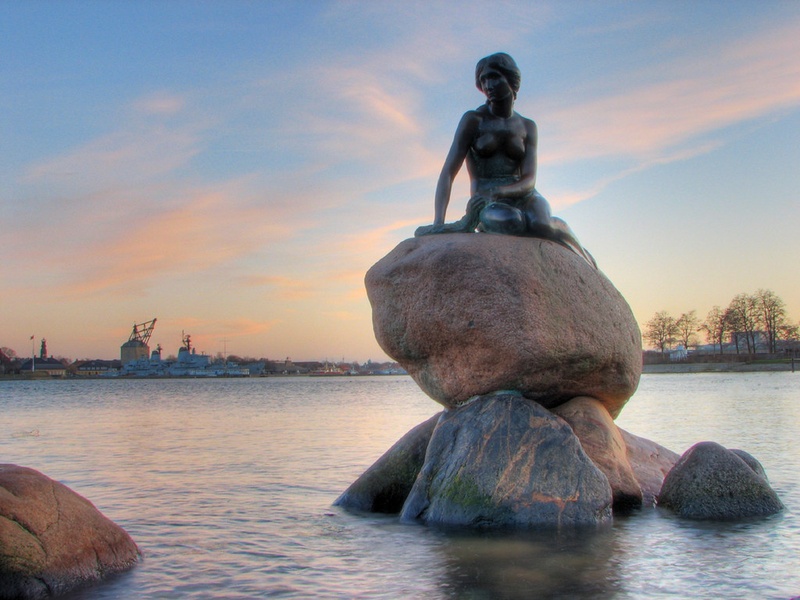
The Little Mermaid
The Little Mermaid statue in Copenhagen dates from 1913 and honors Hans Christian Andersen’s fairy tale. The small bronze figure sits on a granite rock by the water. It functions as a cultural icon and popular waterfront landmark.
Børsen (Old Stock Exchange)
Børsen in Copenhagen is a 17th-century stock exchange building with a distinctive dragon-tail spire. It symbolizes Denmark’s mercantile past and early modern trade. The building forms part of the historic harbor district.
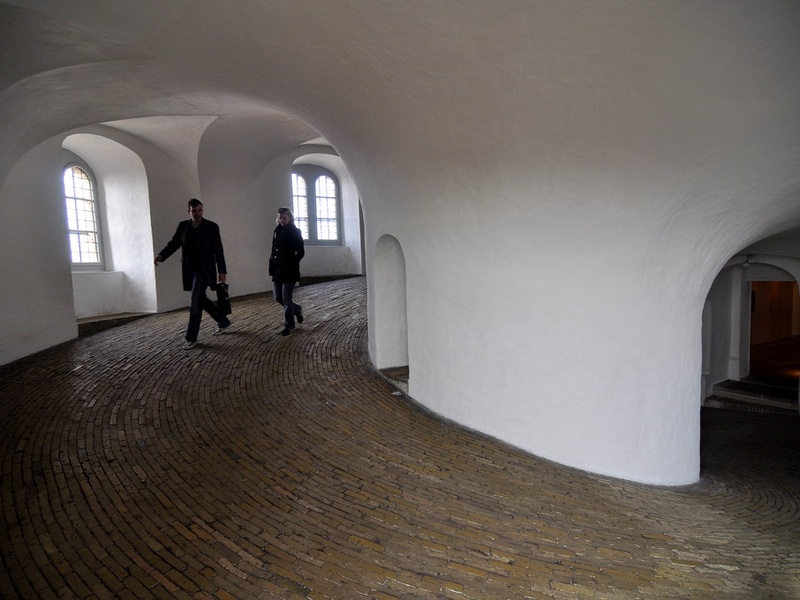
Rundetårn (Round Tower)
Rundetårn in Copenhagen is a 17th-century astronomical tower with a unique spiral ramp. It served as an observatory and now offers city views and exhibitions. The tower illustrates early modern science and royal patronage.
Nyborg Castle
Nyborg Castle on Funen has medieval origins and served as a royal seat and meeting place for the Danehof. The fortress shows castle architecture from the 12th century onward. It marks Nyborg’s strategic role in Danish governance.
Tranekær Castle
Tranekær Castle on Langeland dates to the 13th century and became a fortified manor. It remains a private estate with gardens and historic interiors. The castle illustrates island noble life and defensive architecture.
Gavnø Castle
Gavnø Castle on the island of Gavnø combines medieval origins with later baroque remodeling. The estate features historic rooms and a large flower park. It serves as both a cultural attraction and a preserved noble residence.
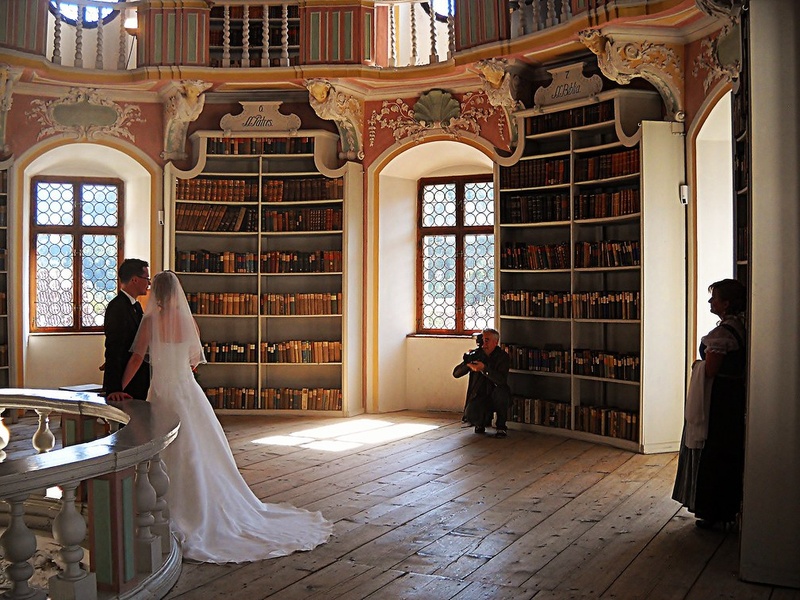
Mariager Abbey
Mariager Abbey was a Bridgettine monastery founded in the 15th century on Mariager Fjord. Remains and local museums show monastic life and late medieval devotion. The town retains narrow streets and ecclesiastical heritage.
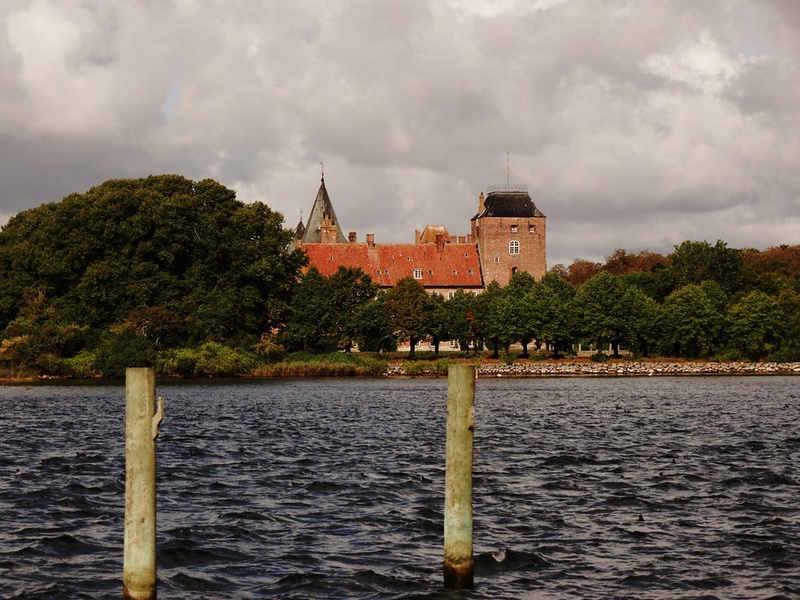
Aalholm Castle
Aalholm Castle on Lolland dates from the medieval period and served regional lords. The castle complex survived through multiple rebuildings and retains a strong riverside presence. It reflects noble estate life in southern Denmark.
Frederiksberg Palace
Frederiksberg Palace is an early 18th-century summer palace set in large gardens west of central Copenhagen. It served as a royal retreat and now houses the Royal Danish Military Academy. The park is a popular public green space.
Kastellet
Kastellet is a star-shaped fortress in Copenhagen from the 17th century. It remains one of Europe’s best-preserved fortifications and houses military and historic buildings. The site includes ramparts, moats, and a leafy public park.
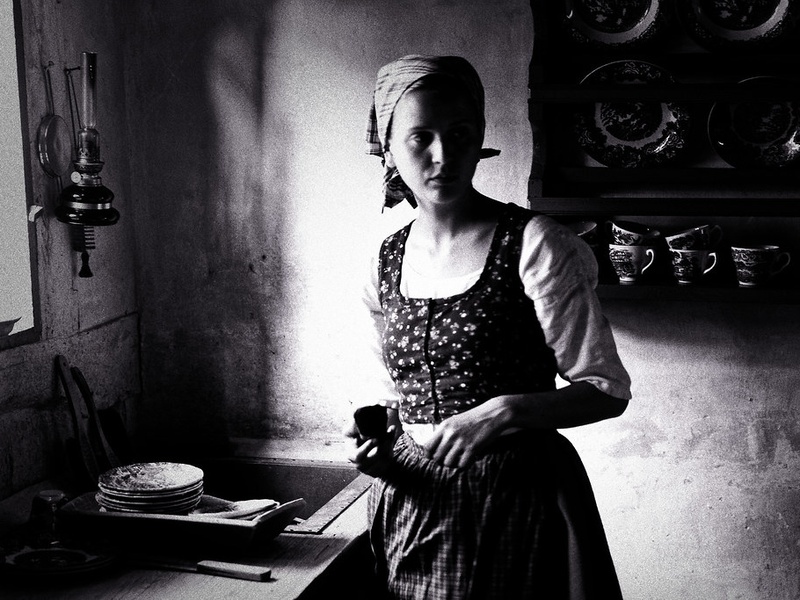
Den Gamle By
Den Gamle By in Aarhus is an open-air museum of historic Danish townscapes. It assembles houses from different periods and recreates urban life from the 18th to 20th centuries. Living history exhibits show crafts, shops, and domestic interiors.
Christiansø Fortress
Christiansø Fortress sits on the tiny Ertholmene islands east of Bornholm and dates to the 17th–18th centuries. It functioned as a sea fortress and garrison. The fortified island preserves military architecture and an isolated settlement.
Dybbøl Banke
Dybbøl Banke near Sønderborg is a battlefield and memorial site for the 1864 Second Schleswig War. Earthworks, museums, and monuments recall the conflict and its national impact. The site is central to modern Danish military memory.
Aalborghus Castle
Aalborghus Castle in Aalborg is a 16th-century royal castle with medieval foundations. It once housed governors and administrators and now hosts cultural events. The building shows masonry from the late Renaissance period.
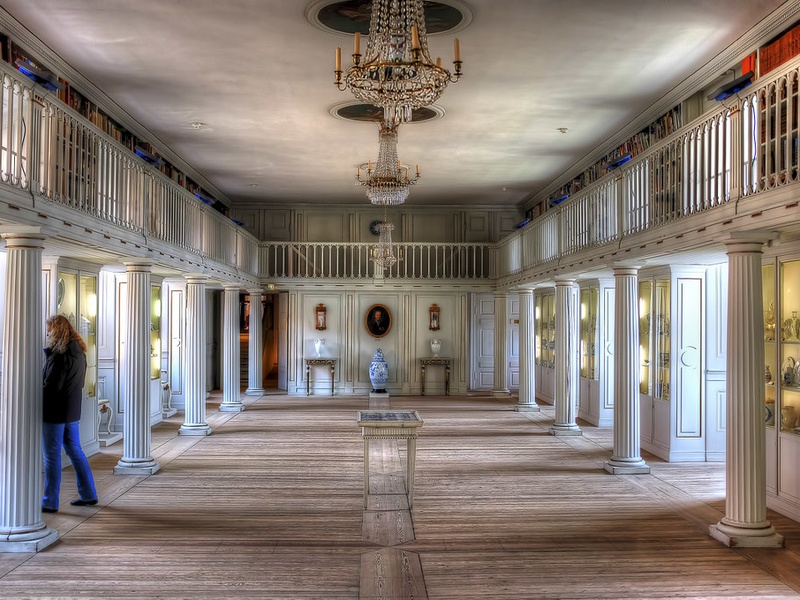
Koldinghus
Koldinghus is a medieval royal castle in Kolding that later became a ruin and museum. Restored roofs and exhibitions display Danish history and decorative arts. The site offers city views and explains royal residence life.
H.C. Andersen’s Birthplace
H.C. Andersen’s Birthplace in Odense is a small museum in the house where the writer was born in 1805. Exhibits show his childhood and literary life. The site connects visitors to Denmark’s best-known author.
Viborg Cathedral
Viborg Cathedral stands on a hill in Viborg with origins in the 12th century and later rebuildings. It houses medieval artworks, crypts, and a painted interior. The cathedral anchors the city’s long ecclesiastical history.
Sorø Abbey
Sorø Abbey is a former Cistercian monastery founded in the 12th century and later became a collegiate church and school. The complex includes medieval buildings and a historic school still operating. It highlights monastic influence on education.
Borreby Castle
Borreby Castle on Zealand is a 16th-century manor house with fortified features and later restorations. It shows Renaissance design and preserved interiors. The estate exemplifies noble residence and local rural power structures.
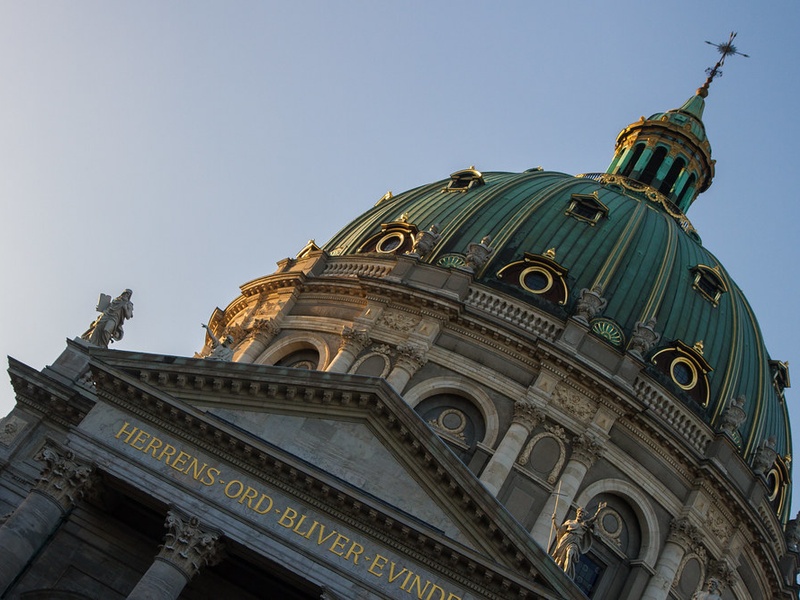
Frederik’s Church (The Marble Church)
Frederik’s Church in Copenhagen, known as the Marble Church, is a large neoclassical church with an impressive dome. Construction began in the 18th century and finished in the 19th. It anchors the Amalienborg–Nyhavn area and offers grand interior space.
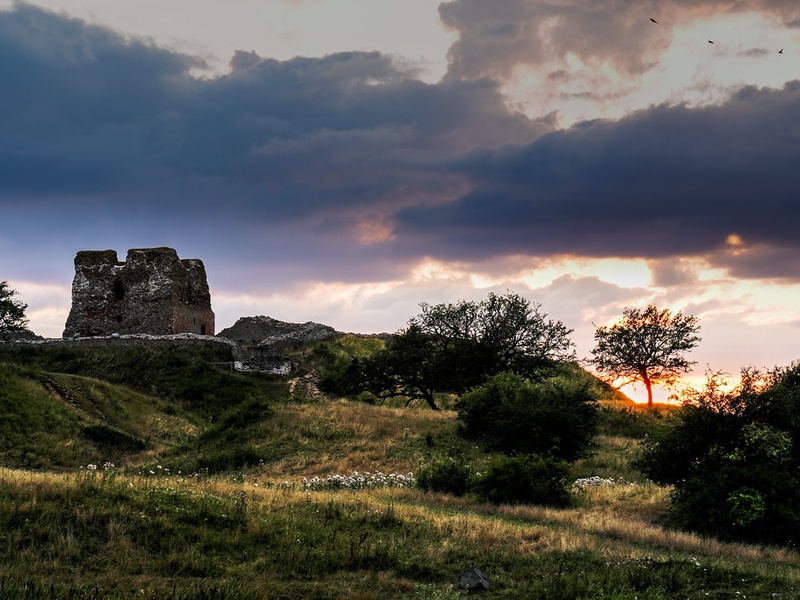
Kalø Castle Ruin
Kalø Castle Ruin sits on a small peninsula near Rønde and dates to the 14th century. The scenic ruins lie within a coastal nature reserve and show medieval royal defense. The site combines archaeology with walking paths and sea views.
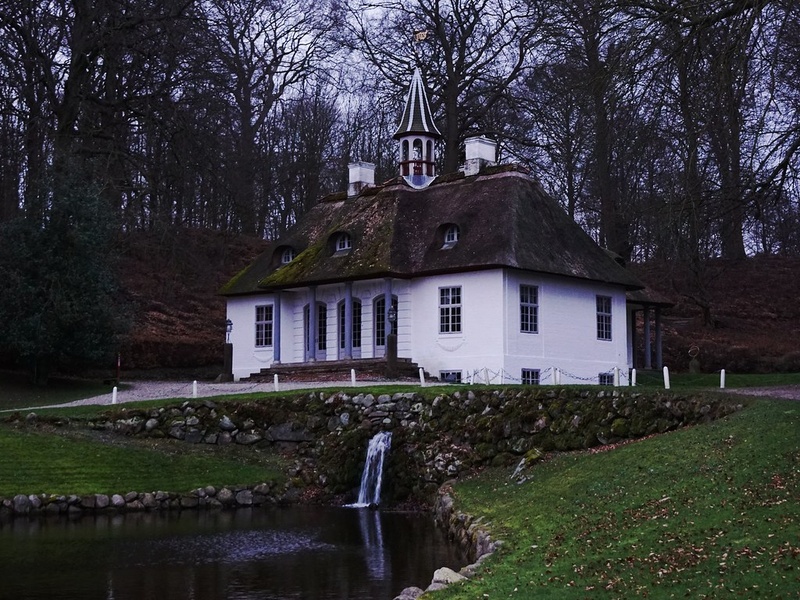
Liselund Manor
Liselund Manor on the island of Møn is an 18th-century romantic park with a thatched manor, follies, and ponds. The landscape garden reflects the era’s taste for picturesque design. The site offers a quiet historic retreat amid natural scenery.
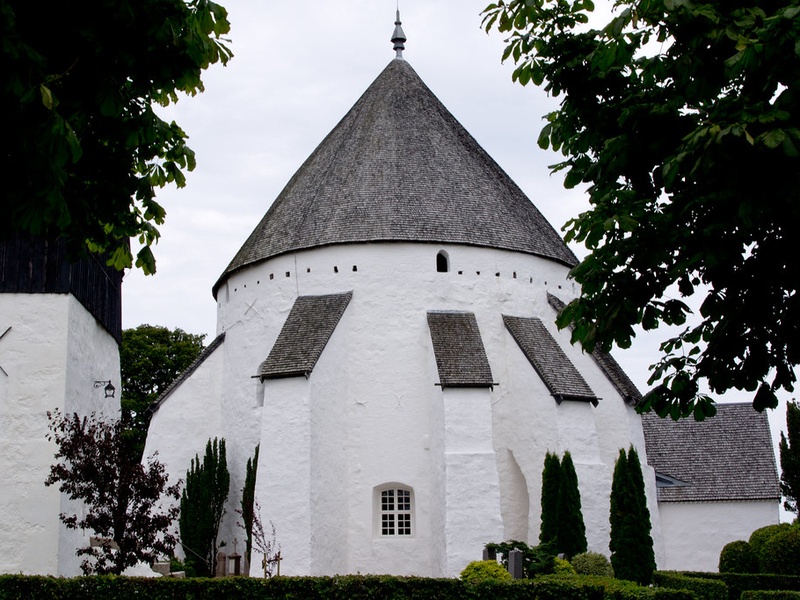
Østerlars Church
Østerlars Church on Bornholm is a round Romanesque church from the 12th century. Its rare circular design served defensive and liturgical functions. Frescoes inside show medieval religious art and local craftsmanship.
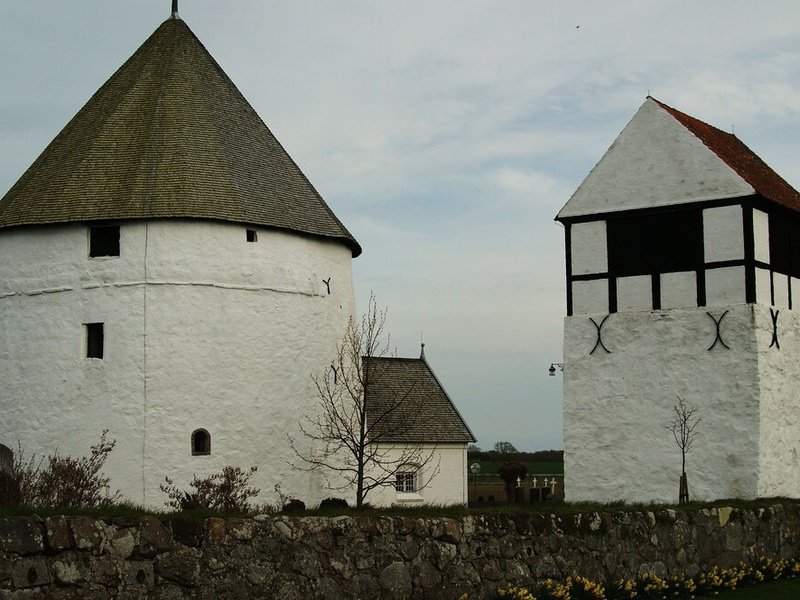
Nylars Church
Nylars Church on Bornholm is another well-preserved 12th-century round church with Romanesque architecture. It contains medieval murals and carved details. The church exemplifies the island’s distinctive ecclesiastical building tradition.
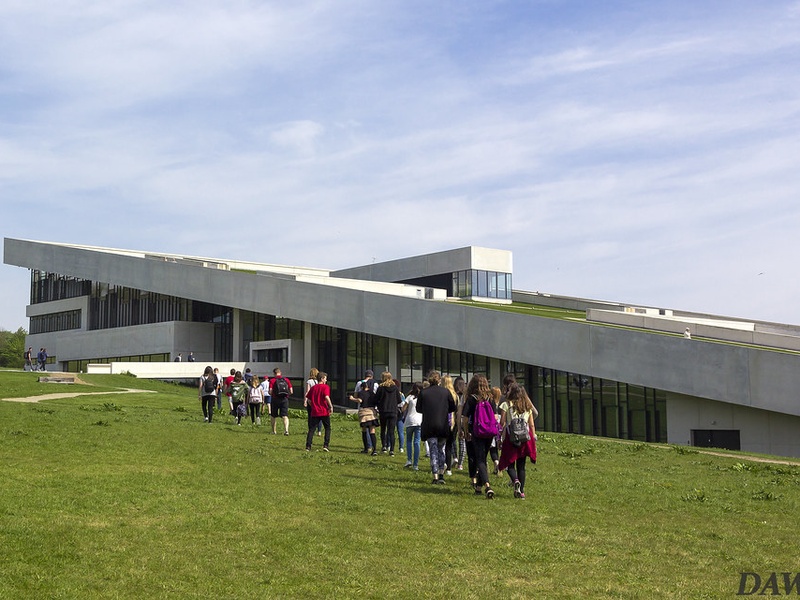
Moesgaard Museum
Moesgaard Museum near Aarhus is a modern archaeology and ethnography museum with a striking building. Exhibits include Viking finds, the Grauballe Man bog body, and interactive displays. The museum connects fieldwork to visitor learning.
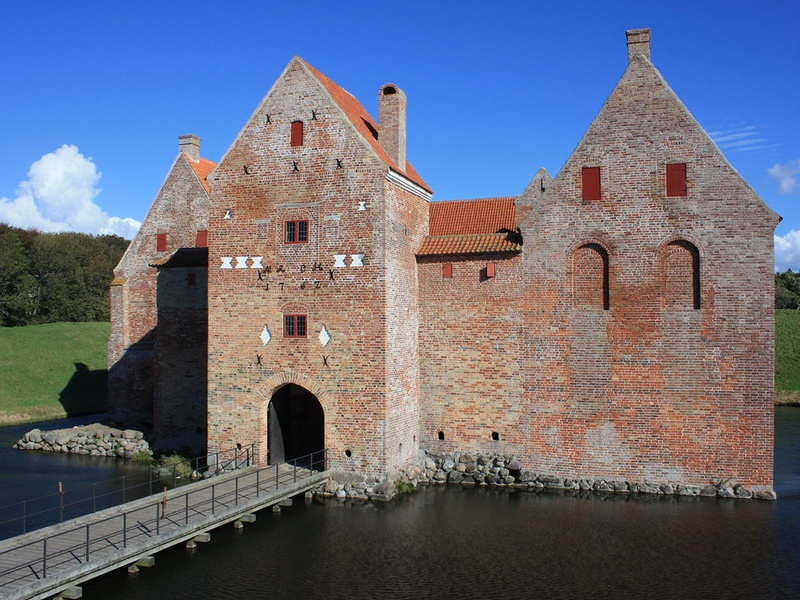
Spøttrup Castle
Spøttrup Castle in Jutland is a well-preserved late medieval fortress with towers and moat. It houses period rooms and exhibits on medieval life. The castle provides a clear sense of defensive architecture and noble household organization.
Søborg Castle Ruin
Søborg Castle Ruin in northern Zealand preserves remains of a medieval bishop’s castle from the 12th century. The site sits in a wooded landscape and shows stone foundations and earthworks. It marks ecclesiastical and royal conflicts of the Middle Ages.
Middelaldercentret
Middelaldercentret on Falster is a living-history museum that recreates a 14th-century medieval town and fort. Staff use crafts, demonstrations, and battle recreations to teach medieval skills. The center offers hands-on experiences and themed events.
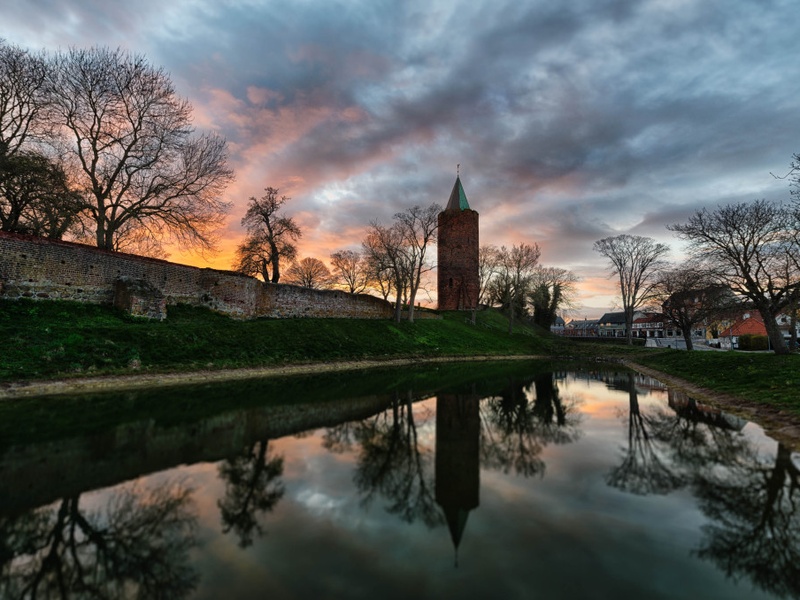
Vordingborg Castle (Goose Tower)
Vordingborg Castle’s Goose Tower (Gåsetårn) is a 14th-century keep and emblem of the town. The tower survives from a larger royal castle complex and features a famous goose statue. The site links local identity with medieval royal power.