On January 1, 1962, Samoa became one of the first Pacific island nations to regain independence in the 20th century — a small nation that has kept much of its traditional life intact. That date still frames how many Samoans think about modern identity and hospitality.
Why should you care? Samoa pairs dramatic coastlines and unusual geology with a living cultural code and straightforward logistics, so you can see a lot without long drives. From palm-fringed beaches and the sunken pool at To Sua to village-based hospitality and short inter-island ferries, Samoa offers natural beauty, cultural authenticity, activities for active travelers, and practical ease. Below are 10 distinct reasons to consider a trip, grouped into natural wonders, culture and people, activities and marine life, and practical travel reasons — all easy to experience in a single visit.
Natural Wonders and Landscapes
1. Pristine Beaches and Lagoons
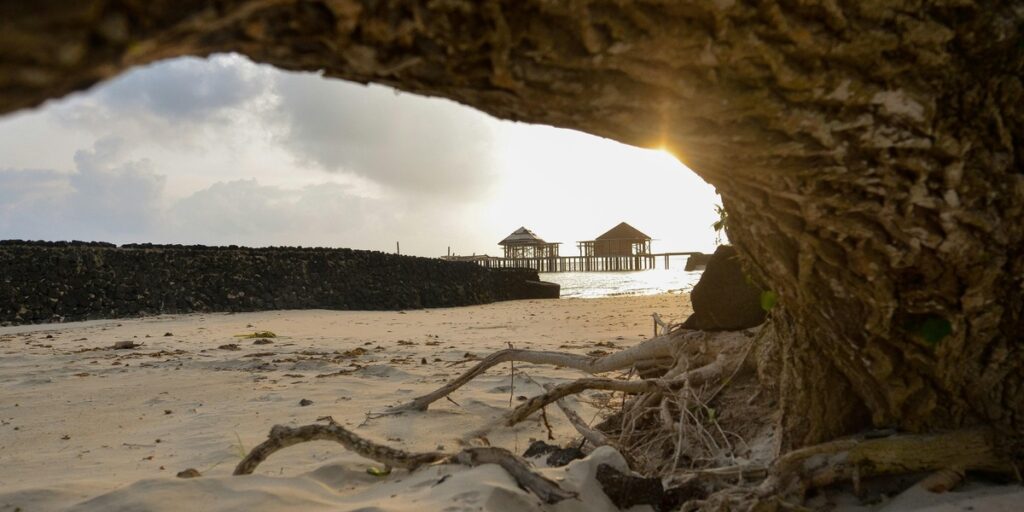
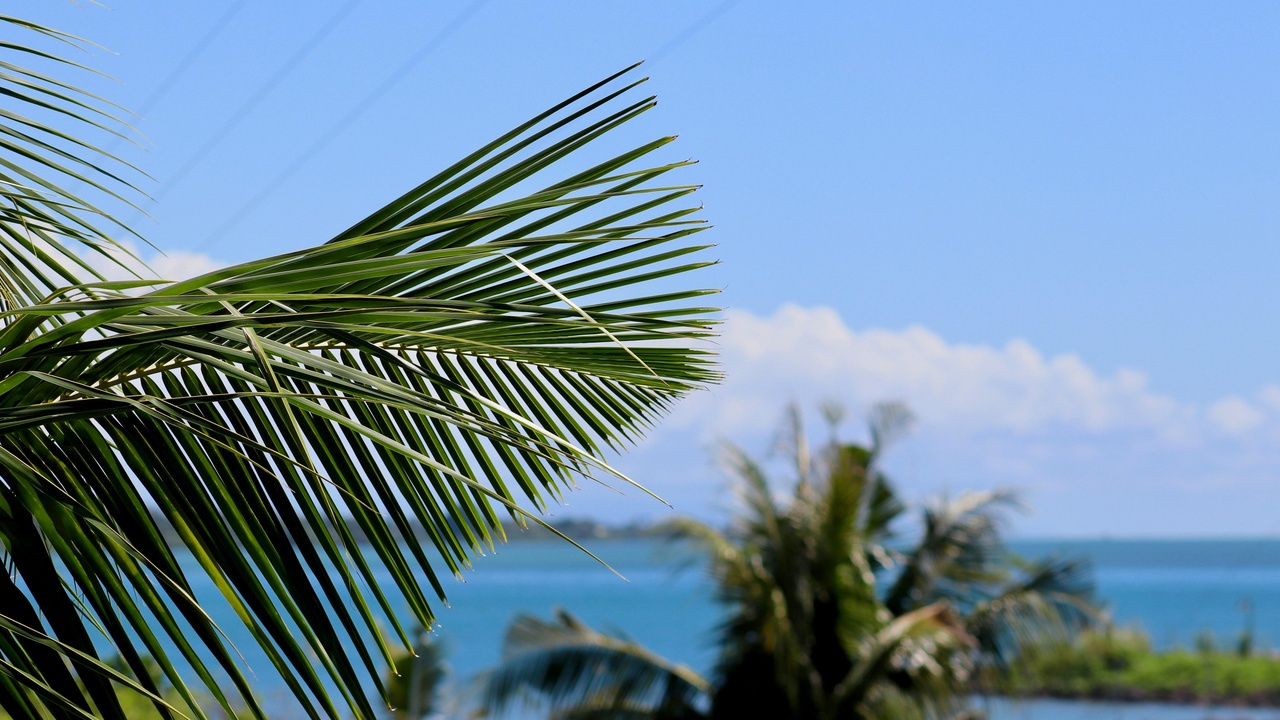
Samoa’s beaches are a major draw because they’re uncrowded, picture-perfect, and offer both white-sand stretches and sheltered lagoon swimming. Lalomanu Beach on Upolu is a good example: coconut palms, clear shallow water, and families lounging under simple fale rentals define a typical day there.
The sea is pleasantly warm year-round (average surface temps sit around 26°C), which makes snorkeling and paddling comfortable for kids and honeymooners alike. You’ll find local fale (open huts) to rent, small beachside cafes, and nearby village markets where fresh fruit and coconut are sold by hand — small conveniences that matter when you’re looking for relaxed beach time (source: Samoa Tourism Authority).
2. To Sua Ocean Trench and Unique Geological Features
To Sua Ocean Trench is Samoa’s most iconic geological feature: a sunken limestone cavern filled with a ladder-accessible turquoise pool framed by manicured lawn and coconut palms. It’s an unforgettable swim-and-photo stop that’s surprisingly easy to reach from the road.
Nearby coastlines show dramatic contrasts — the Alofaaga Blowholes on Savai’i and the lava fields shaped by the Matavanu eruptions (1905–1911) give you a sense of volcanic forces at work. Many of these sites require only a short walk from parking, so swimmers and photographers can enjoy them without a long trek.
3. Tropical Rainforests and Waterfalls
Inland Samoa hides lush rainforests with accessible trails and inviting waterfalls. O Le Pupu-Pu’e National Park on Upolu protects coastal rainforest and short walking tracks, while Afu Aau on Savai’i is a popular waterfall where visitors can cool off after a quick hike.
A half-day rainforest excursion from Apia is realistic for many travelers: bring water, sturdy shoes, and a local guide if you want birdwatching tips. The biodiversity is compact and reachable, which makes short hikes rewarding for families and nature lovers (check Samoa Tourism Authority for protected-area guidelines).
Culture, Community, and Living Traditions
4. Fa’a Samoa (The Samoan Way) and Hospitality
Fa’a Samoa — the Samoan way — organizes village life, etiquette, and the matai (chief) system that guides community decisions. Expect communal meals, open fale architecture, and structured village protocols that visitors are invited to observe respectfully.
Practical tips: approach villages slowly, ask before photographing people, accept invitations politely, and consider bringing a small gift if visiting formally. A typical welcome might include a kava ceremony and a fiafia (entertainment) evening; these are excellent chances to see dance, song, and storytelling up close. Samoa’s population is about 200,000 people, which helps explain why village ties remain so strong (source: Samoa Bureau of Statistics).
5. Rich Cultural Festivals and Traditional Arts
Samoa’s festival calendar and regular performances mean traditional arts are easy to encounter. The Teuila Festival, typically held in September, is the largest celebration and showcases dance, music, and costume across Apia and nearby venues.
Local craft markets in Apia display woven mats, tivaevae quilts, and jewelry, while traditional tatau (tattooing) by a tufuga (master) remains a visible, respected practice. Catching a fiafia night or watching a tufuga work (from a respectful distance) offers cultural context you won’t get from a museum alone.
6. Historic Sites and Colonial History
Samoa’s history layers indigenous leadership with periods of European contact and colonial administration. The Robert Louis Stevenson Museum in Vailima is a compact, well-curated stop that sheds light on late-19th-century life in Samoa and Stevenson’s influence on local history.
Apia’s monuments and the central market pair nicely with a half-day cultural itinerary: museum visit, a walk through town, and time at the market to chat with vendors. The independence date (1 January 1962) often appears in local commemorations and gives context to contemporary national pride.
Activities, Adventure, and Marine Life
7. Surfing and Water Sports
Samoa offers reliable reef and beach breaks for a range of skill levels. South-coast swells (often stronger April–September with southern-hemisphere swell windows) produce fun waves for intermediate surfers, while gentler breaks suit beginners.
Surf schools and local instructors operate day lessons and board rentals, often based at guesthouses or surf-centered lodges. Safety-wise, follow guides’ advice about reef entry and currents, and time sessions with local tide charts for the best conditions. Upolu day trips to nearby breaks make learning accessible without long transfers.
8. Snorkeling, Diving, and Fishing
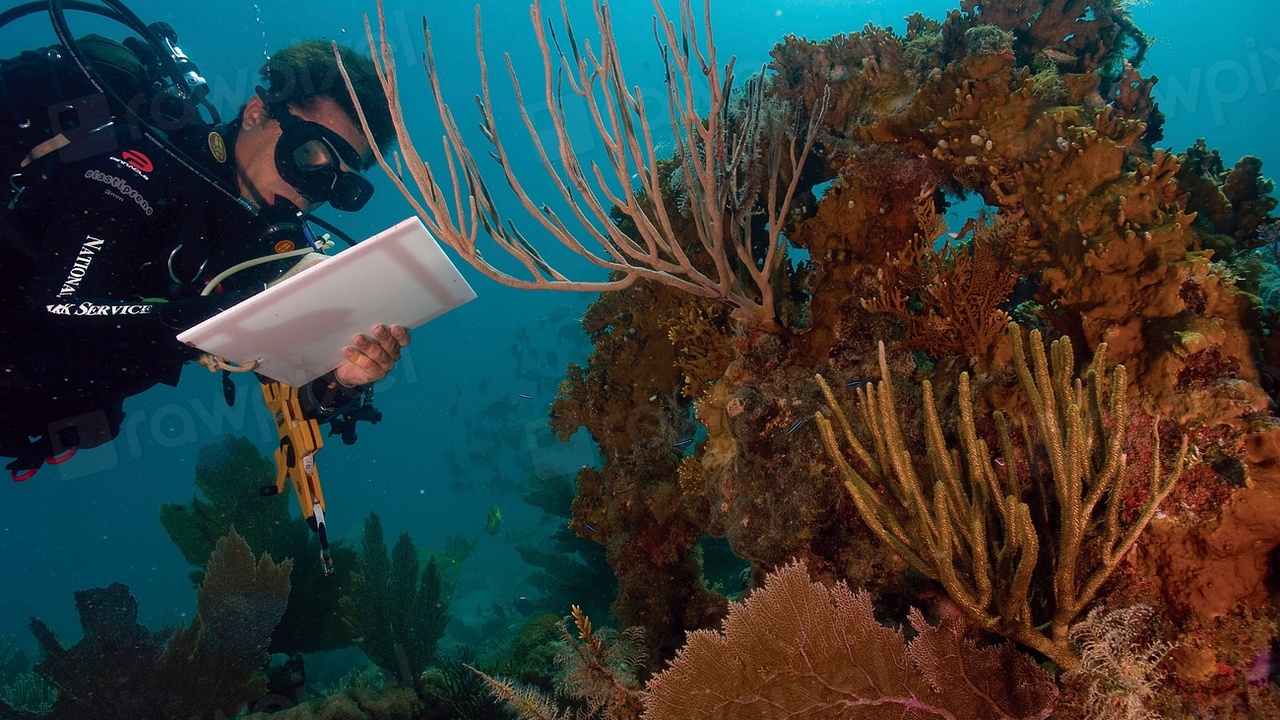
The coral reefs and pelagic waters around Samoa are excellent for snorkeling, reef diving, and sport fishing. In good conditions visibility for scuba can range from about 15–30 meters, revealing coral gardens, swim-throughs, and abundant reef life.
Local operators run snorkel trips from beaches like Lalomanu and half-day fishing charters targeting tuna and mahi-mahi during peak seasons. Divers should check certification requirements and choose reputable operators who follow responsible practices for fish handling and reef protection.
Practical Reasons: Accessibility, Comfort, and Value
9. Compact Size and Easy Travel Between Islands
Samoa’s two main islands, Upolu and Savai’i, are compact enough that you can visit major highlights without long overland transfers. The Mulifanua ferry crossing links Upolu to Savai’i in about 60–90 minutes, and inter-island flights are short if you prefer air travel.
Typical international flight times make Samoa accessible from Australasia — for example, Auckland is roughly a four-hour flight away — so a weeklong trip yields a good balance of time on the ground. A 3–5 day sample itinerary might include Apia and its markets, a couple of nights at Lalomanu or another beach fale, and a day trip or overnight to Savai’i to see To Sua and the blowholes.
10. Affordable Accommodation and Growing Eco-Tourism
Samoa offers accommodations for many budgets. Budget guesthouses and village fales typically run about US$30–60 per night, mid-range hotels US$80–150, and beachfront resorts higher. The local currency is the Samoan tala (WST), so plan cash or card access accordingly and check peak-season pricing.
There’s also a growing number of eco-lodges and community-based stays that emphasize low-impact tourism and local employment. Established properties like Return to Paradise Resort and Sinalei Resort sit alongside family-run fales, so travelers can choose simple village hospitality or resort comfort depending on preference.
Summary
Samoa packs a lot into a small place: dramatic coastal features (To Sua stands out), living traditions shaped by Fa’a Samoa, and manageable travel logistics that let you see the highlights without marathon transfers. Practical details — independence in 1962, a population near 200,000, flight times of about four hours from Auckland, and 60–90-minute ferries between islands — make planning straightforward.
All of these are solid reasons to visit samoa: the combination of iconic natural sites, welcoming communities, easy island-hopping, and accommodation choices for many budgets adds up to a rewarding, do-able trip. Book in shoulder seasons if you want fewer crowds, respect village protocols (ask before photographing and accept kava invitations with courtesy), and pack reef-safe sunscreen for marine visits.
- See To Sua and the blowholes for unforgettable coastal scenery.
- Experience Fa’a Samoa first-hand through village hospitality and festival events like Teuila (September).
- Short ferries and reasonable flight times (e.g., ~4 hours from Auckland) make short trips practical.
- Accommodation ranges from US$30–60/night fales to mid-range hotels around US$80–150, plus eco-lodge options.