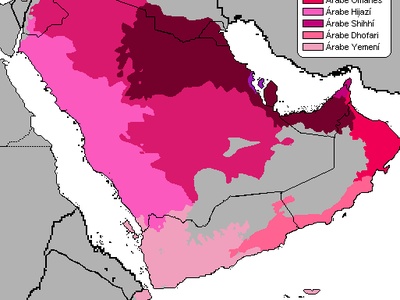
Saudi Arabia sits at the geographic and cultural crossroads of the Arabian Peninsula, where centuries of trade, pilgrimage and migration have shaped a layered social landscape. Coastal ports, desert tribes and urban centers all contribute to a mix of languages, customs and origins across the country.
There are 15 Saudi Arabia Ethnic Groups, ranging from Afro-Saudis / Afro-Arabs,Yemenis (citizen & expat). For each entry the data is organized with Population (est.),Citizenship,Main regions so you can quickly see relative size, legal status and where communities are concentrated — you’ll find below.
How varied are these ethnic groups in terms of identity and location?
Variation is high: some groups are long-established citizens with distinct regional cultures (e.g., Najdi, Hejazi, tribal communities), others reflect historical ties to Africa and Asia (Afro-Saudis, South Asian heritage), and a number are recent or long-term expatriate populations such as Yemenis; geographic patterns follow coasts, border areas and major cities.
How reliable are the Population (est.) and citizenship details in the list?
Estimates come from censuses, government reports, UN/IOM and academic research, but exact counts can be blurred by mixed identities, undocumented residents and shifting migration, so treat Population (est.) as informed approximations and consult primary sources for the latest figures.
Saudi Arabia Ethnic Groups
| Name | Population (est.) | Citizenship | Main regions |
|---|---|---|---|
| Najdi Arabs | 8,000,000 | citizen | Riyadh, Qassim, Ha’il, central Saudi Arabia |
| Hejazi Arabs | 6,000,000 | citizen | Jeddah, Mecca, Medina, Taif, Red Sea coast |
| Eastern Province Arabs (Baharna/Ahsa) | 1,800,000 | mixed | Al-Ahsa, Qatif, Dammam, Eastern Province |
| Asiri / Southern Arabs | 1,500,000 | citizen | Asir, Jizan, Najran border areas |
| Afro-Saudis / Afro-Arabs | 1,500,000 | citizen | Hijaz cities, Jeddah, Mecca, Medina, coastal towns |
| Indians (expatriate) | 1,500,000 | non-citizen | Riyadh, Jeddah, Eastern Province, Mecca/Madina |
| Pakistanis (expatriate) | 1,200,000 | non-citizen | Riyadh, Jeddah, Dammam, Mecca |
| Egyptians (expatriate) | 1,000,000 | non-citizen | Riyadh, Jeddah, Mecca, Eastern Province |
| Filipinos (expatriate) | 900,000 | non-citizen | Riyadh, Jeddah, Eastern Province, Dammam |
| Bangladeshis (expatriate) | 700,000 | non-citizen | Riyadh, Jeddah, Eastern Province, Mecca |
| Syrians (expatriate/refugee) | 500,000 | non-citizen | Riyadh, Jeddah, Eastern Province, border regions |
| Yemenis (citizen & expat) | 500,000 | mixed | Jazan, Najran, Asir, Riyadh, border areas |
| Sudanese (expatriate) | 400,000 | non-citizen | Riyadh, Jeddah, Eastern Province, Mecca |
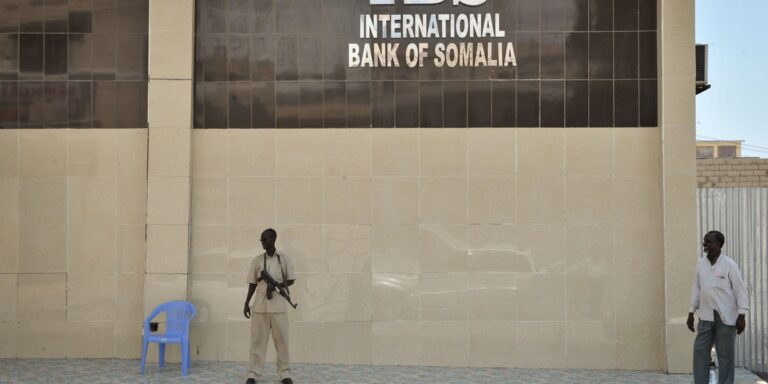
| Somalis (expatriate) | 200,000 | non-citizen | Riyadh, Jeddah, Dammam, port cities |
| Westerners (Americans/Europeans) | 250,000 | non-citizen | Riyadh, Dhahran, Jeddah, NEOM project areas |
Images and Descriptions
Najdi Arabs
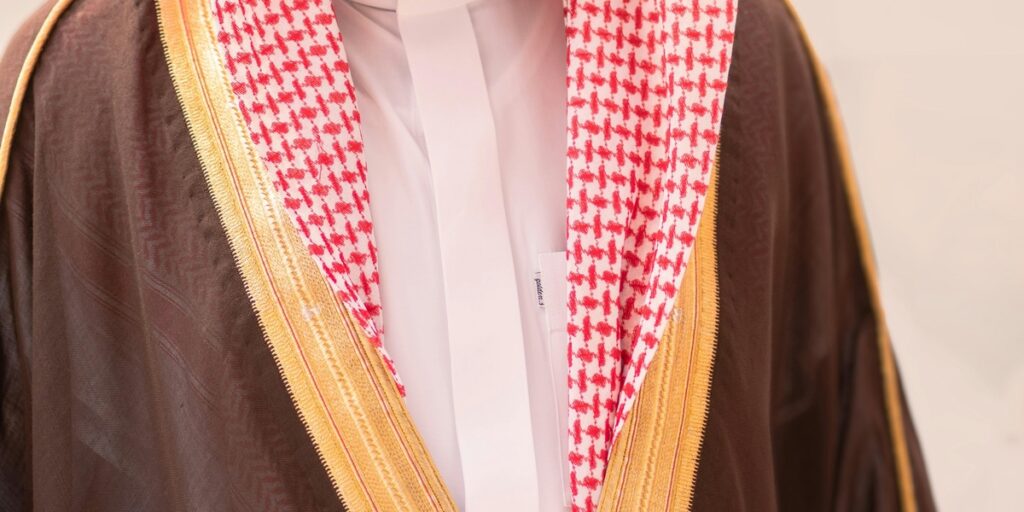
Arab regional group from the central Najd plateau; Arabic dialects (Najdi), bedouin-rooted culture, strong tribal traditions and political influence. Population is an approximate estimate based on national distributions and regional demographics (sources: GASTAT/academic estimates).
Hejazi Arabs
Coastal and urban Arabs of the Hejaz with cosmopolitan history, distinctive Hejazi Arabic, trade-oriented culture, and diverse ancestry from Red Sea connections. Figure is an estimate using provincial population data and historical studies.

Eastern Province Arabs (Baharna/Ahsa)
Arab communities of eastern Saudi Arabia including Baharna (local Arabic speakers) and tribal groups; known for oasis agriculture, Shatt/sea trade links, dialectal distinctiveness. Population estimate drawn from provincial counts and ethnographic sources.
Asiri / Southern Arabs
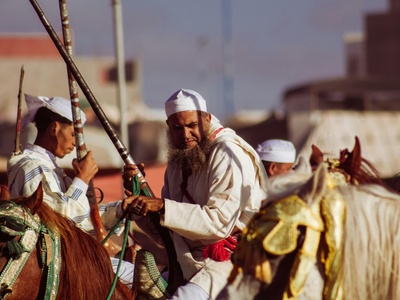
Southern highland Arabs from Asir and Tihama with distinct dialects, mountain farming traditions, and close cultural ties to Yemen. Estimate based on southern province populations and regional ethnographic work.
Afro-Saudis / Afro-Arabs
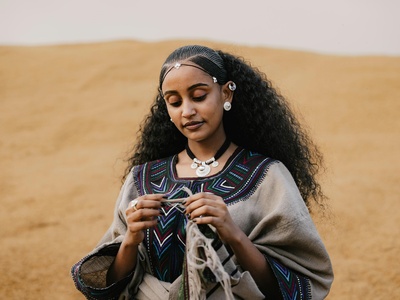
Descendants of African-origin peoples integrated into Saudi society over centuries; Arabic-speaking, diverse cultural retention (music, cuisine). Numbers are rough estimates reflecting historical communities and modern census ambiguity.
Indians (expatriate)
Large expatriate community from South Asia speaking Hindi/Urdu/Tamil and other languages; prominent in private sector, trade, and services. Estimate varies by source; based on labor statistics and embassy figures.
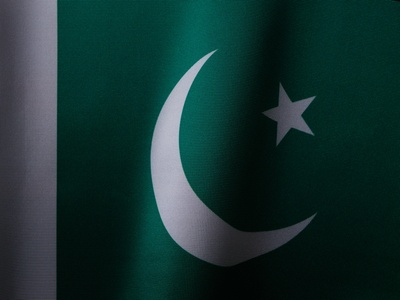
Pakistanis (expatriate)
Pakistani expatriates speak Urdu, Punjabi, Pashto and work across construction, services, and professions. Community numbers fluctuate; estimate based on government and IOM reports.
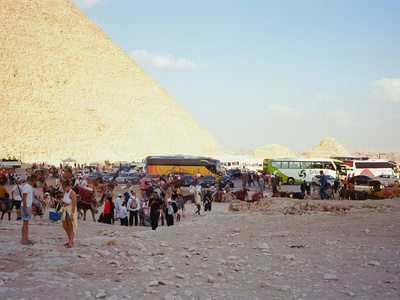
Egyptians (expatriate)
Egyptian Arabic-speaking community active in education, healthcare, media, and trade. Culturally close to Saudis but primarily non-citizen; estimate from migration and labor data.

Filipinos (expatriate)
Filipino community speaking Tagalog and English, significant in healthcare, domestic work, and technical sectors. Strong remittance and diaspora networks; population estimate based on POEA and host-country figures.
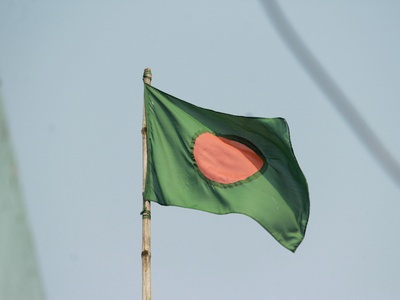
Bangladeshis (expatriate)
Bangladeshi workers speak Bengali and are active in construction, services, and manufacturing. Numbers are approximate and based on labor migration statistics and embassy reports.
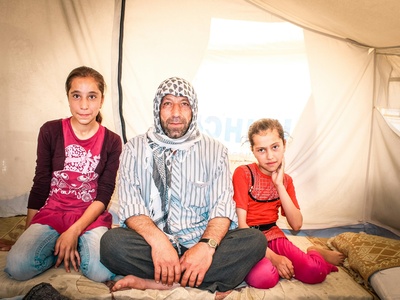
Syrians (expatriate/refugee)
Syrian community includes refugees and long-term migrants speaking Levantine Arabic; professionals and labor migrants present. Estimate reflects humanitarian and migration agency data and host-country reports.
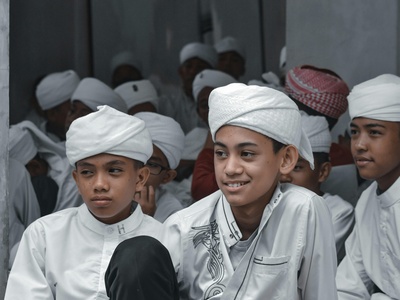
Yemenis (citizen & expat)
People with close historical and tribal ties across the Saudi–Yemen border; Arabic-speaking with cross-border kinship. Large migrant and some naturalized populations; number includes both citizens and long-term residents.
Sudanese (expatriate)
Sudanese Arabic-speaking community engaged in healthcare, education, and manual labor; cultural ties to the Arab world. Population estimate based on migration records and embassy data.
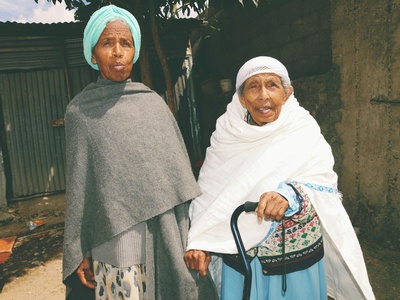
Somalis (expatriate)
Somali-speaking migrants and refugees with merchant and service-sector presence; historic Red Sea connections. Estimate derived from UN and regional migration sources.
Westerners (Americans/Europeans)
Professionals and business expatriates from North America and Europe; English-speaking, often in oil, tech, education and diplomatic sectors. Figure is an approximate combined estimate for long-term residents and professionals.