On April 18, 1980, Rhodesia became the independent Republic of Zimbabwe; the moment reshaped a nation’s identity and started a global curiosity about its landscape and culture.
Visitors often ask: what is zimbabwe known for? The short answer blends a massive waterfall, ancient stone ruins, vast wildlife parks, a lively arts scene, and resilient economic practices born from decades of change.
Natural Wonders & Wildlife
Zimbabwe’s image around the world is anchored by dramatic landscapes and rich biodiversity, from deep river gorges to broad savannahs and freshwater wetlands. These natural assets draw tourists, scientists, and conservationists alike, and they support local economies through parks, lodges, and guiding services.
Conservation challenges remain—poaching and habitat loss are persistent—but national parks and community conservancies help protect species while offering jobs and revenue through ecotourism.
1. Victoria Falls — the world-famous waterfall
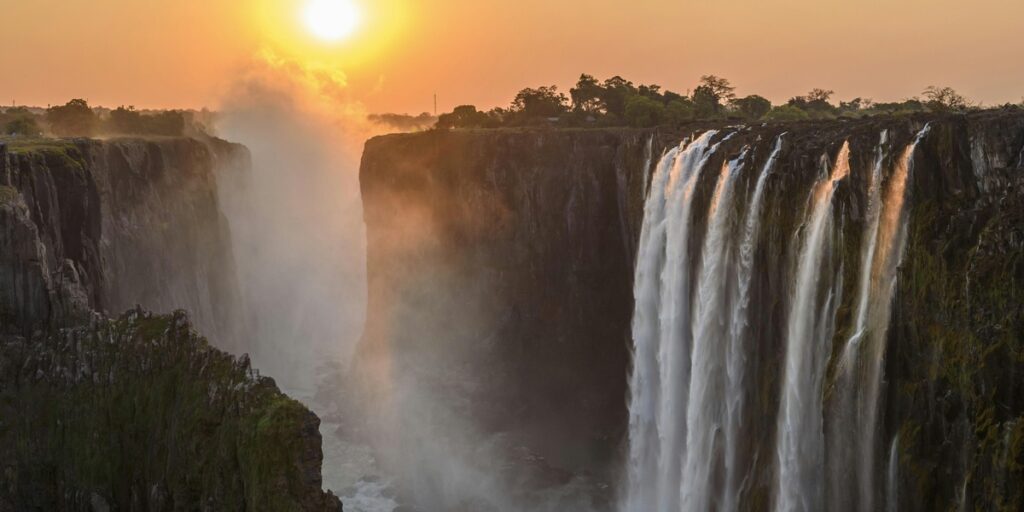
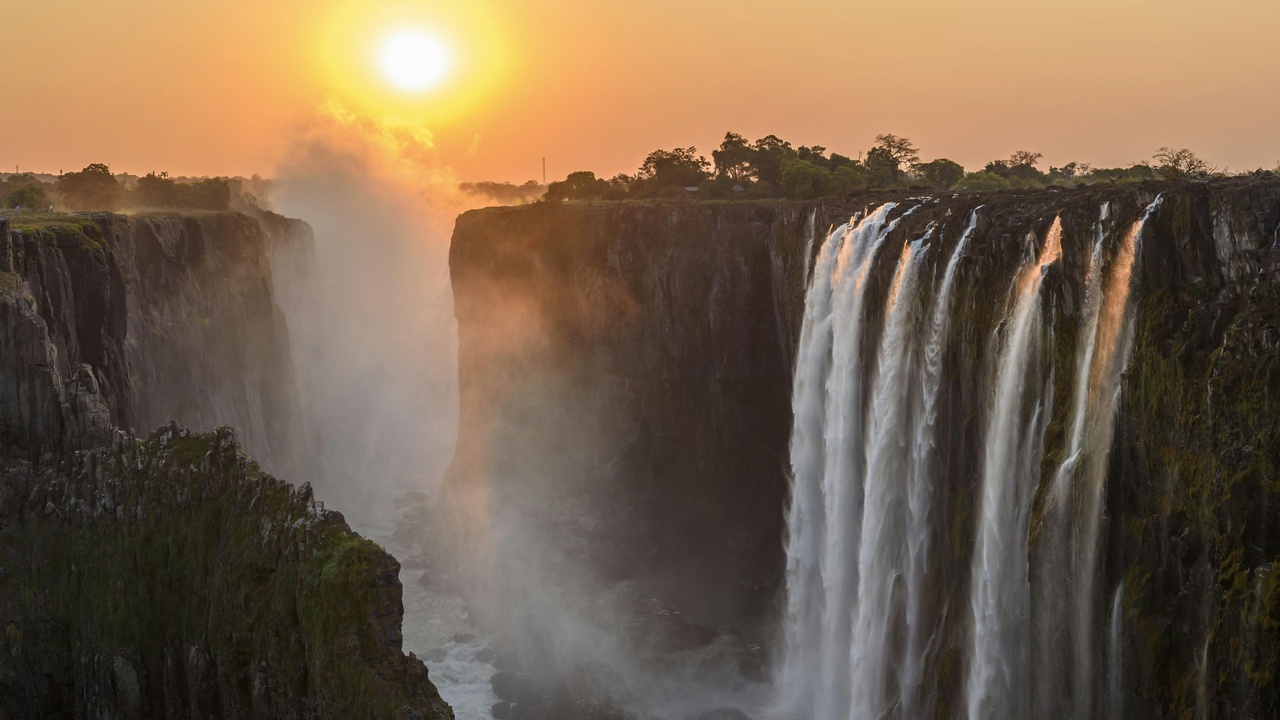
Victoria Falls (Mosi-oa-Tunya) is one of the planet’s most famous waterfalls and a defining sight for Zimbabwe. The falls plunge about 108 meters and span roughly 1,700 meters at full flow, sending a cloud of spray visible from miles away.
UNESCO listed the falls as a World Heritage Site in 1989, and the town of Victoria Falls serves as a major tourism hub with hotels, guide-run workshops, and community lodges. Activities like guided walks, helicopter flights, and white-water rafting on the Zambezi create direct income for local businesses.
The cross-border setting with Zambia also makes the falls a regional attraction, drawing visitors who stay in either country and support services on both sides of the river.
2. Hwange National Park and big-game wildlife
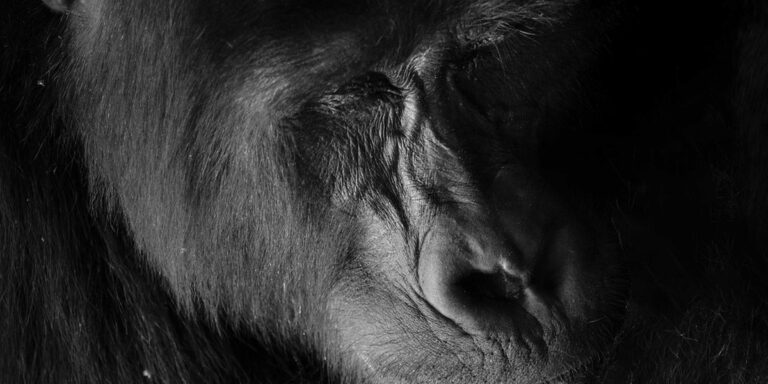
Hwange is Zimbabwe’s largest national park and a cornerstone of its wildlife reputation. Covering roughly 14,600 km², Hwange hosts significant elephant herds alongside lions, African wild dogs, and a wide array of bird species.
Safari tourism—through camps such as Somalisa and Linkwasha—underpins job creation and funds anti-poaching patrols and community conservancies. Scientific projects on elephant movement and habitat use also operate from Hwange, helping guide management decisions.
Community partnerships are increasingly common: local conservancies receive tourism revenue for schools and water projects, linking wildlife protection to livelihoods.
Historical & Cultural Heritage
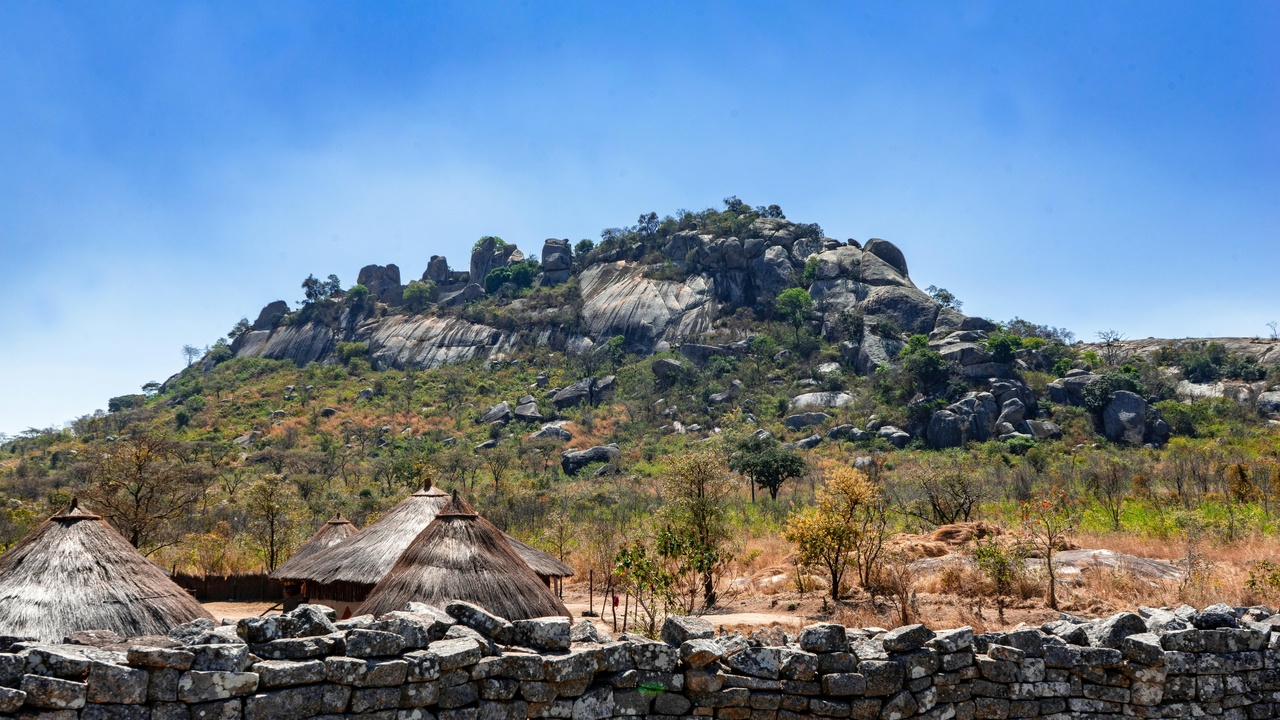
Zimbabwe’s history reaches back centuries and remains visible in both archaeological sites and living traditions. Great Zimbabwe, the medieval stone city that gave the country its name, sits alongside evolving arts and musical practices like Shona sculpture and the mbira.
These cultural assets feed tourism, inform national identity, and support contemporary artists who sell work to international collectors and galleries.
3. Great Zimbabwe — ancient stone city and national symbol
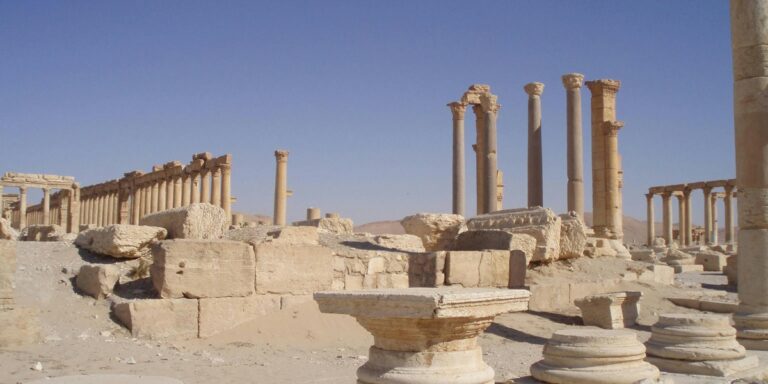
Great Zimbabwe is an iconic archaeological complex occupied roughly from the 11th to the 15th centuries and it gave the modern nation its name. The site’s Great Enclosure and dry‑stone walls rank among the largest ancient stone structures in sub‑Saharan Africa.
The ruins anchor Zimbabwean identity and draw archaeology-focused tourism; a visitor interpretation center in Masvingo offers guided tours, and museums in Harare and Masvingo display artifacts that link Great Zimbabwe to broader Indian Ocean trade networks.
UNESCO recognizes Great Zimbabwe as a cultural heritage site, and ongoing research continues to refine our understanding of its regional importance.
4. Music, sculpture, and living cultural traditions
Zimbabwe punches above its weight in the arts: the Shona stone‑sculpture movement has been active since the 1960s and artists such as Nicholas Mukomberanwa and Dominic Benhura gained international recognition.
The mbira — a thumb piano central to Shona spiritual and social life — remains prominent in both traditional settings and contemporary recordings. Harare galleries, regional festivals, and export markets help artists turn craft into income.
Artists and performers tour abroad, and cultural festivals attract tourists and diaspora visitors, reinforcing how living traditions sustain communities economically and socially.
Economy, Agriculture & Mining
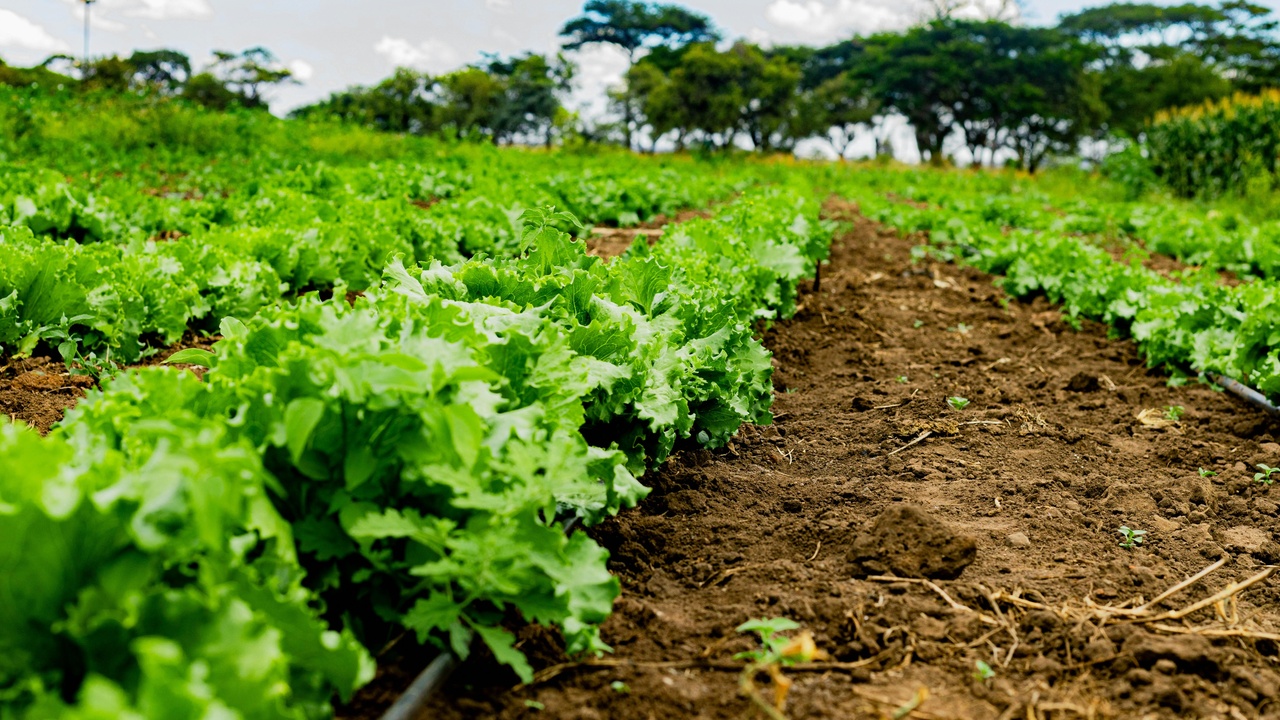
Zimbabwe’s economic image mixes formal agriculture, significant mineral wealth, and a large informal sector. The country declared independence in 1980 and later weathered severe hyperinflation in 2008–2009 that forced currency changes and shaped how people and businesses operate.
Tobacco, gold, and remittances feature prominently in narratives about national resilience and entrepreneurship.
5. Tobacco and commercial agriculture
Tobacco has been Zimbabwe’s most valuable cash crop for decades and remains a leading export and rural employer. After land reform reshaped farming patterns, many smallholder farmers began supplying auction floors and cooperatives rather than large estates.
For many households, tobacco earnings finance schooling and basic needs, while attempts at diversification—into horticulture and value‑added processing—aim to stabilize incomes and reduce reliance on a single commodity.
6. Mining — gold, platinum, and mineral wealth
Mining is a pillar of the economy: gold and platinum rank among Zimbabwe’s primary mineral exports and the Great Dyke hosts substantial deposits. Artisanal gold panning is common, providing livelihoods but raising safety and environmental concerns like water contamination.
Bigger mining companies operate alongside informal miners, and the sector contributes export revenue and employment while prompting debates over regulation, community benefits, and ecological safeguards.
Culture, Sport & International Presence
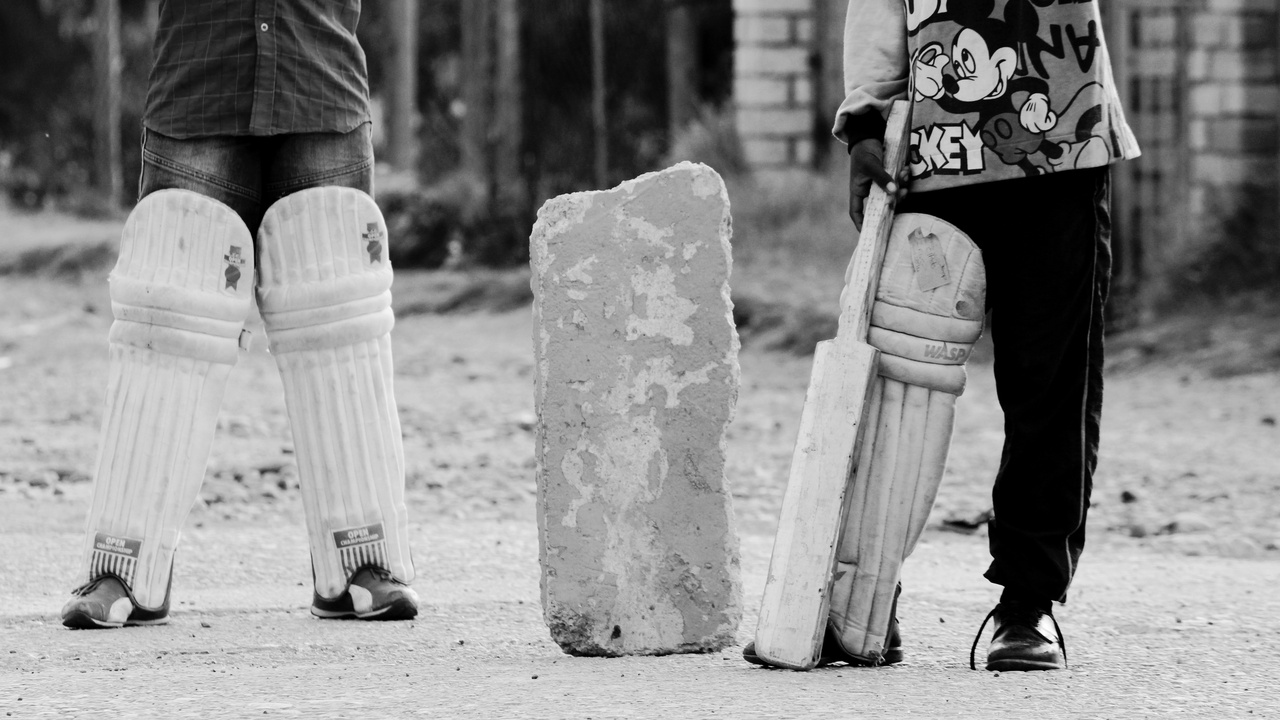
Zimbabwe’s influence abroad comes through sport, cuisine, a vocal diaspora, and cultural exports. Sporting achievements, remittance flows, and artists working overseas shape how people see the country.
Cultural exchange, entrepreneurial diaspora communities, and touring musicians boost visibility while supporting families back home.
7. Music, film, and a global diaspora
Zimbabwean culture travels through music and film as well as people. Filmmakers and musicians screen and perform at international festivals, and diaspora hubs in London, Johannesburg, and Australia run restaurants, arts events, and small businesses.
These communities send remittances that support households and local enterprises, while cultural entrepreneurship keeps traditions alive and introduces Zimbabwean talent to new audiences.
8. Sporting pride — cricket, football, and international competition
Sport is a point of national pride: Zimbabwe gained Test cricket status in 1992 and has produced players who competed in county and international leagues. Football and rugby also draw passionate local followings and regional competition.
Sports tours, youth academies, and scholarship pathways give young athletes routes to professional careers and bring visiting teams and fans who support local hospitality and events.
Summary
- Victoria Falls (108 m drop and about 1,700 m wide) and Great Zimbabwe (11th–15th centuries) anchor what is zimbabwe known for in both natural and historical terms.
- Wildlife areas like Hwange (~14,600 km²) and a strong arts scene (Shona sculpture, mbira music) shape culture, tourism, and livelihoods.
- Economic resilience shows in tobacco farming, gold and platinum mining, and adaptations since the 2008–2009 hyperinflation episode.
- Sporting achievement (Test cricket status in 1992), a visible diaspora, and cultural exports keep Zimbabwe present on global stages.
- Visit responsibly, support community guides and conservation groups, or buy authentic Shona sculpture to help sustain cultural and ecological projects.