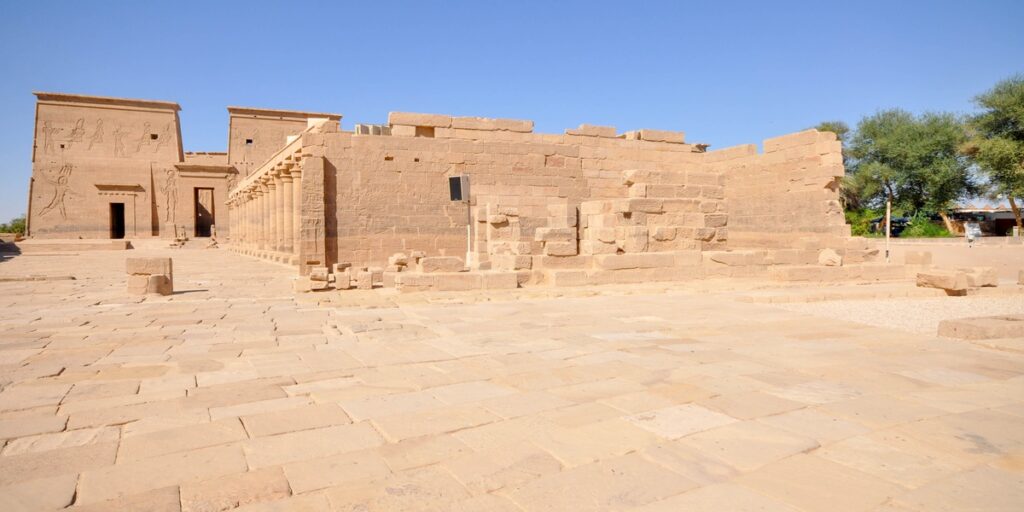
Egypt’s long history and varied regions have created a patchwork of languages, from inscriptions carved millennia ago to community speech still heard in oases and desert towns today. That mix reflects migrations, trade and local identities that persist despite national shifts.
There are 11 Indigenous Languages in Egypt, ranging from Ancient Egyptian to Siwi. The list is organized with the columns Family,Region,Speakers (est.), and you’ll find the entries below.
Are any of these languages still spoken or are some only historical?
Some are historical—Ancient Egyptian is no longer a living tongue—while others survive in daily use or as liturgical languages. Several have small speaker bases and face pressure from dominant Egyptian Arabic, so documentation and local transmission are key to their continuation.
How can I learn more or help preserve them?
Start with academic surveys, community projects, and resources from organizations like UNESCO; look for fieldwork publications, recorded audio, or local language classes. Supporting community-led documentation, sharing materials, or funding preservation projects are practical ways to help.
Indigenous Languages in Egypt
| Name | Family | Region | Speakers (est.) |
|---|---|---|---|
| Egyptian Arabic | Afro-Asiatic; Semitic | Cairo,Nile Delta,nationwide | 100,000,000 est. |
| Sa’idi Arabic | Afro-Asiatic; Semitic | Upper Egypt (Asyut to Aswan) | 25,000,000 est. |
| Siwi | Afro-Asiatic; Berber | Siwa Oasis,Western Desert | 20,000 est. |
| Beja | Afro-Asiatic; Cushitic | Eastern Desert,Red Sea Hills,Sinai | 40,000 est. |
| Nobiin | Nilo-Saharan; Nubian | Aswan,Nile Valley near Sudan border | 120,000 est. |
| Kenzi | Nilo-Saharan; Nubian | Aswan area,Nile Valley | 35,000 est. |
| Dongolawi | Nilo-Saharan; Nubian | Northern Sudan fringe,small in southern Egypt | 5,000 est. |
| Coptic | Afro-Asiatic; Egyptian branch | Historically Nile Delta & Upper Egypt; liturgical | 0 |
| Ancient Egyptian | Afro-Asiatic; Egyptian branch | Pharaonic Egypt (historic) | 0 |
| Egyptian Sign Language | Sign language (unclassified) | Nationwide,urban deaf communities | 150,000 est. |
| Judeo-Egyptian Arabic | Afro-Asiatic; Semitic | Historically Cairo,Alexandria,Jewish quarters | 0 |
Images and Descriptions

Egyptian Arabic
The everyday colloquial Arabic spoken across Egypt, with Cairo dialect as prestige. Distinct from Modern Standard Arabic, it’s the native language of most Egyptians, rich in media influence and central to contemporary Egyptian identity.
Sa’idi Arabic
The Upper Egyptian Arabic spoken along the Nile south of Cairo; conservative phonology and distinct vocabulary set it apart. Spoken natively by rural and urban communities, it’s robust but faces social pressures from urban dialects.
Siwi
A Berber language confined to Siwa Oasis near the Libyan border, Siwi has unique sounds and vocabulary. Endangered yet still used in daily life and ceremonies, it highlights Egypt’s Amazigh heritage and local identity.
Beja
A Cushitic language of the Beja people in Egypt’s eastern deserts and Sinai. Distinct from Arabic, Beja is vulnerable in Egypt due to language shift but remains central to Beja identity and cross-border cultural ties.
Nobiin
A Nile Nubian language centered around Aswan and spilling into Sudan, Nobiin carries oral literature and traditions. Transmission continues in many communities but Arabic pressure and migration pose challenges to its long-term vitality.
Kenzi
Kenzi (Kenuzi) is a Nubian language spoken near Aswan that differs from Nobiin. With declining use among younger generations shifting to Arabic, documentation and local teaching aim to preserve this important Nubian tongue.
Dongolawi
Dongolawi is a Nubian language mainly in northern Sudan with a small historic presence in southern Egypt. It now has very few native speakers inside Egypt and is vulnerable or locally extinct in many areas.
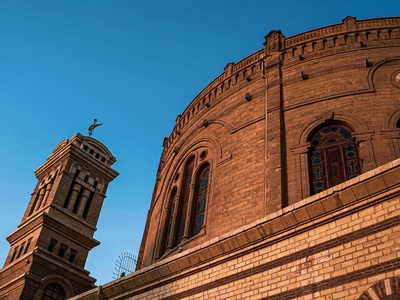
Coptic
The last stage of the ancient Egyptian language, Coptic survives as the liturgical language of Egypt’s Christian churches. It has no native community speakers but remains culturally and religiously important and subject to revival interest.
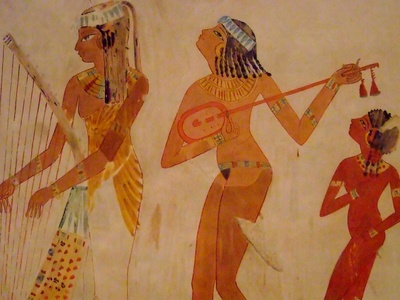
Ancient Egyptian
Ancient Egyptian (Old, Middle, Late, Demotic) is the autochthonous language of pharaonic Egypt. Extinct as a spoken native tongue, its inscriptions and literature are foundational for Egyptian history and the development of Coptic.
Egyptian Sign Language
Used by Deaf communities across Egypt, Egyptian Sign Language has its own grammar distinct from spoken Arabic. It’s the primary natural language for many deaf Egyptians but faces uneven recognition, education resources, and support.
Judeo-Egyptian Arabic
A local Jewish variety of Egyptian Arabic once spoken by Jewish communities in Cairo and Alexandria. Largely extinct in Egypt after mid‑20th century departures, it remains of linguistic and cultural interest in diaspora studies.