Legend says the goddess Aphrodite rose from the sea foam at Petra tou Romiou, and for millennia that myth has helped define how people imagine Cyprus.
That story sits alongside very concrete facts: the Republic of Cyprus has roughly 1.2 million residents, the island covers about 9,251 km², and Cyprus became independent in 1960.
If you’re planning a trip, curious about Mediterranean culture, keen on food and wine, or tracking regional business and shipping hubs, knowing what is Cyprus known for helps you prioritize where to go and what to taste.
Below I walk through seven defining traits of the island — from UNESCO-listed ruins and mythic coastline to mountains, halloumi and a modern service economy — with practical details and concrete examples for visitors and researchers alike.
Ancient history & cultural heritage
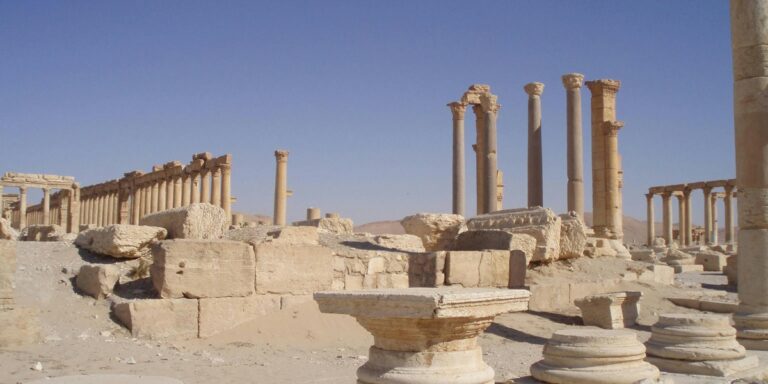
Cyprus is a crossroads of civilizations: Greek, Roman, Byzantine, Crusader, Venetian, Ottoman and British layers all leave visible traces across the island.
That dense archaeological record makes sites like Paphos internationally important and a major draw for cultural tourism and academic study.
For an authoritative overview, see the UNESCO World Heritage Centre entry for Paphos (listed in 1980) which describes the mosaics, villas and town remains that capture Roman-era life (whc.unesco.org/en/list/79).
1. Paphos and Ancient Sites (UNESCO heritage)
Paphos is one of the island’s best-known archaeological concentrations and part of the UNESCO World Heritage list for its outstanding Roman mosaics and preserved urban fabric.
Visitors can see the House of Dionysos mosaic, an ancient Odeon, and the Tombs of the Kings (dating to the Hellenistic and Roman periods), all of which support guided tours and museum interpretation.
These sites sustain a vibrant cultural tourism sector: museums, on-site guides, conservation programs and seasonal events make Paphos a year-round destination for history-minded travelers.
2. Aphrodite’s myth and sacred coastal sites
The story that Aphrodite rose from the sea off Cyprus still provides powerful branding for the island’s coast — Petra tou Romiou (Aphrodite’s Rock) is marketed as a must-see photo stop.
Local operators run half-day tours, sunset storytelling walks and folklore events around the site, and the myth appears frequently in promotional material aimed at couples and cultural tourists.
From a practical perspective, myth-based attractions like Petra tou Romiou boost nearby hospitality, guided-interpretation jobs and seasonal souvenir sales.
3. Medieval castles and layered architecture
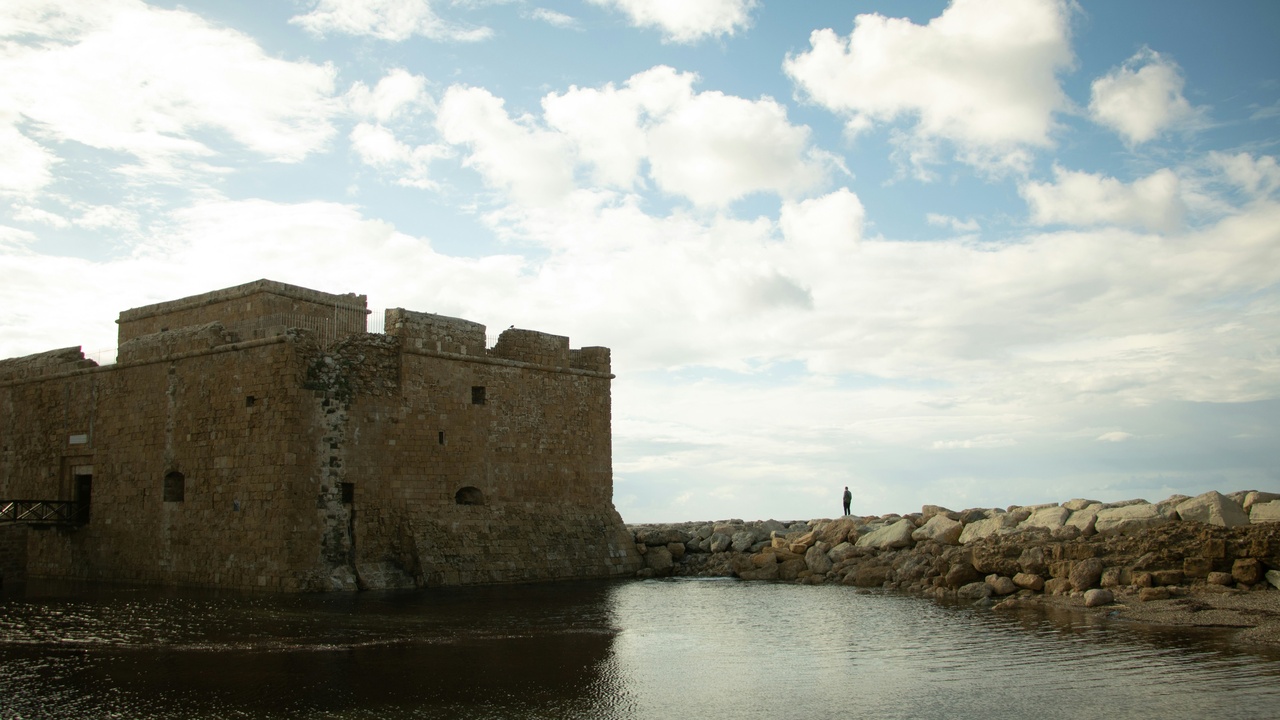
Fortified structures from Crusader, Venetian and Ottoman periods punctuate the island — many have been converted to museums, galleries and event venues.
Kyrenia Castle on the north coast and Kolossi Castle near Limassol are good examples: the former houses maritime exhibits, the latter connects to medieval sugar production and Commandaria wine traditions.
These castles are active cultural hubs, hosting exhibitions, concerts and historical reenactments that help fund conservation and engage local communities.
Natural landscapes & outdoor attractions
Beyond ruins, Cyprus offers a compact variety of landscapes: azure Mediterranean coastline, protected sandy beaches and a cool, forested interior dominated by the Troodos range.
The island’s climate supports long summers and extensive outdoor recreation, while its compact size (about 9,251 km²) makes it easy to combine beach days with mountain hikes on the same trip.
Conservation efforts and designated natural areas preserve endemic species and popular trails, so outdoor tourism and biodiversity protection often work hand in hand.
4. Beaches, clear water and a sun-drenched climate
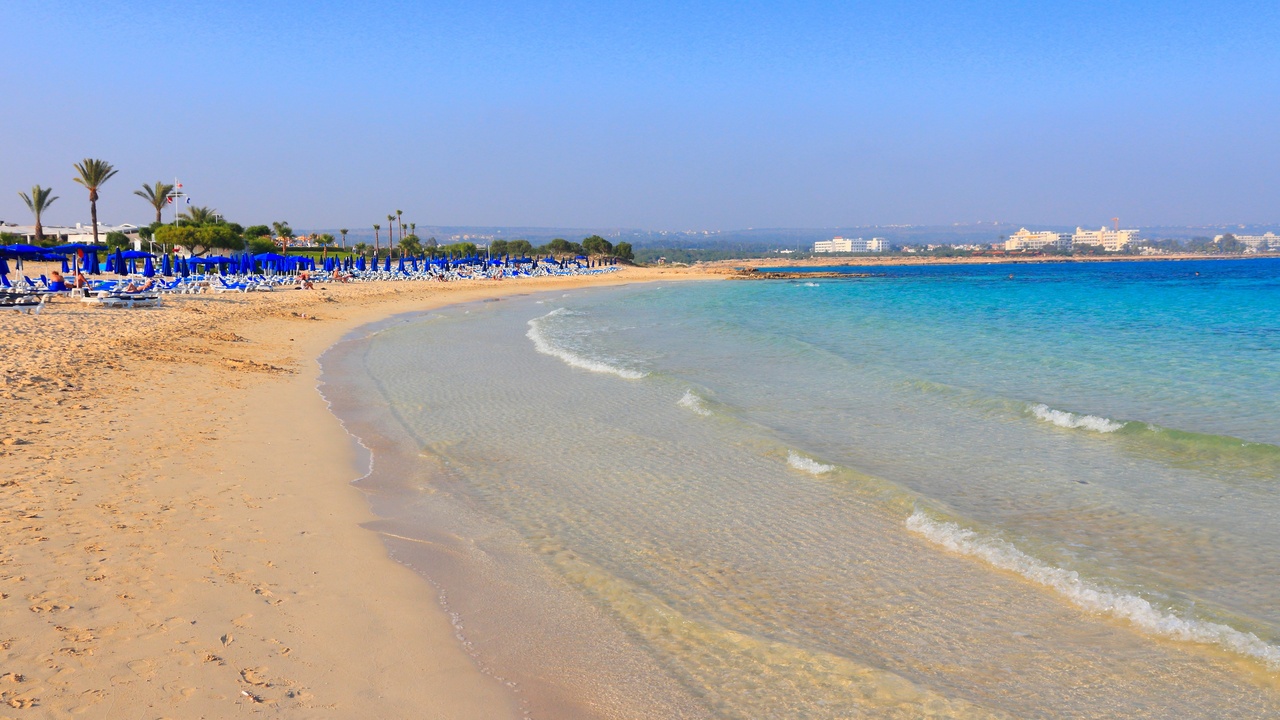
Cyprus is famous for sandy beaches and clear eastern Mediterranean water, with long tourist seasons that often stretch from spring well into autumn.
Well-known beach areas include Ayia Napa (noted for both beaches and nightlife) and Protaras, home to Fig Tree Bay, a Blue Flag beach prized for its sand and swim-friendly water.
These coastal assets matter to travel planners, expatriates and winter-sun visitors; popular activities include snorkeling, scuba diving, boat trips and beach-based festivals during peak months.
5. Troodos mountains, biodiversity, and outdoor life
The Troodos massif offers a cool contrast to the coast: Mount Olympus reaches 1,952 m, with forested slopes, endemic flora and fauna and village trails that attract hikers and nature lovers.
Wildlife such as the Cyprus mouflon appears in conservation programs, and Troodos National Forest Park supports both summer hiking and occasional winter snow activities in higher elevations.
Mountain villages and hillside wineries provide cultural stops for day trips, combining nature walks with local food and wine tasting on scenic slopes.
Food, economy & modern identity
Cyprus pairs a distinctive culinary identity with a services-oriented economy: halloumi and Commandaria are culinary touchstones while tourism, shipping and financial services shape modern life.
Halloumi received EU Protected Designation of Origin status in 2021, and the cheese’s global popularity now supports exporters and small cooperatives across the island.
Meanwhile, tourism was a principal economic driver before the pandemic — visitor arrivals were around 3.9 million in 2019 — and ports and registries keep Cyprus prominent in regional shipping and services.
6. Halloumi, mezze and a distinctive food culture
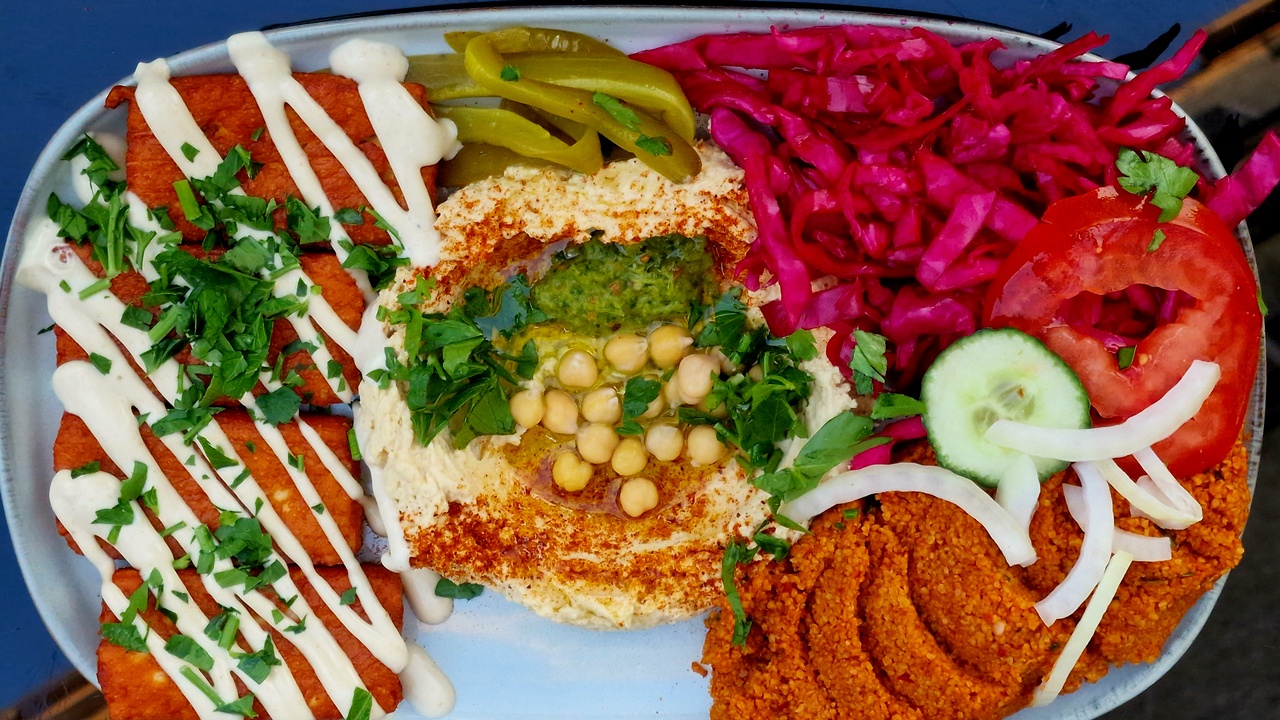
Halloumi is arguably Cyprus’s most recognizable food export: the EU’s PDO decision in 2021 formalized its link to island production and supported local cheese cooperatives.
On the ground, halloumi appears everywhere—from village mezze spreads to street food and gourmet restaurant menus—often grilled and served with lemon or as part of shared plates.
Culinary tourism revolves around these offerings: food markets, traditional tavernas and producer visits introduce travelers to Cypriot dairy, olive oil and bread traditions.
7. Commandaria wine, tourism and strategic location
Commandaria is a sweet wine with medieval pedigree — references to it appear in Crusader-era texts from the 12th century — and it has become a niche attraction for wine tourists exploring Limassol and nearby vineyards.
Beyond food and drink, modern Cyprus plays a strategic role as a tourism hub and an international services center: cities like Nicosia and Limassol host finance, shipping registries and professional services that serve regional markets.
Vineyard tours, wine-pairing dinners and heritage routes linking castles, mosaics and wineries make Commandaria part of a broader cultural itinerary for many visitors.
Summary
- Cyprus blends deep cultural layers and UNESCO-protected sites with living mythic traditions tied to Aphrodite.
- The island’s compact geography (about 9,251 km², population ~1.2 million) delivers both sun-drenched beaches and the Troodos highlands (Mount Olympus, 1,952 m).
- Distinctive food and drink—halloumi (EU PDO 2021) and Commandaria (medieval origins)—drive culinary tourism and exports.
- Tourism (around 3.9 million visitors in 2019) and international services such as a large merchant ship registry shape the modern economy.
- These elements together answer why many people ask what is Cyprus known for: a mix of heritage, coast, mountains, and a strong food-and-service identity.