Libya’s coastline and Sahara have hosted Phoenicians, Greeks and Romans for more than 2,500 years, and Roman emperor Septimius Severus hailed from Leptis Magna (reigned 193–211 CE). That deep past sits alongside vast, nearly empty landscapes: Libya covers about 1.76 million km², and roughly 90% is desert. For travelers willing to accept logistical challenges, Libya offers a rare combination of towering Saharan dunes, remarkably preserved Roman ruins, dramatic mountain plateaus and uncrowded Mediterranean shores — eight distinctly adventurous experiences that reward curiosity and planning.
I’ll lay out four themed categories with two hands-on activities each: ancient archaeology, Sahara and Fezzan desert travel, mountain and oasis treks, and coastal marine sports. Expect practical notes on seasonality, local guides and realistic access so you can turn interest into an actual itinerary. Below are eight clear options for adventurous things to do in Libya that experienced, well-prepared travelers can pursue.
Ancient and Archaeological Adventures
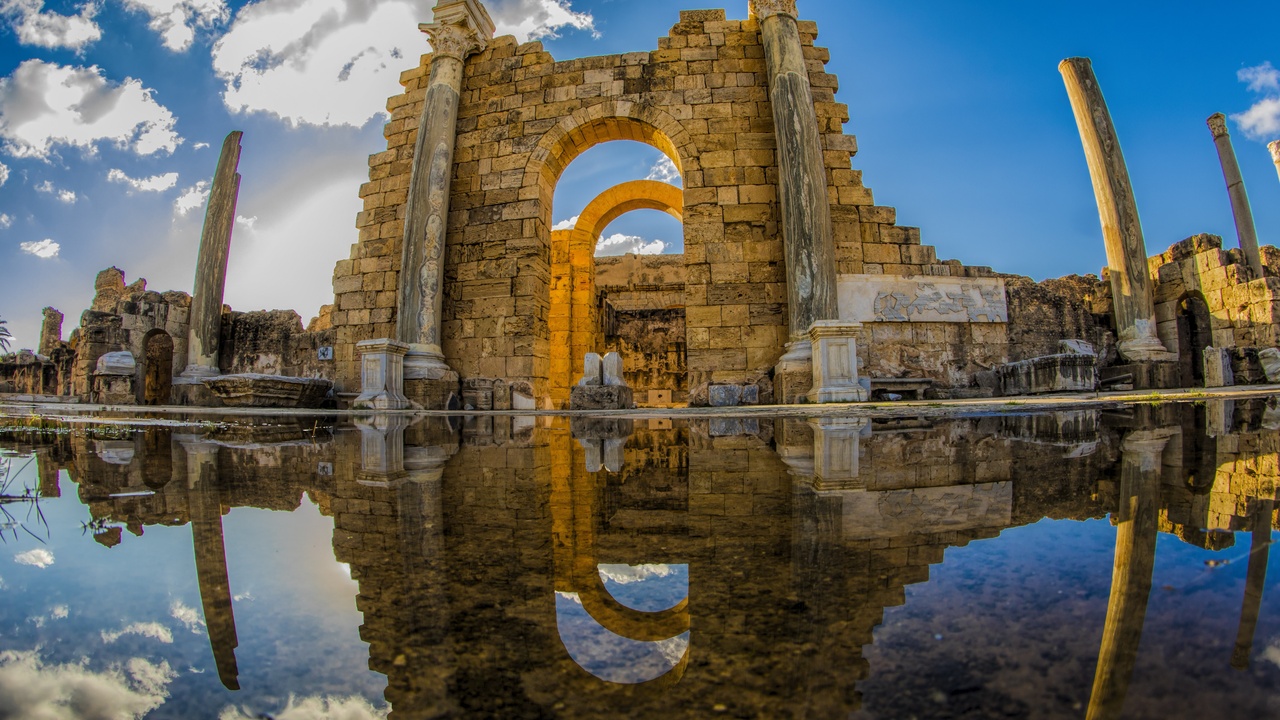
Libya holds some of the Mediterranean’s best-preserved classical cities: long stretches of colonnaded streets, temples and theatres that feel remarkably intact. Sites such as Leptis Magna and Sabratha display Roman urban planning on a grand scale, while Cyrene and smaller necropolises record the earlier Greek and Phoenician phases.
Most of these sites sit far from major tourist routes and often require arranged transport and a licensed guide to visit. Several have UNESCO recognition or protection status, so plan permits and local coordination in advance to ensure access and to respect conservation rules.
1. Explore Leptis Magna’s sprawling Roman ruins
Walk among Roman streets and monuments at Leptis Magna, where the city flourished under Septimius Severus (reigned 193–211 CE). The site’s Severan forum, basilica and amphitheatre remain impressive, and the maritime façade recalls a once-busy imperial port. Leptis Magna lies roughly 120 km east of Tripoli, making it feasible as a long day trip or an overnight stay in nearby Khoms.
Practical planning means hiring a local licensed guide (many operate from Khoms) and confirming site opening times and any permissions. Road quality varies, so allow extra time for travel; guided tours often include local drivers and provide context for mosaics, inscriptions and the site’s waterworks. Bring shade, water and a good camera for the forum and amphitheatre.
2. Wander the seaside theatre and mosaics at Sabratha
Explore Sabratha’s coastal Roman theatre and surviving mosaics along Libya’s northwest shore. The largely intact 2nd-century CE theatre sits close to the sea and catches dramatic morning light, while adjacent ruins showcase baths, colonnades and carved stonework.
Sabratha is about 70 km west of Tripoli, so most visits start there. Early morning visits beat the heat and deliver better photos; bring sun protection and water. Museum pieces and smaller finds associated with Sabratha are sometimes held in Tripoli or local museums, so factor a museum stop into a full-day archaeological itinerary. As with other major sites, guided access is recommended.
Sahara and Fezzan Desert Experiences
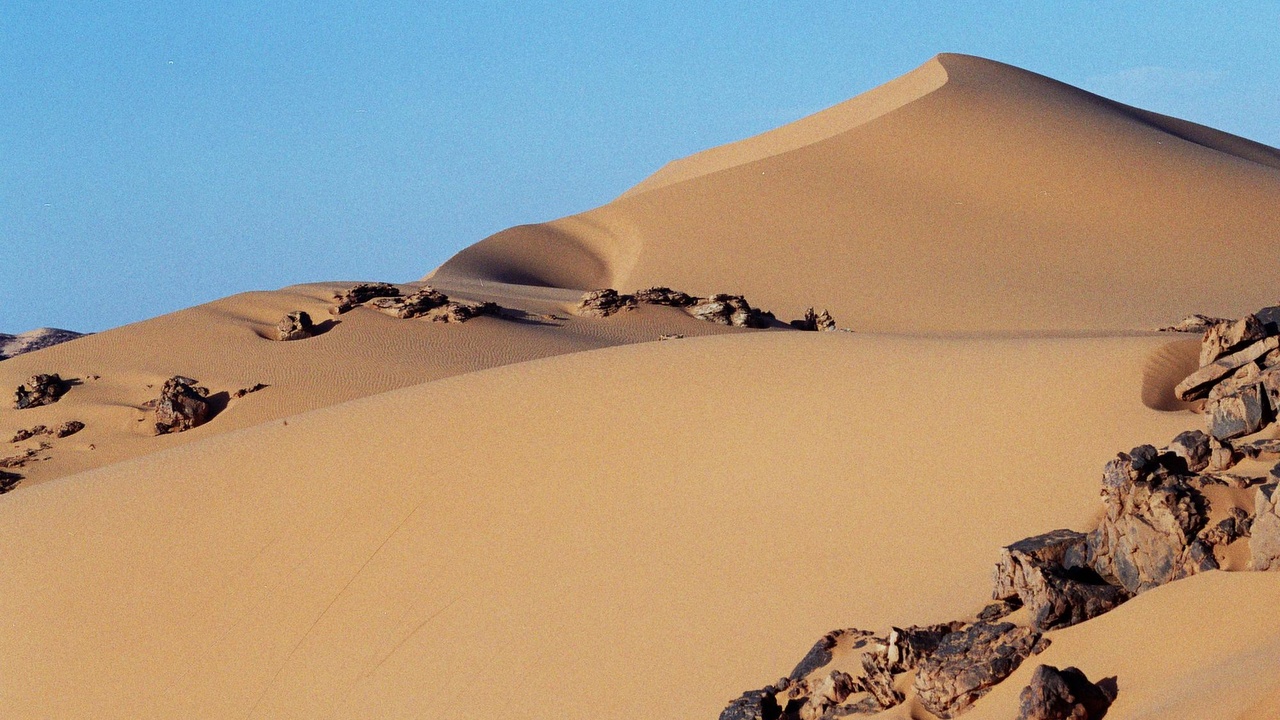
The Sahara dominates Libya’s interior, offering dunes, ergs and fossil lakes that reward extended overland travel. Vast areas such as Fezzan contain dramatic contrasts — sand seas punctuated by oases and ancient rock art that records a very different climate history.
These journeys usually mean multi-day 4×4 treks, camping under clear skies and close work with Tuareg or Berber guides. Avoid mid-summer heat and plan for permits, fuel caches and emergency contingencies. When timed correctly, the desert offers solitude and landscapes few outsiders see.
3. Trek among millennia-old petroglyphs in Tadrart Acacus
Take a guided trekking route through Tadrart Acacus to study rock art panels that span the Holocene, with images dating back up to about 12,000 years. Those petroglyphs and paintings depict cattle, hunters and wildlife and illustrate how the Sahara’s climate and human societies changed over millennia.
A typical visit pairs hiking with vehicle support and night camps beneath bright stars. Experienced desert guides (often Tuareg or local specialists) can locate fragile panels, explain stylistic phases and advise on conservation-minded viewing. Respect fragile surfaces and avoid touching pigments; bring water, sun protection and layered clothing for cold desert nights.
4. 4×4 over dunes and sandboard the Ubari Sand Sea
Set off on a 4×4 dune expedition across Fezzan’s ergs and spend a half-day sandboarding among star dunes near the Ubari Sand Sea. The area juxtaposes sweeping sand with the striking Ubari lakes — small, often turquoise water bodies set against shifting dunes.
Plan vehicle recovery gear (shovels, traction mats, spare tyres) and travel with a convoy if possible; convoys typically depart from Sabha or regional hubs. You can hire sandboards locally or bring lightweight gear. Finish a day of dune runs with a beach-camp-style evening beside an oasis lake for dramatic photos and cool night air.
Mountain, Oasis and Cultural Treks
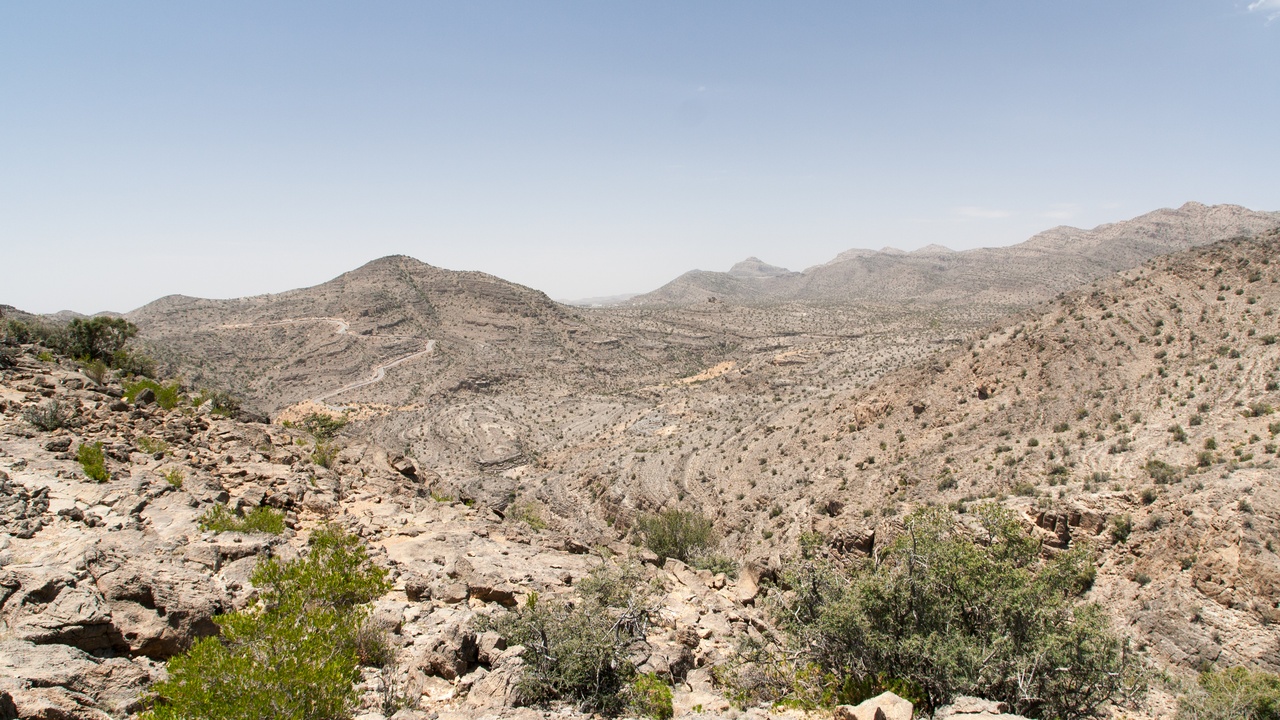
Beyond sand, Libya has surprising highlands and settled oases. Jebel Akhdar’s plateaus, the terraced Nafusa range and the mudbrick alleys of Ghadames offer cooler microclimates, living communities and distinct vernacular architecture.
These areas reward slower travel: homestays, village hosts and walking routes that link farms, terraces and archaeological remnants. Access can be seasonal and often requires local hosts or guides who know trails, etiquette and where to stay.
5. Hike the Jebel Akhdar plateaus and coastal cliffs
Hike day routes or multi-day circuits across Jebel Akhdar — the “Green Mountain” where peaks rise above 800 meters and the climate takes on Mediterranean traits. In spring the highlands bloom with wildflowers and terraces glow green, offering panoramic views down to coastal cliffs.
Best seasons are spring and autumn to avoid summer heat. Local homestays (village guesthouses) and guides add cultural context and offer reliable trail knowledge. Along routes you may find Roman-era ruins, terraced farms and shepherding communities; carry modest clothing for village visits and confirm sleeping arrangements ahead of time.
6. Explore the old oasis town of Ghadames and its alleyways
Walking Ghadames’ covered alleys and courtyard homes feels like entering a living museum. The town’s mudbrick architecture, interconnected rooftops and shaded passages evolved to suit the Sahara’s climate and served as a key trading hub.
Visits are best arranged through local operators who respect customs and photography rules; Ghadames is on the northwestern edge of Fezzan and often combines well with desert itineraries. Look for rooftop terraces, communal courtyards and traditional crafts, and approach markets and historic homes with simple cultural courtesy.
Coastal and Marine Adventure Sports
Libya’s Mediterranean coastline offers uncluttered dive sites, wartime and merchant wrecks, dramatic cliff viewpoints and pockets of beach suitable for wind and kite sports. Large stretches remain under-visited, which appeals to divers and sailors seeking quiet, historical shores.
Infrastructure is limited outside main ports, so plan equipment and logistics in advance. Tripoli, Benghazi and eastern harbours serve as the principal activity hubs; seasonality affects visibility and winds, so schedule according to conditions and operator availability.
7. Scuba and wreck diving along Libya’s Mediterranean coast
Scuba diving Libya’s coast can reward certified divers with uncrowded sites and intriguing wrecks — from wartime losses to merchant vessels — often sitting at moderate depths. Visibility can be excellent outside runoff months, and marine life includes groupers, amberjacks and seasonal pelagics.
Local dive operators are scarce; launch points are usually Tripoli, Benghazi or Derna, so arrange trips well in advance and consider bringing spare kit. Typical wreck dives fall between 20–40 metres; carry dive insurance, a conservative dive plan and an evacuation option. Book with experienced skippers and check seasonal conditions before travel.
8. Kiteboarding, coastal sailing and fishing near Tripoli and Derna
Small-boat coastal charters, kitesurfing lessons and sport-fishing trips operate from Tripoli and some eastern ports when conditions permit. Late spring and summer offer reliable wind windows for board sports, while sheltered bays suit beginners and charter skippers can run trolling or bottom-fishing trips.
Plan to arrange lessons and equipment in Tripoli, bring necessary safety gear and confirm local regulations. A typical day charter might include trolling for tuna or dorado, or a short kitesurf lesson off a sheltered beach followed by a coastal picnic in a quieter cove.
Summary
These eight options tie back to the article’s premise: Libya rewards travelers who accept logistical complexity with large, uncrowded landscapes, superb classical archaeology and distinct coastal and cultural experiences. From Leptis Magna’s Severan forum to Tadrart Acacus’ ancient panels, the country offers a mix few places can match — extensive Roman remains, living oasis towns and sweeping Saharan ergs across roughly 1.76 million km² of territory.
If you’re compiling a shortlist of adventurous things to do in Libya, begin with careful research: pick the right season, hire experienced local guides, confirm permits and plan for vehicle support and medical contingencies. Respect local customs, minimize impact at fragile sites and verify access with local authorities before travel.
- Plan outside peak summer months; spring and autumn offer the best balance for highlands, desert and coast.
- Hire licensed local guides (archaeological, Tuareg/Berber desert teams, or experienced sailors) and arrange transport and permits in advance.
- Prioritize safety: bring recovery gear for 4×4 travel, spare dive equipment, and clear evacuation or insurance plans.
- Respect conservation rules at archaeological sites and local cultural norms in towns and oases.