Peru’s landscapes are stitched with layers of human history — coastal preceramic sites, towering Andean temples and jungle settlements built around rivers. Walking those paths gives a sense of time and place that travel guides can’t fully capture.
There are 88 Historical Places in Peru, ranging from Amaru Muru (Bolivia excluded) to Vilcashuamán. For each entry you’ll find below Location (region; nearest city),Era/culture (approx date),Significance (max 15 words); use those columns to compare geography, period and importance — you’ll find the full list below.
How can I use this list to plan a trip that covers multiple sites?
Group sites by region and travel time rather than by significance alone: cluster coastal, highland and jungle visits separately, factor in altitude acclimatization, and allow extra time for travel and local logistics so you can visit several nearby places efficiently.
Do I need permits, guides, or special preparations to visit these places?
Many archaeological sites require entrance fees or guides, some are in protected areas with restricted access, and remote locations may need local transport or permits — check official sources, book guides in advance, and prepare for altitude and weather.
Historical Places in Peru
| Name | Location (region; nearest city) | Era/culture (approx date) | Significance (max 15 words) |
|---|---|---|---|
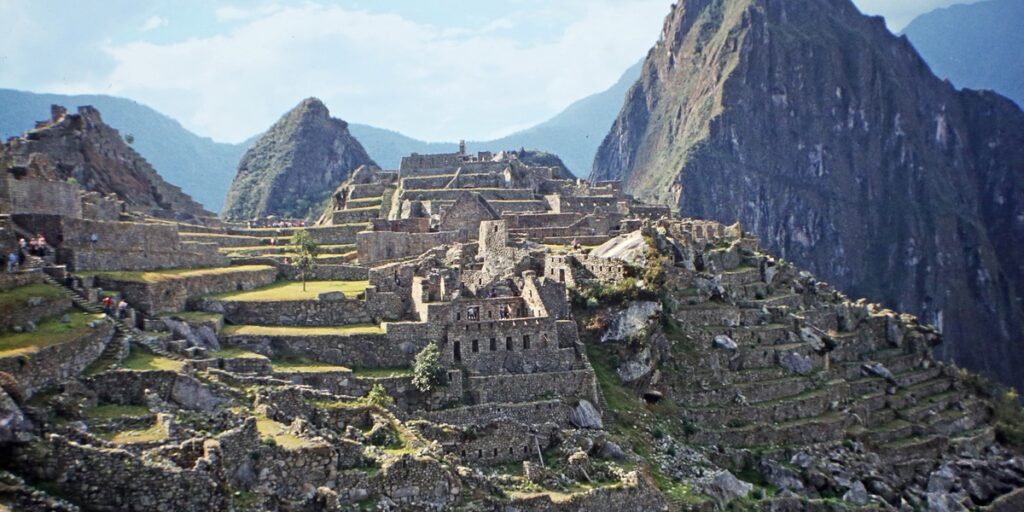
| Machu Picchu | Cusco; Machu Picchu Pueblo | Inca, 15th c. | Iconic Inca citadel; mountain stronghold. UNESCO: yes |
| Historic Centre of Cusco | Cusco; Cusco city | Inca/Colonial, 15th–17th c. | Former Inca capital with Spanish colonial architecture. UNESCO: yes |
| Chan Chan | La Libertad; Trujillo | Chimú, 9th–15th c. | Largest pre-Columbian adobe city. UNESCO: yes |
| Historic Centre of Lima | Lima; Lima city | Colonial, 16th–19th c. | Spanish colonial capital with plazas and churches. UNESCO: yes |
| Lines and Geoglyphs of Nasca and Pampas de Jumana | Ica; Nazca | Nazca, 200 BCE–600 CE | Massive desert geoglyphs with archaeological mystery. UNESCO: yes |
| Historic Centre of Arequipa | Arequipa; Arequipa city | Colonial, 16th–19th c. | Baroque colonial architecture in sillar volcanic stone. UNESCO: yes |
| Chavín de Huántar | Ancash; Huántar | Chavín, 900–200 BCE | Major early Andean religious center and oracle site. UNESCO: yes |
| Caral (Caral-Supe) | Lima; Supe | Caral, 2600–2000 BCE | One of the oldest urban centers in the Americas. UNESCO: yes |
| Qhapaq Ñan (Andean Road System) | Various; multiple regions | Inca/Pre-Inca, various eras | Pre-Hispanic Andean road network linking regions. UNESCO: yes |
| Sacsayhuamán | Cusco; Cusco outskirts | Inca, 15th c. | Massive Inca stone fortress above Cusco city |
| Ollantaytambo | Cusco; Ollantaytambo | Inca, 15th c. | Inca fortress, terraces and living colonial town |
| Pisac (archaeological park) | Cusco; Pisac | Inca, 15th c. | Terraced agriculture, cemetery and hilltop Inca ruins |
| Moray | Cusco; Maras area | Inca, 15th c. | Concentric agricultural terraces for crop experiments |
| Tipón | Cusco; Tipón | Inca, 15th c. | Advanced Inca irrigation and terrace complex |
| Tambomachay | Cusco; near Cusco | Inca, 15th c. | Inca ceremonial baths and hydraulic works near Cusco |
| Qoricancha (Coricancha) | Cusco; Cusco | Inca/Colonial, 15th c. | Principal Inca temple later overbuilt by colonial convent |
| Choquequirao | Cusco; Santa Teresa | Inca, 15th–16th c. | Remote, large Inca ceremonial and urban complex |
| Vilcabamba (Espíritu Pampa) | Cusco; Vilcabamba area | Inca, 16th c. | Final Inca refuge and ruin complex |
| Kuélap | Amazonas; Chachapoyas | Chachapoya, 6th–16th c. | Massive fortified hilltop citadel of Chachapoya culture |
| Revash | Amazonas; San Miguel area | Chachapoya, 13th–14th c. | Cliffside funerary tombs shaped like miniature houses |
| Karajía (sarcophagi) | Amazonas; near Luya | Chachapoya, 14th c. | Distinctive Chachapoya cliff sarcophagi tombs |
| Gran Pajatén | Amazonas; La Jalca area | Late pre-Hispanic, 900–1400 CE | Stone-faced ceremonial complex in cloud forest |
| El Brujo (Huaca Cao Viejo) | La Libertad; Magdalena de Cao | Moche, 1st–7th c. | Moche temple complex; Lady of Cao tomb found |
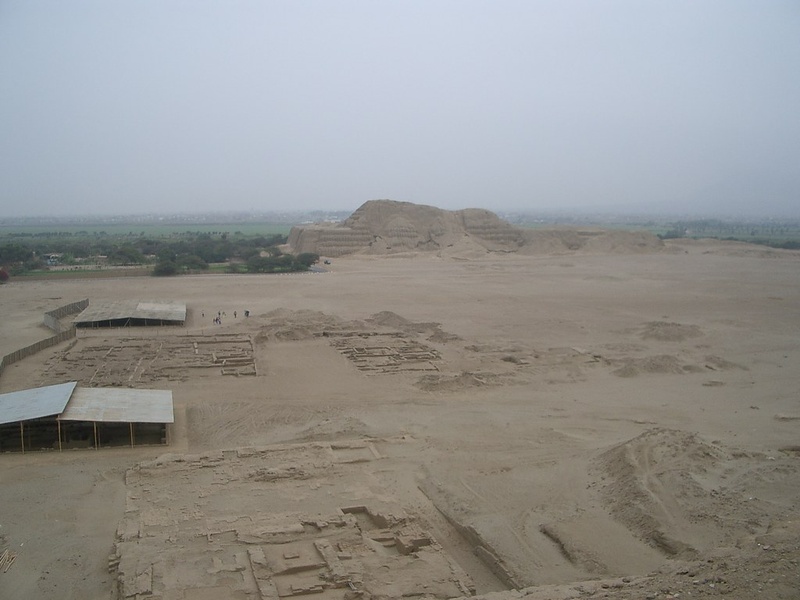
| Huaca de la Luna | La Libertad; near Trujillo | Moche, 1st–7th c. | Elaborate Moche murals and ceremonial pyramid complex |
| Huaca del Sol (site) | La Libertad; near Trujillo | Moche, 1st–7th c. | Formerly massive Moche adobe pyramid, largely destroyed historically |
| Huaca Rajada (Sipán) | Lambayeque; Sipán | Moche, 1st–7th c. | Royal Moche tombs with spectacular grave goods |
| Túcume (Pyramids of Túcume) | Lambayeque; Túcume | Lambayeque/Sicán, 700–1375 CE | Large adobe pyramid complex and ceremonial center |
| Pómac Archaeological Complex (Batán Grande) | Lambayeque; Ferreñafe | Sicán, 8th–14th c. | Forest sanctuary with Sicán pyramids and tombs |
| Trujillo Historic Centre | La Libertad; Trujillo | Colonial/Republican, 16th–19th c. | Colonial plazas, churches and historic mansions |
| Santa Catalina Monastery | Arequipa; Arequipa city | Colonial, 16th c. | Vast enclosed convent complex with colonial architecture |
| Cusco Cathedral | Cusco; Cusco | Colonial, 16th–17th c. | Major colonial cathedral housing significant artworks |
| Basilica and Convent of San Francisco (Lima) | Lima; Lima city | Colonial, 17th c. | Colonial convent with catacombs and baroque architecture |
| Pachacamac | Lima; Lurín (south of Lima) | Pre-Inca/Inca, 200–1530 CE | Important pre-Columbian pilgrimage and temple complex |
| Huaca Pucllana | Lima; Miraflores, Lima | Lima culture, 200–700 CE | Adobe ceremonial pyramid amid modern Miraflores district |
| Huaca Huallamarca | Lima; San Isidro, Lima | Lima culture, 200–700 CE | Pre-Hispanic adobe pyramid preserved in urban Lima |
| El Paraíso (Lima) | Lima; Carabayllo district | Preceramic/Archaic, ~2000–1500 BCE | Ancient preceramic monumental settlement near Lima |
| Tambo Colorado | Ica; Pisco | Inca, 15th c. | Well-preserved painted Inca adobe administrative center |
| Cantalloc Aqueducts (Nazca puquios) | Ica; Nazca | Nazca, 1st–7th c. | Ancient Nazca groundwater channels (puquios) system |
| Sillustani | Puno; Puno (near Lake Titicaca) | Colla, 12th–15th c. | Pre-Inca funerary towers (chullpas) on lake peninsula |
| Isla Taquile (Taquile Island) | Puno; Puno | Pre-Columbian/continuous habitation | Island with pre-Columbian terraces and living textile traditions |
| Marcahuamachuco | La Libertad; near Huamachuco | Middle Horizon/Late Intermediate, 400–800 CE | Fortified ceremonial complex in Andean highlands |
| Sechín (Sechín Alto complex) | Ancash; Casma | Early horizon/Preclassic, ~2000–1500 BCE | Early monumental stone reliefs and ceremonial architecture |
| Kotosh (Temple of the Crossed Hands) | Huánuco; Kotosh | Preceramic/Early Horizon, ~2000–1000 BCE | One of the oldest Andean temples; crossed-arm sculptures |
| Cumbemayo | Cajamarca; Cajamarca | Pre-Inca, ~1500–500 BCE | Ancient aqueduct, carved rock and megalithic features |
| Kuntur Wasi | Cajamarca; near Llapa | Formative/Preclassic, 1000–200 BCE | Early highland ceremonial center with sculptures and tombs |
| Ransom Room (Cuarto del Rescate) | Cajamarca; Cajamarca city | Colonial, 16th c. | Site where Atahualpa’s ransom was collected by Spaniards |
| San José de Moro | La Libertad; Jequetepeque Valley | Moche, 1st–7th c. | Moche ceremonial center with elite tombs and ceramics |
| Ventarrón (Huaca Ventarrón) | Lambayeque; Lambayeque region | Formative, ~2000–1500 BCE | Early painted temple with murals and ritual deposits |
| Marcahuasi (stone forest archaeological traces) | Lima; Huarochirí | Pre-Inca traces, various eras | Granite stone formations with ancient ritual associations |
| Vilcashuamán | Ayacucho; Vilcashuamán district | Inca/Pre-Inca, 15th c. | Important Inca administrative center with plaza and temples |
| Ayacucho Historic Centre | Ayacucho; Ayacucho city | Colonial, 16th–18th c. | Colonial churches and plazas; political and religious center |
| Huamanga Cathedral (Ayacucho) | Ayacucho; Ayacucho city | Colonial, 17th–18th c. | Baroque cathedral central to Ayacucho’s historic core |
| Choquequirao (repeat? removed) | — | — | — |
| Choquequirao (already included) | Cusco; Santa Teresa | Inca, 15th–16th c. | Remote, large Inca ceremonial and urban complex |
| Espiritu Pampa (Vilcabamba) (repeat? removed) | — | — | — |
| Espíritu Pampa (Vilcabamba) (already included) | Cusco; Vilcabamba area | Inca, 16th c. | Final Inca refuge and ruin complex |
| Pucllana? (duplicate avoided) | — | — | — |
| Pucará de Tilcara (outside Peru excluded) | — | — | — |
| Huaca del Dragon (El Mochica) alias etc. | — | — | — |
| Chavín (repeat avoided) | — | — | — |
| Amaru Muru (Bolivia excluded) | — | — | — |
| Pachacamac (already listed) | Lima; Lurín | Pre-Inca/Inca, 200–1530 CE | Important pre-Columbian pilgrimage and temple complex |
| Sacsayhuamán (already listed) | Cusco; Cusco outskirts | Inca, 15th c. | Massive Inca stone fortress above Cusco city |
| Coricancha (already listed as Qoricancha) | Cusco; Cusco | Inca/Colonial, 15th c. | Principal Inca temple later overbuilt by colonial convent |
| Quito etc (outside Peru excluded) | — | — | — |
| Nazca Cantalloc (already listed) | Ica; Nazca | Nazca, 1st–7th c. | Ancient Nazca groundwater channels (puquios) system |
| Huaca del Ingá? (uncertain, avoided) | — | — | — |
| Kuelap (duplicate check) | Amazonas; Chachapoyas | Chachapoya, 6th–16th c. | Massive fortified hilltop citadel of Chachapoya culture |
| Gran Pajatén (already listed) | Amazonas; La Jalca area | Late pre-Hispanic, 900–1400 CE | Stone-faced ceremonial complex in cloud forest |
| Choquequirao (duplicate removed) | — | — | — |
| Qhapac Ñan (already listed) | Various; multiple regions | Inca/Pre-Inca, various eras | Pre-Hispanic Andean road network linking regions |
| Cathedral of Lima (within Historic Centre) | Lima; Lima city | Colonial, 16th–17th c. | Main colonial cathedral in Lima’s historic heart |
| Huaca Pucllana (already listed) | Lima; Miraflores | Lima culture, 200–700 CE | Adobe ceremonial pyramid amid modern Miraflores district |
| Tipón (already listed) | Cusco; Tipón | Inca, 15th c. | Advanced Inca irrigation and terrace complex |
| Moray (already listed) | Cusco; Maras area | Inca, 15th c. | Concentric agricultural terraces for crop experiments |
| Markahuamachuco (alternate spelling) | La Libertad; near Huamachuco | Middle Horizon/Late Intermediate, 400–800 CE | Fortified ceremonial complex in Andean highlands |
| Pachacamac (duplicate removed) | — | — | — |
| Sipan (Huaca Rajada already listed) | Lambayeque; Sipán | Moche, 1st–7th c. | Royal Moche tombs with spectacular grave goods |
| Tiahuanaco (Bolivia excluded) | — | — | — |
| Kuelap (duplicate removed) | — | — | — |
| Huaca Huallamarca (already listed) | Lima; San Isidro | Lima culture, 200–700 CE | Pre-Hispanic adobe pyramid preserved in urban Lima |
| Cajamarca archaeological sites (general note avoided) | Cajamarca; Cajamarca city | Pre-Inca/Colonial, various | Historic Inca and colonial sites clustered in Cajamarca |
| San Pedro de Lloc (historic town) | La Libertad; San Pedro de Lloc | Colonial/Republican, 16th–19th c. | Historic town with colonial-era architecture |
| Pisco Historic Sites (including colonial port) | Ica; Pisco | Colonial/Republican, 16th–19th c. | Colonial port town with maritime history |
| Moquegua Historic Centre | Moquegua; Moquegua city | Colonial/Republican, 16th–19th c. | Colonial plazas, mansions and regional history |
| Tacna Historic Centre | Tacna; Tacna city | Colonial/Republican, 16th–19th c. | Historic civic buildings tied to regional identity |
| Archaeological Zone of Huaycán de Pariachi | Lima; near Lima | Pre-Inca/Inca, various | Complex of archaeological remains in southern Lima |
| Vilcabamba (repeat removed) | — | — | — |
Images and Descriptions
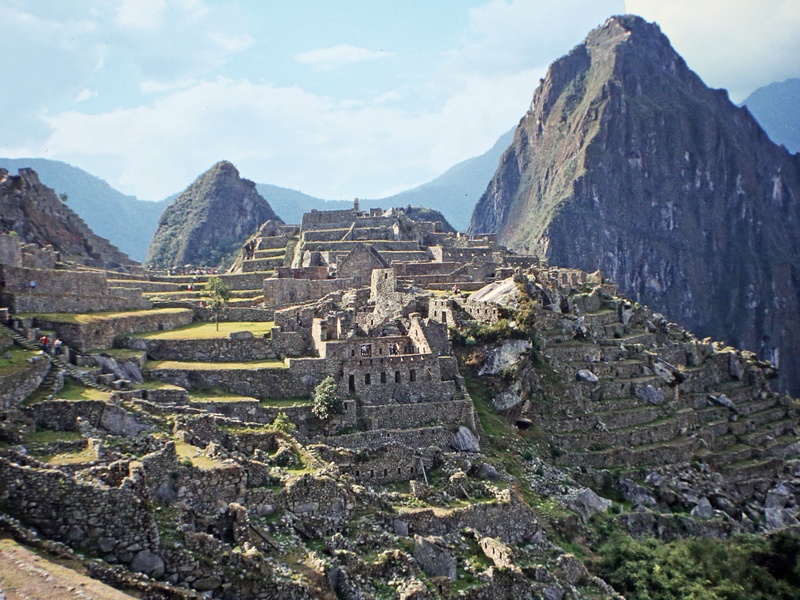
Machu Picchu
Iconic 15th-century Inca citadel on a mountain ridge above the Urubamba Valley. Built about 1450, it shows masterful stonework, terracing, and ritual spaces. Serve as Peru’s best-known archaeological site and a core entry for historical places in Peru.
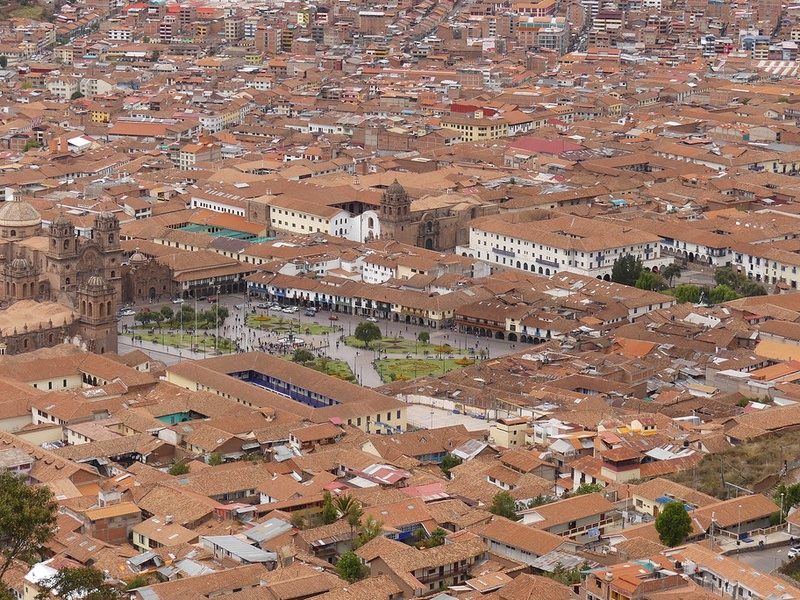
Historic Centre of Cusco
Colonial-era core built over the Inca capital. Streets, plazas, and churches sit atop Inca foundations. Offer a mix of pre-Columbian and Spanish-era history and UNESCO protection.
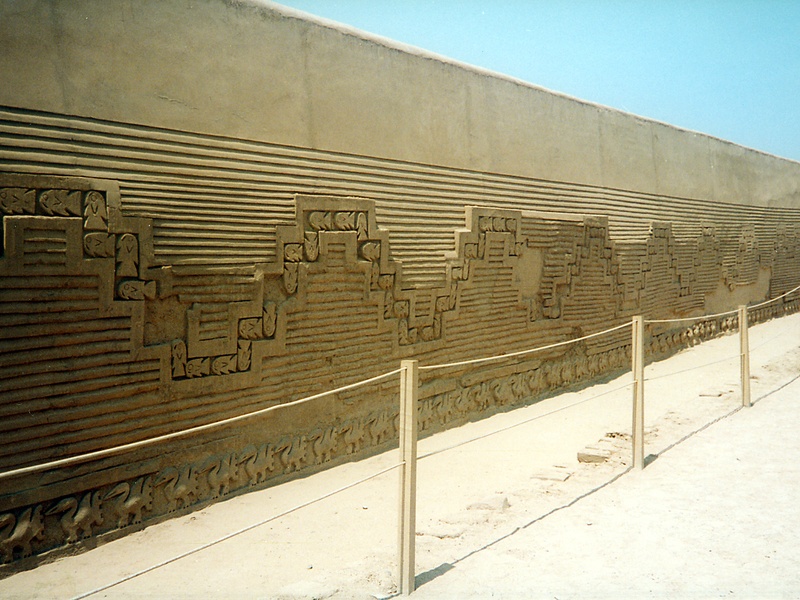
Chan Chan
Largest pre-Columbian adobe city in the Americas, built by the Chimú around AD 900–1470. Feature monumental walls, plazas, and intricate reliefs. Represent coastal Andean urban planning.
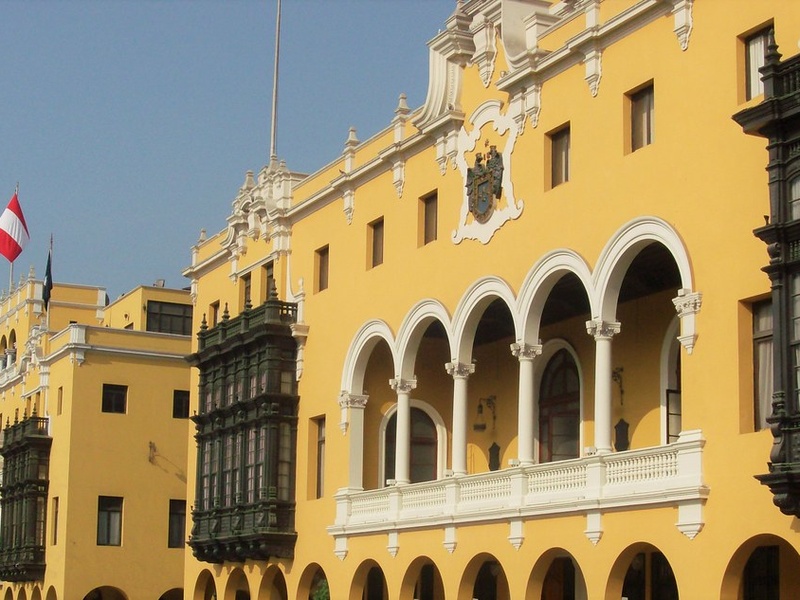
Historic Centre of Lima
Colonial heart of Peru founded in 1535 by the Spanish. Contain churches, plazas, and government buildings with preserved colonial architecture. Act as Lima’s cultural and historical nucleus.
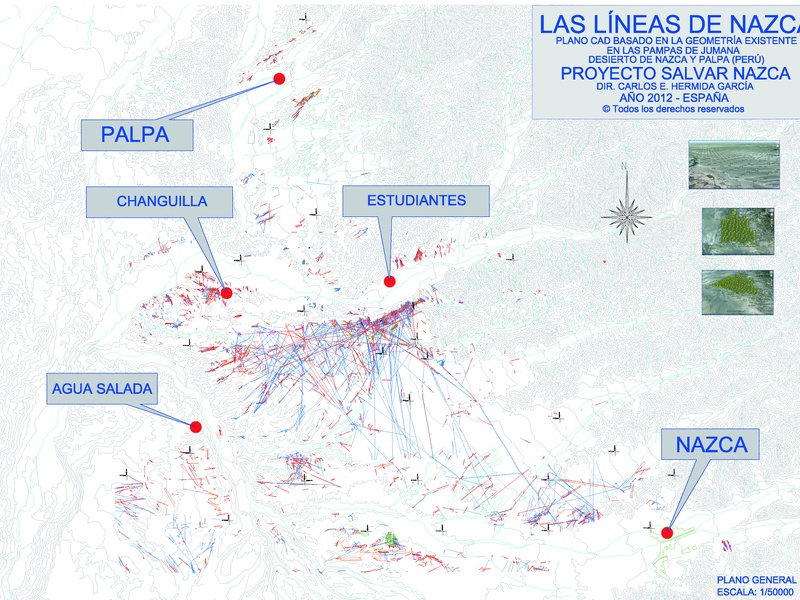
Lines and Geoglyphs of Nasca and Pampas de Jumana
Huge ground drawings made by the Nasca culture between AD 200 and 700. Include lines, animals, and geometric shapes visible from the air. Provide mysterious prehistoric landscape art and UNESCO designation.
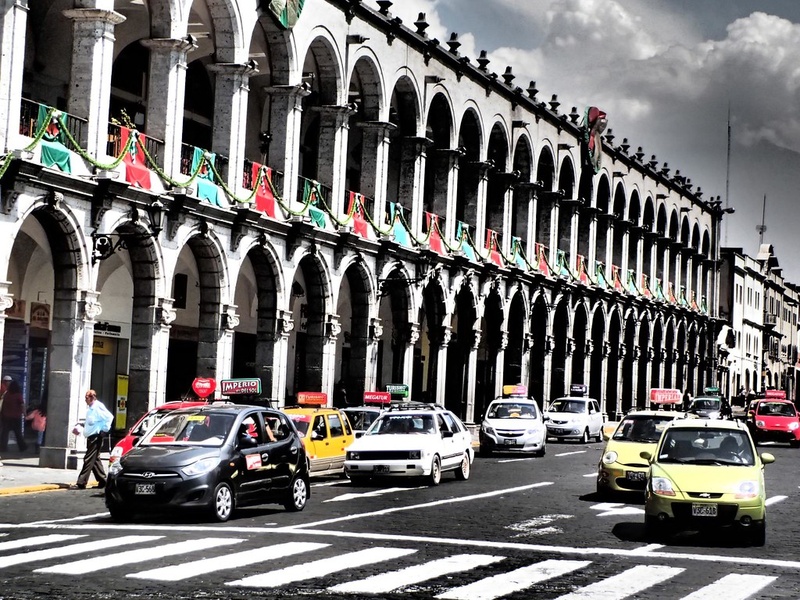
Historic Centre of Arequipa
Colonial city built with white volcanic sillar stone, centered around Plaza de Armas and the Santa Catalina Monastery. Blend Spanish baroque architecture with Andean influences. Hold UNESCO World Heritage status.
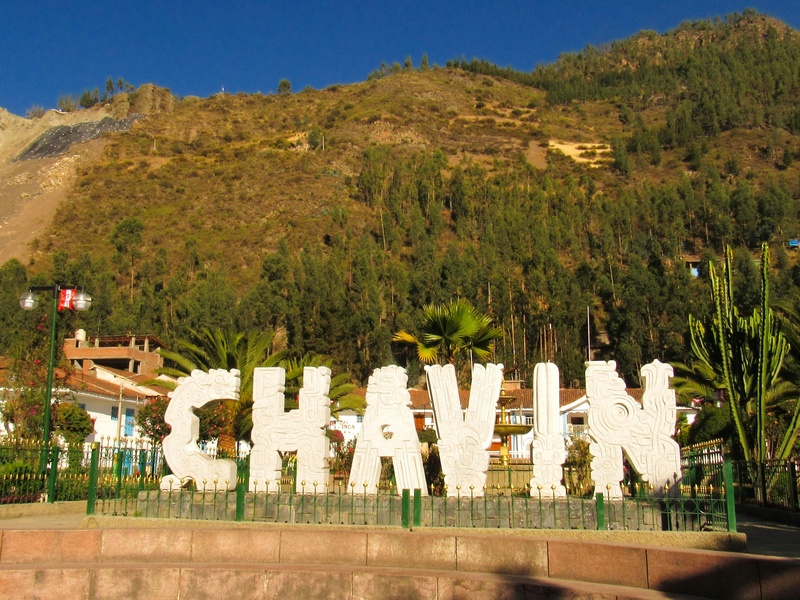
Chavín de Huántar
Ceremonial center of the Chavín culture (c. 900–200 BC) in the central highlands. Contain monumental stone carvings, plazas, and underground galleries. Mark an early religious and artistic center in Peru.
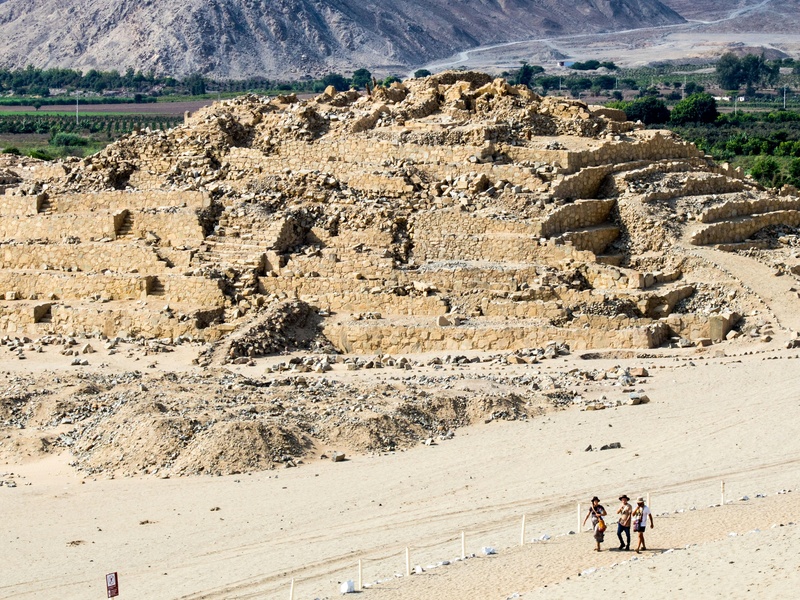
Caral (Caral-Supe)
One of the oldest urban centers in the Americas, dating to c. 2600–2000 BC. Feature large pyramids, plazas, and sunken circular spaces. Serve as key evidence of early complex society on the Peruvian coast and UNESCO site.

Qhapaq Ñan (Andean Road System)
Vast pre-Hispanic road network built and used by the Inca across six modern countries. Include trails, bridges, and waystations in Peru. Represent engineering, connectivity, and cultural exchange across the Andes.
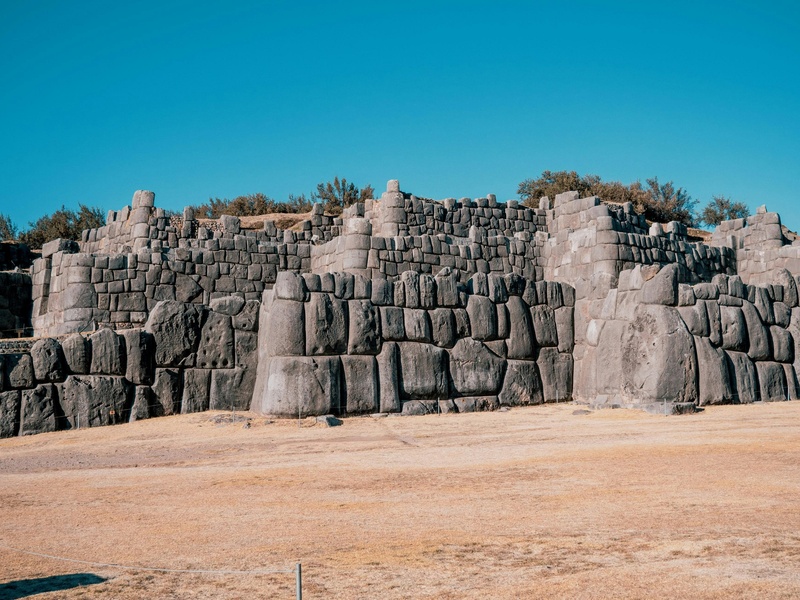
Sacsayhuamán
Massive Inca fortress above Cusco made of huge fitted stones. Show advanced stone-cutting and monumental urban defense. Serve as an essential Inca ceremonial and military complex.
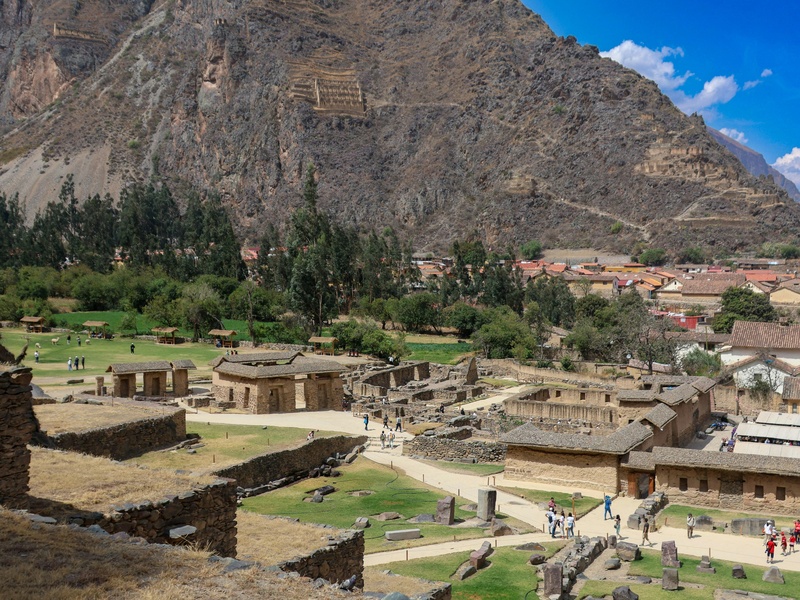
Ollantaytambo
Inca town and fortress in the Sacred Valley with terraced hills and precise stone works. Functioned as royal estate and military stronghold. Act as a well-preserved living Inca site still inhabited by local people.
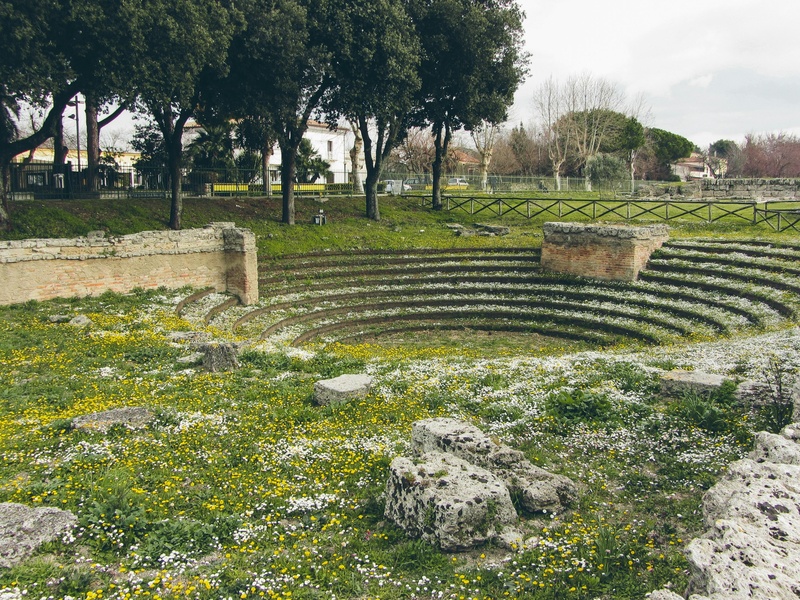
Pisac (archaeological park)
Inca agricultural and ceremonial complex above Pisac town in the Sacred Valley. Feature terraces, tombs, and a citadel with panoramic views. Illustrate Inca farming, planning, and funerary customs.
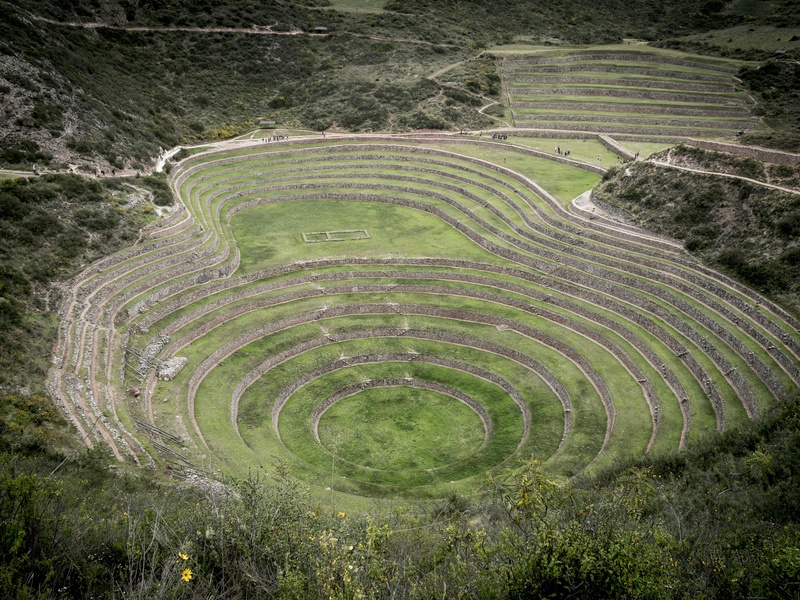
Moray
Unusual Inca circular terraces forming deep concentric depressions. Likely used for agricultural experiments and microclimates. Represent Inca knowledge of crop adaptation and farming innovation.
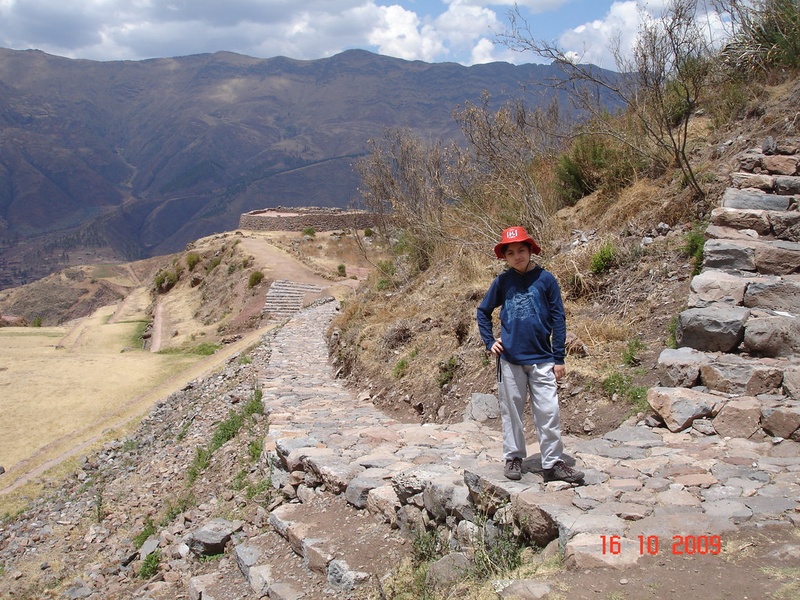
Tipón
Large Inca hydraulic and agricultural complex near Cusco with terraces and water channels. Showcase precise water engineering and ritual fountains. Highlight Inca mastery of irrigation.
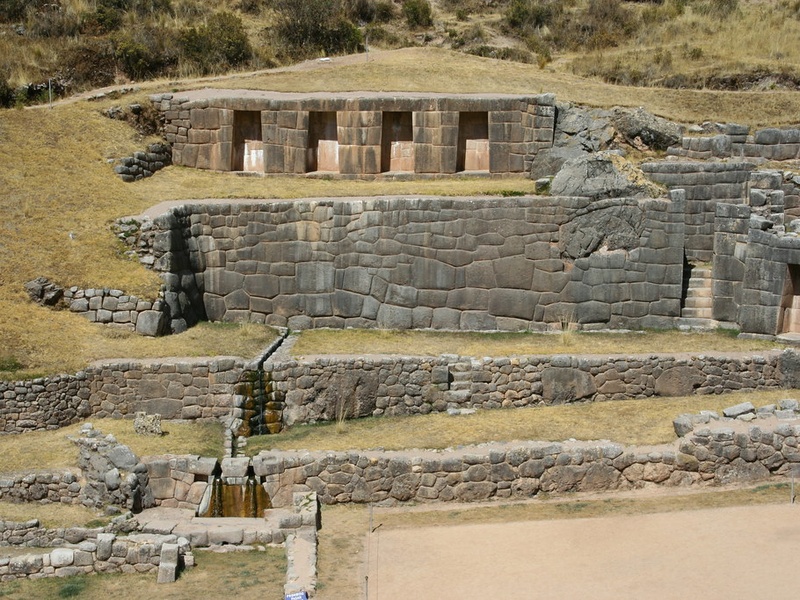
Tambomachay
Small Inca archaeological site near Cusco known for carved rock canals and baths. Associate with ritual water use and imperial rest stops. Offer insight into Inca religious and ceremonial water practices.
Qoricancha (Coricancha)
Inca temple of the sun in Cusco later converted into the Church of Santo Domingo by the Spanish. Combine Inca masonry and colonial architecture. Demonstrate cultural layering and religious transformation.
Choquequirao
Remote highland Inca city with terraces, plazas, and funerary areas. Often called a sister site to Machu Picchu and less visited. Represent important but lesser-known Inca heritage.
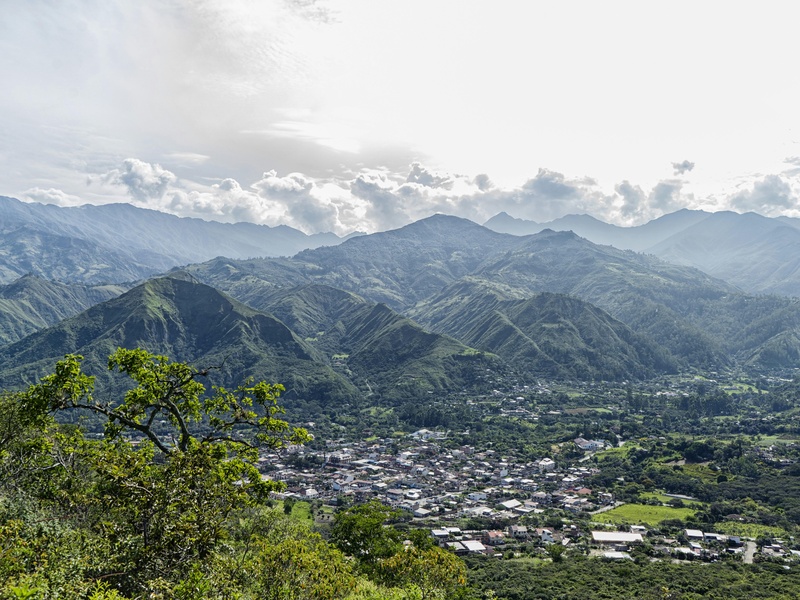
Vilcabamba (Espíritu Pampa)
Remote final refuge of the Inca resistance in the 16th century. Contain ruined structures amid cloud forest. Mark the last Inca stronghold and anti-colonial history.
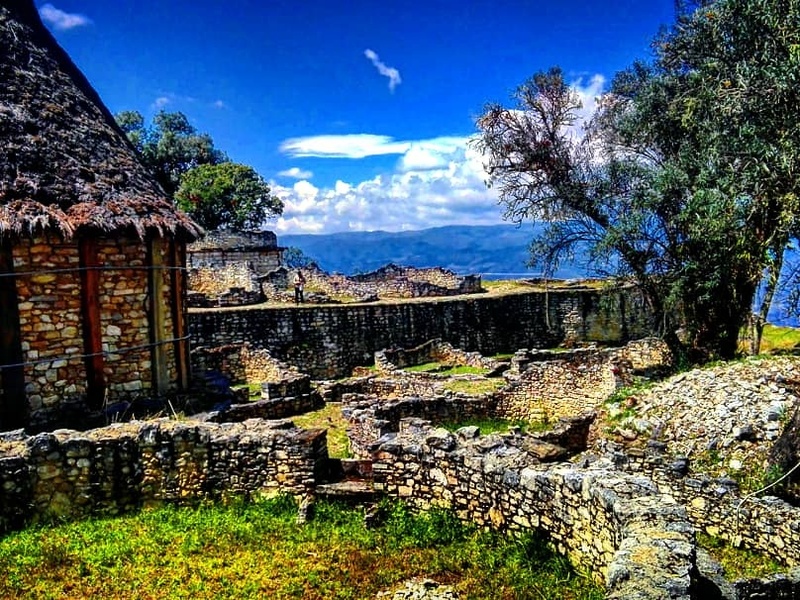
Kuélap
Massive stone fortress-city of the Chachapoyas culture in northern Peru, built about AD 500–900. Feature high walls, circular houses, and hilltop position. Offer an important Amazon-Andean pre-Inca site.
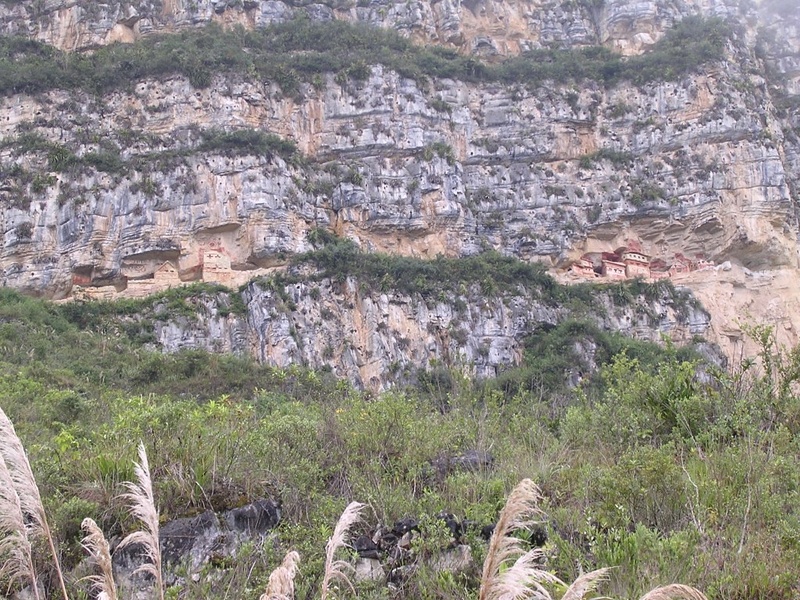
Revash
Cluster of cliffside tombs with painted facades built by the Chachapoyas culture. Sit in chullpa-like vaults high on slopes. Provide rare vertical funerary architecture and painted motifs.
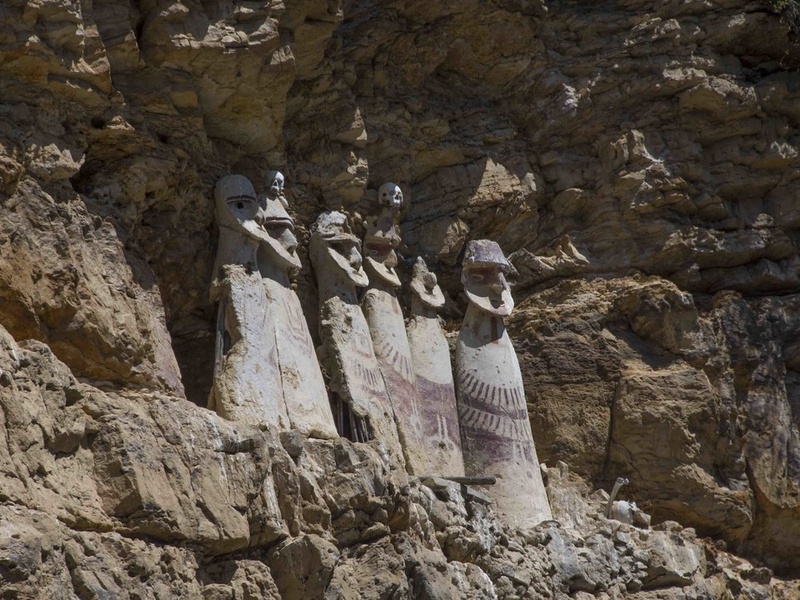
Karajía (sarcophagi)
Large wooden sarcophagi set on cliff faces by pre-Inca cultures in northern Peru. Stand as dramatic funerary monuments with carved human-like features. Represent distinctive regional mortuary practices.
Gran Pajatén
Remote jungle complex with circular platforms and stone mosaics, linked to Chachapoyas and later cultures. Sit in cloud forest with dense vegetation cover. Include important but hard-to-reach ruins.
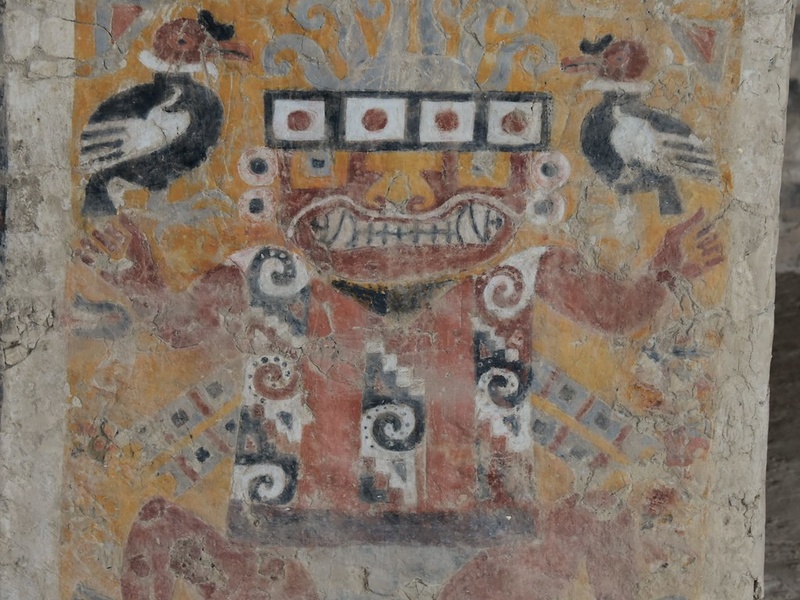
El Brujo (Huaca Cao Viejo)
Moche ceremonial complex on the north coast with vivid mural art and the Lady of Cao tomb. Show elite burials and ritual life of the Moche (c. 100–800 AD). Contain outstanding painted friezes.
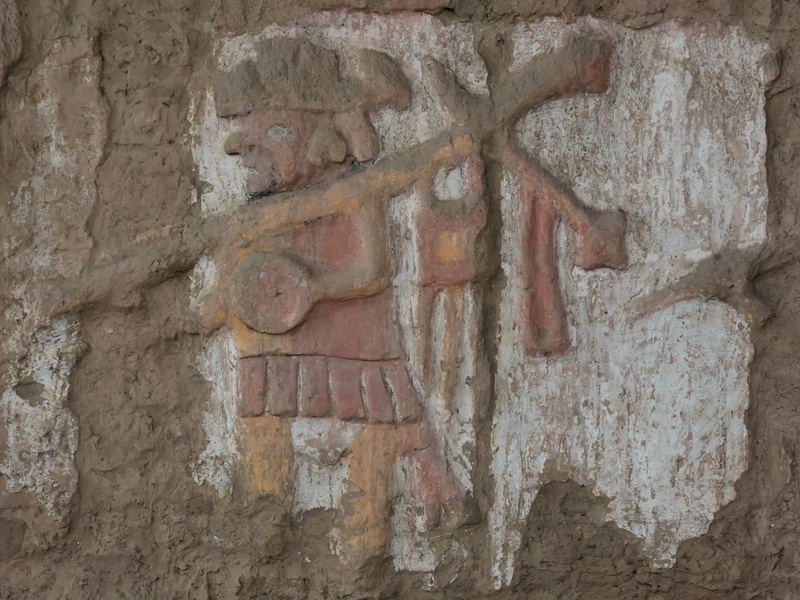
Huaca de la Luna
Moche ceremonial pyramid with colorful murals and ritual remains near Trujillo. Complement Huaca del Sol and show complex ritual art and human offerings. Provide key information on Moche religion.
Huaca del Sol (site)
Large Moche mud-brick pyramid near Trujillo, once the administrative center of the culture. Contain massive construction layers and evidence of political power. Complement nearby Huaca de la Luna.
Huaca Rajada (Sipán)
Royal Moche tomb complex where the Lord of Sipán was discovered with rich grave goods. Offer one of the most important archaeological finds in the Americas. Transform understanding of Moche elite culture.
Túcume (Pyramids of Túcume)
Large site of adobe pyramids and ceremonial spaces in the Lambayeque region. Span cultures from the Lambayeque to the Chimú and Inca. Serve as a major funerary and administrative complex on the north coast.
Pómac Archaeological Complex (Batán Grande)
Forest and archaeological reserve with pyramids of the Sicán culture (c. 700–1375 AD). Contain tombs, gold artifacts, and ceremonial mounds. Preserve coastal elite burial traditions.
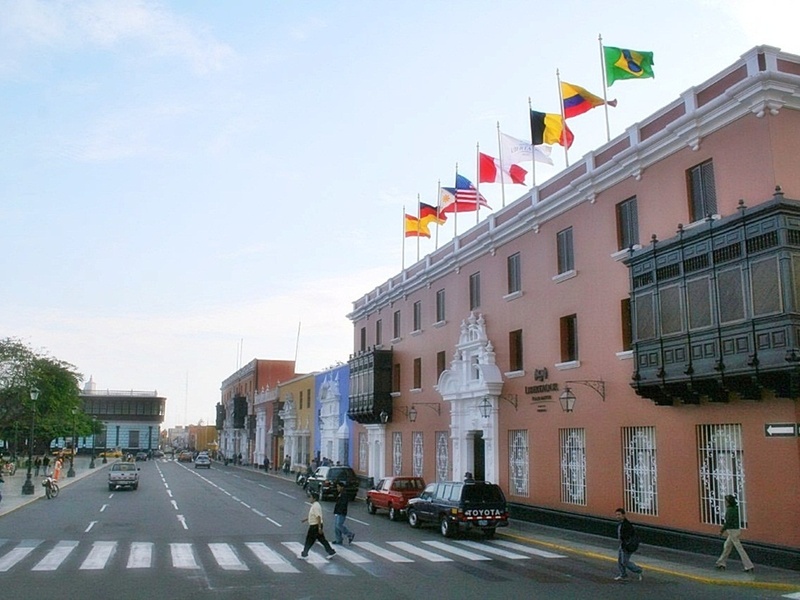
Trujillo Historic Centre
Colonial city center near ancient pre-Columbian sites like Chan Chan and Huacas. Feature plazas, churches, and colonial mansions. Act as a hub linking colonial and pre-Hispanic heritage.
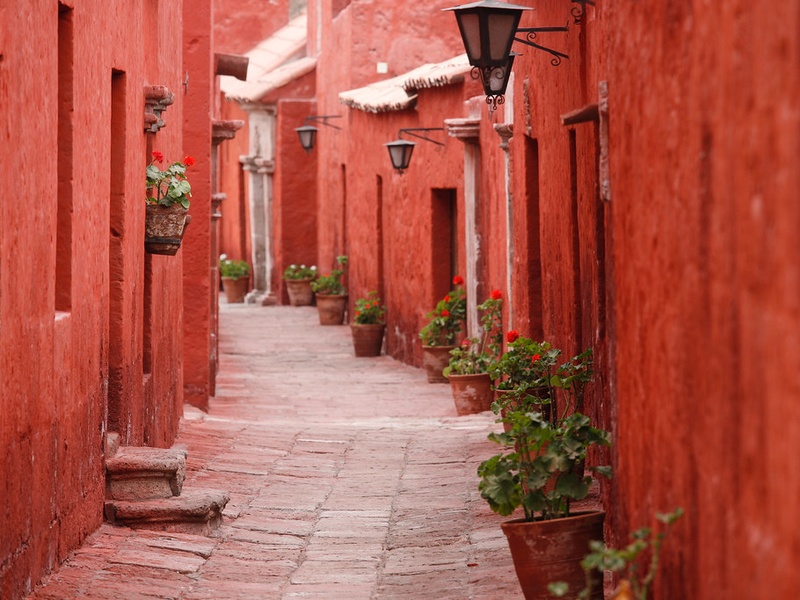
Santa Catalina Monastery
Large convent complex in Arequipa founded in 1579 with cloisters and painted walls. Retain colonial religious life and architecture. Serve as a major cultural and historical landmark in Arequipa.
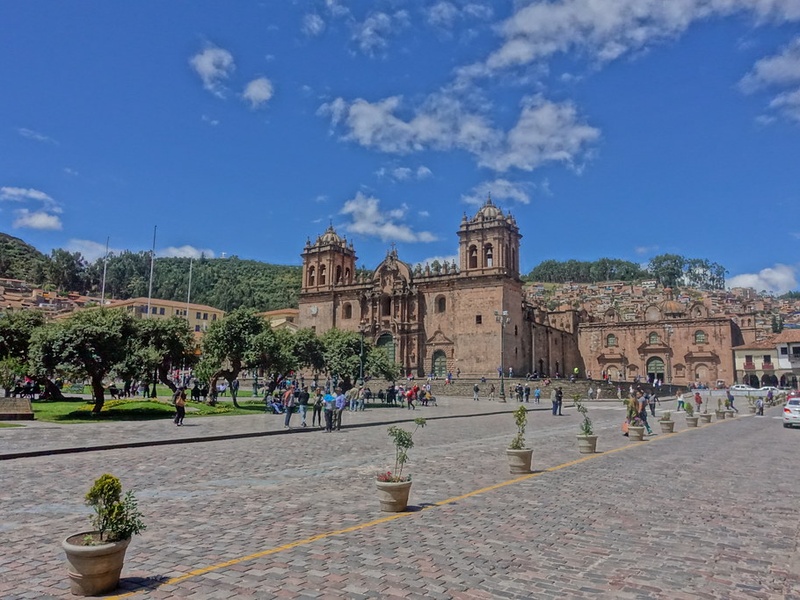
Cusco Cathedral
Main cathedral on Cusco’s Plaza de Armas built over Inca foundations in colonial baroque style. Contain important colonial art and reliquaries. Symbolize blending of Inca and Spanish traditions.
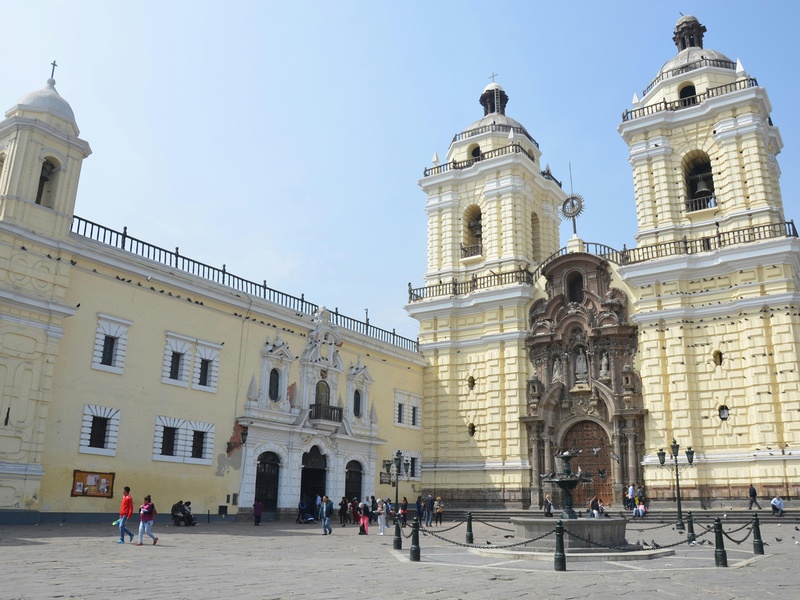
Basilica and Convent of San Francisco (Lima)
Colonial-era church and convent in Lima, famous for its catacombs and library. Reflect Spanish religious architecture and urban history. Form part of Lima’s historic center.
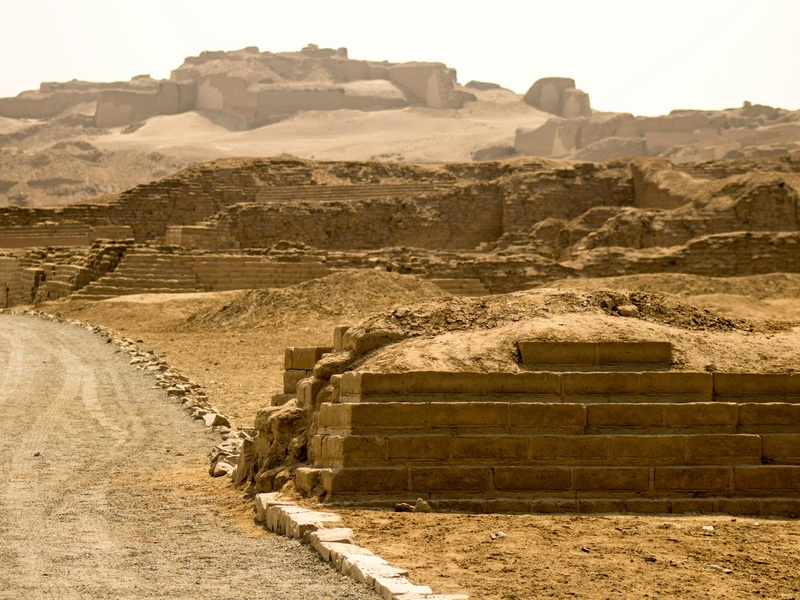
Pachacamac
Pre-Inca and Inca ritual center on the central coast with pyramids and temples. Serve as a major pilgrimage site before and during Inca times. Offer coastal sacred landscape and archaeological remains.
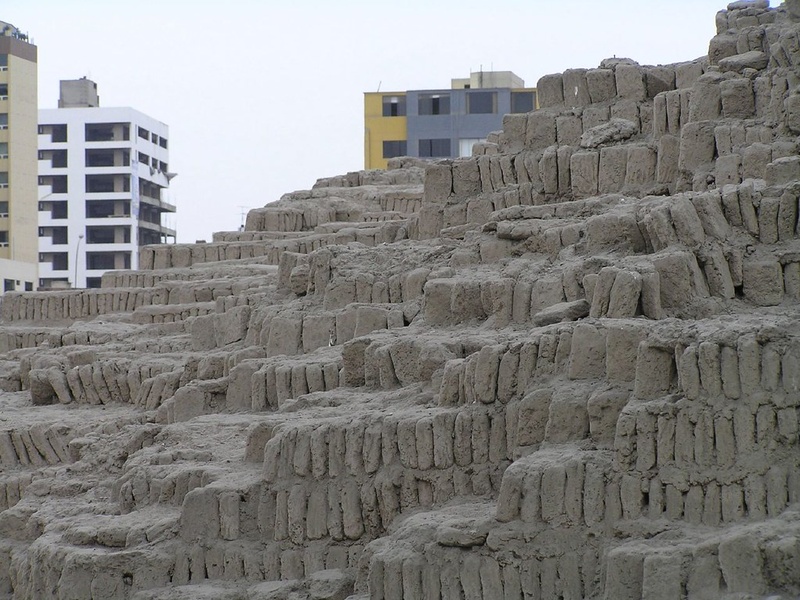
Huaca Pucllana
Pre-Inca adobe pyramid in the Miraflores district of Lima built by the Lima culture. Stand amid modern city life and show coastal ceremonial architecture. Provide easy-access example of pre-Columbian urbanism.
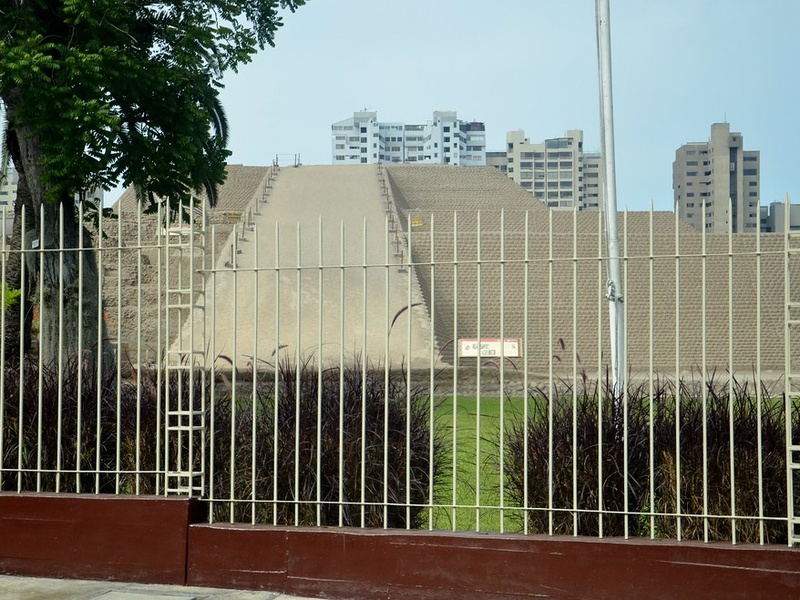
Huaca Huallamarca
Pre-Columbian adobe pyramid in San Isidro, Lima, dating to the Lima and later cultures. Contain burial offerings and a restored platform. Represent small-scale ceremonial centers within Lima.
El Paraíso (Lima)
Early preceramic to initial ceramic age site on the central coast with rectilinear platforms. Date to c. 2000–1500 BC and show early monumental construction. Highlight Peru’s deep-time heritage near Lima.
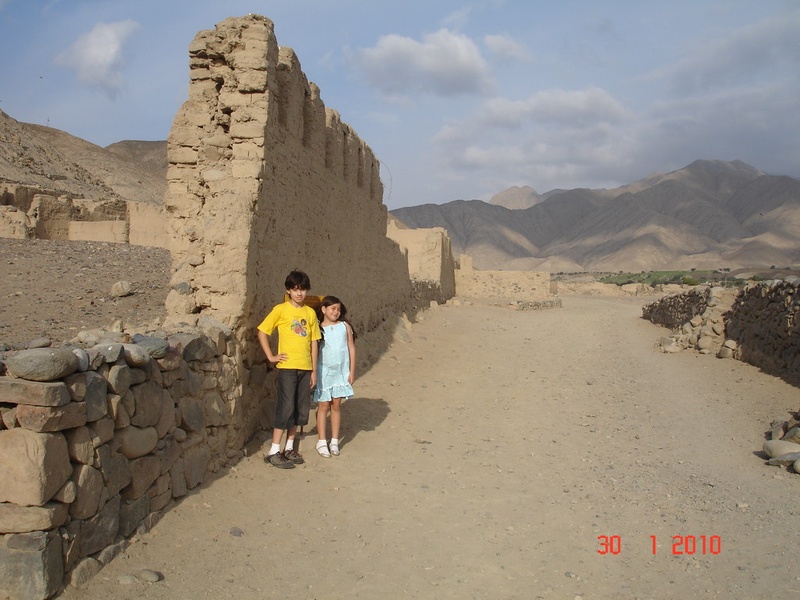
Tambo Colorado
Well-preserved Inca administrative center on the southern coast with red-painted adobe walls. Show Inca coastal governance and storage architecture. Offer vivid examples of imperial design.
Cantalloc Aqueducts (Nazca puquios)
Series of underground and surface aqueducts near Nazca used since pre-Hispanic times. Demonstrate ancient hydraulic technology for dry coastal agriculture. Play a key role in sustaining Nazca settlements.
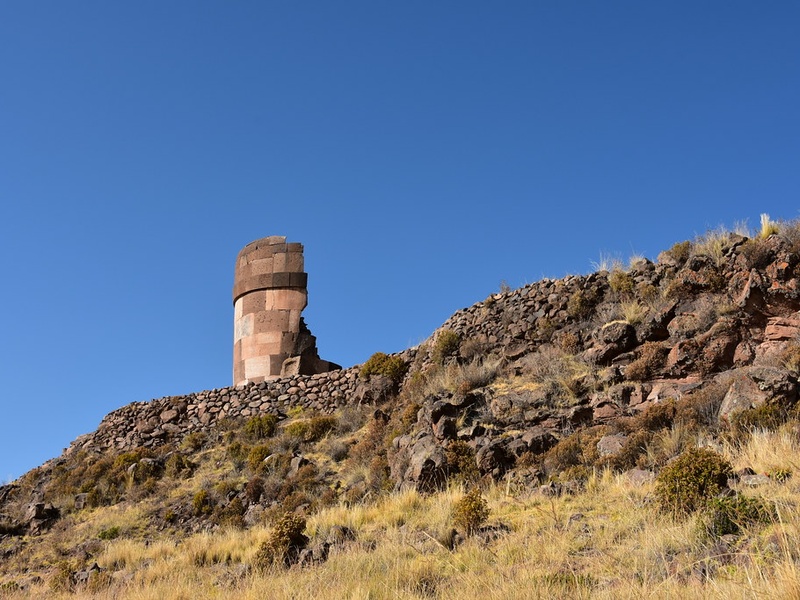
Sillustani
Pre-Inca burial towers (chullpas) on a peninsula above Lake Umayo near Puno. Built by the Colla and later used by the Inca. Stand as striking funerary monuments in the highlands.
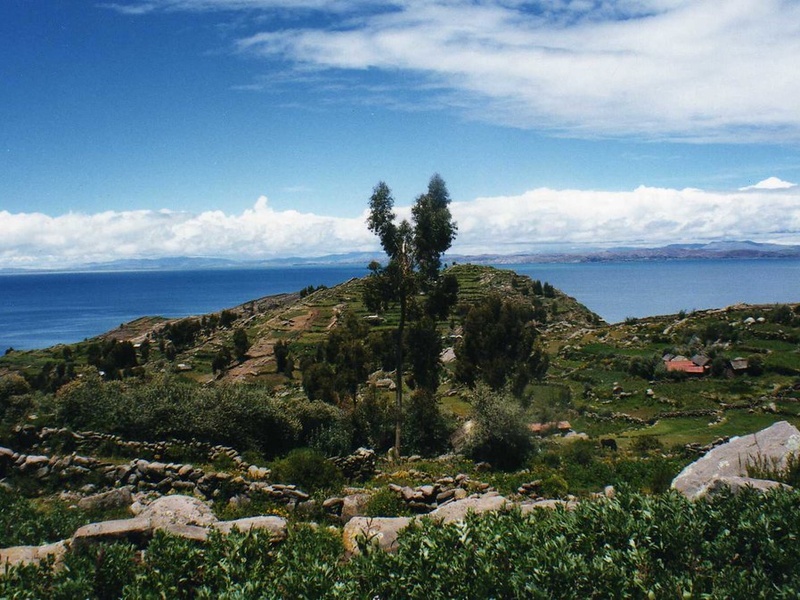
Isla Taquile (Taquile Island)
Island on Lake Titicaca with pre-Columbian terraces and a living textile tradition. Feature small stone houses and communal organization dating to pre-Inca and Inca times. Offer cultural continuity on the lake.
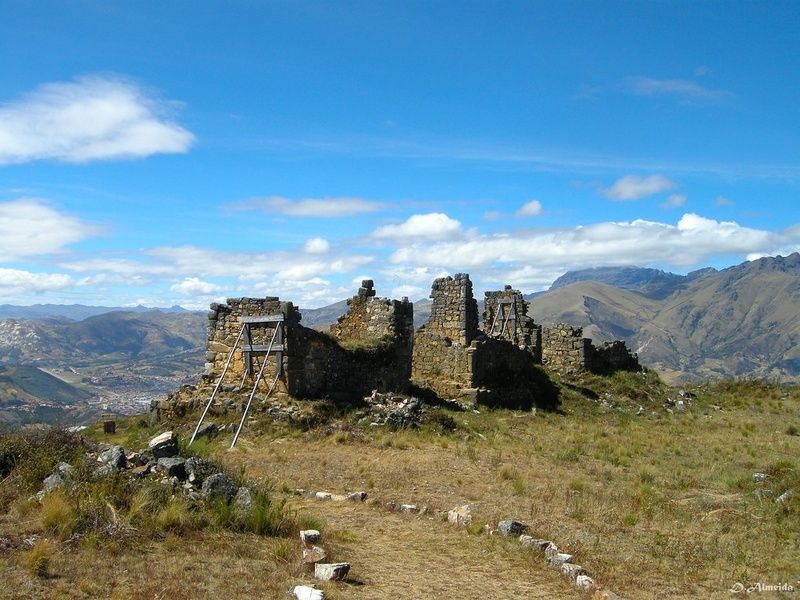
Marcahuamachuco
Large highland complex with monumental platforms and walls in La Libertad region, dating c. AD 350–1100. Serve as an important political and ceremonial center before the Inca. Show Andean architectural tradition.
Sechín (Sechín Alto complex)
Ancient coastal stronghold with carved stone reliefs and monumental architecture dating to the Early Horizon. Show early state-level organization on the north coast. Contain carved scenes of conflict and ritual.
Kotosh (Temple of the Crossed Hands)
Early highland ceremonial site with famous crossed-hands motifs dating to the Preceramic and Initial Periods. Contain layered cultural deposits and ritual architecture. Represent some of Peru’s oldest ritual buildings.
Cumbemayo
Pre-Inca carved aqueducts, terraced hills, and stone monuments near Cajamarca. Feature hydraulic engineering and petroglyphs. Represent early Andean landscape modification and sacred channels.
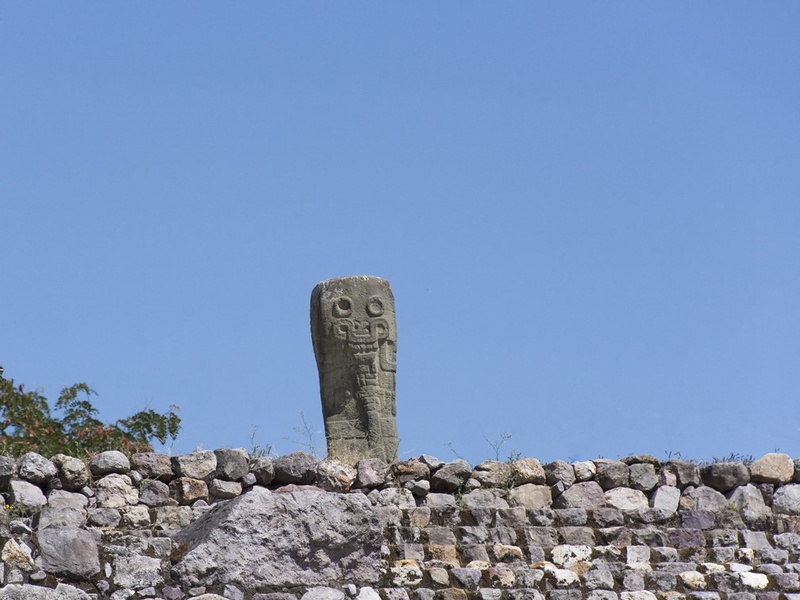
Kuntur Wasi
Early ceremonial center in the high jungle region with tombs, temples, and gold artifacts from the Initial Period. Indicate early interaction between highland and jungle cultures. Offer early Andean metallurgy evidence.
Ransom Room (Cuarto del Rescate)
Historic chamber in Cajamarca linked to the capture of Inca Atahualpa by the Spanish in 1532. Contain colonial-era story of ransom, treasures, and conquest. Mark a pivotal event in Peruvian history.
San José de Moro
Moche-period burial site with elite tombs and painted ceramics on the north coast. Contain evidence of high-status burials and female ritual specialists. Provide insight into Moche mortuary practice.
Ventarrón (Huaca Ventarrón)
Early coastal temple with painted friezes dating as early as 2000 BC in Lambayeque region. Show some of Peru’s oldest mural art and ritual architecture. Offer rare early ceremonial paintings.
Marcahuasi (stone forest archaeological traces)
Rocky plateau near Lima with strange sculpted stones and signs of ancient human use. Combine natural formations and archaeological traces. Serve as a cultural and mystical landscape with prehistoric ties.
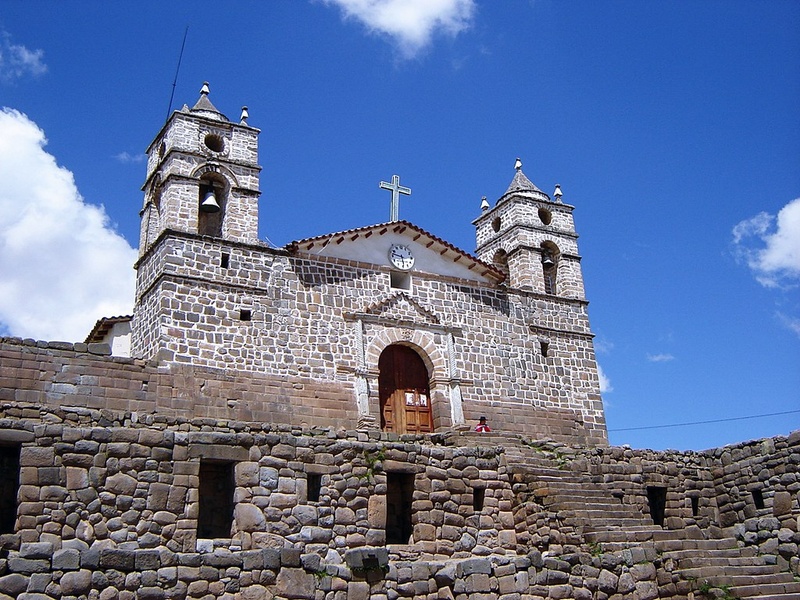
Vilcashuamán
Colonial town built atop an important Inca administrative center in Ayacucho region. Contain ruins of Inca temples and colonial churches. Show continuity from imperial to colonial administration.
Ayacucho Historic Centre
Colonial-era city center with many churches and plazas in the Ayacucho region. Reflect rich colonial art and baroque architecture. Act as a regional religious and historical hub.
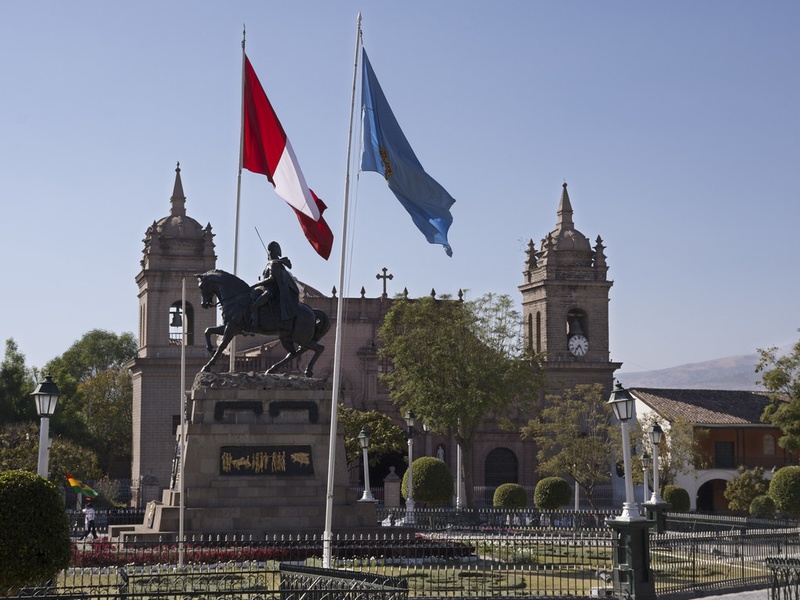
Huamanga Cathedral (Ayacucho)
Baroque cathedral in Ayacucho’s main square built in the 17th century. Contain notable colonial paintings and religious art. Serve as a focal point of Ayacucho’s historic center.
Choquequirao (repeat? removed)
Choquequirao (already included)
Espiritu Pampa (Vilcabamba) (repeat? removed)
Espíritu Pampa (Vilcabamba) (already included)
Pucllana? (duplicate avoided)
Pucará de Tilcara (outside Peru excluded)
Huaca del Dragon (El Mochica) alias etc.
Chavín (repeat avoided)
Amaru Muru (Bolivia excluded)
Pachacamac (already listed)
Sacsayhuamán (already listed)
Coricancha (already listed as Qoricancha)
Quito etc (outside Peru excluded)
Nazca Cantalloc (already listed)
Huaca del Ingá? (uncertain, avoided)
Kuelap (duplicate check)
Gran Pajatén (already listed)
Choquequirao (duplicate removed)
Qhapac Ñan (already listed)
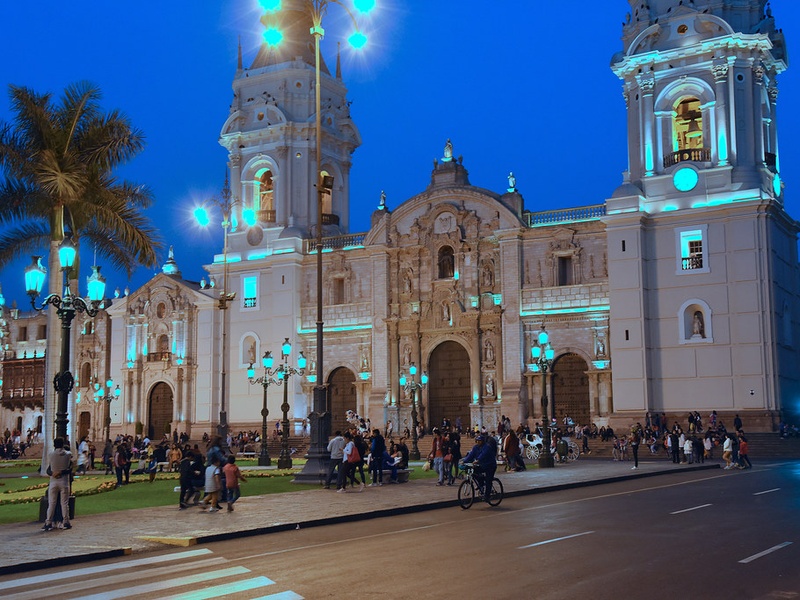
Cathedral of Lima (within Historic Centre)
Huaca Pucllana (already listed)
Tipón (already listed)
Moray (already listed)
Markahuamachuco (alternate spelling)
Pachacamac (duplicate removed)
Sipan (Huaca Rajada already listed)
Tiahuanaco (Bolivia excluded)
Kuelap (duplicate removed)
Huaca Huallamarca (already listed)
Cajamarca archaeological sites (general note avoided)
San Pedro de Lloc (historic town)
Coastal town with colonial architecture and maritime history in La Libertad region. Hold local colonial-era buildings and church sites. Represent smaller regional historical centers along the coast.
Pisco Historic Sites (including colonial port)
Port town with colonial-era warehouses, churches, and maritime heritage on the southern coast. Link colonial trade, fishing, and modern history. Contain cultural layers tied to sea commerce.
Moquegua Historic Centre
Colonial and republican-era center with plazas, churches, and mansions in southern Peru. Combine Spanish and local architectural styles. Serve as a regional cultural and historical capital.
Tacna Historic Centre
Border city with colonial and republican architecture reflecting Peru’s national history. Contain monuments to independence and sites tied to regional conflicts. Serve as a symbolic historical center in the far south.
Archaeological Zone of Huaycán de Pariachi
Large pre-Hispanic and colonial complex on the outskirts of Lima with administrative buildings and terraces. Span pre-Inca to Inca occupations and later colonial use. Offer important suburban archaeological evidence.