The Haenyeo of Jeju surface at dawn, slate-skinned and steady, baskets full of sea urchins against a burning sky — a living image that links tradition to the kind of adrenaline you can feel in Korea’s wild places. That contrast is the ticket: a compact country where you can climb a 1,947 m volcanic summit one morning and be diving a volcanic reef that afternoon. South Korea packs volcano summits, granite ridgelines, clear river canyons, and a tense, historic frontier into adventures you can reach in a weekend.
You should care because these are high-reward outings with short transit times, clear seasonality, and real logistics — think sunrise starts, certified guides, and permit checks. I’ll flag difficulty levels, best seasons, safety tips, and sample 2–7 day combos so you can decide if you want a sunrise scramble, a subtidal exploration, or a day at the DMZ. Expect concrete numbers: Hallasan 1,947 m, Seoraksan ~1,708 m, DMZ ~250 km long and ~4 km wide, and the Haenyeo’s UNESCO listing in 2016.
Wild Mountains & Hiking Adventures
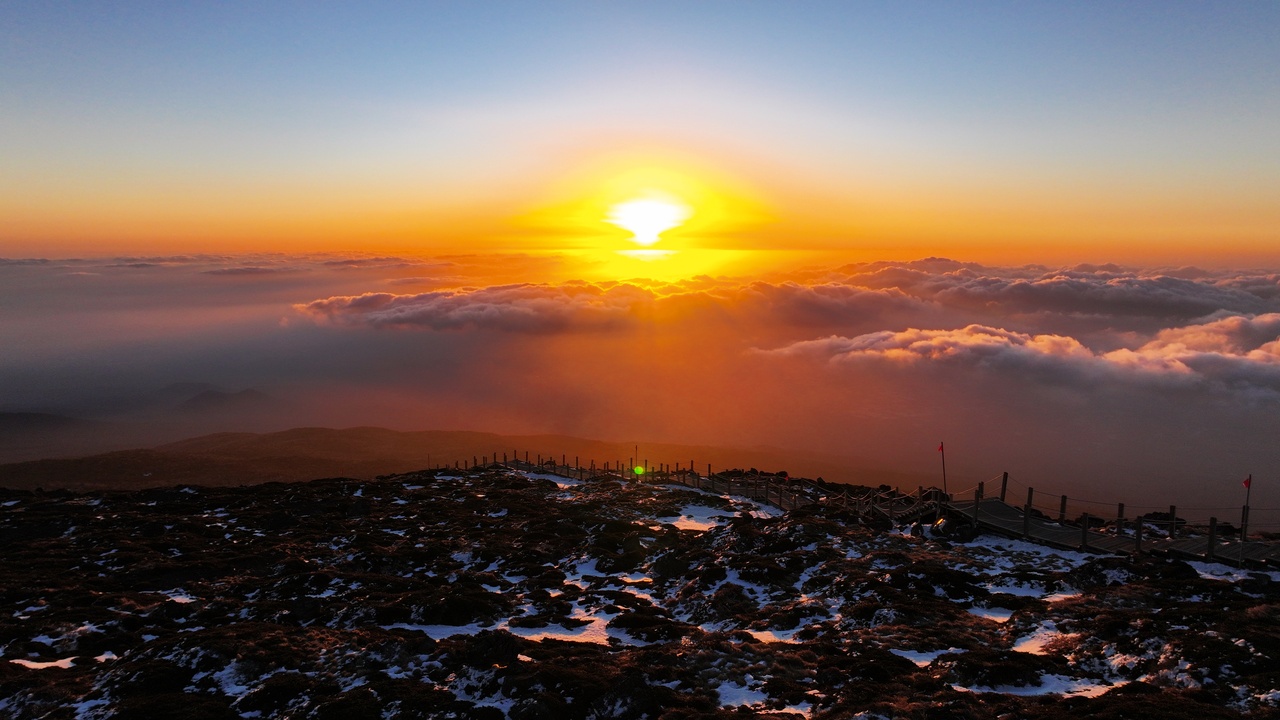
Korea’s mountains are both accessible and varied: volcanic domes on Jeju, sharp granite ridges in the northeast, and long, hut-lined traverses in the south. Seasonality matters — spring wildflowers, autumn foliage crowds, and icy hazards in winter — so pack and plan accordingly. Below are three signature options, with route facts, safety notes, and realistic itineraries.
1. Summit Hallasan on Jeju for a volcanic sunrise
Summiting Hallasan is one of Korea’s most iconic adventurer experiences. At 1,947 m, Hallasan dominates Jeju Island and offers two popular routes: Seongpanak (longer, gentler) and Gwaneumsa (shorter, steeper).
Expect 6–9 hours round-trip depending on route and pace, with alpine weather possible even in summer. Peak-season crowding is common on weekends in autumn, so start pre-dawn for a sunrise summit and bring a headlamp. The Korea National Park Service monitors conditions and posts trail closures; check their notices before you go.
Fit beginners can manage Seongpanak with steady pacing; more experienced hikers will appreciate the endurance test and summit views. Practical tips: start 3–4 hours before sunrise, layer for wind chill, carry 2–3 liters of water, and park at designated lots or take island buses to trailheads. Guided sunrise hikes are bookable on Jeju for added logistics help and safety oversight.
2. Tackle Seoraksan’s ridgelines and via ferrata sections
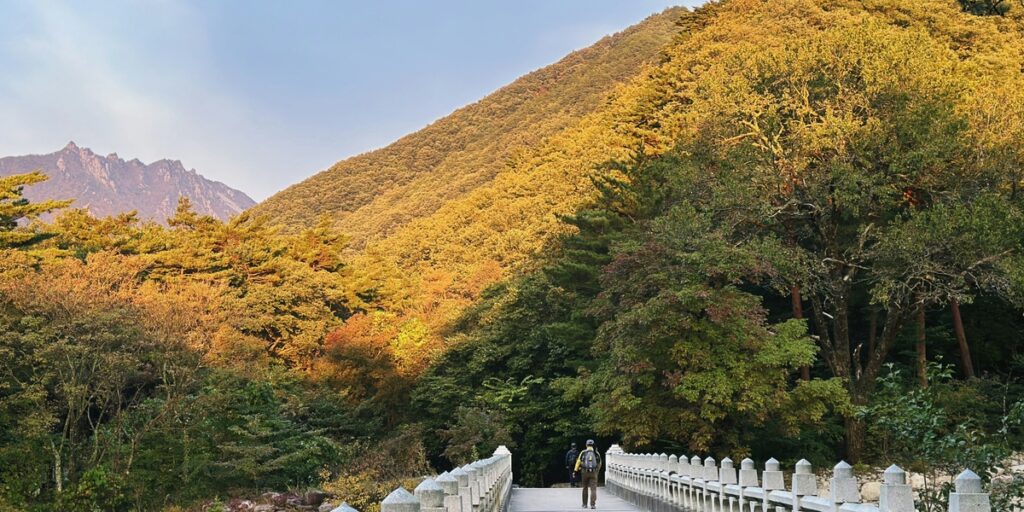
Seoraksan rewards early risers with rugged ridgelines and technical scrambling mixed with easy cable-car options. The park’s highest point, Daecheongbong, is roughly 1,708 m and the park has drawn climbers since its founding as a national park.
Routes range from short cable-car-assisted walks near Gwongeumseong to full-ridge hikes that take a day or two. On autumn weekends the park gets busy, so plan weekday or dawn starts. Transport from Seoul is about 3 hours by bus or train to Sokcho; many guides run 1–2 day packages that include transfers.
Safety first: wear solid boots, use poles for steep descents, and avoid exposed ridges in storms. Gear rental and guided climbs are available in Sokcho for those who want technical instruction. If you want a shorter outing, take the cable car and combine it with a ridge walk and an early lunch in town.
3. Backcountry camping and stargazing in Jirisan
Jirisan is ideal for multi-day backpacking that feels remote but supported, with high points near 1,915 m and a network of mountain shelters. The trails are set up for 2–3 day traverses with staffed shelters and unstaffed huts along common routes.
Typical multi-day itineraries span 2 nights and 3 days, with daily hiking legs of 6–10 hours depending on route selection. Shelters require early-season reservations in popular sections; check park notices for seasonal closures. Water sources can be intermittent, so carry a filter or extra water in dry months.
Practical kit: a sleeping bag rated to the expected night lows, a lightweight stove, map or GPS, and a basic first-aid kit. Late spring through early fall offers the best stargazing thanks to low light pollution in certain valleys. For a classic route, plan a 2-night traverse with a dawn start on day one and a shelter overnight on nights two and three.
Sea, Rivers & Island Adventures
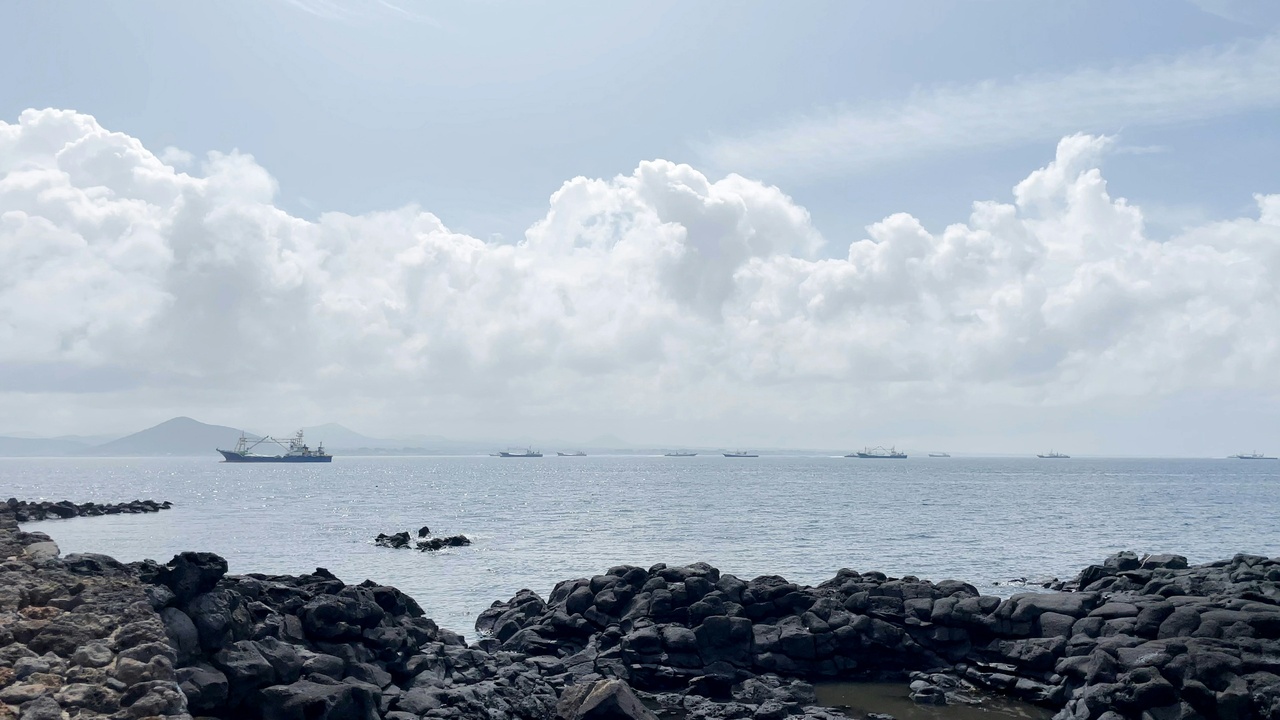
The coast and inland waterways open another adventure layer: Jeju’s reef dives and the living culture of the Haenyeo, clear-water river rafting in Gangwon-do, and sea-kayak island-hopping off Busan and the southwest isles. Summer is prime for diving and kayak trips; spring and autumn give cooler, clearer river conditions for rafting and canyoning.
Safety matters: respect rip currents, always dive with a certified guide, and watch river levels after heavy rain. Below are two standout aquatic options with numbers, seasons, and how to plan.
4. Scuba diving and freediving around Jeju — meet the Haenyeo heritage
Jeju offers accessible dive sites for a wide range of abilities and a rare cultural context — the Haenyeo women divers were added to UNESCO’s Intangible Cultural Heritage list in 2016. You’ll find shore dives, short boat runs, and reefs formed on volcanic rock.
Common dive depths on popular sites range from 10–30 meters, with visibility best in June–August. For non-certified travelers, consider a Discover Scuba dive or option to snorkel with freedivers. Local shops recommend PADI Open Water certification for independent dives.
Book with certified Jeju dive operators who provide equipment checks, emergency oxygen, and a local briefing. Pair a morning dive with an afternoon coastal hike or a Haenyeo cultural demonstration. Safety checklist: buddy system, surface support, and weather checks for boat plans.
5. Kayaking, rafting and canyoning on Korea’s clear rivers
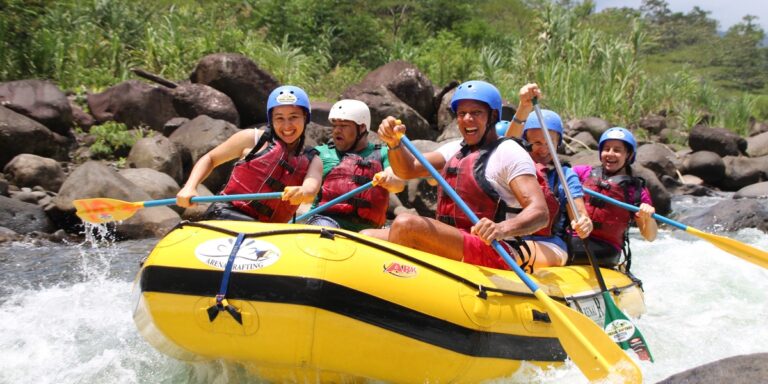
Korea’s rivers deliver everything from mellow family kayak loops to whitewater rafting and guided canyoning in narrow gorges. Rivers like the Donggang are famed for clear water and scenic campsites.
Trips run from half-day paddles to full-day raft outings; a typical Donggang kayak day might cover 10–20 km with riverside camping. Best seasons are late spring and early fall when flows are stable and temperatures are comfortable. After heavy rain, operators often cancel for safety, so check forecasts.
Families should pick calm, guide-supported half-day routes; thrill-seekers can book full-day rafting or canyoning with wetsuits and helmets. A sample itinerary: arrive morning, half-day kayak on Donggang, riverside lunch, then overnight by a campsite with a small campfire (where permitted) and a sunrise paddle next day.
Urban Thrills & Cultural Frontier Experiences
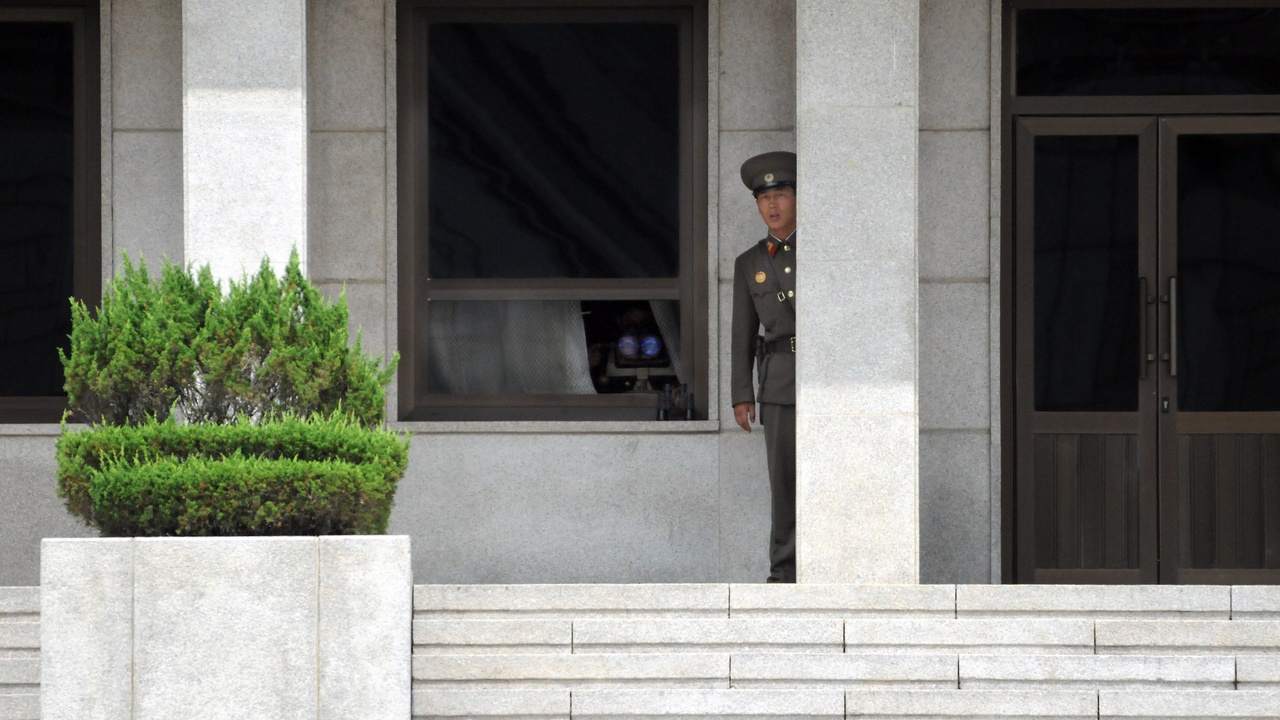
Not all adventures require a wilderness permit. The city and cultural frontiers offer unique active experiences: DMZ/JSA tours that feel like expeditions, night cycling on the Han River, and coastal paragliding that delivers aerial perspective. These are accessible from Seoul and Busan with modest budgets and advance booking.
Below are three urban-frontier options with logistics, rules, and realistic day-trip ideas.
6. Take a guided DMZ/JSA tour — history with an edge
DMZ tours combine a historically charged visit with the logistical feel of an expedition: expect ID checks, guided transport, and strict rules. The DMZ stretches roughly 250 km and is about 4 km wide, a buffer zone that’s both poignant and highly controlled.
Typical tours last a half- to full-day; JSA (Panmunjom) visits require extra clearance and sometimes a different permit. Bring your passport for ID checks, and know that tours can be canceled at short notice for security reasons. What you’ll see: the Third Tunnel, Dora Observatory, and, on JSA trips, the blue buildings where delegations meet.
Preparation matters: wear conservative clothing, follow guides’ instructions inside the JSA, and arrive early for boarding. Book reputable operators who handle the paperwork and brief you on behavior protocols ahead of time.
7. Night cycling along the Han River and urban micro-adventures
Seoul’s Han River network becomes a low-cost urban adventure at night with bike rentals, pop-up food stalls, and riverside camping options. Routes like the Yeouido–Banpo loop make for easy 1–3 hour outings with city lights and bridges.
Rental costs vary but you can expect roughly 3,000–10,000 KRW per hour at public stations and higher rates for private shops. Use bike-share apps or stations near Yeouido, and stick to well-lit paths after dark. Helmets and lights are wise; family-friendly sections are flat and trafficked.
Combine a 2-hour night ride with a riverside picnic or a short ferry and a stop at a food stall for fried chicken and beer. It’s a safe way to get active, enjoy urban scenery, and keep plans flexible if the weather turns.
8. Paraglide or tandem-sail the east coast for aerial views
Coastal paragliding gives an unforgettable view of cliffs and open sea, and tandem flights make it accessible even for first-timers. Common launch sites include Sokcho and areas around Danyang, with flight windows best in spring through autumn.
Tandem flights typically last 5–25 minutes, with many operators advertising 10–20 minute experiences for sightseeing flights. Operators set age and weight limits and require certified instructors; expect a short ground briefing, safety checks, and a quick weather-dependent launch window.
Book with a certified operator, plan a morning flight for calmer air, and follow post-flight recommendations like a seafood lunch in Sokcho. Weather is the main variable — operators will reschedule if conditions aren’t safe.
Summary
- Choose one weekend adventure — hike Hallasan (1,947 m) or take a 6–9 hour Seongpanak route, dive Jeju’s 10–30 m reefs with a certified operator, or book a DMZ half-day tour — and plan seasonally.
- Korea’s compact geography makes multi-destination trips feasible: you can pair a Jeju dive with coastal hikes or combine Seoraksan ridgelines with a Sokcho paragliding morning.
- Safety and permits matter — check Korea National Park Service notices for trail closures, bring ID for DMZ/JSA tours, and use certified guides for diving and air sports.
- Think culturally: connect active outings to context — watch Haenyeo demonstrations (UNESCO, 2016), reflect at DMZ sites, and respect local rules on trails and coastal access.
- Pick one of the adventurous things to do in south korea, plan the season and safety checks, and book certified operators for technical activities so your weekend expedition is memorable and secure.