On August 6, 1825, the Republic of Bolivia declared independence — a turning point that set the stage for a country defined by high plateaus, vast salt flats, and a deep indigenous heritage.
Travelers, students of culture, and observers of resources and climate will find Bolivia striking: it spans 1,098,581 km² and rises from Amazon lowlands to high Andean cities like La Paz (≈3,650 m). The country’s mix of dramatic landscapes, living indigenous traditions, a mining-shaped history and exceptional biodiversity makes it unusually layered. In short, Bolivia stands out for a rare combination of dramatic landscapes, living indigenous traditions, a history shaped by mining and colonial exchange, and extraordinary biodiversity — here are eight defining things the country is known for.
Natural Wonders and Landscapes
Bolivia’s geography is built on vertical contrasts: snow-capped peaks, the flat white expanse of the Salar de Uyuni and the green Amazon basin to the east. That altitudinal span shapes climate, agriculture and settlement patterns across the 1,098,581 km² territory.
1. Salar de Uyuni — the world’s largest salt flat
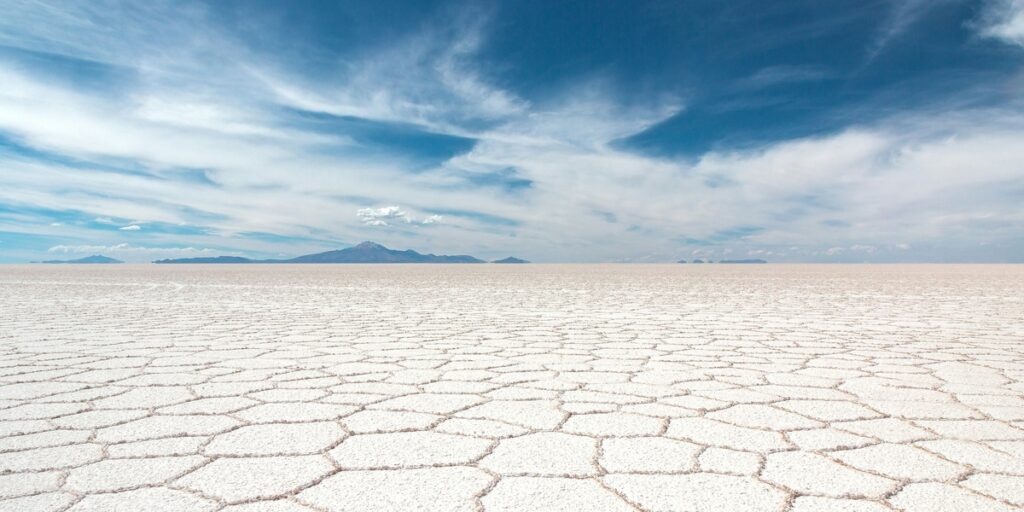
Salar de Uyuni is a defining Bolivian landscape and a magnet for tourists and scientists. Covering roughly 10,582 km² (seasonal variation) at about 3,656 m above sea level, it becomes a giant mirror in the wet season and a blinding white plain in the dry months.
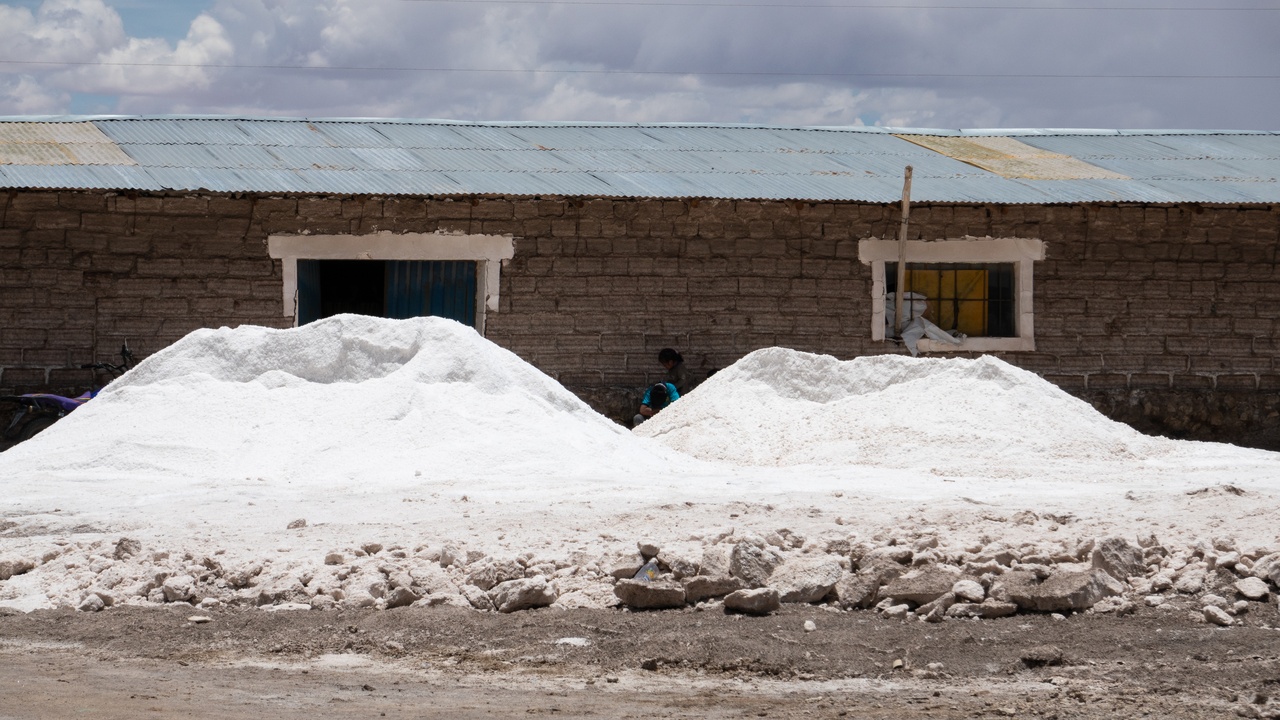
Beyond postcards, the salar matters economically and scientifically: local communities harvest salt, tourism supports Uyuni-based operators offering three-day tours (including the train cemetery and salt-hotel stays) and the basin contains one of the world’s largest known surface lithium-bearing brines, drawing global interest for battery materials.
2. Lake Titicaca and the high plain
Lake Titicaca sits at roughly 3,812 m and straddles the border with Peru, making it one of the highest navigable lakes on earth. Its islands — notably Isla del Sol — hold Inca and pre-Inca ruins and remain important cultural sites.
Traditional reed-boat builders on the Uros islands, artisanal fisheries and Andean myths tied to the lake all illustrate how altitude shapes livelihoods and belief across the altiplano.
Cultural Heritage and Indigenous Traditions

Indigenous identity is visible in Bolivia’s cities, politics and festivals. The 2009 constitution expanded recognition of indigenous rights and declared multiple indigenous languages official, so Aymara, Quechua and Guaraní expressions appear openly in public life and administration.
3. Living indigenous cultures: Aymara, Quechua, Guaraní and more
Indigenous identities remain central: the 2006 election of Evo Morales marked the first time an indigenous leader reached the presidency, and 2009 brought constitutional recognition of indigenous rights and languages. In cities you’ll see traditional dress, bustling indigenous markets and bilingual education programs in many municipalities.
4. Festivals, textiles and living traditions
Bolivia’s festivals and textile arts attract global attention. Oruro Carnival (listed by UNESCO in 2001) showcases masked dancers and syncretic rituals, while markets in La Paz and Cochabamba sell vibrant woven textiles and garments. Contemporary phenomena like cholita fashion have also entered international conversations.
These traditions sustain local economies and offer travelers vivid encounters with living cultural continuity.
History, Mining, and Politics
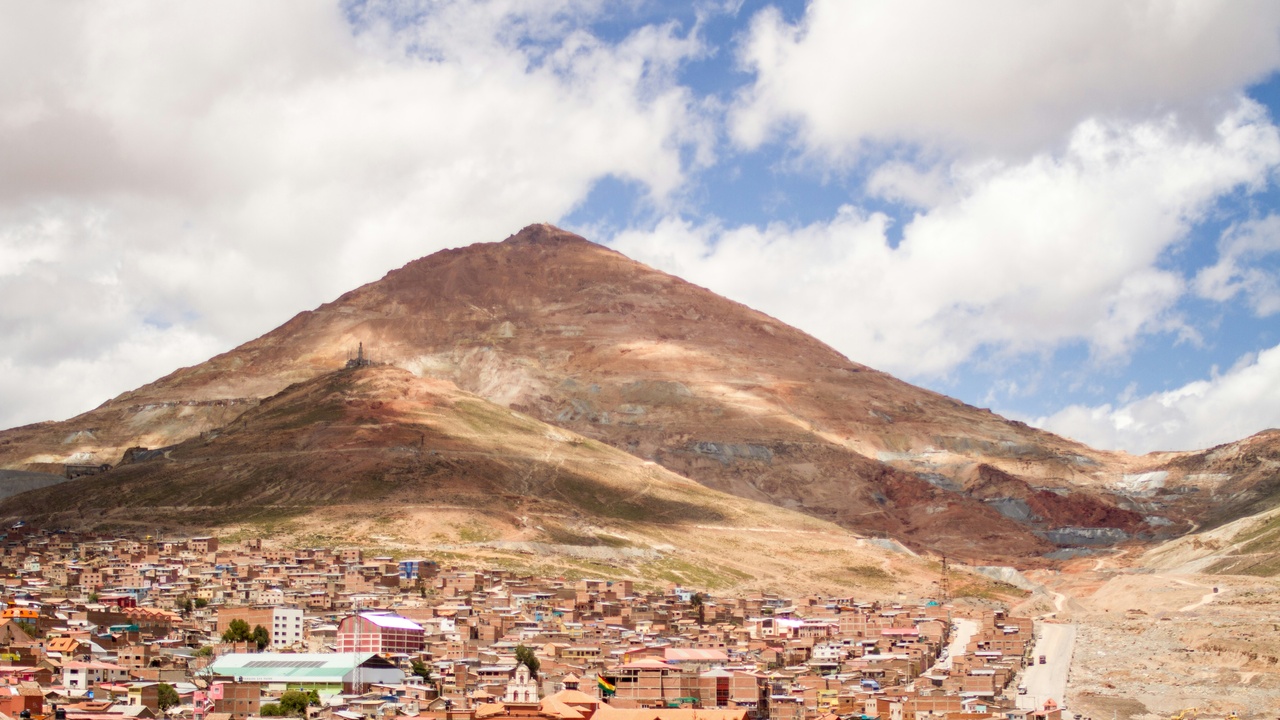
Colonial silver mining reshaped Bolivia’s towns and international role, and those legacy industries continue to influence contemporary debates about resource control and development. Potosí’s boom-era wealth contrasts with modern discussions about equitable resource management following independence in 1825.
5. Potosí and colonial-era silver
Cerro Rico at Potosí was once among the world’s most productive silver mines after silver was discovered and Potosí was founded around 1545. The city’s colonial center and mining landscape earned UNESCO World Heritage status in 1987.
The human and environmental costs of colonial mining are part of Potosí’s memory; today guided mining museum tours and visits to old shafts help visitors understand that legacy without romanticizing exploitation.
6. Independence, reform and modern politics
Bolivia declared independence on August 6, 1825, and since then politics have often revolved around who controls the country’s resources. The 2006 election of Evo Morales signaled a major political shift toward indigenous representation and prompted policies such as nationalization of some energy sectors.
Ongoing social movements and debates over gas and mining projects illustrate how resource revenue, local rights and development priorities continue to shape national politics.
Biodiversity, Resources, and Unique Facts
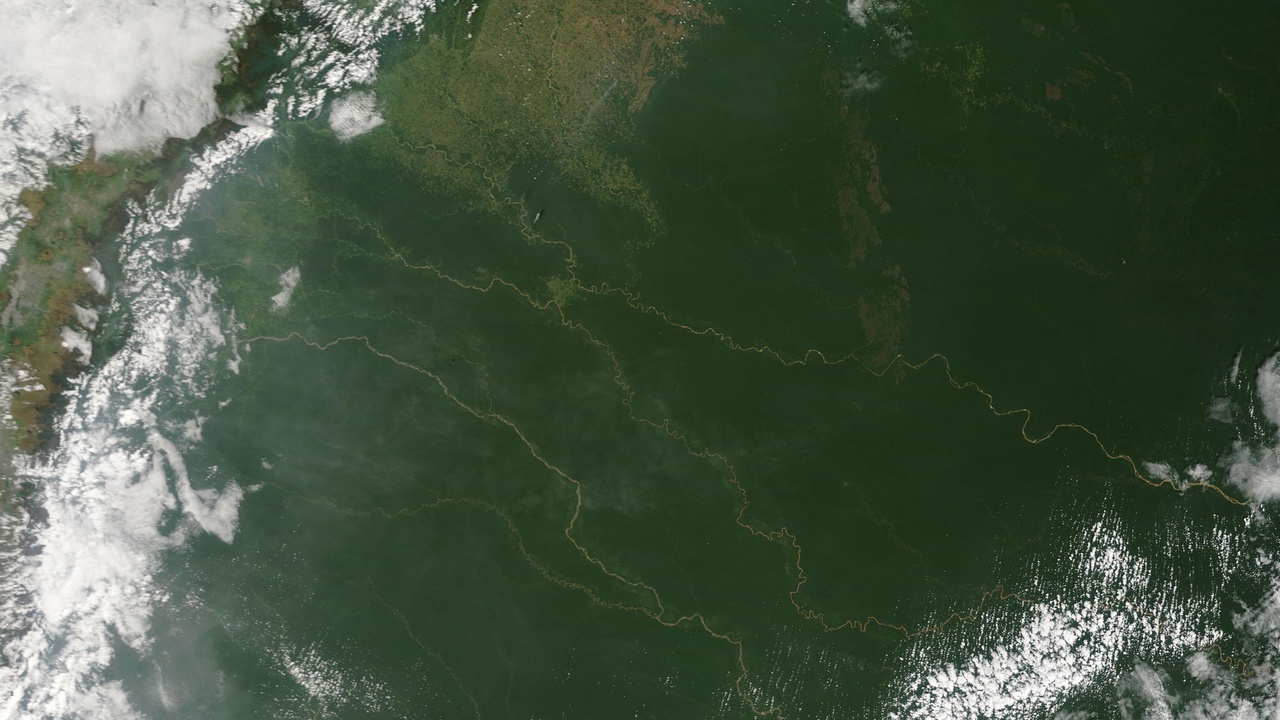
Bolivia’s ecological range spans Amazonian lowlands, dry inter-Andean valleys and high-altitude wetlands. The country is landlocked and borders five neighbors — Peru, Chile, Argentina, Paraguay and Brazil — a reality that influences trade and diplomacy as much as ecology.
7. Amazon-basin biodiversity and national parks
Bolivia protects large tracts of Amazonian ecosystems, including Noel Kempff Mercado National Park (a UNESCO World Heritage site). The country records more than 1,300 bird species and hosts jaguars, macaws and extensive river networks across its tropical zones.
Conservation efforts, ecotourism and indigenous stewardship all play roles in protecting these habitats while offering opportunities for scientific study and low-impact travel.
8. Natural resources: landlocked status, natural gas and salt/lithium
Being landlocked and bordering five countries affects Bolivia’s export routes and infrastructure choices. The country has substantial natural gas reserves and exports gas to Brazil and Argentina, which has long shaped bilateral relations and domestic policy.
Salar basins such as Salar de Uyuni provide salt and lithium-bearing brines, creating both economic opportunity and debates over extraction methods, revenue sharing and environmental safeguards.
When asked what is bolivia known for, many answers mix spectacular scenery with resource-driven politics and rich cultural continuity.
Summary
- Bolivia’s landscapes range from the high-altitude Andes (La Paz ≈3,650 m) to the Amazon lowlands, creating sharp ecological contrasts.
- Living indigenous traditions shape public life and politics, highlighted by the 2006 election of an indigenous president and the 2009 constitution.
- Historic mining (Potosí, founded c. 1545) and modern resources — natural gas and lithium-bearing salars — have driven the country’s economy and debates over control.
- Bolivia’s protected parks (Noel Kempff Mercado) and more than 1,300 recorded bird species underscore its global biodiversity importance.
Explore Bolivia with curiosity and respect: travel responsibly, support local communities and read more about its history, cultures and conservation challenges.