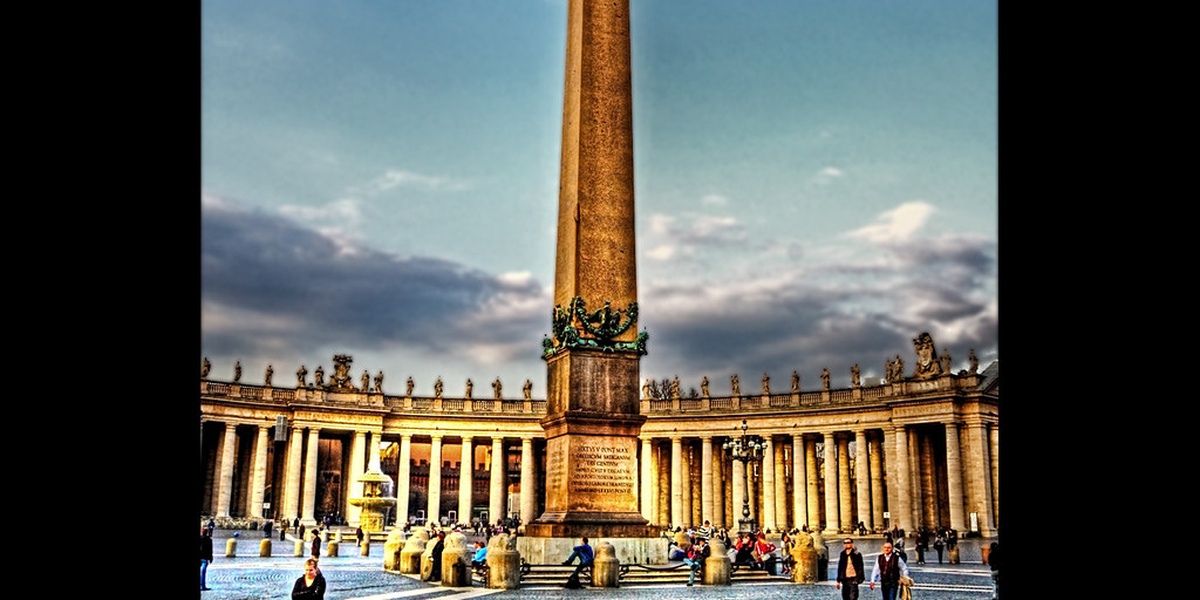
Vatican City compresses centuries of religious, diplomatic and cultural life into a very small territory, and its speech reflects that mix. What you hear can move from liturgical Latin to conversational Italian, with specialized registers used by clergy, officials and staff around the basilica and administrative offices.
There are 14 Dialects in Vatican City, ranging from Curial Italian (clerical register) to Vatican Italian (Vaticanese — institutional register). For each entry, you’ll find below data organized with Classification,Primary users,Where heard.
How does Curial Italian differ from ordinary Italian?
Curial Italian is a clerical register marked by formal syntax, ritual and bureaucratic vocabulary, and Latin-influenced phrasing; it’s used in official documents, pronouncements and internal communications rather than everyday conversation, so visitors rarely encounter it outside services or administrative contexts.
Can a visitor expect to hear Vaticanese around St. Peter’s?
You might hear Vaticanese (the institutional register) during ceremonies, guided tours or official announcements, but outside those settings you’re more likely to hear standard Italian, Roman dialects or a mix of languages from pilgrims and staff.
Dialects in Vatican City
| Name | Classification | Primary users | Where heard |
|---|---|---|---|
| Ecclesiastical Latin | Ecclesiastical Latin | Pope, clergy, liturgical musicians, Vatican officials | Papal Masses, official liturgies, Vatican documents, ceremonies |
| Curial Latin | Latin — Curial/administrative register | Roman Curia officials, canonical lawyers, Vatican chanceries | Papal bulls, apostolic letters, canonical acts, formal notices |
| Italian (Standard / administrative) | Italian — Standard / Administrative | Vatican staff, clergy, Swiss Guard, residents, officials | Daily administration, Vatican publications, press briefings, internal communication |
| Vatican Italian (Vaticanese — institutional register) | Italian — Institutional register | Curial officials, translators, Vatican press, diplomats | Official Italian documents, homilies, diplomatic notes, press releases |
| English (Vatican English usage) | English — Liturgical/administrative usage | Diplomats, international staff, pilgrims, Vatican News staff | International Masses, press conferences, Vatican News, audiences for English-speaking visitors |
| French (Vatican French usage) | French — Diplomatic / liturgical usage | Diplomatic corps, French-speaking clergy, residents | Diplomatic events, French-language Masses, Vatican publications and communications |
| Spanish (Vatican Spanish usage) | Spanish — Liturgical/administrative usage | Spanish-speaking clergy, pilgrims, Vatican media staff | Masses for Hispanic groups, papal addresses to Spanish speakers, Vatican News |
| Portuguese (Vatican Portuguese usage) | Portuguese — Liturgical/pastoral usage | Portuguese- and Brazilian clergy, pilgrims, diplomatic staff | Portuguese-language Masses, papal audiences with Lusophone groups, Vatican communications |
| German (Vatican German usage) | German — Liturgical/administrative usage | German-speaking clergy, Swiss Guard members, diplomats | German-language Masses, conferences, Swiss Guard daily life, pastoral services |
| Swiss German (Alemannic dialects) | Swiss German (Alemannic) — spoken variety | Swiss Guards (German-speaking recruits), Swiss residents | Swiss Guard barracks, informal conversations, quotidian settings within the garrison |
| Polish (Vatican Polish usage) | Polish — Liturgical/pastoral usage | Polish clergy, pilgrims, Polish community representatives | Polish-language Masses, pilgrim services, special papal events with Polish delegations |
| Italian Sign Language (LIS) | Sign language — Italian Sign Language (LIS) | Deaf faithful, interpreters, pastoral coordinators | Select Masses, papal audiences with deaf participants, pastoral meetings |
| Gregorian Chant (Latin liturgical chant) | Latin — Chant tradition (Gregorian) | Choirs, clergy, liturgical musicians | Sistine Chapel, St. Peter’s Basilica, solemn liturgies and papal ceremonies |
| Curial Italian (clerical register) | Italian — Clerical/Curial register | Curia officials, secretariats, canonical staff | Internal memos, curial correspondence, parish and diocesan communications |
Images and Descriptions
Ecclesiastical Latin
The traditional Latin of the Church used in liturgy, official formulas, and many Vatican documents. Its ecclesiastical pronunciation and vocabulary have shaped papal rites and ceremonial speech for centuries, remaining central to formal worship and diplomatic wording at the Holy See.
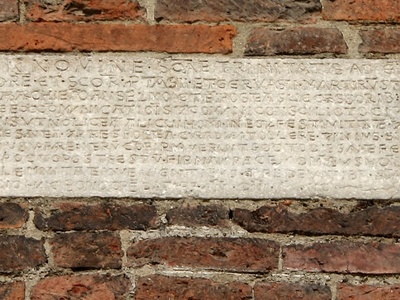
Curial Latin
A formal administrative register of Latin used in Vatican bureaucracy and documents. It preserves legal and diplomatic phrasing developed over centuries in the Curia, appearing in official decrees, Vatican archives, and ceremonial proclamations.

Italian (Standard / administrative)
Standard Italian is the everyday working language of the Vatican for administration, media, and many public addresses. It’s used in newspapers, press offices and day-to-day governance, often influenced by ecclesiastical vocabulary and Latin-derived terminology.
Vatican Italian (Vaticanese — institutional register)
A specialized Italian register marked by Latin calques, canonical terms, and formal phrasing. Scholars call it “Vaticanese”; it appears in papal communications, curial texts and Vatican media, reflecting the institution’s legal-historical language habits within Italian.
English (Vatican English usage)
English is widely used for international outreach, press, and pastoral care. The Holy See’s English-language media and services accommodate pilgrims and diplomats, and popes often address Anglophone audiences in English or through official translations.
French (Vatican French usage)
French retains a strong diplomatic and liturgical presence in the Vatican. It appears in bilateral diplomacy, French-language liturgies, and editions of Vatican publications, reflecting the Holy See’s long-standing use of French in international ecclesiastical affairs.
Spanish (Vatican Spanish usage)
Spanish is prominent in liturgy and pastoral outreach for the large Hispanic Catholic world. The Vatican regularly publishes material and holds Spanish-language services, and popes frequently address Spanish-speaking faithful directly or via official translations.
Portuguese (Vatican Portuguese usage)
Portuguese serves the pastoral needs of Lusophone Catholics, especially Brazilians and Portuguese. The Vatican provides Portuguese liturgies, communications, and media coverage for pastoral events and international gatherings in Vatican contexts.
German (Vatican German usage)
German is used in liturgies, conferences, and among German-speaking staff. It features in the pastoral outreach to Central European Catholics and is commonly heard in German-language services and among Swiss Guards from German-speaking Switzerland.
Swiss German (Alemannic dialects)
Alemannic Swiss German dialects are commonly spoken informally among German-speaking Swiss Guards. While formal duties use Italian or other common languages, Swiss German remains the everyday spoken variety inside Guard quarters and informal Vatican contexts.
Polish (Vatican Polish usage)
Polish figures prominently for Polish pilgrims and clergy; the Vatican hosts Polish-language liturgies and services, and the presence of Polish Catholics has shaped pastoral programming and occasional high-profile papal interactions.
Italian Sign Language (LIS)
Italian Sign Language is used at select Vatican events and pastoral services for deaf Catholics. Interpreters appear at some liturgies and audiences, and the Holy See has engaged with the deaf community through LIS in public encounters.
Gregorian Chant (Latin liturgical chant)
Gregorian chant is the ancient Latin chant tradition still performed at major Vatican liturgies. Rooted in medieval monastic practice, it shapes the sound of papal ceremonies and remains integral to solemn Vatican worship and musical heritage.
Curial Italian (clerical register)
Curial Italian denotes the particular clerical style used in internal Vatican communications—formal, Latin-influenced Italian with canonical conventions. It’s the everyday register of many Vatican offices and shapes how administrative matters are written and spoken.