Samoa’s islands are home to a mix of peoples shaped by Polynesian voyaging, regional trade and more recent migration. Local villages, urban centers and outlying atolls each reflect different blends of heritage, so a simple list can help make sense of who lives where and what languages and origins they report.
There are 13 Samoa Ethnic Groups, ranging from Chinese to Tuvaluan. For each group, the list below organizes data as Population % (latest census, specify area),Main language(s),Origin / meaning to give both numerical and cultural context — you’ll find below.
How recent and reliable are the population percentages?
Population percentages come from the most recent national census but can vary by island or district; small communities may be undercounted and some people report mixed heritage, so consider the census notes and area specified with each percentage for the clearest picture.
Why include language and origin information alongside the numbers?
Language and origin add essential context: percentages show size, while main languages and origin/meaning explain cultural identity, migration history and local influence — useful for researchers, planners and curious readers comparing groups across Samoa.
Samoa Ethnic Groups
| Name | Population % (latest census, specify area) | Main language(s) | Origin / meaning |
|---|---|---|---|
| Samoan | 92.6% (Independent Samoa, 2016);88.9% (American Samoa, 2020) | Samoan, English | From the islands of Samoa; indigenous Polynesian people |
| European / Part-European (White) | 1.9% (Independent Samoa, 2016);0.2% (American Samoa, 2020) | English | People of European descent or mixed European ancestry |
| Chinese | 0.8% (Independent Samoa, 2016);0.3% (American Samoa, 2020) | Chinese (various), English,Samoan | Migrants from China, early traders and families |
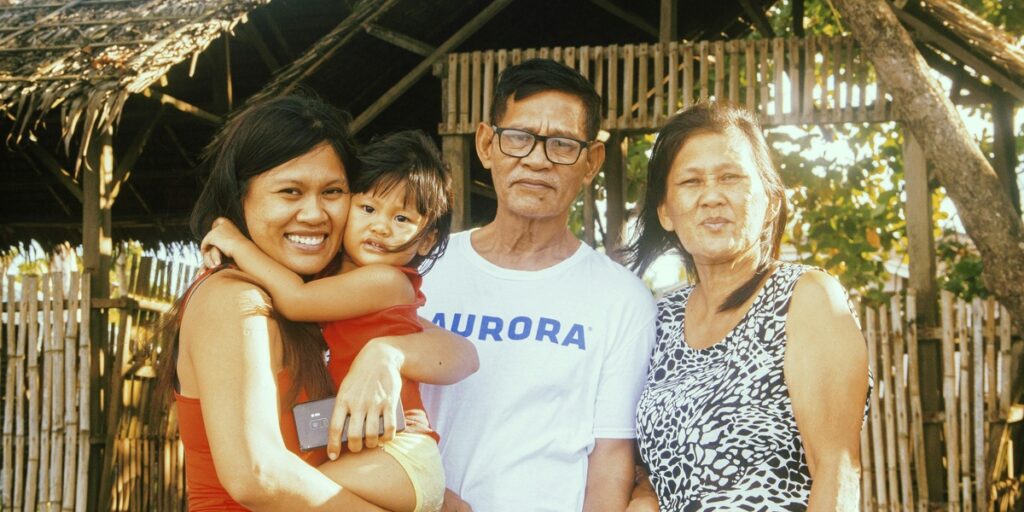
| Filipino | 0.6% (Independent Samoa, 2016);3.3% (American Samoa, 2020) | Filipino/Tagalog, English | People from the Philippines, recent migrant workers and families |
| Tongan | 0.1% (Independent Samoa, 2016);2.5% (American Samoa, 2020) | Tongan, English | Polynesian people from Tonga |
| Tokelauan | — (negligible in Independent Samoa);1.2% (American Samoa, 2020) | Tokelauan, English | Polynesians from Tokelau islands |
| Fijian | — (negligible in Independent Samoa);0.7% (American Samoa, 2020) | Fijian, English | Melanesian/Polynesian people from Fiji |
| Niuean | — (negligible in Independent Samoa);0.2% (American Samoa, 2020) | Niuean, English | Polynesian people from Niue |
| Cook Islands Māori | — (negligible in Independent Samoa);0.2% (American Samoa, 2020) | Cook Islands Māori, English | Polynesians from the Cook Islands |
| Tuvaluan | — (negligible in Independent Samoa);0.1% (American Samoa, 2020) | Tuvaluan, English | Polynesians from Tuvalu |
| I-Kiribati (Kiribati) | — (negligible in Independent Samoa);0.2% (American Samoa, 2020) | Kiribati (Gilbertese), English | People from Kiribati (Gilbert Islands) |
| Other Pacific Islanders (aggregated) | 0.4% (Independent Samoa, 2016);1.8% (American Samoa, 2020) | Various Pacific languages, English | Includes smaller Pacific nationalities present in censuses |
| Other Asian / Asian (aggregated) | 0.5% (Independent Samoa, 2016);0.5% (American Samoa, 2020) | Various Asian languages, English | Includes South, Southeast and East Asian ancestries recorded in census |
Images and Descriptions
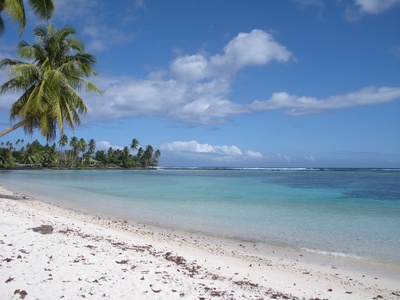
Samoan
The majority indigenous group of both Samoa and American Samoa, concentrated on Upolu, Savai’i, Tutuila and Manuʻa. Predominantly Christian (Congregational, Methodist, Catholic, LDS). Centuries-old fa’a Samoa cultural system, chiefly social structure, and widespread diaspora.

European / Part-European (White)
Small minority descended from 19th–20th century missionaries, traders and settlers. Found mainly in urban areas and capital Apia, often engaged in business or administration. Varied Christian denominations and mixed cultural identities with Samoan communities.
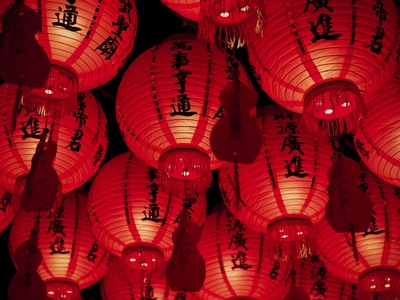
Chinese
Longstanding merchant community involved in retail and trade, especially in Apia and coastal towns. Often bilingual, integrated into Samoan society while maintaining Chinese business and family ties; mostly Christian or syncretic.
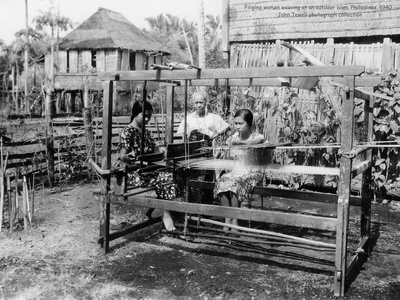
Filipino
Growing migrant community in American Samoa (healthcare, construction, services) and a small presence in Independent Samoa. Predominantly Christian (Catholic, Protestant), notable for labor migration and remittance links.
Tongan
Significant minority in American Samoa, with historical inter-island ties, marriages and labor migration. Present in Tutuila and urban centers. Mostly Christian; cultural and familial links to Tonga influencing local communities.
Tokelauan
Small but visible community in American Samoa, often in urban areas and connected by migration for work and education. Maintain cultural practices and languages while predominantly Christian and integrated into local life.
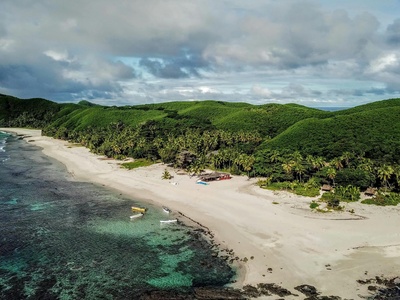
Fijian
Minor presence in American Samoa, including recent migrants and seasonal workers. Found in towns and workplaces; religions include Christian denominations. Bring Fijian cultural elements and inter-island connections.
Niuean
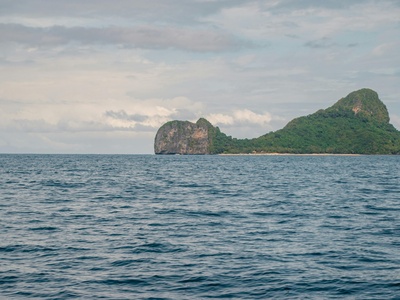
Very small community in American Samoa with family and church ties. Typically Christian, they participate in wider Pacific Islander networks and may have dual ties with New Zealand.
Cook Islands Māori
Minor presence linked by migration and marriage, often in urban or church communities. Predominantly Christian, they share cultural affinities with other Polynesian groups.
Tuvaluan
Small migrant community in American Samoa, often connected to labor migration and church networks. Maintain Tuvaluan language and cultural practices while integrating into local island life.
I-Kiribati (Kiribati)
Minor community in American Samoa, typically migrant workers or family groups. Predominantly Christian; contribute to the multicultural Pacific workforce and church communities.

Other Pacific Islanders (aggregated)
Census category grouping smaller Pacific nationalities (e.g., Solomon Islanders, Vanuatu). Present in small numbers, often as migrants or intermarried residents, typically Christian and active in labour and church life.
Other Asian / Asian (aggregated)
Catch-all census category covering small communities (Indian, other Southeast Asian). Mostly urban merchants, professionals, or recent migrants. Diverse religions and cultural practices; generally small, integrated populations.