10 Important traditions in germany
Picture Munich in October 1810: a town dressed in blue and white, a parade escorting the newlywed Crown Prince Ludwig and his bride through streets that smelled of roasting meat and pine. That wedding celebration became the first Oktoberfest and, over two centuries later, stands as an example of how rituals stitch communities together. Traditional customs — from crowded beer tents to quiet lantern processions — mark the year, bind families, and shape local economies. They also draw tourists in vast numbers and give regions a distinctive voice.
This article walks through ten time-honored practices grouped by theme, explaining origins, key dates, and how you’ll encounter them today. Expect concrete examples, a few surprising facts, and plenty of local color.
Cultural and Historical Celebrations
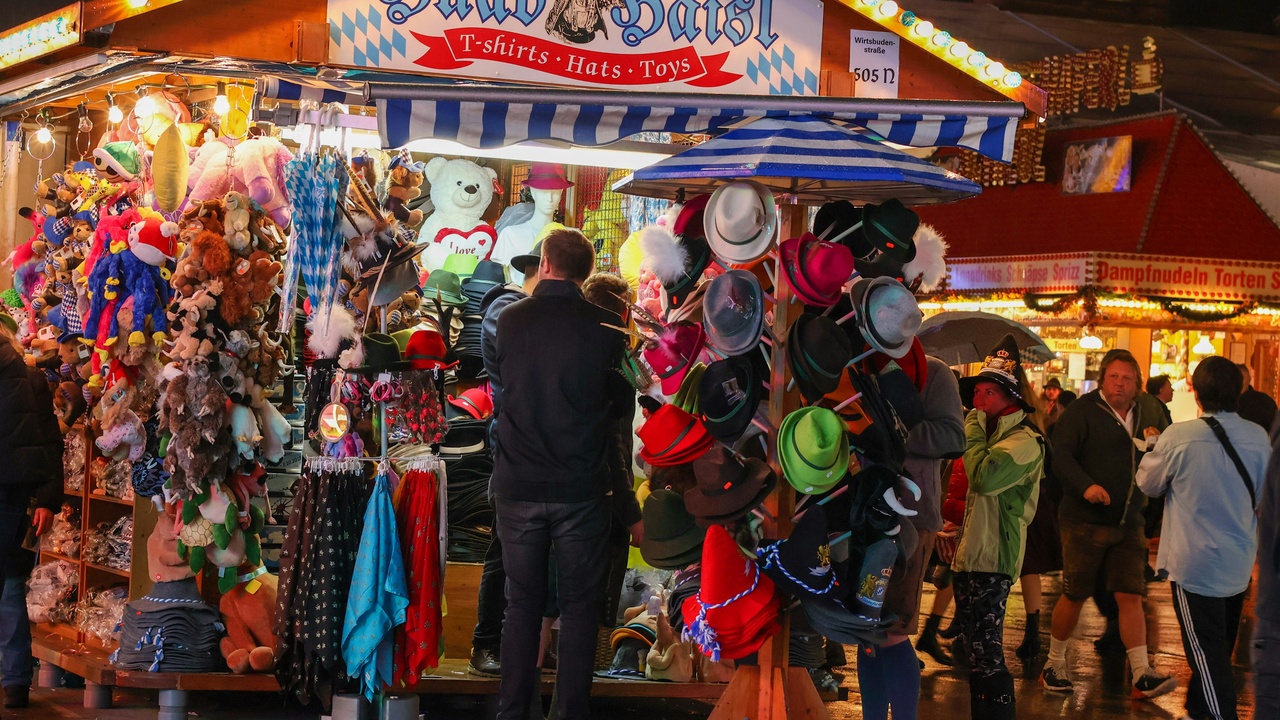
Public festivals in Germany are loud claims of regional pride. Big events blend costume, music, food, and civic ritual in locally specific ways. They also matter economically: Munich’s late-September festival draws roughly 6 million visitors and fills hotels for weeks, while hundreds of seasonal jobs and local suppliers benefit from the influx. Many celebrations trace their origins to a single year or to medieval guilds, which helps towns market a continuous lineage. Beyond ticket sales and ale, these gatherings keep bands, tailors, float-builders, and volunteer clubs active year-round. In short, festivals make identity visible — and economically tangible.
1. Oktoberfest (Munich’s Annual Volksfest)
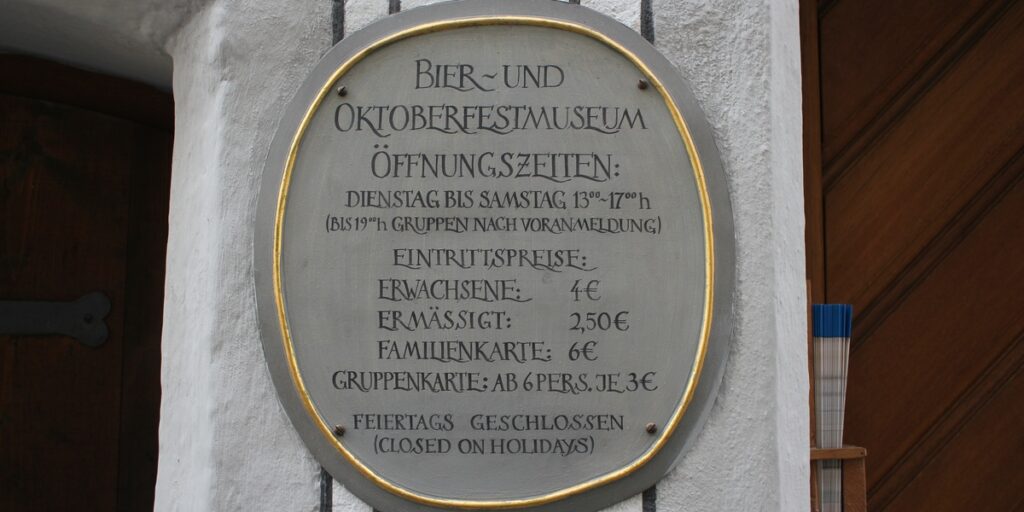
Oktoberfest began in 1810 as a celebration for Crown Prince Ludwig’s wedding and has grown into one of the world’s largest beer festivals. Today the event attracts roughly 6 million visitors and serves about 7 million liters of beer over its run. Giant tents like the Schottenhamel host music, toasts, and old-fashioned table-singing; attendees wear Dirndl and Lederhosen; families attend on designated days when prices are lower and the atmosphere is calmer. Local hotels routinely sell out in late September and early October, and restaurants, breweries, and costume makers all see a seasonal spike in business.
2. Karneval / Fasching (Carnival Season, especially Cologne and Mainz)
Karneval is a season-long burst of parades, satire, and colorful costume culture, peaking on Rosenmontag when major cities like Cologne stage enormous street parades. Cologne’s Rosenmontag parade draws around 1 million spectators, and tableaux often lampoon politicians and current events. The tradition traces back to medieval guilds and pre-Lenten revelry; modern Karneval depends on volunteer costume clubs (Karnevalsgesellschaften) that build floats and rehearse brass-band numbers year-round. “Every float is a local comment on the week’s headlines,” says Markus, a parade organizer in Cologne. Schools and workplaces stage events, and the local economy benefits from costume rentals, confectioners, and event planners.
3. Schützenfest and Vereinsleben (Marksmen’s Festivals & Club Culture)
Schützenfeste began as town militias’ gatherings and evolved into large community festivals centered on marksmen’s clubs. Hannover’s Schützenfest is often cited as one of the biggest, drawing tens of thousands for parades, rides, and a week of civic pageantry. More broadly, Vereinsleben — the dense network of clubs — runs sports teams, marching bands, and volunteer projects year-round. Those associations program youth activities, organize local festivals, and keep community calendars full, which in turn sustains small-town economies through weekend spending and visitor tourism.
Religious and Seasonal Traditions
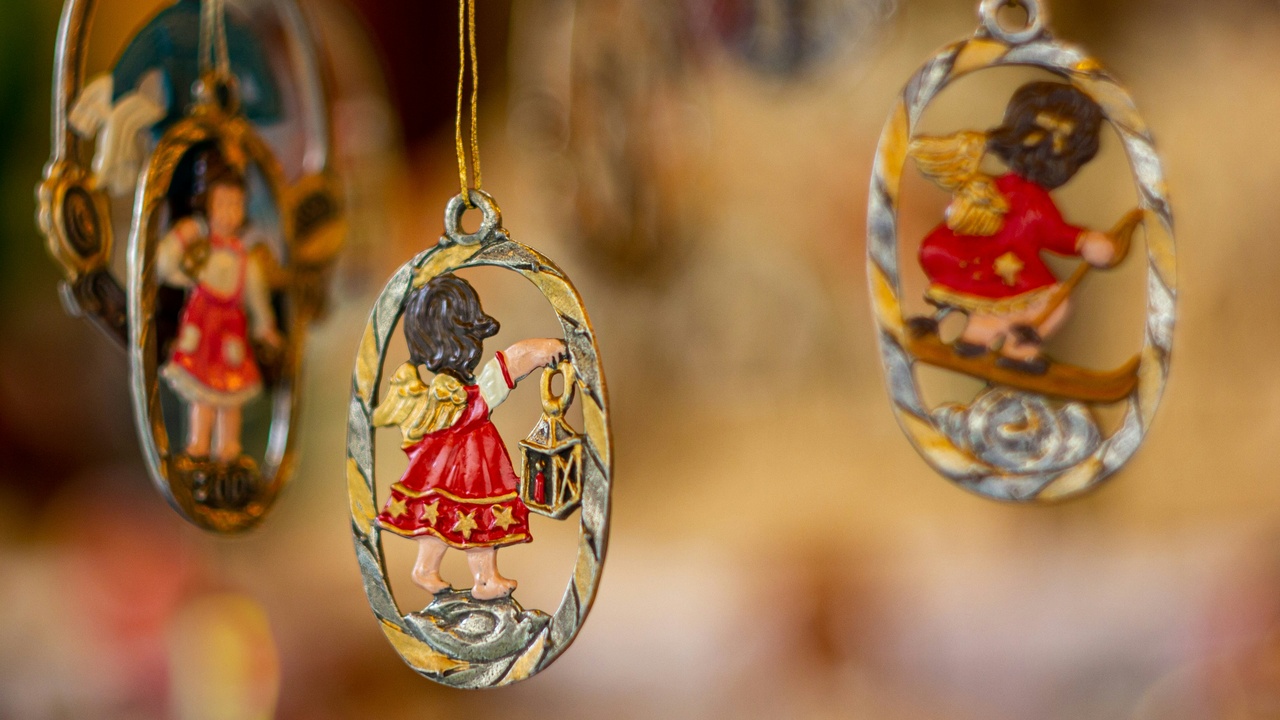
Germany’s public calendar still follows the Christian liturgical year in many towns. Markets, processions, and seasonal rituals provide a shared rhythm for families and municipalities. Some fairs are astonishingly old: Dresden’s Striezelmarkt dates to 1434, and markets like Nuremberg’s Christkindlesmarkt have developed signature goods and rituals over centuries. Churches, town councils, and guilds often coordinate events, so Advent Sundays, Nikolaustag (December 6), and other dates become anchors for local life. These traditions sustain artisans, seasonal vendors, and volunteer organizers while giving citizens a predictable cycle of communal gatherings.
4. Christmas Markets (Weihnachtsmärkte) — Nuremberg, Dresden and beyond
Weihnachtsmärkte combine centuries of trade with festive staging: Dresden’s Striezelmarkt was first recorded in 1434, and Nuremberg’s Christkindlesmarkt draws hundreds of stalls and visitors from around the world. Large markets can host several hundred booths selling crafts, Glühwein, roasted almonds, and regional specialties such as Erzgebirge wood carvings. Artisans — wood carvers, candle-makers, and gingerbread bakers — rely on market income for a significant part of their year. Modern markets have added card payments and tightened safety measures, but the sensory details — cinnamon, warm wine, and hand-painted ornaments — remain central.
5. Advent Rituals and Nikolaustag (Advent calendars, Dec 6 Nikolaus)
Advent calendars are a daily family ritual: the modern printed calendar was popularized by Gerhard Lang in the early 1900s (commercial versions around 1908) and now appears in chocolate, paper, and handcrafted wooden forms. On Nikolaustag (December 6), children leave boots by the door for small gifts and sweets. Schools host Advent concerts; bakeries sell seasonal treats; and chocolatiers see a clear uptick in sales. Many families prefer handcrafted wooden calendars from the Erzgebirge, while mass-produced chocolate calendars remain a nationwide staple.
6. St. Martin’s Lantern Processions (Martinszüge) — Community evenings for kids
On November 11 and the evenings before, children carry handmade lanterns in town processions, singing hymns and songs about St. Martin of Tours. Schools and parishes organize lantern workshops where parents and kids craft paper lanterns together. After the walk many communities serve Martinshörnchen — little crescent pastries — and share warm drinks. The ritual places children at the center of civic life and reinforces neighborhood ties through a small, annual public spectacle.
Food, Family, and Table Traditions
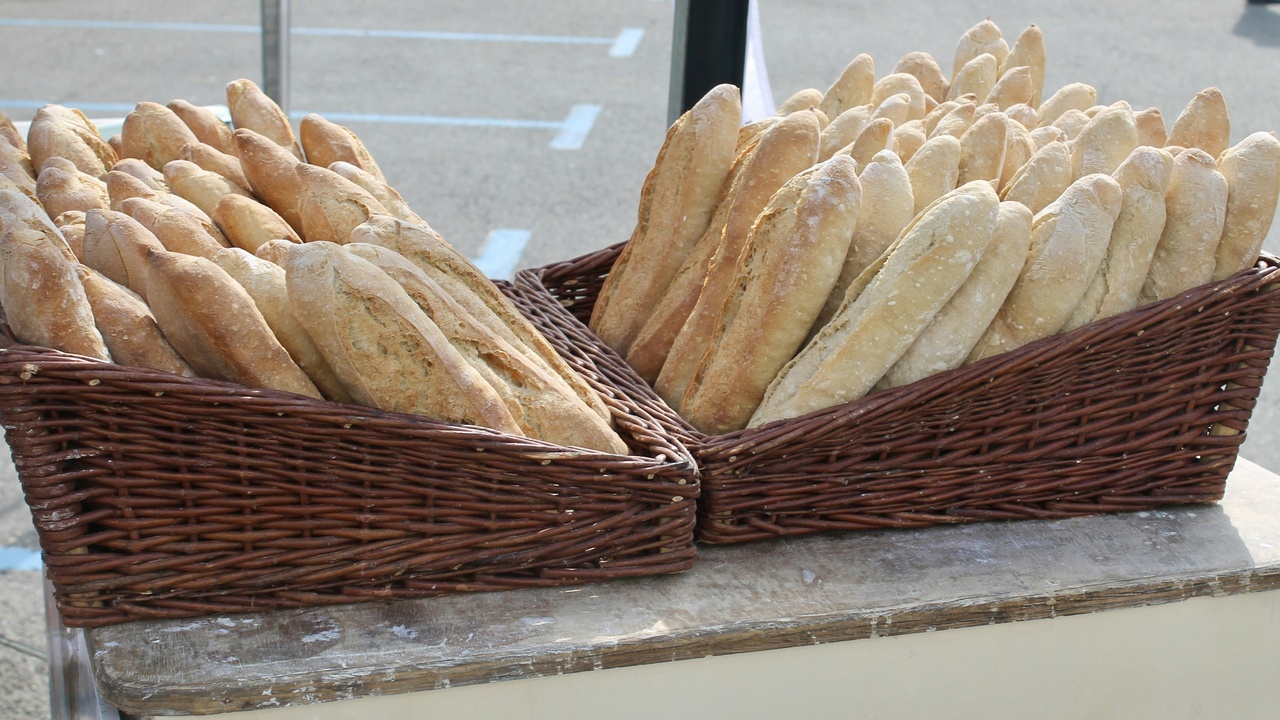
Daily rituals around food anchor social life. Germany recognizes hundreds of regional breads, a mid-afternoon Kaffee und Kuchen habit structures weekends, and seasonal baking (Stollen at Christmas, Lebkuchen in Nuremberg) supports local bakers. Small bakeries and cafés act as neighborhood hubs: morning bread runs and a Sunday slice of cake sustain local employment and preserve recipes. These practices keep households connected to regional ingredients and artisans.
7. Bread Culture (Brotkultur) — Regional loaves and bakery rituals
Germany’s bread culture is famously diverse — more than 300 regional bread varieties are reported — and daily life often begins with a trip to the Bäckerei. People develop strong preferences for rye, mixed-grain, sourdough, or pretzels (Brezeln). Family-run bakeries employ local staff and open early so customers can grab fresh loaves. Seasonal products such as Weihnachtsstollen and Nuremberg Lebkuchen drive winter production schedules and long queues at specialty shops.
8. Kaffee und Kuchen (Afternoon Coffee and Cake)
Many families observe a mid-afternoon break for coffee and cake, especially on Sundays. Grandparents, parents, and children gather for Apfelkuchen or Käsekuchen, a ritual that structures family time and supports local Konditoreien (pastry shops). Weekend café occupancy often rises as locals meet for conversation, and small pastry makers rely on this steady demand for income.
Local and Seasonal Customs
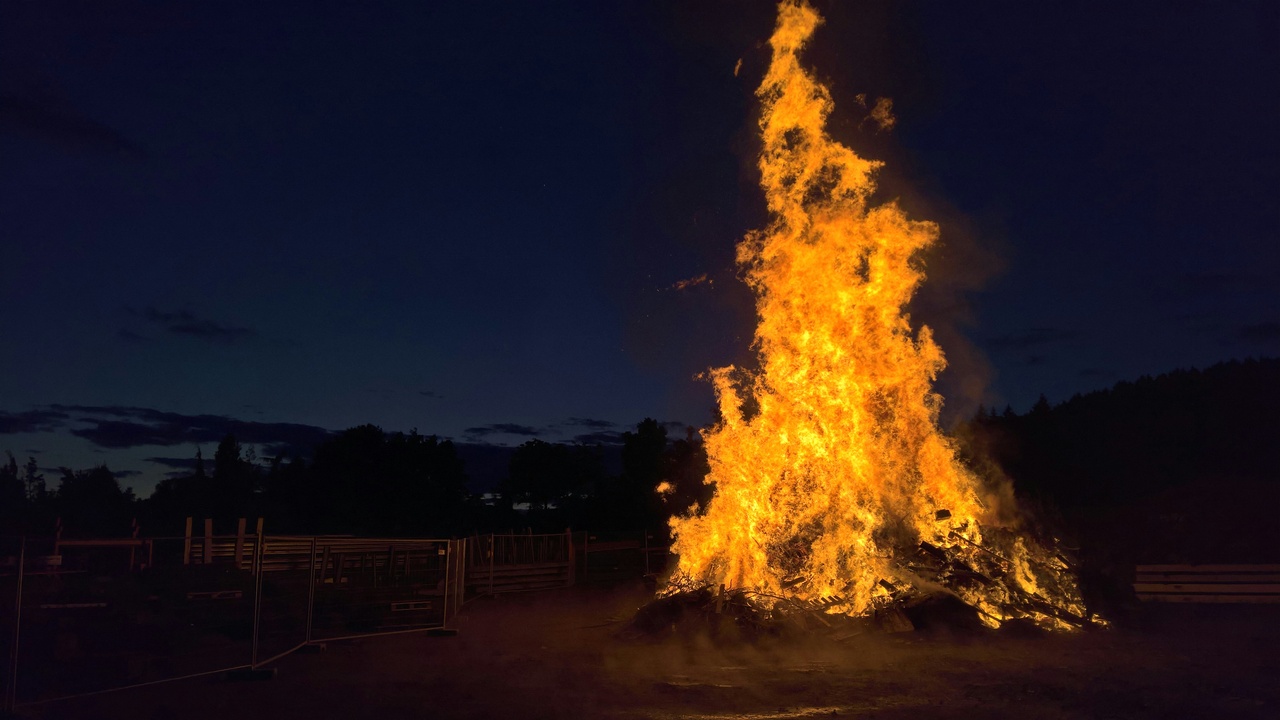
Smaller seasonal customs link villages and neighborhoods to agricultural cycles and folklore. From Walpurgisnacht on April 30 to village Osterfeuer at Easter, these rituals survive because they are local, adaptable, and social. They require volunteers, tie into church or municipal calendars, and give residents a sense of continuity. Even modern media rituals — like the annual broadcast of a British sketch on New Year’s Eve — show how habits can persist in unexpected forms.
9. Easter Traditions (Osterfeuer, Eierfärben, Osterbaum)
Easter weekend brings bonfires (Osterfeuer), egg-painting, and the practice of decorating small trees or bushes with painted eggs (Osterbaum). Villages build sizable fires to welcome spring, while families gather to dye and hide eggs for children. Regional differences matter: some areas emphasize giant public bonfires, others focus on intimate family decorating. Local churches and community groups often coordinate egg hunts and display decorated trees in town squares.
10. New Year’s Eve Customs (Silvester): Fireworks, Bleigießen, and TV Rituals
New Year’s Eve on December 31 blends fireworks, old folk rituals, and television habits. City centers host public countdowns and massive fireworks displays, while households once practiced Bleigießen — pouring molten lead for fortune-telling — now often replaced by safer tin-casting kits. A surprising media ritual endures: the comedy sketch “Dinner for One” has aired on German TV annually since 1963 in many homes. The combination of fireworks sales, emergency planning, and viewing parties creates a clear retail and civic rhythm each year.
Summary
- Centuries-old fairs and modern festivals both shape regional identity and drive measurable tourism and seasonal jobs.
- Religious calendars and family rituals—Advent, St. Martin, Easter—structure community life across towns and cities.
- Everyday practices like Brot culture and Kaffee und Kuchen sustain small businesses and preserve regional recipes.
- Local customs (from Walpurgisnacht to Silvester TV habits) persist because they are social, adaptable, and often volunteer-led.
- To experience these traditions firsthand, visit a Weihnachtsmarkt, join a Schützenfest parade, or attend a St. Martin lantern walk in a local school.