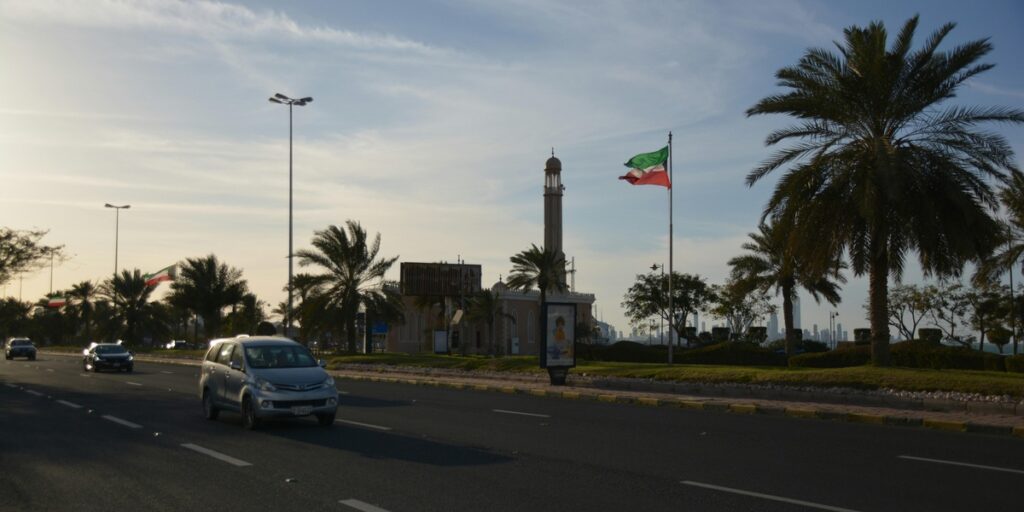
When Kuwait gained independence in 1961 it began a rapid transformation powered by oil revenues, state institutions, and strategic investment. That shift created a compact, modern country with a population of roughly 4.5 million and some surprising advantages for people who live and work here. So why do many expatriates and nationals choose Kuwait despite regional stereotypes? The answer is practical: high wages, extensive public services, deep cultural institutions, and solid infrastructure all combine to shape daily life. These are the ten concrete benefits that make life attractive for families, professionals, and businesses alike—ranging from tax-free pay and subsidized utilities to quality hospitals, respected universities, and improving transport links. One quick fact that illustrates the financial side: the Kuwaiti dinar is the world’s highest‑valued currency unit, which amplifies earnings for salaried workers and savers.
Economic and Financial Benefits
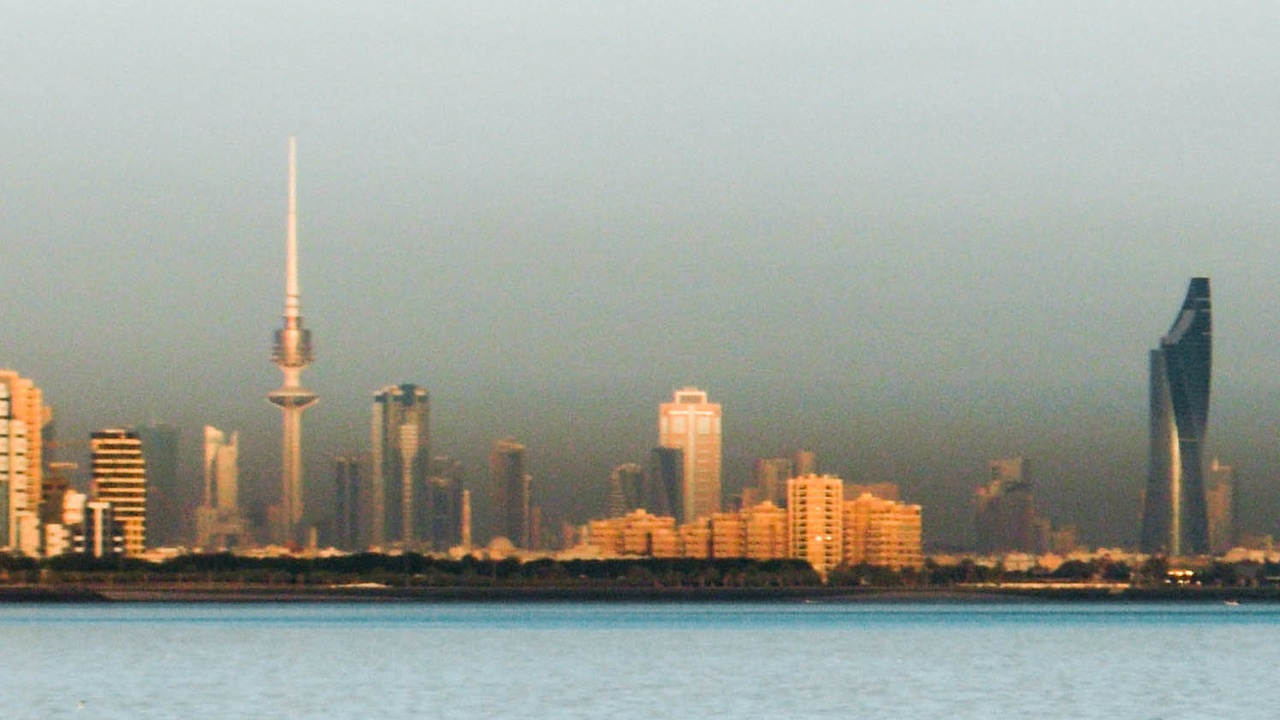
Kuwait’s economy remains anchored by oil—reserves are estimated around 101.5 billion barrels—and the resulting state wealth funds and social programs translate into clear, everyday advantages. Revenues underpin public spending, large subsidy programs, and a sovereign cushion that smooths government budgets during price swings. Institutions such as the Kuwait Investment Authority help manage those assets and support long‑term investment, which in turn sustains public-sector wages, housing initiatives, and infrastructure projects that residents use every day.
1. High incomes and tax-free salaries
A lot of jobs—especially in oil, government, and specialized finance—offer strong nominal pay, and personal income tax is effectively absent in Kuwait. That combination means take‑home pay is higher than many regional alternatives. For context, 1 KWD ≈ 3.25 USD, so salaries denominated in dinars convert favorably for expatriates and locals alike.
Practical examples include engineers and managers at Kuwait Oil Company, senior officials in government ministries, and professionals at international banks based in Kuwait City. Without payroll tax deductions, families can allocate more to housing, education, or savings—good for short‑term cash flow and long‑term financial planning.
2. Subsidized utilities and generous social services
The state provides broad subsidies that reduce the cost of daily life, especially for citizens. Fuel and electricity have historically been heavily subsidized, and public housing programs and social allowances are significant parts of the welfare system.
For residents this means cheaper commutes, lower household energy bills, and more predictable monthly expenses. Even when subsidies are reformed, the legacy of generous public programs keeps basic services affordable and makes family budgeting easier—less stress over utility spikes or transport costs.
3. Economic stability backed by sovereign assets
Kuwait’s sovereign funds and fiscal reserves provide a buffer against volatile oil prices and fund long‑term projects. The Kuwait Investment Authority has invested abroad for decades, helping the country maintain steady spending even when markets wobble.
That financial stability supports steady public employment, ongoing infrastructure work, and social programs that residents rely on—so families and businesses can plan with more confidence than in many nearby countries whose budgets are more exposed to short‑term shocks.
Quality of Life and Cultural Benefits
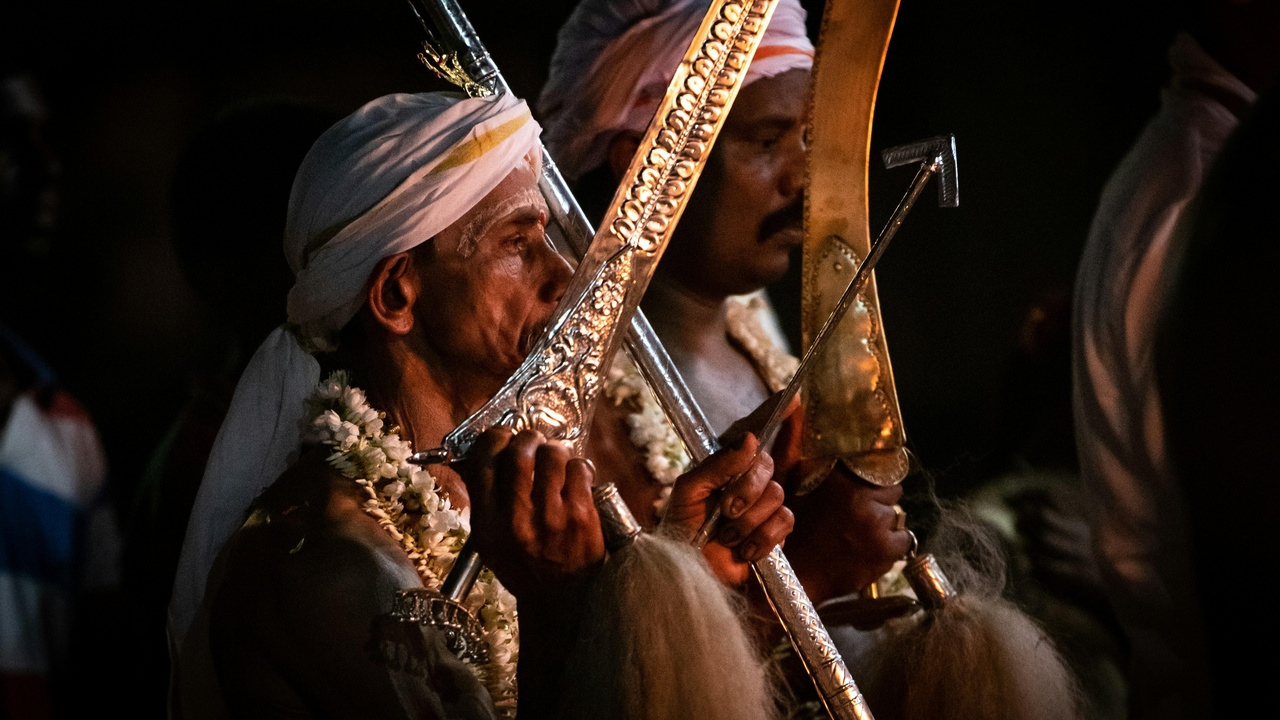
With economic security comes a richer everyday life: museums, festivals, low‑crime neighborhoods, and family amenities shape routines. Cultural institutions preserve heritage while contemporary venues host exhibitions and performances, and diverse expatriate communities add international food, clubs, and schooling to the mix.
4. Rich cultural life and easy access to arts
Kuwait has a longstanding cultural scene—museums, craft centers, and preservation projects that date back decades. Places like the Kuwait National Museum and Sadu House keep traditional weaving and Gulf history on public display, while private galleries and seasonal events bring contemporary art to a growing audience.
For residents that means regular exhibitions, theatre and music performances, and government-funded cultural programs that are easy to attend. Families and students can join workshops, see historic collections, and catch visiting shows without traveling far.
5. Family-friendly amenities and recreational spaces
Parks, promenades, malls, and waterfront developments make weekends straightforward for families. Large shopping centers double as social hubs and practical service centers, while coastal promenades and public beaches provide outdoor time close to the city.
Popular spots such as The Avenues Mall act as one-stop destinations for dining, play areas, and errands, and waterfronts like Marina Crescent are easy weekend choices. That mix of indoor and outdoor family spaces keeps routines simple—school runs, weekend shopping, or a quick seaside walk.
6. Safety and relative political stability
Kuwait generally reports lower rates of violent crime in residential areas compared with some regional peers, and visible policing in malls and public spaces contributes to a sense of safety. Neighborhoods in Kuwait City and many suburbs are well patrolled and maintained.
The practical payoff is obvious: comfortable evening walks, children playing outdoors, and lower private security costs for many households. For expatriate families prioritizing predictability, that level of safety counts for a lot.
Healthcare and Education Benefits

High public investment shows in health and schooling: citizens access broad public healthcare and free education, while a robust private sector supplies additional hospitals and international schools for expatriates. Those services make planning family life and long‑term careers more straightforward.
7. Public healthcare access and reputable hospitals
Citizens receive subsidized or free care through public hospitals, and private facilities supplement specialist services for residents. Al‑Sabah Medical Complex and other major hospitals provide surgical, maternity, and emergency care, serving tens of thousands of patients annually.
Easy access to these services influences family decisions—routine maternity care, chronic condition management, and emergency response are all more predictable when public hospitals are well supported and private clinics are readily available.
8. Strong educational institutions and scholarship opportunities
Public schooling is free for citizens, and Kuwait University—founded in 1966—serves as the main public university, offering a range of faculties and research programs. The government also runs scholarship schemes that send students abroad for advanced study.
Expatriate families typically rely on private international schools that follow British, American, or other curricula, so children can continue consistent educations. That combination supports both local talent development and mobile professional families.
Infrastructure, Transport, and Connectivity Benefits

Public and private investment in airports, roads, and urban projects improves day‑to‑day life and keeps Kuwait well connected across the Gulf. Recent terminal upgrades and road improvements have reduced friction for business travel and logistics, helping companies and commuters alike.
9. Modern transport and improving urban infrastructure
Kuwait International Airport has seen terminal improvements that raise passenger comfort and capacity, and highway projects linking Kuwait City to suburbs are easing commutes. Port handling and logistics upgrades also support trade and imports, which keeps retail shelves full and businesses moving.
For daily life this shortens commute times and simplifies regional travel for meetings or shipments—benefits companies notice and workers appreciate when they plan schedules and family time.
10. Strategic location and regional connectivity
Sitting at the northern edge of the Arabian Gulf, Kuwait is a short hop to other Gulf capitals: flights to Dubai are roughly 1.5 hours and to Riyadh about an hour. Land links to eastern Saudi Arabia add overland options for freight and regional travel.
That geography matters for businesses needing easy Gulf-wide access and for families who want quick trips to larger cultural hubs. Being central in the region makes Kuwait useful as a home base for wider Gulf activity.
Summary
- Tax-free wages denominated in the strong Kuwaiti dinar, plus government subsidies, mean higher disposable income for many households.
- Public services—accessible healthcare, free education for citizens, and state-backed scholarship programs—support family planning and long-term careers.
- Cultural institutions, safe neighborhoods, and family-friendly malls and waterfronts create a comfortable daily life that blends tradition and modern leisure.
- Stable sovereign assets and improving infrastructure, combined with short regional flight times, give businesses and residents reliable access across the Gulf and beyond.
Weigh these points against personal priorities—career goals, family needs, and lifestyle preferences—and consider visiting or speaking with relocation specialists to explore whether the benefits of living in kuwait match your next move.