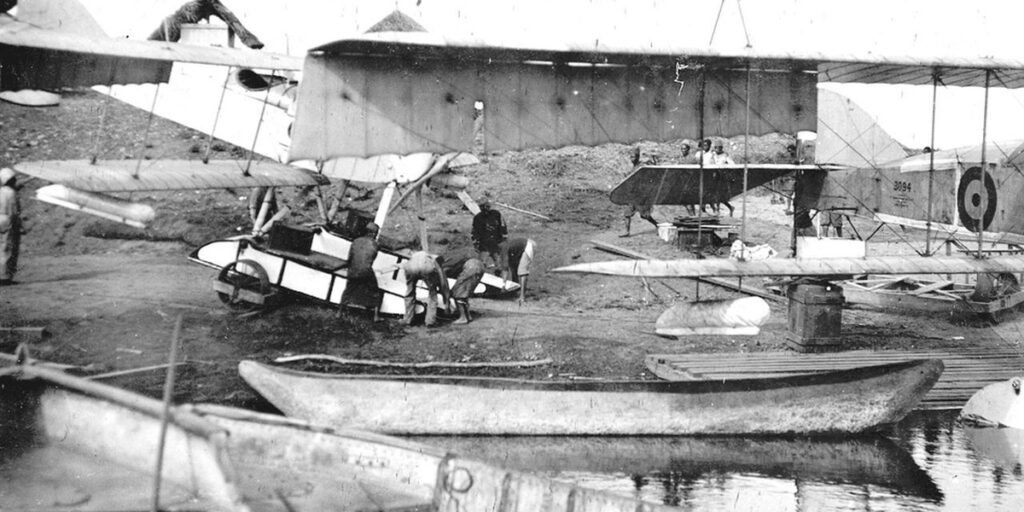
Since gaining independence on July 1, 1962, Burundi has remained one of Africa’s smallest countries by area (27,834 km²) yet offers a rich mix of highland landscapes and lakeshore communities.
That mix translates into distinct everyday advantages: affordable markets, farming communities that shape local rhythms, and easy access to Lake Tanganyika on the western border. The country’s population is roughly 12 million (World Bank population estimates), and official data from agencies such as the World Bank, the UN and the FAO help quantify how geography and agriculture shape daily life (World Bank, UN, FAO).
For readers weighing where to live, practical matters—cost, food access, social ties and nearby nature—often matter most. This piece outlines ten concrete advantages of life here, grouped into Economic & Livelihood; Nature & Lifestyle; Culture & Community; and Practical Advantages & Development, so you can quickly see what daily life looks like.
Economic & Livelihood Benefits
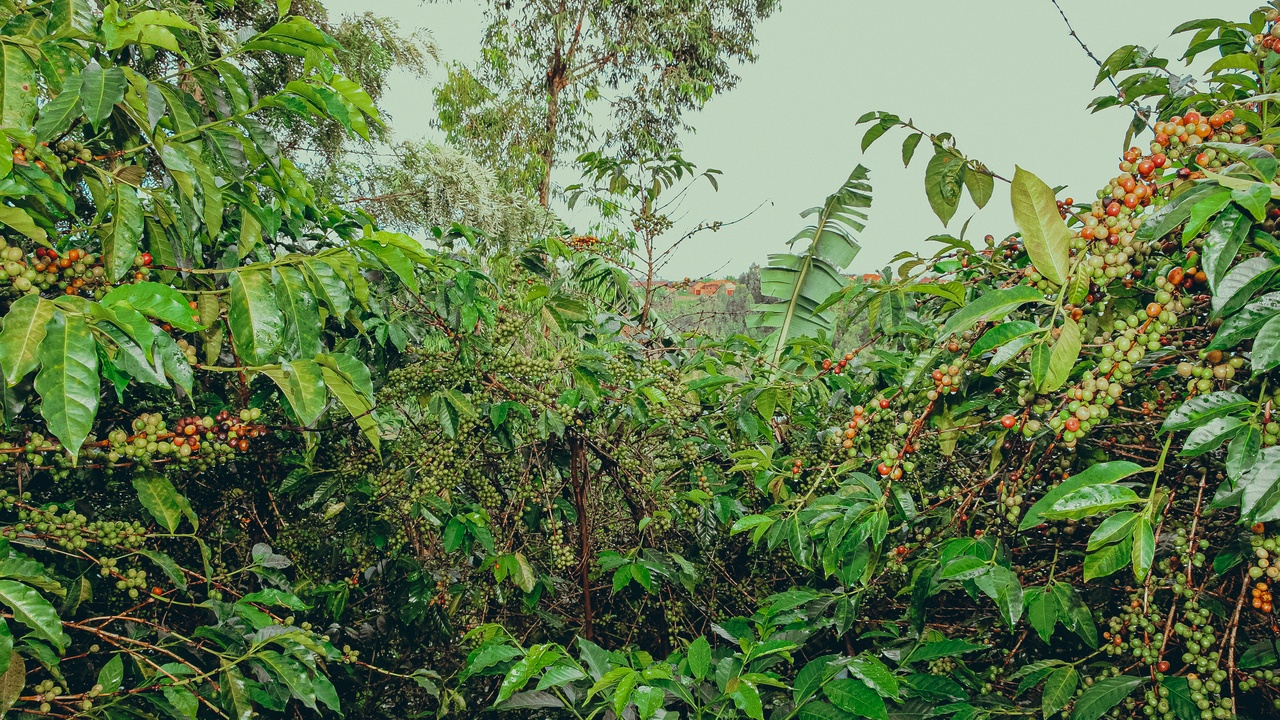
Agriculture and local commerce define livelihoods across Burundi, which makes practical living choices different from large urban economies. Lower everyday costs, resilient local food systems and a busy informal sector create options for families and small entrepreneurs.
1. Affordable cost of living and housing
Everyday living costs in Burundi are generally lower than in many East African capitals. Rent for a modest one-bedroom in Bujumbura can be a fraction of prices in Kigali or Nairobi, while open-air markets keep staple food costs relatively low.
Typical market items—cassava, beans and locally caught fish from Lake Tanganyika—are sold fresh and affordably in city markets. That pricing means households often have more disposable income for education, small investments or starting a trade.
For comparative context, consult regional price indices and World Bank purchasing-power data, which show living-cost spreads across capitals (World Bank data).
2. Agriculture-based employment and export crops
Agriculture remains the backbone of Burundi’s economy and the main source of work for a large share of households. A substantial portion of the workforce earns its living on smallholder plots or through seasonal farm labor, with coffee and tea among the most important export crops (FAO and national ministry reports).
Smallholder family farms are common, often organized into cooperatives that improve access to processing and export markets. Coffee cooperatives in Ngozi and Kayanza provinces, for example, help farmers secure better prices and reach buyers abroad.
The practical result is predictable: farm income and cooperative membership create steady seasonal cash flows and a clear path from plot-level production to regional markets.
3. Entrepreneurial and informal-economy opportunities
Low start-up costs for many trades make entrepreneurship accessible. Market vending, tailoring, repair services and moto-taxi operations are common first steps for people building household incomes.
Market stalls and transport hubs create steady demand. A moto-taxi operator, for instance, can earn daily cash without large capital outlay, while a market vendor might expand into a small shop during slow seasons.
Informal savings groups and neighborhood networks often support these microbusinesses, giving entrepreneurs a practical safety net and a way to scale slowly.
Nature, Climate and Lifestyle Advantages
Burundi’s setting—highland plateaus, fertile soils and a long lakeshore—shapes everyday life. Those physical features mean fresh food is nearby, the climate is often milder than lowland tropics, and outdoor activities are part of the rhythm of towns and villages.
4. Access to Lake Tanganyika and freshwater resources
Lake Tanganyika is one of the world’s largest and deepest freshwater lakes, and Burundi’s western shore supports fishing communities, lakeside markets and small transport links. Local fisheries supply protein to households and vendors in Bujumbura.
Fresh fish are a regular market item in lakeshore towns, and boat transport connects lakeside villages to regional trade points. The lake also supports small-scale tourism such as boat trips and beachside guesthouses.
For background on the lake’s ecological and economic role, see sources such as UNESCO and regional fisheries studies (UNESCO).
5. Pleasant highland climate and fertile soils
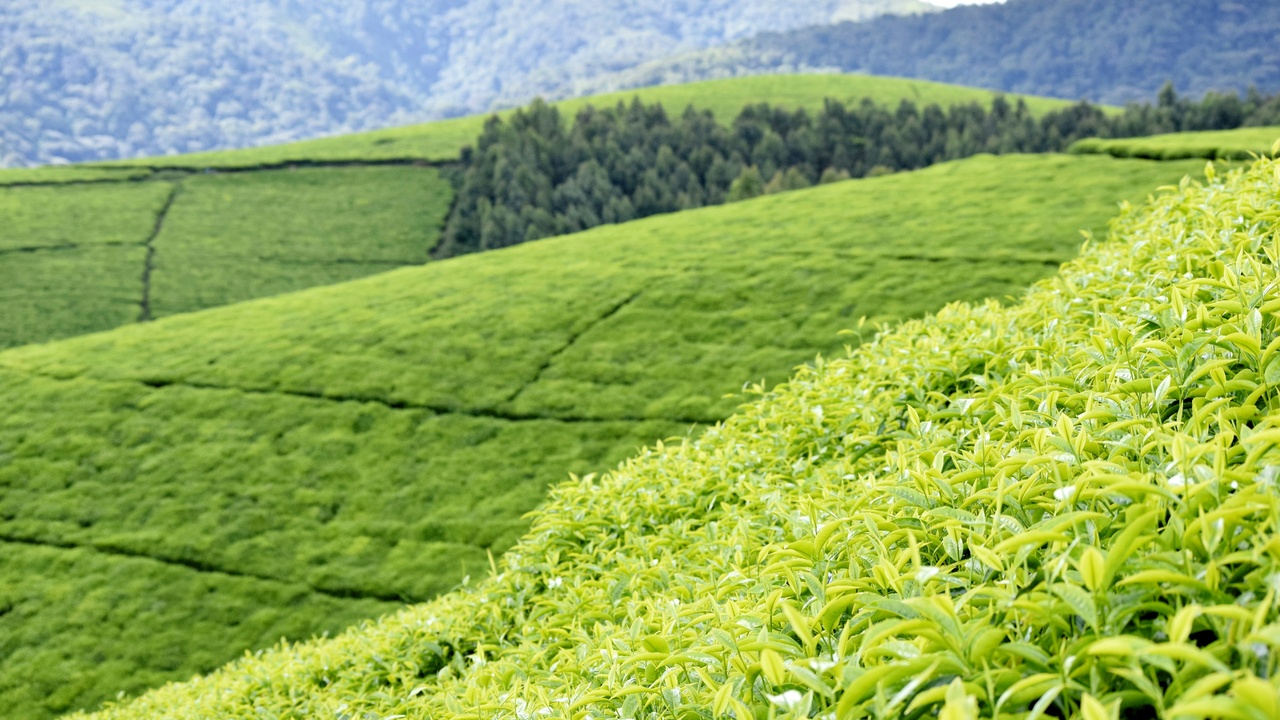
Many populated areas sit between roughly 1,200 and 1,800 meters above sea level, which moderates temperatures and reduces extreme heat. That elevation, combined with fertile soils, supports coffee and tea cultivation as well as productive household gardens.
Practical outcomes include year-round gardening for vegetables, lower cooling costs compared with lowland cities, and landscapes that favor terrace farming and tea estates on slopes.
6. Outdoor-oriented, food-centric daily life
Daily life centers on open-air markets, communal cooking and fresh, locally produced staples such as cassava, beans and bananas. That food culture reduces dependence on processed goods and keeps nutritious ingredients within reach.
Weekly market rhythms in provincial towns bring neighbors together, and lakeshore vendors commonly sell grilled fish near beaches, making communal eating and socializing part of normal routines.
Culture, Community and Quality of Life
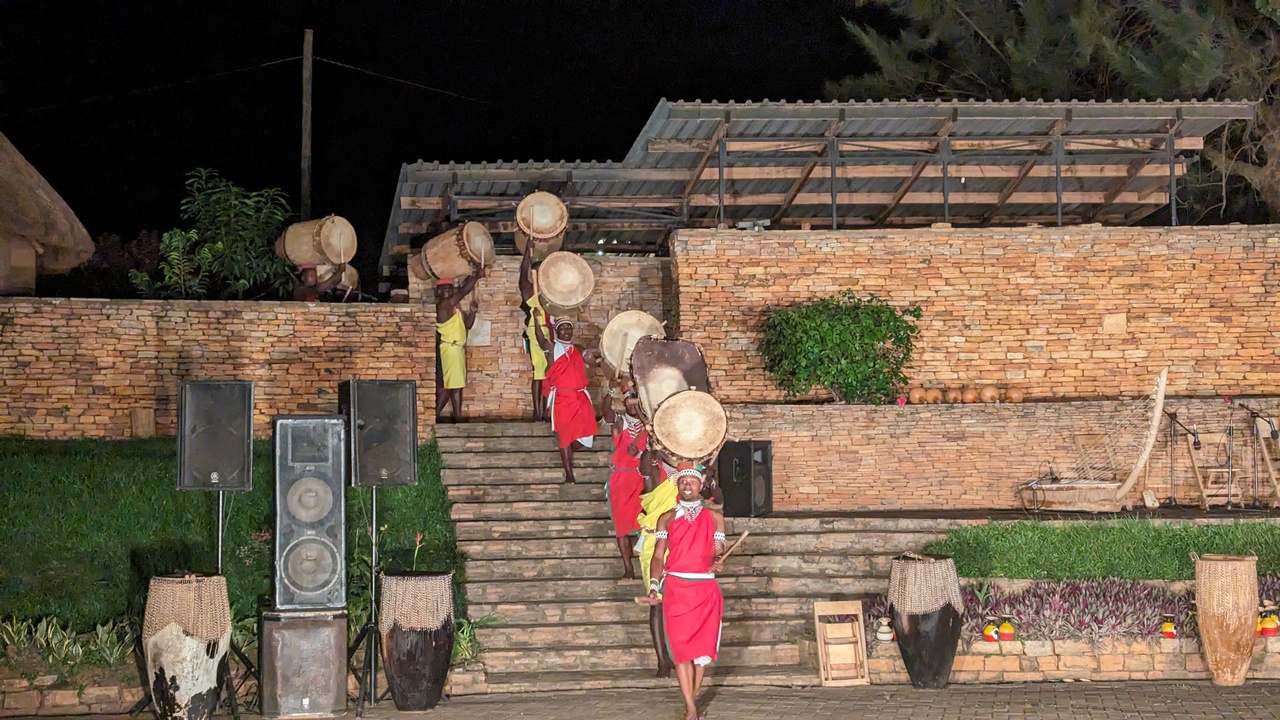
Social bonds and cultural traditions are central to daily life. Music, dance and strong family networks provide practical support as well as a sense of identity that many residents cite as a main reason they value local life.
7. Strong community ties and mutual support networks
Close-knit communities and extended-family networks function as informal safety nets. Neighbors commonly assist with planting, harvesting and construction, which lowers individual labor burdens and spreads costs.
Rotating savings groups, neighborhood credit arrangements and communal work traditions help families manage unexpected expenses and invest in small enterprises or schooling.
8. Rich cultural life: music, dance and language
Burundi’s drumming traditions are internationally known and local festivals bring communities together for performance and ceremony. Public arts and rituals foster pride and create occasions for trade and hospitality.
Kirundi acts as a unifying language across provinces, and many residents are multilingual (Kirundi, French, English and Swahili), which helps people participate in regional trade and education.
Practical Advantages and Growth Potential
Beyond local life, Burundi’s regional ties and natural assets create practical advantages: membership in the East African Community opens trade routes, and growing niche tourism offers extra income streams for residents.
9. Strategic regional location and trade links
Burundi joined the East African Community in 2007, which provides frameworks for trade and movement with neighbors such as Tanzania and Rwanda. That positioning helps traders access larger regional markets and goods.
Cross-border trade and transport corridors bring supplies and create opportunities for small exporters. Traders in Bujumbura and provincial towns regularly source or sell products across borders, despite infrastructure constraints.
10. Growing eco-tourism and affordable access to natural attractions
Burundi’s landscapes and cultural attractions are drawing more visitors, and small-scale tourism supports guesthouses, boat operators and local guides. Community-based initiatives often let residents earn seasonal income from visitors.
Affordable access to lakeside beaches, guided hikes in the highlands and cultural performances means residents can also enjoy nature-based recreation without long travel or high cost.
Summary
- Affordability and strong local food systems make everyday life practical and resilient.
- Close-knit community networks and cultural traditions provide social support and a shared sense of belonging.
- Natural assets—highlands with fertile soils and Lake Tanganyika—support livelihoods, fresh food and small-scale tourism.
- Regional links through the East African Community and active informal trade create practical opportunities for traders and entrepreneurs.
- For a clear sense of these benefits of living in burundi, a short visit to markets, coffee cooperatives or lakeside communities gives the most immediate insight.