
Egypt’s urban story stretches back more than 4,500 years, from Pharaonic cities and Ptolemaic courts to modern Cairo and Alexandria—anchored by monuments like the Pyramids of Giza (c. 2560 BCE). With a population of roughly 110 million people, the country’s layers of history are part of everyday life. Yet many outsiders focus on headlines and miss practical everyday advantages. If you’re weighing the benefits of living in Egypt, consider that cost, culture, climate, and connectivity matter whether you’re relocating, planning an extended stay, or researching expat destinations.
Despite myths and stereotypes, modern Egypt combines deep history, affordable everyday life, strategic geography, and lively cities—offering a surprising set of advantages for residents and newcomers alike. Below are ten specific positives grouped into three categories: Cultural & Historical Advantages, Economic & Practical Benefits, and Lifestyle, Climate & Connectivity Advantages.
Cultural & Historical Advantages

Living amid millennia of recorded history affects daily routines, schooling, and local economies. Egypt has seven UNESCO World Heritage Sites, and that heritage supports museums, festivals, tour services, and a strong sense of national identity. These cultural resources make civic life richer and create jobs tied to preservation and tourism.
1. Rich Ancient History and World-Class Monuments
Living in Egypt means daily proximity to some of the world’s most iconic archaeological sites. From the Pyramids of Giza (c. 2560 BCE) to Luxor’s temples and the Valley of the Kings, those places shape public life and education. The country’s seven UNESCO sites and major institutions like the Egyptian Museum in Cairo provide frequent exhibitions, school field trips, and conservation projects that employ local guides, restorers, and museum staff. Residents can take weekend trips to Luxor or Aswan, join community efforts around monument conservation, or work in tourism-related services that remain steady sources of local income.
2. Living Amidst a Vibrant Cultural Scene
Egypt’s cities are cultural hubs mixing contemporary arts, theater, music, and religious festivals with ancient traditions. The Cairo International Film Festival draws regional filmmakers, while independent venues like Townhouse Gallery in Downtown Cairo and galleries in Zamalek host experimental shows. Alexandria’s Bibliotheca Alexandrina runs regular talks and exhibitions. For expats and locals alike, cultural calendars are busy and affordable, offering chances to volunteer, teach, or collaborate with arts organizations.
3. Strong Sense of Community and Family Life
Family ties and neighborhood networks are central to Egyptian daily life. Multi-generational households remain common, and neighbors often share childcare, errands, and small-business patronage. That social fabric makes it easier for newcomers to integrate: expect frequent gatherings, local coffee shops (ahwas) where people meet, and family-run shops on many streets. Community celebrations during Ramadan and Eid, plus neighborhood traditions in places like Alexandria and Cairo districts, reinforce social support that helps people through economic ups and downs.
Economic & Practical Benefits
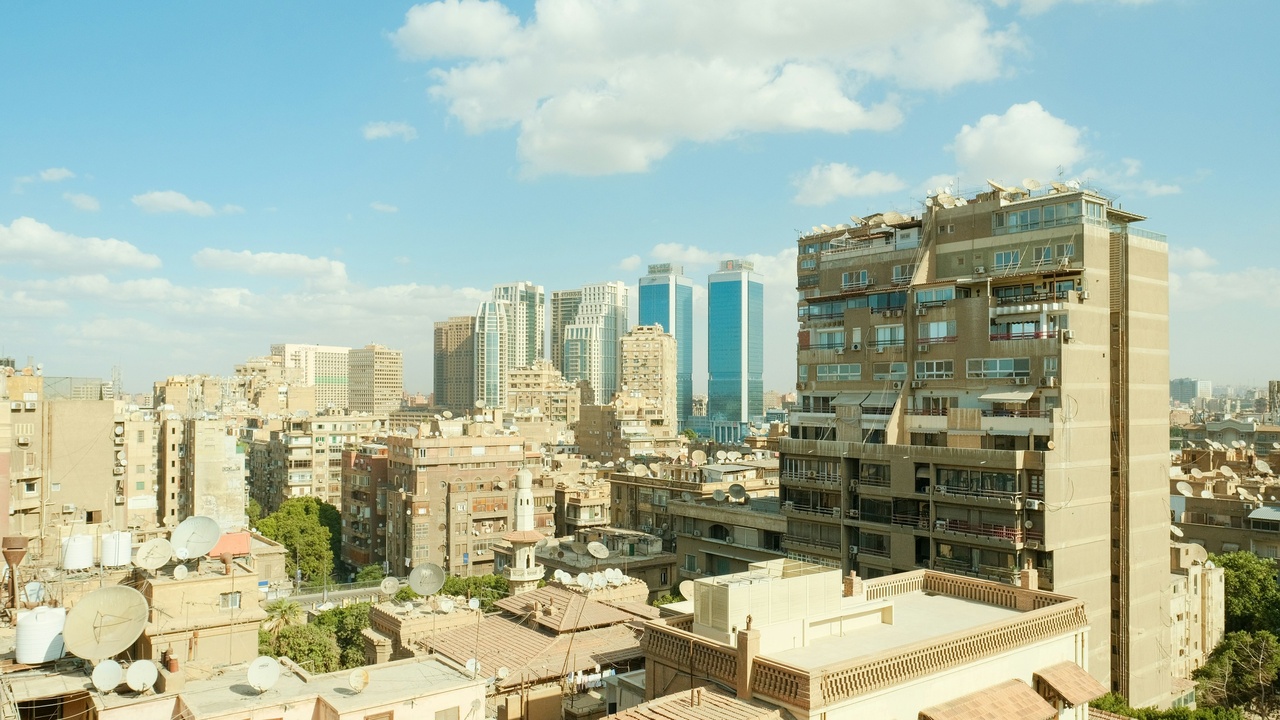
Practical factors—lower everyday costs, strategic geography, growing tourism, and improving services—make Egypt attractive to many residents. These features affect rent, commuting, job prospects, and the ability to save or invest locally. The next four items explain how those practical advantages play out in daily life.
4. Affordable Cost of Living Compared with Western Capitals
Day-to-day costs—rent, groceries, and local services—are often much lower than in Western Europe or North America. A one-bedroom apartment in central Cairo commonly rents for roughly $300–$600 per month in many neighborhoods, and street food like koshari or falafel (ta’amiya) is extremely inexpensive. Lower transport and domestic-help costs mean many residents can afford larger living spaces or frequent dining out on modest budgets. Comparative cost-of-living indexes consistently show higher purchasing power here versus major Western capitals, which translates into a comfortable lifestyle for many expats and locals.
5. Strategic Location at the Crossroads of Africa and the Middle East
Egypt’s geography—centered on the Suez Canal and close to Europe, Africa, and the Levant—offers clear trade and travel advantages. The Suez Canal shortens Europe–Asia routes by thousands of kilometers and handles tens of thousands of transits annually, underpinning logistics, port work, and related services in Alexandria and Port Said. Cairo International Airport connects the country to major hubs, and businesses benefit from frequent flights and established freight routes. For entrepreneurs, that means easier export-import activity and strong potential in logistics and trade services.
6. Growing Tourism and Job Opportunities
Tourism is a major employer and the sector’s recovery in recent years has translated into jobs across hospitality, guiding, conservation, and retail. Before the pandemic, arrivals reached about 13.6 million in 2019, and destination recovery has supported new boutique hotels, dive centers, and cultural tours. That growth creates opportunities for tour guides, small hoteliers, restaurant owners, and seasonal workers in resort towns like Sharm El-Sheikh, Hurghada, Luxor, and Aswan.
7. Access to Improving Healthcare and Education Services
Residents can choose from public services and a growing private sector of hospitals and schools. Several major private hospitals—such as As-Salam International Hospital and facilities in the Cleopatra Hospital Group—offer care that many expats and locals find cost-effective compared with Western prices. Higher-education options include the American University in Cairo and well-established public universities. International schools and private clinics in Cairo and Alexandria help expatriate families maintain continuity in education and healthcare while living here.
Lifestyle, Climate & Connectivity Advantages
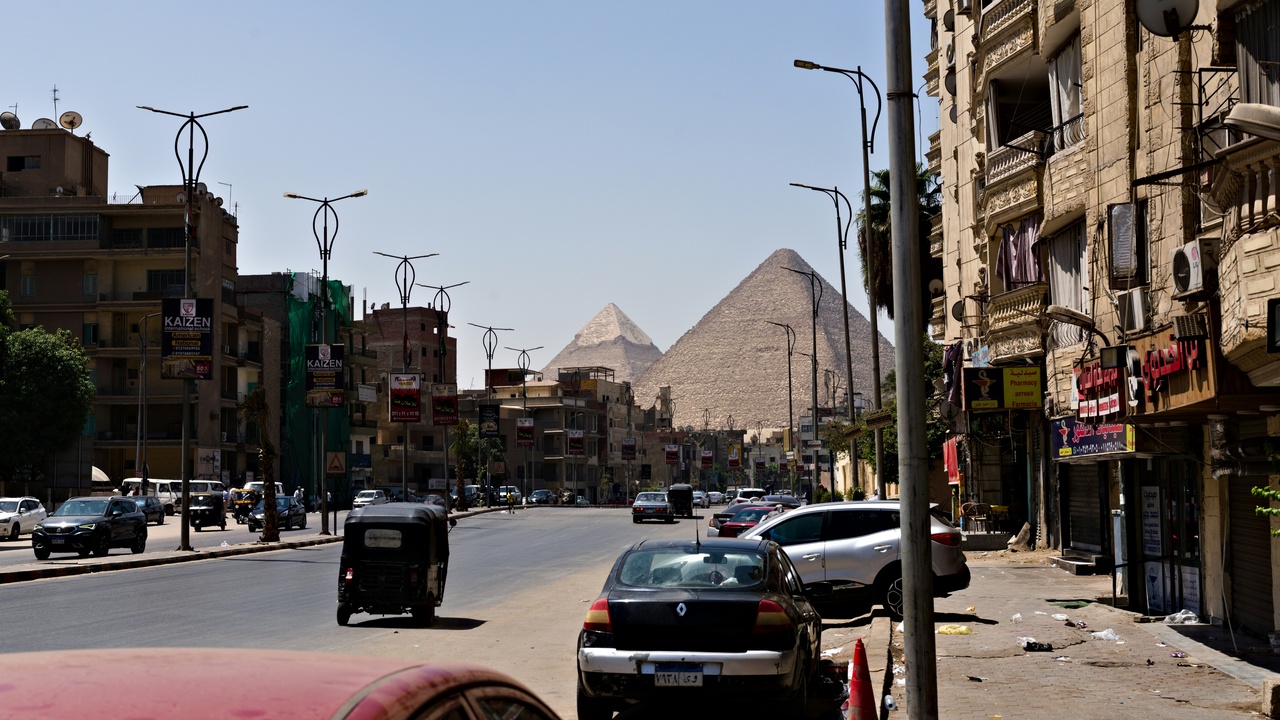
Climate, food culture, and transport shape how residents enjoy daily life and travel. Abundant sunshine, a rich street-food scene, and improving transport links support outdoor living, culinary exploration, and easy regional travel. The next three benefits highlight practical lifestyle perks and useful examples.
8. Sunny Climate and a Mediterranean-Inspired Lifestyle
Much of Egypt enjoys long stretches of sunshine, especially along the Nile Valley and the Red Sea coast, which supports outdoor cafes and lower heating needs in winter. Southern cities like Luxor and Aswan are among the sunniest inhabited places on Earth, while coastal towns have mild winters that encourage year-round outdoor activity. That climate makes weekend escapes to the Red Sea for diving or Nile-side promenades practical and affordable for urban residents.
9. Outstanding Cuisine and Everyday Food Culture
Egypt’s everyday food scene is inexpensive, varied, and deeply tied to local markets. Staples such as koshari, ful medames, and ta’amiya (falafel) are widely available, while Alexandria’s fish markets and coastal seafood stand out regionally. Dining out is affordable, fresh produce is easy to find at neighborhood souks, and meals are a social glue that helps newcomers meet neighbors and friends without a big expense.
10. Transport Connectivity and Travel Access
Egypt’s transport mix—international flights from Cairo, domestic air routes, sleeper trains, and improved highways—makes internal and regional travel practical. Cairo International Airport serves as the main hub, while EgyptAir and other carriers link to Europe, Africa, and the Gulf. Domestic flights to Sharm El-Sheikh, Hurghada, and Luxor are frequent, and overnight sleeper trains to Upper Egypt remain a convenient option for many travelers. For residents that means easy weekend trips, business travel across regions, and solid links for visiting family.
Summary
- Benefits of living in Egypt include deep historical resources alongside practical modern advantages like lower living costs and active tourism sectors.
- Everyday affordability—reasonably priced rent, street food, and services—gives many people stronger purchasing power than in Western capitals.
- Culture and community matter: museums, festivals, and tight neighborhood networks make social life rich and welcoming.
- Climate and connectivity support an outdoor lifestyle and frequent travel: sunshine, coastal escapes, domestic flights, and sleeper trains are all practical options.
Interested in learning more? Consider a short exploratory trip, contact local expat groups, and research housing costs in your target city to see how these advantages might fit your plans.