
Recall 1973, when Ireland joined the European Economic Community — a turning point that helped transform a largely rural economy into a globally connected, services-driven one.
For someone deciding where to live now, that history matters because it explains how a compact country of roughly 5.1 million people built strong links to trade, education, and global employers. The question many ask is simple: what makes life here attractive day to day?
Ireland combines vibrant communities, reliable public services, international job opportunities, and a distinctive cultural life — making it an appealing choice for a wide range of people. Below are ten concrete advantages, grouped into quality of life, economic/work, and health/education/public services.
Quality of Life & Community
1. Friendly communities and strong local networks
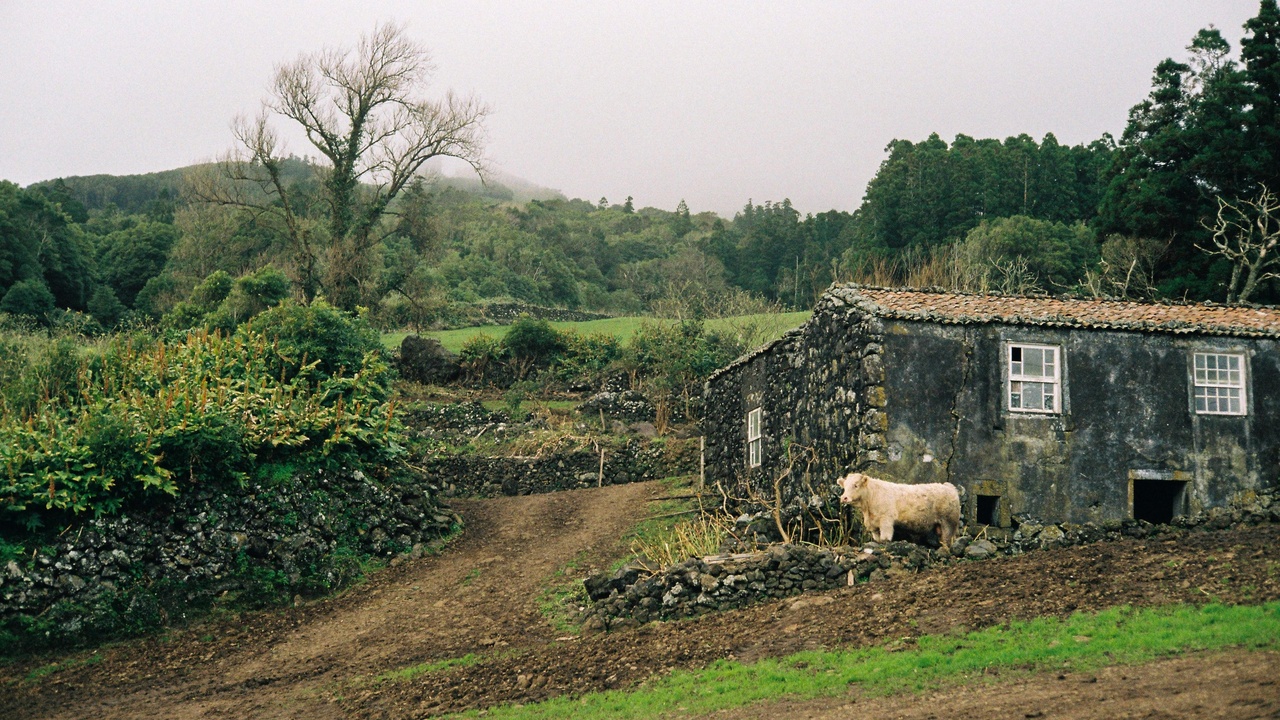
Irish towns and villages are known for close-knit communities and active local groups. The Gaelic Athletic Association (GAA) and other sports clubs act as social hubs across the country’s 26 counties, with parish halls, volunteer groups, and neighbourhood initiatives common in both towns and villages.
Newcomers often integrate quickly by joining a local GAA club (for example in Killarney or Kilkenny), attending language exchange meetups in Dublin, or volunteering at parish community centres. Practical benefits are immediate: playgroups for young children, informal childcare swaps among neighbours, and a reliable local network for settling-in questions.
2. Rich cultural life and year-round festivals
Ireland’s cultural calendar is lively and accessible: St. Patrick’s Day (March 17) parades, the annual Galway International Arts Festival, and regular trad music sessions are part of weekend life in many places. Cities and towns host theatres, galleries, and concerts year-round.
Institutions such as the Abbey Theatre and the National Concert Hall sit alongside grassroots events — think trad sessions in Doolin or readings at Trinity College Dublin — so residents can easily find live music, literature nights, and community festivals that bring neighbours together.
3. Manageable pace of life and work-life balance
Many parts of Ireland offer a comfortable balance between professional commitments and personal time. Outside Dublin’s busiest corridors, commute times tend to be shorter than those in global tech hubs, and hybrid working grew markedly after 2020, with many firms keeping flexible arrangements.
Shorter commutes free up weekends for coastal walks or hill hikes; commuter towns such as Bray or Lucan put countryside and sea within easy reach. Multinational offices in Dublin also commonly offer remote-friendly policies, so people can enjoy both career progress and outdoor life.
4. Safety, public order, and quality neighborhoods
Ireland generally enjoys a reputation for safe towns and cities, with many rural and suburban areas reporting lower violent-crime experiences than larger urban centres. That perception supports everyday confidence: children walking to school, evening socialising, and newcomers exploring neighbourhoods.
Family-friendly suburbs around Cork, commuter towns like Swords and Bray, and smaller places such as Westport are often cited for their community policing and quality of life. Public data and international indexes tend to place Ireland among the more peaceful European countries.
Economic and Work Opportunities
5. High concentration of multinational employers and tech roles
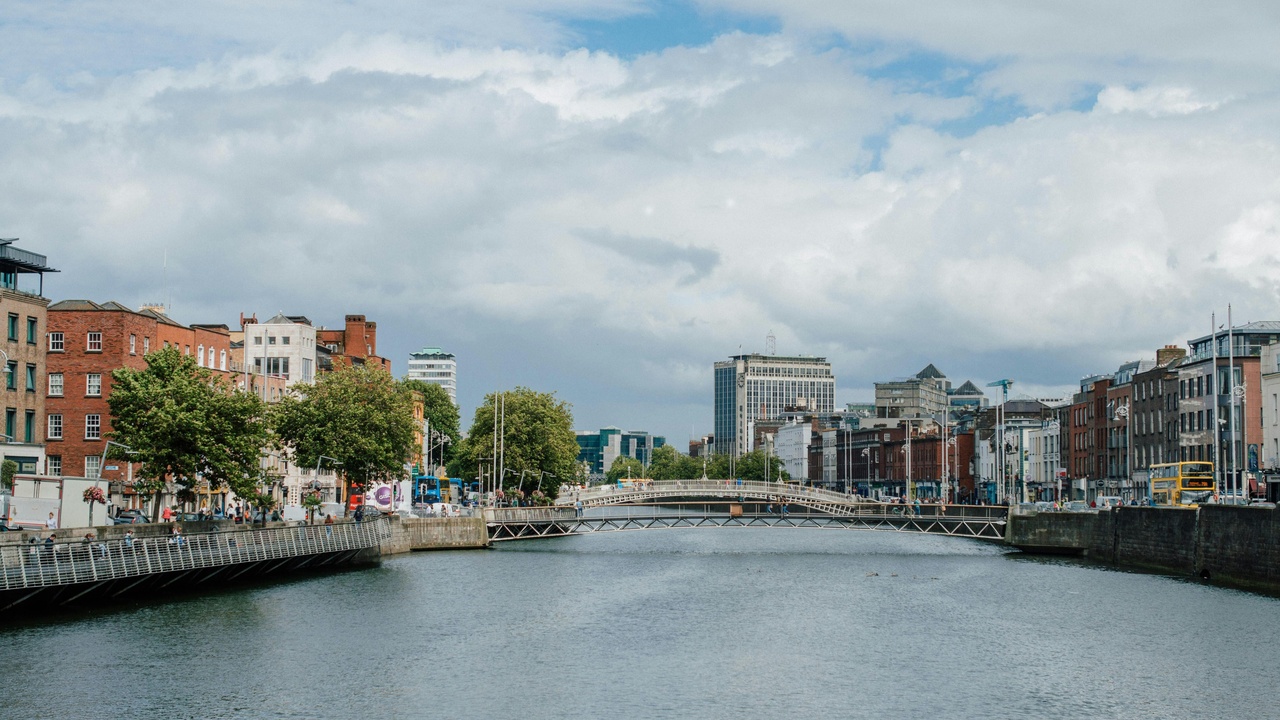
Ireland hosts a large number of multinationals across tech, pharma, and finance, so job-seekers find roles in engineering, sales, operations, and R&D. Companies such as Apple, Google, Microsoft, Meta, and Pfizer maintain substantial Irish operations, many centred around Dublin’s Silicon Docks and regional hubs.
Practical steps include networking at events in Dublin, attending recruitment fairs at Trinity College or UCD, and tapping university career services. The English-language environment and multiple international firms make cross-border career moves and upward mobility feasible for many professionals.
6. Business-friendly policies and favorable corporate tax (12.5%)
Ireland’s headline corporate tax rate of 12.5% has long attracted foreign investment and encouraged export-oriented business models. Combined with EU membership and pro-business regulation, the environment supports company formations, R&D incentives, and international trading operations.
For entrepreneurs and investors this means relatively straightforward company set-up processes, access to R&D tax credits, and presence in a market that multinational firms use for their European or global bases. Readers should consult qualified advisors for specific tax or legal planning.
7. Growing green-energy and startup ecosystems
Ireland is expanding renewable-energy projects and nurturing startups, creating new roles beyond traditional tech. Offshore wind and onshore projects are underway in several coastal counties, while incubators and accelerators in Dublin, Cork, and Galway support early-stage companies.
Support mechanisms such as Enterprise Ireland-backed programs and local accelerators help founders scale, and green-energy supply chains are creating engineering and services jobs in places like Mayo and Kerry. That diversity opens career paths outside established corporate centres.
Health, Education & Public Services
8. Access to public healthcare and community health services
Ireland’s public health system (HSE) provides a nationwide framework of GP networks, hospitals, and community clinics. Residents typically register with a local GP on arrival to access primary care, and major hospitals such as St. James’s Hospital in Dublin and Cork University Hospital deliver specialised services.
While waiting times and regional variation exist, practical benefits include routine vaccination programs, established maternity services, and community health initiatives. The country’s scale — roughly 5.1 million people by the 2022 census — means services are concentrated but reachable in urban and many regional areas.
9. Strong higher-education institutions and lifelong learning
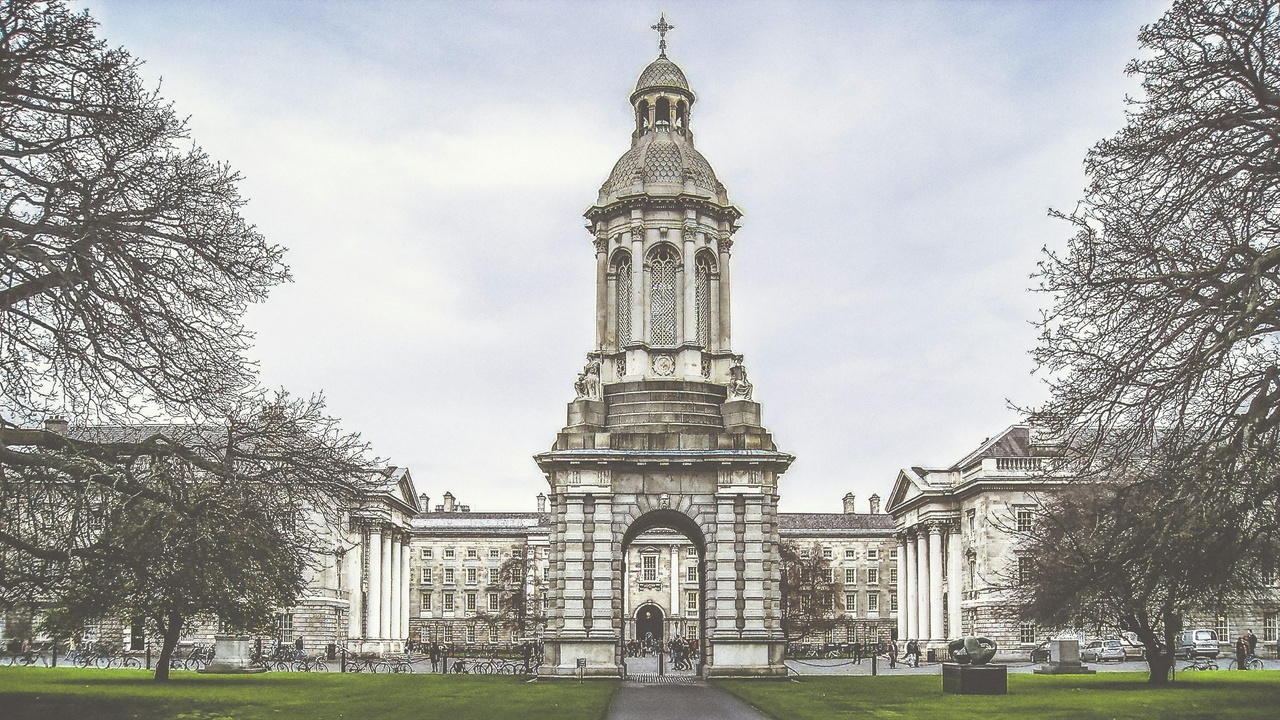
Leading universities such as Trinity College Dublin and University College Dublin anchor Ireland’s research and education system. They offer undergraduate, postgraduate, and continuing-education courses, and maintain industry partnerships that help graduates transition into roles at multinational and local firms.
Residents can access short professional courses, employer-sponsored upskilling programs, and community education at local technical institutes. Alumni networks and campus recruitment events regularly connect students and mid-career learners with employers across sectors.
10. Social supports, infrastructure, and connectivity
Public supports and improving infrastructure make daily life practical: commuter rail and light-rail expansions (DART and LUAS around Dublin), ongoing rural broadband initiatives, and social welfare programs such as child benefit schemes all play a role in reducing friction for families and newcomers.
These services help with settling in, reduce rural isolation, and improve access to jobs and education. Local council facilities, community centres, and stepped-up transport links also make it simpler to move between towns and cities for work or leisure.
Summary
- Vibrant communities, local clubs (GAA) and year-round festivals give everyday life a strong social rhythm.
- Significant multinational presence, a competitive 12.5% corporate tax environment, and growing green and startup sectors create diverse job and business opportunities.
- Public healthcare (HSE), reputable universities like Trinity College Dublin and UCD, and practical infrastructure projects support families and professionals.
- To explore further, visit a county town for a long weekend, contact a university careers office, or check HSE registration steps; the benefits of living in ireland often become clear in a short visit.