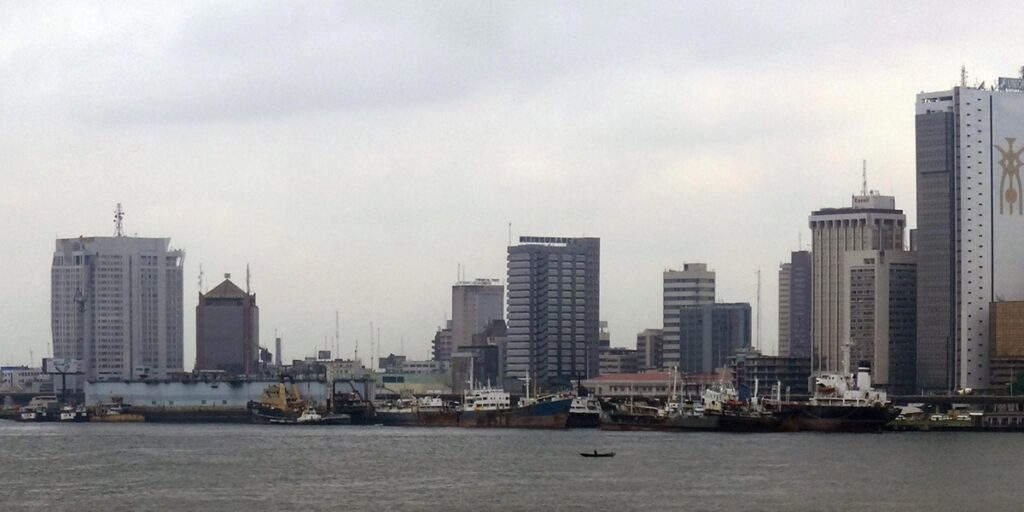
Nigeria is home to roughly 216 million people and is regularly cited as Africa’s most populous country and one of its largest economies — a dramatic backdrop for everyday life and long-term opportunity.
Many readers assume that living in Nigeria is mainly difficult: unpredictable services, security concerns, and bureaucratic hurdles. That’s a fair part of the picture, but it leaves out reasons people stay, move here, or invest. Nigeria combines economic dynamism, cultural richness, abundant natural resources, and a youthful population — ten practical reasons many people find living there rewarding.
Across cities like Lagos (metro roughly 14–15 million residents) and Abuja, everyday life is shaped by scale: markets full of customers, startups hiring, and festivals every month. The sections that follow group ten concrete advantages into four categories — economy, culture, resources, and quality of life — with numbers and examples to help you weigh the facts.
Economic and Business Opportunities
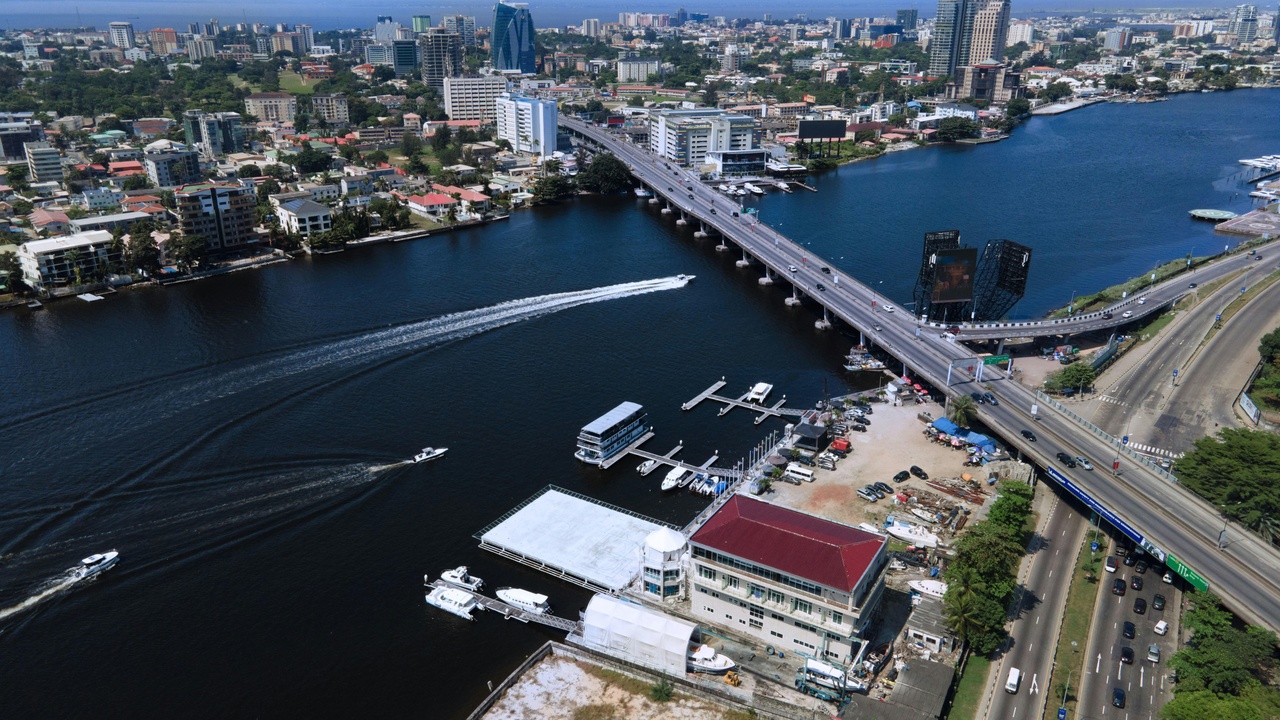
With a domestic population of about 216 million (see the World Bank) and a Lagos metro counted in the mid-teens of millions, Nigeria is a large internal market that attracts entrepreneurs and traders. Recent years have also seen notable startup exits and funding rounds that validate local opportunity: Paystack’s 2020 acquisition by Stripe and large raises by companies like Flutterwave and Andela have put Nigerian tech on global radars.
Beyond formal finance, a dense web of informal trade — from open-air markets to small logistics firms — makes it relatively straightforward to start a business serving local demand. Below are three practical advantages within the economy.
1. Thriving entrepreneurial ecosystem and small-business opportunities
Starting a small business is a realistic path to income and growth in Nigeria. Low-cost entry points — street retail, food stalls, online shops — meet large local demand, and mobile payments reduce friction for sales and collections.
SMEs and startups are active: Paystack’s acquisition by Stripe in 2020 and Flutterwave’s multi-stage fundraising highlight exits and investor interest. Training programs, accelerator hubs, and co-working spaces make it easier to scale a simple idea into a sustainable enterprise.
Practical takeaway: with modest capital, entrepreneurs can test products in dense neighborhoods, accept mobile payments, and grow through social marketing and local partnerships.
2. Job growth in tech, fintech, and creative industries
Tech and the creative economy are major sources of new jobs in Lagos, Abuja, and emerging hubs like Yaba. Startups have created demand for developers, designers, content producers, and gig workers.
Organizations such as Andela and hubs like Co-Creation Hub (CcHub) offer training and placement pathways. Aggregate venture activity and bootcamp graduations have expanded the pool of skilled workers, enabling everyday hires for product teams, media houses, and marketing firms.
In practical terms, students and career-switchers can access short courses and apprenticeships that lead to paid roles within months.
3. Strategic trade location and active informal economy
Nigeria’s geographic size and population make it a West African trade focal point. Ports in Lagos and the country’s road links support sizable import-export flows across the region.
The informal sector — market traders, transport operators, cross-border merchants — provides flexible income. Many households combine formal salaries with market stalls, ride-hailing, or small import businesses to smooth earnings.
Example: Balogun Market in Lagos and port logistics create demand for local distribution, packaging, and retail jobs that feed into larger supply chains.
Next, the cultural scene that energizes daily life and builds soft power.
Culture, Creativity, and Community

Nigeria’s cultural life — film, music, fashion, festivals — is both a daily joy and an economic engine. Nollywood has produced thousands of films historically, and Nigerian musicians like Burna Boy and Wizkid regularly top global charts and collaborate internationally.
These industries translate into local cinemas, film crews, concerts, and fashion houses, creating jobs and boosting tourism. Social networks and family ties also underpin community resilience.
4. World-class creative industries and cultural exports
The creative sector provides jobs, pride, and global visibility. Nollywood’s long-standing output (historically measured in the low thousands of productions annually) and Afrobeats’ international reach have created demand for producers, musicians, stylists, and event teams.
Local film festivals, live music nights, and street fashion markets mean there’s almost always a show, release, or pop-up happening. That activity supports allied businesses — catering, lighting, PR, and retail — across cities and towns.
5. Strong community ties and resilient social networks
Family and neighborhood networks provide practical support: job leads, shared childcare, and pooled resources. Rotating savings groups (ajo/esusu) and church or mosque committees act as informal insurance for many households.
The Nigerian diaspora also sends remittances and professional links that help households invest in businesses, education, and housing back home.
That social fabric makes everyday life more manageable — and often more sociable — than outsiders expect.
Natural Resources, Agriculture, and Environment
Nigeria’s natural endowments — oil and gas, fertile farmland, and a long coastline — translate into jobs, export revenue, and varied living environments. Historically, oil production has ranged around 1–2 million barrels per day; verify current figures with sources like OPEC or the national regulator.
Agriculture remains a major livelihood, and the country is known as one of the world’s largest producers of yams and a major cultivator of cassava and cocoa. These resources support food availability and rural incomes.
6. Energy and natural resources drive employment and exports
Oil, gas, and minerals continue to underpin export earnings and create jobs in extraction, logistics, and services. Production clusters in the Niger Delta and offshore operations support local vendors, transport firms, and service contractors.
Public revenues from these sectors fund infrastructure and public programs, even as governance and regulation evolve. Residents in oil-producing states often find employment tied to supply chains and maintenance services.
7. Agricultural abundance and varied landscapes for lifestyle choices
Broad agricultural production keeps many staple foods accessible and supports rural livelihoods. Nigeria’s climatic diversity — from Sahelian north to southern rainforest and Atlantic beaches — offers distinct living options.
For city residents, weekend escapes to coastal beaches or nearby farms are common, and farm-to-market supply chains create business for transporters, traders, and processors.
Practical example: yam-growing regions in the middle belt supply major urban markets and sustain seasonal harvest incomes.
Quality of Life, Services, and Future Potential

Daily-life advantages include affordable options in many cities, expanding private healthcare and education services, transport improvements, and a very young population. The median age is roughly 18–19 years according to UN and World Bank estimates, which shapes demand and labor supply.
Major airports — like Murtala Muhammed in Lagos and Nnamdi Azikiwe in Abuja — plus urban transit projects are gradually improving connectivity. Below are three practical benefits tied to quality of life and future potential.
8. Affordable cost of living and varied urban options
For many locals and expatriates, housing, food, and services can be less expensive than in comparable Western metros, especially outside premium neighborhoods. Lagos and Abuja offer tiers from high-end gated communities to more affordable mainland districts.
Choosing neighborhoods (Victoria Island versus Lekki versus mainland areas) and budgeting around utilities and transport can stretch incomes further and support small-business investment.
9. A young, dynamic population and demographic advantage
Nigeria’s large youth cohort fuels consumption, digital adoption, and innovation. A low median age supports fast-growing markets for education, mobile services, entertainment, and entry-level labor across sectors.
Youth-led startups, coding bootcamps, and creative movements in cities like Lagos are visible signs: new products, apps, and cultural brands emerge rapidly and attract attention across Africa and beyond.
10. Improving healthcare, education, and transport infrastructure
While gaps remain, private clinics, specialist hospitals, and new university programs have expanded choices. Historic institutions such as the University of Ibadan (est. 1948) sit alongside newer private universities and vocational schools.
Transport projects — BRT lanes in Lagos, airport modernization programs, and private logistics investments — are enhancing reliability for commuters and businesses. That translates to better access to specialists, more training options, and smoother travel for many residents.
Summary
- Massive domestic market (≈216 million people) and city clusters like Lagos (~14–15 million metro) create scale-driven opportunities.
- Startup wins (Paystack, Flutterwave) and growing tech and creative sectors offer tangible career and investment paths.
- Natural resources (oil ~1–2 million bpd historically), leading agricultural output (notably yams and cassava), and diverse landscapes support jobs and lifestyle choices.
- Strong social networks, energetic cultural exports, and a youthful population (median age ~18–19) underpin resilience and future growth.
- Consider these benefits of living in nigeria when assessing relocation, business expansion, or cultural engagement — small, practical steps (neighborhood choice, skills training, market testing) can unlock local opportunities.