Dominica’s communities blend Indigenous, African and European influences, and that mix shows up in the languages people use every day — from church services and market stalls to government offices and schools. Visitors and residents will hear different tongues depending on setting, age and region, so a quick guide helps make sense of who speaks what where.
There are 6 Languages Spoken in Dominica, ranging from American Sign Language (ASL) to Spanish, and for each the information is organized with Status,Speaker share (%),Main uses/where — all of which you’ll find below.
Which language is used for official business and schooling in Dominica?
English is the official language and is used for government, formal education and most official documents, but Dominican Creole French (Kwéyòl) is widely spoken in homes and community settings; the balance between them depends on context, age and location, so both matter for different purposes.
Is American Sign Language commonly available for deaf residents and visitors?
American Sign Language (ASL) is used by Dominica’s deaf community and by some service providers, but interpreter availability can be limited outside major centers; contacting local disability organizations or larger institutions ahead of time is the best way to secure support.
Languages Spoken in Dominica
| Language | Status | Speaker share (%) | Main uses/where |
|---|---|---|---|
| English | Official | 95–100% | Government, education, media, urban areas, official documents |
| Kwéyòl (Dominican Creole) | National | 70% | Home, markets, radio, festivals, rural and Carib communities |
| Haitian Creole | Immigrant | 4% | Haitian immigrant communities, seasonal workers, urban neighborhoods |
| Spanish | Immigrant | 2% | Venezuelan and other immigrant communities, trade, select media |
| Kalinago (Carib) | Regional (indigenous) | Under 1% | Carib Territory cultural events, revival programs, ceremonial use |
| American Sign Language (ASL) | Regional | Under 1% | Deaf community, specialized education, advocacy groups in urban areas |
Images and Descriptions
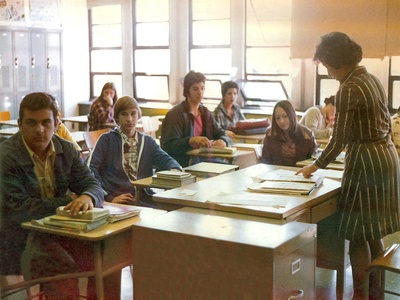
English
English is Dominica’s official language, used in government, schools, courts and formal media. Most residents speak it fluently as a second language; many use Creole at home. English dominates public life and formal communication across the island.
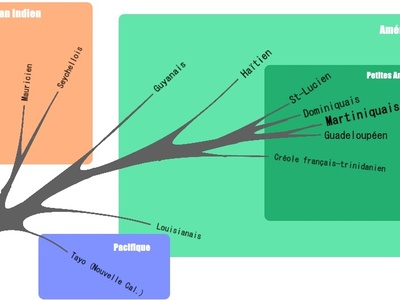
Kwéyòl (Dominican Creole)
Kwéyòl is a French-based Creole widely spoken across Dominica, especially in rural areas and everyday life. It’s used at home, in markets and cultural events; strong identity marker with revitalization efforts, Creole radio and school programs.
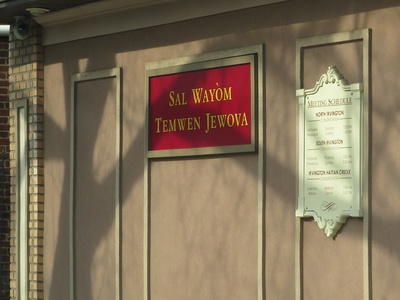
Haitian Creole
Haitian Creole is spoken by Haitian migrants and some seasonal laborers in Dominica. Communities use it within households, workplaces and markets; it has grown with recent migration but remains a minority language with limited institutional support.

Spanish
Spanish appears among migrants from Venezuela and other Latin American countries and a few residents. It’s used in immigrant neighborhoods, some businesses and by bilingual individuals; public services in Spanish are limited.
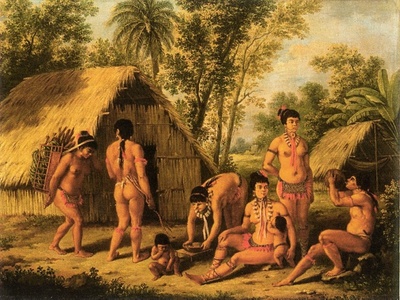
Kalinago (Carib)
Kalinago (Island Carib) is the indigenous language of Dominica’s Kalinago people. Only a handful of fluent speakers remain; most knowledge is ceremonial or revived through cultural programs in the Carib Territory. It’s endangered but central to identity.
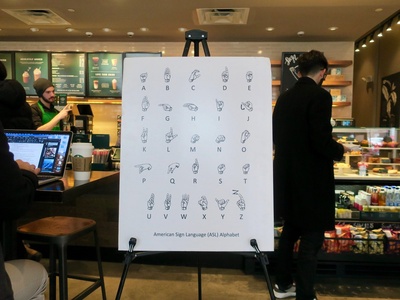
American Sign Language (ASL)
American Sign Language is used by Dominica’s small Deaf community and in some educational or community programs. Usage is limited but growing through advocacy; local signing practices may mix ASL with regional signs.