Guyana sits on the northern edge of South America where Amazonian forests meet Caribbean coastlines, and its population reflects that geographic crossroads. The country’s speech landscape blends English (the official language), a lively Creole, indigenous tongues, and immigrant languages shaped by centuries of contact.
There are 21 Languages Spoken in Guyana, ranging from Akawaio to Warao. For each entry you’ll find below the columns Status, Estimated speakers, Regions so you can quickly see how widely each language is used and where. Scroll down and you’ll find below the full list and details.
What are the official and most commonly used languages in Guyana?
English is the official language used in government and education, while Guyanese Creole is the everyday vernacular for many people. Indigenous languages (like those listed) remain important regionally, and immigrant languages appear in communities, so everyday communication can vary by town and background.
How reliable are the speaker numbers and what does “Status” mean?
Speaker estimates come from censuses and linguistic surveys and can be rough—especially for small or remote communities. “Status” indicates vitality (widely spoken, endangered, or nearly dormant), and the Regions column shows the main areas where each language is still used.
Languages Spoken in Guyana
| Language | Status | Estimated speakers | Regions |
|---|---|---|---|
| English | Official | 790,000 | Nationwide, urban and rural |
| Guyanese Creole | National vernacular | 650,000 | Nationwide, urban centers, coastal areas |
| Arawak (Lokono) | Indigenous | 8,000 | Coastal areas, Essequibo River, Barima-Moraica |
| Macushi | Indigenous | 20,000 | Upper Takutu-Upper Essequibo, North Rupununi |
| Wapishana | Indigenous | 14,000 | South Rupununi, Upper Takutu, border areas |
| Akawaio | Indigenous | 6,000 | Pakaraima Mountains, Rupununi foothills |
| Patamona | Indigenous | 2,500 | Pakaraima Mountains, Kamarang region |
| Waiwai | Indigenous | 1,500 | Upper Takutu, deep Rupununi interior |
| Warao | Indigenous | 3,000 | Coastal northeast, riverine border zones |
| Kari’nja (Carib / Kalina) | Indigenous | 2,500 | Barima-Waini, northwest riverine villages |
| Guyanese Hindustani (Bhojpuri-derived) | Heritage / immigrant | 120,000 | Coastal areas, Indo-Guyanese communities |
| Hindi (Modern Standard / Religious) | Heritage / religious | 20,000 | Urban centers, temples, cultural schools |
| Urdu | Heritage / religious | 5,000 | Muslim communities, Georgetown and coast |
| Portuguese | Immigrant / heritage | 10,000 | Border regions, Georgetown, Brazilian migrant communities |
| Spanish | Immigrant / regional | 60,000 | Border areas, Georgetown, Venezuelan migrant communities |
| Cantonese | Immigrant / heritage | 3,000 | Georgetown, Chinese-Guyanese communities |
| Mandarin | Immigrant / business | 3,000 | Georgetown, new migrant communities |
| Sranan Tongo | Immigrant / regional | 8,000 | Border communities, trade hubs near Suriname |
| Dutch | Immigrant / regional | 2,000 | Border towns, diplomatic and trade contexts |
| Guyanese Sign Language (GSL / ASL-influenced) | National / community | 1,500 | Georgetown, regional schools and deaf community |
| Jamaican Creole | Immigrant / migrant | 1,000 | Urban centers, migrant neighborhoods |
Images and Descriptions

English
Guyana’s official language used in government, education and media. Standard English is the written and formal lingua franca; most Guyanese also use it alongside Creole in schools, courts and official life while everyday speech is often a creole.
Guyanese Creole
An English-based creole spoken as the everyday vernacular by most Guyanese. It mixes English vocabulary with African, Amerindian, and South Asian influences and is the dominant spoken form in homes, markets and informal settings.
Arawak (Lokono)
Lokono (Arawak) is spoken by Arawak communities along the coast and rivers. It belongs to the Arawakan family and remains used in cultural ceremonies, local identity and intergenerational transmission, though numbers have declined.
Macushi
Macushi is a major Carib-related Amerindian language in southern Guyana. Widely spoken in the Rupununi savannah and border regions with Brazil, it remains vital in villages, schools and cultural life among the Macushi people.
Wapishana
Wapishana serves communities in southern Guyana and northern Brazil. It is used in village life, local governance and cultural events; many speakers are bilingual in Portuguese or English depending on proximity to borders.
Akawaio
Akawaio (a Cariban language often grouped with Patamona/Kapon) is spoken in highland interior villages. It sustains traditional knowledge and rituals; many speakers are multilingual with English or Guyanese Creole for broader contact.
Patamona
Patamona is a smaller Cariban language of the Pakaraima Highlands. It remains central to community life in isolated villages, used in storytelling and ceremonies, though younger generations often also use English and Creole.
Waiwai
Waiwai is spoken by a small inland Amerindian group in remote southern Guyana. The language continues in daily use within villages, preserving unique cultural practices and ecological knowledge tied to the rainforest.
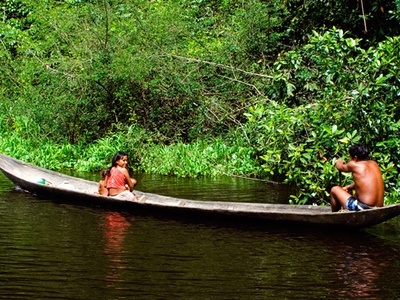
Warao
Warao speakers in Guyana live mainly in riverine and coastal border communities near the Orinoco delta. The language links communities across Venezuela and Guyana and remains important for cultural and subsistence life.
Kari’nja (Carib / Kalina)
Kari’nja (Kalina/Carib) is spoken by Indigenous communities along Guyana’s northern rivers and coastal fringes. It preserves Cariban heritage, oral traditions and local place names, with bilingualism in English or Creole common.
Guyanese Hindustani (Bhojpuri-derived)
A Bhojpuri-Awadhi-derived heritage language used among Indo-Guyanese for songs, ritual speech and older generations. Fluency has declined; many have passive understanding while English and Creole dominate daily life.
Hindi (Modern Standard / Religious)
Modern Standard Hindi is taught in cultural and religious contexts and used in Hindu rituals, dramas and media. It supplements Guyanese Hindustani for liturgy and language revival efforts among Indo-Guyanese.

Urdu
Urdu is used primarily in religious contexts, madrasas and among some Muslim families for liturgy and cultural identity. It is not a dominant everyday language but important for ritual and Islamic education.
Portuguese
Portuguese speakers include older Portuguese-Guyanese families (Madeiran origins) and recent Brazilian migrants in southern regions. Portuguese is heard in markets and border towns and serves commerce and community ties.
Spanish
Spanish use has grown due to Venezuelan migration and proximity to Spanish-speaking neighbors. Spoken by migrants, traders and some border communities, Spanish is increasingly heard in urban neighborhoods and southern towns.
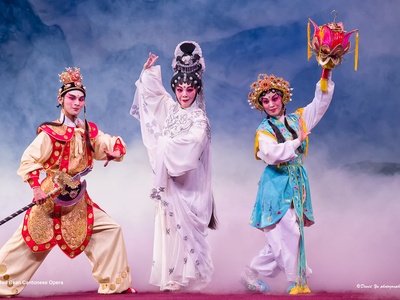
Cantonese
Cantonese is a historical Chinese-Guyanese language used by older generations and in Chinese community businesses. Recent shifts toward Mandarin exist, but Cantonese remains part of cultural life and family communication for many.
Mandarin
Mandarin has grown with recent Chinese immigration and business ties. It appears in commerce, shops and community groups, alongside older Cantonese traditions within the Chinese-Guyanese population.
Sranan Tongo
Sranan Tongo is spoken by Surinamese migrants and cross-border communities. As a Surinamese lingua franca, it appears in trade, family networks and areas with close Suriname ties along rivers and the western border.
Dutch
Dutch is used by a small number of expatriates, Surinamese migrants and in official cross-border commerce. It is not widespread but present near Suriname and in business, legal or cross-border dealings.
Guyanese Sign Language (GSL / ASL-influenced)
Used by the deaf community in Guyana, local sign varieties have been influenced by American Sign Language through education and NGOs. It functions in schools, social networks and advocacy for accessibility and rights.
Jamaican Creole
Jamaican Creole appears within small Jamaican and wider Caribbean migrant communities in Guyana. It is mainly an immigrant language used in social networks, cultural exchange and among seasonal or long-term migrants.