Mexico’s linguistic landscape reflects centuries of migration, trade and indigenous resilience — from coastal ports to highland villages the country supports a wide mix of tongues used in daily life, ceremonies and media. Understanding that variety helps when planning travel, research or language support programs.
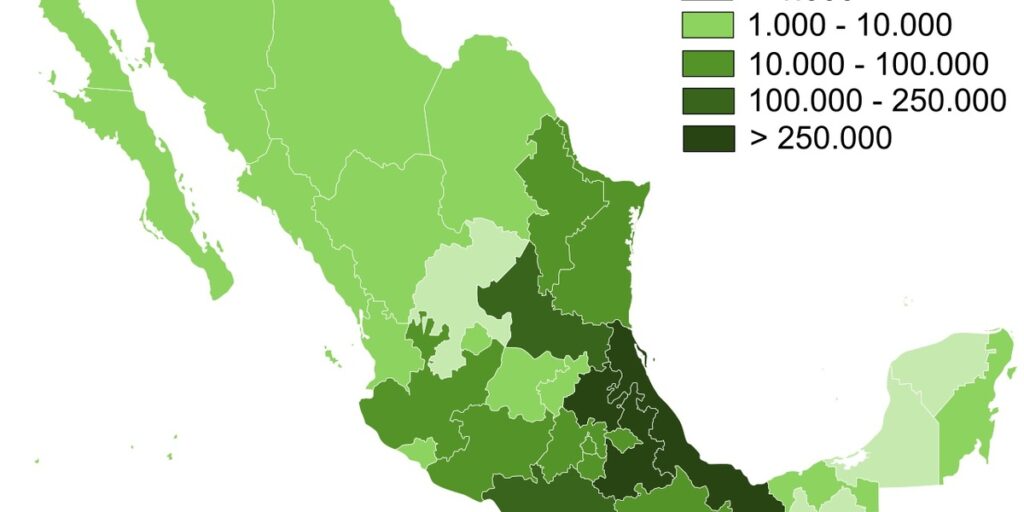
There are 27 Languages Spoken in Mexico, ranging from Chinese (various varieties) to Zapotec; the list includes each entry’s Speakers,Family (vitality),Primary states so you can compare speaker counts, language family and vitality at a glance, and you’ll find below the full list and quick notes.
Which languages besides Spanish have the largest speaker populations in Mexico?
Beyond Spanish, languages with the biggest speaker bases typically include Nahuatl and several Mayan varieties (for example Yucatec Maya), followed by Mixtec and Zapotec branches; exact ranks change with new census data, so check the Speakers column below for up-to-date counts.
What does the “Family (vitality)” column mean in the table?
“Family” shows the linguistic grouping (e.g., Uto‑Aztecan, Oto‑Manguean), while “vitality” indicates how robust a language is—whether it’s actively learned by children or endangered—based on speaker trends and transmission studies.
Languages Spoken in Mexico
| Language | Speakers | Family (vitality) | Primary states |
|---|---|---|---|
| Mexican Spanish | 116,000,000 | Indo-European (Romance); vigorous | Mexico City, Estado de México, Jalisco, Veracruz, Puebla |
| Nahuatl | 1,495,000 | Uto-Aztecan; vulnerable | Puebla, Veracruz, Hidalgo, Estado de México, Guerrero |
| Yucatec Maya | 800,000 | Mayan; vigorous | Yucatán, Campeche, Quintana Roo |
| Mixtec | 500,000 | Oto-Manguean (Mixtecan); vulnerable | Oaxaca, Guerrero, Puebla, Estado de México, Morelos |
| Zapotec | 400,000 | Oto-Manguean (Zapotecan); vulnerable | Oaxaca, Puebla, Veracruz, Mexico City |
| Tzeltal | 450,000 | Mayan; vulnerable | Chiapas, Oaxaca |
| Tzotzil | 350,000 | Mayan; vulnerable | Chiapas |
| Otomi | 300,000 | Oto-Manguean; vulnerable | Hidalgo, Estado de México, Querétaro, Puebla, Veracruz |
| Mazahua | 120,000 | Oto-Manguean; vulnerable | Estado de México, Michoacán, Hidalgo |
| Purépecha | 140,000 | Language isolate; vulnerable | Michoacán, Guerrero, Jalisco |
| Mixe | 126,000 | Mixe–Zoque; vulnerable | Oaxaca, Veracruz |
| Totonac | 250,000 | Totonacan; vulnerable | Veracruz, Puebla, Hidalgo, Veracruz, Oaxaca |
| Mazatec | 200,000 | Oto-Manguean; vulnerable | Oaxaca, Puebla, Veracruz |
| Chol | 180,000 | Mayan; vulnerable | Chiapas, Campeche, Tabasco |
| Rarámuri (Tarahumara) | 70,000 | Uto-Aztecan; vulnerable | Chihuahua, Durango |
| Huichol (Wixárika) | 50,000 | Uto-Aztecan; vulnerable | Nayarit, Jalisco, Durango, Zacatecas |
| Yaqui (Yoeme) | 25,000 | Uto-Aztecan; vulnerable | Sonora, Sinaloa, Chihuahua |
| Mayo (Yoreme) | 40,000 | Uto-Aztecan; vulnerable | Sonora, Sinaloa |
| Huastec (Tenek) | 60,000 | Mayan (Huastecan); vulnerable | San Luis Potosí, Veracruz, Tamaulipas, Hidalgo |
| Kickapoo | 1,500 | Algonquian; endangered | Coahuila, Nayarit, Durango |
| Plautdietsch (Mennonite Low German) | 100,000 | West Germanic (Low German); vigorous (community) | Chihuahua, Durango, Campeche |
| English | 400,000 | Indo-European (Germanic); vulnerable (heritage/immigrant) | Mexico City, Quintana Roo, Baja California, Nuevo León |
| Chinese (various varieties) | 60,000 | Sino-Tibetan; vulnerable | Mexico City, Baja California, Sinaloa, Chiapas |
| Japanese | 15,000 | Japonic; vulnerable | Mexico City, Veracruz, Quintana Roo |
| French | 70,000 | Indo-European (Romance); vulnerable | Mexico City, Veracruz, Puebla, Nuevo León |
| Haitian Creole | 25,000 | Indo-European (Creole – French-based); vulnerable | Mexico City, Chiapas, Quintana Roo |
| Tagalog (Filipino) | 20,000 | Austronesian (Philippine); vulnerable | Mexico City, Quintana Roo, Baja California |
Images and Descriptions

Mexican Spanish
The dominant national variety of Spanish introduced in the colonial era and spoken by the vast majority of residents; de facto national language with regional accents. Vitality is vigorous and it shapes public life, media and education across Mexico.
Nahuatl
An indigenous language family centered in central Mexico with roots in the Aztec empire; officially recognized and widely taught locally. Notable for many loanwords in Mexican Spanish (e.g., “chocolate”); vitality varies but remains culturally important.
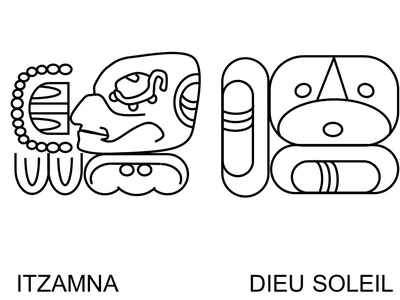
Yucatec Maya
A Mayan language of the Yucatán Peninsula with pre-Columbian roots and official regional recognition. Strong community transmission, active media and bilingual education make it one of Mexico’s more vigorous indigenous languages today.
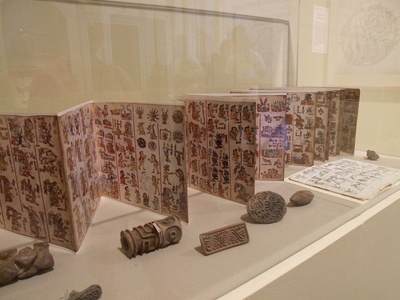
Mixtec
A complex cluster of related Mixtecan varieties centered in Oaxaca and neighboring states; recognized by INALI. Notable for rich oral traditions and many mutually distinct varieties; intergenerational transmission is uneven across communities.
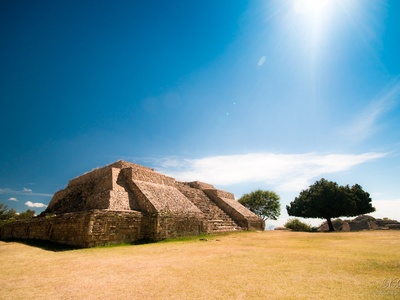
Zapotec
A family of closely related languages indigenous to Oaxaca with deep historical roots. Recognized and taught in some areas; notable for complex verbal morphology. Several varieties are at risk while others retain strong local use.
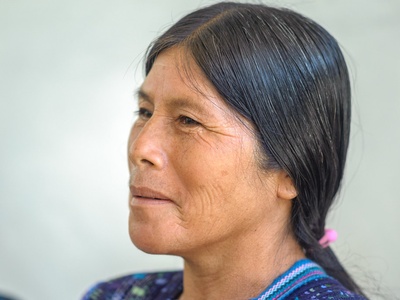
Tzeltal
A Mayan language primarily spoken in highland Chiapas, recognized locally and used in community life. Known for rich morphology and oral literature; vitality is moderate with some healthy communities and others facing decline.
Tzotzil
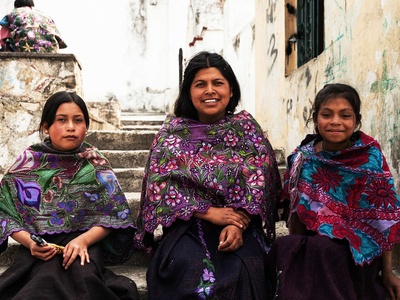
A Maya language spoken around San Cristóbal de las Casas and highland Chiapas towns. Recognized by INALI and central to local identity; many speakers remain bilingual in Spanish, and transmission is stronger in rural villages.
Otomi
Otomi (Hñähñu) is a group of related varieties recognized in central Mexico. Notable for distinctive phonology and numerous dialects; vitality ranges from vigorous in some communities to endangered in others.
Mazahua
An indigenous language of the central highlands recognized regionally; notable for traditional textile and cultural practices tied to language identity. Transmission is uneven and urban migration has impacted vitality.
Purépecha
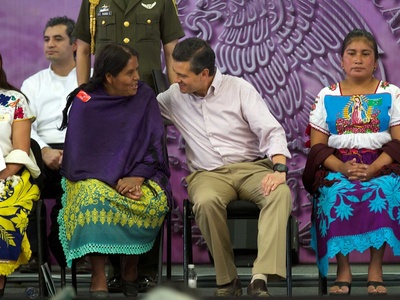
Purépecha (Tarascan) is a language isolate centered in Michoacán and officially recognized. Famous for resisting Nahua influence historically; community efforts support schooling, but overall vitality is vulnerable.
Mixe
A Mixe language family primarily in eastern Oaxaca with a distinct cultural tradition. Recognized by INALI, Mixe communities maintain many local customs; transmission is moderate but some varieties face pressure from Spanish.
Totonac
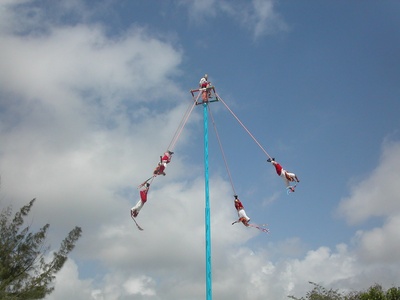
Totonac languages are spoken along the Gulf coast and highlands, known for the Totonac culture and the ancient city of El Tajín. Recognition exists regionally; many varieties are vulnerable to language shift.
Mazatec
A group of related Mazatecan varieties in northern Oaxaca and neighboring states; recognized and notable for traditional ethnobotanical knowledge and shamanic singing. Vitality varies by valley and community, with urban migration posing challenges.
Chol
A Mayan language spoken in northern Chiapas and lowland areas; recognized regionally and important in local culture. Chol communities maintain traditional agriculture and rituals, but younger generations often use more Spanish.
Rarámuri (Tarahumara)
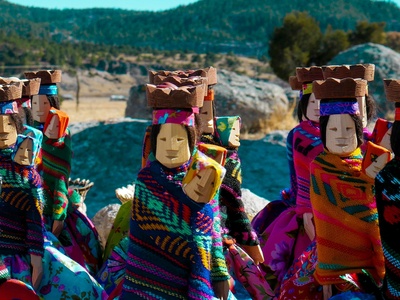
Rarámuri is spoken by the Tarahumara people of the Sierra Madre in Chihuahua with strong cultural identity in running traditions. Recognized and culturally resilient, though access and migration have made vitality uneven.

Huichol (Wixárika)
Wixárika is spoken by communities famous for ritual art and pilgrimage to Wirikuta. Officially recognized and culturally vibrant, but modern pressures and migration are affecting intergenerational transmission.
Yaqui (Yoeme)
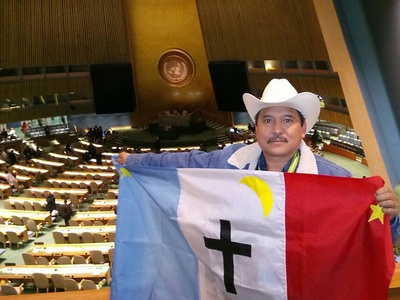
Yaqui is spoken by the Yoeme people along the Sonoran coast and in diaspora communities; recognized historically and culturally important for festivals and music. Community efforts support revitalization amid declining numbers.
Mayo (Yoreme)
Mayo (Yoreme) communities live along the Yaqui and Mayo rivers; the language is recognized regionally and tied to agricultural traditions. Vitality is moderate but affected by urbanization and economic change.
Huastec (Tenek)
Tenek (Huastec) is the northernmost Mayan branch, spoken in the Huasteca region. Recognized regionally and notable for a distinct music and dance tradition; vitality remains fragile in urban areas.
Kickapoo
Kickapoo is an Algonquian language spoken by a small binational community in Coahuila and a later settlement in Nayarit. Recognized and unique for its cross-border cultural ties; the community actively maintains language use despite small numbers.
Plautdietsch (Mennonite Low German)
Plautdietsch is the Low German variety used by Mennonite colonies established in the 20th century. Though not indigenous, it’s actively used in daily life, schools and commerce within Mennonite communities, showing strong vitality locally.

English
English is spoken by expatriates, return migrants and professionals; it appears in census data as a home language for some residents. Noted for tourism and business use; native speaker communities are small but stable in certain cities and resorts.
Chinese (various varieties)
Chinese varieties (Cantonese, Mandarin) are spoken by long-standing Chinese-Mexican and recent immigrant communities, especially in urban centers and some coastal states. Active cultural associations preserve language and cuisine traditions amid assimilation pressures.

Japanese
Small but long-established Japanese-Mexican communities exist in Mexico City and some coastal tourist regions. Japanese is maintained through cultural associations and schools; speaker numbers are modest and intergenerational transmission varies.
French
French is spoken by expatriates, heritage families and francophone immigrants; present in private schools and cultural institutes. While not widespread, francophone communities and institutions keep the language visible in urban cultural life.
Haitian Creole
Haitian Creole speakers are recent migrants and refugees in urban and southern border communities. Growing migration has increased visibility; community networks and NGOs support language and cultural maintenance amid integration challenges.
Tagalog (Filipino)
Filipino/Tagalog is found among Filipino migrants and their descendants, including in coastal and urban centers. Notable for historic ties dating to the colonial galleon routes; small communities are active but face assimilation pressures.