Eritrea sits at the crossroads of the Red Sea and the Horn of Africa, where coastal trade routes and highland communities create a patchwork of languages used in daily life, markets, and ceremonies. That linguistic mix reflects centuries of migration, commerce, and local identity across its regions.
There are 11 Languages Spoken in Eritrea, ranging from Afar to Tigrinya. For each language, the entry is organized with Speakers (%), Regions, Family & script so you can quickly compare numbers, geographic spread, and linguistic relationships — you’ll find below.
Which languages are most used in government, education, and media in Eritrea?
In practice, Tigrinya, Arabic and English serve as the main working languages in government, education, and wider communication, though several regional tongues like Tigre, Afar and Saho are dominant locally; media and schooling may use different languages depending on audience and region.
How should I interpret the Speakers (%) and Regions columns when planning research or travel?
Use Speakers (%) to gauge prevalence and the Regions column to see where a language is concentrated: a low national percentage can still mean a language dominates a particular area, so combine both to target translation needs, fieldwork sites, or cultural engagement.
Languages Spoken in Eritrea
| Language | Speakers (%) | Regions | Family & script |
|---|---|---|---|
| Tigrinya | 55.00 | Highlands, central and southern Eritrea | Semitic; Ge’ez (Ethiopic) script |
| Tigre | 30.00 | Northern and western lowlands, Red Sea coast | Semitic; Arabic script (also Latin in some texts) |
| Arabic | 6.00 | Urban centers, Red Sea coast, eastern lowlands | Semitic; Arabic script (MSA and colloquial varieties) |
| Afar | 3.50 | Southern Red Sea region, coastal lowlands (southeast) | Cushitic (Lowland East); Latin and Arabic scripts |
| Saho | 3.50 | Central and southern coastal lowlands, near Keren | Cushitic (Lowland East); Latin and Arabic scripts |
| Bilen | 2.00 | Keren area, Anseba region, central Eritrea | Cushitic; Latin script |
| Kunama | 2.00 | Gash-Barka, western lowlands near Sudan | Nilo‑Saharan (Kunama); Latin script |
| Nara | 0.80 | Gash-Barka and western border areas near Sudan | Nilo‑Saharan (Nara); Latin script |
| Beja (Hedareb) | 1.00 | Northern Red Sea hills, western border areas | Cushitic (Beja); Arabic and Latin scripts |
| Dahalik | 0.05 | Dahlak Archipelago (Dahlak Islands) in the Red Sea | Semitic; Arabic script in documentation |
| English | 8.00 | Nationwide: urban centers, schools, government | Indo‑European (Germanic); Latin script |
Images and Descriptions
Tigrinya
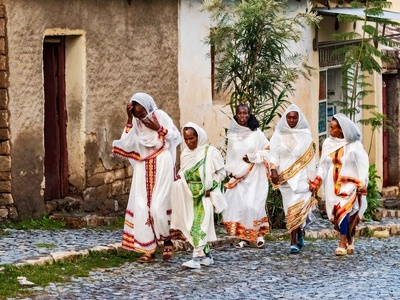
Tigrinya is the largest language in Eritrea, dominant in the highlands and Asmara. It is central to media, culture and education and uses the Ge’ez script for a well-developed written literature.

Tigre
Tigre is a major lowland Semitic language spoken across northern and western Eritrea. It functions as a regional lingua franca with strong oral traditions and growing use in local literature.
Arabic
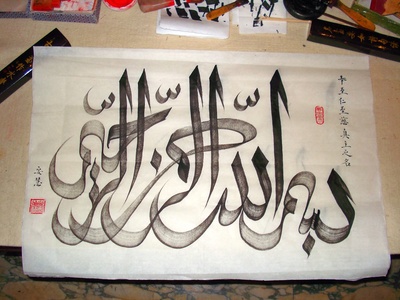
Arabic serves as liturgical, commercial and media language in Eritrea. Modern Standard Arabic is used in religion and media while local Arabic varieties are spoken in coastal and Muslim communities.
Afar
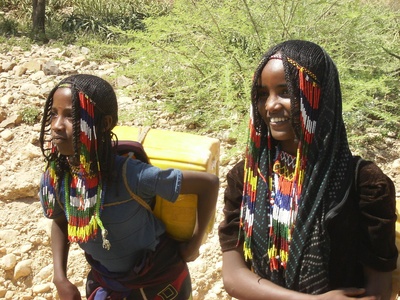
Afar is a Cushitic language of pastoral communities in southeastern Eritrea and neighboring countries. It is important for cross-border trade and local identity, with expanding literacy efforts in Latin script.
Saho
Saho is spoken by pastoralist communities in central and southern Eritrea. Closely related to Afar, it has strong oral culture and growing written materials in Latin script.
Bilen
Bilen is spoken around Keren and links highland and lowland communities. It remains primarily oral but has increasing literacy and local publications using a Latin orthography.
Kunama
Kunama is a Nilo‑Saharan language of western Eritrea with a distinct grammar from neighboring Afroasiatic tongues. It has active oral traditions and community-driven literacy programs in Latin script.
Nara
Nara is a smaller Nilo‑Saharan language in western Eritrea. Speakers are often multilingual, using larger regional languages for wider communication while maintaining local cultural practices.
Beja (Hedareb)
Beja, locally Hedareb, is spoken in northern and border regions. It preserves unique phonology and vocabulary among pastoralist communities; literacy commonly uses Arabic or Latin script.
Dahalik
Dahalik is a small Semitic language of the Dahlak islands, spoken by only a few hundred or thousand people. It is endangered and shows heavy Arabic and Tigre influence.
English
English is a major working and instructional language in Eritrea, taught widely in schools and used in government, higher education and international business; many Eritreans speak it as a second language.