Romania sits at the crossroads of Central, Eastern and Southeastern Europe, and its linguistic map reflects centuries of migration, empire and local culture. In cities and countryside alike you’ll hear Romanian alongside a mix of minority and immigrant languages that shape daily life and public life.
There are 26 Languages Spoken in Romania, ranging from Arabic to Yiddish. For each entry you’ll find below Native name,Speakers (count / %),Regions to show how many people use each language and where they live — you’ll find below.
Which languages have official or public status in Romania?
Romanian is the sole national official language. Several minority languages (for example Hungarian and German) have recognized local use in education, signage and administration where communities are large enough to justify it; local regulations and census data determine the extent of public-language rights.
How current and reliable are the speaker counts in the list?
Speaker numbers typically come from the most recent censuses and demographic surveys, supplemented by academic estimates; they’re useful for comparisons but can shift with migration, self-identification and reporting methods, so treat them as best-available snapshots rather than exact totals.
Languages Spoken in Romania
| Language | Native name | Speakers (count / %) | Regions |
|---|---|---|---|
| Romanian | Română | 16,700,000 / 87.66% | Nationwide (majority in all counties) |
| Hungarian | Magyar | 1,200,000 / 6.30% | Transylvania, Harghita, Covasna, Mureș, Satu Mare, Bihor |
| Romani | Romani | 600,000 / 3.15% | Nationwide, concentrated in Muntenia, Dobrogea, Moldavia, Transylvania |
| German | Deutsch | 45,000 / 0.24% | Banat, Transylvania (Sibiu, Brașov), Bucharest |
| Ukrainian | Українська | 50,000 / 0.26% | Suceava (Bukovina), Maramureș, Botoșani |
| Russian | Русский | 30,000 / 0.16% | Tulcea (Lipovans), Constanța, Bucharest |
| Turkish | Türkçe | 28,000 / 0.15% | Constanța, Dobrogea, Bucharest |
| Crimean Tatar | Qırımtatarca / Къырымтатар тили | 24,000 / 0.13% | Constanța, Dobrogea |
| Serbian | Српски / Srpski | 20,000 / 0.10% | Caraș-Severin, Timiș, Mehedinți, Satu Mare |
| Romanian Sign Language | Limba semnelor române | 20,000 / 0.10% | Nationwide (deaf communities, cities) |
| English | English | 25,000 / 0.13% | Bucharest, Cluj, Timișoara, Constanța |
| Arabic | العربية | 15,000 / 0.08% | Bucharest, border regions, university towns |
| Chinese (Mandarin) | 中文 / 汉语 | 10,000 / 0.05% | Bucharest, Cluj, Timișoara |
| Vietnamese | Tiếng Việt | 6,000 / 0.03% | Bucharest, Prahova, Arad |
| Aromanian | Armãneashti | 6,000 / 0.03% | Muntenia, Dobrogea, urban centers |
| Slovak | Slovenčina | 17,000 / 0.09% | Bihor, Caraș-Severin, Năsăud area |
| Polish | Polski | 4,000 / 0.02% | Suceava (Cacica), Bukovina |
| Czech | Čeština | 3,500 / 0.02% | Caraș-Severin (Banat), western Romania |
| Bulgarian | Български | 8,500 / 0.04% | Dobrogea (Silistra border), Giurgiu, Călărași |
| Greek | Ελληνικά | 3,500 / 0.02% | Bucharest, Constanța, Galați |
| Armenian | Հայերեն | 1,400 / 0.01% | Bucharest, Moldova region |
| Hebrew | עִבְרִית | 1,000 / 0.01% | Bucharest, some urban Jewish communities |
| Yiddish | ייִדיש | 500 / 0.00% | Bucharest, select communities |
| Kurdish | Kurdî | 5,000 / 0.03% | Bucharest, some urban centers |
| Croatian | Hrvatski | 1,500 / 0.01% | Caraș-Severin, Timiș County |
| Russian Lipovan | Русский (Липован) | 20,000 / 0.10% | Tulcea, Danube Delta, Constanța |
Images and Descriptions
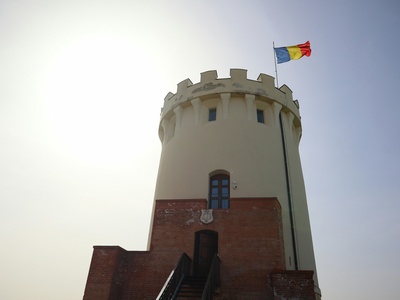
Romanian
Romanian is the state language, used in government, education and media; Romance language in Latin script. Nearly everyone speaks it natively or as L2, with full official status and broad institutional support across Romania.
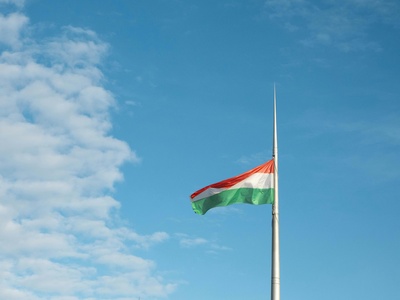
Hungarian
Hungarian is Romania’s largest minority language with local administrative and educational rights in many Transylvanian areas. It uses Latin script and has strong community institutions, schools and media in Hungarian.
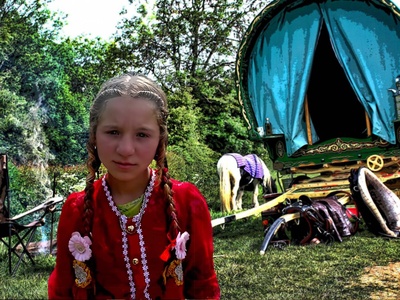
Romani
Romani is spoken by diverse Roma groups across Romania; recognized as a national minority language with cultural rights. Mostly written in Latin script when used in writing; substantial regional dialectal variation exists.
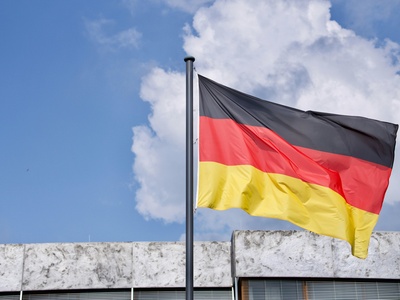
German
German is a historic minority language with recognized status and cultural institutions; used by descendants of Saxons and Banat Swabians. Uses Latin script and appears in local media, education and cultural life.
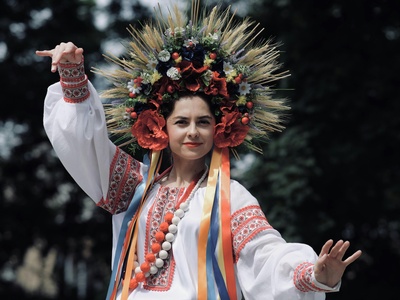
Ukrainian
Ukrainian is spoken mainly in northern Romania, is a recognized minority language with schools and cultural organizations, and uses Cyrillic script in community contexts and publications.
Russian
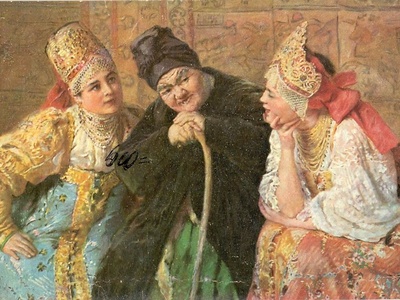
Russian is spoken primarily by Lipovan communities in Dobrogea and by migrants/expats; recognized de facto as a minority language in local cultural life and typically written in Cyrillic script.
Turkish
Turkish is spoken by the ethnic Turkish minority in Dobrogea; it enjoys minority language rights locally, has cultural associations and uses Latin script (modern Turkish orthography).

Crimean Tatar
Crimean Tatar is used by the Tatar community in Dobrogea, recognized as a national minority. It is used in cultural life and typically written in Latin script today (and historically in Cyrillic/Arabic scripts).
Serbian
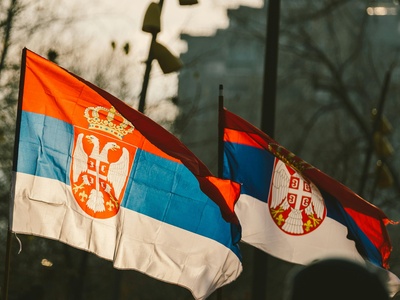
Serbian is spoken by Serb communities in western Romania, with local cultural recognition and schools in some areas. It uses Cyrillic and Latin scripts; community media and churches maintain the language.
Romanian Sign Language
Romanian Sign Language is the primary language of many Deaf Romanians; used in education and community life. It is a visual-gestural language (no written script) with growing recognition in services and advocacy.
English
English is spoken as a native language by expatriate communities and widely as a second language. Small L1 communities use Latin script; English lacks minority legal status but is culturally prominent in business and education.
Arabic
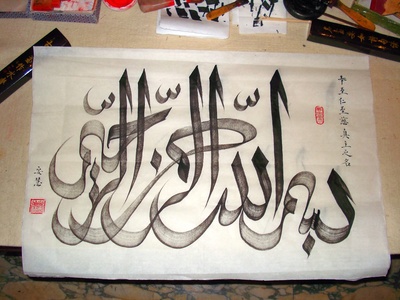
Arabic is spoken by immigrant and refugee communities (Syrian, Iraqi, North African). It uses Arabic script, has active religious and cultural associations, but generally lacks formal minority-language status.

Chinese (Mandarin)
Mandarin Chinese is used by immigrant and business communities in major cities. It uses Chinese characters (Hanzi) and has community associations, cultural centers and Chinese-language shops and schools.
Vietnamese
Vietnamese is spoken by a longstanding immigrant community, with cultural associations and small businesses. It uses Latin script with diacritics (quốc ngữ) and is present in urban neighborhoods and markets.
Aromanian
Aromanian (Macedo‑Romanian) is spoken by Aromanian communities; culturally active though formal recognition is limited. It is a Balkan Romance language using Latin script and maintained by local associations and media.
Slovak
Slovak is spoken by historic Slovak communities in western and northwestern Romania. Recognized as a minority language with schools and churches, it uses Latin script and local cultural institutions.
Polish
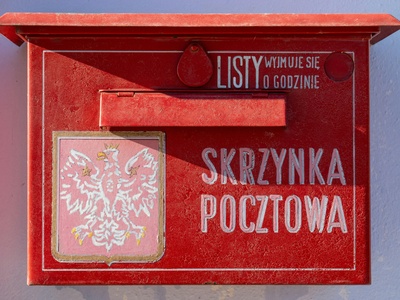
Polish is used by a small community in northern Romania (Bukovina); it has cultural associations and occasional schooling, uses Latin script and is recognized as part of Romania’s minority landscape.
Czech
Czech is spoken by a small Banat Czech community with local churches and cultural life. It is recognized as a minority language in some areas and uses Latin script.
Bulgarian
Bulgarian is spoken near the southern border and in Dobrogea, with churches and cultural groups. It is recognized as a minority language locally and uses Cyrillic script.
Greek
Greek is spoken by a small historic and merchant community, especially in port cities; active cultural associations exist. It uses Greek script and enjoys cultural, if limited, official recognition.
Armenian
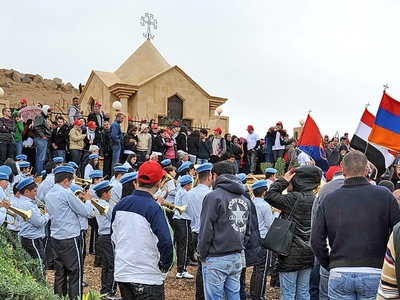
Armenian is spoken by a small, historic community with churches and cultural clubs, mainly in Bucharest. It uses the Armenian script and has local cultural recognition rather than broad official status.
Hebrew
Hebrew is used for religious, cultural and immigrant contexts by Jewish communities and smaller Israeli/expat groups. It uses Hebrew script and appears in synagogues, schools and cultural events.
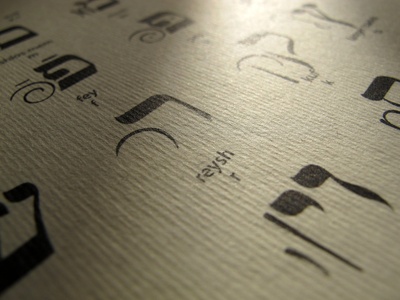
Yiddish
Yiddish is spoken by a very small number of older community members and cultural activists. It uses Hebrew script and survives in religious and cultural settings rather than broad public use.
Kurdish
Kurdish (mainly Kurmanji) is spoken by small immigrant and refugee communities in cities. It uses Latin script in many diasporic contexts and has community associations but no formal minority status.
Croatian
Croatian is spoken by a small community in western Romania (Banat and Timiș), with churches and cultural groups. It is recognized locally and uses Latin script in community life.
Russian Lipovan
Lipovan Russian is used by Old‑Believer communities in the Danube Delta; it uses Cyrillic script, has distinct religious institutions, and maintains cultural autonomy within Romania’s minority framework.