Tonga is a Polynesian kingdom spread across hundreds of islands in the South Pacific, where language reflects centuries of local tradition, missionary influence and modern migration. That mix shapes everyday life, from marketplace conversations to classroom instruction.
There are 7 Languages Spoken in Tonga, ranging from Chinese to Tongan. For each entry you’ll find below Official status, Approx. speakers, Where spoken, so you can quickly compare who uses each language and in what context — you’ll find the list below.
What languages are official in Tonga?
Tongan is the primary national language used in homes and community life, while English has official status and is common in government, education and tourism; the list below marks official status for each language.
Are immigrant languages like Chinese commonly spoken in Tonga?
Immigrant languages such as Chinese appear in business and migrant communities but are minority tongues compared with Tongan and English; the table below gives approximate speaker numbers and where those languages are concentrated.
Languages Spoken in Tonga
| Language | Official status | Approx. speakers | Where spoken |
|---|---|---|---|
| Tongan | Official | 100,000 | Tongatapu, Vava’u, Ha’apai and outer islands |
| English | Co-official | 60,000 | Nuku’alofa, government, schools, urban areas |
| Samoan | Minority | 2,500 | Nuku’alofa and some island communities |
| Chinese | Minority | 1,200 | Nuku’alofa business community |
| Niuean | Minority | 600 | Nuku’alofa and nearby communities |
| Fijian | Minority | 800 | Urban Tongatapu and worker communities |
| Tagalog | Minority | 1,500 | Nuku’alofa, workplaces and migrant communities |
Images and Descriptions

Tongan
Tongan is Tonga’s dominant Polynesian language, used daily across islands for family, church and media. It has regional speech varieties but high mutual intelligibility. Vital and transmitted to children, it’s central to identity, education, and most official and cultural life.

English
English functions as a co-official language in government, courts and education. Widely learned as a second language in schools and urban areas, it appears in media and commerce. Fluency varies; many Tongans are bilingual, using English alongside Tongan in formal situations.
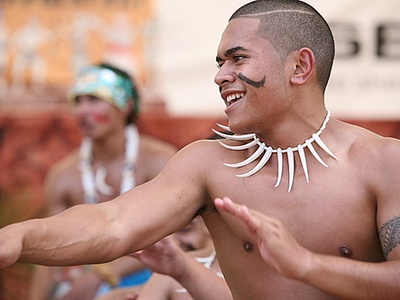
Samoan
Samoan is spoken by Samoan families and migrants in Tonga, especially in Nuku’alofa and some outer islands. Linguistically close to Tongan but distinct; used in church, social life and diaspora networks. Numbers are small but communities keep the language active across generations.

Chinese
Chinese (mostly Mandarin and some Cantonese) is used by Chinese-Tongan business families and recent migrants in Nuku’alofa. Community size is small; language use centers on commerce, family and cultural events. Intergenerational transmission varies, with many bilingual in English or Tongan.
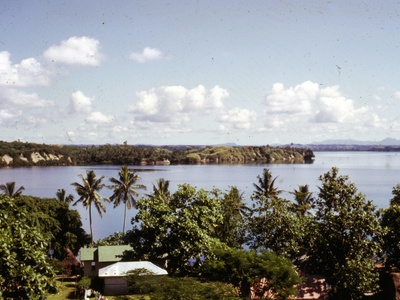
Niuean
Niuean is spoken by a small Niuean-descended community in Tonga, mainly around Nuku’alofa and some outer islands. Closely related to Tongan and other Polynesian languages, it’s maintained in homes and churches but faces pressure from dominant languages.
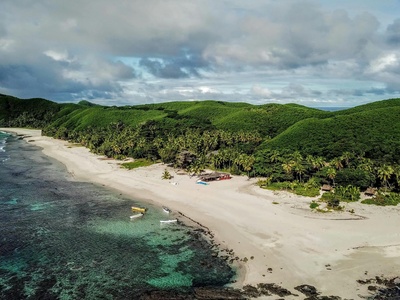
Fijian
Fijian appears among a small number of migrant workers and families, especially in urban Tongatapu. As a distinct Central Pacific language, it is used in community settings, workplaces and religious life. Numbers are modest but the language remains part of Fiji–Tonga ties.
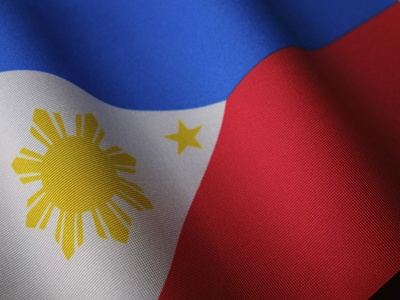
Tagalog
Tagalog (Filipino) is spoken by Filipino workers and families in Tonga, concentrated in the capital and employment centers. Used in homes, social networks and workplaces, community language programs vary; many speakers are temporary migrants or bilingual with English and Tongan.