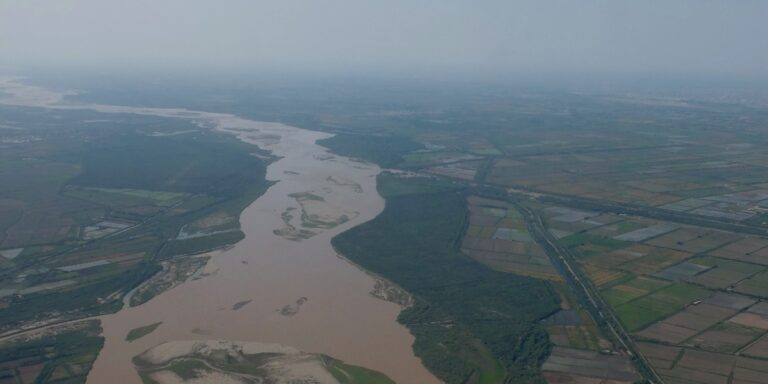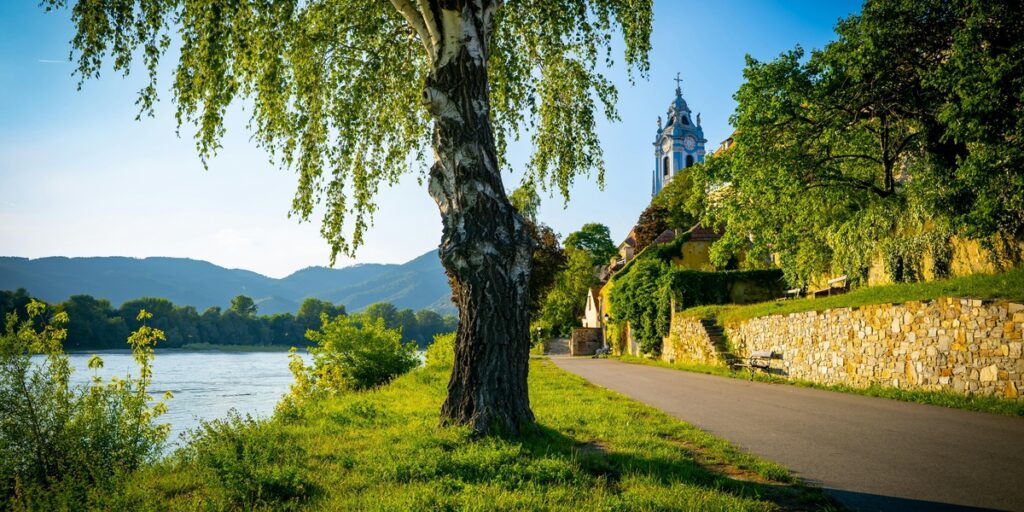
Austria’s landscape is threaded with waterways that shape valleys, feed lakes and support towns from alpine springs down to broader lowland plains. A straightforward list makes it easy to see how those rivers connect the country and its neighbors.
There are 21 Rivers in Austria, ranging from Bregenzer Ache to Ziller. The list is organized as Length (km),Source,Mouth to help you compare lengths, origins and endpoints for each entry — you’ll find below.
Which Austrian rivers are commonly used for boating or river trips?
Major waterways such as the Danube and sections of the Inn and Salzach are regularly navigated and offer commercial and recreational boating; many smaller alpine rivers are scenic but shallow or rapid, so check local guides, seasonal water levels and any permit requirements before planning a trip.
How reliable are the Length (km),Source,Mouth entries in the list?
The figures and sources are based on mapping and official records, but measurement methods and river course changes can cause small differences; use the list as a solid starting point and verify critical details with local hydrographic authorities or updated maps if you need precise, formal data.
Rivers in Austria
| Name | Length (km) | Source | Mouth |
|---|---|---|---|
| Danube | 2,850 | Donaueschingen (confluence of Brigach & Breg) | Black Sea near Sulina, Romania |
| Inn | 517 | Swiss Alps near Maloja Pass | Danube at Passau, Germany |
| Drau | 749 | South Tyrol near Toblach, Italy | Danube at Osijek, Croatia |
| Mur | 464 | Hohe Tauern, Austria | Drau at Legrad, Croatia |
| Enns | 254 | Ennstal Alps (Haller Mauern), Austria | Danube at Mauthausen, Austria |
| Traun | 155 | Totes Gebirge, Austria | Danube at Linz, Austria |
| Lech | 264 | Formarinsee, Austrian Alps | Danube at Donauwörth, Germany |
| Isar | 295 | Karwendel Alps, Tyrol, Austria | Danube at Deggendorf, Germany |
| Rhine | 1,233 | Swiss Alps (Reinquelle region) | North Sea near Rotterdam, Netherlands |
| Salzach | 225 | Kitzbühel Alps, Austria | Inn at Marktl, Germany |
| Saalach | 105 | Kitzbühel Alps, Austria | Salzach at Freilassing, Germany |
| Kamp | 168 | Waldviertel, Austria | Danube at Grafenwörth, Austria |
| Krems | 64 | Vienna Woods (Wienerwald), Austria | Danube at Krems an der Donau, Austria |
| Ybbs | 134 | Ybbstal Alps / Mostviertel, Austria | Danube at Ybbs an der Donau, Austria |
| Pielach | 64 | Totes Gebirge region, Austria | Danube at Melk, Austria |
| Mürz | 84 | Northern Limestone Alps, Austria | Mur at Bruck an der Mur, Austria |
| Gail | 144 | Carnic Alps, Austria | Drau at Villach, Austria |
| Ziller | 55 | Zillertal Alps, Austria | Inn at Strass im Zillertal, Austria |
| Sill | 43 | Stubai Alps, Austria | Inn at Innsbruck, Austria |
| Ill | 72 | Silvretta / Vorarlberg Alps, Austria | Rhine at Feldkirch, Austria |
| Bregenzer Ache | 67 | Bregenzerwald, Austria | Lake Constance at Bregenz, Austria |
Images and Descriptions
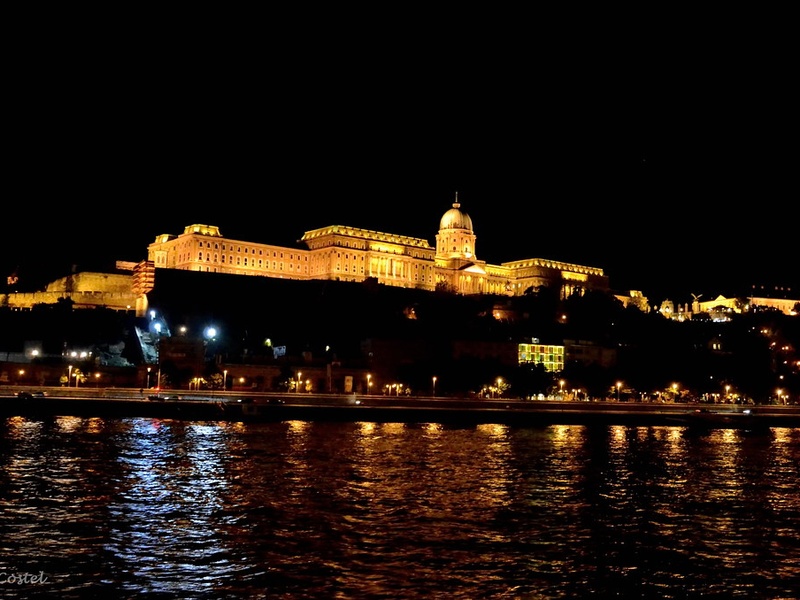
Danube
The Danube is Austria’s main river. It flows west to east across northern Austria and passes cities such as Linz and Vienna. It forms the backbone of Austria’s river system and continues on to the Black Sea.

Inn
The Inn is a major Alpine river and a key tributary of the Danube. It rises in the Alps, runs through Tyrol and the city of Innsbruck, and joins the Danube at Passau. It supplies water and hydro power in western Austria.

Drau
The Drau (Drava) runs eastward from the Alps through Carinthia. It leaves Austria and later joins the Danube. It is the main river of southern Austria and drains a large alpine basin.
Mur
The Mur rises in the Alps and flows southeast through Styria. It passes Graz and leaves Austria toward Slovenia. It is a major river for industry, transport history, and regional ecology.
Enns
The Enns flows north from the Alps into the Danube. It forms sections of the border between Styria and Upper Austria. It stands out as one of Austria’s longest Danube tributaries.
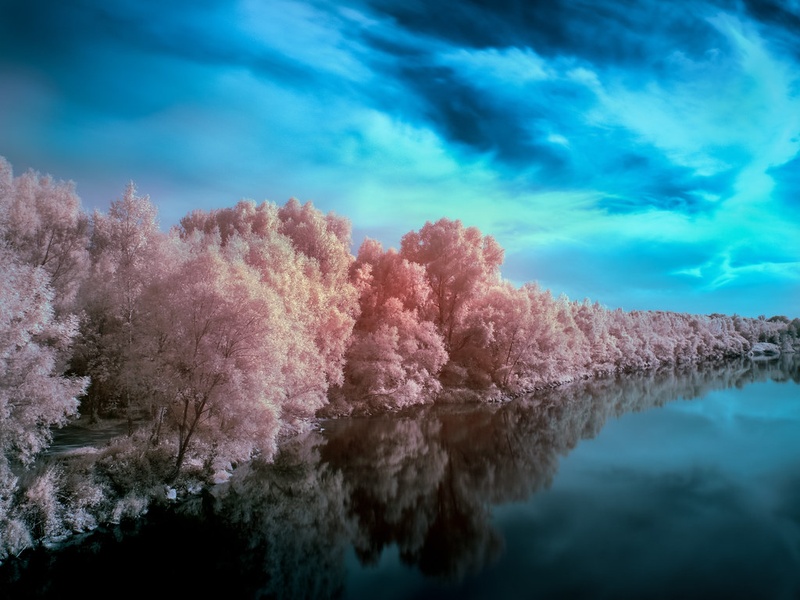
Traun
The Traun drains the Salzkammergut lakes and flows north to the Danube. It passes towns such as Gmunden and reaches the Danube near the Linz area. It is known for clear mountain water and lake outlets.
Lech
The Lech rises in the Austrian Alps and flows north into Germany to meet the Danube. It carves steep valleys in Tyrol and moves fast in its upper reaches. It plays an important role in alpine habitats.
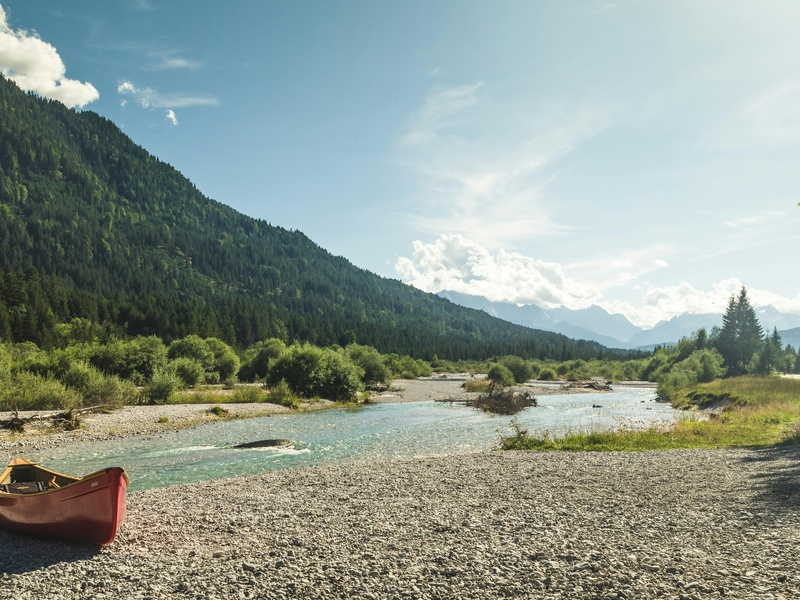
Isar
The Isar begins in the Tyrolean Alps and flows into Germany before joining the Danube system. It carries alpine water northward and links Austrian headwaters to Bavarian plains. It supports regional river corridors.
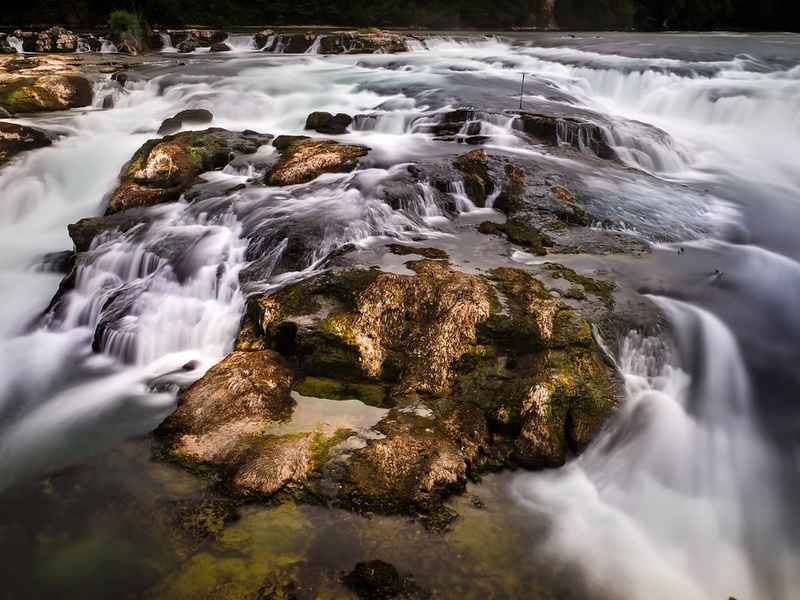
Rhine
The Rhine runs along Austria’s western edge in Vorarlberg as the Alpine Rhine. It flows into Lake Constance and continues toward the North Sea. It marks part of Austria’s border with Switzerland and drains western Austria.
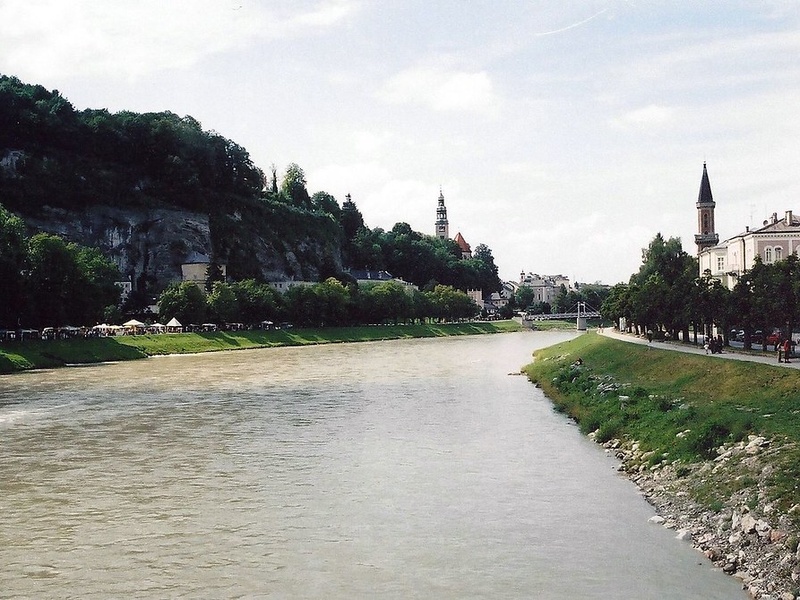
Salzach
The Salzach flows through Salzburg and is a major tributary of the Inn. It rises in the Alps and meets the Inn near the Germany border. It shaped the city of Salzburg and the surrounding valleys.
Saalach
The Saalach rises in the Alps and joins the Salzach near the Salzburg area. It forms parts of the Austria–Germany border in places. It drains the alpine basin west of Salzburg and feeds the Salzach system.
Kamp
The Kamp flows through Lower Austria’s Waldviertel region toward the Danube. It passes small towns and vineyard areas. It is part of the Danube’s northern tributary network in Lower Austria.
Krems
The Krems is a river in Lower Austria that flows into the Danube. It runs through wine country around Krems an der Donau. It supports local agriculture and tourism in the valley.
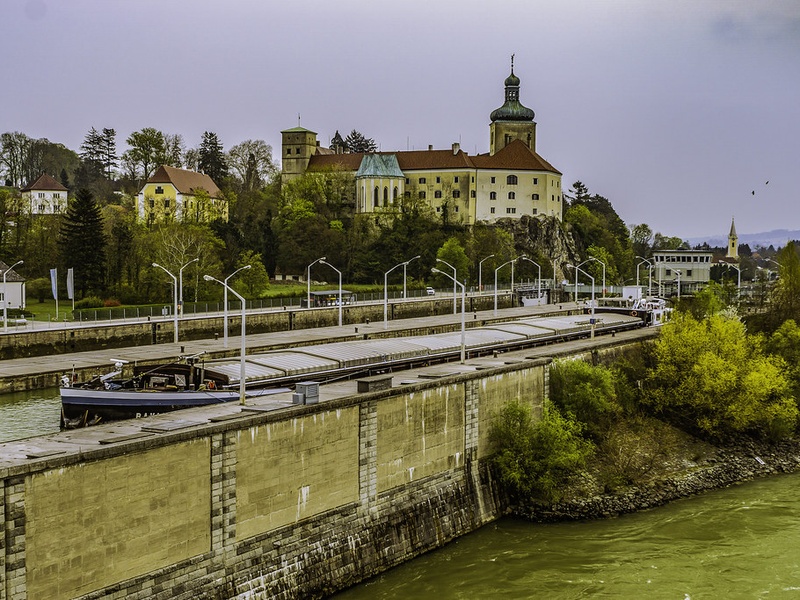
Ybbs
The Ybbs runs in Lower Austria and joins the Danube at Ybbs an der Donau. It rises in nearby hills and flows through market towns. It serves as a local Danube tributary with regional importance.
Pielach
The Pielach flows in Lower Austria and belongs to the Danube basin. It runs through rural valleys and small towns. It supports farming areas and local freshwater habitats.
Mürz
The Mürz flows in Styria and joins the Mur at Bruck an der Mur. It rises in mountain valleys and brings alpine water into the Mur system. It is important for regional industry and river transport history.
Gail
The Gail runs east–west through southern Carinthia and drains the Gailtal valley. It joins the Drau (Drava) and shapes local mountain landscapes. It supports farming and mountain communities in the region.
Ziller
The Ziller flows through Tyrol’s Zillertal valley and joins the Inn. It carries meltwater from alpine peaks and feeds the Inn river system. It is central to valley tourism and hydro use.
Sill
The Sill runs from the Brenner Pass into the city of Innsbruck and joins the Inn there. It channels high alpine water through a narrow valley into the Inn. It is a key part of Innsbruck’s river network.
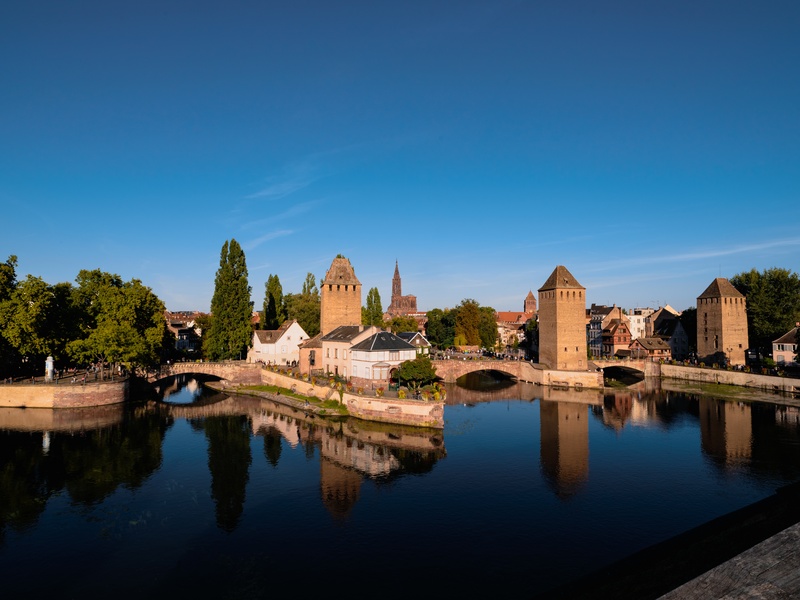
Ill
The Ill is a river in Vorarlberg that drains into the Rhine system. It flows through western towns and joins the Alpine Rhine. It is a main watercourse for Austria’s far west.
Bregenzer Ache
The Bregenzer Ache rises in Vorarlberg’s mountains and flows into Lake Constance near Bregenz. It feeds the lake and links to the Rhine system. It is a major river for the Bregenz lake region.