From upland streams to tidal estuaries, rivers have shaped valleys, towns and industries for centuries across Britain and Northern Ireland, offering routes for travel, wildlife corridors and places to explore.
There are 20 Rivers in United Kingdom, ranging from Avon (Warwickshire) to Wye. For each entry you’ll find below Length (km), Source (location) and Mouth and notable fact — you’ll find below.
How were these 20 rivers chosen?
The list balances well-known major rivers with regionally important examples to give geographic spread and practical information; choices were guided by length, historical or ecological significance, and availability of reliable source data so the table is useful for quick comparison.
Can I use this list for visiting or research?
Yes — the Length (km), Source (location) and Mouth and notable fact fields make it easy to plan visits, identify headwaters or estuaries, and start basic research, but check local access rules, seasonal conditions and detailed maps for safe planning.
Rivers in United Kingdom
| Name | Length (km) | Source (location) | Mouth and notable fact |
|---|---|---|---|
| Severn | 354 km | Plynlimon (near Llanidloes, Powys) | Bristol Channel; longest river in the UK |
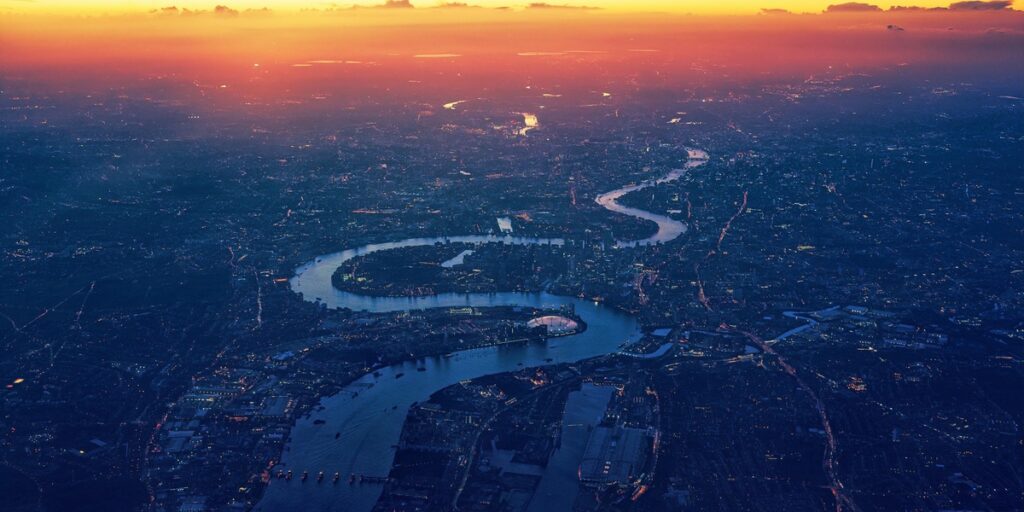
| Thames | 346 km | Thames Head (near Kemble, Gloucestershire) | North Sea via Thames Estuary; flows through London |
| Trent | 297 km | Biddulph Moor (near Stoke-on-Trent, Staffordshire) | Humber Estuary; major Midlands river |
| Great Ouse | 230 km | Syresham (near Brackley, Northamptonshire) | The Wash; drains much of East Anglia |
| Wye | 215 km | Plynlimon (near Rhayader, Powys) | Severn Estuary; scenic valley and partial England–Wales border |
| Ouse (Yorkshire) | 208 km | North Yorkshire (formed from Rivers Ure/Swale area) | Humber Estuary; flows through York |
| Tay | 193 km | Loch Tay area (near Kenmore, Perthshire) | North Sea at Tay Estuary; Scotland’s largest by discharge |
| Spey | 172 km | Speyhead (near Newtonmore, Highlands) | Moray Firth; famous for salmon fishing and whisky regions |
| Clyde | 170 km | Lowther Hills (near Elvanfoot, South Lanarkshire) | Firth of Clyde; flows through Glasgow |
| Tweed | 156 km | Near Tweedsmuir (Scottish Borders) | North Sea at Berwick; historic border river |
| Nene | 161 km | Arbury Hill (near Daventry, Northamptonshire) | The Wash; passes Peterborough and Cambridge outskirts |
| Tees | 137 km | Cross Fell (near Dufton, Cumbria) | North Sea at Middlesbrough; High Force waterfall on upper reaches |
| Eden | 145 km | Mallerstang (near Kirkby Stephen, Cumbria) | Solway Firth; flows through Carlisle |
| Mersey | 112 km | Confluence of Tame & Goyt (Stockport, Greater Manchester) | Irish Sea at Liverpool Bay; historic port city river |
| Tyne | 118 km | Confluence of North & South Tyne (near Warden, Northumberland) | North Sea at Tynemouth; runs past Newcastle |
| Ribble | 110 km | Near Ribblehead (Yorkshire Dales, North Yorkshire) | Irish Sea at Ribble Estuary; important estuary and birdlife |
| Wear | 96 km | Wearhead (near Wolsingham, County Durham) | North Sea at Sunderland; flows through Durham city |
| Avon (Warwickshire) | 156 km | Naseby (near Daventry, Northamptonshire) | Severn Estuary via Bristol Channel; “Shakespeare’s Avon” |
| Medway | 113 km | High Weald (near Turners Hill, West Sussex) | Thames Estuary/North Sea; historic Kent river, flows through Rochester |
| Exe | 82 km | Exe Head (near Simonsbath, Somerset) | Bristol Channel at Exmouth; Exe Estuary popular for wildlife |
Images and Descriptions
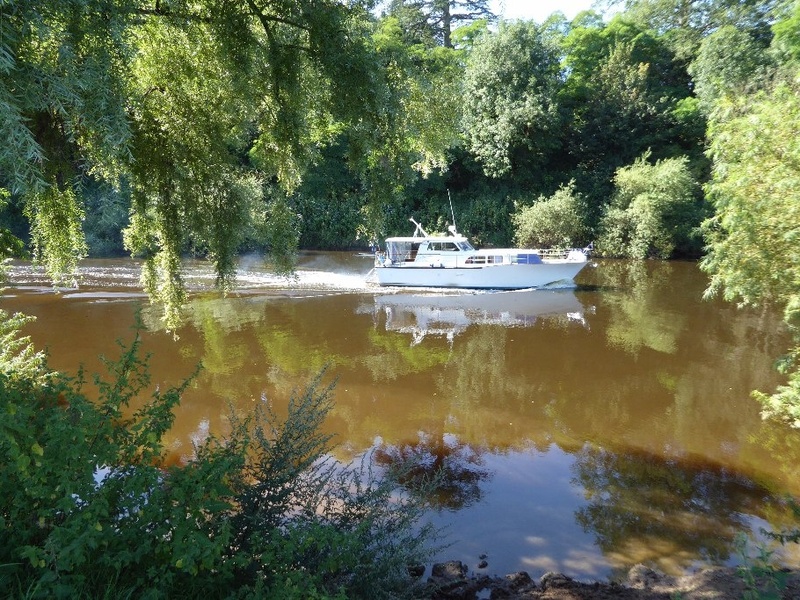
Severn
Note the River Severn. Length approx. 354 km. Source sits on Plynlimon in Mid Wales. Mouth opens into the Bristol Channel. It is the longest river in the United Kingdom and has a very large tidal range in the Severn Estuary. Include it for its national length record and major towns along its course.
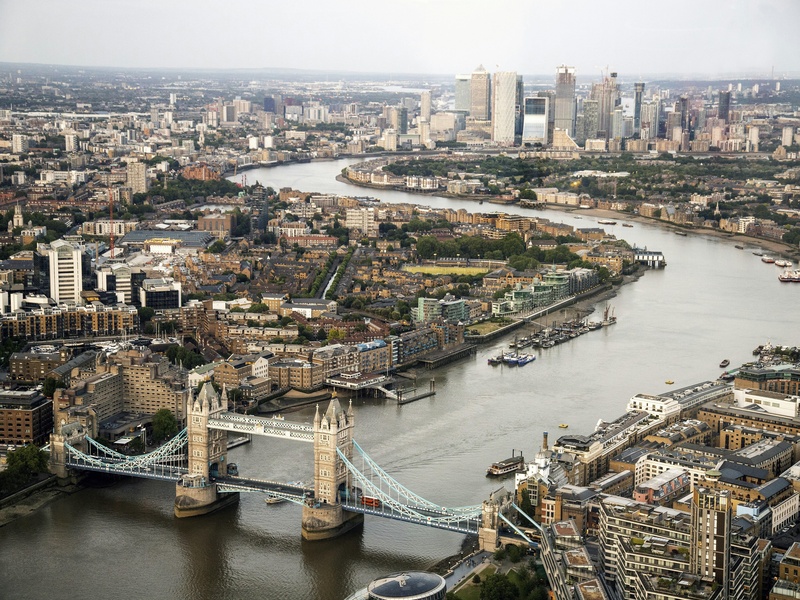
Thames
Note the River Thames. Length approx. 346 km. Source is Thames Head near Kemble, Gloucestershire. Mouth flows into the North Sea via the Thames Estuary. It runs through London and is central to history, transport and landmarks. Include it for its national importance and urban reach.
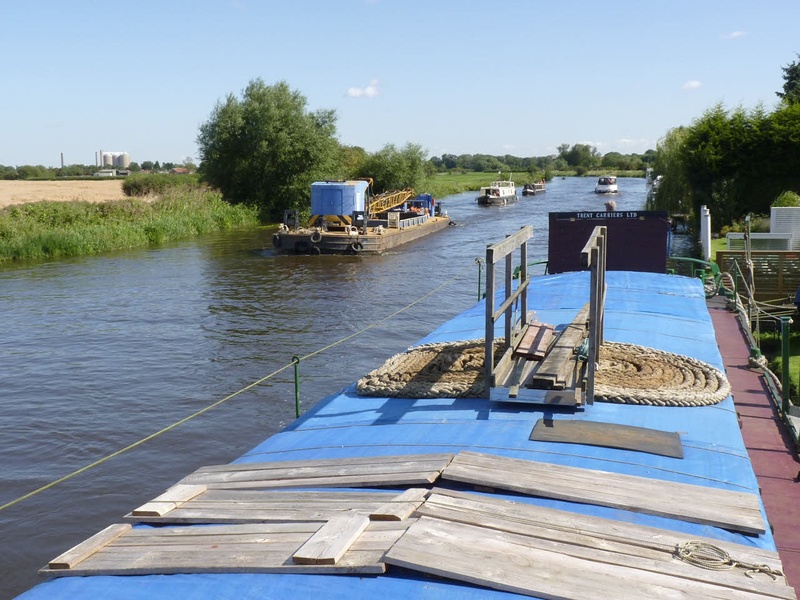
Trent
Note the River Trent. Length approx. 297 km. Source lies in the Staffordshire Moorlands. Mouth joins the Humber Estuary. It drains much of the English Midlands and carries many large tributaries. Include it for its large catchment and industrial history.
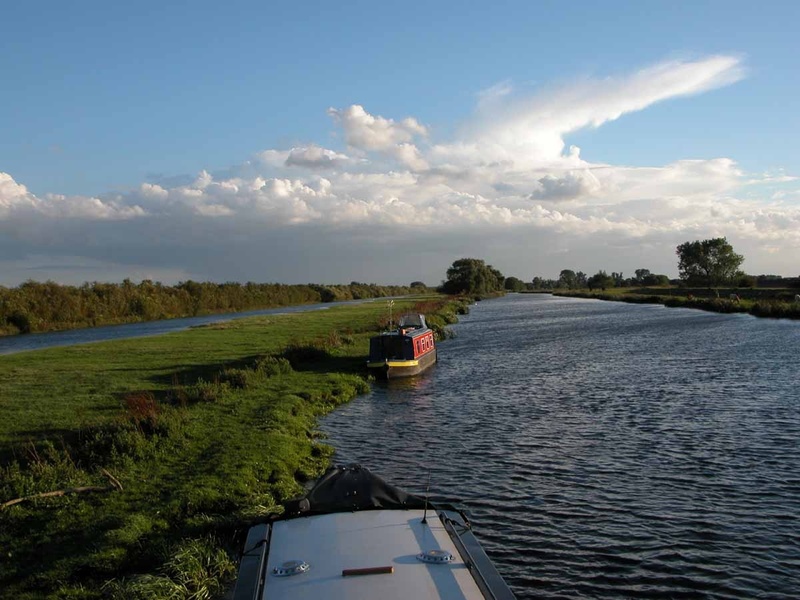
Great Ouse
Note the Great Ouse. Length approx. 230 km. Source rises near Syresham in Northamptonshire. Mouth enters The Wash at King’s Lynn. It drains large parts of East Anglia and has long navigable stretches. Include it for regional importance and drainage of lowland fenland.
Wye
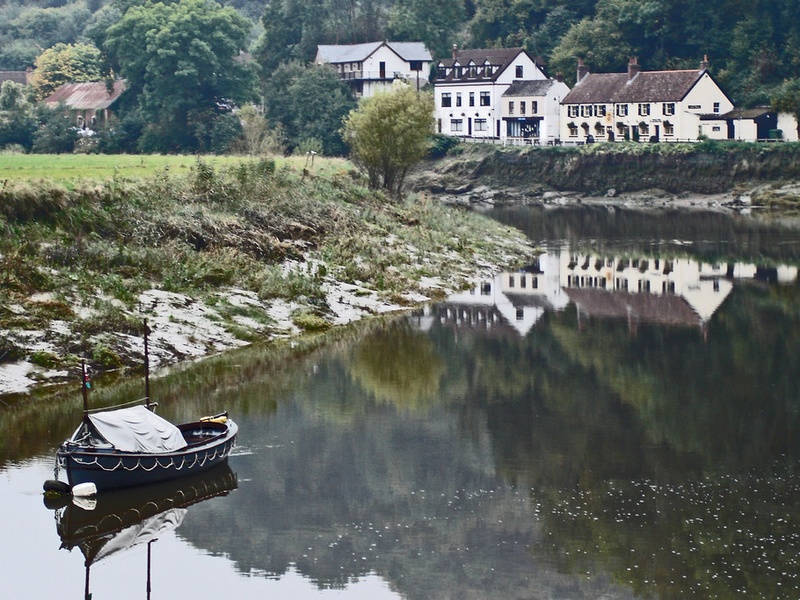
Note the River Wye. Length approx. 215 km. Source sits on Plynlimon in Mid Wales. Mouth enters the Severn Estuary at Chepstow. It forms part of the England–Wales border and is famed for steep valleys and wildlife. Include it for scenic and cross-border value.
Ouse (Yorkshire)
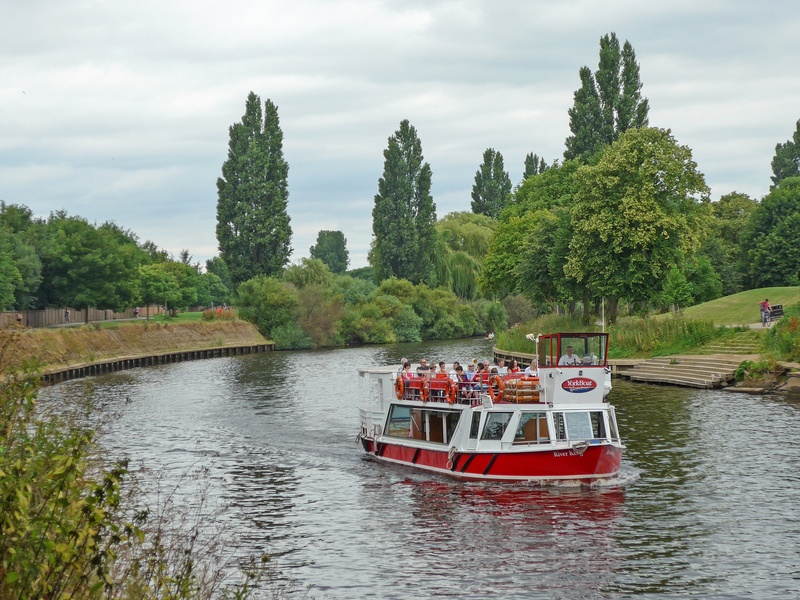
Note the River Ouse (Yorkshire). Length approx. 208 km. Source forms in North Yorkshire from upland tributaries. Mouth joins the Humber Estuary. It flows through York and is important for navigation and history. Include it for its role in Yorkshire transport and towns.
Tay
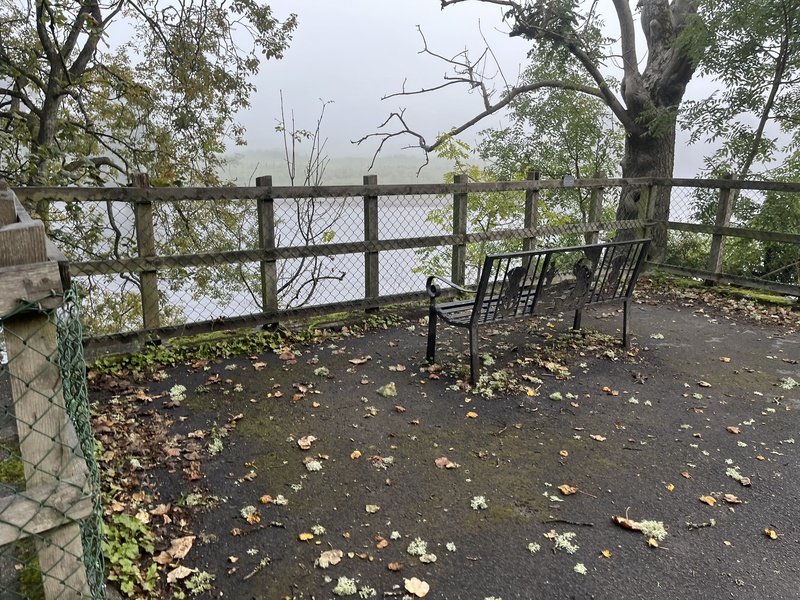
Note the River Tay. Length approx. 193 km. Source is around Loch Tay in Perthshire. Mouth opens into the North Sea at the Firth of Tay near Dundee. It is the longest river in Scotland and has the greatest average flow. Include it for Scottish river records and fisheries.
Spey
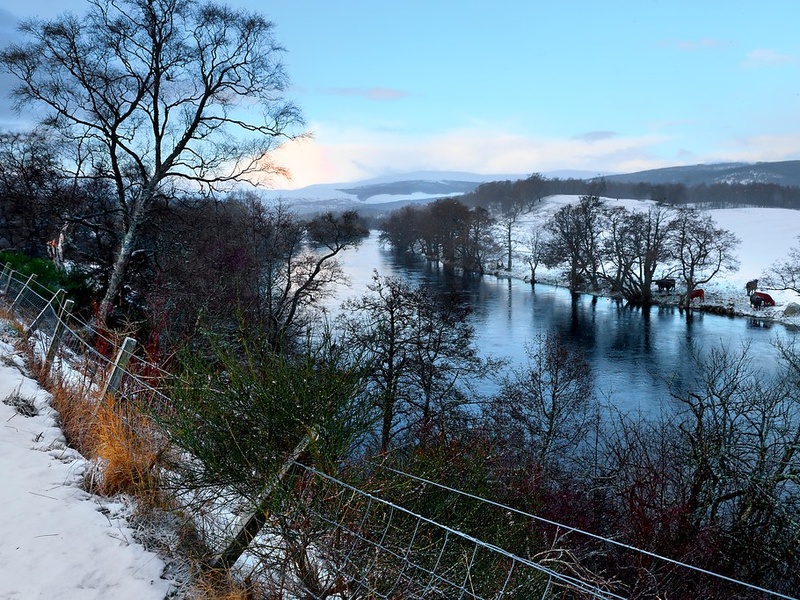
Note the River Spey. Length approx. 172 km. Source rises in the Monadhliath Mountains in the Highlands. Mouth flows into the Moray Firth. It is famous for salmon fishing and for the Speyside whisky region. Include it for cultural and ecological reasons.

Clyde
Note the River Clyde. Length approx. 170 km. Source begins in the Lowther Hills of the Southern Uplands. Mouth opens into the Firth of Clyde. It runs through Glasgow and powered shipbuilding and trade. Include it for industrial history and Scottish urban geography.
Tweed
Note the River Tweed. Length approx. 156 km. Source rises in the hills of the Scottish Borders. Mouth enters the North Sea at Berwick-upon-Tweed. It forms part of the England–Scotland boundary and is famed for salmon fishing. Include it for border and angling significance.
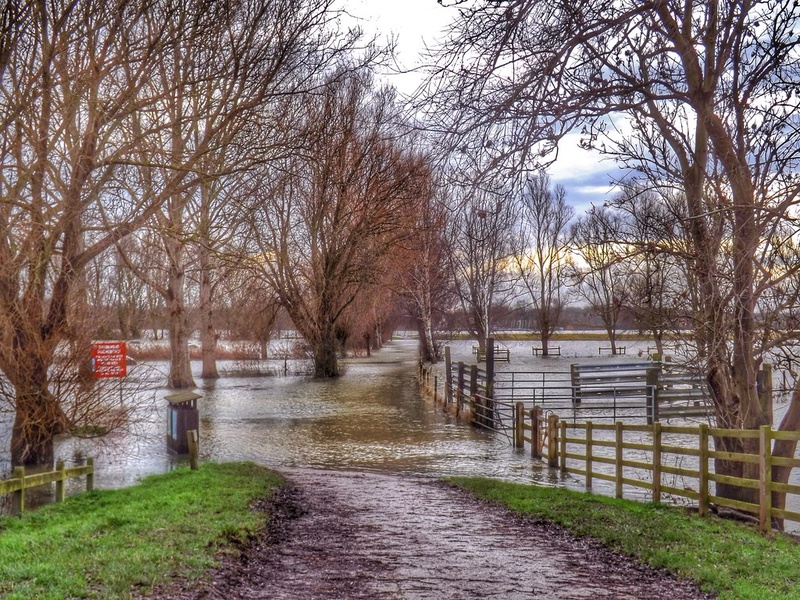
Nene
Note the River Nene. Length approx. 161 km. Source lies in Northamptonshire around Arbury Hill. Mouth opens into The Wash on the North Sea. It is navigable to Peterborough and drains parts of the East Midlands. Include it for regional navigation and floodplain importance.
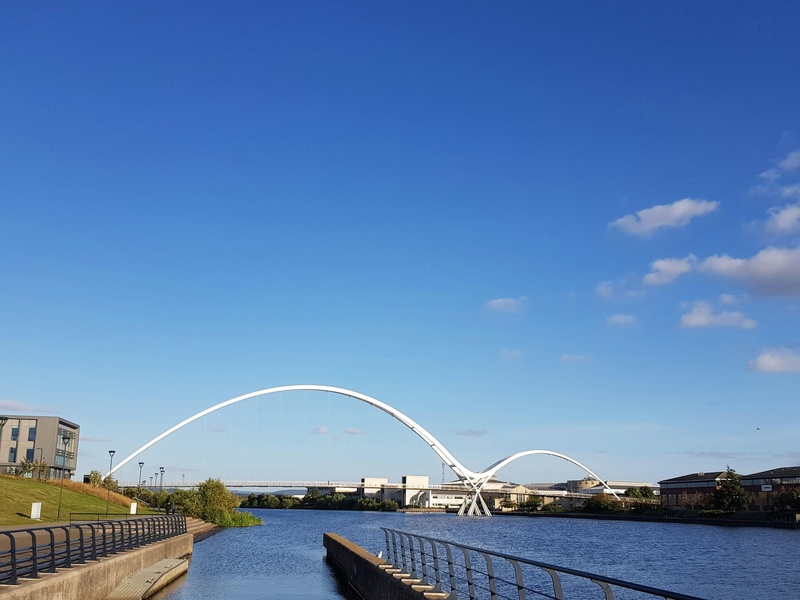
Tees
Note the River Tees. Length approx. 137 km. Source rises on Cross Fell in the Pennines. Mouth enters the North Sea at Teesmouth near Middlesbrough. It features High Force waterfall and a heavily industrialised estuary. Include it for both natural features and industry.
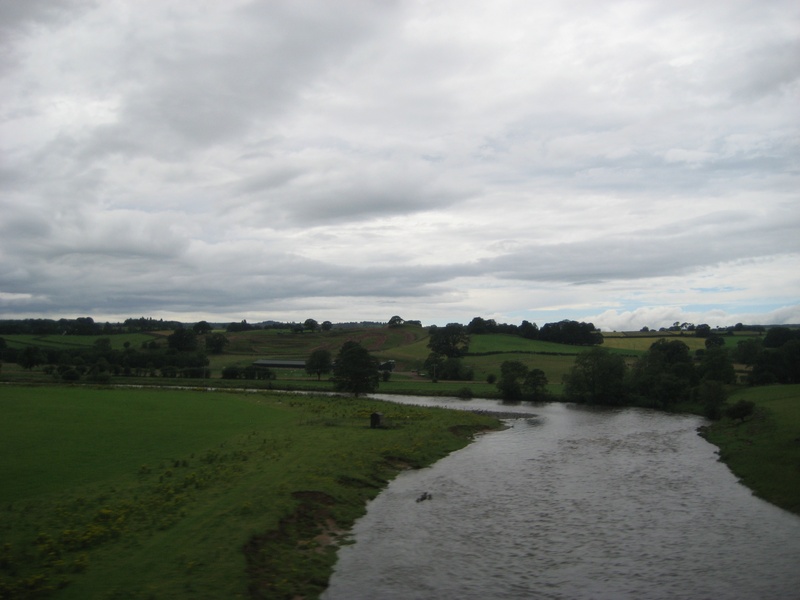
Eden
Note the River Eden (Cumbria). Length approx. 145 km. Source begins in Mallerstang in the Pennines. Mouth flows into the Solway Firth. It runs through Carlisle and is noted for scenic valleys and farmland. Include it for northern England geography and ecology.
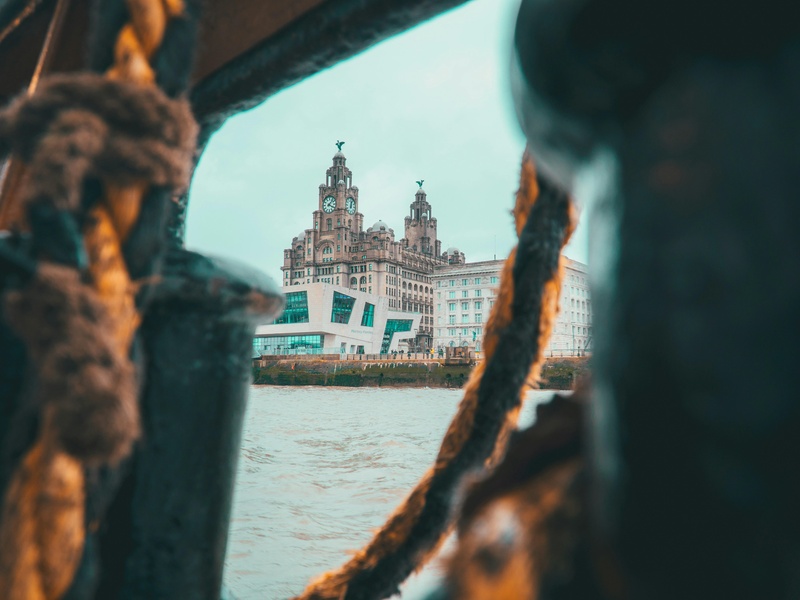
Mersey
Note the River Mersey. Length approx. 112 km. Source forms from the confluence of the Goyt and Tame near Stockport. Mouth opens into Liverpool Bay on the Irish Sea. It hosts a major estuary and the port of Liverpool. Include it for maritime and urban importance.
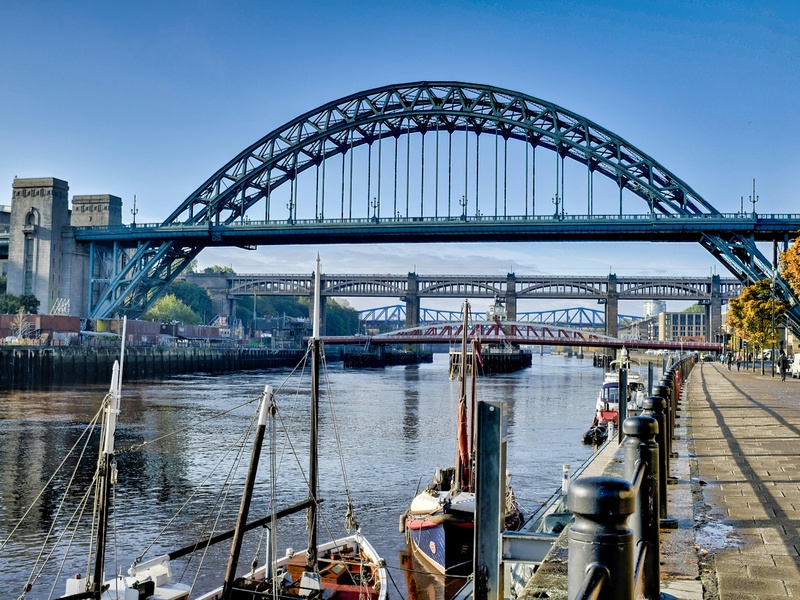
Tyne
Note the River Tyne. Length approx. 118 km. Source arises from the North Tyne and South Tyne in the Pennines. Mouth flows into the North Sea at Tynemouth. It runs through Newcastle and has a strong industrial history. Include it for northeast urban and transport links.
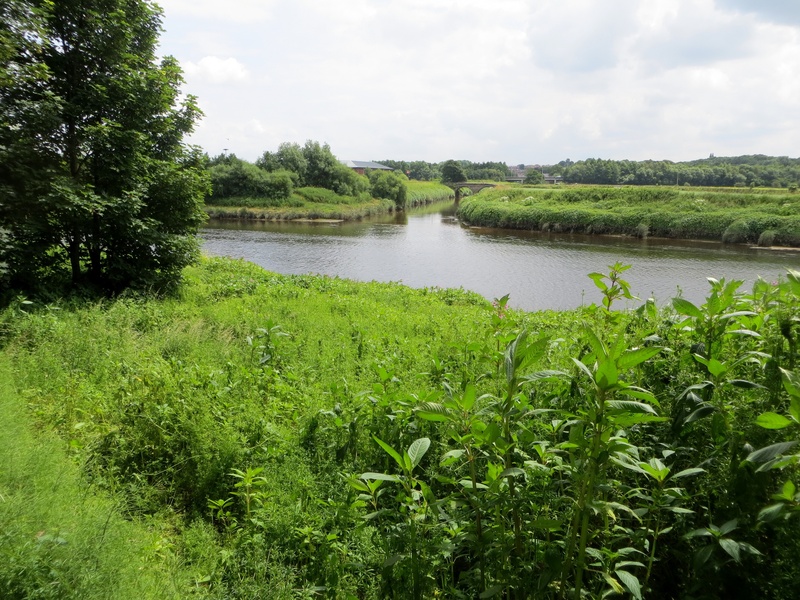
Ribble
Note the River Ribble. Length approx. 110 km. Source rises in the Yorkshire Dales and Forest of Bowland. Mouth opens into the Irish Sea at the Ribble Estuary near Preston and Lytham. It supports important estuary bird habitats and local ports. Include it for coastal ecology and regional geography.
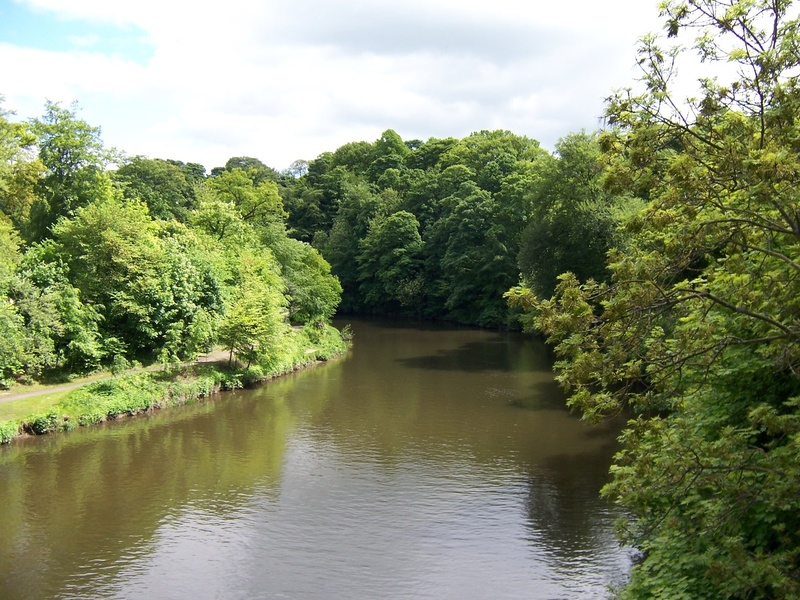
Wear
Note the River Wear. Length approx. 96 km. Source begins near Wearhead in County Durham. Mouth enters the North Sea at Sunderland. It flows through Durham city and forms deep meanders and a historic riverside. Include it for cultural sites and north-east geography.
Avon (Warwickshire)
Note the River Avon (Warwickshire), often called Shakespeare’s Avon. Length approx. 137 km. Source rises near Naseby in Northamptonshire. Mouth joins the River Severn at Tewkesbury. It flows through Stratford-upon-Avon and many historic towns. Include it for cultural links and central England routes.
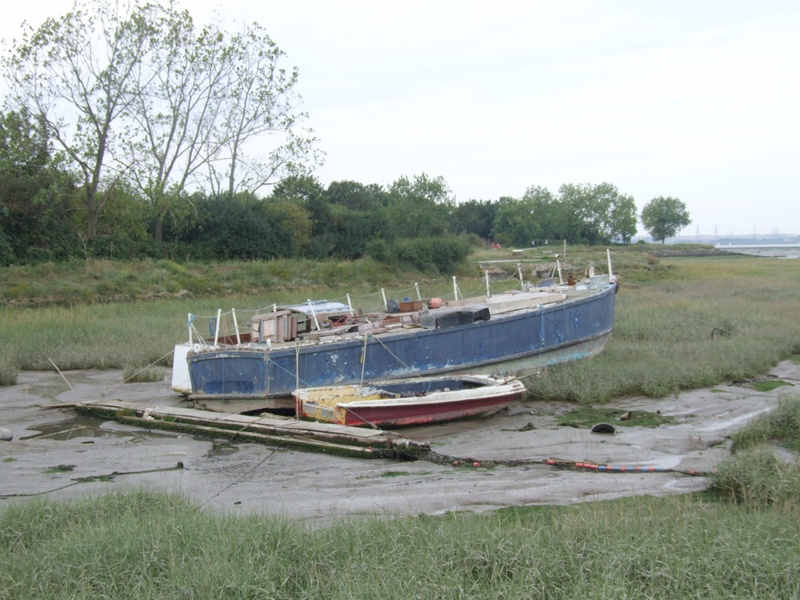
Medway
Note the River Medway. Length approx. 113 km. Source rises in the High Weald of West Sussex. Mouth opens into the Thames Estuary and the North Sea via the Medway Estuary. It is navigable and has long naval and commercial use. Include it for Kent and South East England transport history.
Exe
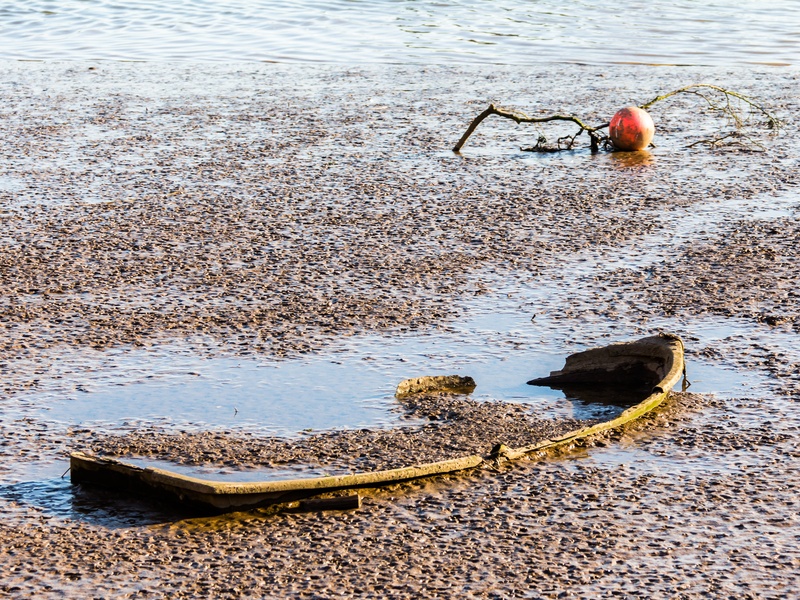
Note the River Exe. Length approx. 82 km. Source rises on Exmoor in Somerset. Mouth opens at Exmouth into the English Channel via the Exe Estuary. It flows through Exeter and forms a broad tidal estuary valued for wildlife. Include it for southwest geography and conservation.