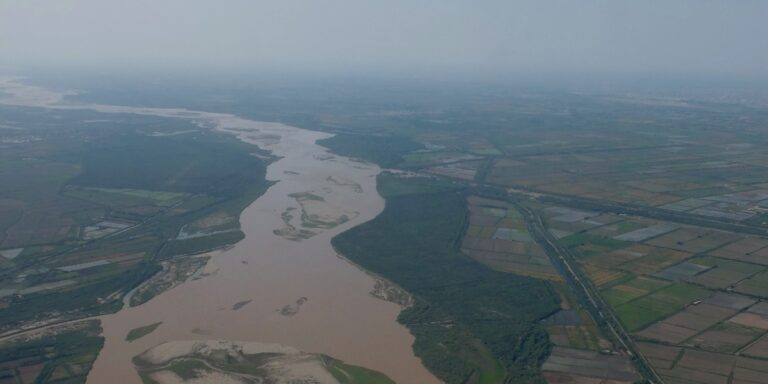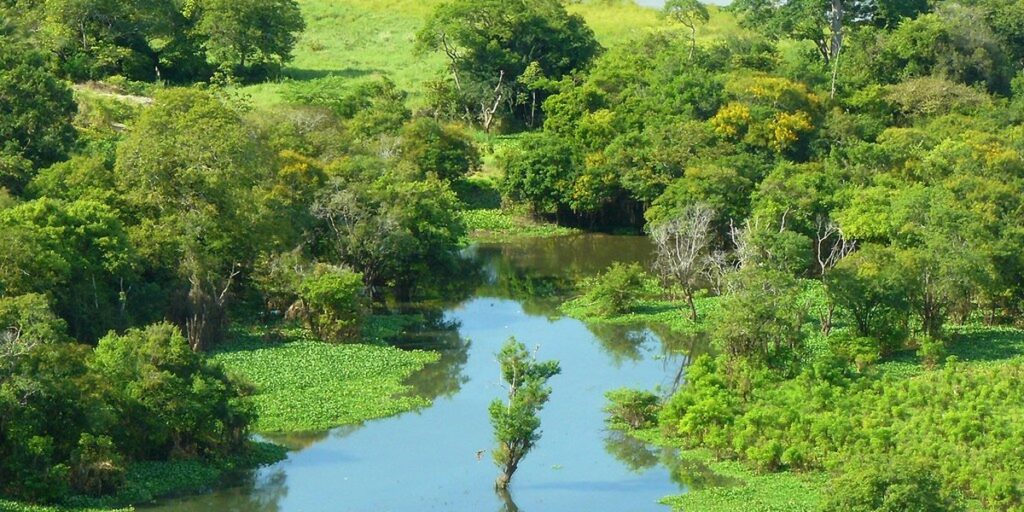
Venezuela’s rivers thread through high Andean valleys, broad llanos and the Guiana Shield, shaping diverse habitats and local ways of life. Many serve as transport routes, freshwater sources and ecological corridors across states and basins.
There are 25 Rivers in Venezuela, ranging from Apure to Zulia. Entries are organized as Length (km),Location (main basin; states),Notes (max 15 words); you’ll find below.
Which is the longest river in Venezuela and where does it flow?
The Orinoco is the country’s longest river, running across much of Venezuela into the Atlantic and forming the main Orinoco basin; it supports large floodplains, a rich delta and many river-dependent communities.
How can I use this list for travel or research?
Use the Length and Location columns to identify major navigable stretches or basin focus, check the Notes for seasonal/access clues, and pair the list with maps and local guidance for safety, permits and conservation considerations.
Rivers in Venezuela
| Name | Length (km) | Location (main basin; states) | Notes (max 15 words) |
|---|---|---|---|
| Orinoco | 2,140 | Orinoco;Amazonas,Bolívar,Delta Amacuro,Monagas,Anzoátegui,Guárico,Apure | One of South America’s largest rivers; major transport route |
| Caroní | 952 | Orinoco;Bolívar | Major hydroelectric source; site of Guri Dam |
| Apure | 1,000 | Orinoco;Apure,Barinas,Guárico,Portuguesa | Large llanos river; seasonal flooding supports cattle ranching |
| Arauca | 1,050 | Orinoco;Apure | Border river with Colombia; important regional waterway |
| Casiquiare | 336 | Orinoco/Amazon;Amazonas | Natural canal connecting the Orinoco and Amazon basins |
| Ventuari | 520 | Orinoco;Amazonas,Bolívar | Major whitewater tributary of the Orinoco |
| Caura | 723 | Orinoco;Bolívar,Amazonas | Remote, rapids-filled tributary; gold-bearing region |
| Atabapo | 530 | Orinoco;Amazonas | Blackwater tributary of the upper Orinoco |
| Sipapo | 450 | Orinoco;Amazonas | Important southern Orinoco tributary in Guayana highlands |
| Río Negro | 2,250 | Amazon;Amazonas | Major Amazon tributary; flows from Colombia through Venezuela to Brazil |
| Carrao | 210 | Caroní drainage;Bolívar | Feeds Caroní system; drains Canaima and Angel Falls area |
| Paragua | 400 | Caroní drainage;Bolívar | Significant Caroní tributary in the Guiana Shield |
| Portuguesa | 600 | Orinoco;Portuguesa,Barinas,Guárico | Important agricultural river in the Llanos; Apure tributary |
| Cinaruco | 210 | Orinoco;Apure,Barinas | Popular for sport fishing; part of Cinaruco-Capanaparo reserve |
| Capanaparo | 300 | Orinoco;Apure,Barinas | Seasonal wetland river; rich biodiversity in floodplain |
| Catatumbo | 210 | Maracaibo;Zulia | Flows into Lake Maracaibo; famous for persistent lightning |
| Chama | 225 | Maracaibo;Mérida,Trujillo,Zulia | Major western Andean river feeding Lake Maracaibo |
| Tocuyo | 200 | Caribbean;Falcón,Lara | Drains fertile Tocuyo valley; important local agriculture |
| Tuy | 239 | Caribbean;Miranda,Vargas | Drains central coastal valleys; historically important waterway |
| Guaire | 72 | Caribbean;Distrito Capital,Miranda | Urban river through Caracas; heavily polluted |
| Neverí | 80 | Caribbean;Anzoátegui | Coastal river flowing near Barcelona and Puerto La Cruz |
| Manzanares | 27 | Caribbean;Nueva Esparta | Small river on Margarita Island; flows through Porlamar |
| Yaracuy | 140 | Caribbean;Yaracuy | Drains central-northern region; supports irrigation and towns |
| Guasare | 210 | Maracaibo;Zulia,Falcón | Important western Lake Maracaibo tributary |
| Zulia | 310 | Maracaibo;Zulia | Significant Lake Maracaibo inflow; shares basin with Colombia |
Images and Descriptions
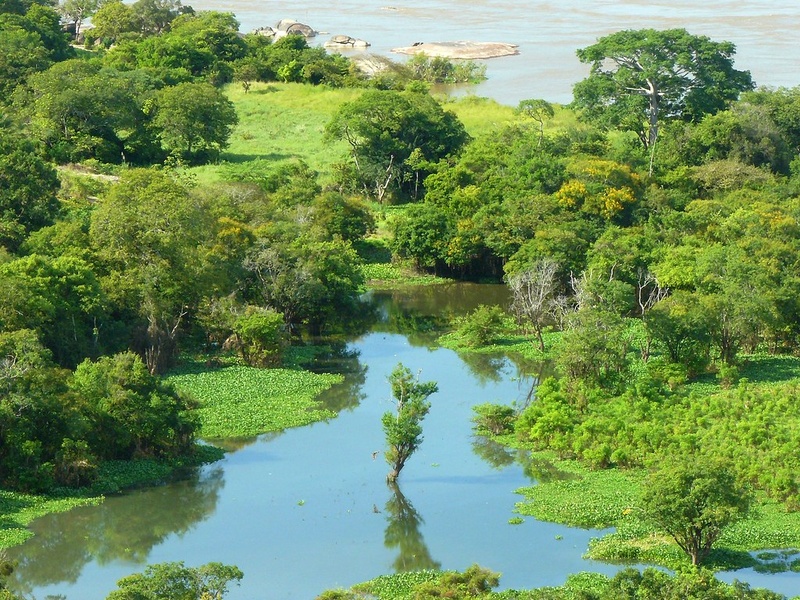
Orinoco
Is the main river of Venezuela and one of South America’s largest rivers. Flows east across northern South America and empties into the Atlantic Ocean. Shapes the Orinoco Basin and supports transport, fishing, and large wetlands. Includes major tributaries like the Caroní and Apure.

Caroní
Is a major tributary of the Orinoco in Bolívar state. Originates in the Guiana Shield highlands and provides much hydroelectric power. Features large waterfalls and the Guri Dam system. Is vital for industry and energy in southeast Venezuela.
Apure
Is a broad river of the Llanos that feeds the Orinoco system. Runs through grasslands and supports cattle ranching and navigation in low water. Forms part of the Venezuela–Colombia plains network. Is important for floodplain ecology and local transport.
Arauca
Is a transboundary river that forms part of the Colombia–Venezuela border and joins the Orinoco. Runs through plains and seasonal wetlands. Supports local agriculture and river transport. Is included for its role in the Orinoco basin.
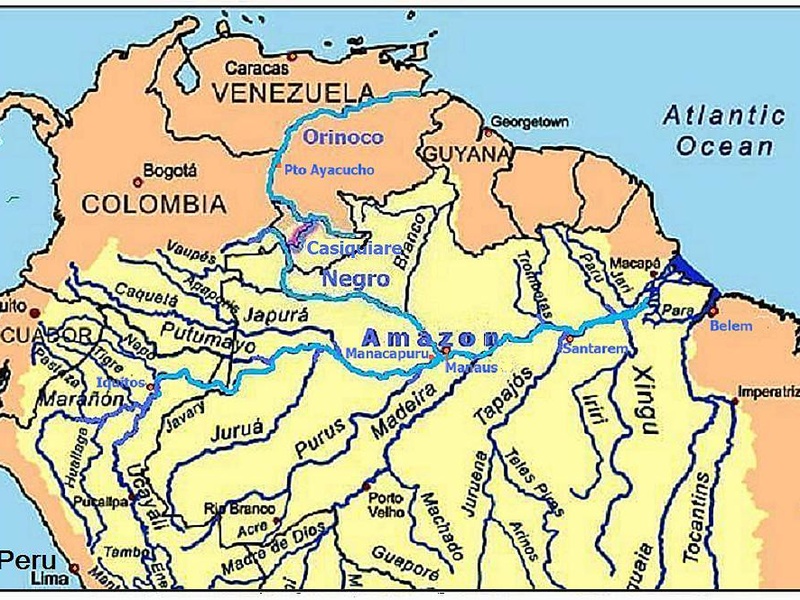
Casiquiare
Is a rare natural canal linking the Orinoco to the Río Negro and the Amazon basin. Flows as a distributary from the Orinoco and creates an inter-basin waterway. Stands out for its ecological and hydrological importance. Is unique among world rivers.
Ventuari
Is a large remote tributary of the Orinoco in the Venezuelan Guiana. Runs through rainforest and rugged terrain. Supports high biodiversity and few settlements. Is significant for conservation and riverine ecosystems.
Caura
Is a powerful Orinoco tributary running through Bolívar state. Flows through forested, sparsely populated land and drops over rapids. Supports freshwater habitats and indigenous communities. Is part of the Guiana Shield river network.
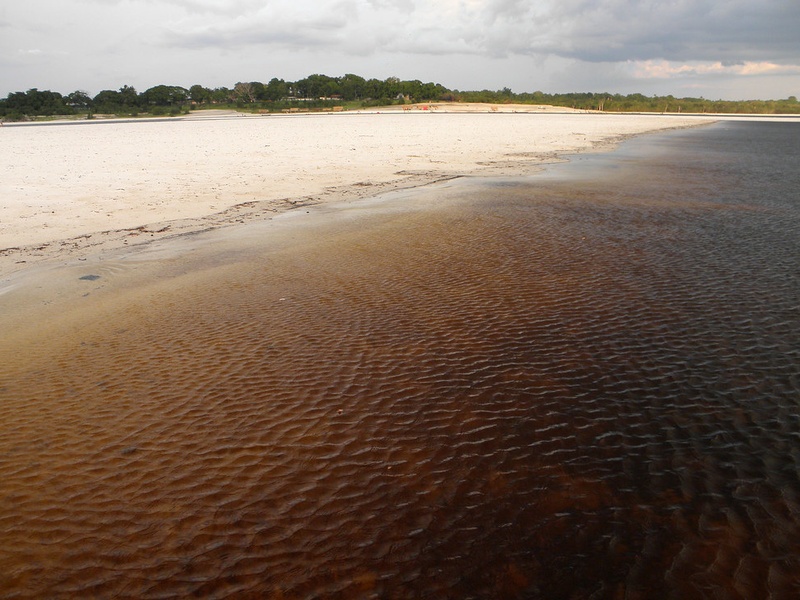
Atabapo
Is a dark-water tributary of the Orinoco in southern Venezuela. Runs through dense rainforest with blackwater chemistry. Joins the Orinoco in the lowland floodplain. Is noted for remote river travel and Amazonian habitats.
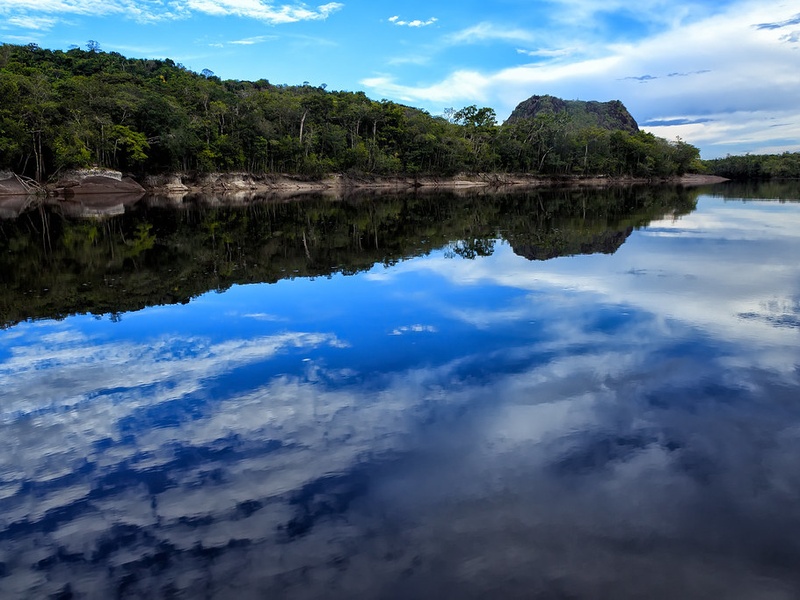
Sipapo
Is a rainforest tributary of the Orinoco in the Guiana region. Winds through sparsely inhabited forest and highland foothills. Feeds rich aquatic and terrestrial ecosystems. Is included for its role in the Orinoco headwaters.
Río Negro
Is a major river of the Amazon system that passes near southern Venezuela. Brings blackwater from the upper Amazon and joins the Solimões/Amazon in Brazil. Influences southern Venezuelan drainage and cross-border ecology. Is notable for linking Amazon and Guiana regions.
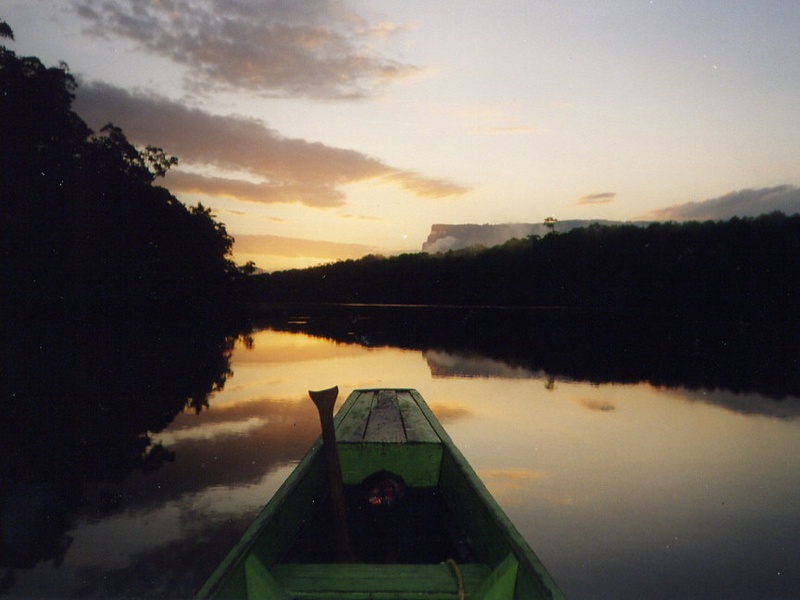
Carrao
Is a scenic river of Canaima National Park in Bolívar state. Winds past table-top tepuis and connects to hang-gliding waterfalls. Serves as access for tourism to Angel Falls and nearby lagoons. Is included for its cultural and scenic importance.
Paragua
Is a forested tributary in the Guiana highlands that joins the Caroní system. Runs through remote jungle and supports diverse wildlife. Supplies sediment and freshwater to downstream hydroelectric and river systems. Is relevant for Guiana Shield hydrology.
Portuguesa
Is a central plains river that feeds the Apure and Orinoco system. Runs through agricultural lands in Portuguesa state. Supports irrigation and local farming. Is included for its economic importance to lowland agriculture.
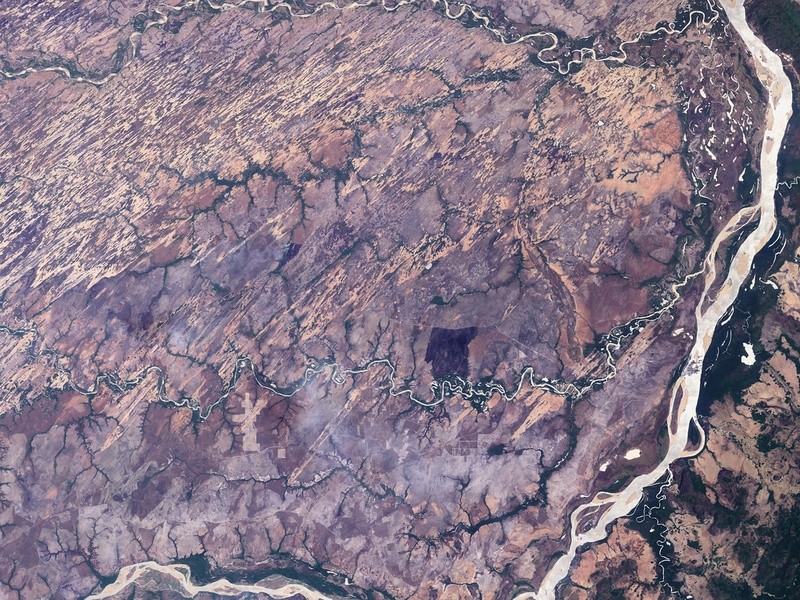
Cinaruco
Is a clear, seasonal river of the Apure plains and part of the Cinaruco–Capanaparo wetland complex. Supports important fisheries and waterbird habitat. Floods seasonally and sustains large wetlands. Is notable for conservation and wildlife.
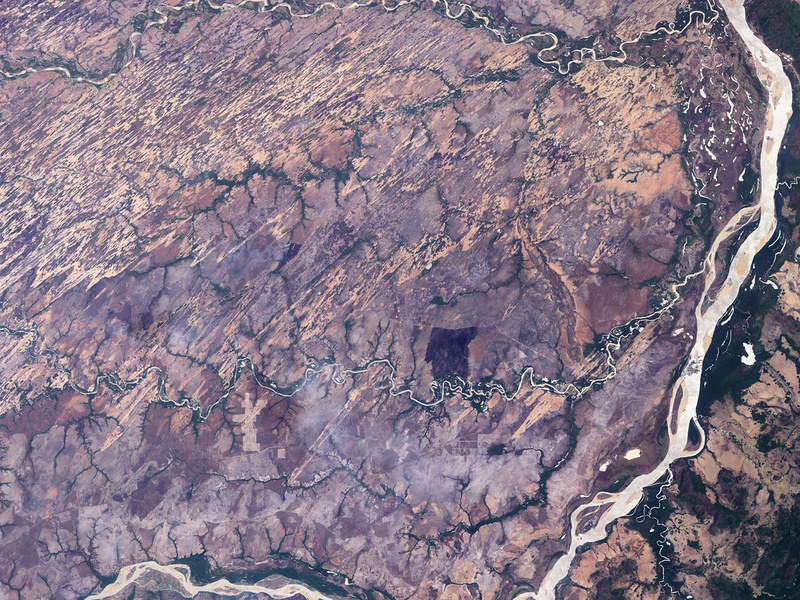
Capanaparo
Is a floodplain river paired with the Cinaruco in Apure state. Forms wide seasonal wetlands and reed beds. Hosts rich bird and fish communities. Is included for its role in the Llanos wetland system.

Catatumbo
Is a river that drains into Lake Maracaibo and crosses the Colombia–Venezuela border. Is famous for the Catatumbo lightning over its estuary. Drains steep Andean valleys into the Maracaibo basin. Is culturally and meteorologically well known.
Chama
Is an Andean river that flows northwest into Lake Maracaibo. Rises in the Mérida Andes and crosses agricultural valleys. Supplies irrigation and local towns and has dams. Is important for northwest Venezuela water resources.
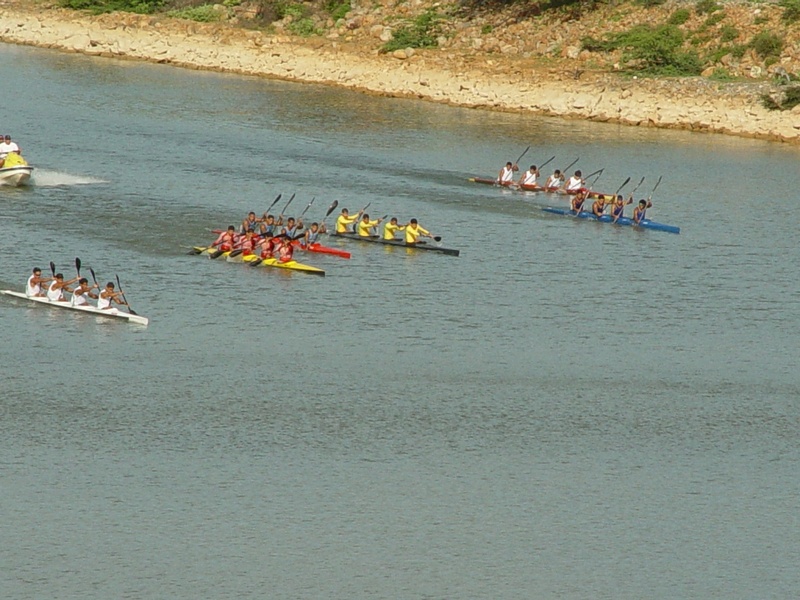
Tocuyo
Is a coastal river in the northwest that drains into the Caribbean near Falcón and Lara states. Runs through fertile valleys used for farming. Supports regional agriculture and settlements. Is included for its coastal basin role.
Tuy
Is a north-central river that drains into the Caribbean coast near Miranda and La Guaira regions. Crosses populated valleys south of Caracas and supplies water to nearby towns. Has historical and urban importance. Is included for its proximity to the capital.

Guaire
Is the main urban river that runs through Caracas and joins the Tuy system. Serves as the city’s drainage channel and is highly impacted by pollution. Reflects urban water-management issues. Is included for its social and environmental relevance.
Neverí
Is an eastern coastal river in Anzoátegui state that flows to the Caribbean near Puerto La Cruz. Supplies water to coastal cities and supports local fisheries. Runs from mountainous headwaters to the sea. Is included for its coastal watershed role.
Manzanares
Is a small coastal river in eastern Venezuela with local significance. Flows from nearby hills to the Caribbean coast and serves local towns. Is used for small-scale irrigation and community water supply. Is included as a regional coastal river.
Yaracuy
Is a northwestern river that drains into the Caribbean and names Yaracuy state. Starts in inland highlands and flows through agricultural valleys. Supports irrigation and regional towns. Is included for its economic value in central-west Venezuela.
Guasare
Is a northwestern river in Zulia state that flows through low plains toward the Maracaibo region. Runs through agricultural and oil-producing areas. Supports local irrigation and communities. Is included for its role in the Lake Maracaibo basin.
Zulia
Is a western river that helps feed Lake Maracaibo and gives its name to Zulia state. Runs near the Colombia–Venezuela border and through lowland plains. Supports fisheries and regional transport. Is included for its importance to the Maracaibo basin.