A midsummer bonfire in a Lithuanian village where families still search for the mythical “fern flower” on the night of June 23–24 — a practice that blends pre-Christian ritual with modern celebration. Traditions like that stitch generations together: grandparents pass stories and skills to children, local markets and craft fairs bring vital income to small makers, and communal rituals give ordinary days a sense of meaning. From seasonal rites timed to the agricultural and church calendars to life‑cycle ceremonies and craft trades, these customs keep language, music and recipes alive. These ten traditions — seasonal rites, life‑cycle rituals, foods, crafts, and musical practices — reveal how Lithuania’s past shapes daily life today and why these practices matter for cultural identity, tourism, and community cohesion.
Seasonal & Folk Traditions
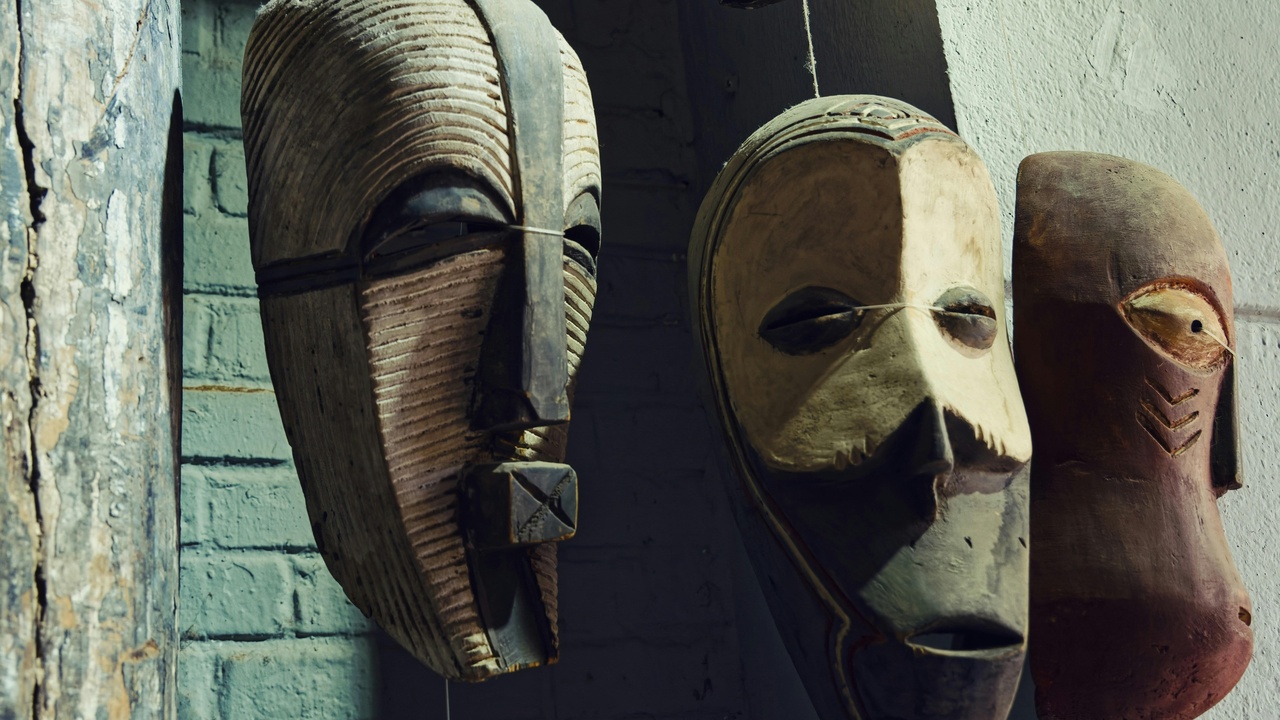
Seasonal festivals and folk rites structure the Lithuanian year, following both agricultural cycles and the liturgical calendar. Many events fuse pagan motifs with Christian dates, and they draw locals and tourists to town squares where markets, music and symbolic acts—like effigy burnings or bonfires—set the tempo of community life. These festivals also support artisans and food vendors, turning old customs into modern economic activity.
1. Užgavėnės (Shrovetide) — Masked farewell to winter
Užgavėnės is Lithuania’s carnival‑like festival that marks the end of winter and precedes Lent. Towns stage masked parades full of rough straw and animal masks, children and adults play roles, and the central rite is the making and burning of the Morė effigy to symbolize winter’s departure. The celebration falls on Shrove Tuesday (date varies each year) and you’ll find lively events in Vilnius, Kernavė and Rietavas. Street stalls sell pancakes and other rich foods—pancake stalls and family mask‑making workshops are common—and some larger towns report thousands of visitors on festival day. Schools often run mask‑making classes so the craft survives, and the theatrical, noisy atmosphere keeps the community engaged.
2. Joninės (Midsummer / St. John’s Day) — Bonfires and the fern-flower myth
Joninės, held around June 23–24, is Lithuania’s midsummer celebration with big bonfires, woven wreaths, folk songs and the romantic quest for the mythical “fern flower.” Rural communities keep the nightlong vigil—young people jump over fires, float wreaths on rivers and sing until dawn—while coastal towns and Vilnius host public concerts and family events. The fern‑flower legend, promising luck or love to whoever finds it, remains a playful ritual motif, and the visible bonfires across fields and riverbanks are a vivid summertime image that attracts many visitors.
3. Kaziuko mugė (Kaziukas Fair) — Centuries-old craft market
Kaziuko mugė takes place in early March (traditionally the first weekend) and traces back to the 17th century as a lively fair centered on folk crafts, food and street performers. In Vilnius the fair fills streets with amber sellers, ceramicists, woodcarvers and vendors of hand‑painted Easter eggs; live folk music adds a festive soundtrack. Artisans rely on the fair for seasonal income, and tourists find authentic souvenirs—amber bead necklaces and carved household wares are staples. The Kaziukas market also plays a preservation role, encouraging younger makers to learn traditional techniques through cooperatives and studio workshops.
4. Vėlinės (All Souls’ Day) — Lighting candles and communal remembrance
Vėlinės, observed November 1–2, is the time when families clean graves, lay wreaths and light candles so cemeteries glow at night. The practice blends Catholic All Souls’ observance with older ancestor veneration, creating a powerful national image of candle‑lit memorials. Municipalities often arrange extra transport and extended visiting hours; photographers and quiet walkers alike are drawn to the luminous cemeteries. Visitors follow local etiquette—bring flowers, candles and water for cleaning—and many towns coordinate services and volunteer groups to help elders tend graves.
Life-cycle, Community & Ritual Traditions
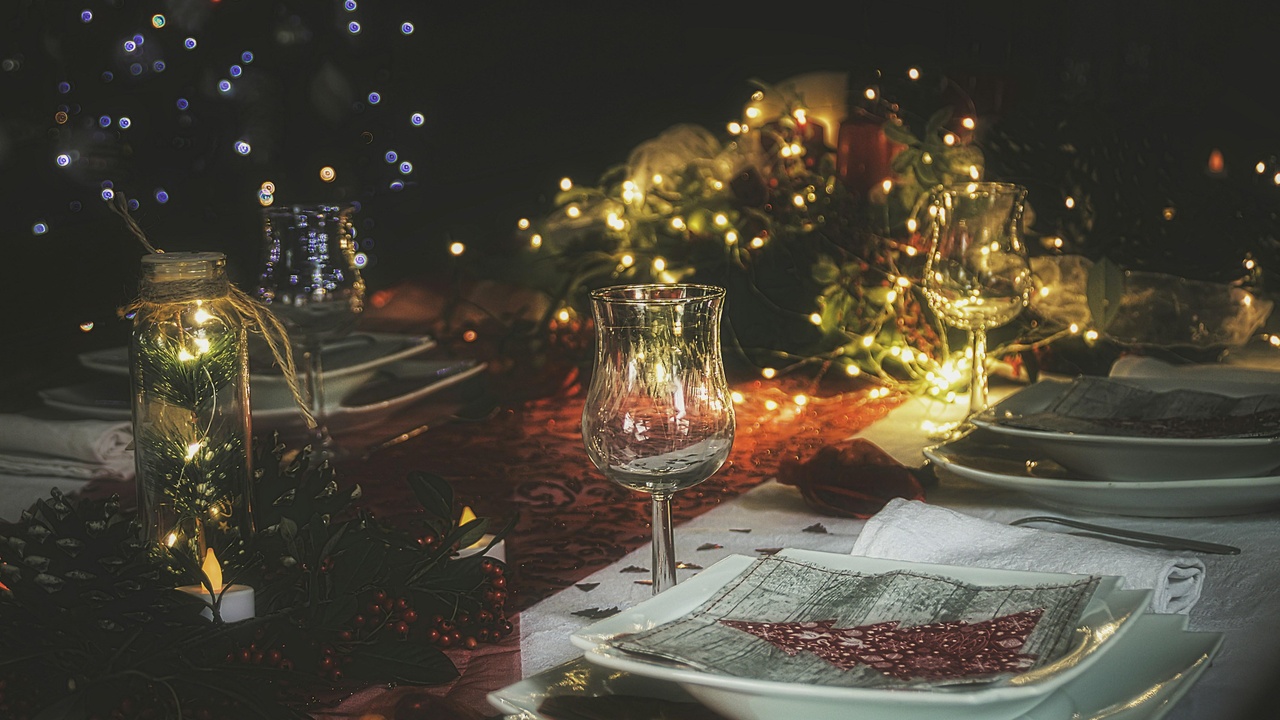
Rites of passage and everyday communal rituals anchor family life in Lithuania. From birth blessings and name‑day teas to weddings and funerary customs, these practices transmit values, assign social roles and keep neighborhoods connected across generations. The pattern is consistent: symbolic foods or objects mark transitions, religious ceremony gets blended with folk elements, and community gatherings—small or large—reinforce local networks.
5. Kūčios (Christmas Eve) — The 12-dish supper and family ritual
Kūčios is the traditional Christmas Eve supper held on December 24 and centered on a meatless meal often made up of 12 dishes—a symbolic number tied to the apostles or the months. Typical items include kūčiukai (tiny poppy‑seed‑topped buns), poppy‑seed milk, herring in various preparations, boiled potatoes and mushroom dishes. Families set an extra place for absent or deceased relatives, wait for the first evening star before beginning the meal, and use the long dinner for story‑telling and blessing the home. Many households keep regional recipes, and restaurants offer Kūčios tasting menus that help urban diners reconnect with the ritual.
6. Wedding customs — Matchmaking, songs, and ceremonial foods
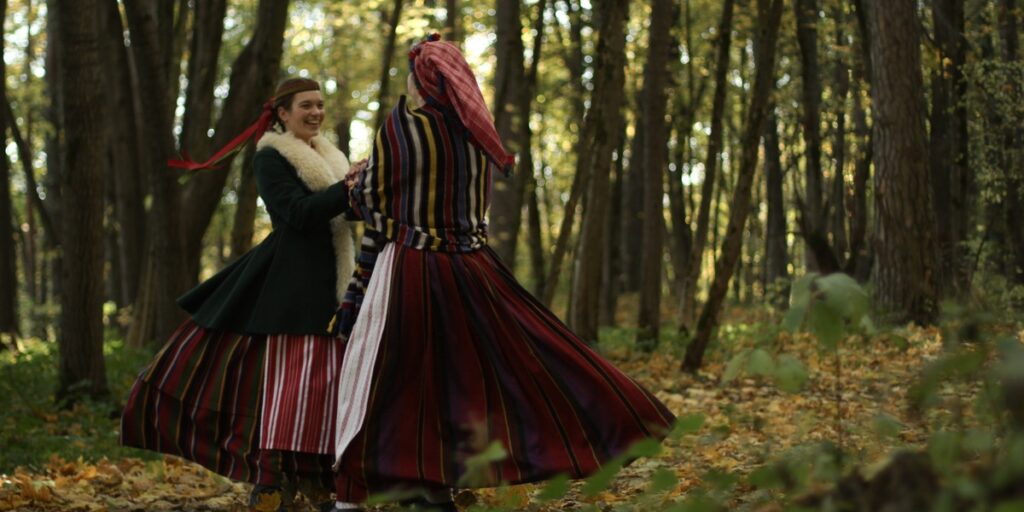
Traditional Lithuanian weddings combine ceremonial garments, ritual foods and music. Historically a piršlys (matchmaker) played a role, and some modern rural weddings still include a bride’s crown or sash as a symbol of status. A distinctive centerpiece is šakotis, the branched “tree” cake baked on a rotating spit and sliced for guests. Folk ensembles provide song and dance, while communal dancing after the reception keeps older and younger generations together. Cultural tour operators and wedding planners often incorporate these elements for couples who want a heritage‑rich celebration.
7. Name days and neighborhood gatherings — Small rituals with big social effects
Name days—celebrated on a saint’s day or calendar date associated with a given name—function as social glue in many Lithuanian communities and sometimes rival birthdays in importance. Typical observances are modest: tea, cake and a few guests at home, coworkers bringing a treat to the office or neighbors dropping by with flowers. The ritual keeps neighborly bonds strong, supports elder social networks and provides many accessible moments for communal celebration that don’t require big budgets or long planning.
Culinary, Crafts & Cultural Expressions
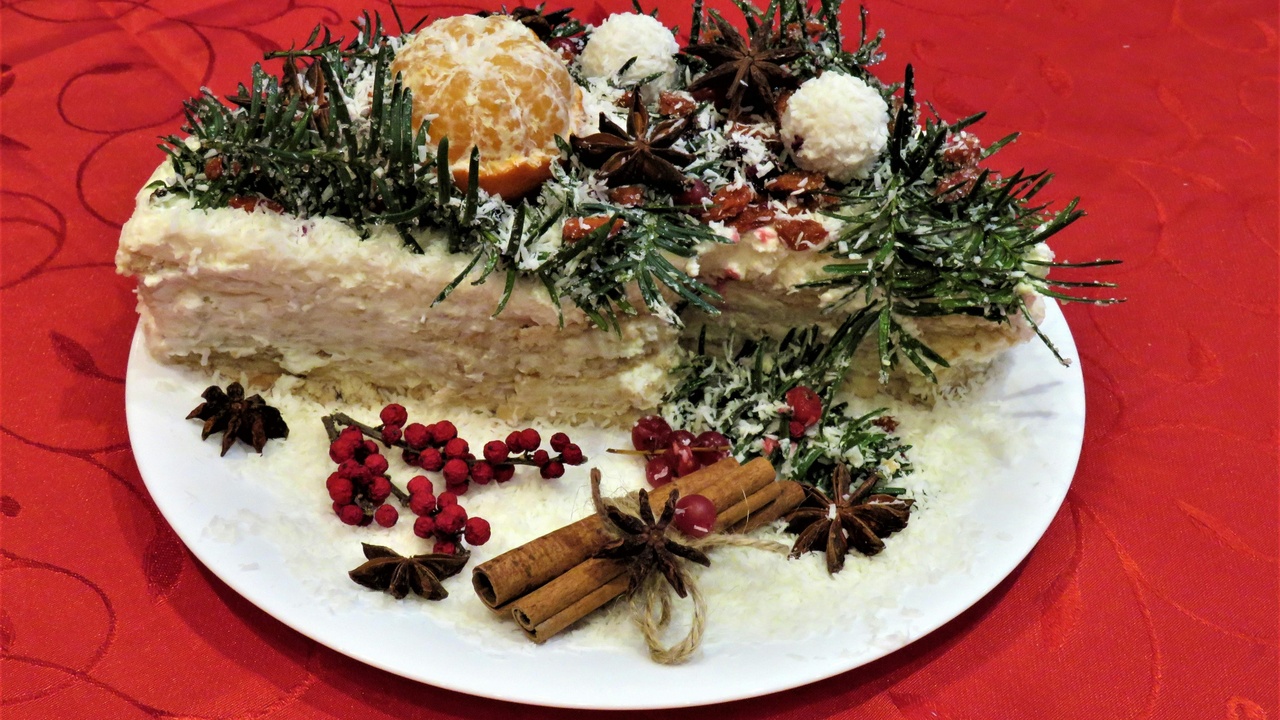
Food, craft and musical traditions articulate national character and drive cultural tourism. Dishes like cepelinai and šakotis are culinary calling cards; amber, linen and woodwork sustain artisans; and song and dance assemblies mobilize thousands for national festivals. These tangible and intangible expressions create income for small producers and provide the material culture that visitors seek when they come to explore Lithuania.
8. Traditional foods — Cepelinai, šakotis, and regional specialties
Cepelinai—large potato dumplings often filled with meat or mushrooms and served with sour cream or mushroom sauce—are a hearty national favorite, commonly offered in family restaurants across Vilnius and the regions. Šakotis, the layered “tree” cake baked on a rotating spit, appears at weddings, major holidays and public celebrations. Regional variations abound: coastal towns favor fish dishes while inland recipes lean on mushrooms and roots. Restaurants and small producers market tasting menus that let visitors sample cepelinai, kūčiukai and other specialties, keeping recipes alive and profitable.
9. Amber, linen and wood crafts — The material culture of the Baltic
Baltic amber, linen weaving and wood carving form the backbone of Lithuania’s material crafts. Amber has long been traded and fashioned into jewelry—necklaces and beads sell well at markets and galleries—while handwoven linen tablecloths and embroidered garments recall rural life. Woodcarvers make spoons, crosses and household objects that tourists and locals both prize. These crafts surface at events like Kaziuko mugė and in studio shops in Vilnius and Klaipėda, supporting cottage industries and artisan cooperatives year‑round.
10. Song, dance and sutartinės — Musical traditions and national identity
Multipart songs known as sutartinės, vigorous folk dances and the mass Song and Dance Festival are central to Lithuanian identity. The national festival—held on a multi‑year cycle (commonly every four years)—gathers thousands of singers and dancers into mass choir performances that UNESCO recognizes for their cultural importance. Sutartinės exemplify a unique polyphonic style, and youth ensembles tour abroad, keeping the repertoire alive. Local choirs and dance troupes rehearse year‑round, and these communal practices foster pride while drawing international visitors to large‑scale events.
Summary
- Traditions connect past and present: seasonal rites, Kūčios supper and Joninės bonfires link generations and sustain local identity.
- Seasonal festivals and life‑cycle rituals (Užgavėnės, Vėlinės, weddings) keep communities active and help small towns attract visitors and sales.
- Food and crafts—cepelinai, šakotis, amber, linen and woodwork—are tangible heritage that support artisans and culinary tourism.
- Musical traditions (sutartinės and the Song and Dance Festival) have international recognition and bind thousands of participants in collective performance.
- Experience one: attend Joninės on June 23–24, browse Kaziuko mugė in March, or taste Kūčios dishes like kūčiukai and poppy‑seed milk to get a direct sense of these living customs.