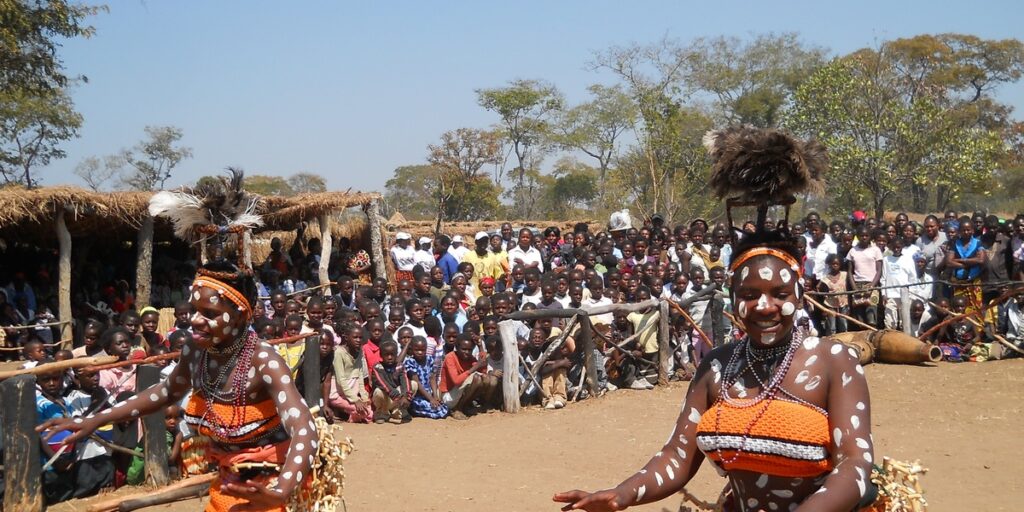
October 24, 1964, marked Zambia’s birth as an independent nation, and the country’s many regional customs have kept communities rooted ever since. Across Zambia’s 10 provinces, traditional ceremonies still set the calendar: seasonal moves, royal events, harvest thanks and rites of passage. These gatherings do more than preserve dance and regalia; they bind families, sustain artisans and traders, and feed local tourism and crafts economies. One iconic ceremony, Kuomboka, signals the end of the floods and draws crowds to witness the Litunga’s river procession. What follows is a guided tour of ten living practices—grouped into festivals, life‑cycle customs, and everyday community traditions—that show how culture shapes daily life in towns and chiefdoms alike.
Cultural Festivals and Public Ceremonies
Zambia’s festival calendar is rich and regionally specific, marking seasonal changes, royal movements and harvest cycles with music, pageantry and ritual. Festivals combine dance, elaborate regalia and political symbolism that renew local authority and identity. Kuomboka, centered on the Lozi monarchy, takes place at the end of the rainy season and features a dramatic river move; these events regularly draw thousands of spectators and boost nearby market stalls and lodges. Beyond spectacle, public ceremonies keep language, song and craft skills alive while sustaining local economies through food sales, costume-making and guided visits.
1. Kuomboka: The Lozi King’s River Parade
Kuomboka is the dramatic canoe procession when the Litunga, the Lozi king, moves from the flooded Barotse Plain to higher ground in late March or April. The ceremony centers on two elaborately decorated royal barges called Nalikwanda, propelled by hundreds of paddlers in coordinated strokes. Traditional drumming, fanfare and royal regalia announce the Litunga’s departure and arrival.
On a practical level, Kuomboka supports canoe- and mask-makers, seamstresses who produce royal cloths, and traders who serve the influx of visitors. The procession reinforces Lozi political identity—people watch not only for spectacle but to reaffirm loyalty and community ties. Cultural officers and tourism officials often organize viewing points and explain protocols to visitors during the festival.
2. Nc’wala: The Ngoni’s Celebration of Unity
Nc’wala is the Ngoni people’s annual ceremony in Eastern Province that celebrates the harvest and expresses unity among clans. The chief takes a central role, presiding over royal dances and spear displays that recall martial traditions inherited from 19th‑century Ngoni migrations.
The event transmits Ngoni identity across generations: young men learn war-dance steps and discipline, while elders rehearse oral histories. Villages use Nc’wala to settle disputes, reinforce alliances and receive guests; some modern iterations welcome tourists to watch performances and buy local crafts, which injects cash into rural economies.
3. Likumbi lya Mize: Lunda Masks and Women’s Ceremonies
Held in Luapula Province, Likumbi lya Mize spotlights Lunda masquerade and rites that emphasize women’s roles in community life. Masked dancers perform stylized routines while elders guide younger women through lessons about social duties and moral conduct.
The festival sustains mask-making, textiles and stagecraft: artisans sell woven cloth and carved masks, and instructors pass techniques to apprentices. For many participants, Likumbi functions both as a public celebration and a quiet classroom where lineage, gender roles and local history are reinforced.
4. Lwiindi: Tonga Harvest and Communal Thanks
Lwiindi is the Tonga people’s thanksgiving ceremony in Southern Province, usually held after the harvest (often August–September). The ritual centers on communal feasting, songs of thanks and offerings to the land and ancestors for a good yield.
Beyond celebration, Lwiindi organizes practical exchanges: families share seed stock, households redistribute surplus food, and local leaders sometimes use the gathering to mediate disputes. The festival therefore binds agricultural cycles to social welfare and resource-sharing in a way that supports resilience.
Life-cycle Traditions: Birth, Initiation, and Marriage

Life-cycle traditions shape social obligations from the moment a child is born through marriage and elderhood. Practices such as naming ceremonies, initiation rites and bridewealth (lobola) transfer responsibility, teach community values and formalize relationships. Customs vary by ethnic group, and urbanization is reshaping some rituals without erasing their social functions.
5. Lobola and Marriage Negotiations
Lobola is the negotiated bridewealth system used across many Zambian communities to formalize marriage bonds. Negotiations typically involve elders from both families and can include cattle, cash or symbolic gifts depending on local custom and the parties’ means.
The process sets expectations about inheritance, household roles and reciprocal obligations; it also drives significant ceremonial spending on weddings and feasts. In rural chiefdoms elders mediate disputes and determine what’s acceptable, while in urban settings couples often adapt lobola to modern finances and living arrangements.
6. Initiation Rites: Teaching Adulthood
Initiation rites mark the transition to adulthood and are when elders pass on moral codes, practical skills and community history. Typical elements include periods of seclusion, instruction by respected elders and symbolic acts that signal new social status.
These rites create mentorship links across generations: young people learn farming techniques, craft skills and social responsibilities while forming tight peer cohorts. Specific practices differ by group, so local examples—such as documented Tonga or Lunda initiation customs—help show how these ceremonies anchor identity.
7. Naming Ceremonies and Childhood Rituals
Naming ceremonies publicly link a child to family history and ancestral lines through blessings, announcements and communal feasting. Elders often invoke ancestors’ names or circumstances of birth when giving a name, tying the child to a narrative that matters to the wider kin group.
Names can encode hope or memory—references to season, events or family status—and these ceremonies range from intimate home gatherings to larger community affairs. For families, the ritual affirms belonging and establishes expectations for the child’s place in the lineage.
Traditional Knowledge, Healing, and Community Crafts
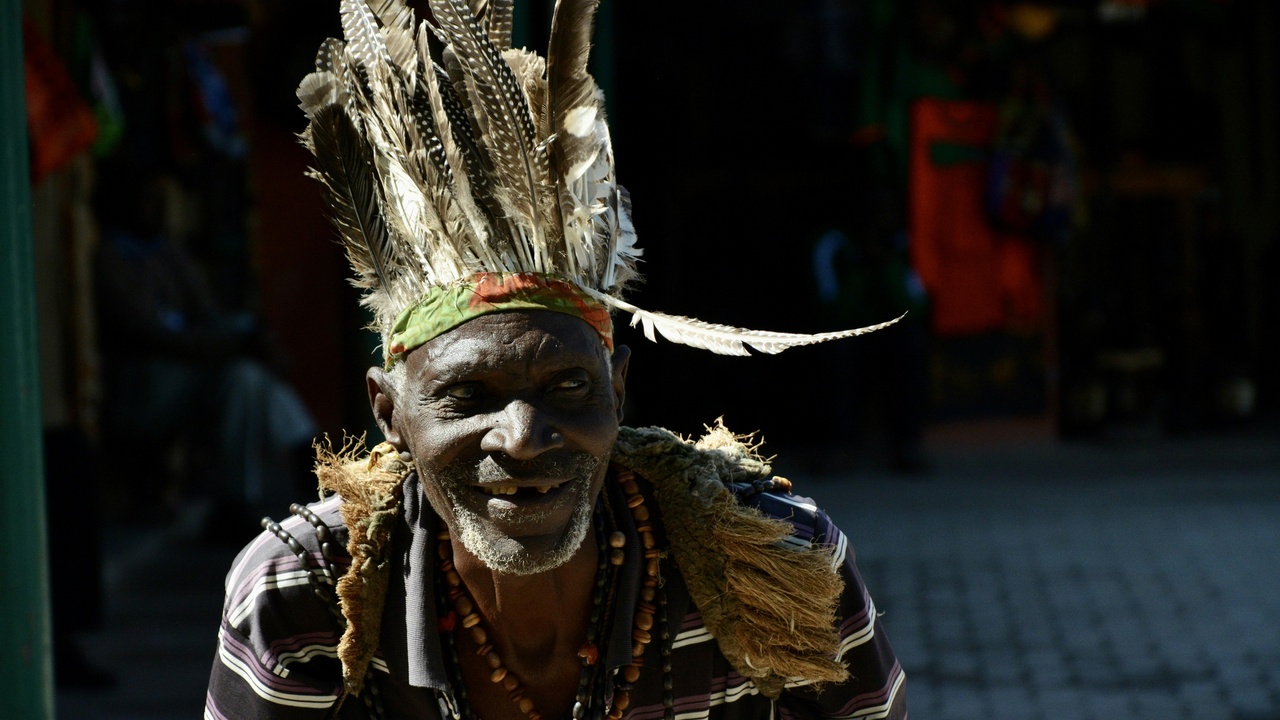
Everyday traditions—herbal medicine, storytelling, craftwork and funerary rites—keep communities resilient and culturally coherent. These practices produce practical outcomes: alternatives or complements to clinical healthcare, livelihoods from marketable crafts, and social cohesion through shared narratives. Traditional knowledge often fills gaps where formal services are thin.
8. Traditional Healers and Herbal Medicine
Traditional healers play a central role in rural Zambia, offering herbal remedies and spiritual care that many people trust and can access easily. In parts of sub‑Saharan Africa, WHO has noted that a large share of the population uses traditional medicine, and Zambia’s rural clinics frequently interact informally with local healers.
Healers maintain a pharmacopoeia of local plants used for ailments from fevers to skin conditions, and they often provide maternal and postnatal advice where clinics are distant. Some projects now formally document ethnobotanical knowledge so that effective remedies can be studied and preserved.
9. Crafts, Textiles, and Oral Storytelling
Crafts—basketry, pottery and vibrant chitenge textiles—together with oral storytelling, keep history and skills in circulation. Artisan markets in provincial towns connect rural producers to urban buyers and tourists, supplying income and encouraging younger makers to learn traditional patterns.
Storytelling transmits local legends, ethics and community memory to children, while craftwork offers visible identity markers in dress and household goods. Featuring an artisan’s story at a market stall often reveals how a small sale supports a whole family’s schooling and health expenses.
10. Funerary Customs and Ancestor Respect
Funerary rites organize grief, succession and communal memory through collective mourning, libations and periodic remembrance ceremonies. Chiefs and elders usually guide proceedings, which can include multi-day gatherings, ritual speeches and offerings to ancestors.
These customs shape inheritance and social obligations: who cares for widows, which kin inherit land, and how leadership transitions occur in a chiefdom. Urban migration changes the logistics, but many families still return to home villages for traditional commemorations that reaffirm ties across generations.
Summary
- Living festivals—from Kuomboka’s river parade to Likumbi lya Mize—tie seasonal rhythms to political and economic life while sustaining artisans and local tourism.
- Life‑cycle customs such as lobola, naming ceremonies and initiation rites structure responsibility, inheritance and intergenerational teaching within families and chiefdoms.
- Traditional knowledge—healers, crafts and storytelling—fills practical needs for health and livelihoods and passes on skills that formal institutions often don’t cover.
- These traditions adapt rather than vanish: urbanization and modern law change forms, but the social functions—identity, resource-sharing and governance—remain important.
- If you visit, respect local protocols and seek community‑led experiences so you support, rather than crowd, the living practices that make Zambia’s culture so resilient.