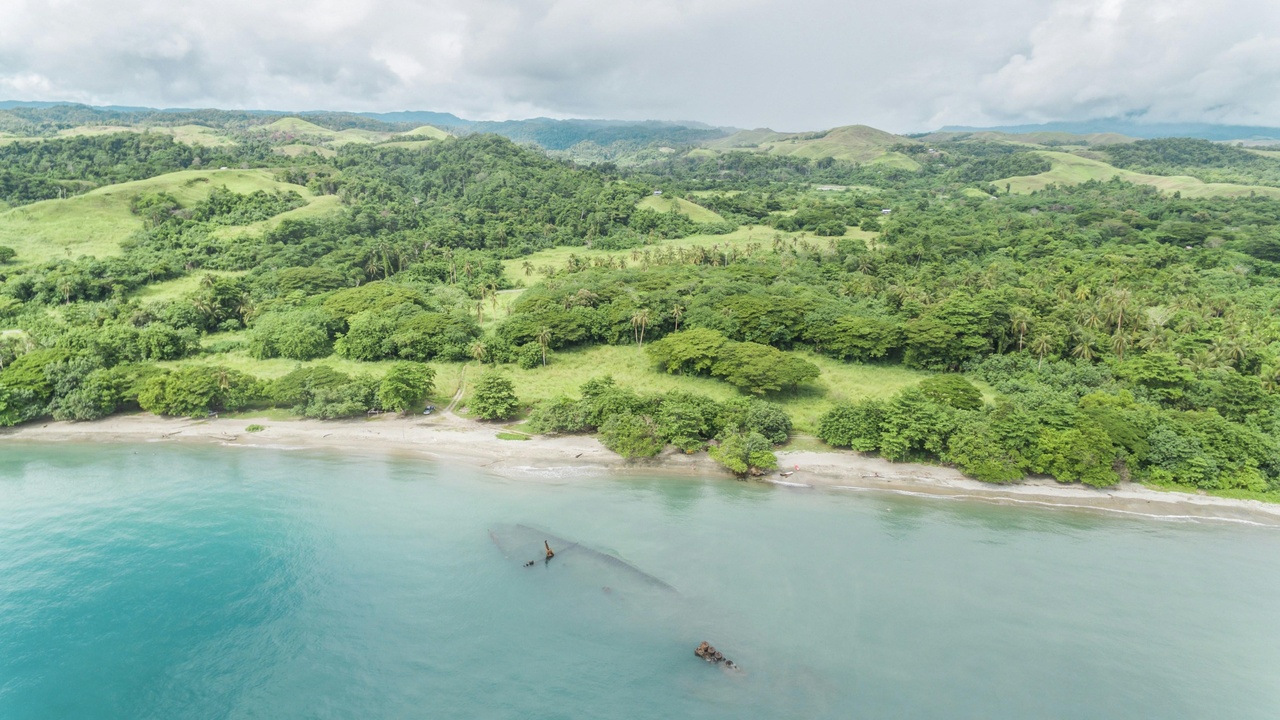
On July 7, 1978, the Solomon Islands became an independent nation made up of roughly 992 islands and more than 70 languages — a small country with a very large cultural footprint.
That geographic and linguistic diversity (≈992 islands, 70+ languages, population ~700,000) helps explain why kastom—local customary practices—still steers daily life from remote atolls to provincial towns.
These traditions matter because they shape community resilience, resource stewardship, identity, and local economies: kastom organizes who eats first after a storm, how reefs are protected, and how disputes get settled.
Below are 10 important traditions that help explain how kastom shapes life across the Solomon Islands.
Community and Social Traditions
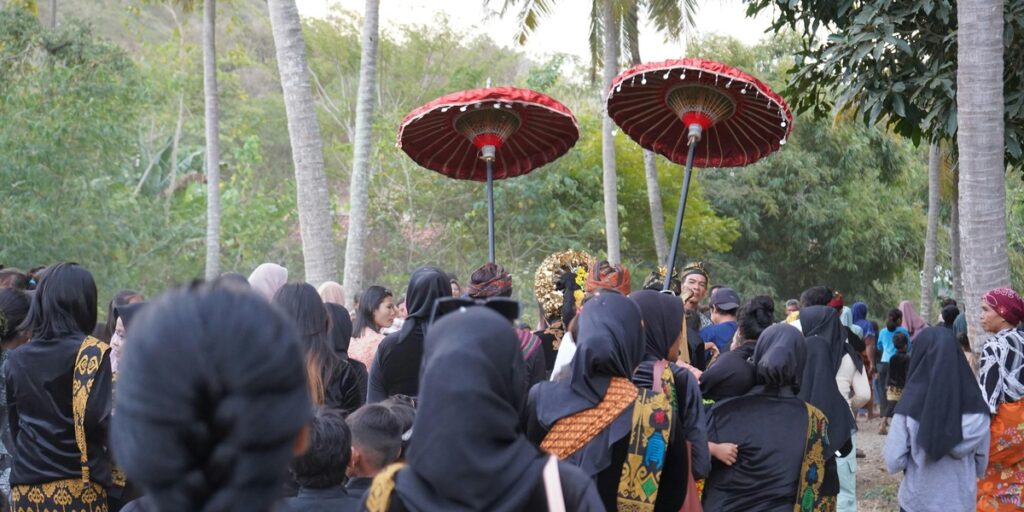
Kinship, reciprocity and strong community obligations are the backbone of everyday life. Across provinces like Malaita, Guadalcanal and the Western Province, people rely on family networks for food, shelter and social order.
These social customs include wantok obligations, ceremonial exchanges such as shell money and pigs, and public feasts with masked dances and initiations that reinforce belonging. In short, the traditions in the solomon islands are practical systems as much as cultural expressions.
Examples are common: wantok groups mobilize relief after cyclones, shell-money strings still pay bride-price in parts of the Western Province, and villages in Malaita hold communal feasts after a successful fishing season to share the catch and labor.
1. The Wantok System (Kinship and Mutual Support)
Wantok—literally “one talk”—refers to kin and language-based networks that act as informal safety nets. Most rural communities depend heavily on extended-family obligations for food, childcare and rebuilding after storms; roughly three-quarters of the population still lives in rural villages, so these ties matter every day.
Wantok reduces demand for formal welfare by pooling resources, and it’s often the first responder in disaster recovery. Remittances flow from urban relatives in Honiara back to home islands, and villagers pool labor in a soli to rebuild houses or gardens after a cyclone.
At the same time, urbanization and the cash economy create tension: younger people in towns may be less available for traditional obligations, yet they still send money and goods home when needed.
2. Ceremonial Exchange and Bride-Price (Shell Money, Pigs, Mats)
Ceremonial exchange underpins marriage, status and reconciliation. High-value items—shell-money strings, pigs and finely woven mats—are moved during weddings, funerals and peace settlements to formalize alliances and obligations.
Shell money from the Western Province remains widely recognized and circulates as a social currency; pigs and mats anchor exchanges in other areas. These transfers work as social insurance, obliging recipients to reciprocate and thereby strengthening inter-village ties.
On Guadalcanal you’ll see barter-style ceremonies where food, labor and valuables are counted and exchanged publicly. Exchanges can be costly: families may plan for months to raise pigs or strings of shell money used in bride-price negotiations.
3. Communal Feasts, Initiation Rites and Public Performance
Feasts and initiation rituals are moments when community rules, histories and identities are taught and celebrated. Dances, food sharing and masked performances mark life stages and publicly reinforce social norms.
These events mobilize labor and redistribute food: a large feast after a harvest or communal building project secures social reciprocity and can draw visitors, creating modest tourism income. Initiation rites in some rural villages still involve weeks of instruction and ceremonial roles for elders.
Public performances are also a visible way communities host visiting chiefs or government officials, showing both hospitality and cultural status.
Ritual, Spiritual, and Healing Traditions
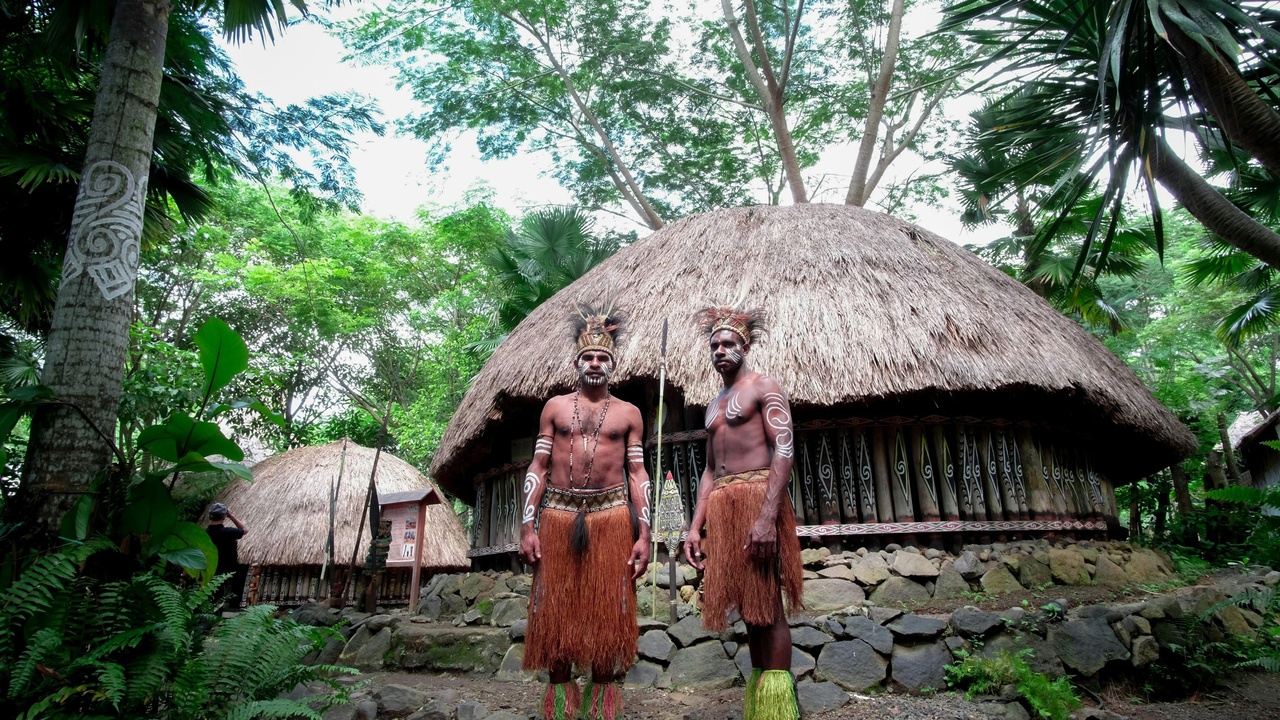
Kastom—an umbrella term for customary law, ritual knowledge and spiritual practice—continues to shape ideas about health, justice and the afterlife. Christianity, introduced from the 19th century onward, often blends with kastom rather than replacing it.
Traditional healers, chiefly councils and ancestor veneration operate alongside churches and clinics, creating hybrid practices that communities rely on for daily life and crisis response.
4. Kastom Leadership, Law and Dispute Resolution
Kastom authority rests with elders and chiefs who mediate disputes, allocate land rights and organize compensation ceremonies. Village councils and chiefly gatherings often resolve conflicts in parallel with formal courts.
These customary processes have practical impacts: chiefs mediate fishing-right conflicts, oversee land claims, and arrange apology payments or compensation to settle feuds. Some government and NGO initiatives now recognize customary processes and work to integrate them with national legal frameworks for more durable peace-building.
5. Traditional Medicine and Healers
Traditional healers remain primary care providers in many villages, using plant-based remedies and diagnostic rituals to treat wounds, fevers and spiritual illness. These remedies are passed down through apprenticeship and local knowledge networks.
Kastom medicine fills gaps where clinics are distant and supplies thin; during outbreaks, healers sometimes coordinate with nurses, while in other cases tension over treatment choices persists. Common practices include poultices from local plants for wound care and herbal teas for fevers.
6. Funeral Rites and Ancestor Veneration
Funerals are major social events that often blend Christian liturgy with kastom observances. Families can host multi-day ceremonies that involve large exchanges of food, shell money and livestock.
The economic burden is real: households mobilize food, labor and sometimes shell money to honor the dead, and attendance is often a social obligation that reinforces kin networks. In many areas, funerals create a temporary but intense demand on village resources.
Art, Craft, and Performance Traditions
Material culture—carving, weaving and music—transmits history and status across generations. Contemporary crafts connect to an ancient lineage: Lapita pottery and decoration show artistic continuity stretching back about 3,000 years.
These arts are both cultural markers and income sources: carvings, shell jewelry and woven mats sell at markets in Honiara and to tourists, while performance traditions teach stories and social values to youth.
7. Wood Carving and the Lapita Legacy
Contemporary carving and decoration trace back to the Lapita cultural horizon, whose pottery and motifs date roughly 3,000 years ago. That deep history gives modern carvings symbolic weight in clan identity and ritual life.
Carved clan-house panels, war shields and decorative panels mark status and stories. Tourists and museums buy replicas and carved objects, so carving also contributes to household incomes and cultural preservation in places like Honiara markets.
8. Music, Dance and Panpipe Ensembles
Are’are panpipe ensembles and regional performance styles are central to storytelling and ritual, especially on Malaita. Ensembles often use multiple pipes in interlocking patterns with call-and-response singing.
Performances preserve oral histories, teach youth cultural repertoires and attract cultural tourists. Ethnomusicologists have long recorded panpipe music, helping preserve repertoires while supporting local performers who showcase their craft at festivals and markets.
Maritime Traditions and Resource Stewardship

The sea is central: navigation, canoe building and reef stewardship sustain food, trade and ceremony. Coastal communities depend on reef catches for daily protein, and customary marine practices organize who fishes where and when.
Customary protections and communal fishing schedules are practical conservation tools, and they show how local knowledge supports biodiversity while securing livelihoods.
9. Canoe Building and Traditional Navigation
Building dugout and outrigger canoes is a skilled craft taught across generations. Canoe construction requires selecting the right timber, shaping and lashings, and often involves a months-long communal effort.
Canoes serve for fishing, inter-island trade and ceremonial travel. Distinct shapes and decorations can identify island origins, and some communities still hold ceremonial launches for newly completed vessels. In some places people have adapted modern materials, but traditional techniques remain prized.
10. Customary Resource Management: Tabu and Reef Stewardship
Many villages use customary closures—locally known as tabu—and other rules to manage reefs and fisheries. These closures are informal marine protected areas backed by social sanctions rather than state enforcement.
Conservation NGOs and researchers have documented measurable gains from village closures, such as larger fish and higher local catch rates after reopening. Community monitoring programs—often run with outside partners—help sustain these gains and link kastom stewardship to formal conservation planning.
Tabu closures thus support food security and attract scientific and development partnerships that bolster local capacity to manage marine resources.
Summary
- Kastom remains a working system for social support, dispute resolution and spiritual life, not just ceremonial practice.
- Customary marine closures and community stewardship can produce measurable conservation and food-security benefits when paired with local monitoring.
- Material arts, exchange systems like shell money, and performance traditions continue to anchor identity and provide economic opportunities.
- Respectful engagement—supporting community-led initiatives, citing local voices, and visiting cultural centers—helps ensure traditions stay relevant and beneficial.