Imagine a long procession of reed boats and priests along the Nile, incense rising as people watch from riverbanks; now picture a narrow Cairo street lit by rows of lanterns at sunset when neighbors pause to break the fast together.
That continuity — public ritual shaping daily life across millennia — helps explain why Egypt’s living customs still matter. They organize work and worship, stitch together neighborhoods, and offer visitors experiences that are both festive and intimate.
With a population of over 100 million, shared rhythms like Ramadan (a lunar month of fasting) or springtime Sham el‑Nessim reach millions at once and shape business hours, family plans, and tourism calendars. This piece highlights 10 important traditions grouped into religious & spiritual; family & social; cultural & artistic; and food, craft & seasonal categories.
Read on for specific scenes, numbers, and local examples that help you understand and respectfully enjoy these practices.
Religious & Spiritual Traditions
1. Ramadan and Daily Fasting Practices
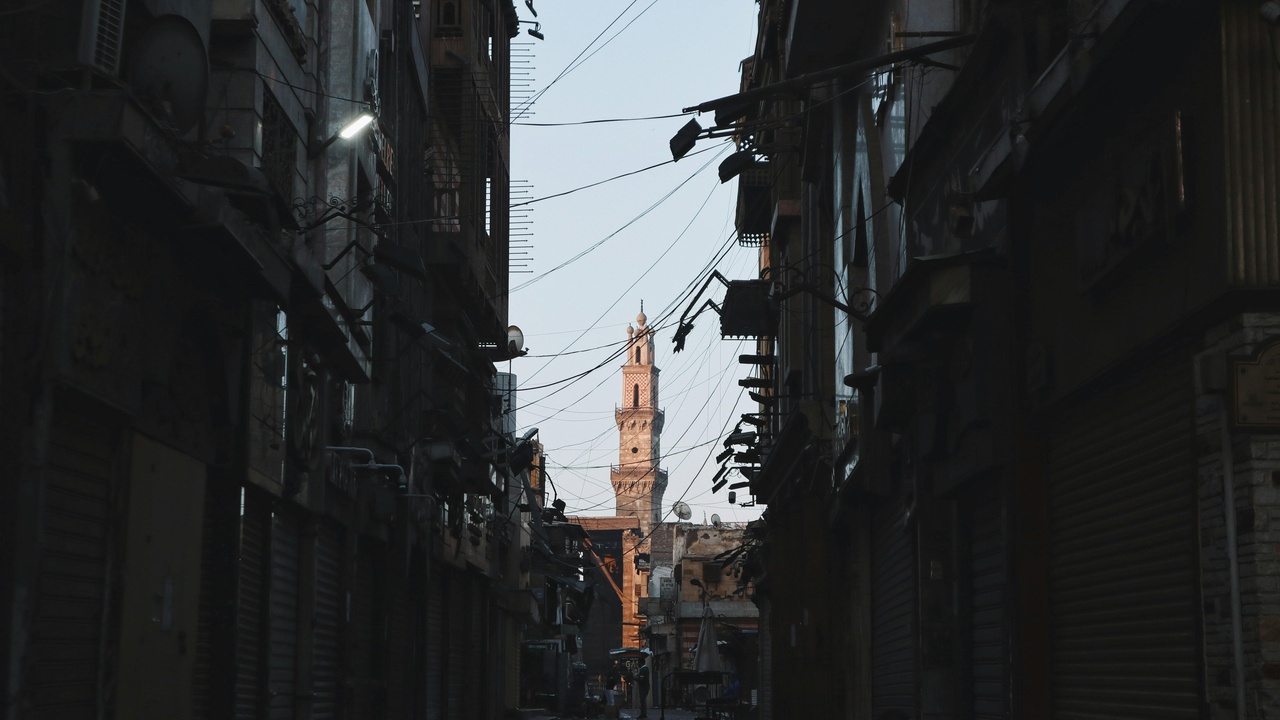
Ramadan is the Islamic month of fasting observed across Egypt, lasting 29–30 days depending on the lunar sighting each year. Each day follows a rhythm: pre-dawn suhoor meals, daytime abstaining, and sunset iftar when families and neighborhoods gather to break the fast.
In cities like Cairo, you’ll see iftar tents, charities running community kitchens, and cafés open late serving sweet drinks and dates. Businesses often adjust hours, television runs special programming, and mosque attendance swells in the evenings for taraweeh prayers.
The communal nature of Ramadan strengthens neighborhood ties and encourages increased charitable giving, with many organizations and volunteers distributing food to those in need throughout the 29–30 day month.
2. Eid Celebrations: Eid al-Fitr and Eid al-Adha
Eid al-Fitr marks the end of Ramadan and Eid al-Adha follows the annual Hajj pilgrimage; official holidays typically last 1–3 days depending on government announcements. Both Eids center on communal prayers, family meals, gift-giving, and visiting relatives.
Before Eid al‑Fitr, markets fill with shoppers buying new clothes and boxes of sweets; Khan el‑Khalili buzzes with last‑minute purchases. During Eid al‑Adha, many families share sacrificial meat with neighbors and charities, distributing portions across communities.
These short but intense holiday periods drive travel, boost retail sales of clothing and confectionery, and create visible surges of public celebration in squares and parks across Egyptian cities.
3. Coptic Christian Rituals and Feasts
Egypt’s sizable Coptic community observes a separate liturgical calendar; Coptic Christmas on January 7 and Easter are among the most important feast days. Services often involve midnight vigils in centuries‑old churches, such as St. Mark’s Cathedral in Cairo.
Traditional Coptic Christmas foods, family feasts, and church‑led charity mark the season. In many neighborhoods, Muslim and Christian neighbors exchange greetings and sometimes food, reflecting local overlap in social life.
These observances, tied to a distinct calendar and ancient liturgy, shape community rhythms and sustain churches that have been active since the earliest centuries CE.
Family & Social Traditions
4. Hospitality and the Ritual of Sharing Food
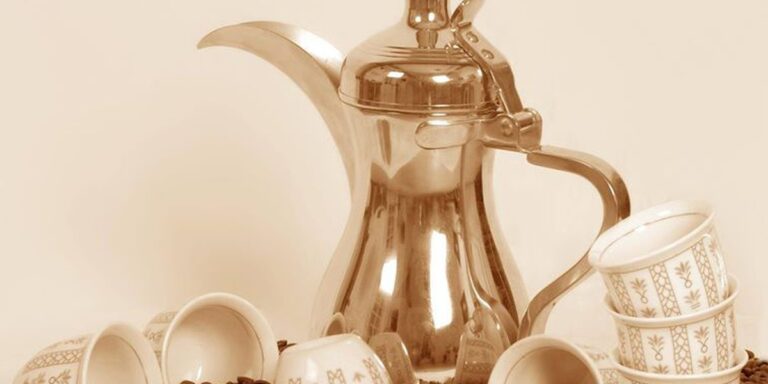
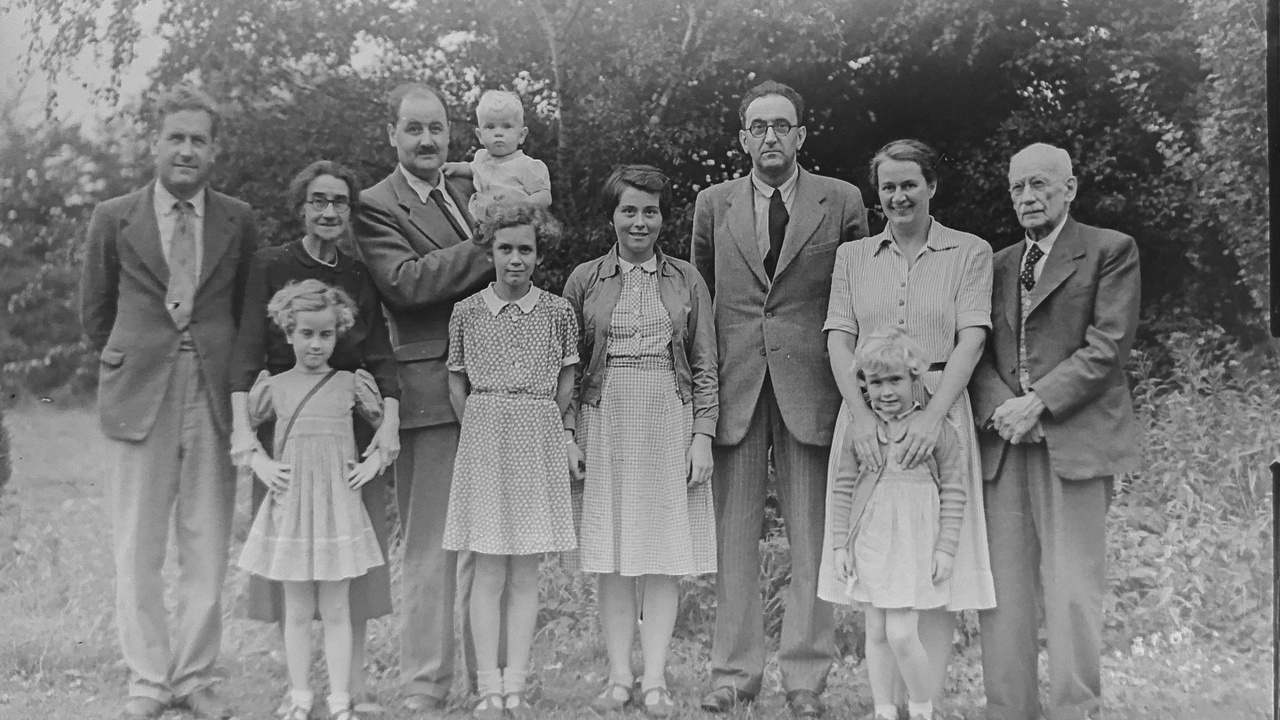
Offering tea, coffee, sweets, and a seat to guests is a defining Egyptian social norm. Hosts commonly prepare a spread — from dates and kahk cookies at Eid to a simple plate of ful medames — as a signal of welcome and respect.
Street‑side tea vendors and neighborhood cafés make hospitality public: it’s common to be invited for a cup after a business meeting or during a casual visit. For tourists, accepting an offered tea or small plate is often the easiest way to connect with locals.
Hospitality also influences business etiquette and neighbor relations, and seasonal treats like kahk are prepared and shared widely ahead of major religious holidays.
5. Marriage Customs and Rites of Passage
Weddings in Egypt blend legal, religious, and social rituals, often stretching across multiple events and sometimes 2–3 days in more traditional regions. Common stages include engagement gatherings, henna nights, and the main wedding with a zaffa procession.
The zaffa—an exuberant wedding march with drums and dancers—appears in urban centers like Alexandria and Cairo, while henna ceremonies remain especially popular in Upper Egypt. Wedding seasons spur spending on clothing, catering, and music, supporting many local businesses.
Beyond the celebration, marriages reflect intergenerational expectations and can shape family alliances, property arrangements, and migration choices when young people move for work or marriage.
6. Naming, Lineage, and Family Roles
Names and lineage are central to social identity: many Egyptians use patronymics that include a father’s or grandfather’s name, linking individuals to family history. Respect for elders and clearly defined family roles inform everyday decision‑making.
Multi‑generational households are common in both cities and villages, with grandparents and uncles often involved in childcare and household leadership. These networks act as social safety nets and influence inheritance, residence, and remittance patterns.
Family expectations shape education and employment choices, and the strength of kin networks helps explain migration flows from rural Upper Egypt to urban centers and overseas.
Cultural & Artistic Traditions
7. Folk Music, Dance, and Performing Traditions
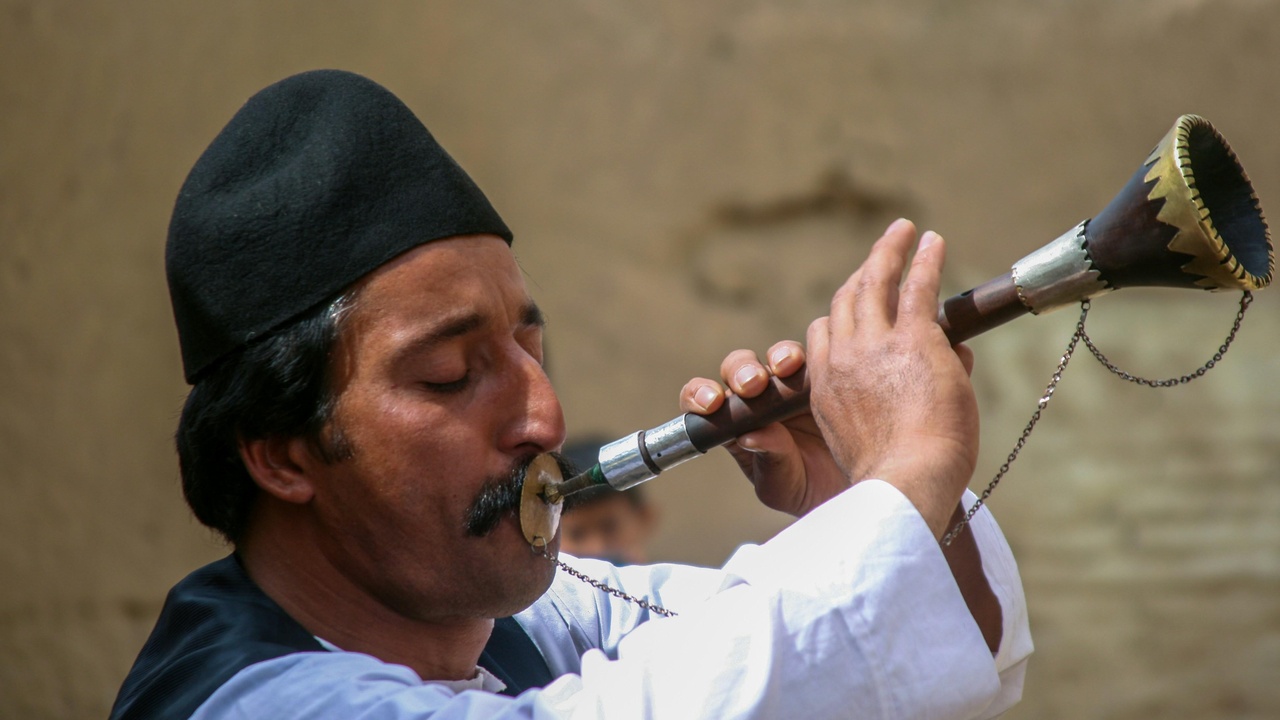
Music and dance are central cultural touchstones: folk ensembles, Sufi performances, and popular urban styles all play roles at weddings, festivals, and riverfront shows. The tanoura dancer’s whirling skirt and belly dance variations are familiar scenes in many venues.
Performers earn livelihoods through weddings, tourist performances, and seasonal festivals, and musical forms like the mawwal (vocal lament or improvisation) feed into contemporary Egyptian pop. Sufi orders have been active for centuries, with notable growth from the 13th century onward.
These traditions preserve regional identities and supply music for daily life and special occasions, while also drawing tourists who attend concerts and cultural nights along the Nile.
8. Storytelling, Festivals, and Public Gatherings
Oral storytelling, seasonal festivals, and public commemorations keep community memory alive. Sham el‑Nessim, a spring picnic day with painted eggs and outdoor meals, is one example where food and story meet public leisure.
Moulids—local saint festivals—feature processions, music, food stalls, and fairs that draw people from surrounding villages. These gatherings create cyclical social rhythms and often attract diaspora family members who return for the occasion.
Festival seasons boost local economies with temporary vendors and entertainment, and they offer visitors a chance to experience living traditions that blend ancient motifs with contemporary practice.
Food, Craft & Seasonal Traditions
9. Culinary Traditions: Everyday Dishes and Festival Foods
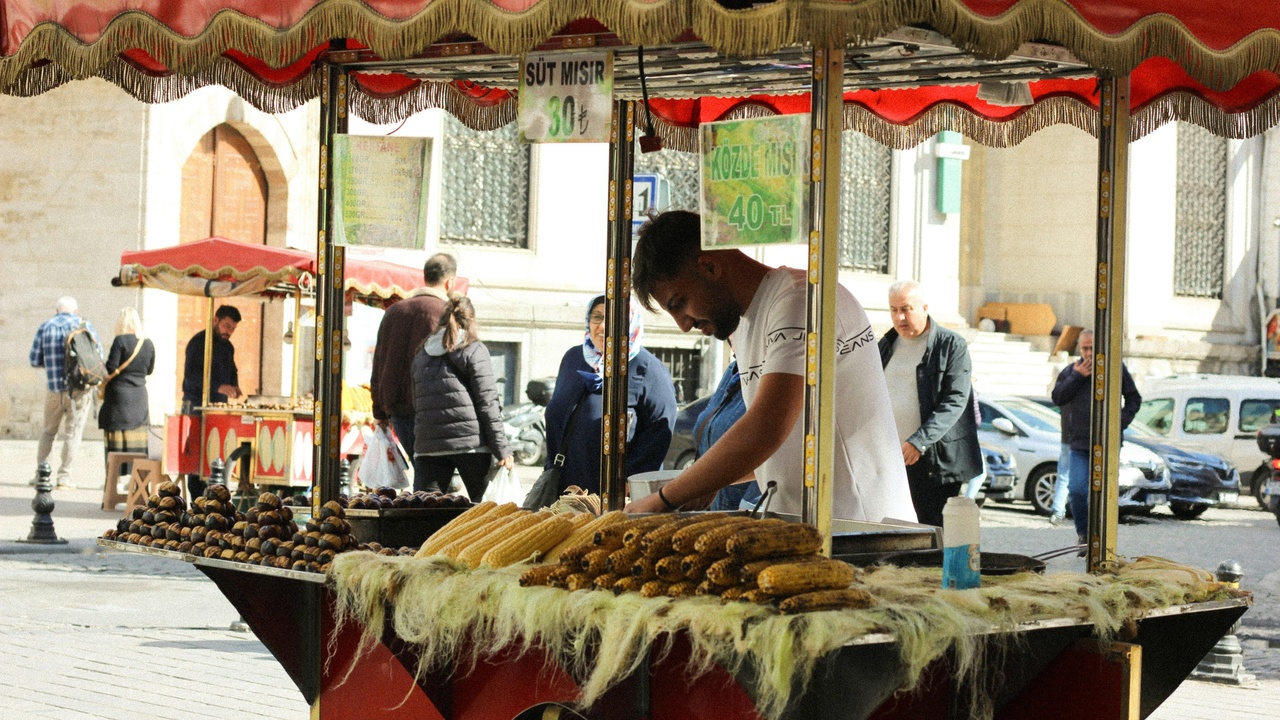
Food is a central cultural language in Egypt, from everyday street staples to holiday specialties. Signature dishes include koshari (rice, pasta, lentils, and tomato sauce), ful medames (fava beans) for breakfast, and molokhia, a leafy green stew served with rice or bread.
Festival foods also mark the calendar: kahk cookies are baked and sold widely in the lead‑up to Eid, and special Ramadan sweets and drinks appear on many tables. Street vendors, small bakeries, and family bakers form a vital part of local livelihoods.
For visitors, food tours and neighborhood stalls—such as busy koshari counters in downtown Cairo—offer immediate, affordable ways to taste culinary traditions that are woven into daily hospitality and festive life.
10. Handicrafts, Souks, and Seasonal Markets
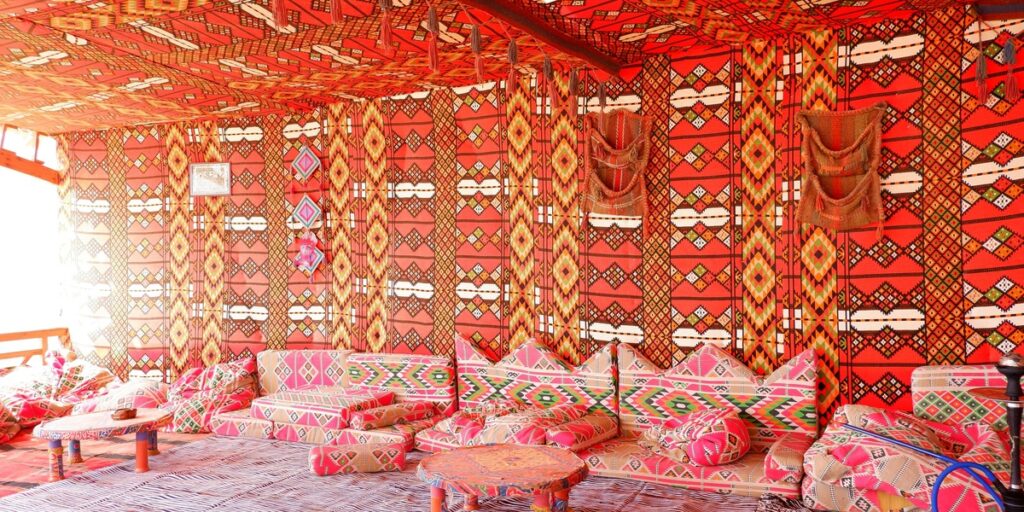
Handicrafts—from Khayamiya appliqué textiles to alabaster carving in Luxor and copperware—are living traditions sold in souks and workshops. Khan el‑Khalili in Cairo remains a prominent market where artisans display brasswork, textiles, and jewelry alongside tourist goods.
Regional craft centers support household incomes and preserve techniques passed down generations. Many workshops increase production before Ramadan and Eid to meet higher demand, while seasonal fairs and moulids create short‑term spikes in sales.
Buying directly from a workshop or artisan helps sustain these practices and gives visitors tangible souvenirs that represent local skills and histories rather than mass‑produced items.
Summary
- Religious calendars (Ramadan: 29–30 days; Coptic Christmas: January 7) structure public life and create shared rhythms across communities.
- Family and social rituals—hospitality, multi‑day weddings (often 2–3 days in some regions), and lineage practices—anchor everyday decisions and economic networks.
- Cultural expressions—music, dance, storytelling, and festivals like Sham el‑Nessim—transmit regional identity and support performers and artisans.
- Food, crafts, and markets (Khayamiya, alabaster, koshari, kahk) sustain livelihoods and offer respectful, hands‑on ways for visitors to engage with traditions in egypt.