On January 1, 1804, Haiti declared independence and became the first Black republic, a founding moment that still shapes public memory, ritual calendars, and communal life across the country.
That history matters because Haitian customs are more than colorful performances; they’re working systems of identity and mutual support that help communities survive economic shocks, political unrest, and natural disasters such as the earthquake of January 12, 2010, which prompted widespread grassroots healing and rebuilding efforts.
Below are ten important practices that animate daily life and national identity—spiritual life and public ritual, family and lifecycle rites, and visible crafts and cuisine—offered so readers, travelers, and diasporic Haitians can approach these customs with curiosity and respect.
Spiritual and Religious Traditions

Spiritual life in Haiti weaves together Catholic practices and Vodou in a long history of syncretism. Religious observance structures town calendars, influences political ritual, and organizes mutual-aid networks; cultural bodies and scholars have long pointed to its civic importance. Public processions, household altars, and neighborhood peristyles are not merely private belief—they’re forums for mediation, healing, and decision-making.
Many towns mark the year by saints’ days and seasonal ceremonies (for example, the Feast of Our Lady of the Assumption on August 15 draws devotion across Catholic parishes), while Vodou families observe distinct rites for Rada and Petro spirits with different tones and offerings. Rituals also scale up: after the January 12, 2010 earthquake, both churches and Vodou peristyles hosted communal healing ceremonies and relief coordination, showing how spiritual practice doubles as social infrastructure.
Peristyles, church processions, and street rituals make belief visible in public life, blending civic and sacred in a way that outsiders often find surprising but which locals experience as normal governance of social relations.
1. Vodou Ceremonies and Rites
Vodou is a living religion practiced by a large portion of Haitians, and a typical ceremony centers on rhythmic drumming, call-and-response singing, offerings at altars, spirit possession, and communal feasts. Peristyles—neighborhood ritual spaces—open for gatherings that may last several hours and hinge on music and trance.
Beyond worship, Vodou rituals serve practical functions: herbal baths and cleansings for health, arbitration of disputes by respected ritual specialists, and organized mutual aid among adherents. Ethnographers have documented how peristyles in Port-au-Prince neighborhoods become emergency networks after storms or tremors, pooling labor and food.
Despite centuries of repression and misunderstanding, Vodou persists and adapts, maintaining social authority in many rural and urban communities and informing public life in unmistakable ways.
2. Catholic Festivals and Saints’ Days
Roman Catholicism remains strong in Haiti, and parish calendars—patron-saint feasts, processions, and Masses—anchor town life. These events often include open-air markets and communal meals, turning liturgical dates into civic festivals that boost local economies.
Many municipalities adopt a patron saint and stage annual processions that combine Mass, marching bands, and street vendors. In practice, Catholics and Vodou practitioners share ritual space: a procession might pass near a peristyle, and people routinely honor both saints and lwa in daily devotion.
These saints’ days are also moments for reconciliation and resource exchange, as families settle debts, recruit godparents, or hold benefit fairs that raise funds for school fees or repairs.
3. Rara Processions and Street Rituals
Rara is a distinct processional music and ritual form most active during Lent and the weeks leading up to Easter. Groups play vaksen (bamboo trumpets), cylindrical drums, maracas, and metal percussion while moving through neighborhoods—often in the afternoon and evening.
Rara bands combine spiritual invocation with social commentary; historically they’ve carried news, voiced political critique, and mobilized rural populations. The sound itself marks the season: a repeating melody, layered rhythms, and call-and-response singing that invites community participation.
In places like the Central Plateau and parts of Port-au-Prince, Rara appears both in funeral processions and in demonstrations, demonstrating its dual role as spiritual practice and means of public communication.
4. Domestic Altars and Ancestral Practices
Many Haitian households maintain altars where candles, bottles, photos, small statues, and food offerings honor saints, lwa, and ancestors. These altars are focal points for short daily rituals—an offering before travel, a candle lit for a sick relative, a plate set on an ancestor’s birthday.
Typical altar items include candles, rum or water in small bottles, fruit or bread offerings, and images of saints or family ancestors. In the diaspora, Haitian families often recreate altars in apartment living rooms, preserving ritual continuity across continents.
Altars do more than mark belief; they structure family decision-making, mourning practices, and the transmission of memory from one generation to the next.
Life-cycle and Family Traditions

Family obligations and lifecycle rites organize a web of social responsibilities that keeps communities resilient. The parrain and marraine (godparent) system, lakou household structures, and public celebrations for births, marriages, and funerals create predictable moments for pooling resources and reinforcing ties.
In many rural areas, people often married in their late teens (around 18–20), and those timing patterns shaped household formation and labor arrangements. Godparents frequently contribute to schooling and weddings, acting as informal insurance across generations.
These family networks are practical: they coordinate childcare, share remittances from the diaspora, and organize collective labor when a house must be rebuilt after a storm.
5. Weddings, Music, and Kompa Traditions
Haitian weddings are public affairs anchored by music—especially kompa (also spelled konpa)—with bands or DJs playing long dance sets that can run late into the night. A wedding program often includes ceremony, a long reception, and multiple music sets.
Kompa’s steady beat sets the tone for social mixing, gift exchange, and networking. Musicians and vendors earn meaningful income from these events, and local composers and bands—regional favorites and diaspora acts—circulate new songs through wedding bookings and radio.
Weddings are a way to formalize reciprocal obligations: hosts provide hospitality, guests bring gifts or cash contributions, and godparents or extended family pledge future support.
6. Funerary Customs and the Gede Season
Funerals are major communal obligations, and the Gede spirit family—associated with ancestors, death, and fertility—takes center stage around All Saints’ and All Souls’ Days (late October to early November). This seasonal focus includes cemetery processions, playful mourning, and a striking visual palette of black and purple mixed with lively music.
Gede rituals combine lament with humor, dancing, and offerings; participants sometimes wear dark glasses and eccentric hats, and ceremonial songs mingle mourning with ribald celebration. Families often pool resources to cover burial costs, turning funerals into organized community support events.
Public commemorations at cemeteries become occasions to reinforce kin networks and to remember the dead through shared ritual and food.
7. Godparent (Parrain/Marraine) System and Naming Ceremonies
Godparents occupy central social positions: they provide emotional support, sponsor education, mediate disputes, and sometimes act as guarantors for migration paperwork. Naming ceremonies formally bind a child into a wider social network.
In the diaspora, parrain and marraine relationships are key channels for remittances and schooling support; a New York–based godparent may regularly send funds to help pay tuition or medical bills back home. These ties are concrete forms of social insurance.
Naming ceremonies themselves mix religious blessing with community celebration, making the act of naming an instrument for long-term reciprocal obligation.
Public Celebrations, Crafts, and Culinary Traditions

Public festivals, artisan workshops, and food traditions make Haitian culture highly visible at home and abroad. Major events like Port-au-Prince’s pre-Lenten Kanaval draw tens of thousands to downtown parades, while towns such as Jacmel and Croix-des-Bouquets sustain craft industries—papier-mâché, painting, and recycled-metal sculpture—that supply markets at home and to the diaspora.
Culinary traditions—signature dishes served at gatherings and in street stalls—reinforce identity and support informal economies. Taken together, these practices are important sources of local income, tourist interest, and cultural diplomacy.
8. Carnival (Kanaval) and Popular Satire
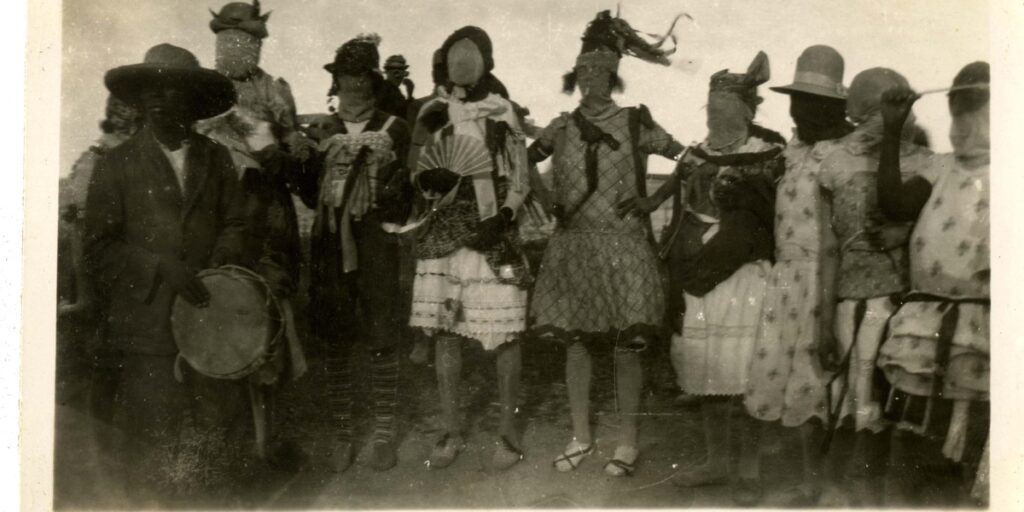
Kanaval is Haiti’s largest public festival, held in the weeks before Lent and centered on parades, floats, and masked troupes. In Port-au-Prince and other cities, streets fill with dancers, brass, and elaborate papier-mâché masks that often lampoon politicians and current events.
Attendance can reach tens of thousands in urban centers during peak days, and the festival generates livelihoods for costume makers, musicians, food vendors, and designers. Jacmel’s artisan community contributes a distinct visual flair, while provincial parades emphasize local themes.
Because satire is built into Kanaval’s DNA, floats and skits serve as a public forum for social critique, satire, and communal catharsis—an annual moment when citizens speak back to power through performance.
9. Artisanship: Metalwork, Flag-making, and Visual Arts
Haiti is celebrated for metal sculptures made from recycled oil drums—especially around Croix-des-Bouquets—Jacmel’s papier-mâché festival masks, and vibrant painted scenes sold in galleries and markets. These crafts reflect ingenuity, environmental recycling, and storytelling.
Artisan hubs support families: studios in Croix-des-Bouquets supply international galleries, and Jacmel’s workshops train youth in mask-making each carnival season. Museums and collectors in the diaspora often exhibit Haitian visual arts, which helps sustain craft economies.
Craft traditions are passed across generations through apprenticeships and family workshops, and they form a recognizable part of Haiti’s cultural brand abroad.
10. Culinary Traditions: Signature Dishes and Food Rituals
Haitian food is a daily expression of culture. Signature dishes include griot (fried, marinated pork), diri kole ak pwa (rice and beans cooked together), and pikliz (spicy pickled vegetables) served as a common accompaniment.
Griot is a standard celebratory dish—served at weddings, big family gatherings, and holidays—prepared by marinating pork in citrus and epis (a green onion, pepper, and herb paste), then frying until crisp. Diri kole ak pwa is a staple, often enlivened with meat or salted cod on special occasions.
Street-food culture thrives around markets: vendors sell akra (malanga fritters), fried plantains, and small bowls of griot, making food both a daily necessity and a gift economy that cements social bonds.
Summary
- Haiti’s spiritual life—Vodou and Catholic practice—functions as social infrastructure for healing, mediation, and public ritual, rooted in history back to Jan 1, 1804.
- Family networks like the parrain/marraine system and lakou compounds provide practical insurance: schooling support, pooled resources, and migration ties to the diaspora.
- Kanaval, Rara, and craft industries (metalwork, papier-mâché) are cultural engines: they generate income, preserve techniques, and offer spaces for political expression.
- Foodways—griot, diri kole ak pwa, pikliz—are everyday rituals that mark celebration and sustain markets and street economies.
- Approach these traditions with respect: visit community events, buy from artisans, and learn from Haitian creators to support cultural preservation and resilience.