On October 9, 1962, Uganda gained independence from Britain — a turning point that helped shape a nation known equally for its dramatic landscapes and resilient people. With a population of roughly 48 million, the country punches above its weight: internationally recognized wildlife, the headwaters of the Nile, and a global footprint through coffee exports. If you’re asking what is Uganda known for, the short answer combines wildlife tourism, freshwater systems, highland scenery, and a lively cultural life that anchors everyday commerce and celebration. This piece lists eight defining things grouped into four categories: nature, waterways & landscapes, culture & history, and economy & exports.
Natural treasures & wildlife
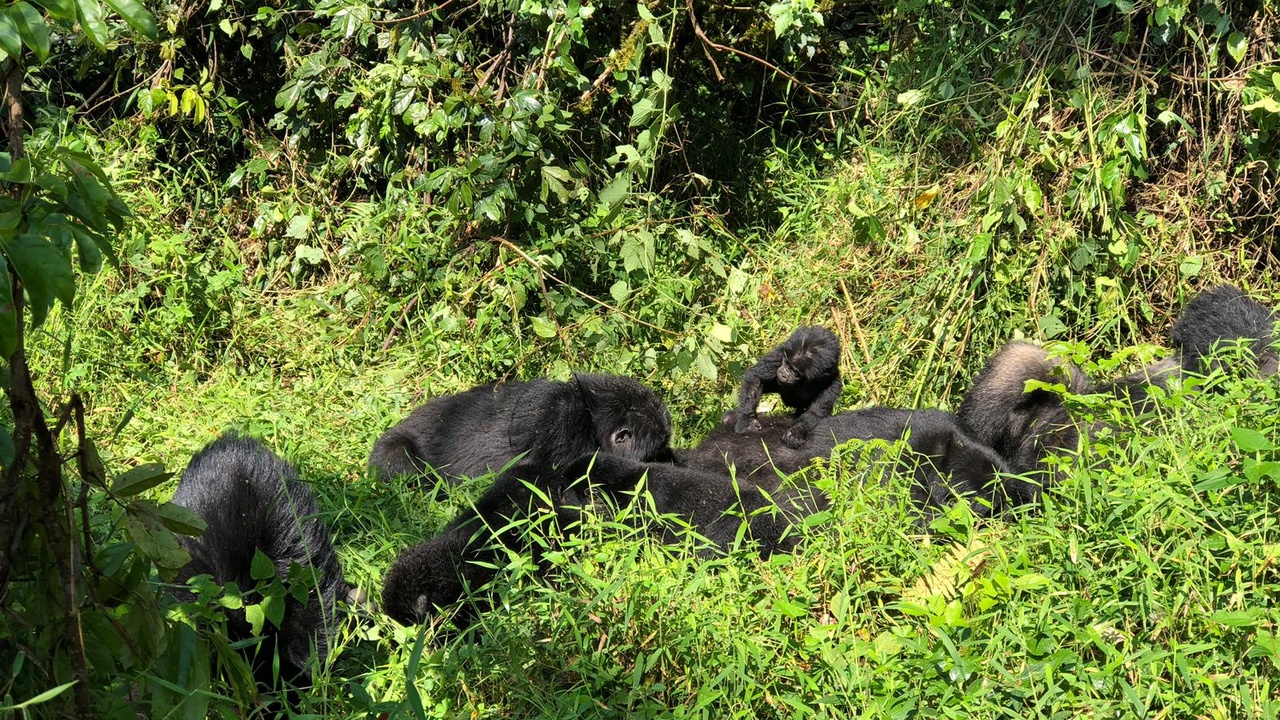
Uganda’s reputation for wildlife and rugged highlands is well earned. This category covers three headline attractions: mountain gorillas, a network of national parks with rich biodiversity, and the Rwenzori Mountains. Gorilla tourism is a major international draw that funds conservation and local projects, while parks protect everything from savanna herds to alpine plants. The Rwenzori range adds dramatic elevation and glaciers to Uganda’s skyline, making the country popular with climbers and botanists alike.
1. Mountain gorillas (gorilla trekking in Bwindi and Mgahinga)
Uganda is one of only a handful of places on Earth where you can see mountain gorillas in the wild. The two primary sites are Bwindi Impenetrable National Park and Mgahinga Gorilla National Park, and together they host a significant share of the global mountain gorilla population — roughly 1,100 animals worldwide. Gorilla trekking requires permits, guided treks, and strict rules (one hour with a single habituated group, small visitor groups, and health checks), which helps limit disturbance and fund protection.
Permit fees and tourism revenue directly support park management and community projects, from local guides’ salaries to revenue-sharing programs that finance schools and clinics. Visitors often trek with trained rangers and Uganda Wildlife Authority guides, and community tourism initiatives—handicraft cooperatives, homestays, and cultural visits—help spread benefits beyond the parks. For many rural households near Bwindi and Mgahinga, gorilla tourism is an economic lifeline.
2. Rich biodiversity and national parks (wildlife beyond gorillas)
Uganda’s biodiversity extends well beyond gorillas to include classic savanna megafauna, chimpanzees, and more than 1,000 bird species recorded across the country. Parks such as Queen Elizabeth National Park and Murchison Falls National Park anchor safari tourism and wildlife research. Queen Elizabeth’s Kazinga Channel draws waterbirds and hippos, while Murchison is known for riverine game and the dramatic falls where the Nile forces its way through a narrow gorge.
Park-linked jobs—rangers, lodge staff, guides—and conservation programs are important local employers. Unique behaviors attract extra attention: the tree-climbing lions of Ishasha (in the southern sector of Queen Elizabeth) are a memorable sight for international visitors. Anti-poaching units, community tree-planting projects, and long-term research partnerships all demonstrate how wildlife conservation and tourism intersect on the ground.
3. The Rwenzori Mountains and highland landscapes
The Rwenzori range on Uganda’s western border is a dramatic, glaciated chain that stands apart from the savanna country to the east. Mount Stanley’s Margherita Peak reaches 5,109 meters, making it one of Africa’s highest summits. The mountains present steep, mossy slopes, glacial tarns, and a succession of Afro-alpine habitats rich in endemic plants and striking giant lobelias.
Guided treks up established routes draw climbers and botanists, and local guides provide both logistical support and payments to mountain communities. Popular seasons for trekking fall in the drier months, though weather is notoriously changeable. Scientific attention has also focused on glacial retreat and shifting alpine zones, so the Rwenzori pairs adventure tourism with important environmental research.
Waterways, lakes, and the Nile
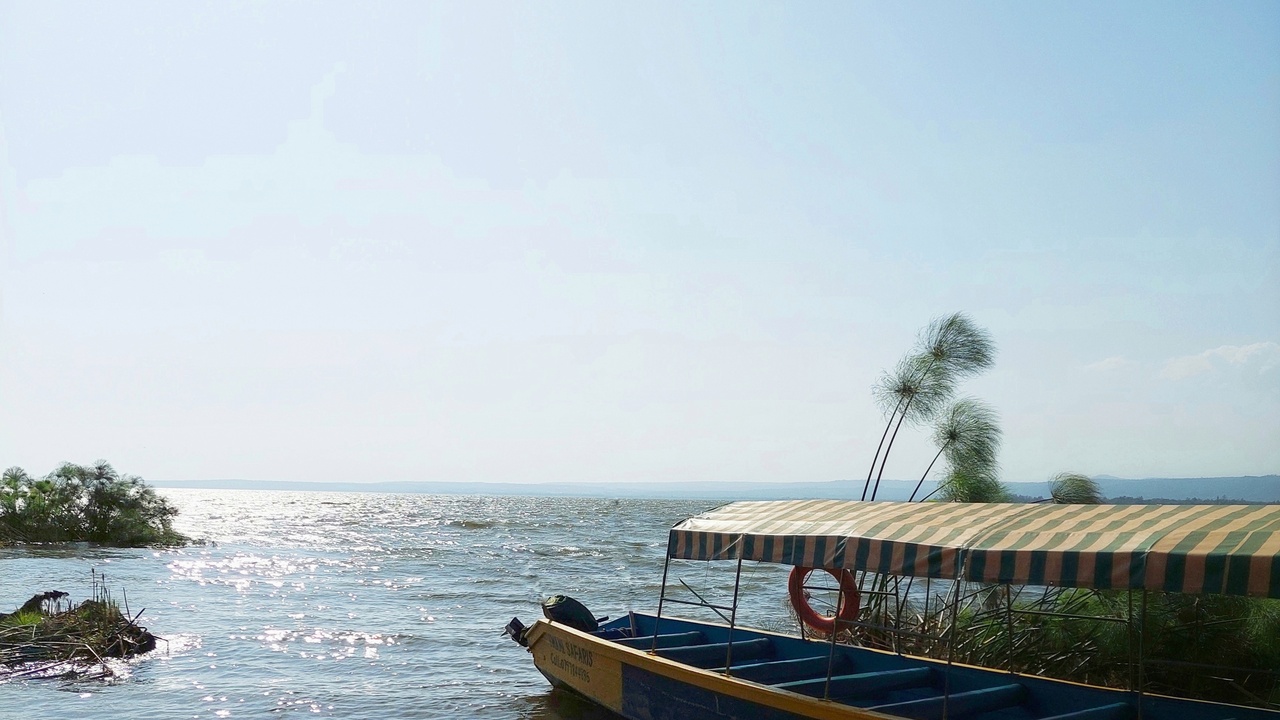
Water shapes much of Uganda’s geography and economy: Lake Victoria, the Victoria Nile, Murchison Falls, and the rapids around Jinja define both scenery and livelihoods. Lake Victoria alone covers about 68,800 km² and supplies fish, transport routes, and freshwater to millions. Rivers and lakes support fisheries, hydroelectric projects, and a growing adventure-tourism sector centered on white-water rafting and boat safaris.
4. Lake Victoria — Africa’s great lake
Lake Victoria is one of Africa’s largest lakes and a defining landscape for Uganda, Kenya, and Tanzania. At roughly 68,800 km², it underpins fisheries that employ thousands and supply protein to regional diets. Landing sites and fishing communities near Entebbe and on Kalangala Island bustle with activity: boats unload tilapia and Nile perch, fish are smoked or iced, and markets move both local and export-bound catch.
Alongside livelihoods, the lake faces environmental challenges such as invasive water hyacinth and overfishing, which have prompted community management plans and restoration efforts. Transport links and small-scale ports also make the lake an economic corridor, tying lakeside communities into wider trade networks.
5. The Nile’s source and adventure tourism (Jinja, Murchison Falls)
Uganda stakes a strong claim to the Nile’s headwaters, and the river’s rapids and falls are magnets for visitors. Jinja, near the point where the Victoria Nile leaves Lake Victoria, is synonymous with white-water rafting, kayaking, and bungee-style activities run by local operators. A seasonally high flow makes for thrilling rapids and reliable guiding businesses.
Downriver, Murchison Falls forces the Nile through a tight, roaring gorge and offers classic river safaris where boats cruise to the base of the falls for close wildlife viewing. These activities create jobs—raft guides, boat crews, lodge staff—and feed local economies through park fees, concessions, and transport services.
Culture, people, and history
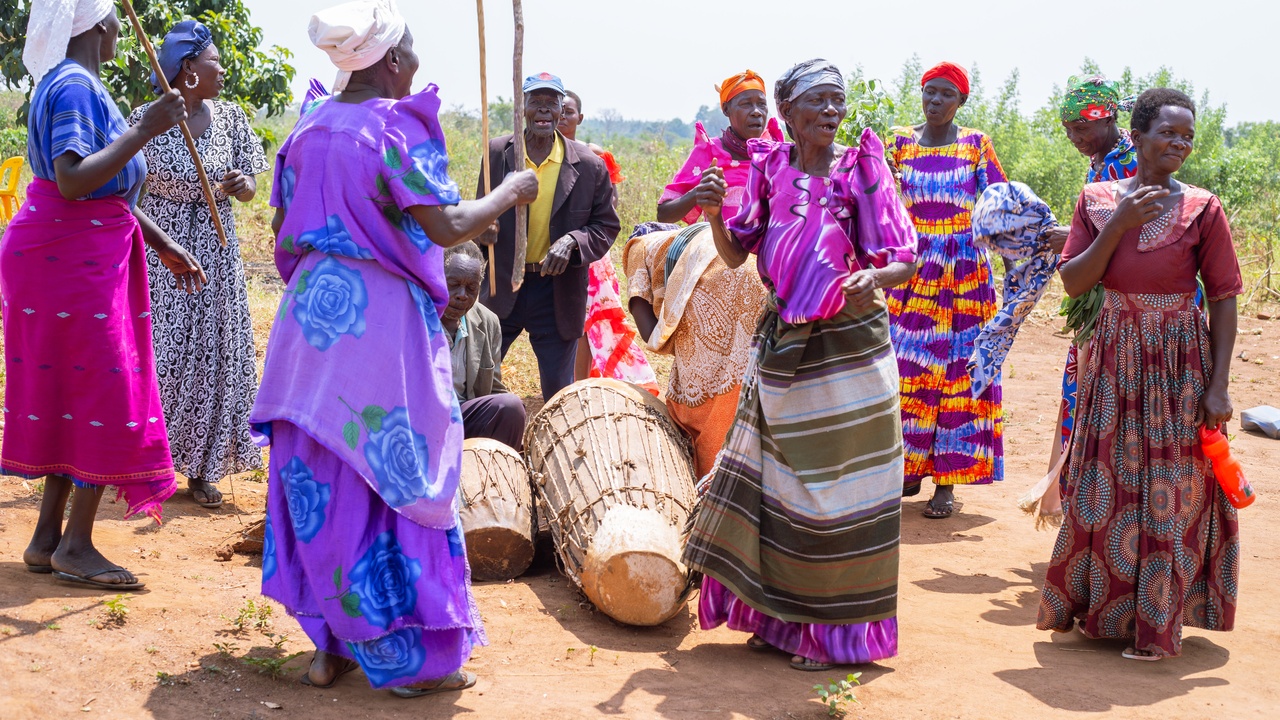
Uganda’s identity is shaped by cultural diversity and a history marked by independence and recovery. The independence date, October 9, 1962, anchors national memory, while numerous ethnic groups and languages—such as the Baganda and Luganda in central Uganda—define local customs. Culture shows up in music, dance, food, and the lively streets of Kampala.
6. Cultural diversity and traditional kingdoms
Uganda is home to many ethnic groups and several traditional kingdoms that remain influential in cultural life. The Buganda kingdom (Baganda people) shapes ceremonies, land customs, and regional identity, and Luganda is widely spoken in central areas. Traditional leaders and festivals—royal installations, harvest events, and public dances—draw locals and visitors alike.
Cultural tourism supports artisans and markets where woven goods, beadwork, and carved pieces are sold. Craftspeople, cultural centers, and community events all help preserve customs while providing income to local families and performers.
7. Modern history and national identity (post-independence)
Post-independence Uganda experienced political upheaval in the 1970s and 1980s that affected development, followed by a period of stabilization that opened space for growth in tourism and investment. The October 9, 1962 independence date is a constant reference point in national narratives about resilience and recovery.
Kampala has grown into a regional hub for culture and commerce, with new infrastructure projects, expanding markets, and a lively arts scene. Contemporary Ugandan identity balances traditional kingdoms, urban modernity, and the practical needs of a young, entrepreneurial population.
Economy, agriculture, and exports
Agriculture dominates Uganda’s economy: about 70% of the population works in farming, and the sector ties directly into the country’s national strengths in tourism and natural resources. Coffee stands out as a signature export, while fisheries, tea, and horticulture also contribute to income and trade. Tourism revenues from national parks and lake-based activities further link nature to livelihoods.
8. Coffee, cash crops, and growing exports
Coffee is one of Uganda’s most recognizable exports and a key rural livelihood. The country produces both Robusta (widely grown in central and southern regions) and higher-altitude Arabica in the east and southwest. With roughly 70% of Ugandans working in agriculture, smallholder farmers and cooperatives are central to coffee production, processing, and export chains.
Local cooperatives aggregate cherry at processing centers, quality-grade lots for export, and participate in auctions or direct sales to international buyers. Coffee revenue supports rural households and finance for inputs and transport. At the same time, Uganda is diversifying: tourism tied to wildlife and lakes provides foreign exchange, and energy projects and nascent oil development are attracting investment.
Summary
- Mountain gorillas in Bwindi and Mgahinga give Uganda a unique conservation and tourism profile.
- Water dominates the map: Lake Victoria (≈68,800 km²), the Victoria Nile, and Murchison Falls shape livelihoods and adventure travel.
- Agriculture employs about 70% of the population, with coffee (Robusta and Arabica) serving as a leading export and rural income source.
- The Rwenzori’s Margherita Peak (5,109 m) and Uganda’s rich cultural tapestry—from Baganda kingdoms to Kampala’s music scene—round out the country’s appeal.
- Curious what is Uganda known for? Consider a nature-focused trip, support community conservation or buy Ugandan coffee to connect directly with the country’s people and places.