Tunisia sits at the crossroads of the Mediterranean and the Sahara, where centuries of trade, conquest and migration have left a rich linguistic mix. From coastal markets to inland towns and small islands, the way people speak often signals region, history and daily life.
There are 15 Languages Spoken in Tunisia, ranging from Djerbi (Amazigh) to Wolof. For each entry you’ll find Speakers (est.),Status,Regions so you can quickly compare how many people use a language, where it’s concentrated, and whether it’s stable or vulnerable — details you’ll find below.
Which language will I hear most often on the street in Tunisia?
Tunisian Arabic is by far the most common everyday language across the country; Modern Standard Arabic appears in media and formal settings, while French is widespread in business, education and government contexts. Regional varieties and immigrant languages appear in local communities depending on history and migration.
Are any of the languages at risk, and is anything being done to protect them?
Some Amazigh varieties and smaller community languages have limited speaker numbers and face pressures from dominant languages, but recent official recognition of Amazigh heritage and local revitalization efforts (education, media, cultural projects) are helping documentation and revival.
Languages Spoken in Tunisia
| Language | Speakers (est.) | Status | Regions |
|---|---|---|---|
| Tunisian Arabic | ≈11,500,000 (≈95%) | lingua franca | Nationwide; urban and rural, especially cities like Tunis, Sfax, Sousse |
| Modern Standard Arabic | ≈12,000,000 (near-universal formal use) | Official | Nationwide; schools, government, media |
| French | 6,000,000 (≈50%) | lingua franca | Urban centres, universities, business districts, government offices |
| English | ≈2,000,000 (≈15–20%) | lingua franca | Urban areas, universities, tourism hubs, startups |
| Tunisian Amazigh (Amazigh varieties) | ≈200,000 (≈1–2%) | regional/minority | South and islands: parts of Djerba, Matmata region, Tataouine |
| Djerbi (Amazigh) | ≈60,000 (≈0.5%) | regional/minority | Djerba island; coastal communities |
| Matmata/Chenini Berber | ≈10,000 (≈0.1%) | regional/minority | Matmata, Chenini, southern mountain villages |
| Tunisian Sign Language | ≈20,000 (≈0.2%) | regional/minority | Nationwide, concentrated in Tunis, Sfax, Sousse |
| Italian | ≈50,000 (≈0.4%) | immigrant | Coastal cities, older communities, cultural associations |
| Spanish | ≈30,000 (≈0.25%) | immigrant | Tourist areas, language schools, some coastal towns |
| Domari (Nawar) | ≈10,000 (≈0.1%) | regional/minority | Scattered urban and rural communities |
| Wolof | ≈5,000 (≈0.04%) | immigrant | Urban immigrant neighborhoods, markets in major cities |
| Hausa | ≈5,000 (≈0.04%) | immigrant | Urban markets and migrant communities |
| Mandarin Chinese | ≈3,000 (≈0.03%) | immigrant | Business districts, diplomatic and trade hubs |
| Turkish | ≈2,000 (≈0.02%) | immigrant | Urban cultural associations, some businesses |
Images and Descriptions
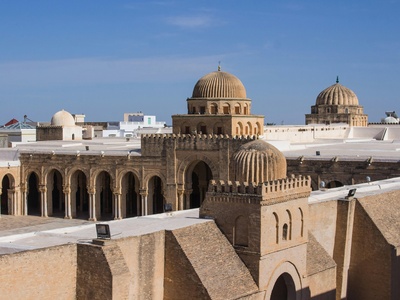
Tunisian Arabic
Tunisian Arabic (Derja) is the everyday Maghrebi Arabic dialect used in homes, markets, media and popular culture. It differs significantly from Modern Standard Arabic, borrows French vocabulary, and serves as Tunisia’s primary spoken language across generations and regions.
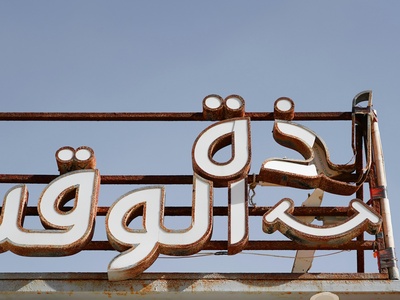
Modern Standard Arabic
Modern Standard Arabic is the formal written and broadcast variety used in education, law, media and official documents. Learned in school and shared across the Arab world, it’s the language of formal communication rather than daily conversation.
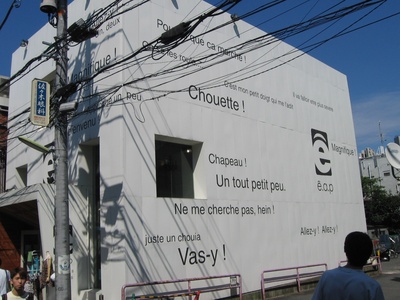
French
French is widely used in higher education, business, administration, science and the press. A legacy of colonial history, it serves as an important second language for professionals and urban residents and appears in signage, publications and technical fields.
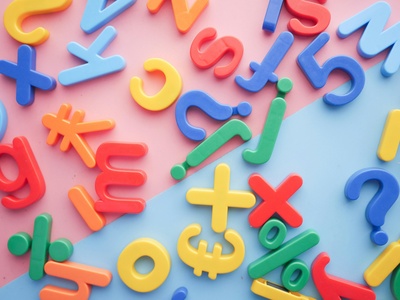
English
English is a growing foreign lingua franca in tourism, technology, business and among younger Tunisians. Increasingly taught in schools and used online, it’s common in urban centres and the private sector though less entrenched than French.

Tunisian Amazigh (Amazigh varieties)
Amazigh (Berber) varieties are indigenous languages spoken in pockets of southern Tunisia and some islands. They consist of distinct dialects preserved in villages and family life, with growing cultural recognition but limited institutional support.
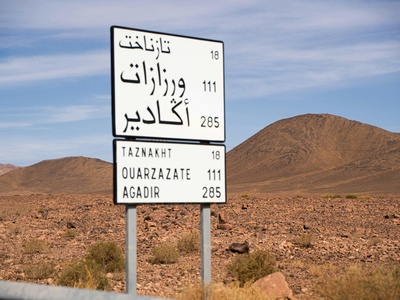
Djerbi (Amazigh)
Djerbi is the local Berber variety traditionally spoken on the island of Djerba. Used in family and community settings alongside Tunisian Arabic, it preserves unique vocabulary, oral traditions and local identity central to island culture.
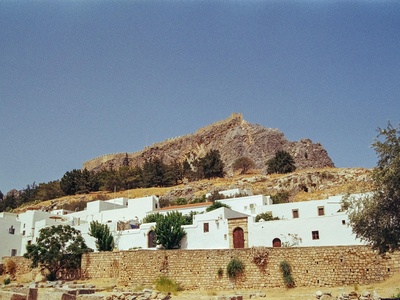
Matmata/Chenini Berber
Matmata and Chenini Berber varieties are small southern dialects used in mountain villages. Spoken primarily by older generations, they hold strong cultural significance but face pressure from dominant Arabic and shrinking intergenerational transmission.
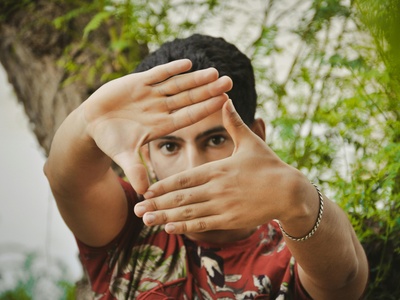
Tunisian Sign Language
Tunisian Sign Language (TSL) is used by the Deaf community in cities and towns. Employed in education, community life and interpreted media, it has its own grammar distinct from spoken Arabic and is vital for Deaf accessibility and culture.
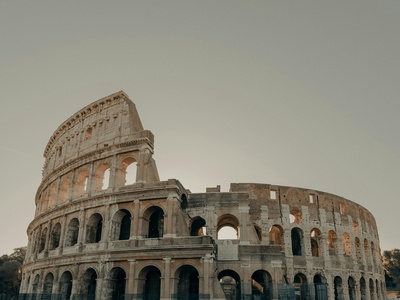
Italian
Italian is spoken by older generations, families of Italian descent and in small business or cultural circles, particularly in coastal towns. Historical ties and migration created a bilingual tradition; Italian appears in commerce, media and niche communities.
Spanish
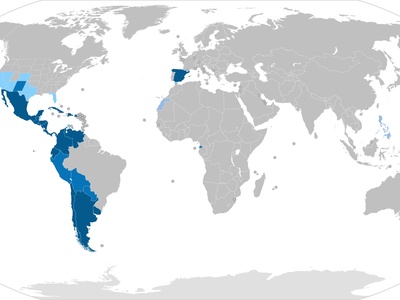
Spanish is used by a small number of Tunisians working in tourism, trade or with Spanish-speaking communities. Learned as a foreign language and useful in travel-related jobs, it’s visible in parts of the leisure industry and language programs.
Domari (Nawar)
Domari is spoken by Dom (Nawar) communities as a heritage language within family and communal networks. It coexists with Tunisian Arabic, carries traditional oral culture, and persists among small, dispersed groups despite limited public presence.
Wolof
Wolof is spoken by small Senegalese and West African migrant communities in Tunisian cities. Used within immigrant networks, religious gatherings and informal trade, it helps maintain community ties and cross-border connections among West African residents.
Hausa
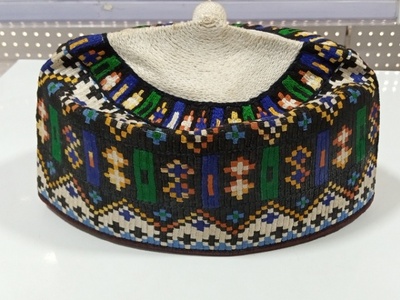
Hausa is used by some West African migrant workers and trading communities in urban centres. Employed in marketplaces and cultural networks, it supports communication within migrants’ social circles while Arabic or French are used more widely in public life.
Mandarin Chinese
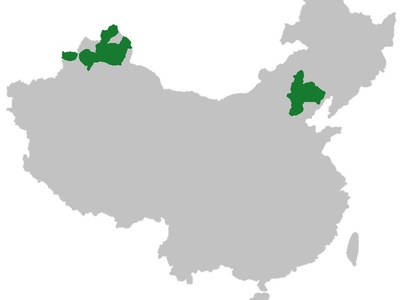
Mandarin Chinese is spoken by a small community of businesspeople, students and recent migrants. Concentrated in trade, diplomatic ties and Chinese expatriate networks, it appears in niche economic activities and language schools in major cities.
Turkish
Turkish is used by a modest number of Tunisians with family or business connections to Turkey and by Turkish expatriates. Present in cultural associations and small businesses, it remains a minority immigrant language primarily in urban areas.