Ghana’s linguistic landscape mirrors its geography and history: coastal trade routes, inland kingdoms, and modern urban migration have produced a patchwork of tongues used in homes, markets, and ceremonies. Whether you’re passing through Accra or traveling to the northern savanna, you’ll hear a lively mix of speech.
There are 25 Languages Spoken in Ghana, ranging from Akan to Wali. For each language the list shows Family,Estimated speakers (people),Primary regions — you’ll find below.
Which language is most widely spoken in Ghana?
Akan (including Twi and Fante varieties) is the largest single language cluster by number of speakers and is widely used across southern and central regions; English remains the official language for government, schooling, and formal media, while Ewe, Hausa and others function as important regional lingua francas.
Are smaller languages like Wali endangered and how can I tell?
Some smaller languages have limited speaker bases and face pressure from dominant regional tongues and urban shift, but vitality varies; the table below gives estimated speaker counts and regions so you can quickly see which languages are most vulnerable and which remain robust.
Languages Spoken in Ghana
| Language | Family | Estimated speakers (people) | Primary regions |
|---|---|---|---|
| English | Indo-European | 15,000,000 | Nationwide |
| Akan | Niger–Congo (Kwa) | 11,000,000 | Ashanti,Central,Eastern,Western,Bono,Ahafo |
| Fante | Niger–Congo (Akan) | 3,000,000 | Central,Western,Greater Accra |
| Ewe | Niger–Congo (Gbe) | 3,800,000 | Volta,Oti,Greater Accra |
| Ga | Niger–Congo (Ga–Dangme) | 900,000 | Greater Accra |
| Dangme | Niger–Congo (Ga–Dangme) | 500,000 | Greater Accra,Eastern |
| Nzema | Niger–Congo (Akan) | 540,000 | Western,Western North |
| Dagbani | Niger–Congo (Gur/Mole-Dagbani) | 1,100,000 | Northern |
| Dagaare | Niger–Congo (Gur) | 1,000,000 | Upper West,Northwest |
| Gonja | Niger–Congo (Guan) | 250,000 | Savannah,North |
| Mampruli | Niger–Congo (Mole-Dagbani) | 310,000 | Northern |
| Nanumba | Niger–Congo (Mole-Dagbani) | 140,000 | Northern |
| Kusaal | Niger–Congo (Gur) | 160,000 | Upper East |
| Kusasi | Niger–Congo (Gur) | 220,000 | Upper East |
| Kasem | Niger–Congo (Gur) | 120,000 | Upper East |
| Sissala | Niger–Congo (Gur) | 150,000 | Upper West |
| Buli | Niger–Congo (Gur) | 120,000 | Northern,Upper East |
| Bimoba | Niger–Congo (Gurma) | 200,000 | Upper East |
| Wali | Niger–Congo (Gur) | 80,000 | Upper West |
| Konkomba | Niger–Congo (Gur) | 180,000 | Northern,Oti |
| Krachi | Niger–Congo (Guang) | 160,000 | Oti |
| Frafra (Gurenɛ) | Niger–Congo (Gur) | 430,000 | Upper East,Upper West |
| Hausa | Afroasiatic (Chadic) | 500,000 | Northern,Markets,Accra |
| Fulfulde (Fula) | Niger–Congo (Atlantic–Congo) | 120,000 | Northern,Pastoral communities |
| Ghanaian Sign Language | Sign language | 30,000 | Nationwide (Deaf communities) |
Images and Descriptions

English
Official language of Ghana used in government, education, media and business; widely spoken as a second language nationwide. Status: Official. Origin: English (Indo-European). Notable: primary lingua franca for interethnic communication, law, higher education and formal domains.
Akan
Major Kwa macrolanguage that includes Twi and related varieties; dominant across southern and central Ghana. Status: National/regional lingua franca. Origin: Niger–Congo (Kwa). Notable for everyday use, media, cultural institutions and regional administration.
Fante
Coastal Akan language spoken by the Fante people with distinct literature and coastal cultural traditions. Status: Regional. Origin: Niger–Congo (Akan). Notable: strong presence in local radio, chieftaincy, fishing communities and regional identity.
Ewe
Gbe branch language concentrated in Volta and Oti regions and parts of Greater Accra; used in education and local media. Status: Major regional language. Origin: Niger–Congo (Gbe). Notable: rich oral traditions, music and cross-border presence with Togo.
Ga
City-centered language of Accra with strong urban cultural influence and traditional festivals. Status: Regional urban language. Origin: Niger–Congo (Ga–Dangme). Notable: important in Accra’s markets, nightlife, and Ga cultural life.
Dangme
Language of coastal and inland communities east of Accra; closely related to Ga. Status: Regional. Origin: Niger–Congo (Ga–Dangme). Notable: local media, chieftaincy traditions, and community ceremonies.
Nzema
Akan-related language spoken in western coastal Ghana with cross-border communities in Ivory Coast. Status: Regional. Origin: Niger–Congo (Akan). Notable: coastal trade, fishing communities, and regional radio programming.
Dagbani
Major northern language centered on Tamale and surrounding districts; used in local administration and radio. Status: Major regional language. Origin: Niger–Congo (Gur). Notable: central to Dagbon cultural life and northern trade networks.
Dagaare
Gur language of the Upper West region spoken around Wa and border areas; strong rural presence. Status: Major regional language. Origin: Niger–Congo (Gur). Notable: local markets, folktales and regional radio broadcasting.
Gonja
Guan branch language spoken in the central-northern Savannah and parts of the North Region. Status: Regional. Origin: Niger–Congo (Guan). Notable for local administration, markets, and traditional court contexts.
Mampruli
Language of the Mamprusi people around the North Region; used in community life and local radio. Status: Regional/minority. Origin: Niger–Congo (Gur). Notable: chieftaincy culture, oral history and northern commerce.
Nanumba
Language of the Nanumba area near Tamale with local administrative and cultural use. Status: Regional/minority. Origin: Niger–Congo (Gur). Notable: community rituals, local media and intergroup ties with neighboring languages.
Kusaal
Gur language of the Bolgatanga area and nearby communities in Upper East Region. Status: Regional. Origin: Niger–Congo (Gur). Notable: traditional music, farming vocabulary and regional radio broadcasts.
Kusasi
Spoken in parts of Upper East and across the border; important for local identity and markets. Status: Regional. Origin: Niger–Congo (Gur). Notable: agricultural vocabulary, oral tradition and local governance.
Kasem
Small Gur language spoken in northern areas near the Burkina border. Status: Minority/regional. Origin: Niger–Congo (Gur). Notable: traditional storytelling, local customs and community radio use.
Sissala
Gur language cluster in the Upper West region with cross-border ties to Burkina Faso. Status: Regional. Origin: Niger–Congo (Gur). Notable: farming vocabulary, festivals and intercommunity trade.
Buli
Northern Gur language spoken in pockets of the North and Upper East regions. Status: Minority/regional. Origin: Niger–Congo (Gur). Notable for local chieftaincy rituals and oral history.
Bimoba
Gurma family language in the far northeast of Ghana, associated with farming communities. Status: Minority/regional. Origin: Niger–Congo (Gurma). Notable: distinct musical and ritual traditions and cross-border links.
Wali
Small Gur language around Wa and surrounding districts with strong rural usage. Status: Minority/regional. Origin: Niger–Congo (Gur). Notable for local oral literature and community governance.
Konkomba
Language of the Konkomba people across northern and Oti areas; used in local markets and politics. Status: Regional/minority. Origin: Niger–Congo (Gur). Notable: influential in agricultural trade and interethnic relations.
Krachi
Guang language of the Oti region spoken along river valleys and hill areas. Status: Regional. Origin: Niger–Congo (Guang). Notable: riverine trade vocabulary, local chieftaincies and cultural festivals.
Frafra (Gurenɛ)
Gurunsi language commonly called Frafra in northern Ghana with strong cultural institutions and festivals. Status: Major regional language. Origin: Niger–Congo (Gur). Notable: vibrant oral tradition, music and community assemblies.
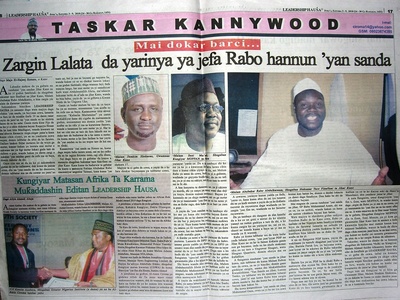
Hausa
West African trade language widely spoken by Hausa communities and traders in northern Ghana and major cities. Status: Trade/immigrant language. Origin: Afroasiatic (Chadic). Notable: commercial lingua franca and cross-border networks.
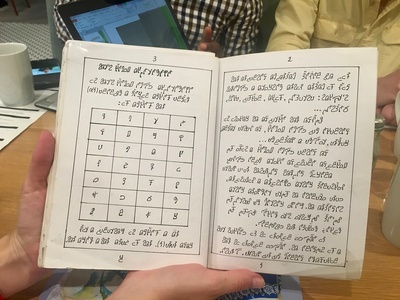
Fulfulde (Fula)
Language of Fulani herders and migrant communities across northern Ghana; used in livestock trade and cross-border movement. Status: Immigrant/trade language. Origin: Niger–Congo (Atlantic–Congo). Notable: pastoral vocabulary and interregional links.
Ghanaian Sign Language
Indigenous sign language used by Ghana’s Deaf community and in some schools and organizations. Status: Minority/sign language. Origin: local development with influences from foreign sign systems. Notable: central to Deaf education and activism.