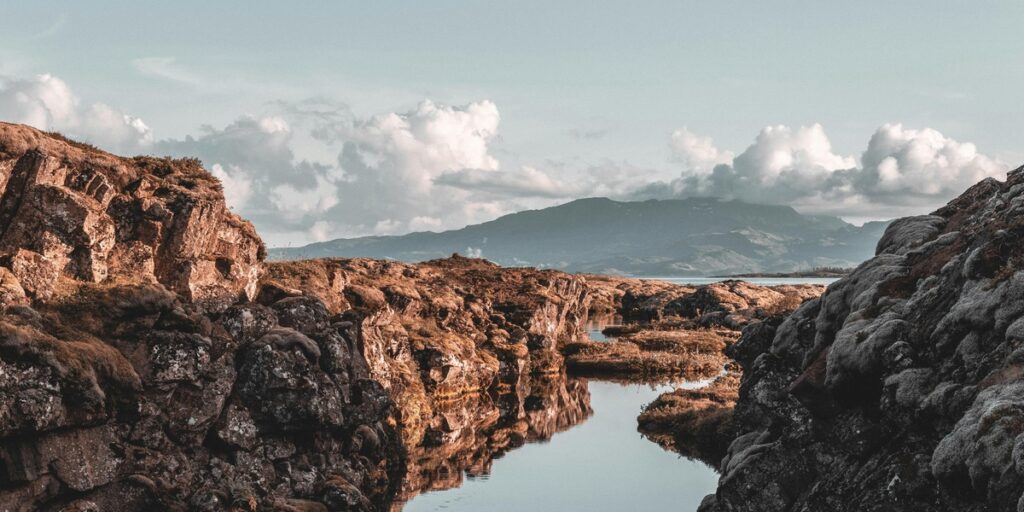
Iceland’s landscape holds layers of human history alongside dramatic geology, from turf houses and old churches to assembly grounds and ruins. Many sites are small and local, others are tied to national stories — together they map how people adapted to a remote, changing island.
There are 39 Historical Places in Iceland, ranging from Akureyrarkirkja (Akureyri Church) to Þingvellir. Each entry is organized with Location,Era / Significance,Visiting info so you can see where it sits, why it matters, and practical details for a visit; you’ll find those details below.
Which historical sites can I visit in a day trip from Reykjavík?
Þingvellir is the most obvious day trip, about 45–60 minutes from Reykjavík and part of many Golden Circle routes; nearby Skálholt and several coastal sites are also doable. Plan drives of up to two hours each way and check road conditions (F-roads are closed much of the year). Combining one major site with a smaller nearby stop gives a full, manageable day.
Do seasonal closures or weather often affect access to these places?
Yes — northern sites and highland routes can be cut off in winter, and some ruins are exposed with no facilities. Use the Visiting info provided for each entry, check local road and weather updates before you go, and allow extra travel time during shoulder seasons.
Historical Places in Iceland
| Name | Location | Era / Significance | Visiting info |
|---|---|---|---|
| Þingvellir | South | Viking/Medieval: Site of Icelandic Alþingi (established 930) | Open year-round; national park; visitor centre seasonal; park free; some exhibits paid |
| Skálholt | South | Medieval: Major medieval bishopric and cultural centre from 11th century | Accessible by road; cathedral open daytime in summer; typically free/donation |
| Hólar | North | Medieval: Historic episcopal seat and education centre since 11th century | Museum and cathedral seasonal hours; small museum fee |
| Reykholt | West | Medieval: Snorri Sturluson’s home and medieval study; hot pool remains | Snorrastofa museum seasonal; paid entry; road access |
| Stöng (Þjóðveldisbærinn Stöng) | South | Viking: Farmstead buried by Hekla eruption; reconstructed longhouse | Summer access by road; interpretive site; small fee or donation |
| Skógar Museum (Skógasafn) | South | 18–20th c.: Folk and rural life collection with historic buildings | Open daily in summer; paid entry |
| Glaumbær Turf Farm Museum | North | 17–19th c.: Well-preserved turf farmhouse museum of rural life | Open summer months; paid entry |
| Laufás | North | 18–19th c.: Traditional turf farm museum near Akureyri | Seasonal opening (summer); paid entry |
| Keldur (Keldur turf farm) | South | Medieval: Turf manor with medieval origins and farmstead remains | Limited seasonal access; roadside viewing free; museum access may be paid |
| National Museum of Iceland (Þjóðminjasafn Íslands) | Reykjavík | All eras: National collection of Icelandic history and artifacts | Open most days; typical hours ~10:00–17:00; paid entry |
| Settlement Exhibition (Landnámssýning) | Reykjavík | Viking: Exhibition built over Viking-age hall remains | Open year-round; paid entry; central Reykjavík location |
| Árbær Open Air Museum (Árbæjarsafn) | Reykjavík | 18–20th c.: Historic Reykjavík buildings and living-history exhibits | Open seasonally; paid entry |
| Alþingishúsið (Parliament House) | Reykjavík | 19th c.: Historic parliament building, seat of modern Alþingi since 1881 | Guided tours by arrangement; limited public access; usually free |
| Viðey Island (Viðey) | Reykjavík | Medieval–18th c.: Early monastic site and 18th-c house on island | Ferry seasonal; island access free; museum/house sometimes paid |
| Herring Era Museum (Síldarminjasafnið) | North | 20th c.: Siglufjörður’s herring-industry museum and heritage | Open summer; paid entry |
| Ósvör Maritime Museum | Westfjords | 19th c.: Reconstructed fishing outpost near Bolungarvík | Seasonal opening; small fee |
| Flatey Island | West | Medieval/19th c.: Historic island village, ties to Flateyjarbók manuscript tradition | Ferry access seasonal; village free to visit |
| Reykjanesviti Lighthouse | South | 19th c.: Historic lighthouse on Reykjanes peninsula (est. 1878) | Accessible year-round; grounds free; local museum/exhibits vary |
| Búðir Church (Búðakirkja) | West | 19th c.: Iconic black wooden church on Snæfellsnes peninsula | Accessible year-round; open during events; typically free to visit |
| Borg á Mýrum | West | Medieval: Historic family farm of Egill Skallagrímsson (saga-age connections) | Public access to church/grounds; free; interpretive signs |
| Eyrarbakki historic village | South | 18–19th c.: Coastal trading village with preserved merchant houses | Village walking access year-round; small museum fees seasonally |
| Skriðuklaustur (Gunnar Gunnarsson Centre) | East | Medieval/20th c.: Site of historic monastery and writer Gunnar Gunnarsson’s home | Open seasonally; museum paid entry; road access |
| Icelandic Wartime Museum (Keflavík) | South | 20th c.: WWII and Cold War history museum in former Keflavík area | Open seasonally; paid entry; near Keflavík |
| Akureyrarkirkja (Akureyri Church) | North | 20th c.: Landmark church and cultural symbol of Akureyri (built 1940s) | Open year-round; services and visiting hours; free entry |
| Seyðisfjörður historic town | East | 19th–20th c.: Preserved wooden town with trading and cultural history | Town open year-round; walking tours seasonal; free |
| Ísafjörður Maritime Museum | Westfjords | 19th–20th c.: Maritime heritage of Westfjords and fishing history | Seasonal opening; paid entry |
| Stykkishólmur old town (Norwegian House) | West | 19th c.: Historic coastal town with preserved merchant architecture | Accessible year-round; museums seasonal; some paid exhibits |
| Þingeyri village & church | Westfjords | 19th c.: Historic fishing village with old church and trading history | Accessible year-round; local museum seasonal; free/paid varies |
| Víðimýrarkirkja | North | 19th c.: Exceptionally well-preserved turf church (1834) with medieval roots | Open summer; often free to enter; seasonal access |
| Árni Magnússon Institute (manuscript collection) | Reykjavík | Medieval: National manuscript repository preserving medieval texts | Research visits by appointment; limited public displays; some exhibits paid |
| Hofsós Heritage Museum | North | 19th–20th c.: Coastal village museum focused on fishing and trade history | Seasonal opening; small fee |
| Hofskirkja (Öræfi/Hof) | South | 19th c.: Turf church with strong regional heritage (Skaftafell area) | Accessible by road; seasonal visiting; free/donation |
| Old Harbour Reykjavík (Maritime history area) | Reykjavík | 19th–20th c.: Historic harbour area central to Reykjavík’s maritime past | Harbour accessible year-round; museums/cafés paid/varied |
| Keflavík Town (Old Town/Heritage) | South | 20th c.: Town shaped by fishing and 20th-century NATO history | Walking access year-round; wartime museums seasonal; some paid |
| Breiðavík/Flateyri historic houses | Westfjords | 19th–20th c.: Traditional Westfjords settlements with preserved buildings | Accessible by road/ferry; local museums seasonal; fees vary |
| Djúpavík herring factory ruins | Westfjords | 20th c.: Abandoned herring factory, emblematic of 20th-c industry | Accessible by road; open to visitors; free to view |
| Grettislaug / Sænautasel? | West | Saga-age: Hot pools with saga-era associations near Westfjords sites | Road access; seasonal; free (natural site) |
| Reykholt cultural sites (Snorralaug, Snorrastofa included) | West | Medieval: Snorri Sturluson’s study, medieval cultural centre | Museum seasonal; paid entry; site access year-round |
| Skálholt Cathedral and ruins | South | Medieval: Episcopal seat with cathedral on ancient ecclesiastical site | Accessible by road; cathedral open daytime; free/small fee for exhibits |
Images and Descriptions
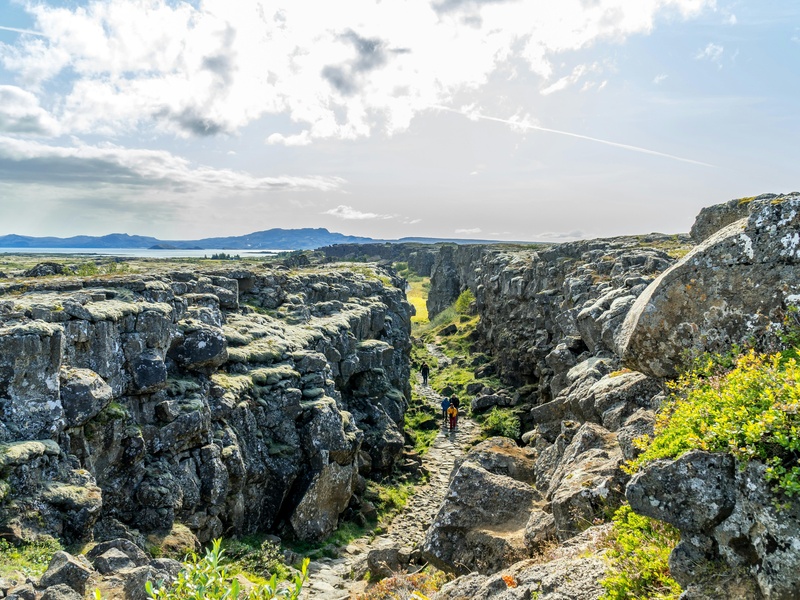
Þingvellir
Historic national park and site of Iceland’s first parliament, the Alþingi, founded in 930 AD. Mark important legal and cultural changes in the Viking and medieval eras. Offer clear trails, visitor center, and parking; check seasonal hours. Recognized as a UNESCO World Heritage site. (Source: Icelandic Heritage Agency)

Skálholt
Former episcopal seat and cultural center from the 11th to 18th centuries. Contain cathedral ruins, a modern cathedral, and archaeological remains tied to Icelandic church history. Provide museum displays and seasonal access; guided visits often available. Important for medieval religion and learning. (Source: National Museum of Iceland)
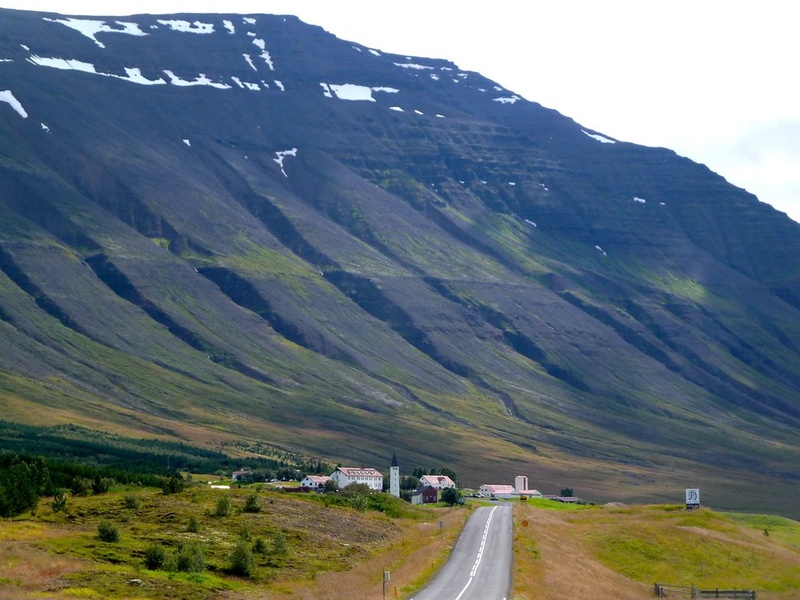
Hólar
One of Iceland’s oldest bishoprics, active since the 11th century. Host a cathedral, bishop’s house, and archaeological finds that show medieval church power and education. Offer museum hours, events, and access by road in the north. Include artifacts and vocal tradition exhibits. (Source: Icelandic Heritage Agency)
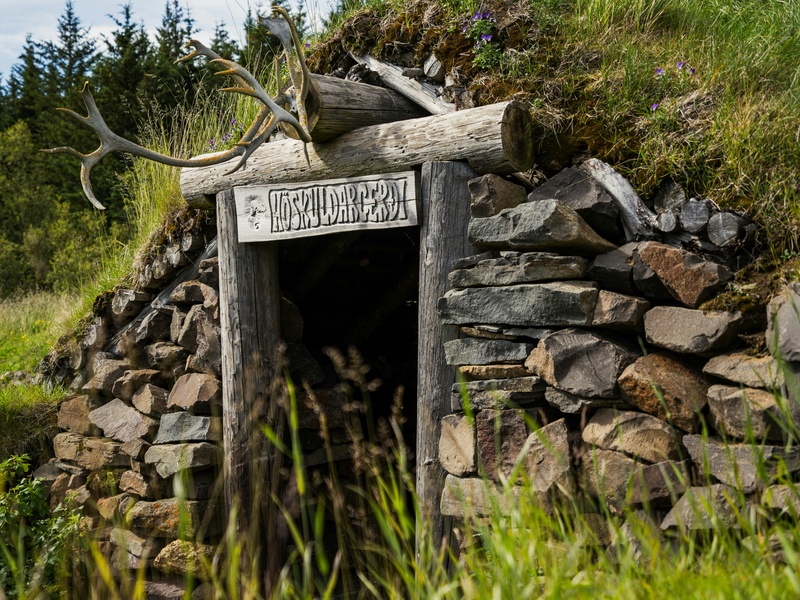
Reykholt
Medieval home of Snorri Sturluson, a key writer and chieftain of the 13th century. Include Snorrastofa cultural center, Snorralaug hot pool, and ruins tied to saga literature. Open seasonally with museum hours and guided tours. Vital for saga studies and medieval politics. (Source: Snorrastofa)
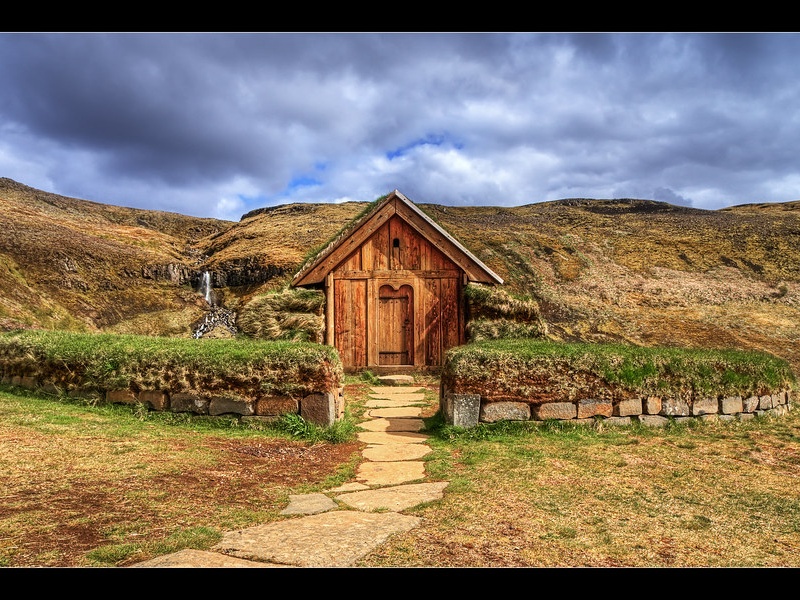
Stöng (Þjóðveldisbærinn Stöng)
Reconstruction of an early Icelandic longhouse destroyed by 1104 Hekla eruption. Represent domestic life in the Commonwealth era (9th–13th centuries). Located near Þjórsárdalur with parking and short trails; seasonal visitor services. Serve as a clear example of turf-house architecture. (Source: Icelandic Heritage Agency)
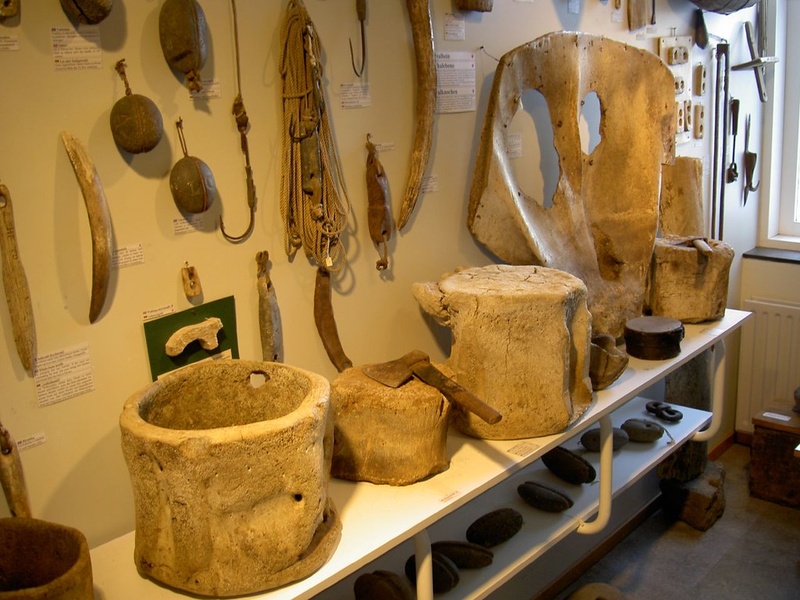
Skógar Museum (Skógasafn)
Museum complex that preserves folk history, artifacts, and a large folk art collection. Include reconstructed turf houses and exhibits on rural life from the 18th–20th centuries. Open year-round with set hours and a modest fee. Offer context for everyday historical life in Iceland. (Source: Skógasafn)
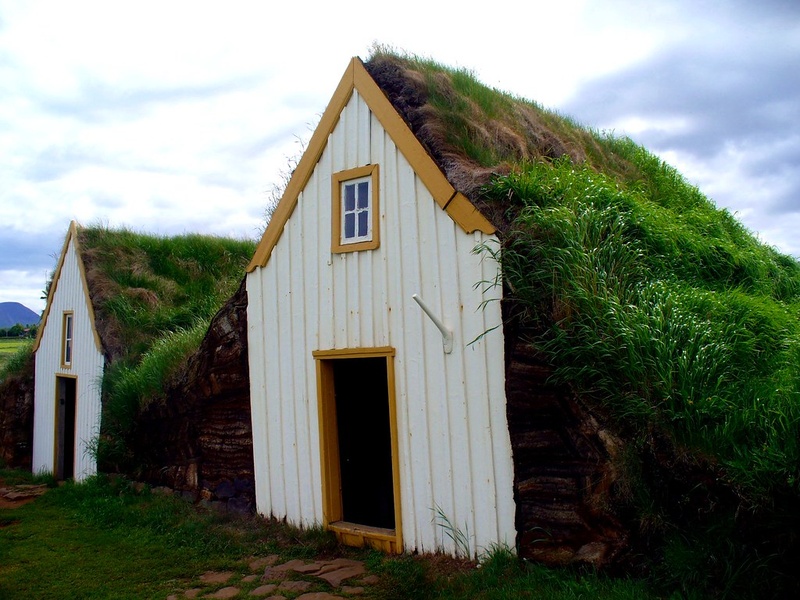
Glaumbær Turf Farm Museum
Well-preserved turf farm showing rural life from the 18th and 19th centuries. Contain original rooms, farm tools, and museum displays on peasant culture. Provide set hours and an on-site café in season. Illustrate traditional building methods and social history. (Source: National Museum of Iceland)
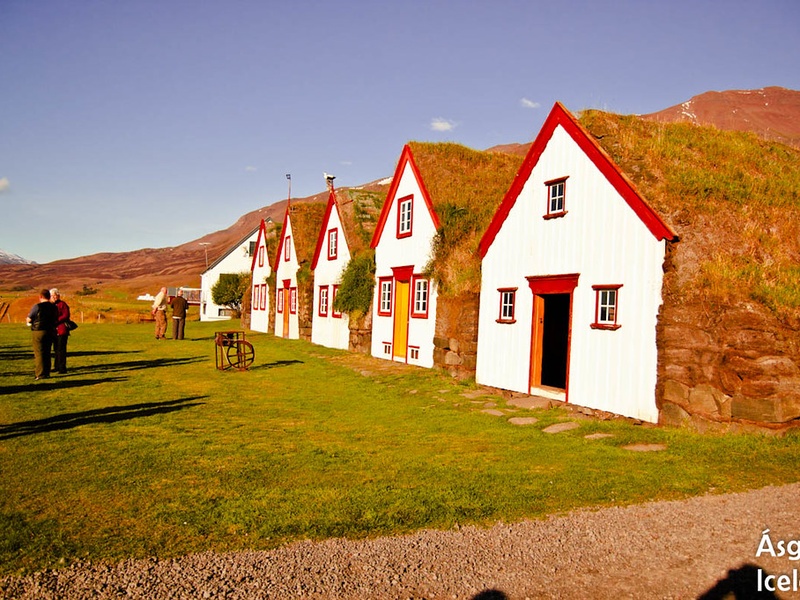
Laufás
Large historic manor and church farm in North Iceland with 18th–19th century turf buildings. Display church relics, household items, and period interiors. Offer guided tours during summer and accessible grounds year-round. Show continuity of rural estates and ecclesiastical ties. (Source: Icelandic Heritage Agency)
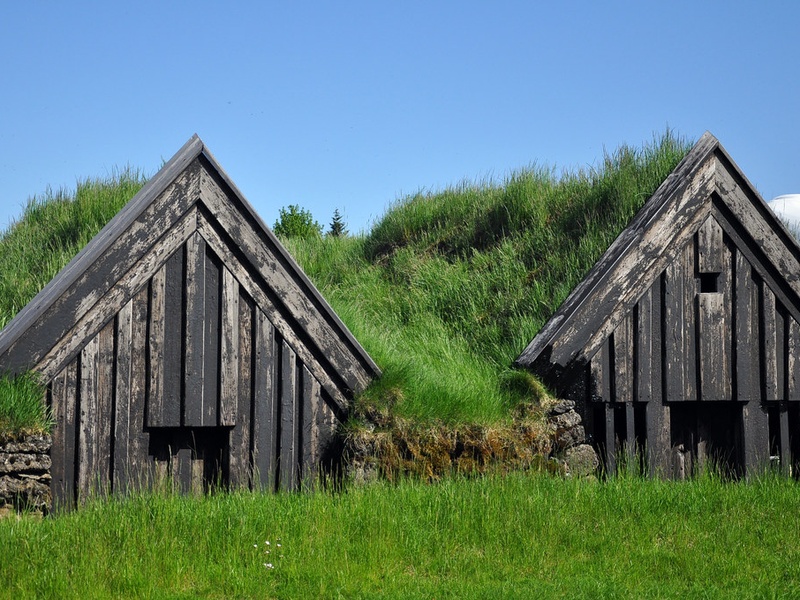
Keldur (Keldur turf farm)
One of the oldest inhabited turf farms, with sections dating to the Middle Ages. Feature rare medieval turf architecture and archaeological layers. Open seasonally with interpretive signs and nearby parking. Offer insights into long-term rural settlement. (Source: Icelandic Heritage Agency)
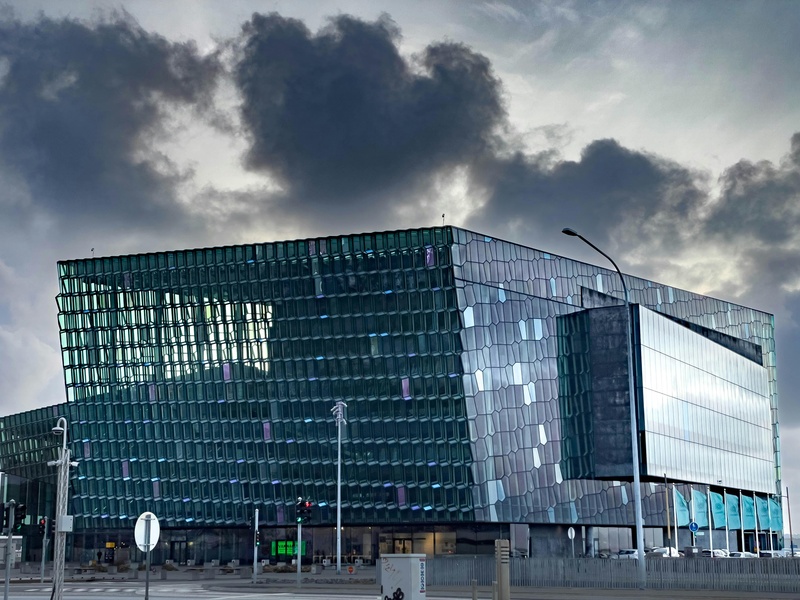
National Museum of Iceland (Þjóðminjasafn Íslands)
Main national museum housing artifacts from settlement to modern times. Present Viking finds, medieval objects, and national history exhibits. Located in Reykjavík with regular hours, ticketed entry, and research facilities. Serve as a central reference for Icelandic heritage. (Source: National Museum of Iceland)
Settlement Exhibition (Landnámssýning)
Archaeological display built around a 10th-century hall found under Reykjavík. Show preserved turf house remains, artifacts, and interactive displays about early settlers. Open daily with admission fee; located in central Reykjavík. Provide direct evidence of the settlement era. (Source: Reykjavík City Museum)
Árbær Open Air Museum (Árbæjarsafn)
Collection of historic houses forming a traditional Reykjavík neighborhood. Include relocated buildings from the 18th–20th centuries and indoor exhibits. Offer regular opening hours, guided tours, and family programs. Document urban growth and daily life. (Source: Reykjavík City Museum)
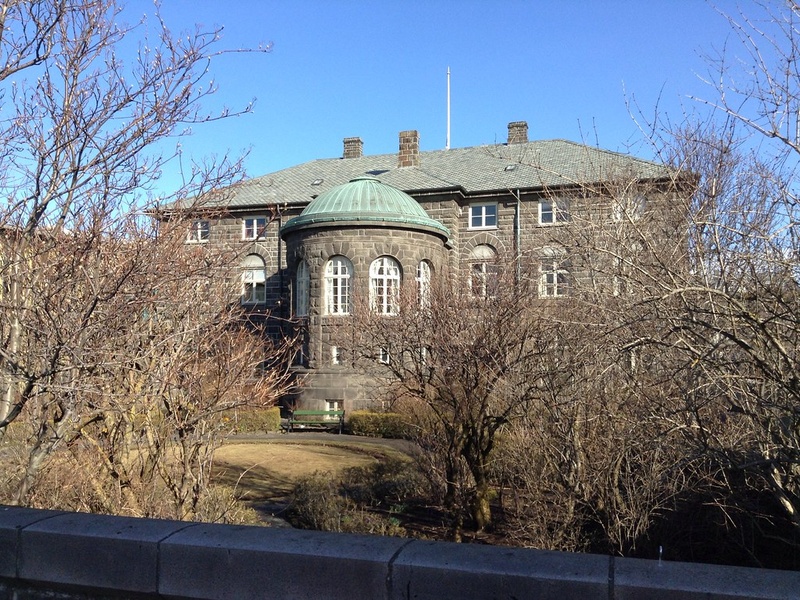
Alþingishúsið (Parliament House)
Seat of Iceland’s Alþingi since 1881 and symbol of modern governance. Contain parliamentary chambers, historic architecture, and nearby monument sites. Provide public tours when parliament is not in session; located downtown Reykjavík. Anchor for political history and state formation. (Source: Alþingi)
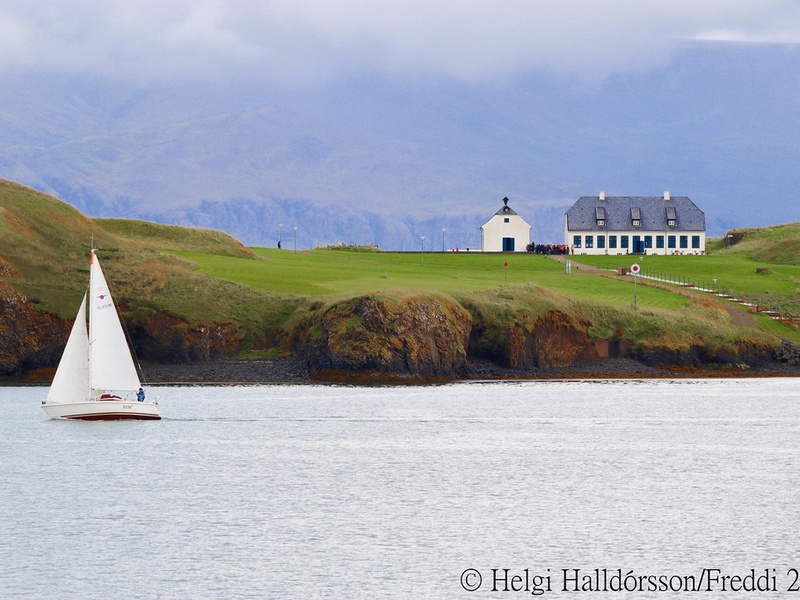
Viðey Island (Viðey)
Island with archaeological remains, historic buildings, and memorials near Reykjavík. Host early settlement traces, 18th–19th century structures, and art installations. Reach by short ferry; check schedules and seasonal services. Offer a mix of natural and historical sites linked to the capital. (Source: National Museum of Iceland)
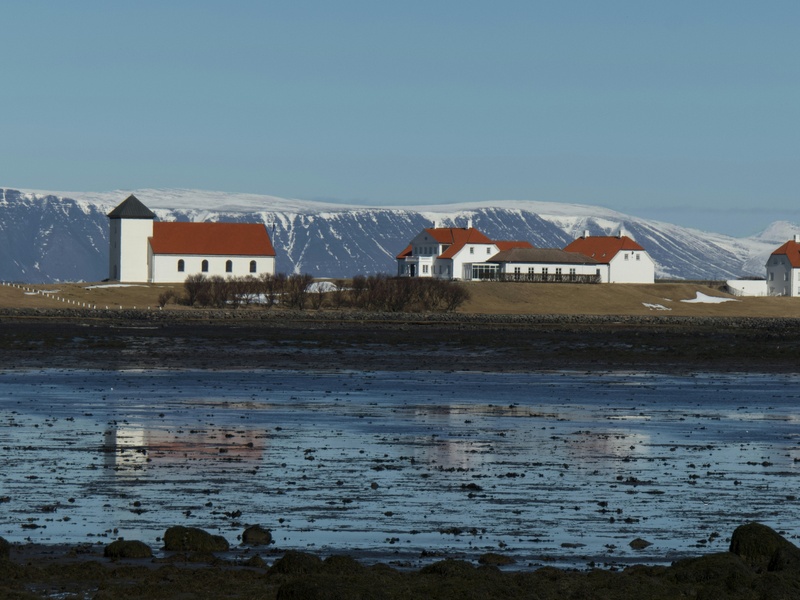
Herring Era Museum (Síldarminjasafnið)
Museum dedicated to Iceland’s 20th-century herring industry and coastal communities. Display fishing gear, boats, and social history of boom-and-bust coastal towns. Located in Siglufjörður with set seasonal hours. Explain a major economic era in modern Iceland. (Source: Herring Era Museum)
Ósvör Maritime Museum
Restored coastal trading station showing 19th-century fishing life. Present boat sheds, nets, and living quarters from rural north-western markets. Open in summer with exhibits on trade and boat building. Highlight maritime economy and community resilience. (Source: Ósvör Museum)
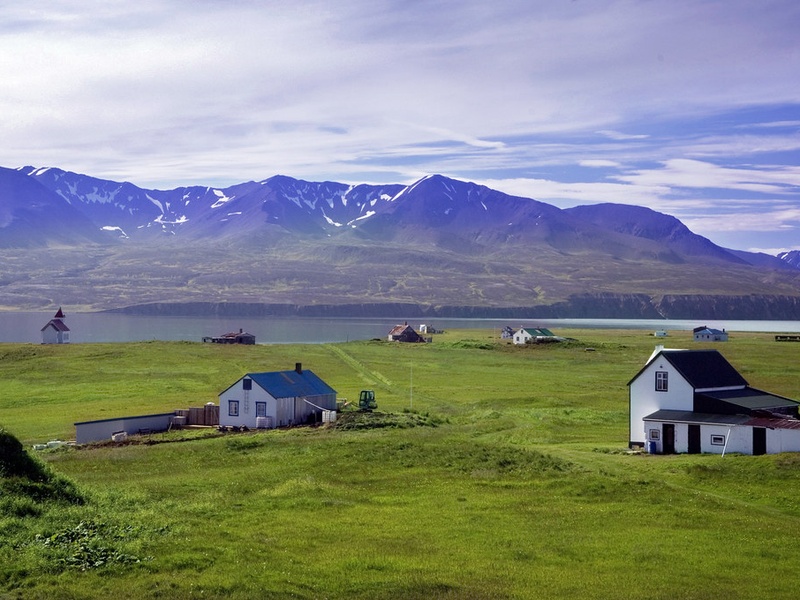
Flatey Island
Small island with a well-preserved historic village and a 19th-century church. Feature colorful wooden houses, old school, and seasonal ferry access. Offer limited services in summer and quiet historic streets. Represent remote island life and cultural continuity. (Source: Local heritage records)
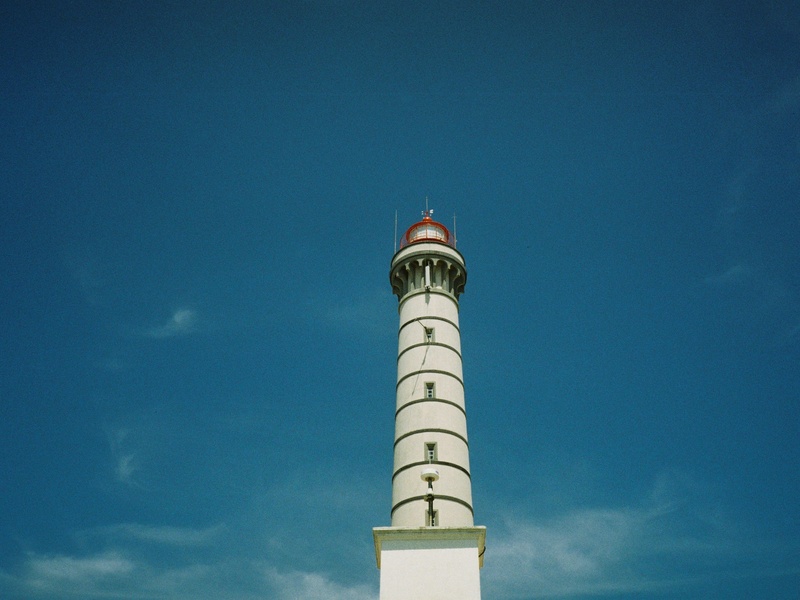
Reykjanesviti Lighthouse
Oldest lighthouse on the Reykjanes Peninsula, guiding ships since the 19th century. Stand near dramatic coastal cliffs with interpretive signs and short walks. Accessible by car with parking; check weather for safety. Mark coastal navigation history and maritime hazards. (Source: Icelandic Coast Guard history)
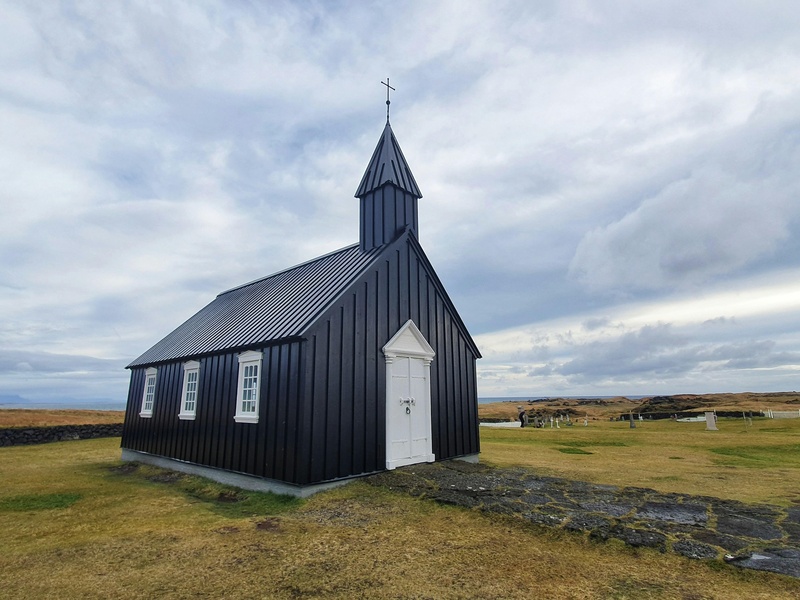
Búðir Church (Búðakirkja)
Iconic small black wooden church on Snæfellsnes, built in the 19th century. Serve as a landmark for church architecture and rural worship. Open to visitors and often used for ceremonies; check local access rules. Symbolize cultural continuity in a scenic setting. (Source: Icelandic Heritage Agency)
Borg á Mýrum
Historic homestead linked to Egill Skallagrímsson, a major saga figure from the 10th century. Contain archaeological remains and saga-era associations. Accessible by road with interpretive signage; include local museum references. Represent saga geography and Viking-age chieftain power. (Source: National Museum of Iceland)
Eyrarbakki historic village
Coastal village with preserved 18th–19th century merchant houses and a maritime museum. Show trading history, wooden architecture, and rural life by the sea. Offer museums, cafés, and guided walks; easy drive from the south coast. Illustrate fishing and trade in pre-modern Iceland. (Source: Eyrarbakki Museum)
Skriðuklaustur (Gunnar Gunnarsson Centre)
Former 20th-century writer’s estate and hospital site linked to Gunnar Gunnarsson. House a cultural center with exhibitions on literature and regional history. Open seasonally with guided tours and archives. Represent modern Icelandic literature and cultural patronage. (Source: Skriðuklaustur Centre)
Icelandic Wartime Museum (Keflavík)
Museum documenting WWII and Cold War military presence in Iceland. Present uniforms, aircraft, and stories about social change during the 20th century. Located near Keflavík with regular hours and guided exhibits. Explain international military impact on Icelandic society. (Source: Icelandic Wartime Museum)
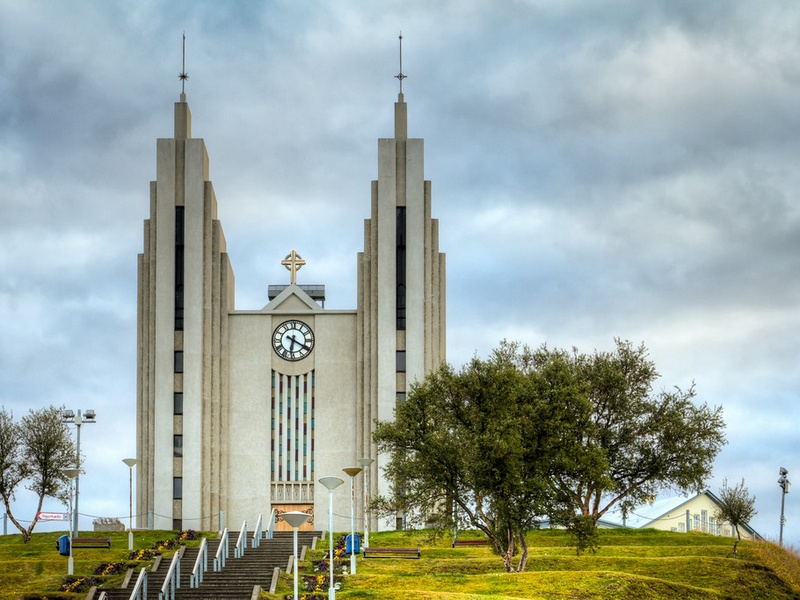
Akureyrarkirkja (Akureyri Church)
Prominent church built in the early 20th century in Akureyri. Feature striking architecture, stained glass, and central town location. Open to visitors with service times posted; easy walking access. Act as a civic and spiritual landmark for the north. (Source: Local parish records)
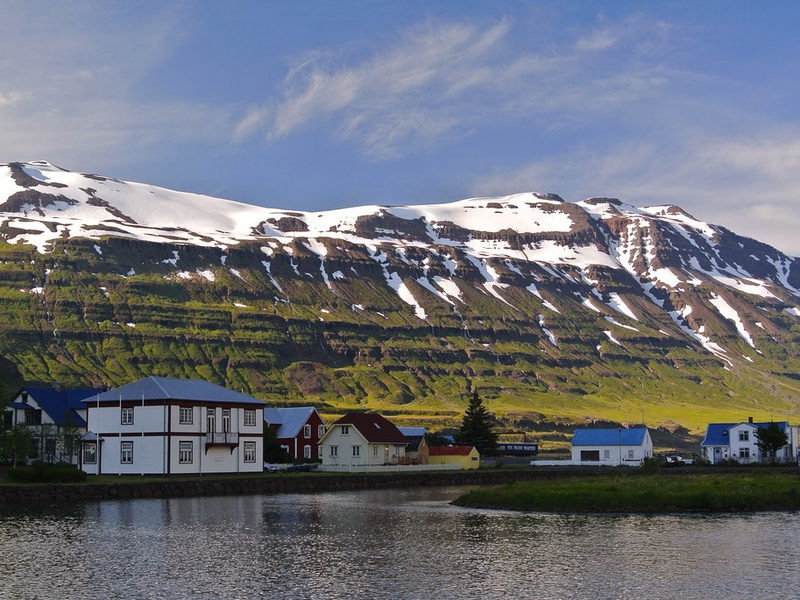
Seyðisfjörður historic town
Colorful East Iceland town with wooden houses and a strong trade and cultural history. Preserve 19th–20th century architecture and a history of fishing and shipping. Reach by coastal road and ferry; enjoy museums and arts venues. Show mixed cultural influences and port life. (Source: Seyðisfjörður heritage group)
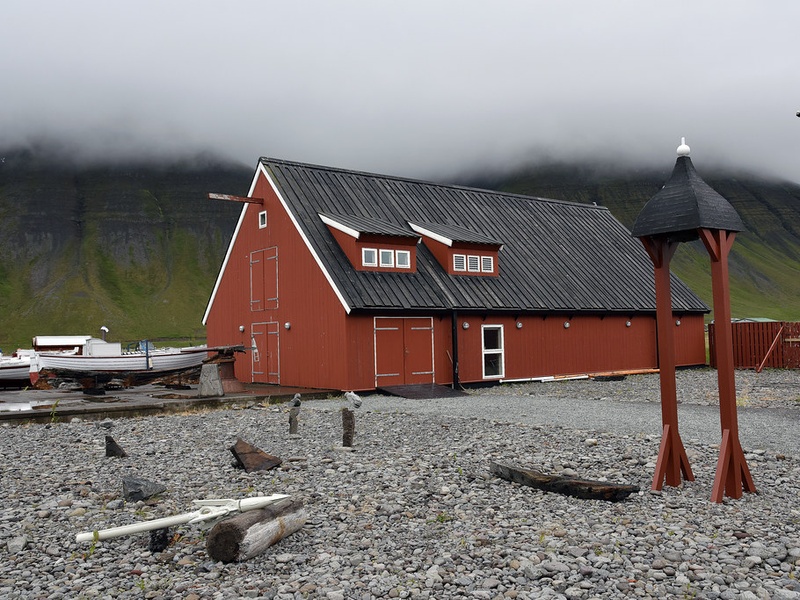
Ísafjörður Maritime Museum
Museum focused on Westfjords fishing history and maritime life. Display boats, tools, and coastal community stories. Open in summer with guided exhibits and local archives. Preserve regional seafaring traditions and economic history. (Source: Ísafjörður Maritime Museum)
Stykkishólmur old town (Norwegian House)
Historic harbor town with well-preserved timber houses and trading history. Include the Norwegian House and museums that explain 19th-century commerce. Offer accessible walking routes from the ferry terminal. Demonstrate trade links and urban development in the west. (Source: Local museum)
Þingeyri village & church
Small Westfjords village with a historic church and trading past. Present wooden buildings, a church from the 19th century, and fishing heritage exhibits. Provide ferry and road access depending on season. Represent rural coastal life and local history. (Source: Regional heritage records)
Víðimýrarkirkja
Medieval turf church in Skagafjörður, one of the few preserved turf churches left. Show original construction methods and ecclesiastical history. Offer limited seasonal access and guided information. Serve as a rare example of turf religious architecture. (Source: Icelandic Heritage Agency)
Árni Magnússon Institute (manuscript collection)
National center for medieval manuscripts and textual research. Hold the Icelandic medieval manuscript collections, including saga manuscripts. Open to researchers by appointment and offer public exhibitions at times. Act as the main repository for written medieval heritage. (Source: Árni Magnússon Institute)
Hofsós Heritage Museum
Museum and exhibition space focused on regional life and emigration history in northern Iceland. Include local artifacts, fishing displays, and cultural exhibits. Located on the coast with seasonal hours and nearby viewpoints. Document community responses to economic change. (Source: Hofsós Heritage Museum)
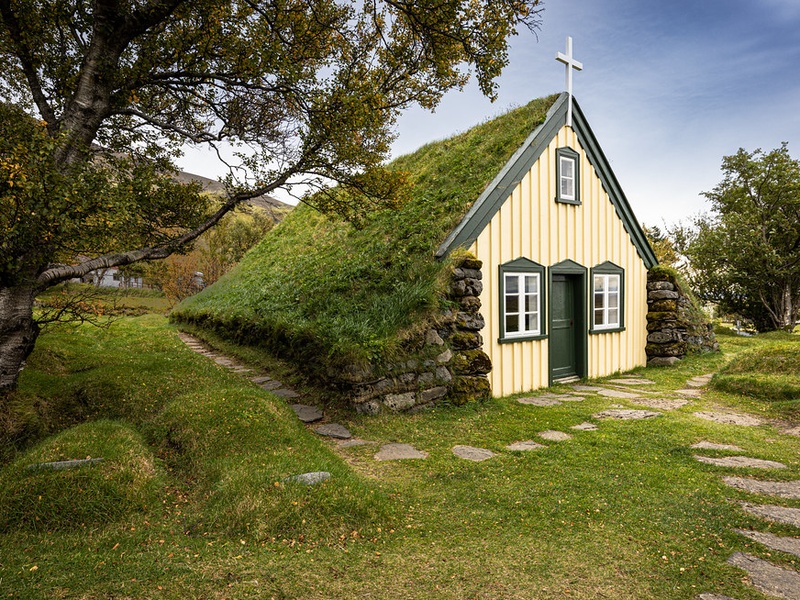
Hofskirkja (Öræfi/Hof)
One of Iceland’s few turf churches still in active use, located in Öræfi. Combine traditional turf architecture with preserved church interiors from older times. Offer seasonal visiting hours and local services. Represent rural religious life and building tradition. (Source: Icelandic Heritage Agency)
Old Harbour Reykjavík (Maritime history area)
Historic waterfront area that shows Reykjavík’s fishing and trading past. Include warehouses, memorials, and museums nearby. Offer walking access, boat tours, and museums with opening hours. Serve as the city’s maritime memory and urban origin. (Source: Reykjavík City Museum)
Keflavík Town (Old Town/Heritage)
Former fishing and trade town with 19th–20th century houses and Cold War history. Contain cultural centers, wartime exhibits, and preserved streets. Offer museums, cafés, and easy access from the airport. Link local life to international events. (Source: Keflavík Heritage)
Breiðavík/Flateyri historic houses
Cluster of old coastal houses that show 19th–20th century Westfjords life. Present wooden architecture, fishing heritage, and village layouts. Access depends on road conditions; check local transport. Capture small-town coastal history and traditional homes. (Source: Regional heritage records)
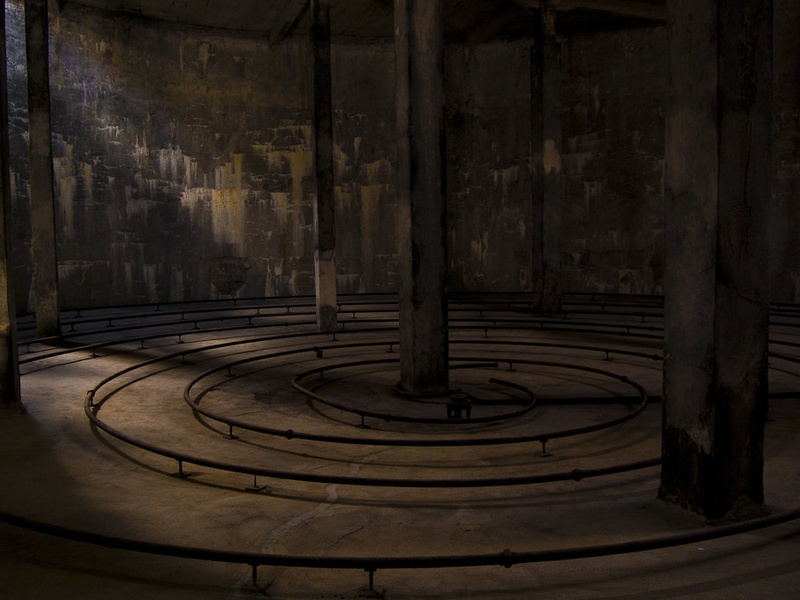
Djúpavík herring factory ruins
Large abandoned herring factory from the 1930s, now a dramatic industrial ruin. Show the scale of the herring boom and community life tied to fish processing. Open to visitors with caution; check access and guided tour options. Illustrate industrial rise and decline. (Source: Local heritage group)
Grettislaug / Sænautasel?
Historic bathing pools and local saga associations linked to Grettir the Strong and traditional turf enclosures. Combine folklore, saga memory, and landscape use. Offer site access with limited facilities; verify exact location for visits. Include for saga-era cultural connections. (Source: Saga literature references)
Reykholt cultural sites (Snorralaug, Snorrastofa included)
Cluster of sites related to Snorri Sturluson, including his hot pool and cultural center. Include medieval ruins, a modern museum, and interpretive trails. Provide seasonal opening hours and guided programs. Form a key node for medieval literature and politics. (Source: Snorrastofa)
Skálholt Cathedral and ruins
Historic cathedral site with medieval ruins and a modern church building in Skálholt. Show layers of ecclesiastical history from the 11th century onward. Offer museum exhibits, guided tours, and event programming. Highlight long-term religious and educational importance. (Source: Icelandic Heritage Agency)