Belarus sits at a crossroads of Slavic, Baltic and Finno-Ugric influences, and its linguistic landscape reflects centuries of shifting borders and communities. Whether you’re curious about living tongues or historic ones, the region offers a compact but telling portrait of language diversity.
There are 10 Indigenous Languages in Belarus, ranging from Belarusian to Yotvingian (Sudovian). For each language you’ll find below the columns Family, Estimated speakers, Regions so you can quickly compare origins, current speaker numbers, and geographic distribution — you’ll find those details below.
Which of these indigenous languages are still spoken today?
Several languages on the list have living speaker communities (Belarusian among them), while others are extinct or only attested historically; see the Estimated speakers column for current vitality and the Regions column for where surviving communities or records are concentrated.
How accurate are the “Estimated speakers” figures and where do they come from?
Estimates combine census data, linguistic surveys and academic studies and can vary by source and year; for extinct or nearly extinct languages the numbers rely on historical records and field reports, so treat the figures as informed approximations rather than exact counts.
Indigenous Languages in Belarus
| Name | Family | Estimated speakers | Regions |
|---|---|---|---|
| Belarusian | East Slavic | 3,500,000 | Nationwide, stronger rural use in south and west (Gomel,Brest) |
| Polish | West Slavic (Lechitic) | 300,000 | Western regions, especially Hrodna (Grodno) and Brest areas |
| Lithuanian | Baltic | 20,000 | Northwest border areas, notably Hrodna (Grodno) region near Lithuania |
| Ukrainian | East Slavic | 150,000 | Southeast and southern border areas (Gomel,Brest regions) |
| Yiddish | Indo-European (Germanic) | 100 | Historically Minsk,Brest,Vitebsk; tiny communities today |
| Romani | Indo-European (Indo‑Aryan) | 1,000 | Scattered communities (Minsk,Brest,Gomel) |
| Lipka Tatar (Tatar) | Turkic | 100 | Western Belarus, notably Hrodna (Grodno) and Brest areas |
| Ruthenian (Chancery/Old Ruthenian) | East Slavic | 0 | Formerly used across the Grand Duchy territories (modern Belarus) |
| Yotvingian (Sudovian) | Baltic | 0 | Historically in areas near modern southwestern Grodno and adjacent lands |
| Belarusian Sign Language | Sign language | 10,000 | Nationwide, concentrated in urban centers (Minsk,Brest) |
Images and Descriptions

Belarusian
Descends from Old East Slavic/Ruthenian; the primary indigenous language of Belarus with official status alongside Russian. Widely known but daily use declined in cities; classified as vulnerable in many communities though central to national identity and education.
Polish
Spoken by an autochthonous Polish minority long present since Commonwealth times. Polish retains community schools, churches and media in western Belarus. Considered a protected minority language but local use has decreased; viable in some rural communities.
Lithuanian
Native to long-standing Lithuanian communities tied to Grand Duchy history; small but continuous presence near the Lithuanian border. Minority language with limited institutional support in Belarus; regionally endangered but preserved in pockets.
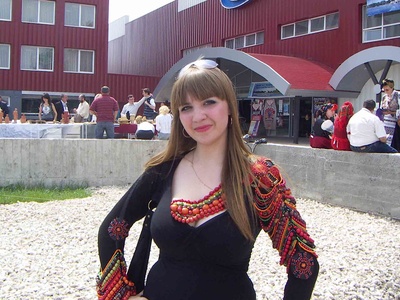
Ukrainian
Historically present in borderlands; Ukrainian dialects formed part of a continuum with Belarusian. Community use persists in rural areas and cross-border families. Considered a minority language with local vitality but assimilation pressures exist.
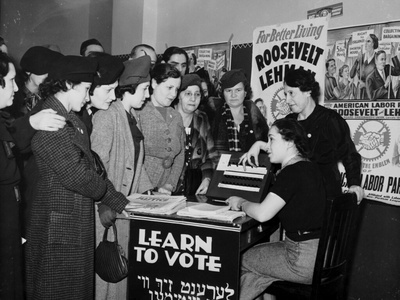
Yiddish
Once the mother tongue of large Ashkenazi Jewish communities before WWII. Today only very small numbers speak Yiddish natively in Belarus; active cultural revivalists exist, but the language is critically endangered locally.
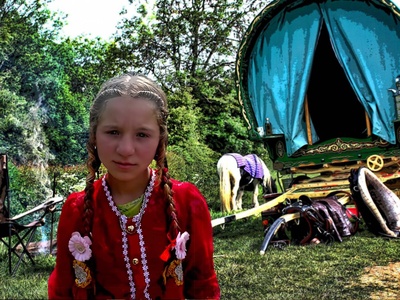
Romani
Romani varieties have been spoken by Roma groups in Belarus for centuries. Many speakers bilingual in Belarusian or Russian; the language survives in small, dispersed communities and is vulnerable due to assimilation and limited transmission.
Lipka Tatar (Tatar)
Lipka Tatars settled in the Grand Duchy from the 14th century; they historically spoke a Kipchak-derived Tatar dialect influenced by Belarusian/Polish. Today very few native speakers remain, but cultural and religious identity persists.
Ruthenian (Chancery/Old Ruthenian)
Medieval and early‑modern East Slavic chancery and literary language of the Grand Duchy of Lithuania; ancestor to modern Belarusian and Ukrainian. No longer spoken natively, but foundational to Belarusian literary history.
Yotvingian (Sudovian)
An extinct West Baltic language once spoken by Yotvingians in parts of what is now Belarus and Poland. Poorly attested and extinct by the late Middle Ages; of interest for historical linguistics and regional history.
Belarusian Sign Language
The indigenous sign language of Belarus’s Deaf community, developed locally and used natively by many deaf Belarusians. Limited formal recognition and educational resources mean it is vulnerable, though community networks remain active.