10 Adventurous Things to do in Australia
Australia is famously vast and varied: the country claims more than 10,000 beaches and hosts the world’s largest coral reef system, the Great Barrier Reef (about 2,300 km long). That scale and ecological variety make adventurous travel here especially rewarding—marine life and reef systems, desert vistas and red dunes, temperate alpine forests and rugged rivers all sit within a few days’ travel of one another.
Beyond biodiversity, adventures in Australia offer cultural depth. Many iconic sites are held by First Nations peoples, and Indigenous-guided walks, art sites, and cultural interpretation add meaning to outdoor challenge. Practical factors also matter: seasons vary dramatically from coast to Outback to alpine zones, and some activities require permits or accredited guides for safety and conservation.
This list highlights ten substantive, well-chosen adventures grouped into three categories—Coastal & Marine, Outback & Desert, and Mountain/Forest & Cultural—so you can match fitness, time, and season to the experience you want. Read on for when to go, what to expect, and how to do each responsibly.
Coastal & Marine Adventures
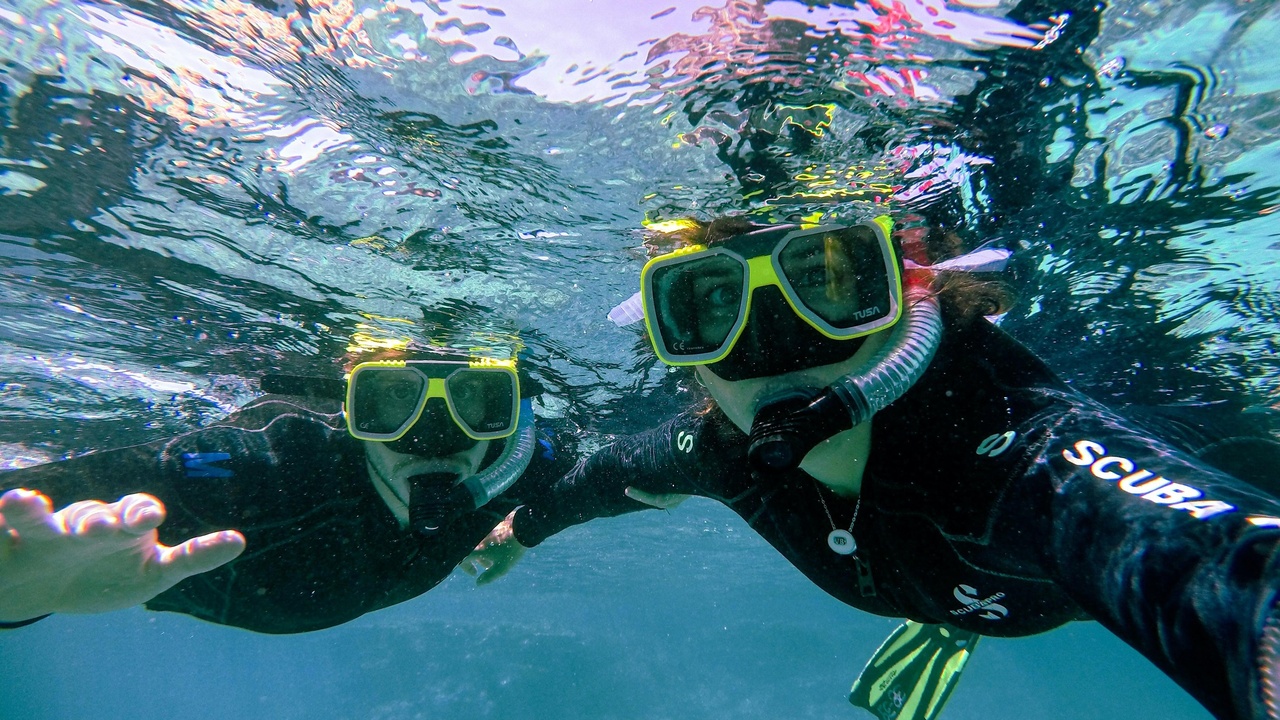
Australia’s coastline ranges from tropical reef lagoons in Queensland and Western Australia to cool, kelp-lined shores in Tasmania and Victoria. Timing matters: the Great Barrier Reef and Ningaloo have peak water-clarity windows, whale-shark season runs roughly March–July at Ningaloo, and southern surf swells peak in autumn and winter.
Safety and conservation are front of mind—stinger season (southern summer) influences when to swim on some tropical reefs, and many marine activities work best with licensed guides. Practice low-impact tourism: use reef-safe sunscreen, follow keep-away rules for large animals, and favor operators with accreditation.
Here you’ll find snorkeling and diving on the Great Barrier Reef, seasonal whale-shark swims at Ningaloo, world-class surf at the Gold Coast and Bells Beach, and sea‑kayak routes around the Tasman Peninsula and Bruny Island. These are some of the best adventurous things to do in Australia, provided you plan around seasons and choose certified guides or required permits for protected areas.
Always check operator credentials and local advisories before booking—many reef sites and whale‑shark encounters require licensed operators to protect wildlife and visitors.
1. Snorkel or dive the Great Barrier Reef
Top marine adventure: the Great Barrier Reef is a vast coral habitat stretching about 2,300 km and supporting roughly 1,500 species of fish. Its scale makes every trip different, from shallow snorkel gardens to deep-wall dive sites.
Options suit all skill levels: certified divers can join liveaboard trips that run multiple days, while day-trip operators from Cairns and Port Douglas run guided snorkel and intro-dive packages. Popular sites include the Agincourt Ribbon Reefs and Opal Reef dive areas off Cairns.
Conservation matters: coral bleaching is an ongoing risk, so book operators who follow reef‑safe practices and use reef‑safe sunscreen, and look for those supporting reef monitoring or restoration programs.
2. Swim with whale sharks at Ningaloo Reef
Ningaloo Reef (Exmouth/Coral Bay) is one of the few places where you can legally and ethically swim with whale sharks. The best window is roughly March–July when juvenile and adult whale sharks congregate to feed.
Tours run from Exmouth and Coral Bay and typically use small-group swims with strict approach rules: no touching, limited time in the water, and minimum distances. Operators require permits and accreditation, and regulators enforce low-impact guidelines to protect the animals.
Expect guided, often early‑morning departures, brief in-water encounters, and informative briefings. Safety is straightforward if you follow guides’ instructions and keep a respectful distance from these gentle giants.
3. Surf iconic breaks like the Gold Coast or Bells Beach
Australia’s surf culture is world-famous, with high-profile events such as the Rip Curl Pro at Bells Beach and year‑round riding on the Gold Coast. Breaks range from gentle beach breaks for learners to powerful reef and point breaks for experienced surfers.
Beginners can take lessons and rent boards at Surfers Paradise surf schools, while advanced surfers chase seasonal swell patterns—southern swells often build in autumn and winter, and mid‑morning offshore winds can make for cleaner waves.
Always check local surf reports, swim between the flags when lifeguards are on duty, and respect surf etiquette; many popular breaks run competitions that can affect access on event days.
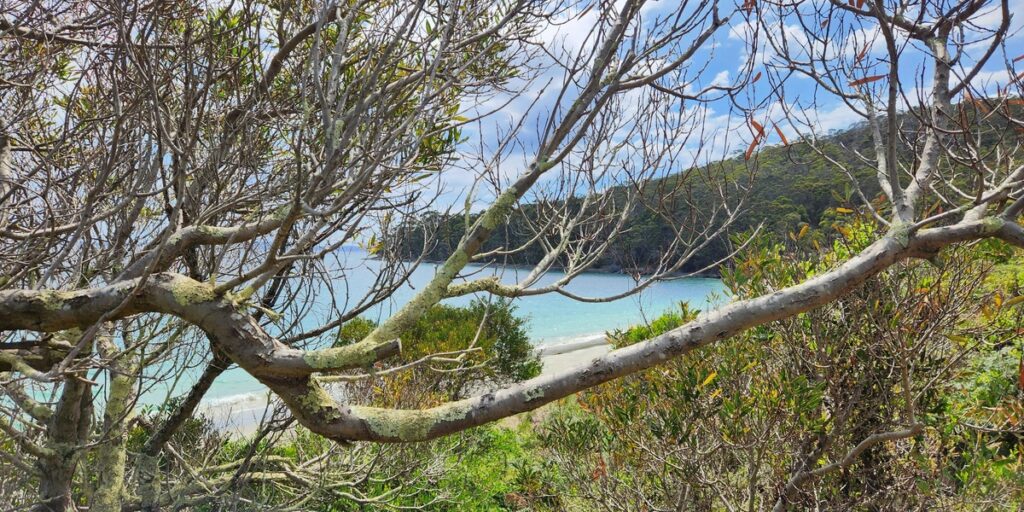
4. Sea-kayak along dramatic coasts (Tasman Peninsula, Bruny Island)
Sea‑kayaking here means paddling past cliffs, through sea caves and around wildlife-rich bays. The Tasman Peninsula near Port Arthur and Bruny Island (Adventure Bay) offer dramatic coastal geology and frequent wildlife sightings.
Choose between guided multi-day expeditions that include camping and sheltered-nights logistics, and single-day paddles suitable for fit beginners. Tides and weather dictate routes, so check forecasts and tide tables before launch.
Local operators run guided trips that include instruction and safety gear; if you go self-guided, carry a VHF or satellite communicator and plan for rapid weather changes to minimize rescue risk and environmental impact.
Outback & Desert Adventures
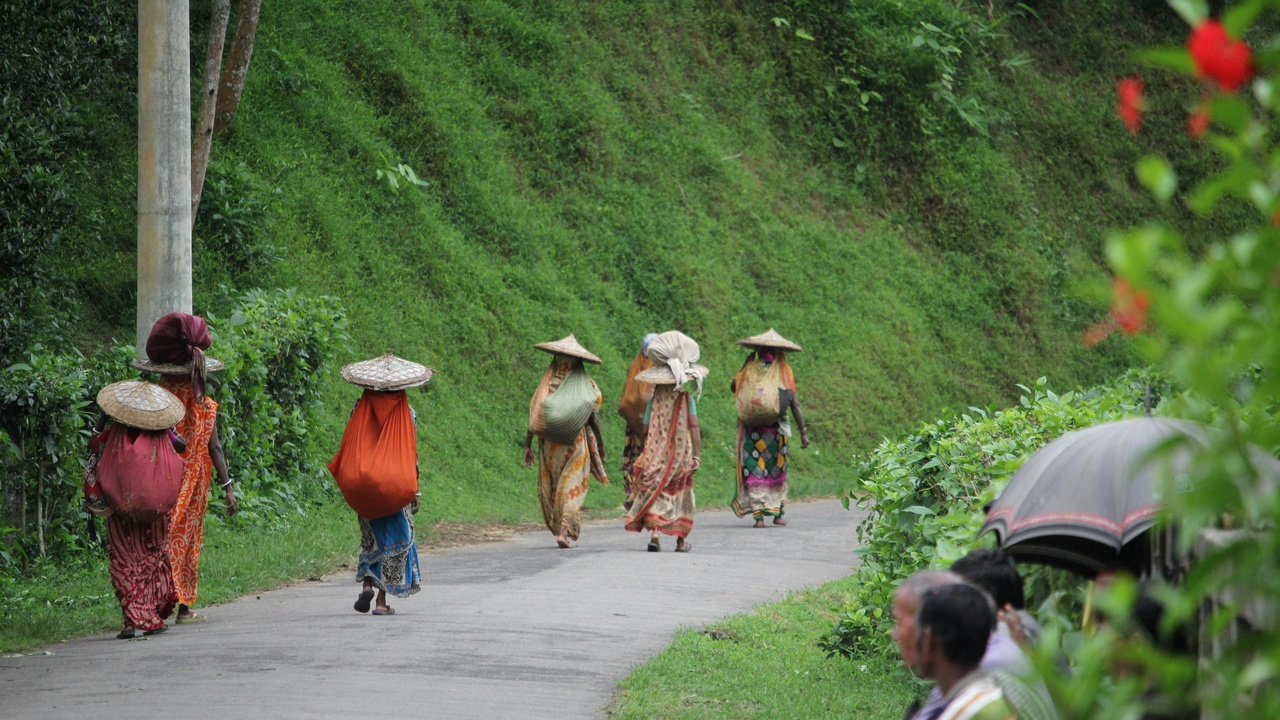
The Outback’s scale and cultural significance demand preparation and respect. Distances are vast, conditions can be extreme—heat in the day, chilly nights—and some areas require permits or Indigenous approvals. Many of the best experiences pair iconic landforms with Indigenous-led interpretation, adding cultural context to the scenery.
Plan logistics carefully: carry extra water, spares, satellite communication, and be honest about vehicle capability. Seasonal timing matters—wet‑season floods can cut access in the Top End, while the interior is most comfortable in the cooler months.
This category includes Uluru and Kata Tjuta cultural walks, serious 4WD crossings across the Simpson Desert, and Kakadu river cruises and wet‑season waterfalls. Practice cultural sensitivity: Uluru’s climb closure follows local wishes, and many rock‑art sites have access protocols.
Guided options are available for all these adventures and are recommended if you lack remote experience—permits and park entry fees apply in several national parks.
5. Explore Uluru and Kata Tjuta with a cultural walk
Uluru rises about 348 metres above the surrounding plain and holds deep cultural importance to Anangu people. Climbing Uluru is closed, reflecting traditional owners’ wishes and park policy.
Choose guided Mala Walks, ranger‑led talks, or Indigenous‑led cultural tours to learn Tjukurpa stories and law. Sunrise and sunset viewing areas reveal striking color changes, and the base walk around Uluru or the Kata Tjuta Valley of the Winds hike offers close-up geology and flora.
Entry to Uluru‑Kata Tjuta National Park requires a park pass; visit during the cooler months (April–September) for more comfortable hiking conditions and clearer skies.
6. Drive or camp across red-dune country in a 4WD (Simpson Desert)
The Simpson Desert covers roughly 176,500 km² and presents a serious 4WD challenge: long, remote tracks, parallel sand dunes and features like Big Red (near Birdsville) that attract thrill-seeking drivers and photographers.
Vehicle preparation is non‑negotiable—twin‑wheel recovery gear, sand‑tyre setups, spare fuel, and knowledge of tyre deflation and reinflation are essential. Many travelers join convoys or book guided crossings to reduce risk, and satellites or PLBs (personal locator beacons) are strongly advised.
Guided Simpson Desert tours provide logistics, maps, and experienced drivers; travel in the dry season for stable access, and always leave detailed travel plans with someone off the trip.
7. Cruise Kakadu’s rivers during the wet season and spot saltwater crocodiles
Kakadu National Park is a World Heritage landscape where the wet season transforms floodplains into vast waterways and creates dramatic waterfalls. Birdlife and saltwater crocodiles concentrate along rivers at that time.
Yellow Water cruises out of Cooinda or tours from Jabiru offer guided viewing of crocodiles, jabirus and thousands of waterbirds. Wet‑season access changes road and trail availability, so guided boat-based trips are often the best way to experience peak flooding and falls.
Respect safety briefings—never swim in croc habitat—and take cultural tours to view rock art with informed local guides who explain site significance and protection measures.
Mountain, Forest & Cultural Adventures
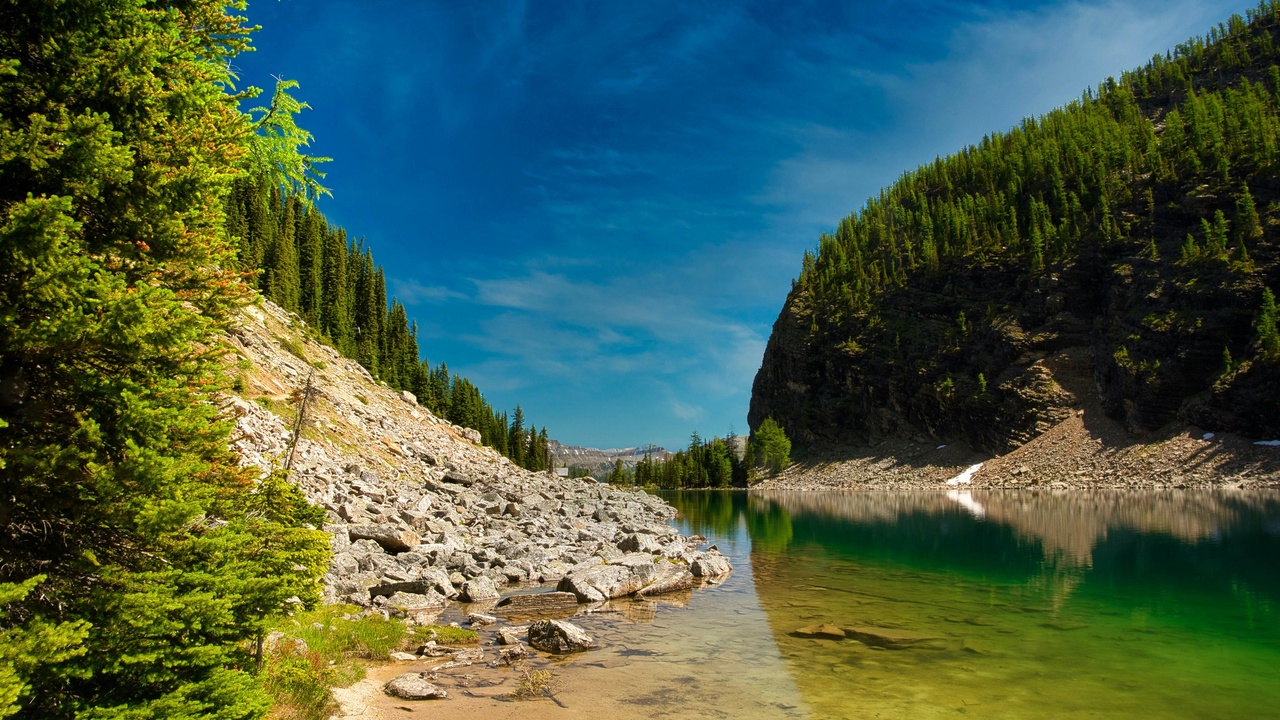
Adventure isn’t only remote: Australia’s ranges, temperate forests and cities offer technical hikes, white‑water runs and urban adrenaline. Alpine weather can change fast, river levels dictate rafting difficulty, and city adventures—like bridge climbs—require bookings and fitness checks.
The Greater Blue Mountains UNESCO area contains multi‑day hikes and canyons; Sydney packs urban options like the BridgeClimb and coastal cliff walks; and Tasmania’s World Heritage wilderness hosts serious rafting on the Franklin River and long treks around Cradle Mountain.
Plan for changing conditions, book accredited river or climbing operators where appropriate, and pack for alpine or wet weather even in summer for higher elevations and rivers.
8. Tackle multi-day hikes and canyoning in the Blue Mountains
The Greater Blue Mountains World Heritage area offers sandstone cliffs, deep canyons and eucalyptus‑scented ridgelines. Classic routes include the Grand Canyon Track and multi-day circuits linking Katoomba and Blackheath.
Canyoning here ranges from low‑grade scrambles to technical descents that require ropes, wetsuits and guide support; local operators run guided canyoning trips if you lack technical gear or experience.
Weather and flash‑flood risk matter—avoid narrow canyons after heavy rain—and book accommodation or campsites in Katoomba and Blackheath in advance during peak hiking seasons.
9. Experience an urban adventure: climb the Sydney Harbour Bridge
BridgeClimb Sydney offers an accessible urban adventure with guided climbs, safety harnesses and spectacular views of the Opera House and harbour. Climbs include day, twilight and summit options to suit photos and fitness.
Booking windows can fill weeks out in peak season, and participants must meet basic fitness and health requirements. Urban adventure alternatives include company‑run abseils and guided coastal cliff walks around the northern headlands.
These experiences let you combine cultural sightseeing with an adrenaline element while staying close to city comforts, transport and medical services.
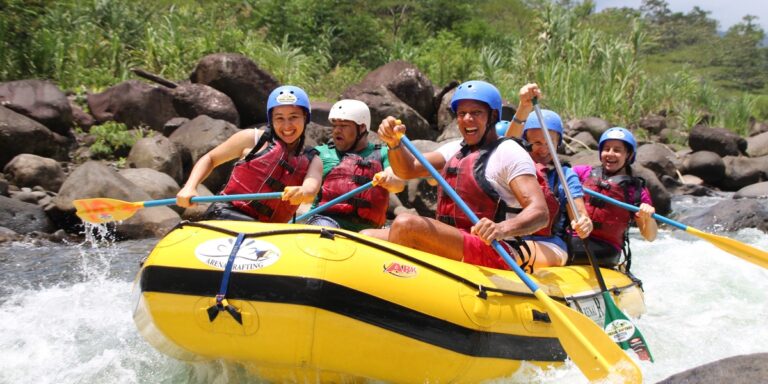
10. Raft or trek through Tasmania’s wild places (Franklin River, Cradle Mountain)
Tasmania’s World Heritage wilderness offers raw rivers and alpine plateaus. The Franklin River has multi‑day guided rafting trips (grade varies by season), while the Cradle Mountain–Lake St Clair track is a classic multi‑day hike with huts and mountain weather to respect.
Expect required permits for some routes, strong fitness demands and tight seasonal windows—summer offers the best access for alpine hikes and raft trips but still brings cold nights. Guided operators provide gear, experienced river guides and safety protocols.
Choose guided rafting on the Franklin or a hut-to-hut Cradle Mountain trek to minimize logistics and maximize safety when tackling Tasmania’s remote, changeable environment.
Summary
- Australia’s adventure offerings span reefs, deserts, mountains and cities—pick an experience that matches your fitness, time and season (examples: a Cairns reef liveaboard, a March–July Ningaloo whale‑shark tour, or a Simpson Desert 4WD crossing).
- Prepare practically: check seasonal windows (whale‑shark season Mar–Jul, wet/dry cycles in Kakadu), obtain required park passes and permits, and carry spares, water and communication devices for remote trips.
- Respect Indigenous culture and conservation—follow local protocols at Uluru and rock‑art sites, use reef‑safe sunscreen, and choose accredited operators that protect wildlife and habitat.
- Book certified guides for technical or remote adventures, confirm insurance and gear lists, and start by choosing one of these ten adventures to plan around the right season and logistics.