The Gambia is small in size but layered in language: different communities use distinct tongues that reflect ethnicity, history and regional ties across West Africa. Spotting who speaks what helps when reading local news, planning travel, or researching culture.
There are 10 Indigenous Languages in Gambia, ranging from Balanta to Wolof. For each entry you’ll find below Native name, Speakers (est), Main region(s) so you can quickly compare distribution and speaker estimates — see the list you’ll find below.
Which Gambian languages are most widely spoken?
Wolof functions as the common lingua franca, especially in urban areas and markets, while Mandinka and Fula are also widespread across regions; other languages like Jola and Balanta have strong local presence. The list below shows relative speaker estimates and where each language is concentrated.
How accurate are the speaker estimates and where do they come from?
Speaker numbers are typically estimates drawn from recent censuses, field surveys and linguistic studies, so they should be treated as approximate; shifts from migration, bilingualism and differing survey methods mean figures can change — consult the Speakers (est) column and source notes in the list below for details.
Indigenous Languages in Gambia
| Language | Native name | Speakers (est) | Main region(s) |
|---|---|---|---|
| Mandinka | Mandiŋka | 850,000 | Central and eastern Gambia; Upper River and Greater Banjul |
| Wolof | Wolof | 400,000 | Greater Banjul, urban areas and market towns across Gambia |
| Pulaar | Pulaar (Pullo/Fulfulde) | 150,000 | Northern and central regions, rural Fula communities |
| Jola | Ajamat/Jola | 100,000 | Lower River and western districts, near Casamance border |
| Serer | Seereer | 60,000 | Scattered communities across Gambia, especially west-central areas |
| Soninke | Sarakole | 50,000 | Eastern and central regions; trading towns |
| Manjago | Manjak | 35,000 | Western coastal areas and border districts near Guinea-Bissau |
| Balanta | Balanta | 12,000 | Southern Gambia and Casamance-adjacent areas |
| Karoninka | Karon | 12,000 | Southern Gambia near Senegal border, riverine communities |
| Bijogo | Bidyogo | 8,000 | Bijagós archipelago (islands off the coast) |
Images and Descriptions

Mandinka
Mandinka (Manding branch of the Mande family) is Gambia’s largest local language, spoken widely in towns and countryside. Strong intergenerational use and media presence keeps it vital, though urban bilingualism with Wolof and English is common.
Wolof
Wolof is widely used in urban areas and markets, serving as a regional lingua franca. An Atlantic language with high urban vitality; many speakers remain multilingual and traditional rural dialects continue alongside city speech.
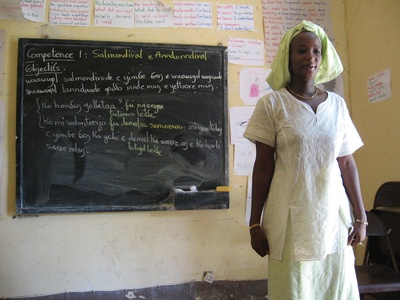
Pulaar
Pulaar (Fula) of the Atlantic branch is spoken by Fula communities across the country, especially in the north and east. Traditionally strong in pastoral and rural areas, use is stable though younger speakers often shift toward urban languages.
Jola
Jola is spoken mainly in the Lower River and western districts. A Bak language with several local varieties; community use remains robust in rural areas but small speaker populations mean limited public visibility.
Serer
Serer (Serer-Sine) is a Senegambian language spoken in pockets across Gambia. It’s part of the Niger–Congo family and has stable community transmission, though its speakers are a minority facing pressure from larger languages.
Soninke
Soninke (Sarakole) of the Mande family is used by traders and communities mainly in the eastern regions. Language maintenance is moderate with bilingualism common; migration and commerce influence usage patterns.
Manjago
Manjago (Manjak) is spoken mainly in western coastal and border areas near Guinea-Bissau. A Bak family language, it has a small speaker base but remains actively used in community life and local ceremonies.
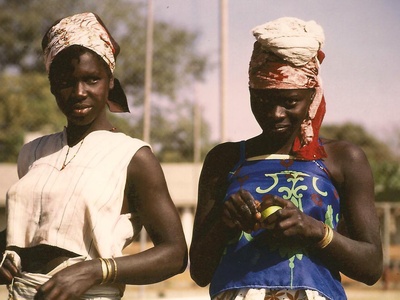
Balanta
Balanta is spoken by the Balanta people in the south and Casamance-adjacent areas. As an Atlantic language with relatively few speakers, it faces some risk from dominant regional languages but is maintained locally.
Karoninka
Karoninka is a Jola-related language spoken in southern Gambia near the Senegal border. It is used in local communities with modest numbers of speakers, maintaining traditional use though limited in formal domains.
Bijogo
Bijogo (Bidyogo) is spoken in the Bijagós archipelago; it’s an Atlantic language with distinct island dialects. Small, localized speaker communities keep the language alive, but isolation and out-migration pose long-term challenges.